

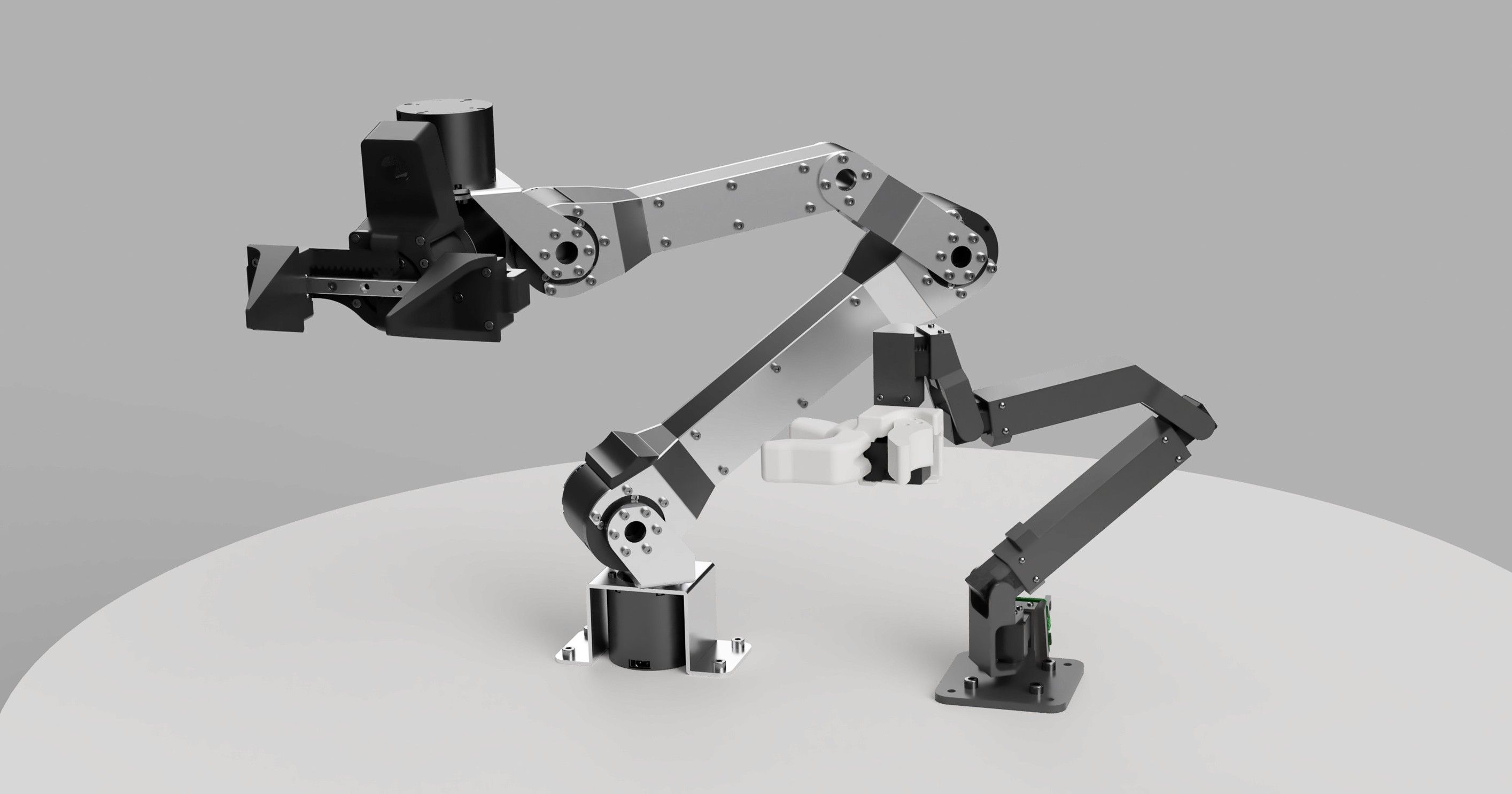
Polybot, a startup spun off from the ELLIS Institute and the Max Planck Institute for Intelligent Systems, is developing a tomato-picking robot that learns from human demonstrations. This robot has transitioned from the lab to real greenhouse environments, marking a significant step towards practical agricultural automation in precision-demanding tasks.
The importance of this development lies in its potential to support one of the most repetitive and physically demanding aspects of food production. The fully autonomous robot is designed for harvesting cluster tomatoes, utilizing an end-to-end learning approach from human actions rather than relying on manually coded rules. This adaptability could enhance the robot's effectiveness in complex growing conditions, where variations in plant spacing and fruit positioning are common.
Looking ahead, the next major test is a complete pilot program scheduled for summer 2026, which will assess the robot's reliability under real production demands. If successful, the first systems could be delivered to growers by early 2027. As agricultural robots move from demonstration to everyday tasks, they promise to improve harvesting efficiency and reduce food loss before products reach store shelves.
Editor's Note
The development of Polybot's tomato-picking robot signifies a pivotal moment in agricultural automation, particularly in tasks requiring precision and adaptability. As the technology progresses, it could reshape the landscape of food production by alleviating labor-intensive processes and enhancing efficiency. Stakeholders should monitor advancements closely, as successful deployment could lead to broader adoption of robotics in agriculture.
Copyright Notice
This briefing is an independently written summary based on publicly available reporting and is provided for industry information and news discovery. The original report and source publication are credited and linked where applicable. RobotToday does not claim ownership of third-party source material.
Rights concerns? If you believe any material in this briefing infringes your copyright or other rights, please contact [email protected] with the relevant URL and details. We will review the matter and take appropriate action where warranted.




























Leave a comment