

Industry Briefing
A single destination for timely, editor-curated robotics news from around the world.
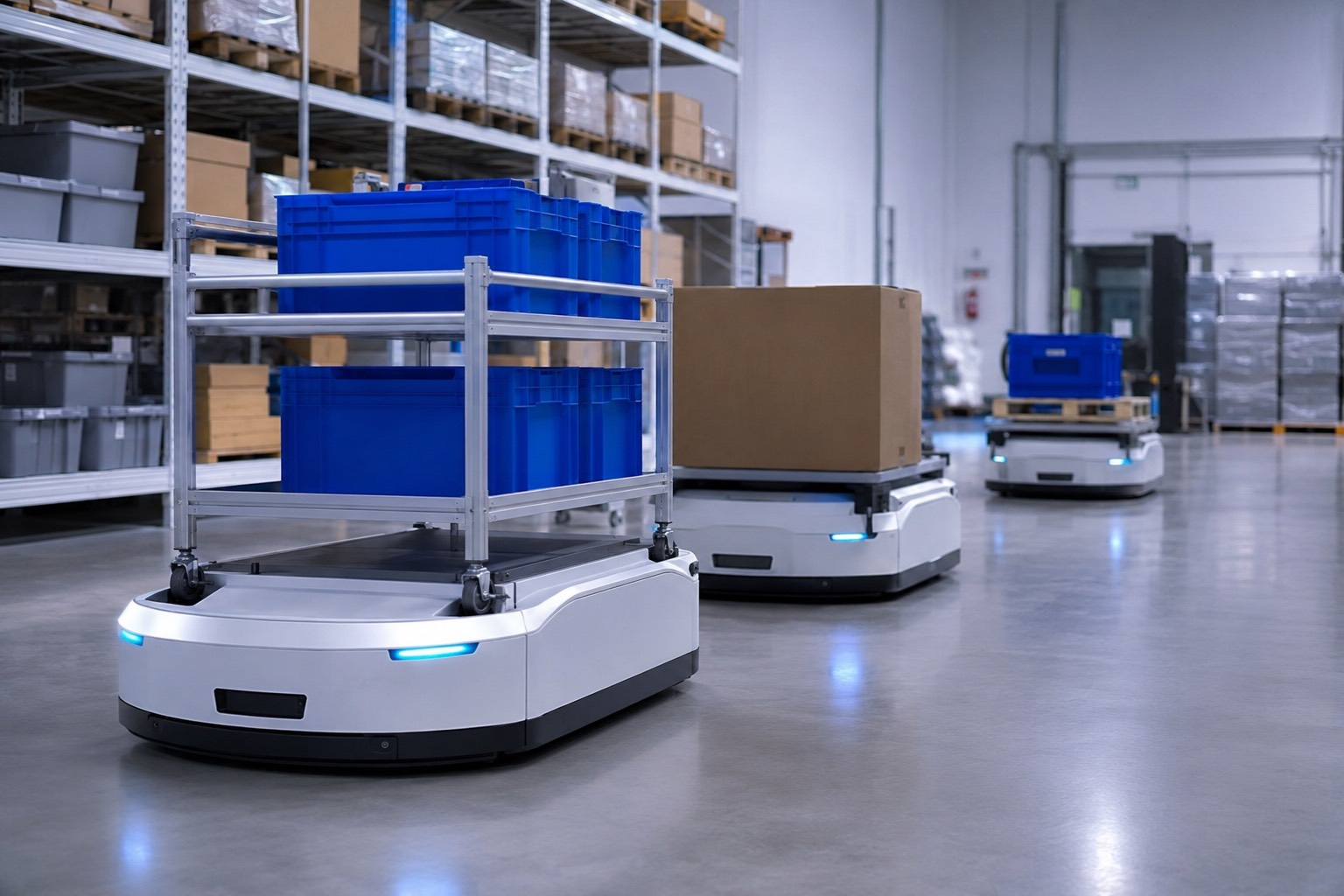
The Rise of Autonomous Mobile Robots in Industrial Automation
Autonomous Mobile Robots (AMRs) are rapidly transforming industrial automation, moving beyond traditional fixed conveyors and AGVs. Their flexibility meets the evolving demands of logistics driven by e-commerce growth, product customization, and labor shortages. AMRs utilize advanced technologies like sensors, cameras, LiDAR, and AI to navigate dynamically without fixed infrastructure. This adaptability is crucial as industries face fluctuating volumes and changing processes, making AMRs a vital component of modern supply chains. According to the International Federation of Robotics, AMRs are among the fastest-growing segments in professional robotics. As deployments increase in logistics centers, fleet management software is becoming as critical as the robots themselves, indicating a shift towards integrated automated solutions.
À la une IA Industrie Robotique AMR automatisation des entrepôts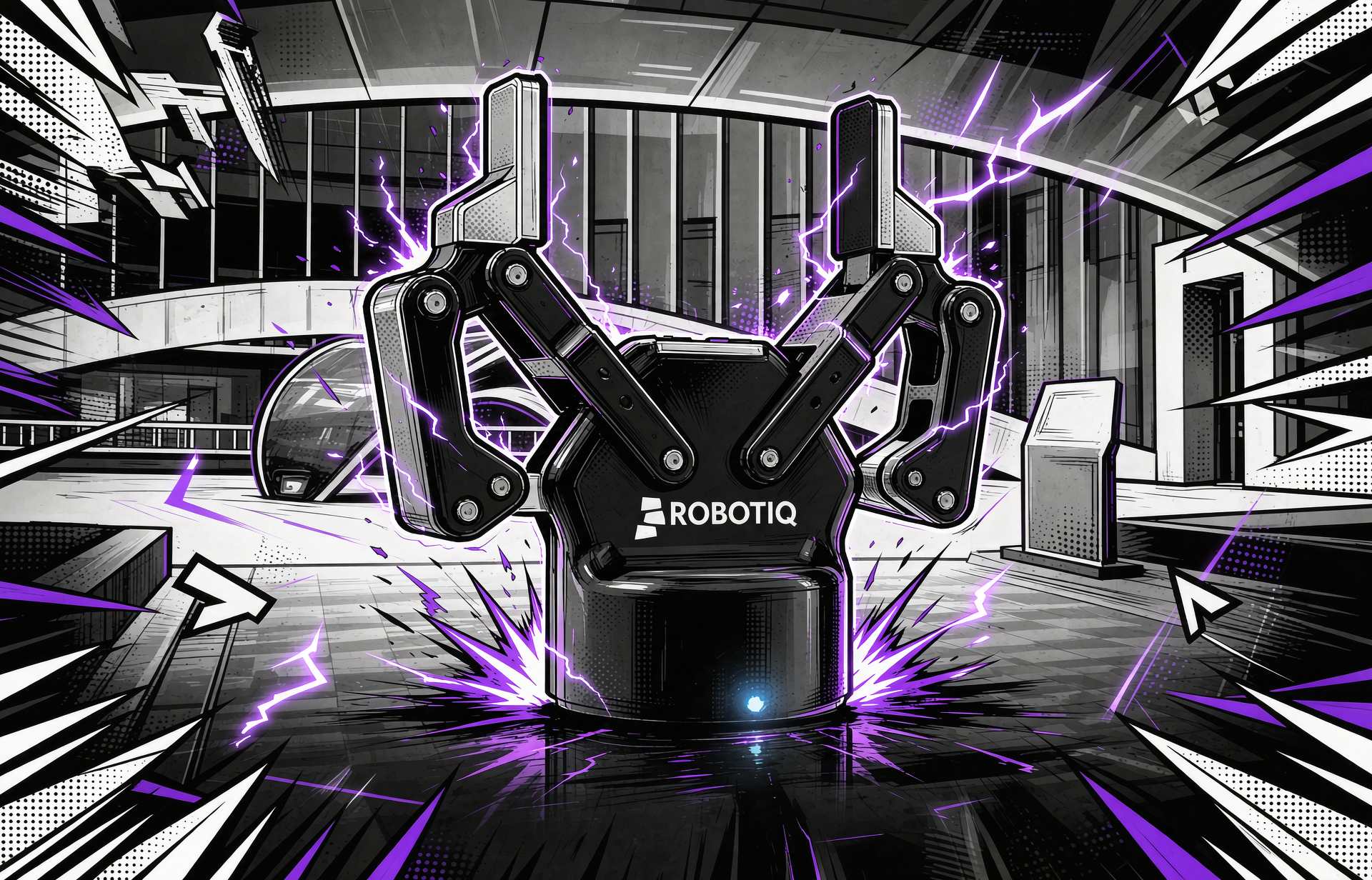
Industrial-Grade End Effectors Like Two-Finger Claw Now Standard in Teaching Robots
The integration of industrial-grade end effectors, such as the Two-Finger Claw, into educational robotics is becoming increasingly common. This trend signifies a shift towards more advanced and capable teaching tools in classrooms, enhancing the learning experience for students. The adoption of these sophisticated robotic components is crucial as it bridges the gap between theoretical knowledge and practical application. By utilizing high-quality end effectors, educators can provide students with hands-on experience that mirrors real-world industrial scenarios, fostering a deeper understanding of robotics and automation. Looking ahead, the continued evolution of educational robotics will likely see further enhancements in end effector technology. No further timeline was disclosed at the time of publication.
Robotics Automation AI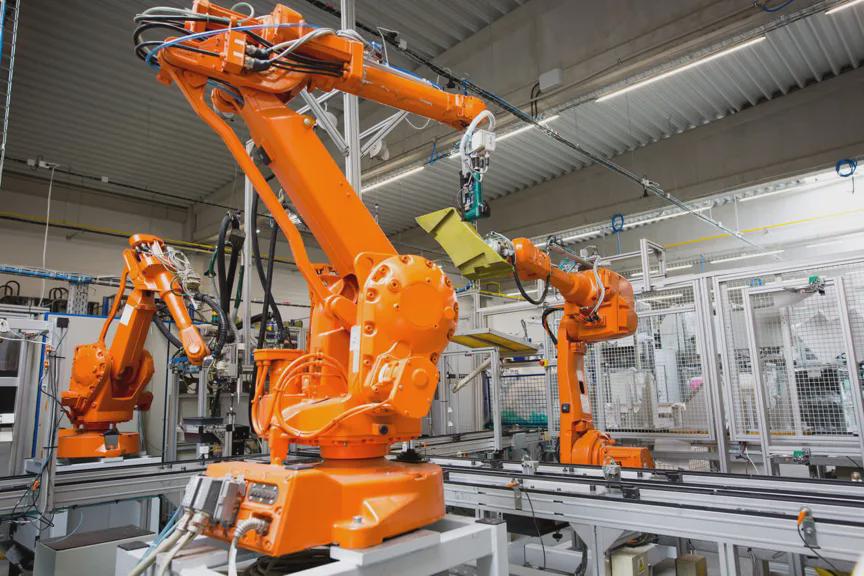
354,000 Chinese Industrial Robots Transforming the Landscape of the 'Four Great Families
A significant development in the robotics sector has emerged, with 354,000 Chinese industrial robots reportedly toppling the city walls of the 'Four Great Families'. This event highlights the rapid advancements in robotics technology and its implications for urban infrastructure. The importance of this transformation lies in the potential for industrial robots to reshape traditional industries and urban environments. As these robots become more integrated into various sectors, they may lead to increased efficiency and innovation, challenging established norms and practices. Looking ahead, the ongoing evolution of robotics technology will be crucial to watch. The integration of such a large number of robots signifies a shift in how industries operate, and it will be interesting to see how this impacts future urban planning and industrial strategies. No further timeline was disclosed at the time of publication.
Robotics Automation AI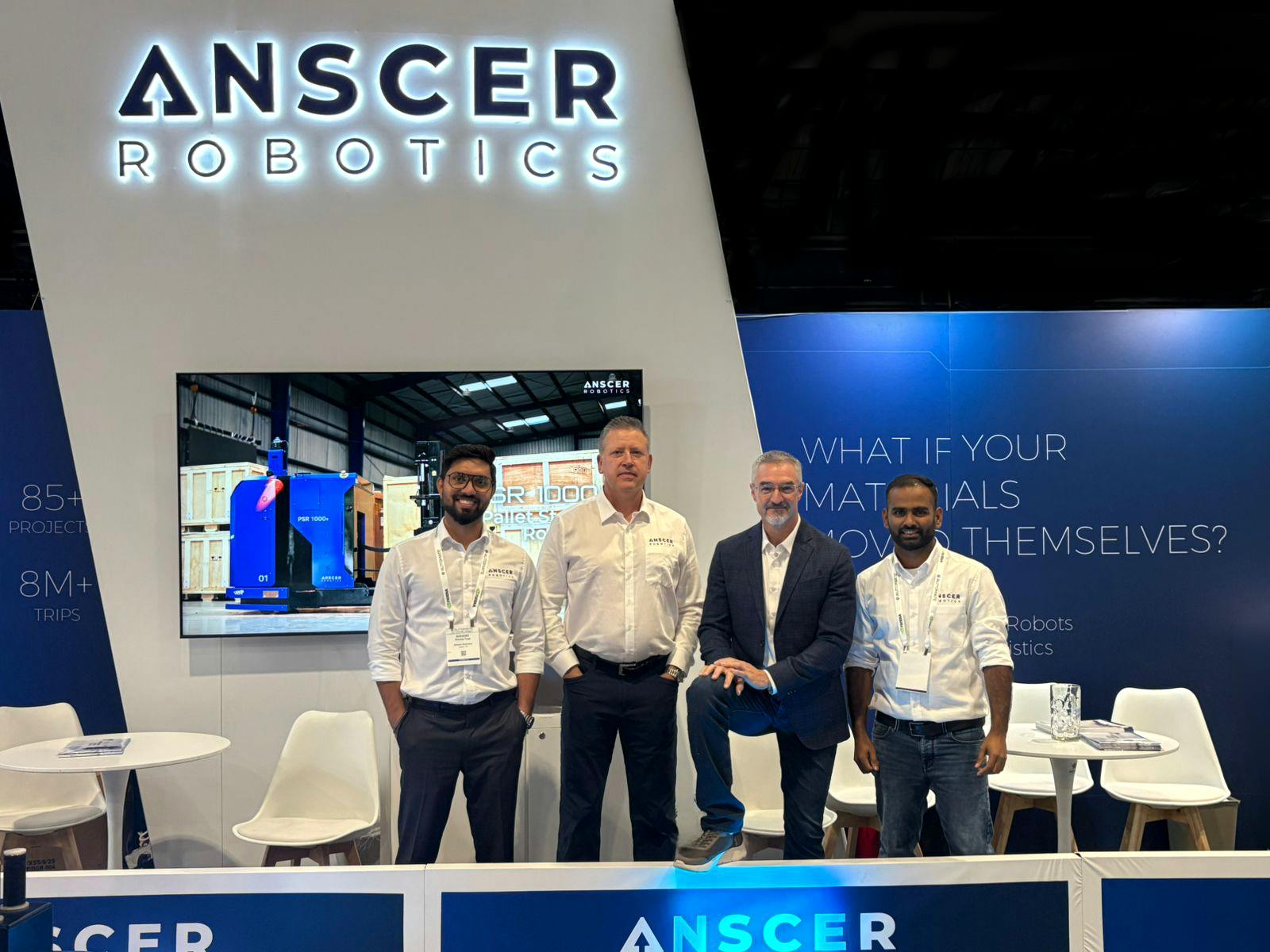
ANSCER Robotics Achieves Conditional U.S. Approval for Autonomous Mobile Robot Platforms
ANSCER Robotics has announced that it has received conditional approval for its autonomous mobile robot platforms in the U.S. This approval is significant as it allows U.S. customers, manufacturers, and warehouses to evaluate these platforms for industrial material-handling projects without facing restrictions from the Federal Communications Commission (FCC). The conditional approval addresses a national-security eligibility requirement for FCC equipment authorization, which is crucial for the deployment of advanced robotic devices. ANSCER's modular AR platform is designed to support various applications, including lifting, tunneling, and tugging, across manufacturing and warehousing operations. Looking ahead, ANSCER Robotics aims to assist customers in identifying suitable material-movement applications and navigating the regulatory landscape. No further timeline was disclosed at the time of publication.
Factory / Robotics
China Installed 354,000 Industrial Robots in 2025, Representing 59% of Global Total
On September 24, the International Federation of Robotics (IFR) released its report 'World Robotics 2026,' revealing that China deployed 354,000 industrial robots in 2025, marking a 20% increase year-on-year and accounting for 59% of global installations. This figure surpasses the previous record by nearly 60,000 units, reinforcing China's position as the largest industrial robot market worldwide. The demand for industrial robots in China is primarily driven by the electrical and electronics, automotive, and metalworking sectors. In 2025, the electrical and electronics industry installed 96,400 robots, a 16% increase, while the automotive sector saw installations rise to 78,900, a remarkable 38% growth. The metalworking industry also experienced a 44% increase, reaching 78,700 units. The automotive sector's growth is particularly noteworthy as it undergoes a transformation towards electrification and intelligence, leading to heightened demand for robots. Chinese robot manufacturers are expanding their presence in the domestic market, with local suppliers increasing installations by 15% to 195,000 units, representing 55% of the total. The IFR noted that since 2024, over half of the industrial robots installed in China have been supplied by domestic brands. The market is expected to continue growing at an annual rate of 5% to 10% until 2029, driven by demographic changes and labor shortages. Future developments will focus on transforming industrial robots into intelligent equipment capable of adapting to non-standard scenarios.
Industrial Robots Automation Robotics Market AI Technology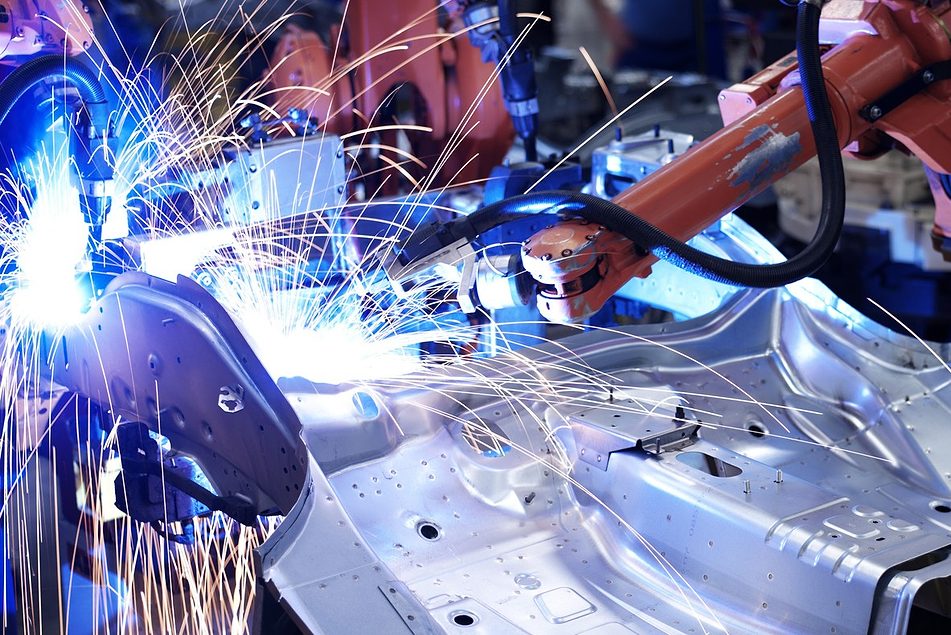
Exploring the Business Advantages of Autonomous Robots in the Industrial Sector
The rapid advancement of physical artificial intelligence is leading to the increased use of autonomous and semi-autonomous robots across various sectors, including warehousing, logistics, mining, construction, and agriculture. As manufacturers prepare to launch humanoid robots, the industrial sector is particularly poised for transformation due to a significant shortage of skilled labor, with projections indicating a rise in vacant manufacturing positions in the U.S. from 440,000 to 510,000 in early 2026 to between 1.5 million and 2 million by the early 2030s. This labor shortage is driving industrial companies to adopt autonomous robots to enhance productivity and manage operational costs. The shift towards automation is expected to change the financial landscape of these businesses, converting operating expenses into capital expenditures and increasing their asset base. This could lead to a credit and financing boom as companies become more attractive to lenders, creating a feedback loop that encourages further investment in robotics. Looking ahead, industrial companies must navigate several challenges, including determining the ownership models for robots, assessing their lifespan, and managing obsolescence risks. Key considerations will include whether to purchase or lease robots, the potential for secondary resale value, and the need for maintenance and upgrade commitments to ensure long-term viability in a rapidly evolving technological landscape.

Universal Robots Introduces Gen 7 Platform for Enhanced Industrial Automation and AI
Universal Robots, a Teradyne Robotics company, has launched its seventh-generation industrial robot platform, Gen 7, aimed at advancing industrial automation and physical AI applications. This new platform was introduced at the IMTS trade show and features an innovative design that includes new robot arms, a controller, a teach pendant, and a tool flange, all centered around the PolyScope X robot technology. The introduction of Gen 7 is significant as it represents a major step forward in the capabilities of industrial robots, enhancing their functionality in automation processes and AI integration. This development is expected to improve operational efficiency and flexibility in various industrial settings, making it a crucial advancement for manufacturers looking to optimize their production lines. Looking ahead, industry professionals should monitor the adoption of the Gen 7 platform and its impact on the market for industrial automation solutions. No further timeline was disclosed at the time of publication.
Industrial robots News cobots collaborative robots g-series gen 7
Maven Robotics Secures $100 Million Funding to Expand General-Purpose Industrial Robots
Maven Robotics has officially launched, announcing $100 million in Series A funding from investors including RoboStrategy, LocalGlobe, Vine Ventures, and XTX Ventures. The company specializes in designing, building, and deploying intelligent robotics tailored for logistics and manufacturing applications. This funding is significant as it positions Maven Robotics to scale its operations and enhance its innovative general-purpose robotics systems. Founded in 2024, the company aims to revolutionize the industrial sector by providing versatile robotic solutions that can adapt to various tasks within logistics and manufacturing environments. Looking ahead, industry observers will be keen to see how Maven Robotics utilizes this funding to accelerate product development and market penetration. No further timeline was disclosed at the time of publication.
Industry News Robotics Autonomous robots general purpose robots industrial robotics
Universal Robots Launches Gen 7 Platform for Enhanced Industrial Automation and AI Integration
Universal Robots has introduced the Gen 7 robot platform, which features a complete redesign from the controller to the tool flange. This new platform is designed to be AI-ready right out of the box, equipping companies with advanced software tools and improved connectivity. The significance of the Gen 7 platform lies in its ability to facilitate the transition of AI technologies from research environments into practical industrial applications. This advancement is crucial for companies looking to enhance their operational efficiency and leverage AI capabilities in their processes. Looking ahead, the industry will be keen to observe how the Gen 7 platform impacts the adoption of AI in industrial settings. No further timeline was disclosed at the time of publication.
PNDbotics Showcases Humanoid Robots for Real-World Industrial Applications
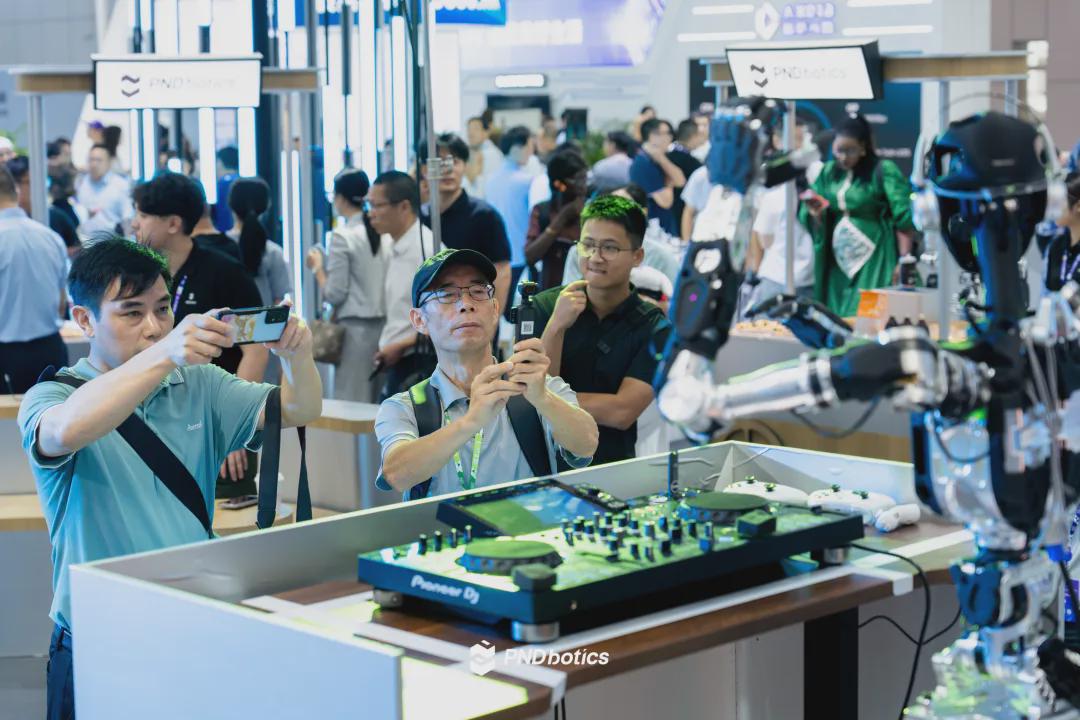
PNDbotics is exploring the application of humanoid robots in real industrial tasks at the Future Factory exhibition, held from September 11 to 13 at the Ningbo International Exhibition Center. The showcase emphasizes the robots' ability to understand tasks, recognize environments, and adapt execution strategies in dynamic production settings. This initiative is significant as it addresses the challenges of integrating humanoid robots into complex industrial environments, where continuous decision-making is crucial. Unlike controlled lab settings, real factories present fluctuating conditions that require robots to perform a series of interconnected actions, demonstrating their full operational capabilities. Looking ahead, the focus will be on how these robots can effectively connect with real production environments and validate their reliability through successful task execution. The goal is to enhance the robots' system capabilities, moving beyond mere movement to achieving task completion in manufacturing settings.
Humanoid Robots Industrial Automation Robotics Technology AI Manufacturing Solutions
Dynamic Creatures Launches Innovative Mobile Character Robots for Hospitality and Entertainment
Dynamic Creatures, a robotics firm founded by leaders from Boston Dynamics and Google, has officially launched after operating in stealth mode. The company specializes in developing interactive character robots designed for the hospitality and entertainment sectors. These robots are capable of moving fluidly in guest environments and can understand and respond to interactions in real time. The emergence of Dynamic Creatures is significant as it introduces a new category of mobile character robots that enhance guest experiences in various settings. With an official partnership with Boston Dynamics and engagements with major theme parks, the company aims to revolutionize how guests interact with technology in entertainment and hospitality. Looking ahead, industry observers should monitor Dynamic Creatures' developments, particularly its collaborations with theme parks and the deployment of its character robots. No further timeline was disclosed at the time of publication.

Dynamic Creatures Unveils Innovative Mobile Character Robots for Hospitality and Entertainment
On September 8, 2026, Dynamic Creatures, a robotics firm specializing in interactive character robots, officially launched from stealth mode. The company aims to create a new category of mobile characters that can navigate guest environments, understand interactions, and respond in real time. They are collaborating with a major theme park and retailer to develop personalized character experiences. This development is significant as it bridges the gap between traditional animatronics and service robots, focusing on face-to-face engagement rather than scripted performances. Dynamic Creatures' characters are designed to create memorable interactions, enhancing guest experiences in various settings, including theme parks and hotels. The company’s SnowJay platform integrates advanced robotics with real-time perception and adaptive behavior, allowing characters to engage naturally with guests. Looking ahead, Dynamic Creatures plans to expand its offerings beyond theme parks to include luxury retail and automotive experience centers. The company’s innovative approach could redefine guest interaction in hospitality and entertainment, making it a key player to watch in the evolving robotics landscape. No further timeline was disclosed at the time of publication.
Galbot's Journey Towards Integrating Embodied AI Robots in Industrial Production Lines
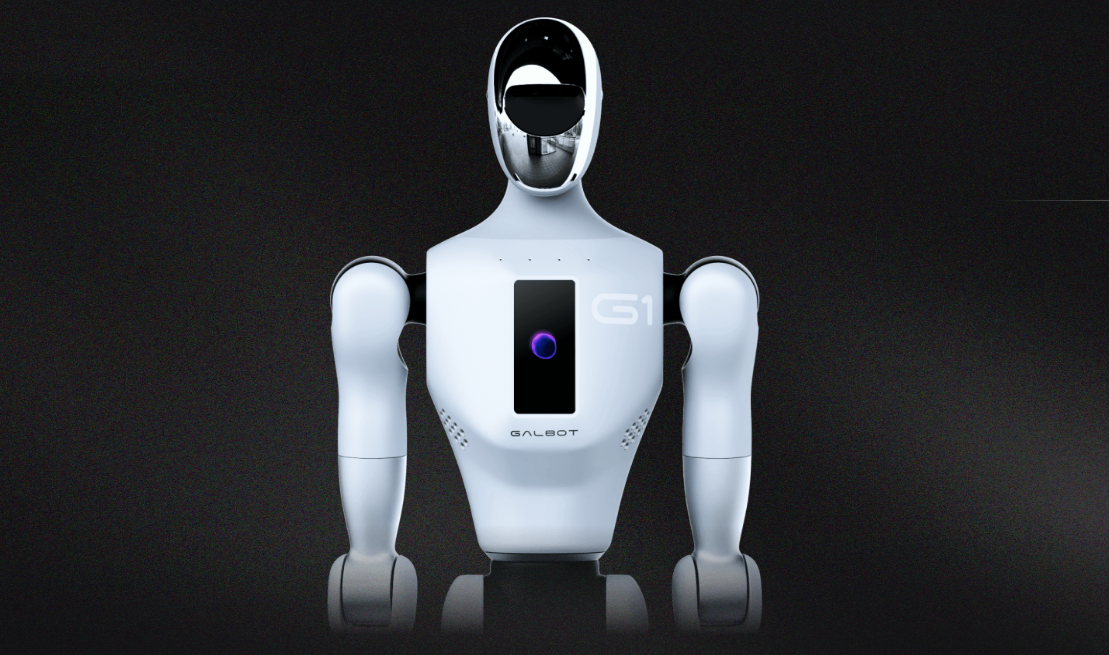
Galbot, a Chinese embodied AI robotics company, is advancing the integration of robots into industrial production environments. Founded in May 2023, the company has raised over RMB 2.4 billion ($360 million) in funding, with a valuation exceeding RMB 22 billion ($3.27 billion). Galbot's G1 robot features a mobile platform and dual-arm manipulation system, enabling it to adapt to various tasks in flexible manufacturing scenarios. The demand for robots that can perform complex tasks in dynamic environments is growing as manufacturing shifts towards greater flexibility and intelligence. Traditional industrial robots, which are typically fixed and perform repetitive tasks, are being challenged by the need for more adaptable solutions. Galbot's innovations, including the G1 and S1 robots, aim to address these challenges by providing greater mobility and efficiency in manufacturing processes. As the embodied AI sector gains momentum, Galbot's focus on industrial applications positions it well for future growth. The company is set to play a significant role in transforming production methods, allowing robots to take on hazardous and repetitive tasks while collaborating with human workers to enhance productivity and safety. No further timeline was disclosed at the time of publication.
Up and Comers AI Highlight News Robotics
ROKAE CMR Series Mobile Manipulators Secure Full-System CE Certification for Enhanced Industrial Automation
ROKAE's CMR Series Mobile Manipulators have successfully achieved Full-System CE Certification from TÜV SÜD, confirming their safety and reliability for global markets. This certification evaluates the entire system, including the mobile platform and robotic arm, ensuring compliance with international safety standards. The significance of this certification lies in its comprehensive assessment, which validates the CMR Series' capability to operate safely in dynamic industrial environments. With features like multi-sensor perception and sensitive force control, the CMR Series is designed to enhance operational safety and efficiency in various applications, including machine tending and semiconductor manufacturing. Looking ahead, the CMR Series is positioned for broader deployment across industries, leveraging its advanced technologies for flexible automation. No further timeline was disclosed at the time of publication.

Selecting the Optimal Motor for Mobile Robots and Automation Systems
The selection of motors for mobile robots involves complex interdependencies among various components, including gearboxes, controllers, and mechanical layouts. Mistakes in motor selection often only become apparent during real-world testing, where issues such as overheating and inconsistent acceleration can arise when the robot operates under load. This disconnect highlights the importance of considering the entire drivetrain rather than focusing solely on individual specifications. Understanding the robot's operational parameters—such as total mass, expected payload, and environmental conditions—is crucial for effective motor selection. These factors dictate the forces the drivetrain must generate, which are often overlooked when relying solely on motor catalogs. A design review revealed that a robot's performance could be significantly impacted by changes in its operating environment, necessitating a reevaluation of the entire drivetrain ratio rather than simply upgrading to a larger motor. To optimize motor selection, engineers should prioritize calculating the required wheel torque based on real-world conditions. This approach ensures that the drivetrain is adequately designed to handle various scenarios, including inclines and repeated starts. Additionally, wheel diameter plays a critical role in determining tractive force, and its impact on performance should not be underestimated during the design process.

WRC 2026 Highlights: Future Directions for Ground Mobile Robots
At the WRC 2026 event in Beijing, the focus shifted to the future of ground mobile robots, particularly with the introduction of the Galileo X. This new product aims to combine high-precision indoor transport, outdoor cruising, and obstacle navigation in one system, challenging the traditional single-form competition in the industry. The significance of this development lies in the recognition that the next breakthrough in ground mobile robotics may not be about maximizing the parameters of a single form but rather about creating systems that can handle complete task chains. The industry has long adhered to a logic of one product per scenario, but this approach has limitations, especially when considering the diverse environments robots must operate in. As the market matures, stakeholders are eager to see what the next generation of ground mobile robots will look like. The Galileo X represents a potential shift in addressing complex scenarios with integrated solutions rather than relying on separate machines for different tasks. No further timeline was disclosed at the time of publication.
Ground Mobile Robots Robotics Innovation Logistics Automation Multi-Environment Navigation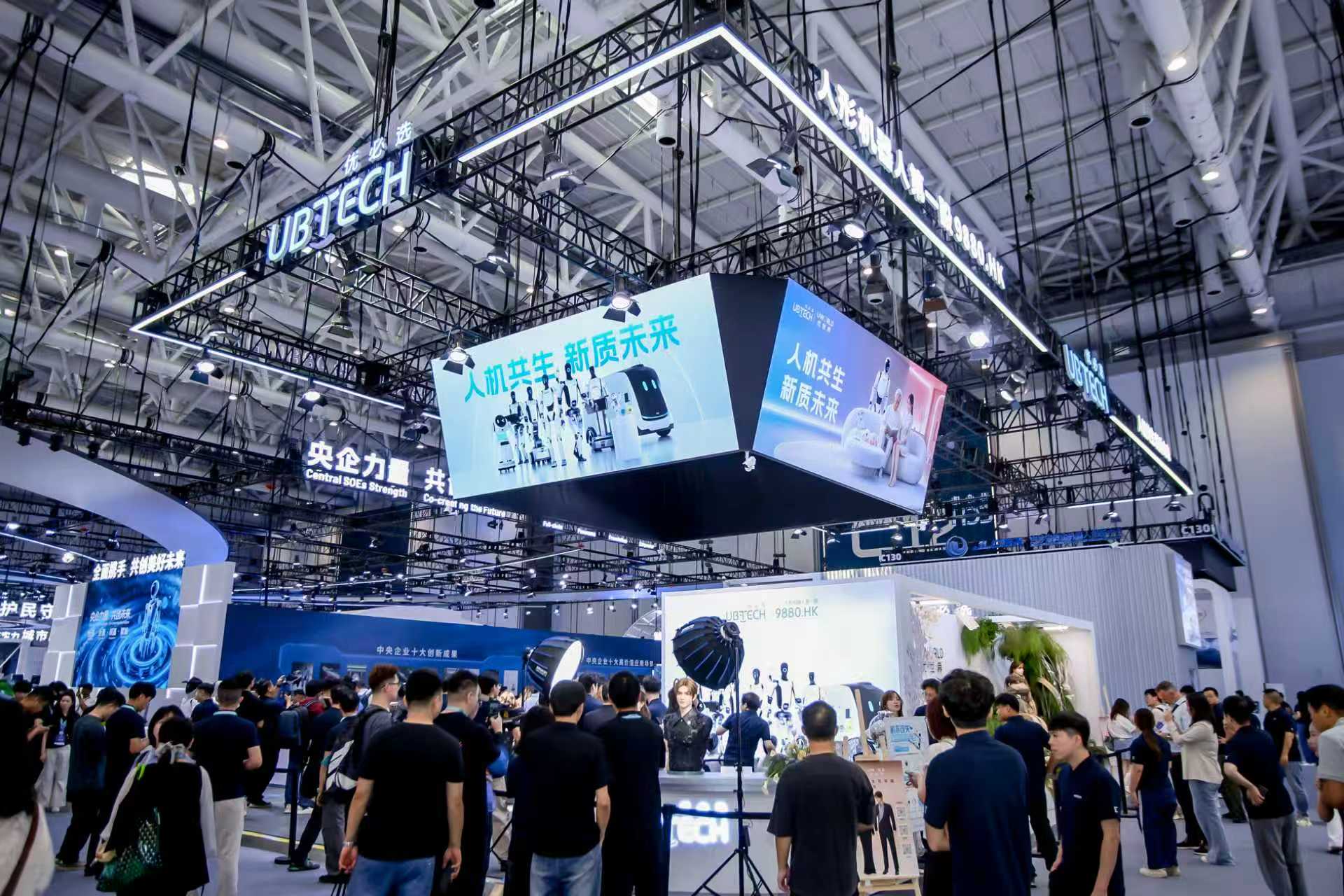
UBTECH Unveils New Humanoid Robots for Industrial, Commercial, and Home Use at WRC 2026
From August 19 to 23, 2026, the World Robot Conference (WRC 2026) took place in Beijing, where UBTECH showcased a range of humanoid robots designed for industrial, commercial, and home applications. Highlighted products included the industrial humanoid robot Cruzr Y1, the commercial service robot Walker C1, and the ultra-bionic humanoid robot U1, marking a significant step towards the market application of humanoid robots. This event is pivotal as 2026 is recognized as the inaugural year for the market application of humanoid robots, transitioning from conceptual exploration to practical, scalable development. UBTECH's strategy encompasses a comprehensive approach to industrial strength, commercial service, and emotional engagement in home consumption, leveraging technology and data to enhance the productivity value of humanoid robots. Looking ahead, UBTECH's commitment to advancing embodied intelligence technology is crucial for the successful deployment of humanoid robots across various sectors. No further timeline was disclosed at the time of publication.
Humanoid Robots Industrial Automation Commercial Robotics Home Robotics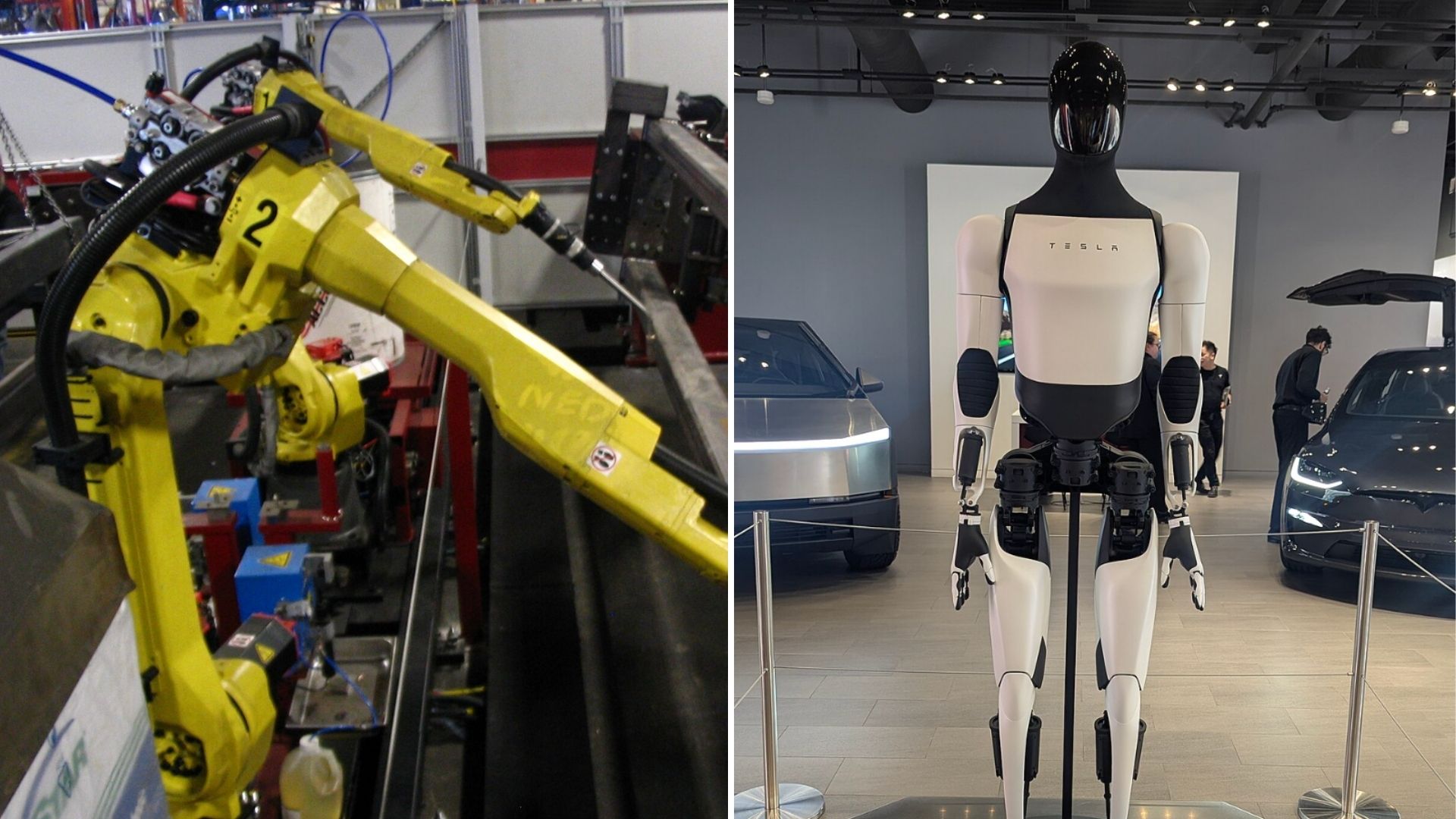
Humanoid Robots Enter Factories: Will They Surpass Traditional Industrial Robots?
Humanoid robots are emerging as a new element in factory automation, capable of walking between workstations and handling components. However, traditional industrial robots still dominate the automated factory landscape, raising questions about the future of humanoid integration in manufacturing environments. The significance of this development lies in the contrasting benefits of humanoids and industrial robots. While humanoids offer flexibility, industrial robots provide proven productivity, having been established in factories for decades. In 2024, factories installed 542,000 industrial robots, contributing to a global total of approximately 4.66 million, according to the International Federation of Robotics. Looking ahead, the competition between humanoids and industrial robots will intensify as manufacturers weigh the costs and benefits of each technology. Collaborative robots are also gaining traction, representing 10.5% of industrial robot installations in 2023, which may further challenge the role of humanoids in factories. No further timeline was disclosed at the time of publication.
AI and Robotics
Global Demand for Autonomous Mobile Robots Expected to Surge by 2030
The demand for autonomous mobile robots (AMRs) is increasing globally, driven by rising labor costs and the need for operational flexibility. Interact Analysis predicts that the market for AMRs will grow from nearly $5 billion in 2024 to $14 billion by 2030, indicating a strong recovery post-COVID-19 pandemic. ABI Research forecasts that the mobile robot market could expand from $33 billion in 2026 to $68.9 billion by 2030, with AMRs comprising half of that total. Suppliers highlight the ease of integrating automated and semi-automated forklifts into existing workflows, while automated storage and retrieval systems (ASRS) offer scalability for those investing in infrastructure. Recent advancements in AMRs are attributed to improvements in computer vision, sensor fusion, and machine learning, enhancing navigation and operational efficiency. Despite interoperability challenges, orchestration software vendors are addressing these issues, enabling easier scaling and integration of fleets. No further timeline was disclosed at the time of publication.
AGVs Automated Warehouse Autonomous Mobile Robots (AMRs) Digital Issues Logistics Manufacturing
igus Introduces Twisterchain Energy Chain for 600-Degree Rotation in Industrial Robots
igus GmbH has launched a new self-supporting twisterchain energy chain designed for industrial applications, particularly in palletizing. This innovative product enables reliable cable management through rotation angles exceeding 600° on compact industrial robots, addressing challenges related to energy supply and cable collisions during operation. The introduction of the twisterchain is significant as it resolves two critical issues faced by robotics in industrial settings. Compact robots, which perform tasks like screwing and assembly, have struggled with energy supply along their fast-rotating first axis. Additionally, palletizing robots often encounter problems with uncontrolled hoses colliding with tools. The new energy chain allows power and data cables to follow full rotations safely, even under dynamic motion profiles. Looking ahead, igus's twisterchain could enhance the efficiency and reliability of industrial robots, particularly in applications requiring high mobility and precision. No further timeline was disclosed at the time of publication.
Assembly Batteries / Power Supplies Industrial Robots Manufacturing Materials News
Humanoid Robots Transforming Brownfield Factories for Industrial Automation
Humanoid robots are emerging as a transformative force in manufacturing, particularly in brownfield factories. Their ability to adapt to existing human-centric environments allows for seamless integration into production workflows, minimizing the need for extensive modifications. This adaptability is crucial as manufacturers seek to modernize facilities without incurring significant capital investment or operational disruption. The significance of humanoid robots lies in their unique design and functionality, which enable them to perform a wide range of tasks in dynamic environments. Unlike traditional automated guided vehicles (AGVs) and autonomous mobile robots (AMRs), humanoids can navigate and adjust to changing conditions, making them well-suited for environments built around human dimensions. This capability positions them as a viable solution for manufacturers looking to enhance automation in legacy systems. Looking ahead, organizations must focus on workforce training and process reevaluation to ensure effective human-robot collaboration. The integration of a robust digital thread and the creation of digital twins will be essential for simulating interactions and validating workflows before deploying humanoids in production. No further timeline was disclosed at the time of publication.
Factory / Robotics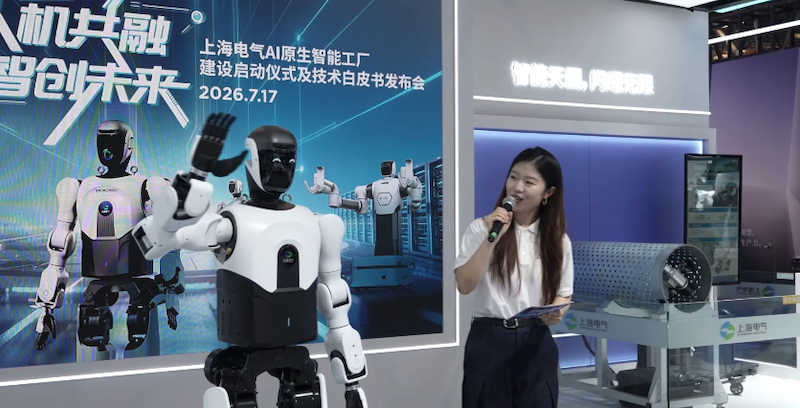
Shanghai Electric Showcases Humanoids, Industrial Robots, and AI Smart Factory Innovations
At the 2026 World Artificial Intelligence Conference, Shanghai Electric presented its advanced embodied intelligence solutions for industrial applications. The company emphasized its capabilities in embodied AI robots, core components, and AI-native smart factory technologies, showcasing a comprehensive portfolio designed for various industrial scenarios. This development is significant as it highlights the integration of machine precision with human expertise, aiming to enhance collaboration in manufacturing processes. Shanghai Electric's robotics solutions address critical tasks such as connector insertion, intelligent assembly, and flexible sorting, showcasing innovations like the planetary roller screw and DexHand dexterous hand. Looking ahead, Shanghai Electric's launch of 51 AI models under the “StarCloud Intelligent Manufacturing” series marks a shift towards data-driven operations in manufacturing. The release of the “AI-Native Smart Factory Technology White Paper” outlines a new architecture for real-time production optimization, indicating a transformative approach to industrial automation. No further timeline was disclosed at the time of publication.
Artificial Intelligence Robotics AI-native smart factory embodied ai humanoid robots industrial ai
U.S. FCC Imposes Import Limits on Humanoid and Mobile Robots Amid Security Concerns
The U.S. government has announced restrictions on imports of certain humanoid and mobile robots, citing national security risks. The Federal Communications Commission (FCC) stated that foreign-made advanced robotic devices could create vulnerabilities in the supply chain and pose cybersecurity threats to critical infrastructure. An exemption exists for robots and power inverters that receive conditional approval from the U.S. Department of War or Department of Homeland Security. This ruling reflects a growing concern over the dominance of foreign-subsidized robotics in the U.S. market, particularly following the loss of production capabilities to China. Industry leaders, such as Evan Beard, CEO of Standard Bots, have expressed strong support for these measures, emphasizing the need for the U.S. to lead in robotics technology. The FCC's actions are seen as a significant step in safeguarding American interests in the robotics sector. Looking ahead, the implications of these restrictions on the robotics industry will be closely monitored, especially as companies like Unitree pursue public offerings and as domestic manufacturers seek to expand. No further timeline was disclosed at the time of publication.
Analysis Autonomous Mobile Robots (AMRs) Batteries / Power Supplies China Humanoids News
Challenges in Developing Household Robots with Industrial Logic Highlighted by Stanford Report
The Stanford 2026 AI Index Report reveals that humanoid robots achieve an 89.4% success rate in controlled environments for household tasks, but this drops to 12.4% in real homes. Despite a projected 508% increase in global humanoid robot shipments by 2025, most production is focused on industrial applications, leaving household integration a challenge. Tesla's Optimus is in trial production, with a public release expected by late 2027, though industry analysts remain skeptical. The traditional metrics for evaluating robots—speed, load, and precision—are inadequate for home environments, which prioritize safety and emotional interaction. The complexity of household tasks requires a shift from industrial logic to a more nuanced understanding of family dynamics. Figure 03, designed specifically for home use, aims for limited deployment in 2026. Demonstrations show impressive autonomous capabilities, but concerns arise about performance in typical family settings. The company Future Not Far, founded in Shanghai, has completed significant funding and is testing its F1 robot in homes, achieving high user satisfaction and engagement metrics.
Humanoid Robots Household Robotics AI Robotics Technology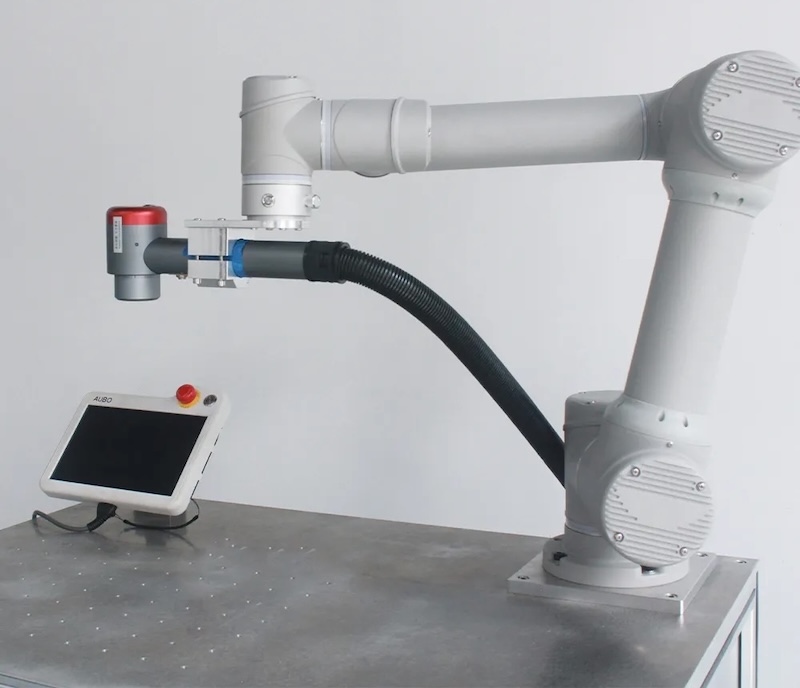
Integrating Industrial Robots with Laser Cleaning Systems Enhances Production Efficiency
Recent advancements in technology are transforming factory operations, with companies striving to reduce cycle times, cut costs, and ensure quality. The integration of industrial robots with laser cleaning systems is emerging as a solution to automate the removal of burrs from metal components, significantly enhancing productivity and efficiency in production lines. This combination of technologies is crucial as it addresses the need for cleaner surfaces before processes like painting, coating, or welding, which are essential for maintaining product quality. Laser cleaning, a modern technique that utilizes powerful laser beams to eliminate unwanted materials without damaging the underlying metal, offers a more environmentally friendly alternative to traditional cleaning methods that often rely on harsh chemicals. As more companies explore the benefits of industrial laser cleaning machines, the focus will be on how these systems can further optimize production lines. The automation of the cleaning process not only saves time but also improves overall manufacturing efficiency. No further timeline was disclosed at the time of publication.
Engineering Robotics Technology factory automation industrial automation industrial robots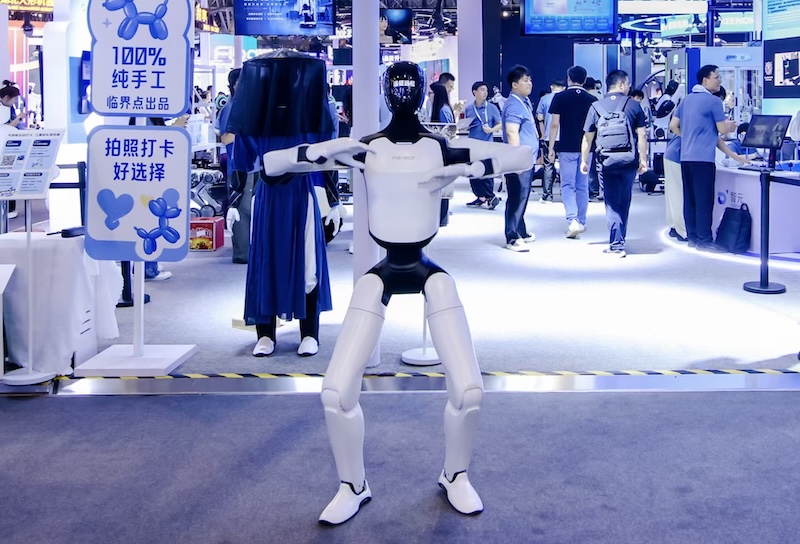
AGIBOT Launches Four New Robots at WAIC 2026, Expanding Industrial AI Portfolio
AGIBOT introduced four new robotic products at the World Artificial Intelligence Conference (WAIC) 2026 in Shanghai, enhancing its humanoid robots and industrial automation systems. The new offerings include the AGIBOT A3 Ultra humanoid robot, X2 EDU education platform, G2 Max industrial robot, and OmniHand 3 Ultra-M dexterous robotic hand, alongside the deployment of over 30 robots for visitor assistance at the event. This expansion is significant as it underscores AGIBOT's commitment to advancing embodied AI technology, moving beyond mere demonstrations to reliable integration in real-world applications. The A3 Ultra, G2 Max, and OmniHand 3 Ultra-M are designed to tackle critical challenges in humanoid platforms, industrial tasks, and dexterous manipulation, reflecting the company's focus on delivering practical value at scale. Looking ahead, AGIBOT's strategy aims to transition embodied AI from laboratory settings to consistent commercial and industrial workflows. No further timeline was disclosed at the time of publication.
Events Humanoids News A3 Ultra agibot artificial intelligence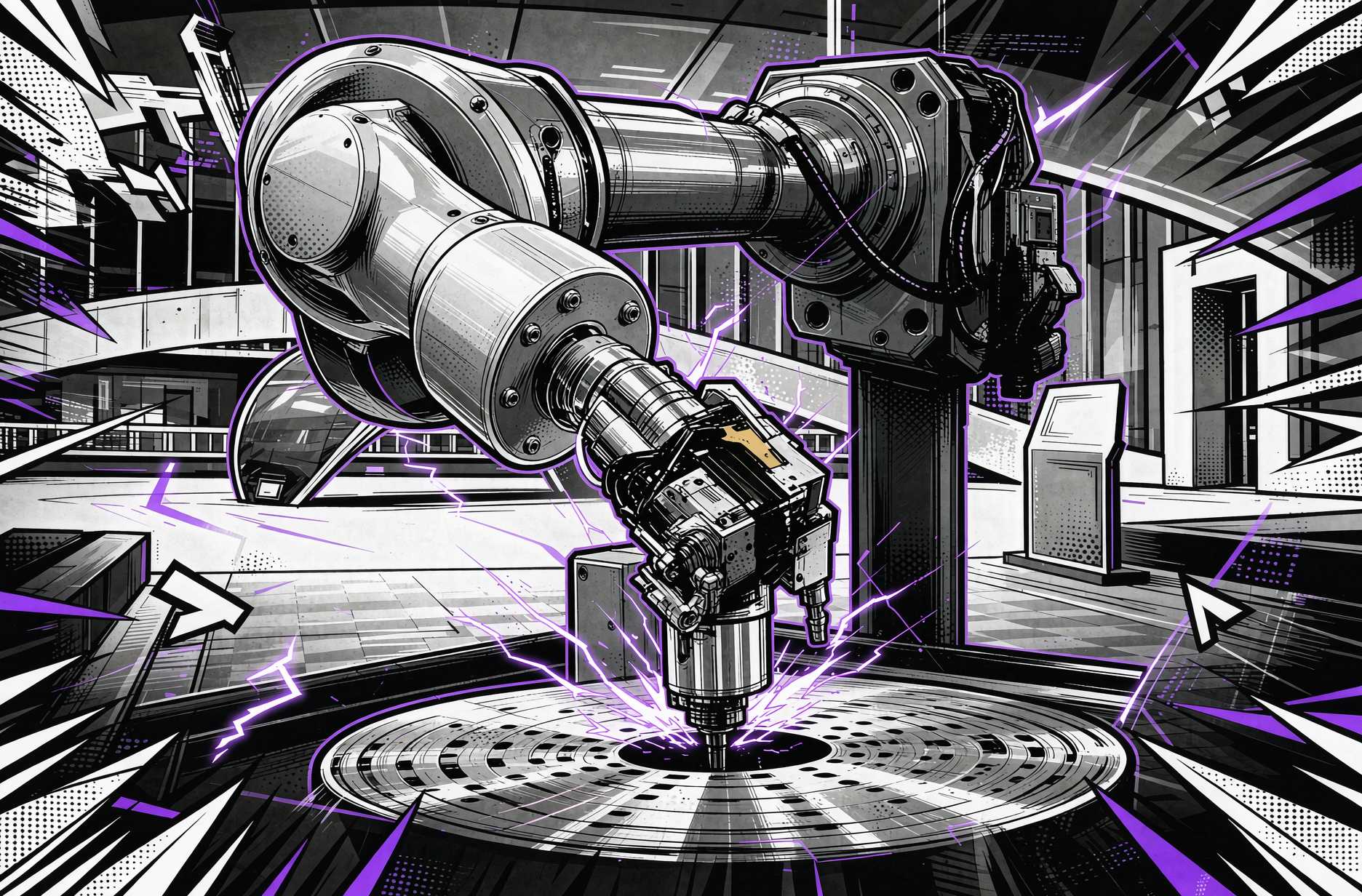
Sanctuary AI and Skild Collaborate to Enhance Industrial Robots with Physical AI
In September, the robotics industry witnessed contrasting developments. On September 10, Skild, a U.S. robotics modeling company, announced its collaboration with NVIDIA and Foxconn to deploy models on dual-arm robotic arms for precise assembly in the Blackwell system. Four days later, Danish collaborative robot manufacturer Universal Robots unveiled a new generation platform designed to facilitate the integration of cameras, sensors, and AI applications into robotic arms. This evolution is significant as it highlights the shift towards enhancing existing robotic systems with advanced AI capabilities rather than waiting for humanoid robots to achieve commercial viability. Sanctuary AI, a Canadian company developing the Phoenix humanoid robot, revealed its strategy to implement Physical AI on current and next-generation industrial robot platforms, achieving a task success rate exceeding 99.5% in a proof of concept with an automotive supplier. Looking ahead, companies like Sumitomo Electric and Yaskawa are exploring the integration of AI into traditional robotic systems to handle complex tasks that still require human judgment. The focus is on adapting control systems and interfaces to improve the robots' ability to interact with variable components, such as soft wire harnesses, which present unique challenges in manufacturing processes. No further timeline was disclosed at the time of publication.
Physical AI Industrial Robotics Automation Technology Robotic Arms
ULTRA Enables Humanoid Robots to Move Boxes with Target Guidance: IROS 2026 Best Paper Candidate
The IROS 2026 conference has nominated a paper highlighting ULTRA, a system that allows humanoid robots to move boxes simply by providing a target. This innovation showcases advancements in robotic mobility and task execution. The significance of ULTRA lies in its potential to enhance the efficiency of humanoid robots in various applications, particularly in logistics and warehousing. By simplifying the interaction process, it reduces the complexity of robotic operations, making them more accessible for real-world applications. Looking ahead, the robotics community will be keen to observe further developments and potential implementations of ULTRA. No further timeline was disclosed at the time of publication.
Robotics Automation AI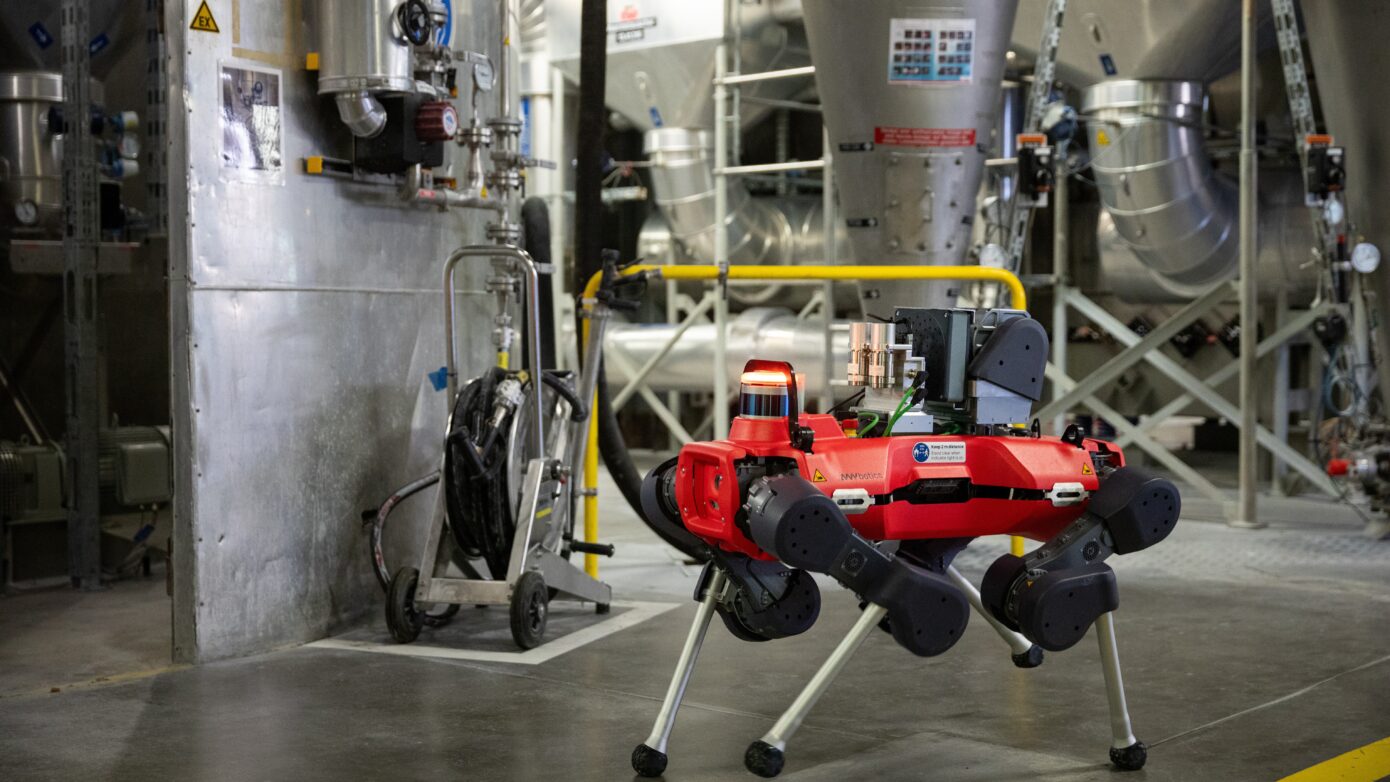
ANYbotics Enhances ANYmal Robots with Door Opening and Authentication Capabilities
ANYbotics has partnered with dormakaba and LEGIC Identsystems to enhance its ANYmal robots, enabling them to automatically open doors and authenticate at restricted areas. This innovation addresses the challenge of accessing equipment in large industrial facilities, such as energy and mining sectors, without requiring structural changes. The integration of door automation and secure authentication is crucial for expanding the autonomous inspection capabilities of ANYmal robots while maintaining existing access controls. The system utilizes radar sensors and retrofitted door operators to facilitate seamless movement through various environments, including fire-rated doors. Looking ahead, the collaboration aims to further integrate autonomous robots into industrial security frameworks, enhancing operational efficiency. The technology also includes a tele-assist feature, allowing remote operators to intervene when necessary. No further timeline was disclosed at the time of publication.
AI and Robotics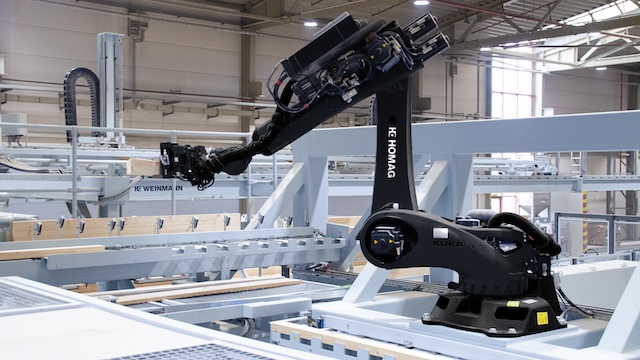
Tutor Intelligence Launches Advanced Cassie and Sonny Robots for Industrial Applications
Tutor Intelligence has introduced the next-generation Cassie and Sonny robots, enhancing their capabilities for material handling and e-commerce fulfillment. The new Cassie robot is fully autonomously mobile, enabling it to navigate between workstations and perform various tasks in factories and warehouses. It has already been utilized for applications such as depalletization and palletization, completing millions of bulk picks across the United States. The advancements in Cassie are significant as they allow for seamless integration into existing facilities without requiring major infrastructure changes. Powered by Tutor's Turing 200-million-parameter foundation model, Cassie can perceive its environment and execute tasks autonomously. The robot is equipped with a four-wheel mobile base, onboard vacuum generation, and multiple LiDAR units for navigation and human detection. Additionally, Tutor has unveiled a new version of Sonny, designed for tasks requiring higher dexterity, particularly in e-commerce fulfillment. Sonny will be the first platform powered by the Ti0 4.5-billion-parameter vision-language-action model, allowing it to autonomously navigate warehouses and manage order fulfillment. No further timeline was disclosed at the time of publication.

European Union Reaches Milestone of 700,000 Operational Industrial Robots in 2025
The European Union (EU-27) has achieved a significant milestone by surpassing 700,000 operational industrial robots in 2025. This figure represents 84% of all robots currently in operation throughout Europe, as detailed in the World Robotics 2026 Industrial Robots report by the International Federation of Robotics (IFR). This achievement highlights the growing reliance on automation and robotics within the EU's industrial sector. The increase in operational robots reflects advancements in technology and the ongoing trend towards automation in manufacturing processes, which are crucial for enhancing productivity and competitiveness in the global market. Looking ahead, stakeholders in the robotics and manufacturing sectors should monitor the continued growth of industrial robot adoption in the EU. No further timeline was disclosed at the time of publication.
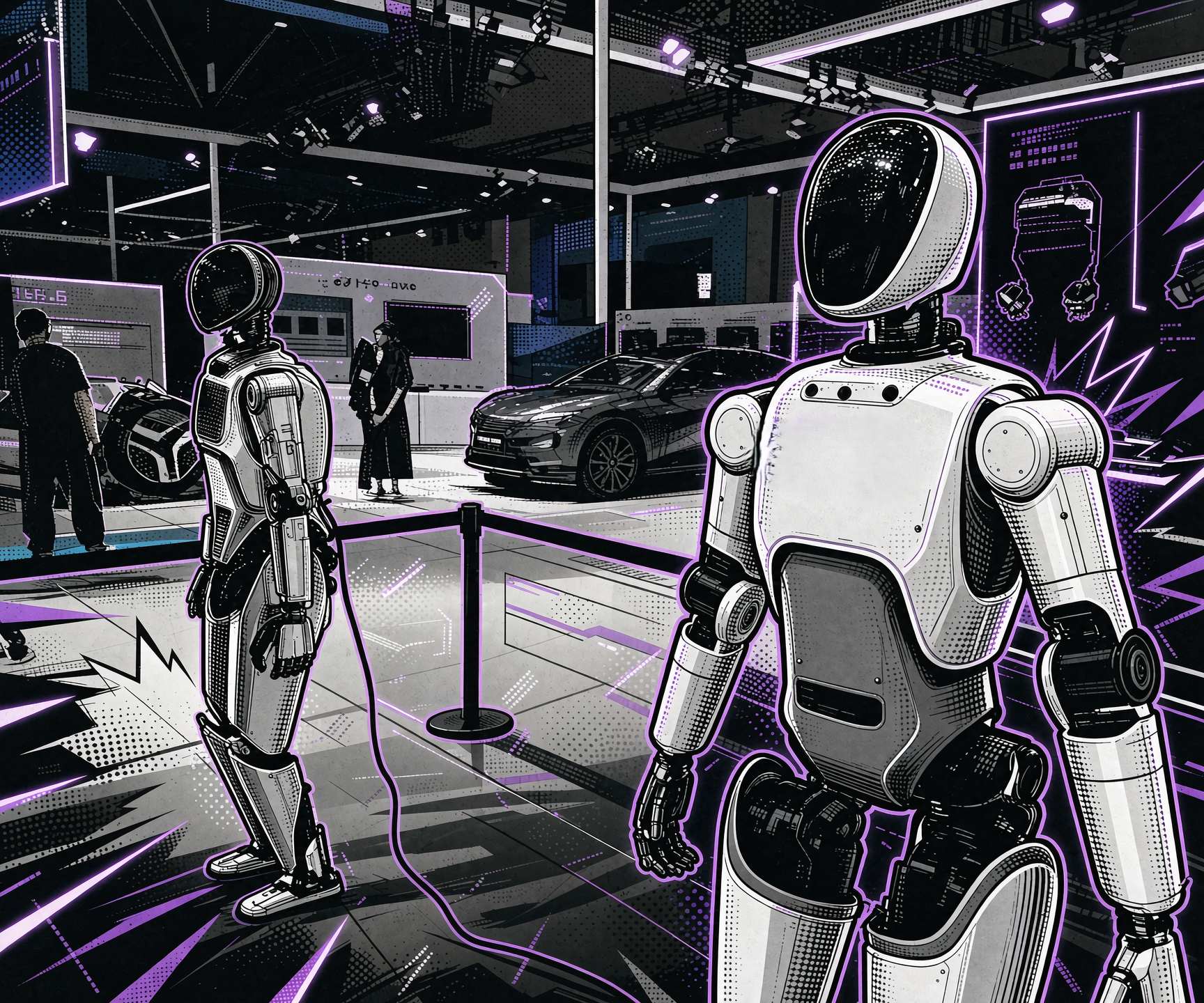
Changan Automobile Proposes Leveraging Automotive Engineering for Robotics Development
On September 18, during the 2026 Tianjin Auto Forum, Changan Automobile's Chief Expert and General Manager of Changan Tian Shu Intelligent Robotics, Tan Huan, delivered a keynote speech. He proposed that automobiles will evolve into embodied intelligent robotic systems, utilizing automotive engineering to empower the robotics industry and create a comprehensive mobility ecosystem. Tan emphasized that future smart vehicles will transform into self-learning, self-organizing, and self-evolving automotive robotic systems. Changan's approach includes a dual-driven model of knowledge and rules for data processing, which guides data collection and iteratively refines knowledge rules. This methodology aims to transfer the automotive industry's standard operating procedures and quality control concepts to robotics, addressing consistency issues from prototype to mass production. Changan's strategy includes developing humanoid robots to enhance the automotive ecosystem, promoting modular components for vehicle cabins, and extending applications to logistics, energy replenishment, inspection, and security. The ultimate goal is to integrate robotics into vehicle manufacturing and sales, with a vision for large-scale human-robot coexistence by 2046. The success of this initiative will depend on Changan's ability to merge automotive quality control methods with unique robotics technology challenges.
Robotics Automotive Engineering AI Manufacturing Smart Vehicles
ANSCER Robotics Receives FCC Conditional Approval for AR250, AR650, and AR1250 Robots
ANSCER Robotics Inc. has announced that its AR250, AR650, and AR1250 autonomous mobile robots have received Conditional Approval from the U.S. Federal Communications Commission (FCC) as of September 18, 2026. This approval is part of the FCC's Robotic Devices Conditional Approvals under the Covered List program. This significant milestone allows ANSCER Robotics to continue the import and deployment of its robotic platforms in the U.S. market. The FCC's approval is crucial for manufacturers in the robotics sector, as it ensures compliance with regulatory standards and facilitates market entry. Looking ahead, the approval positions ANSCER Robotics favorably within the competitive landscape of autonomous mobile robots. Stakeholders should monitor the company's next steps in deployment and market expansion following this regulatory achievement. No further timeline was disclosed at the time of publication.
Domestic Brands Capture 55% of China's Industrial Robot Shipments Led by Estun
Domestic brands in China have now secured approximately 55% of the industrial robot shipments, indicating a significant shift towards local capabilities. Estun has emerged as the leader in volume, while Inovance has made notable advancements in SCARA robots and servo systems. However, the high-end automotive and semiconductor process software sectors continue to pose challenges for these domestic brands. This shift is crucial as it reflects China's growing emphasis on self-reliance in technology and manufacturing. The dominance of local brands like Estun and Inovance highlights the potential for innovation and competitiveness within the domestic market. Despite these advancements, the difficulty in replacing high-end software solutions indicates that there is still a reliance on foreign technology in certain critical areas. Looking ahead, it will be important to monitor how domestic brands continue to evolve and address the challenges posed by high-end software in the automotive and semiconductor industries. No further timeline was disclosed at the time of publication.
Batten & Kamp Unveils 'Beauty Seeker': An AI Robot as a Mobile Flower Vase
At the 2026 IFA in Berlin, Batten & Kamp introduced 'Beauty Seeker,' a unique creation combining an AI six-legged robot with an orchid, transforming it into a mobile vase. This design intentionally diverges from mainstream technology narratives by stripping the robot of its built-in camera and multiple functionalities, focusing instead on a fundamental question: what does it mean for a high-tech robot to coexist with us as a simple container in a home environment? The robot retains a single core function: using LiDAR to track nearby people and slowly adjust its position to draw attention to the orchid it carries. This design creates a sense of absurdity, as the advanced robot serves not to perform tasks but to act as a moving base for a flower. Interestingly, this limitation reduces the typical threat perception associated with such robots, as it merely holds a flower, creating a peculiar tension between its potential power and its chosen role as a vase. This is not Batten & Kamp's first exploration of such contradictions; their 2023 project 'Comfort Seeker' featured an iconic Eames chair on a four-legged robot, examining the intersection of furniture and autonomous systems. 'Beauty Seeker' continues their inquiry into the relationship between technology and nature, as the orchid, evolved to attract pollinators, now competes for human attention through an AI-driven robot. The designers aim to shift the focus from what robots can do to what they should do, suggesting that the rarest behavior may be simply to hold a flower and quietly revolve around us.
AI Robots Design Innovation Human-Robot Interaction Domestic Technology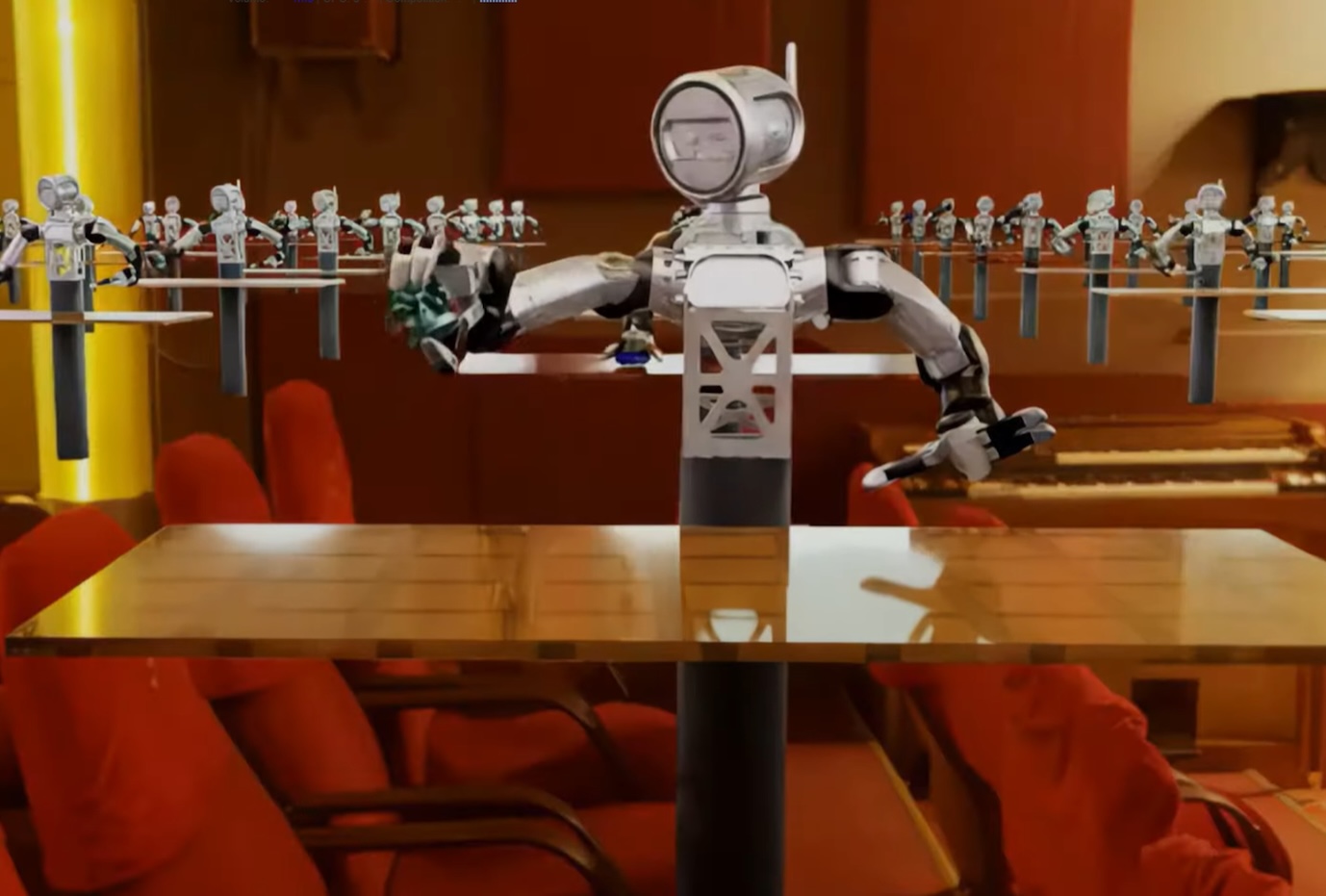
Unitree's Founder Predicts Commercial Rise of Humanoid Robots in Two Years
During the World Robot Conference in Beijing, Unitree's founder announced that humanoid robots could achieve commercial viability within two years. This shift indicates a significant transition in the industry, moving from entertainment-focused applications to practical uses in various sectors, including factory assembly lines and household tasks. The potential for humanoid robots to serve in industrial and domestic environments highlights the growing demand for automation solutions. As companies like Unitree pivot towards real-world applications, the implications for labor efficiency and productivity in manufacturing and home settings could be substantial. Looking ahead, industry stakeholders should monitor Unitree's developments and the broader market response to humanoid robots. The next two years will be critical in determining whether these robots can successfully integrate into everyday operations and how they will reshape existing workflows.
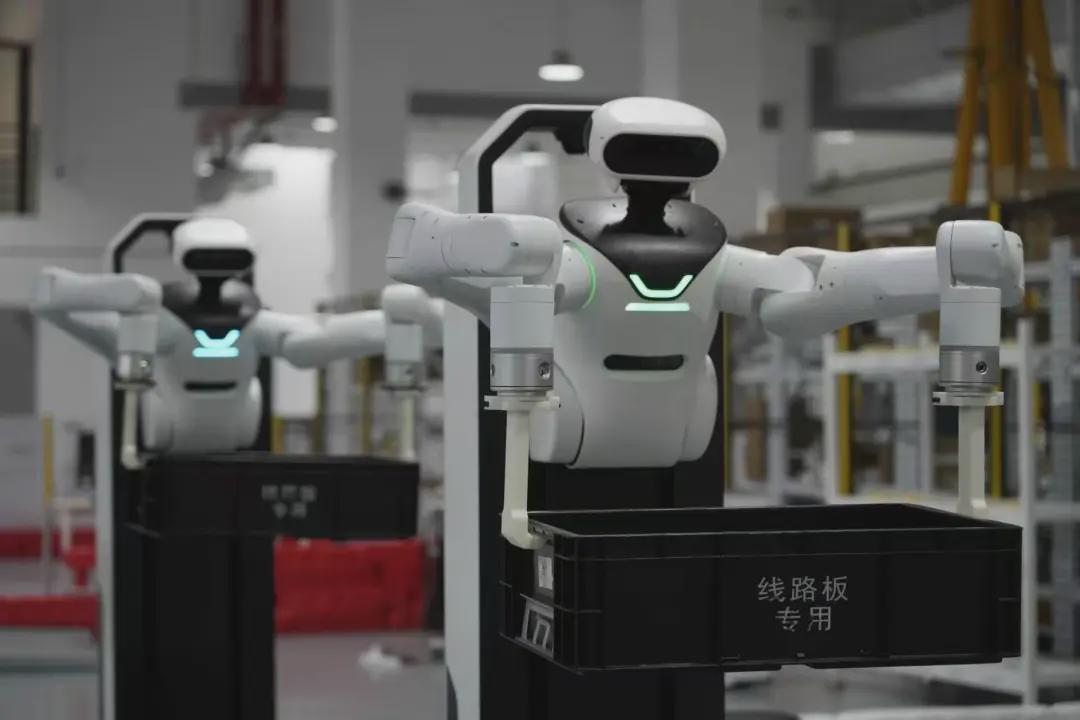
Humanoid Robots Target Specific Roles in Industrial Settings
JAKA has introduced various humanoid robots designed for specific industrial tasks, such as the JAKA K1-25, which can lift up to 50 kg. These robots are not merely for display but are being integrated into production lines of leading global industrial companies. The focus has shifted from creating a universal robot to addressing practical questions like load capacity, operational continuity, and return on investment. The industry has been exploring the concept of general-purpose robots, but the reality of deploying robots in factories necessitates a more detailed approach. JAKA's strategy emphasizes specialization, enabling robots to learn specific tasks rather than attempting to replicate human capabilities entirely. This shift is crucial as companies prioritize functionality and cost-effectiveness over mere technical prowess. The JAKA K1-25 exemplifies this approach by prioritizing strength and precision, with a rated load capacity of 50 kg and a repeat positioning accuracy of ±0.1 mm. As industries like automotive manufacturing and heavy equipment production require handling of heavy components, the focus is on ensuring robots can perform these tasks effectively, rather than merely showcasing advanced movements.
Humanoid Robots Industrial Automation Robotics AI Manufacturing
Roboteon Enhances Fleet Management and Orchestration for Manufacturing Robots and AGVs
Roboteon has announced an expansion of its capabilities, providing a powerful software platform designed to orchestrate automated material flows in manufacturing environments. This platform aims to improve visibility, control, productivity, and throughput for manufacturers by acting as a digital nervous system. The significance of this development lies in Roboteon's position as a leading innovator in intelligent warehouse and manufacturing robotics software. By enabling the integration and synchronization of mobile robots and autonomous guided vehicles (AGVs), manufacturers can optimize their operations and enhance overall efficiency on the shop floor. Looking ahead, industry stakeholders should monitor how Roboteon's advancements in fleet management and orchestration will influence manufacturing processes and the adoption of automated solutions. No further timeline was disclosed at the time of publication.
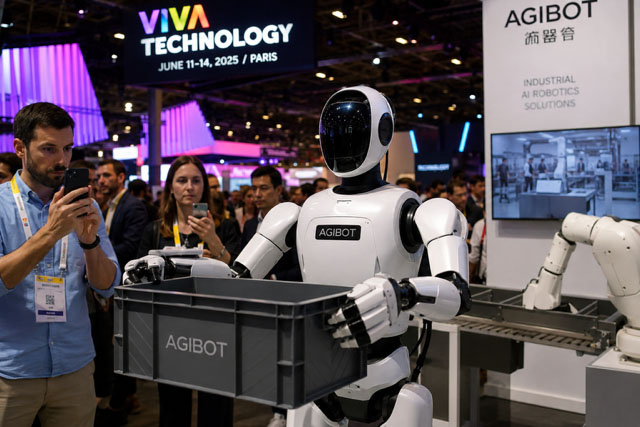
VivaTech 2026: The Year Humanoid Robots Became an Industrial Reality
VivaTech 2026, held at Porte de Versailles in Paris on June 17 and 18, marked its tenth anniversary by highlighting significant advancements in artificial intelligence and the maturation of robotics. The event showcased the growing trend of humanoid robots transitioning into industrial applications, reflecting a global shift in technology. Attendees had the opportunity to witness firsthand the innovations that are shaping the future of robotics, underscoring the industry's evolution and its increasing relevance in various sectors.
À la une IA Industrie Robotique automatisation industrielle. CNRS robotique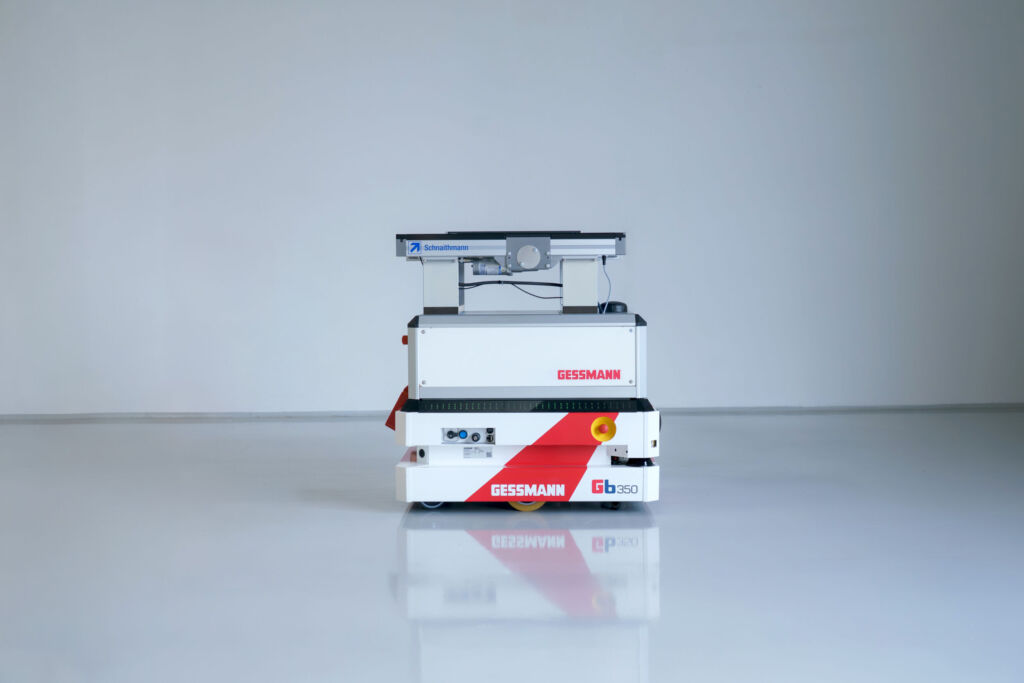
Autonomous mobile robots enhance assembly automation.
Schnaithmann has introduced autonomous mobile robots into its assembly and transfer lines, enhancing automation capabilities. This integration aims to streamline operations and improve efficiency in manufacturing processes. The deployment of these robots represents a significant advancement in the company's approach to modern assembly automation, reflecting a growing trend in the industry towards increased reliance on autonomous technologies.
Allgemein Automation Fördertechnik & Handling Lagerlogistik & Materialfluss Mobile Robotik
Mobile robots as part of a comprehensive system
The effective deployment of mobile robots hinges not only on the quantity of vehicles utilized but also on their operational behavior in conjunction with various factors such as layout, material flow, charging infrastructure, and control systems. This comprehensive approach is essential for optimizing the integration of mobile robots within industrial settings, ensuring they function seamlessly as part of a holistic system. The insights were shared in a recent article on ROBOTIK UND PRODUKTION, highlighting the importance of strategic planning in the implementation of robotic technology in modern production environments.
Allgemein Automation Fördertechnik & Handling Lagerlogistik & Materialfluss Mobile Robotik
Germany Accounts for 41% of All Industrial Robots Installed in the EU
Germany's economy is at the forefront of robotics automation in Europe, having installed 24,800 new industrial robots in the manufacturing sector. This significant contribution highlights Germany's leadership role in the adoption of advanced automation technologies. The installation of these robots represents 41% of all industrial robots deployed across the European Union, underscoring the importance of Germany in the regional robotics landscape. This trend reflects a growing commitment to enhancing productivity and efficiency within the manufacturing industry. Looking ahead, it will be crucial to monitor how Germany continues to leverage robotics technology to maintain its competitive edge in the EU market. No further timeline was disclosed at the time of publication.
Allgemein Newsarchiv
U.S. Becomes Second-Largest Market for Industrial Robots After China
The International Federation of Robotics has released the World Robotics 2026 Report, revealing that the United States installed 38,400 industrial robots in 2025. This figure represents a 12% increase compared to the previous year and positions the U.S. as the second-largest market for industrial robots globally, following China. This development is significant as it highlights the growing demand for automation in U.S. industries, surpassing Japan's installation of 36,200 robots. The increase in industrial robot installations reflects a broader trend of technological adoption aimed at enhancing productivity and efficiency in manufacturing processes. Looking ahead, the U.S. robotics market is expected to continue expanding, driven by advancements in automation technology and increasing investment in industrial robotics. No further timeline was disclosed at the time of publication.
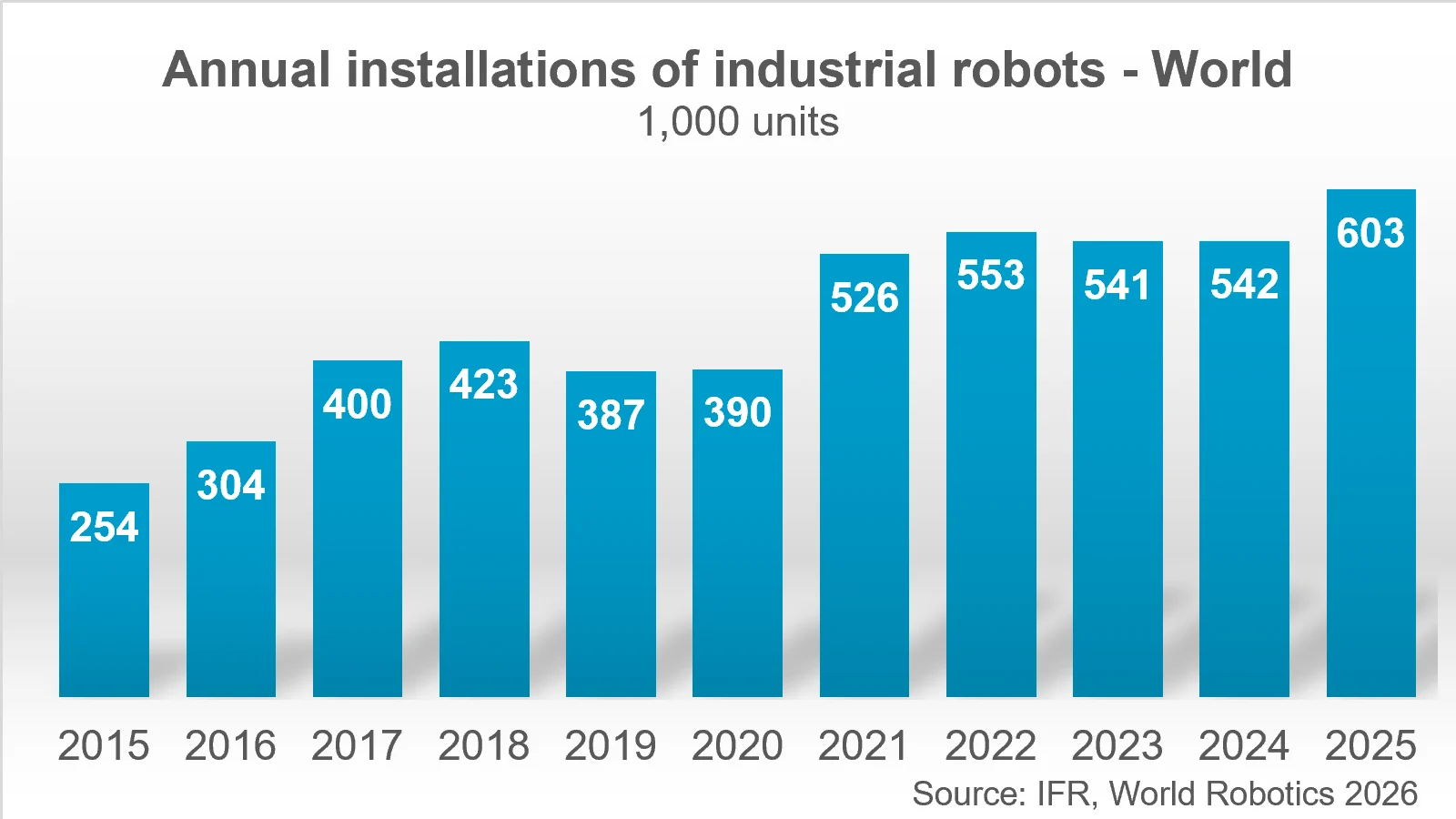
Global Industrial Robot Stock Reaches 5 Million Units, According to IFR Report
The International Federation of Robotics (IFR) reported that the global operational stock of industrial robots reached a record 5 million units in 2025, marking a 9% increase from the previous year. This growth was driven by an 11% rise in annual installations, with over 600,000 new units added in factories worldwide last year. This milestone highlights the rapid advancement of industrial automation, particularly in Asia, which leads in robot adoption. Jane Heffner, president of the IFR, noted that the current figure is more than double the number of robots operational seven years ago. China remains the dominant player, accounting for 59% of global installations, with annual installations growing by 20% year over year. Looking ahead, the IFR anticipates continued growth in robot demand, particularly in China and India, although markets like Japan and South Korea may experience slower recovery. No further timeline was disclosed at the time of publication.
Automotive China Industrial Robots Manufacturing News Canada
Global Industrial Robot Stock Reaches Five Million Units in 2025
The International Federation of Robotics has reported that the global operational stock of industrial robots reached a record 5 million units in 2025, marking a 9% increase from the previous year. This growth was fueled by a significant 11% rise in annual installations, with factories around the world adding over 600,000 new robots during the year. This milestone is significant as it reflects the ongoing trend of automation in manufacturing, highlighting the increasing reliance on robotics to enhance productivity and efficiency. The surge in installations indicates a strong demand for advanced automation solutions across various industries, underscoring the importance of robotics in modern manufacturing processes. Looking ahead, industry stakeholders should monitor the continued growth of robot installations and the evolving landscape of industrial automation. No further timeline was disclosed at the time of publication.

Mitsubishi Electric Utilizes Industrial Robots for Precision Camera Movements in Film Production
Mitsubishi Electric is collaborating with the Italian production company Moviechrome to implement its robotic solutions for high-precision camera movements in film, advertising, and special effects productions. This partnership highlights the growing integration of robotics in the film industry, enhancing the quality and efficiency of production processes. The use of Mitsubishi Electric's robots allows for greater precision and consistency in camera movements, which is crucial for achieving the desired visual effects in film and advertising. This development signifies a shift towards more automated solutions in creative industries, where technology can complement artistic vision. As the film industry continues to evolve, the adoption of robotic technology is expected to increase. Stakeholders should monitor how this collaboration influences production techniques and whether other companies will follow suit in integrating robotics into their workflows. No further timeline was disclosed at the time of publication.
Allgemein
Universal Robots Unveils Gen 7 Platform for Industrial Automation and Physical AI Applications
Universal Robots, a subsidiary of Teradyne Robotics, showcased its seventh-generation robot platform, Gen 7, at the IMTS trade show. This new platform is designed to enhance industrial automation and support Physical AI applications, reflecting the company's commitment to innovation in robotics. The introduction of Gen 7 is significant as it represents a step forward in the capabilities of collaborative robots, which are increasingly being integrated into various manufacturing processes. This advancement is crucial for industries looking to improve efficiency and productivity through automation. Looking ahead, the industry will be watching how the Gen 7 platform is adopted across different sectors and its impact on the future of industrial automation. No further timeline was disclosed at the time of publication.
Allgemein Cobots & MRK Humanoide Robotik Künstliche Intelligenz & maschinelles Lernen Robotik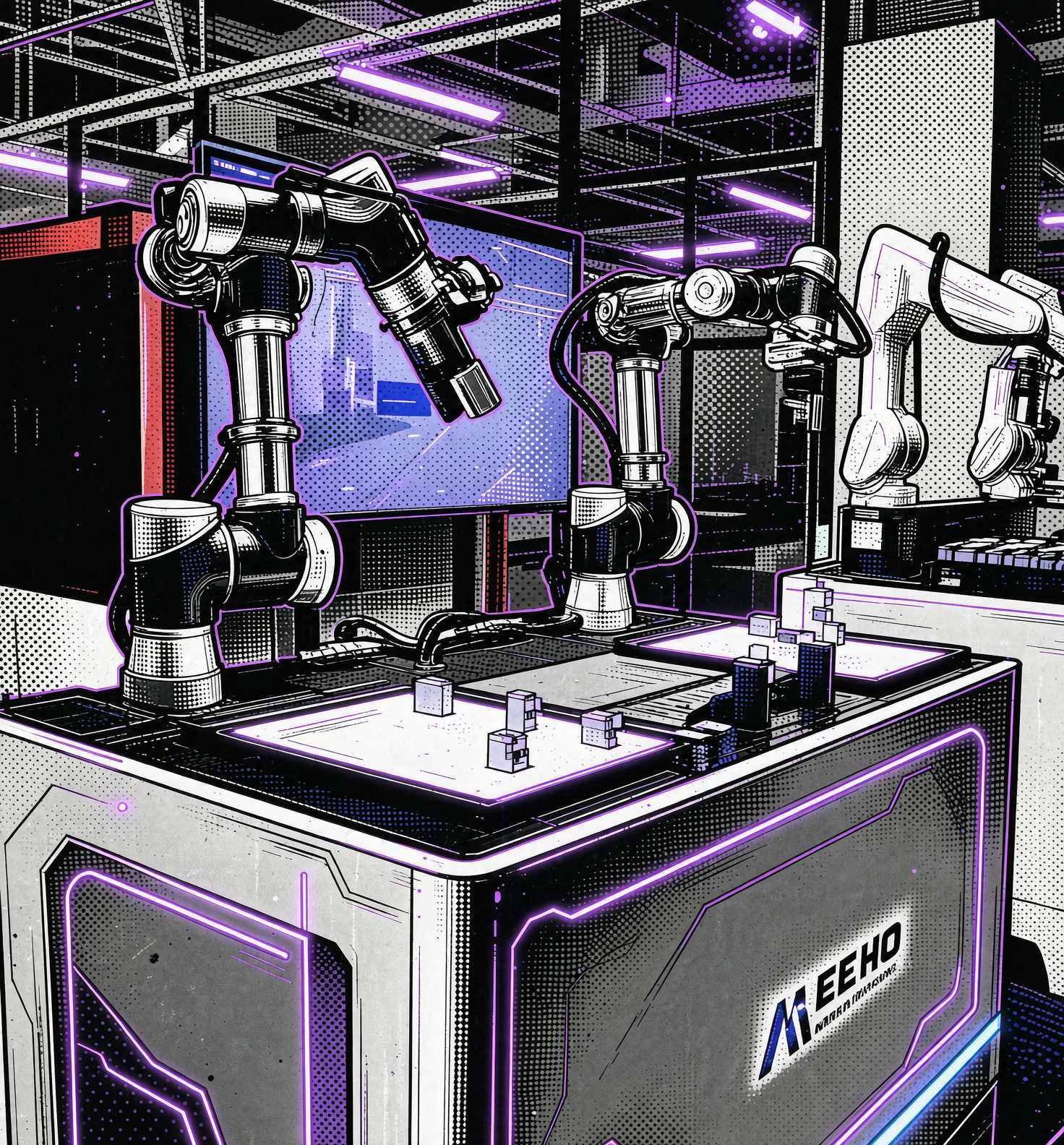
Micro Yi Intelligent Manufacturing Secures CSRC Approval for Overseas Listing with 31% Market Share
Micro Yi Intelligent Manufacturing has received approval from the China Securities Regulatory Commission (CSRC) for its overseas listing. This move is significant as it positions the company to expand its reach in the global market, particularly in the field of intelligent manufacturing. The company currently holds a 31% market share in the domestic industrial embodied intelligent robots sector, highlighting its strong presence and competitive edge in this rapidly evolving industry. This approval is expected to enhance its capabilities and attract further investment. Looking ahead, stakeholders will be keen to observe how Micro Yi leverages this approval to enhance its international operations and whether it can maintain its market share amidst growing competition. No further timeline was disclosed at the time of publication.
Robotics Automation AI
Lumos Robotics Introduces NexCore to Simplify Industrial Robot Skill Development
Lumos Robotics has unveiled Lumos NexCore, an embodied AI platform that significantly reduces the time needed to develop robotic skills from weeks to days. This innovation addresses a critical challenge in industrial robotics, where the gap between robot delivery and reliable task performance often complicates deployment for enterprises. The introduction of NexCore is crucial for factory owners and end customers who face the complexities of making robots work effectively in production environments. Traditionally, deploying a robot requires extensive programming and engineering capabilities, including data collection, algorithm development, and performance validation. NexCore streamlines this process, offering a more plug-and-play experience. Looking ahead, NexCore's integrated workflow allows users to define tasks in natural language, train skills, and deploy capabilities seamlessly. This closed-loop system not only simplifies robotic skill development but also enables continuous optimization, making it easier for enterprises to adapt robots to their specific needs. No further timeline was disclosed at the time of publication.
Computing News Software artificial intelligence embodied ai industrial robotics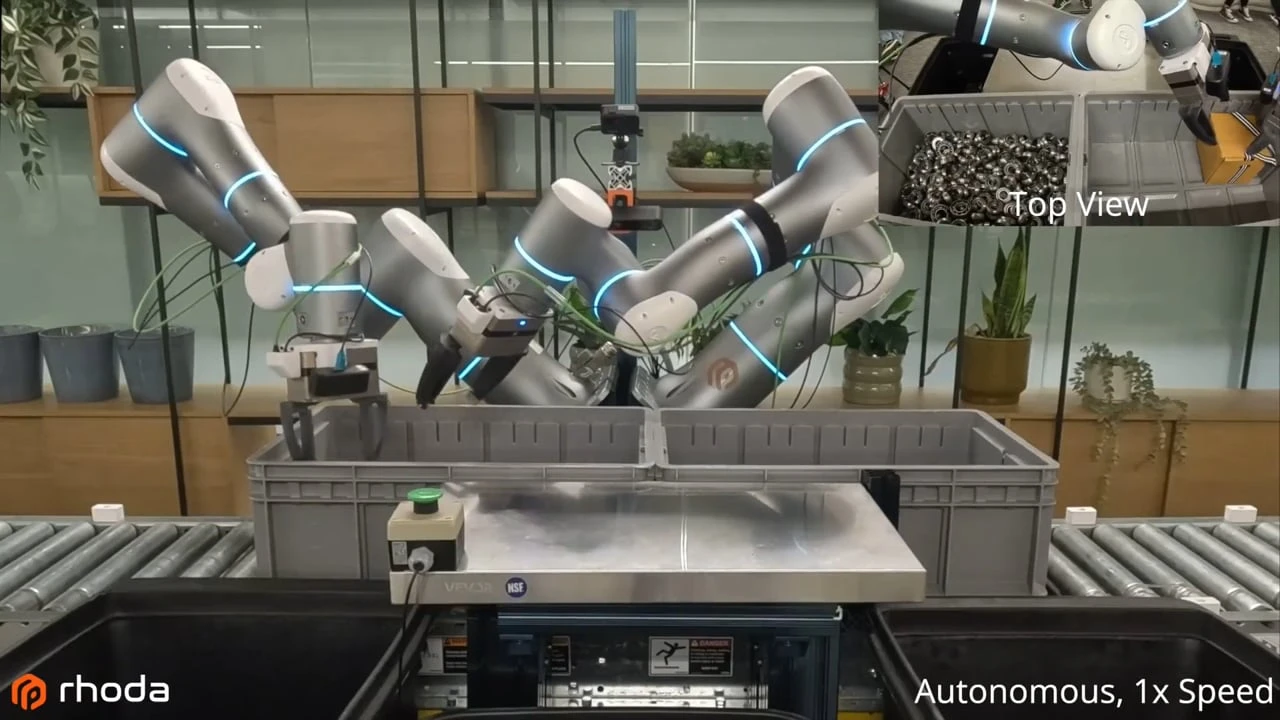
Rhoda AI Evaluates Impact of Web-Video Pretraining on Industrial Robot Performance
Rhoda AI has reported enhancements in industrial manipulation capabilities through scaled web-video pretraining, as detailed in a study released on September 10. The research tested various model sizes, achieving completion rates of 3.7%, 65.0%, 75.3%, and 84.7% in under 100 seconds for tasks like unpacking bearings and sorting waste, with the largest model scoring 94 out of 111. This study is significant as it explores a fundamental aspect of physical AI, demonstrating that larger models, while requiring more computational resources, can lead to improved performance. A separate fixed-size experiment indicated that increasing pretraining compute raised performance from 57.8% to 75.3%, suggesting that the amount of pretraining data and compute plays a crucial role in task execution efficiency. Looking ahead, Rhoda's approach, which utilizes the Direct Video-Action architecture, emphasizes the importance of causal video modeling in robot training. The company’s ongoing evaluations and adaptations of its models will be critical to understanding the future applications of video pretraining in robotics. No further timeline was disclosed at the time of publication.
US rhoda-aiRobotics needs a service framework.
RSF defines a common language for robot service capability, lifecycle operations, certification pathways, and service-provider networks.
Join the RobotToday community on LinkedIn
Daily robotics news, in-depth analysis, conference highlights, and discussions with professionals worldwide.







