

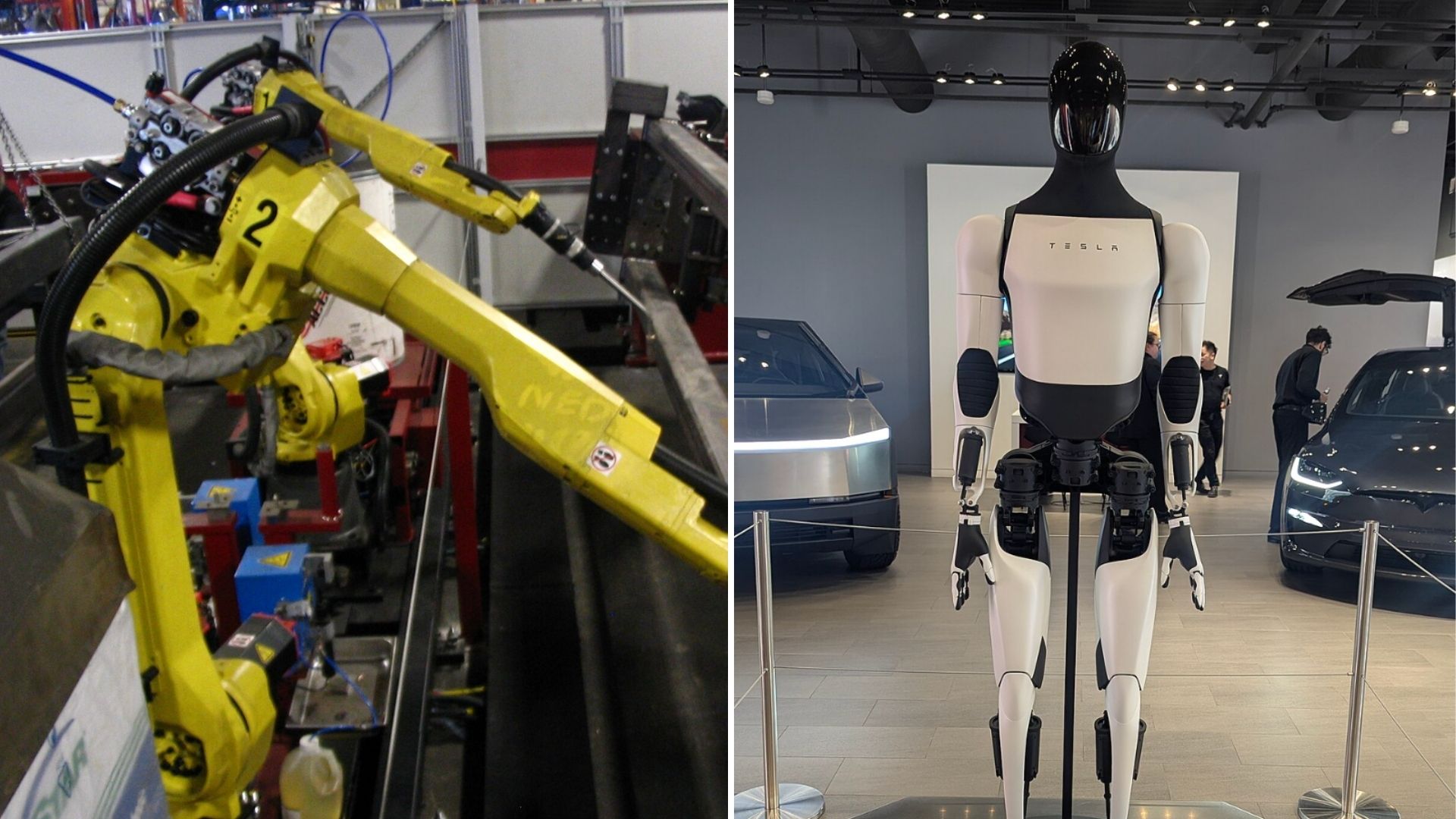
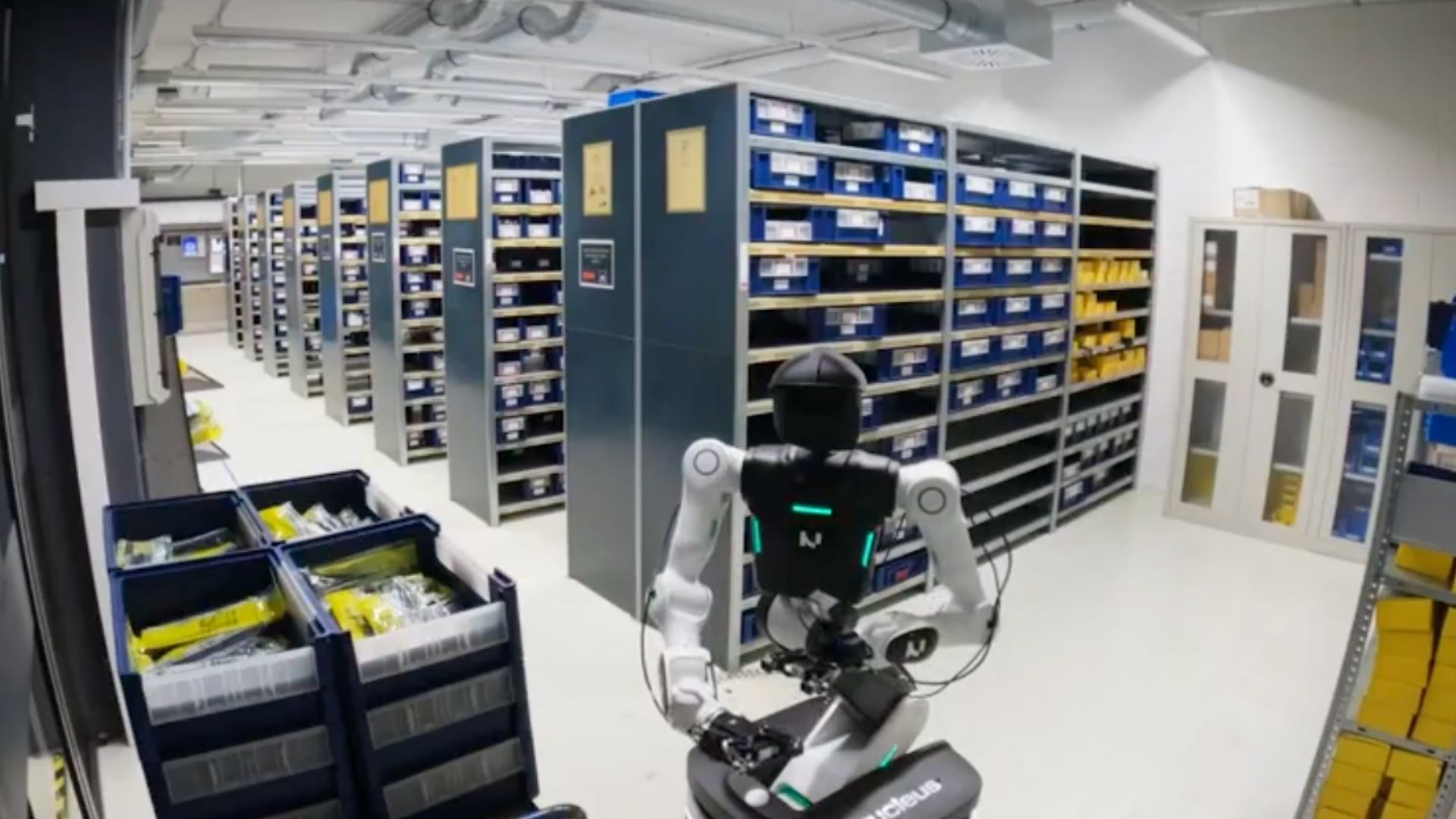
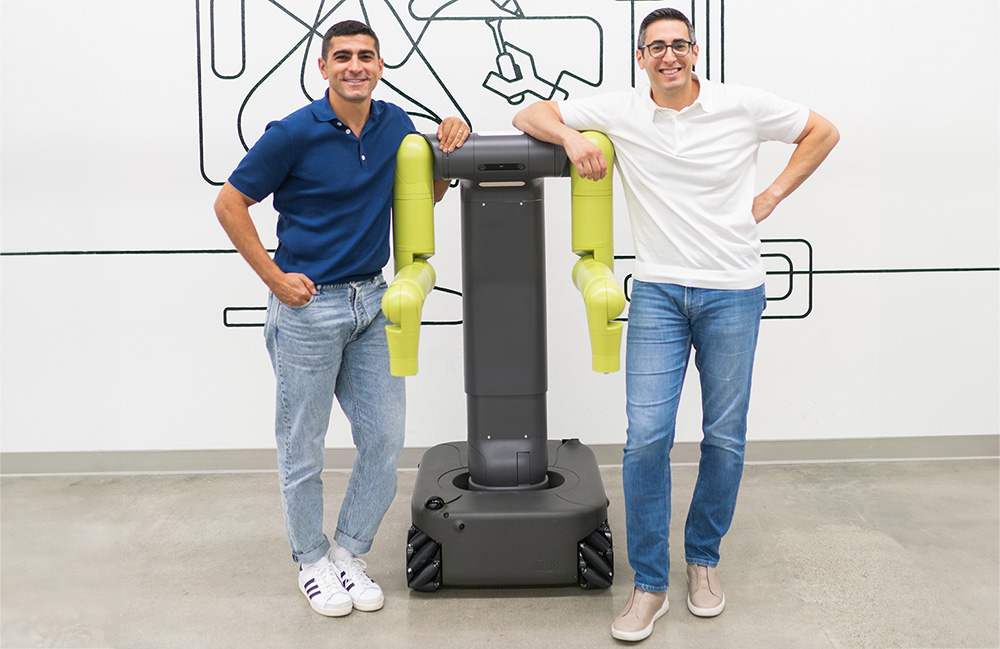
Humanoid robots are emerging as a new element in factory automation, capable of walking between workstations and handling components. However, traditional industrial robots still dominate the automated factory landscape, raising questions about the future of humanoid integration in manufacturing environments.
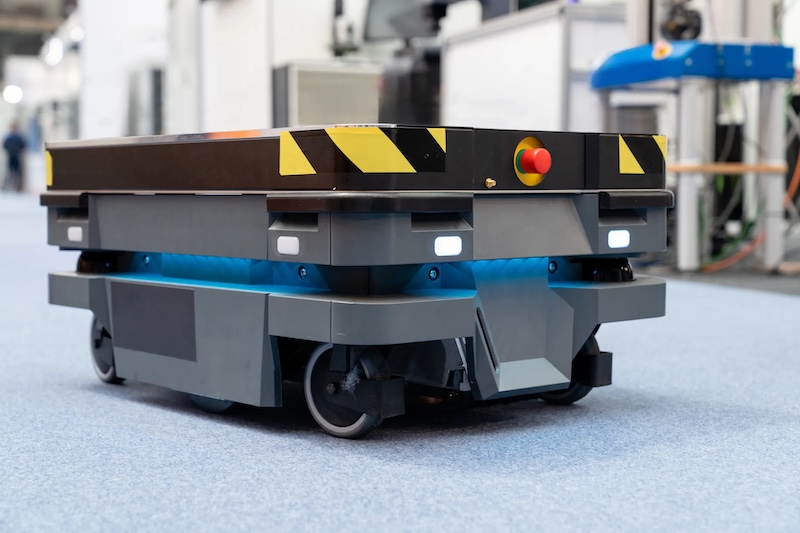
The significance of this development lies in the contrasting benefits of humanoids and industrial robots. While humanoids offer flexibility, industrial robots provide proven productivity, having been established in factories for decades. In 2024, factories installed 542,000 industrial robots, contributing to a global total of approximately 4.66 million, according to the International Federation of Robotics.
Looking ahead, the competition between humanoids and industrial robots will intensify as manufacturers weigh the costs and benefits of each technology. Collaborative robots are also gaining traction, representing 10.5% of industrial robot installations in 2023, which may further challenge the role of humanoids in factories. No further timeline was disclosed at the time of publication.
Editor's Note
The introduction of humanoid robots into factories signifies a potential shift in automation strategies. However, the established efficiency and productivity of traditional industrial robots continue to dominate the landscape. As manufacturers evaluate their needs, the balance between flexibility and proven performance will play a crucial role in shaping future investments in robotic technologies.
Copyright Notice
This briefing is an independently written summary based on publicly available reporting and is provided for industry information and news discovery. The original report and source publication are credited and linked where applicable. RobotToday does not claim ownership of third-party source material.
Rights concerns? If you believe any material in this briefing infringes your copyright or other rights, please contact [email protected] with the relevant URL and details. We will review the matter and take appropriate action where warranted.



































Leave a comment