

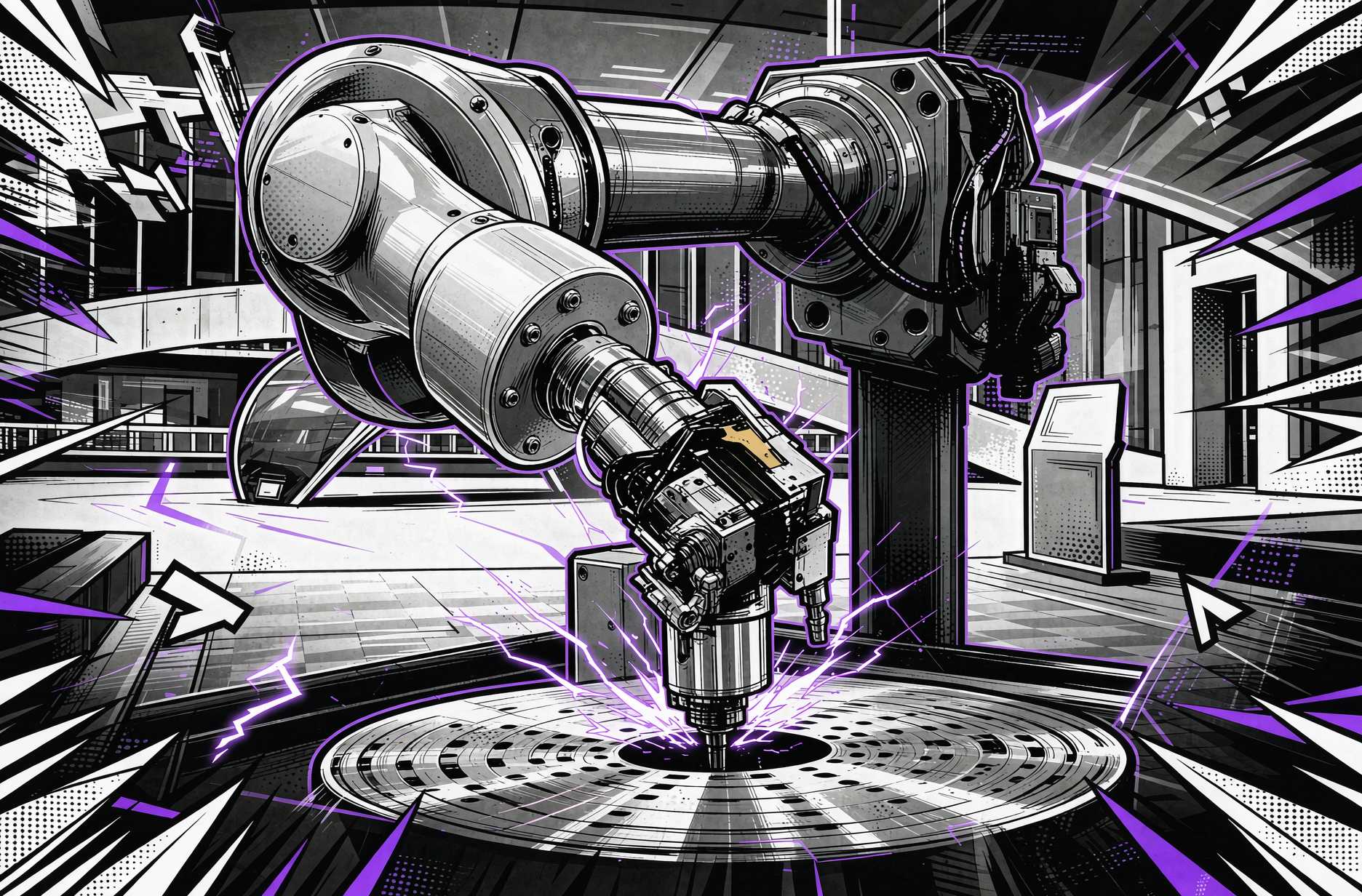
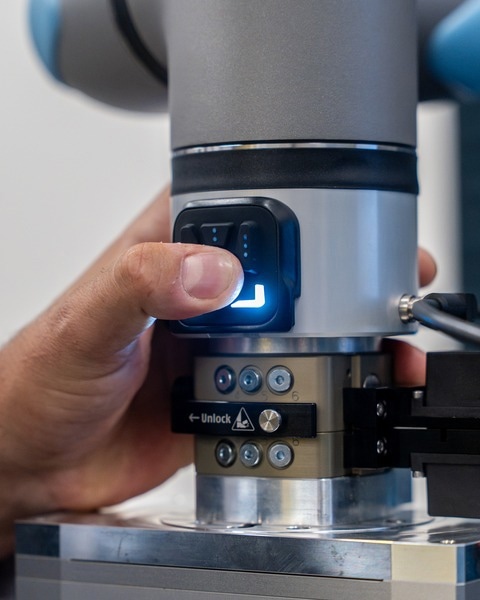
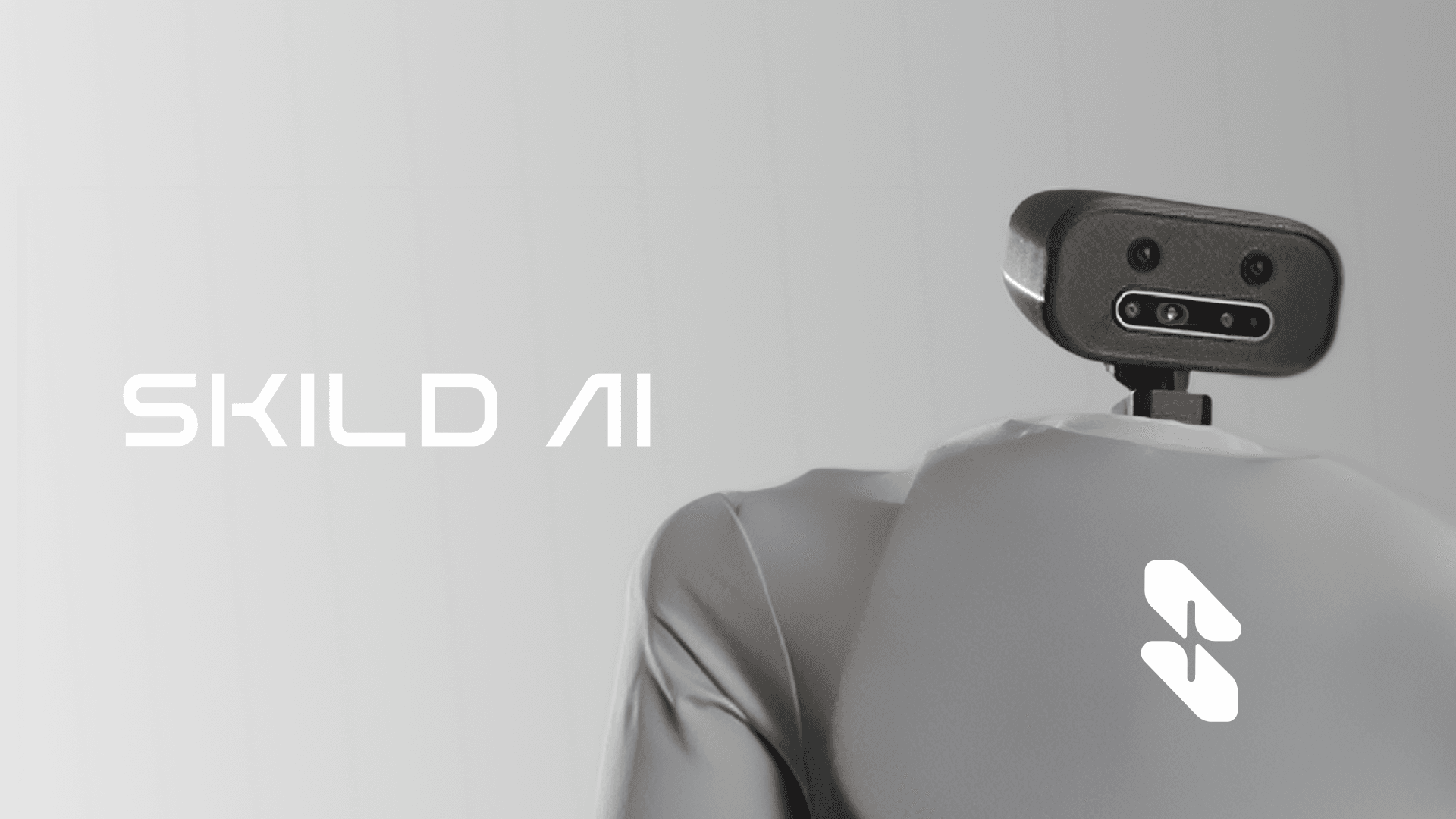
In September, the robotics industry witnessed contrasting developments. On September 10, Skild, a U.S. robotics modeling company, announced its collaboration with NVIDIA and Foxconn to deploy models on dual-arm robotic arms for precise assembly in the Blackwell system. Four days later, Danish collaborative robot manufacturer Universal Robots unveiled a new generation platform designed to facilitate the integration of cameras, sensors, and AI applications into robotic arms.
This evolution is significant as it highlights the shift towards enhancing existing robotic systems with advanced AI capabilities rather than waiting for humanoid robots to achieve commercial viability. Sanctuary AI, a Canadian company developing the Phoenix humanoid robot, revealed its strategy to implement Physical AI on current and next-generation industrial robot platforms, achieving a task success rate exceeding 99.5% in a proof of concept with an automotive supplier.
Looking ahead, companies like Sumitomo Electric and Yaskawa are exploring the integration of AI into traditional robotic systems to handle complex tasks that still require human judgment. The focus is on adapting control systems and interfaces to improve the robots' ability to interact with variable components, such as soft wire harnesses, which present unique challenges in manufacturing processes. No further timeline was disclosed at the time of publication.
Editor's Note
The robotics industry is increasingly focusing on integrating AI capabilities into existing robotic systems to enhance their functionality. This trend reflects a broader shift towards practical applications of AI in manufacturing, where traditional robots are being upgraded to handle more complex tasks. As companies like Sanctuary AI and Skild lead the charge, the competitive landscape is evolving, emphasizing the importance of adaptability and innovation in industrial automation.




























Leave a comment