

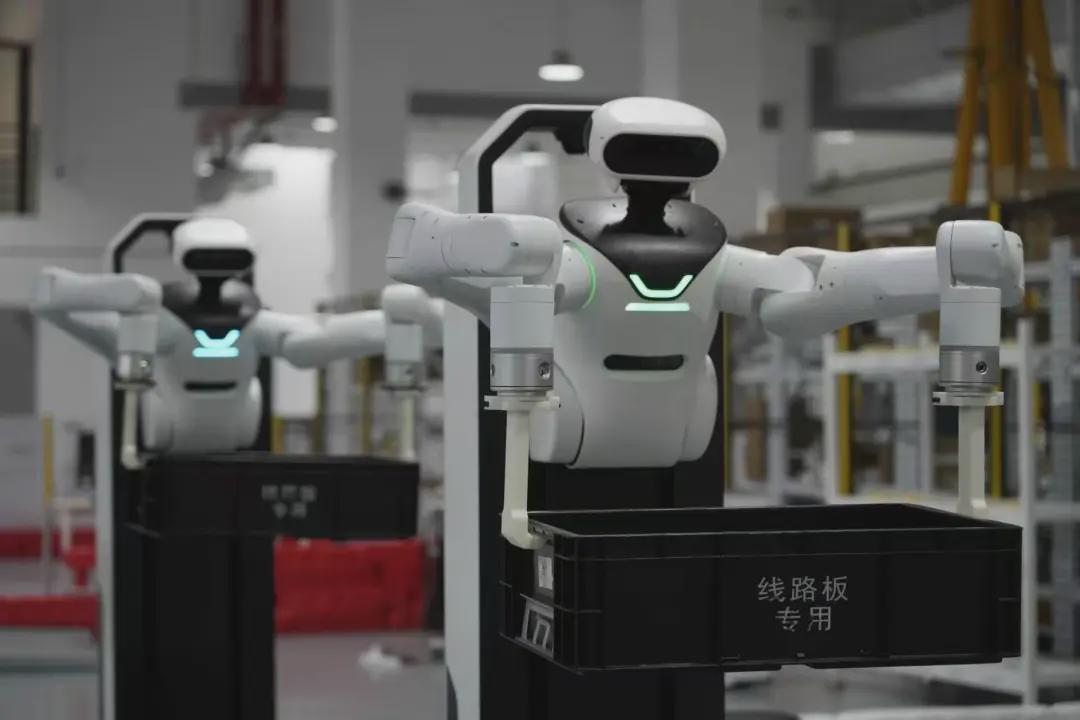
JAKA has introduced various humanoid robots designed for specific industrial tasks, such as the JAKA K1-25, which can lift up to 50 kg. These robots are not merely for display but are being integrated into production lines of leading global industrial companies. The focus has shifted from creating a universal robot to addressing practical questions like load capacity, operational continuity, and return on investment.
The industry has been exploring the concept of general-purpose robots, but the reality of deploying robots in factories necessitates a more detailed approach. JAKA's strategy emphasizes specialization, enabling robots to learn specific tasks rather than attempting to replicate human capabilities entirely. This shift is crucial as companies prioritize functionality and cost-effectiveness over mere technical prowess.
The JAKA K1-25 exemplifies this approach by prioritizing strength and precision, with a rated load capacity of 50 kg and a repeat positioning accuracy of ±0.1 mm. As industries like automotive manufacturing and heavy equipment production require handling of heavy components, the focus is on ensuring robots can perform these tasks effectively, rather than merely showcasing advanced movements.
Editor's Note
The evolution of humanoid robots in industrial applications reflects a significant shift in focus from general capabilities to task-specific functionalities. As companies increasingly seek to integrate robots into their workflows, understanding the practical limitations and requirements of these machines becomes essential. This trend highlights the importance of engineering solutions that prioritize efficiency and reliability in real-world applications.

























Leave a comment