Industry Briefing
A single destination for timely, editor-curated robotics news from around the world.
Real-Time Supply Chains Transform Industrial Real Estate and Inventory Management
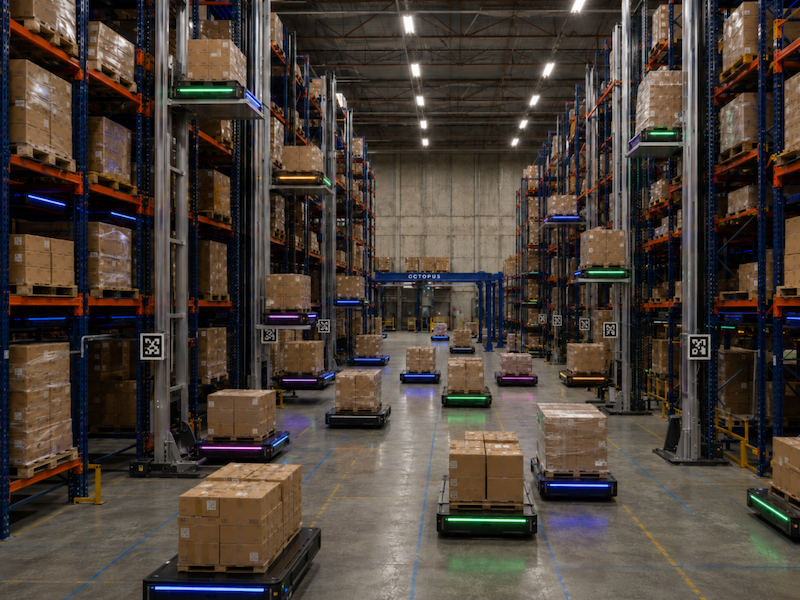
Recent advancements in predictive analytics, robotics, and data-driven logistics are reshaping industrial real estate by reducing reliance on large inventories. Traditionally, warehouses were designed to manage uncertainty through storage, but the shift towards real-time coordination is changing this paradigm. As supply chains become more connected and visibility improves, the need for extensive inventory diminishes, leading to a redesign of facilities focused on efficient operations. This transformation is significant as it alters the fundamental structure of industrial real estate, moving away from storage-heavy models to those optimized for continuous movement. Just as the introduction of standardized shipping containers revolutionized logistics, the new design principles for automation and throughput will set long-lasting standards for future infrastructure. The choice of facilities that prioritize flow over storage will influence the development of buildings, vehicles, and logistics networks for years to come. Looking ahead, the role of intermediate facilities is evolving from inventory storage to dynamic transfer points, facilitating the movement of goods between transportation modes. As data accessibility increases and transportation systems become more coordinated, the industry must adapt to these changes. No further timeline was disclosed at the time of publication.
Features Logistics Supply chain automation autonomous logistics digital twins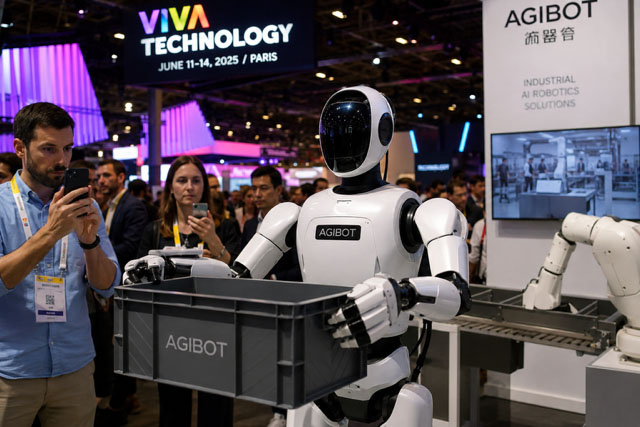
VivaTech 2026: The Year Humanoid Robots Became an Industrial Reality
VivaTech 2026, held at Porte de Versailles in Paris on June 17 and 18, marked its tenth anniversary by highlighting significant advancements in artificial intelligence and the maturation of robotics. The event showcased the growing trend of humanoid robots transitioning into industrial applications, reflecting a global shift in technology. Attendees had the opportunity to witness firsthand the innovations that are shaping the future of robotics, underscoring the industry's evolution and its increasing relevance in various sectors.
À la une IA Industrie Robotique automatisation industrielle. CNRS robotique
LA High School Students Engage with Real Robotics at Faraday Future Headquarters This Summer
A group of K-12 students in Los Angeles has been hands-on with real humanoid robots and industrial-grade robotic dogs at Faraday Future's headquarters this summer. On July 15, Faraday Future announced that its EAI Robotics Summer Camp, in collaboration with the Lynwood and El Segundo school districts, has entered its second week, alongside a partnership with Triple I, a full-cycle education organization in the U.S. The summer camp is notable for using actual robotics equipment rather than toy kits or computer simulators. Students have worked with Faraday Future's own robots, including the Navi, an educational four-legged robot priced under $2,000, the industrial-grade Aegis, and the humanoid robot Master. The camp employs a five-day progressive learning structure, culminating in students programming and debugging real hardware. Participants have transformed from beginners to capable of autonomous system demonstrations within just one week. Faraday Future's Co-CEO Chen Zhe emphasized the importance of immersive engineering experiences for students and how their feedback aids product iteration and course design. He believes education will be a key application area for scaling consumer robotics in its early stages, as Faraday Future aims to bridge classroom learning with practical experience and home education.
Robotics Education Hands-on Learning Consumer Robotics Programming STEM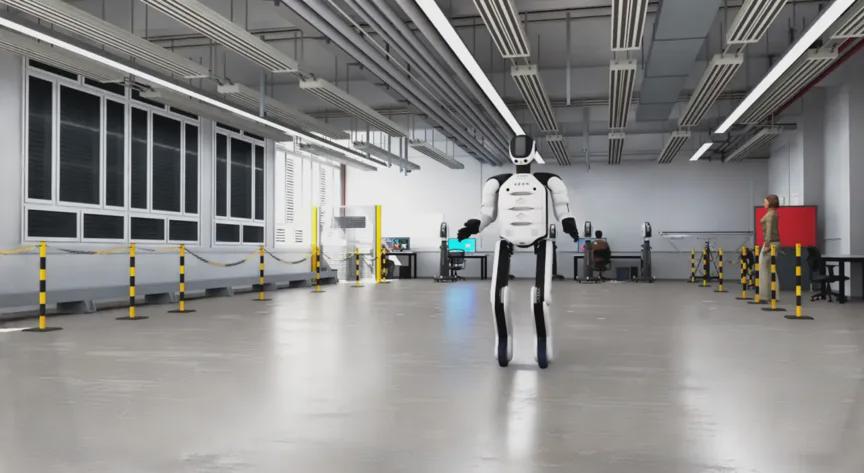
NVIDIA and DeepMind Lead Robotics Simulation Debate with New Industrial Applications
The field of embodied intelligence is witnessing a fierce debate over the best approach to training robots for industrial applications. One faction advocates for simulation-based training, leveraging structured environments to generate synthetic data, while the opposing view emphasizes the necessity of real-world data to handle complex physical interactions and unpredictable scenarios. Key players include NVIDIA, DeepMind, and Intrinsic, each with unique strategies and technologies. NVIDIA's Omniverse platform and Isaac Sim engine exemplify the simulation approach, enabling comprehensive digital twins of factories for training and optimization. Their collaboration with BMW on a digital twin project in Hungary showcases the potential of synthetic data in logistics and robotic movements. However, challenges remain in achieving the necessary fidelity for force control and physical interactions, prompting NVIDIA to seek partnerships with companies like Hexagon Robotics. Conversely, DeepMind's use of the MuJoCo physics engine has demonstrated that pure simulation can achieve industrial-grade precision in specific tasks, such as sorting with known rigid models. Yet, this method's effectiveness is limited to scenarios with minimal contact and force control. Intrinsic aims to transform simulation into a comprehensive development tool for industrial robots, focusing on lowering barriers for small manufacturers. The ongoing challenge of the SIM2REAL gap remains a critical factor in the success of these approaches.
Robotics Industrial Automation Simulation Technology AI
What Is a Humanoid Robot? Definition, Capabilities, and Industrial Reality
A recent exploration into humanoid robots has shed light on their defining characteristics, capabilities, and increasing significance in contemporary industrial automation. As industries evolve, these robots are being integrated into various sectors to enhance efficiency and productivity. The analysis, conducted by experts in robotics and automation, highlights how humanoid robots are designed to perform tasks traditionally executed by humans, thereby streamlining operations and reducing labor costs. This investigation comes at a time when businesses are seeking innovative solutions to meet growing demands and adapt to technological advancements. The findings emphasize the versatility of humanoid robots, which can be programmed for a range of functions, from assembly line work to customer service roles. The study underscores the importance of these robots in addressing labor shortages and improving workplace safety by taking on hazardous tasks. As companies increasingly adopt automation, the role of humanoid robots is expected to expand, leading to a transformation in the workforce landscape. This shift not only reflects the ongoing trend toward automation but also raises questions about the future of work and the potential for collaboration between humans and machines. In summary, the integration of humanoid robots into industrial settings is not just a technological advancement but a strategic response to the challenges faced by modern industries, paving the way for a new era of automation.
humanoid robot industrial automation DOBOT Atom robotics AI manufacturing
From $4 To $500? Eric Jackson's Bold Thesis Pitches Opendoor As Real Estate's Tesla Moment
Eric Jackson, founder of EMJ Capital, has proposed a bold investment thesis suggesting that Opendoor Technologies Inc., currently trading at approximately $4.34, could evolve into a $500 stock within the next five to seven years. This prediction stands in stark contrast to Wall Street analysts, who have set price targets ranging from $1 to $8. Jackson's optimism stems from a fundamental shift in the housing market, specifically the tokenization of real estate, which he believes will significantly lower homeownership costs and attract institutional capital. During a recent meeting with Opendoor CEO Kaz Nejatian in Toronto, Jackson outlined a "three-layer tokenization build" that separates land ownership from physical structures. He argues that this innovative approach positions Opendoor uniquely in the market, akin to the transformative trajectories of companies like Tesla and Shopify. Despite a challenging year for Opendoor, with a 25.56% decline in stock value year-to-date, Jackson maintains that the company's asset-class control and extensive pricing data give it a competitive edge over rivals. Jackson's thesis highlights the potential for substantial returns, estimating a 25-35x increase from current prices, while emphasizing the importance of recognizing architectural transitions in the real estate sector. As the market evolves, he believes investors will come to appreciate Opendoor's strategy and the significant upside it offers.

Figure Taps Brookfield's Global Real Estate Portfolio to Scale AI Training
Figure, a humanoid robotics company, has formed a strategic partnership with asset management firm Brookfield. This collaboration will provide Figure with access to an extensive portfolio of real estate, enabling the company to develop a significant real-world training dataset for its Helix AI model. The partnership aims to expedite the commercial deployment of Figure's robotics technology. By leveraging Brookfield's diverse properties, Figure seeks to enhance the capabilities of its AI, ultimately advancing the integration of humanoid robots into various sectors.
Brett Adcock Figure brookfield helix
RealBOT Robot Excels in Culinary Tasks as a 'Xinjiang Chef
On July 15, 2026, the World Humanoid Robot Sports Championship's domestic third stop launched simultaneously in Yining, Xinjiang, and Sai Lake, Bozhou. RealBOT, a wheeled humanoid robot by Ruierman, previously provided logistical support at the 2026 Chinese Dragon Boat Race in Bazhong, Sichuan. In this event, the robot transitioned from a service role to that of a 'Xinjiang chef' in a real kitchen environment, successfully completing intricate tasks such as noodle pulling, meat skewering, grilling, and vegetable cutting. This demonstration is significant as it showcases the robot's ability to adapt to unpredictable physical variables in real-world scenarios, aligning with Ruierman's philosophy that robots must be deployed in authentic environments to truly understand and perform tasks. The challenges faced by the robot, including precise force control and real-time tactile feedback, highlight the advanced capabilities of Ruierman's technology, including a mechanical arm with ±0.05mm repeatability and millisecond-level force feedback. Looking ahead, the successful execution of these culinary tasks emphasizes the importance of robust hardware and data capabilities in robotics. No further timeline was disclosed at the time of publication, but the ongoing development of integrated joint modules and high operational reliability positions Ruierman to address industry challenges related to traditional robots' limitations in various environments.
Humanoid Robots Culinary Robotics AI Automation Technology
Humanoid Robots Enhance Performance in Real-World Applications with New Testing Metrics
Recent advancements in humanoid robotics have led to the development of new testing methods that evaluate how effectively these robots can handle real-world forces. This shift is significant as humanoid robots transition from novelty items to practical tools in various industries, including manufacturing and logistics, where they perform tasks such as lifting heavy boxes and moving furniture. The importance of this testing lies in its ability to measure the robots' capabilities in dynamic environments, ensuring they can operate safely and efficiently alongside human workers. As these robots take on more demanding roles, understanding their physical interactions with the environment becomes crucial for their integration into workplaces, enhancing productivity and safety. Looking ahead, the continued evolution of testing methodologies will be essential for the deployment of humanoid robots in more complex scenarios. No further timeline was disclosed at the time of publication, but ongoing research is expected to yield more robust performance metrics that will guide future developments in this field.
Robotics
Boyin Hechuang Advances Industrial Embodied Intelligence for Real Factory Deployment
On May 15, Boyin Hechuang announced the successful completion of its Pre-A financing round, securing funding to facilitate the mass production of its inaugural self-developed industrial embodied intelligence robot. This initiative aims to enhance the company's market expansion efforts while addressing pressing challenges within the industrial sector. By transitioning from demonstration capabilities to actual delivery, Boyin Hechuang underscores its commitment to providing practical solutions that meet the needs of the industry.
Industrial Robots Embodied Intelligence Automation Solutions Manufacturing Technology
Top 7 AI Agent Platforms for Industrial Manufacturing in 2026
The manufacturing sector is undergoing a significant digital transformation, marked by substantial investments in Internet of Things (IoT) sensors, Manufacturing Execution Systems (MES), industrial analytics, and predictive maintenance solutions over the past decade. This shift has provided manufacturers with unparalleled operational visibility, enabling real-time monitoring of equipment, production lines, quality metrics, and material flows. Despite these advancements, production managers continue to face challenges in optimizing processes and improving efficiency. The integration of these technologies aims to enhance productivity and streamline operations, ultimately driving the industry towards a more data-driven future.
AI agents Manufacturing ai agents autonomous manufacturing digital manufacturing ERP integration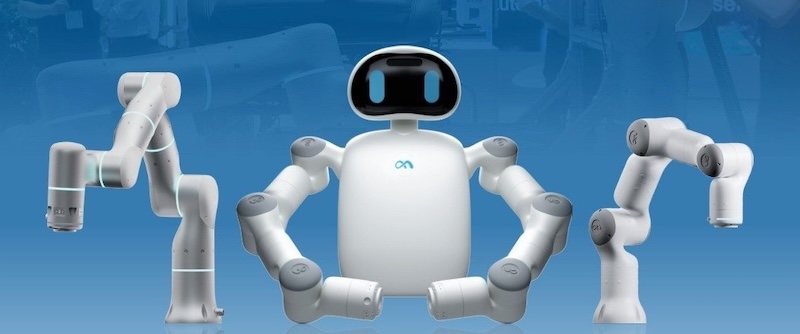
Flexiv launches new ‘adaptive robots’ for industrial automation
Flexiv has introduced two innovative adaptive robots aimed at enhancing tactile sensing and physical AI capabilities within the realm of industrial automation. The company unveiled its flagship Enlight robotic arm and the Mico dual-arm robotic platform, marking a notable advancement in force-controlled robotics and embodied intelligence. The Enlight arm features a seven-axis design, allowing for greater flexibility and precision in various applications. This launch, which took place recently, underscores Flexiv's commitment to pushing the boundaries of robotics technology to meet the evolving needs of the manufacturing sector. By integrating advanced sensing and control mechanisms, these robots are expected to improve operational efficiency and adaptability in complex industrial environments.
Industrial robots News adaptive robots cobots collaborative robots embodied ai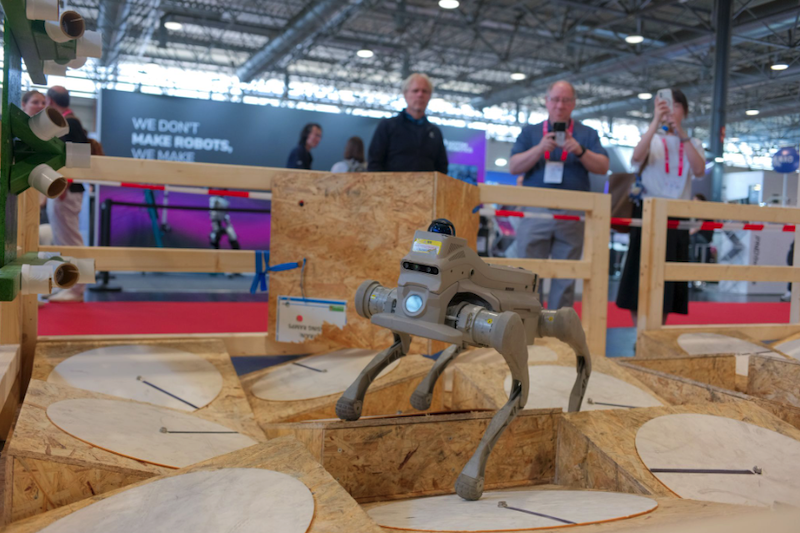
GENISOM AI steps into the global robotics spotlight at ICRA 2026 with real-world-ready robots
GENISOM AI showcased its advancements in embodied artificial intelligence at the International Conference on Robotics and Automation (ICRA) 2026, held from June 2 to June 4. With a track record of producing and delivering over 10,000 robots for various industrial and infrastructure applications worldwide, the company emphasized its commitment to transitioning AI from theoretical research to practical implementation. During the conference, GENISOM AI introduced its latest models, the GENISOM M1 and GENISOM L1, highlighting their capabilities and real-world applications. This debut marks a significant step in the evolution of robotics, illustrating the company's vision of integrating AI into everyday operations.
Artificial Intelligence Robotics automation news autonomous inspection embodied ai GENISOM AI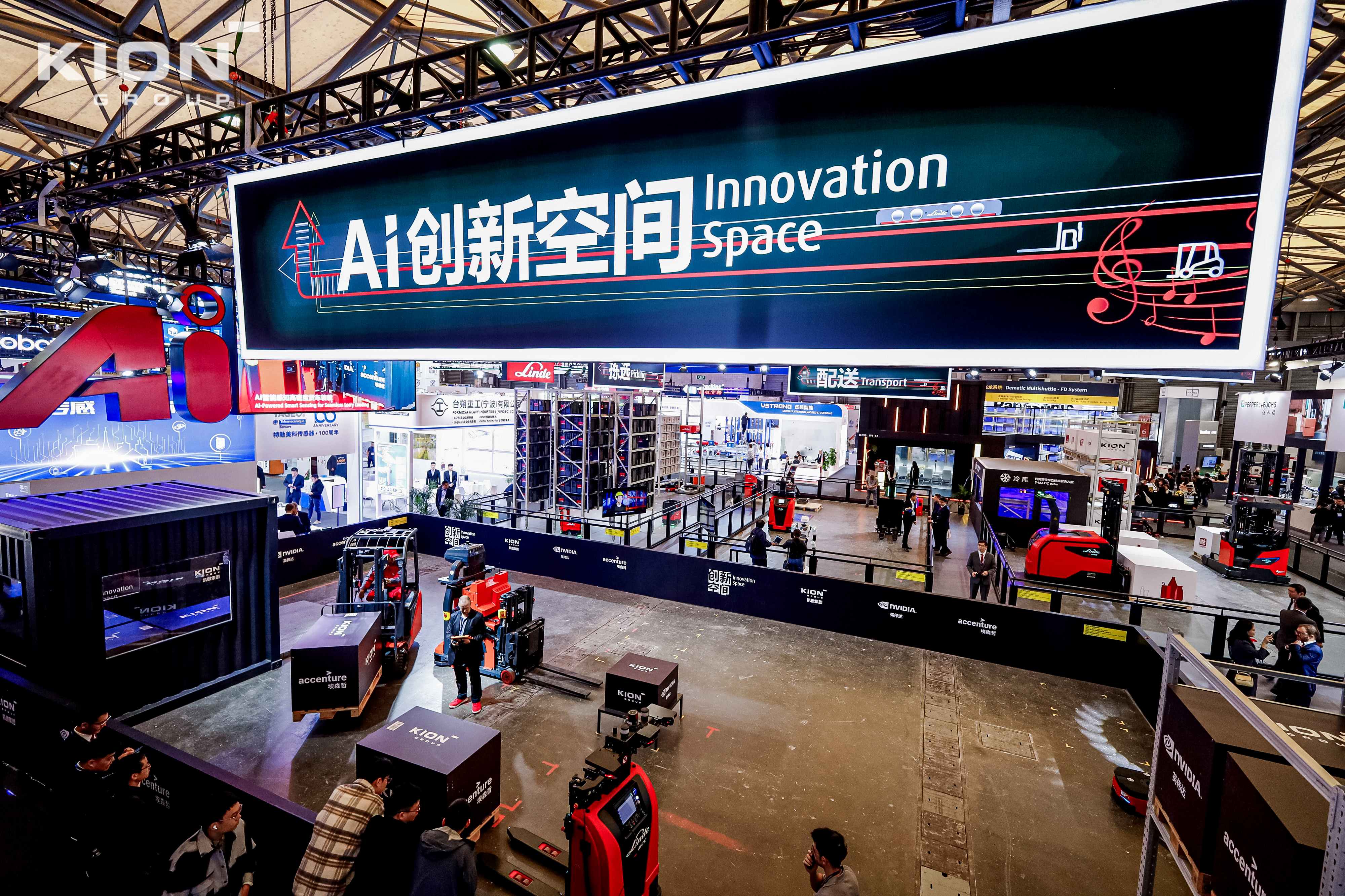
KION showcases physical AI turning real-time data into real-world warehouse performance at CeMAT Shanghai
At CeMAT Shanghai, KION Group presented its cutting-edge physical AI solutions, emphasizing a partnership with NVIDIA and Accenture aimed at advancing warehouse automation. The event showcased innovative AI-driven industrial trucks and digital twin technology, designed to optimize supply chain operations and enhance efficiency in real-time. This collaboration reflects KION's commitment to integrating advanced technology into logistics, addressing the growing demand for smarter and more efficient warehouse solutions in the industry.
intralogistics supply chain solutions industrial trucks forklift trucks warehouse trucks automation technology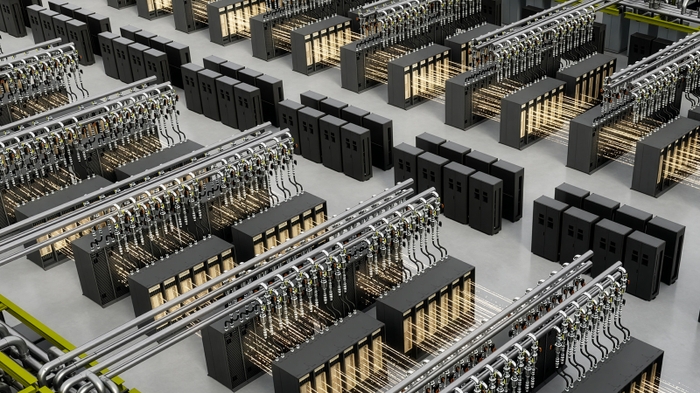
NVIDIA and Noetra Corp. Launch Japan's First National AI Infrastructure for Physical AI
NVIDIA has partnered with Noetra Corp. to establish the NVIDIA Vera Rubin AI factory, featuring 13,750 NVIDIA Vera CPUs and 27,500 NVIDIA Rubin GPUs. This initiative, supported by Japan’s AI and industrial leaders, represents the world’s first national AI infrastructure dedicated to physical AI, enhancing the country’s capabilities across various sectors including manufacturing and healthcare. The establishment of this AI factory is significant as it aims to strengthen Japan's AI ecosystem and support the FRONTia Project, which focuses on developing multimodal foundation models for AI robotics and physical AI. The collaboration is expected to leverage Japan's manufacturing expertise and real-world industrial data to create reliable AI models that can address global social challenges. Looking ahead, the AI factory is designed to support the training of trillion-parameter-scale AI models, positioning Japan to capture over 30% of the global AI robotics market by 2040. As the factory expands, it will provide organizations with access to advanced AI environments, paving the way for innovations in intelligent manufacturing and robotics.
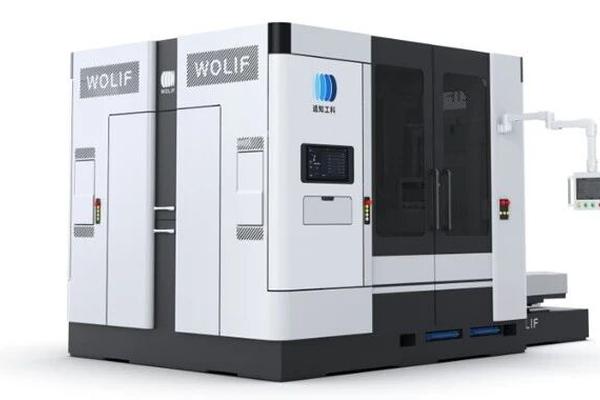
Zhuizhi Engineering Technology Secures Seed Funding for Industrial AI Development
Zhuizhi Engineering Technology Co., Ltd. has successfully completed a seed funding round, raising several million yuan from investors including L2F Light Source Entrepreneur Fund, Shangrong Capital, and Yicun Capital. The funding will primarily support core product development, team building, and market expansion. Founded in February 2024, Zhuizhi focuses on industrial intelligent agents, aiming to enhance automation and intelligence in complex manufacturing processes. The company, which is affiliated with Shanghai Jiao Tong University and the Shanghai Artificial Intelligence Research Institute, seeks to address challenges such as flexible production and skilled labor shortages in the manufacturing sector. The company has introduced the WOLIF Industrial Agentic Robot, which utilizes a proprietary industrial brain for real-time closed-loop control, distinguishing itself from traditional automation methods. Zhuizhi has already secured its first commercial contract with a publicly listed company and received significant orders in the aerospace manufacturing sector, indicating a promising trajectory for its innovative AI solutions.
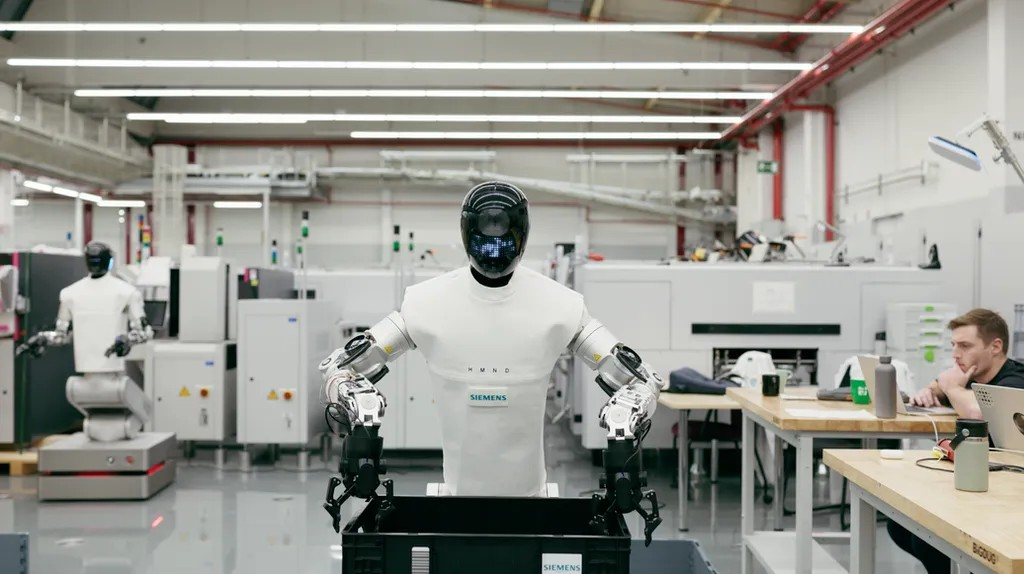
"Physical AI First Implemented in Real Production Line: Siemens Partners with Humanoid to Complete Testing of Humanoid Robot Factory"
Siemens has successfully implemented physical artificial intelligence in a real production line by partnering with Humanoid to complete testing of a humanoid robot factory. This milestone was achieved recently as part of Siemens' ongoing efforts to enhance automation and efficiency in manufacturing processes. The collaboration aims to integrate advanced robotics into production environments, showcasing the potential for humanoid robots to perform complex tasks alongside human workers. By leveraging cutting-edge technology, Siemens and Humanoid are addressing the growing demand for innovative solutions in the manufacturing sector, ultimately seeking to improve productivity and reduce operational costs. This development marks a significant step forward in the evolution of industrial automation, paving the way for future advancements in AI-driven manufacturing.
Robotics Automation AI
NVIDIA Halos for Robotics: A New Era for Industrial Robot Safety
Recent advancements in industrial robotics have marked a significant milestone in the integration of physical artificial intelligence. Over the past few years, the field has experienced unprecedented growth, evolving beyond mere data analysis and text generation. Now, AI technology is enabling machines to perceive their surroundings, make real-time decisions, and interact directly with their environment. This evolution is exemplified by NVIDIA's latest innovations, which are set to enhance the safety and functionality of industrial robots. As these developments unfold, the landscape of robotics is transforming, paving the way for smarter and more autonomous machines in various industries.
À la une IA Industrie Robotique automatisation industrielle. cobot industriel
NVIDIA's Halos for Robotics: A New Era for Industrial Robot Safety
Recent advancements in industrial robotics have marked a significant milestone in the integration of physical artificial intelligence. Over the past few years, the field has experienced unprecedented growth, with AI evolving beyond mere data analysis and text generation. Now, machines equipped with this technology can perceive their surroundings, make real-time decisions, and interact directly with their environment. This transformation is highlighted in a recent article discussing NVIDIA's Halos for Robotics, which emphasizes the new era of safety in industrial robots. The developments signal a shift in how robots operate, enhancing their capabilities and effectiveness in various industrial applications.
À la une IA Industrie Robotique automatisation industrielle. cobot industriel
Smarter Automation with Industrial PCs and HMIs
In a recent episode of the Automation World podcast, host Chris McNamara engaged with Chris Barber, product marketing manager at Phoenix Contact, to explore the evolving landscape of industrial automation. The discussion, which aired on June 24, 2026, delved into the transition towards web-based Human-Machine Interfaces (HMIs), industrial PCs, edge computing, and software-defined control systems. Barber highlighted Phoenix Contact’s innovative PLCnext approach, which integrates traditional operational technology (OT) programming with IT-friendly tools, aiming to simplify integration, enhance real-time processing, and bridge the gap between IT and OT. Barber provided a practical example from the water-wastewater sector, illustrating how edge PCs can significantly improve local alarm handling and data reliability. The conversation also touched on Phoenix Contact’s strengths in hardware and customer support, as well as emerging trends such as cloud-edge convergence and the development of smarter, connected systems that facilitate easier deployment. This insightful dialogue underscores the ongoing advancements in automation technology and its implications for various industries.
Sponsored
Imitation learning is reshaping the training of physical AI for industrial environments
Imitation learning is revolutionizing the training of industrial robots by moving away from traditional rigid programming methods to a more adaptive approach that emphasizes learning through real-world interactions. This shift is highlighted by Anders Billesø Beck, who underscores the importance of high-quality data, the application of force, and the use of production-grade hardware in this new training paradigm. As industries increasingly adopt these advanced techniques, the focus on enhancing the capabilities and efficiency of robots is becoming paramount, paving the way for more sophisticated automation solutions. The transition is not only expected to improve the performance of robots but also to streamline production processes across various sectors.
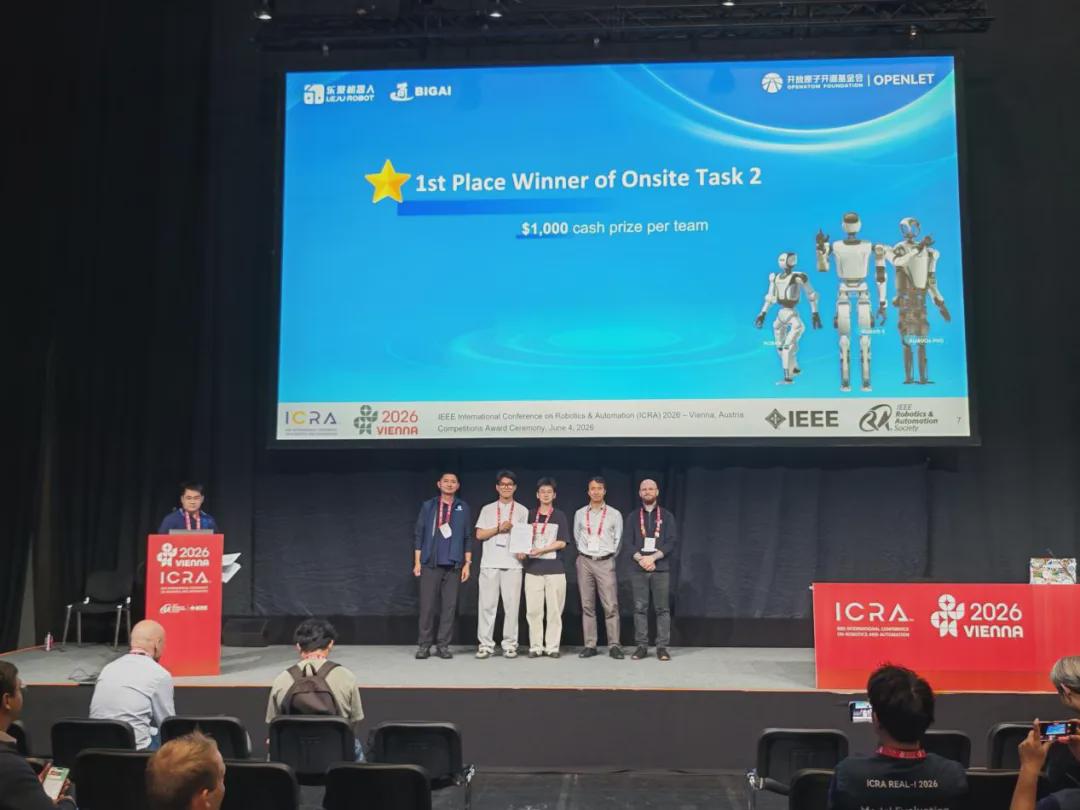
Beijing University of Posts and Telecommunications Shines at REAL-I Embodied Intelligence Challenge
During the REAL-I Embodied Intelligence Challenge at the ICRA 2026 conference in Vienna, the team from Beijing University of Posts and Telecommunications distinguished itself by earning the only perfect score in the industrial loading operation category. This achievement, led by Professors Fang Bin and Lu Zhaoming, also secured the team a bronze medal in the overall competition. Their success highlights the advanced research in embodied intelligence and robotics that the team has been developing, placing them among the top competitors from around the globe. The event, which took place in May 2026, served as a platform for showcasing cutting-edge innovations in the field, underscoring the growing importance of robotics in industrial applications.
Embodied Intelligence Robotics AI Industrial Automation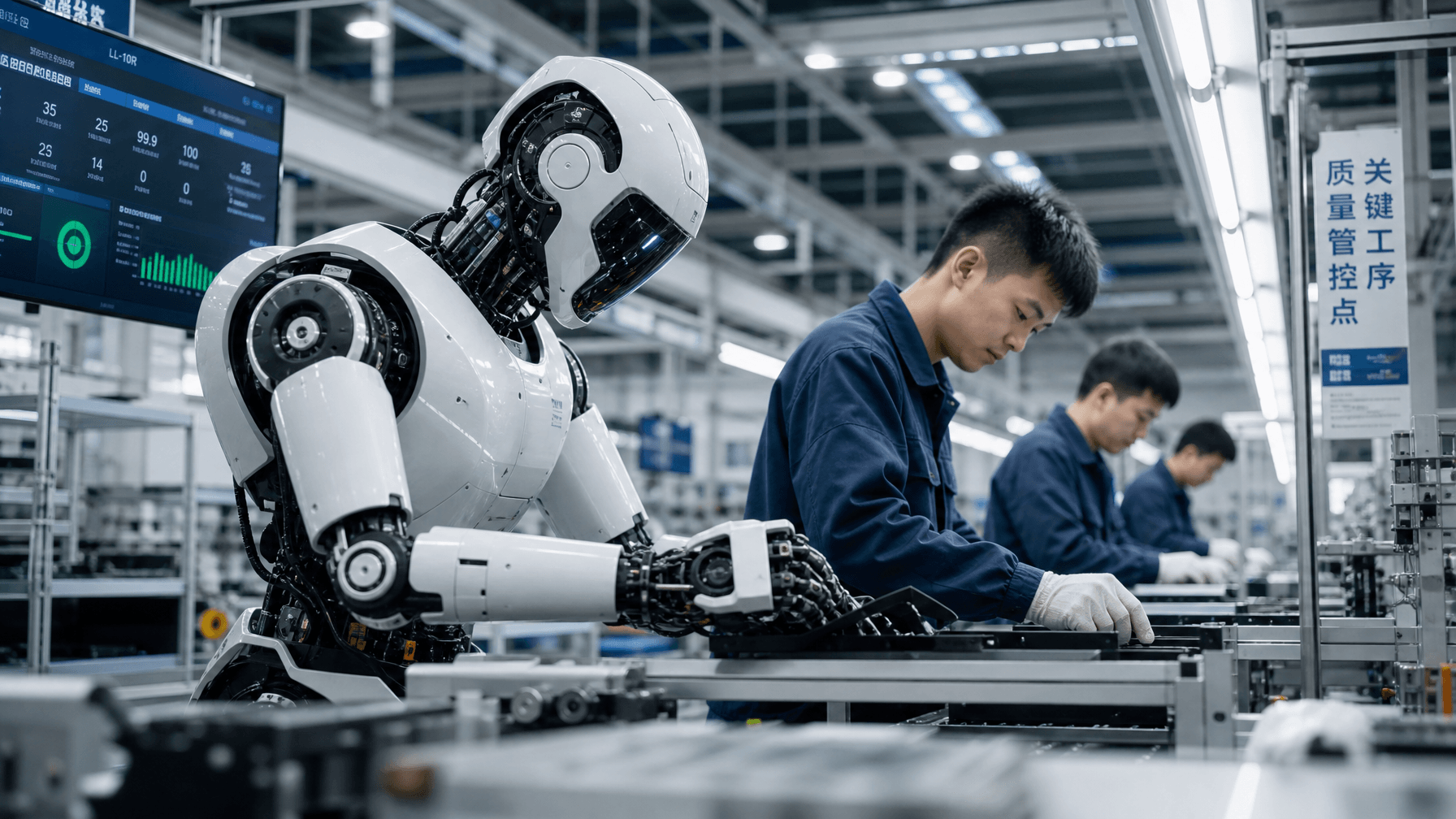
MIIT and SASAC Launch 2026 Humanoid Robot Real-Scene Training Initiative
China's Ministry of Industry and Information Technology (MIIT) and the State-owned Assets Supervision and Administration Commission (SASAC) have announced a comprehensive action plan aimed at deploying humanoid robots across various sectors by 2026. This initiative seeks to implement thousands of humanoid robots in real-world industrial, service, and specialized applications, with a focus on over 100 high-value scenarios. The plan underscores China's commitment to advancing its robotics industry and enhancing automation in key areas, reflecting a strategic move to boost productivity and innovation in the face of evolving market demands. The deployment strategy will involve collaboration between government bodies and private enterprises to ensure effective integration of these technologies into existing workflows.
HumanoidRobotics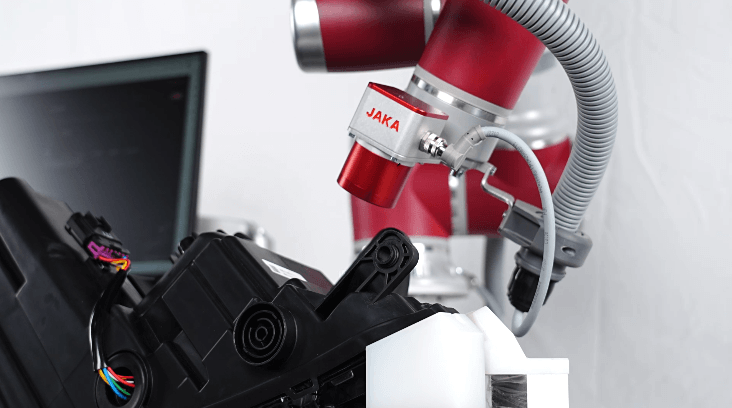
Enhancing Safety and Precision with Real-Time Force Feedback in Controllable Robots
The manufacturing sector is undergoing a significant transformation with the rise of collaborative robots, or cobots, particularly through innovations from JAKA Robotics. The company’s controllable robots utilize real-time force feedback technology, enhancing safety and precision in various industrial applications. This technology continuously monitors the forces exerted during operations, allowing cobots to adapt to unexpected changes in their environment, such as obstacles or excessive force during assembly. By equipping their cobots with real-time force feedback, JAKA Robotics significantly improves workplace safety, enabling safe collaboration between human workers and machines. For instance, when a cobot detects a sudden force change or an object in its path, it can automatically slow down or stop, reducing the risk of accidents. This capability not only enhances safety but also allows human operators to focus on more strategic tasks by relieving them from repetitive, hazardous activities. The JAKA Zu3 cobot exemplifies this innovation, designed for high-precision tasks in confined spaces, with a payload capacity of 3 kg and a reach of 626 mm. Its integration with vision systems allows for non-destructive testing and precise measurements, crucial in industries like electronics manufacturing. As the demand for advanced cobots grows, JAKA Robotics is committed to enhancing operational efficiency while prioritizing worker safety. The integration of real-time force feedback is set to redefine automation standards, positioning companies to thrive in a competitive landscape by improving productivity and quality control.
Why Latency Still Haunts Industrial Automation and What Engineers Are Doing About It
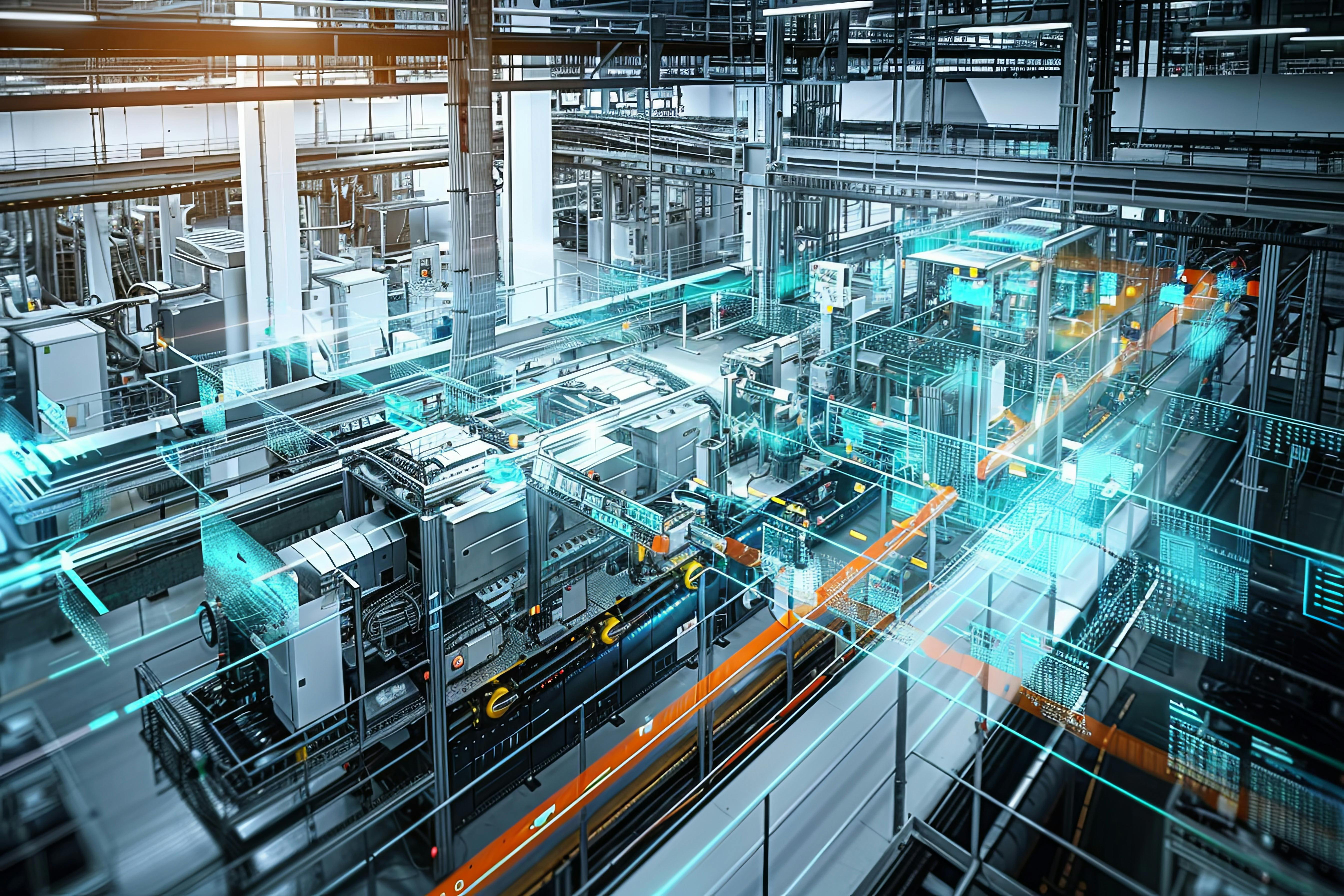
Recent advancements in network technology are transforming the industrial landscape by enabling near-zero latency and deterministic timing, which are crucial for the seamless integration of various technologies on the factory floor. This evolution is particularly significant for the coexistence of robotics and 5G systems, allowing them to operate efficiently alongside one another. The developments are driven by the need for enhanced operational efficiency and productivity in manufacturing environments. By leveraging smart network design, industries can optimize their processes, ensuring that machines communicate in real-time without delays. This innovation not only improves workflow but also enhances the overall performance of automated systems, paving the way for a more interconnected and responsive manufacturing ecosystem. As these technologies continue to evolve, they promise to redefine traditional manufacturing practices and set new standards for industrial operations.
Factory / Communication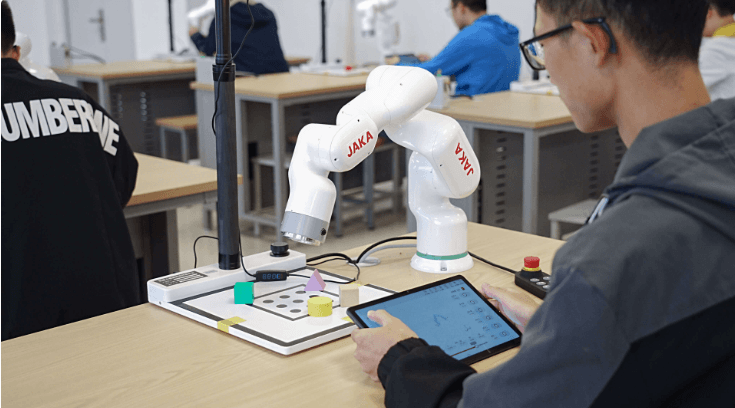
Industrial Automation and Robotics for Educators: Training the Next Generation
The rapid evolution of industrial automation and robotics is reshaping global manufacturing, leading to an increased need for a skilled workforce adept at managing advanced machinery. As educators strive to connect theoretical engineering principles with the practical demands of modern smart factories, there is a pressing requirement for classroom tools that reflect real-world equipment. By 2026, the integration of robotics into STEM curricula is expected to be crucial for fostering critical thinking and technical literacy among students. Educational programs are shifting towards "Embodied Intelligence," where learners engage with sophisticated technologies like industrial robot arms, enhancing their understanding of vision systems, sensor feedback, and machine learning. This hands-on experience equips students with essential skills in industrial safety, workflow optimization, and predictive maintenance, preparing them for careers as automation engineers and technicians. However, challenges persist, including the high costs and complexities associated with traditional industrial robots, which often require specialized facilities and safety measures. To address these issues, educational institutions are exploring "all-in-one" solutions that prioritize safety and usability while maintaining industrial-grade performance. JAKA Robotics is stepping up to meet these educational needs by providing tools that facilitate a safe learning environment. Their JAKA Academy offers a comprehensive training platform with courses ranging from basic operations to advanced software development. The versatile JAKA Zu and S series robots are designed for both research and classroom use, allowing students to engage in practical tasks and develop innovative AI-driven workflows. By incorporating JAKA's technology into educational settings, students are empowered to become the next generation of leaders in industrial automation.
Top 5 Trends of the Industrial Robot Arm Industry in 2026
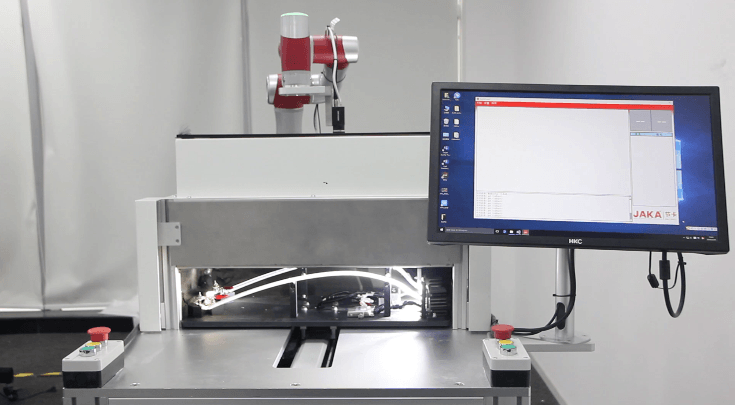
In 2026, the landscape of industrial automation and robotics is undergoing a transformative shift, moving from rigid machines to intelligent, adaptive systems. This evolution is driven by global manufacturing challenges, including labor shortages and the demand for hyper-personalization. Key advancements in connectivity and artificial intelligence are reshaping productivity and safety on factory floors. A major trend is the emergence of "self-evolving" robots that utilize generative AI to autonomously learn new tasks, minimizing the need for manual programming. Additionally, agentic AI empowers these machines to make informed decisions in complex environments, enhancing their ability to predict equipment failures and optimize operations in real-time. The convergence of Information Technology (IT) and Operational Technology (OT) is facilitating seamless data exchange between digital systems and physical robots. This integration allows for the creation of digital twins, enabling manufacturers to simulate production changes before implementation. Cloud connectivity has become standard, with nearly half of new deployments leveraging IoT technology for predictive maintenance. This capability allows robots to monitor their health and schedule repairs proactively, reducing unplanned downtime and long-term costs. Furthermore, advanced 2D and 3D vision systems are enhancing robots' capabilities, enabling them to perform high-speed quality inspections and adjust their behavior for safety around human workers. The shift towards modular and scalable automation is also notable, as manufacturers adopt flexible robot cells that simplify integration and facilitate quick changeovers. Leading this innovation is JAKA Robotics, whose JAKA A12 model exemplifies the future of flexible automation. With a 12 kg payload and a 1425 mm working radius, the JAKA A12 combines high performance with user-friendly deployment through a wireless software ecosystem, positioning itself as a key player in the evolving industrial landscape.

Quiz: Industrial Connectivity Trends
Recent developments in industrial networks are significantly transforming the landscape of manufacturing connectivity. As companies increasingly adopt advanced technologies, the integration of Internet of Things (IoT) devices and cloud computing is reshaping how manufacturers communicate and operate. This shift is particularly evident in the ongoing evolution of smart factories, which leverage real-time data to enhance efficiency and productivity. The changes are occurring across various sectors, with a notable emphasis on automation and data analytics. By October 2023, many manufacturers have begun to implement these technologies to streamline operations and reduce costs. The push for greater connectivity is driven by the need for improved supply chain management and the ability to respond swiftly to market demands. Experts highlight that the transition to more interconnected systems is not merely a trend but a necessary adaptation to remain competitive in a rapidly changing global market. Manufacturers are increasingly recognizing the importance of collaboration and data sharing among partners to optimize processes and innovate products. As this transformation continues, the implications for workforce dynamics and skill requirements are becoming apparent. Companies are investing in training programs to equip employees with the necessary skills to thrive in this new environment. The ongoing evolution of industrial networks is poised to redefine traditional manufacturing paradigms, fostering a more agile and responsive industry capable of meeting the challenges of the future.
Process / Communication
How ProAV Impacts Industrial Automation Networks
Recent advancements in deterministic Ethernet and time-sensitive networking standards are transforming industrial networks, enhancing both safety and speed. These developments are particularly significant as certification programs are now facilitating multi-vendor interoperability, allowing different systems and devices to work seamlessly together. This progress is crucial for industries that rely on real-time data transmission and require reliable communication between various components. By implementing these standards, companies can expect improved operational efficiency and reduced downtime, ultimately leading to more robust industrial environments. The push for these technologies reflects a growing demand for smarter, more connected industrial solutions that can adapt to the complexities of modern manufacturing and automation.
Factory / Communication
Emerson Accelerates Edge Ecosystem for Real-Time Enterprise Operations Intelligence
Emerson, a prominent player in the global automation sector, has unveiled its latest innovation, DeltaV™ Live Enterprise View, aimed at enhancing real-time control system visualization beyond traditional control room boundaries. This new application, launched recently, is designed to provide secure access to critical operational data, enabling users to monitor and manage industrial processes more effectively from various locations. By leveraging advanced technology, Emerson seeks to empower industries with improved decision-making capabilities and operational efficiency, addressing the growing need for flexible and remote access in today’s fast-paced industrial environment.
JAKA Zu35: Defining a New Realm of High-Payload Cobots
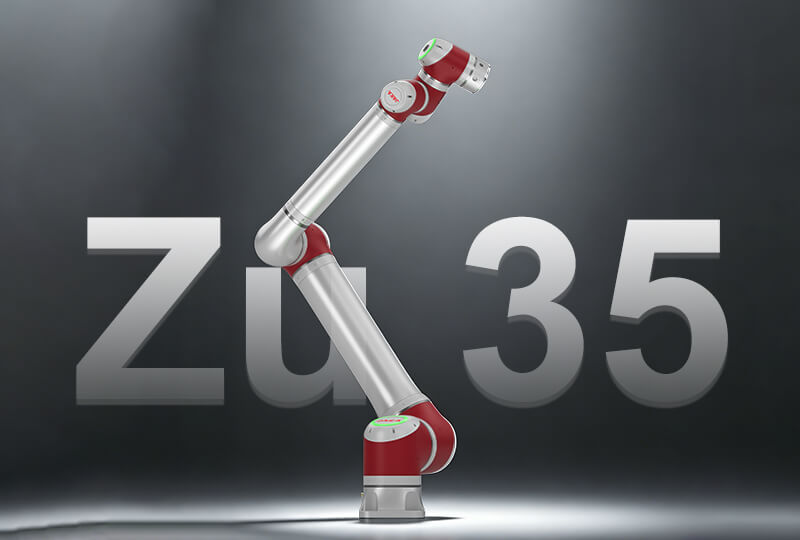
Manufacturers are increasingly seeking to automate complex tasks, leading to the introduction of the JAKA Zu35, a powerful collaborative robot (cobot) designed to enhance industrial performance. Launched recently, the Zu35 features a 35 kg payload capacity and a 2,000 mm reach, making it the most robust cobot in JAKA's lineup. This innovative robot is tailored for heavy-duty applications such as large-scale palletizing, machine tending for heavy parts, and high-torque assembly, effectively expanding the capabilities of collaborative robots. Its reach surpasses that of other cobots in the same weight class by 11% and outperforms industrial robots by 9%, allowing it to manage full-sized pallets and dual-station setups efficiently. The Zu35's high payload capacity, which exceeds typical heavy-duty cobots by 17%, enables the use of heavier end-effectors and the processing of multiple parts in a single cycle. Despite its size, it maintains impressive precision with a repeatability of ±0.05 mm. At the core of the Zu35 is advanced motion control technology, designed for reliability in high-throughput environments. With improved joint speeds reaching up to 300°/s, it can achieve a palletizing rate of 12 cycles per minute. The robot also features a 1kHz control loop and EtherCAT for real-time synchronization, ensuring smooth operation while protecting delicate workpieces. Additionally, the Zu35 incorporates innovative thermal management and fail-safe protection, including electromagnetic disc brakes, ensuring long-term reliability and safety during continuous operation.

AI robotics: Moving from the lab to the real-world factory floor
Industry leaders from Universal Robots, PickNik, and Path Robotics gathered to discuss the complexities involved in transitioning AI robotics from laboratory settings to practical applications on factory floors. This event highlighted the significant infrastructure and effort necessary for successful deployment, addressing the challenges and innovations that accompany this technological shift. By sharing insights and experiences, these experts aim to foster a deeper understanding of how AI robotics can enhance manufacturing processes and improve operational efficiency. The discussions took place recently, reflecting a growing interest in integrating advanced robotics into real-world industrial environments.
Artificial Intelligence Artificial Intelligence / Cognition Educational Events News Software
Top 5 Trends of the Industrial Cobot Industry in 2026
The industrial cobot sector is experiencing significant advancements, particularly in 2026, as manufacturers increasingly integrate collaborative robots into their operations. JAKA, a key player in this field, highlights several emerging trends that are shaping the future of robotics and automation. One major trend is the demand for adaptable automation systems. The JAKA Pro5 exemplifies this shift by being highly reprogrammable, allowing manufacturers to efficiently adjust to varying production needs while minimizing downtime and equipment costs. Safety remains paramount, with collaborative robots being deployed to replace human operators in hazardous environments. The JAKA Pro5 enhances workplace safety by performing tasks like polishing and grinding, thereby reducing the risk of accidents and ensuring a safer production environment. Another significant trend is the emphasis on precision and consistent quality. Industrial operators are increasingly relying on cobots to deliver reliable processing outcomes, with the JAKA Pro5 helping to lower defect rates and meet stringent quality standards. Moreover, the integration of smart manufacturing and Industry 4.0 technologies is influencing cobot deployment. The JAKA Pro5 connects seamlessly with production monitoring systems, providing real-time insights that optimize workflows and enhance operational efficiency. Finally, the applications of collaborative robots are expanding across various industries, including electronics, automotive, and food processing. The versatility of the JAKA Pro5 supports this trend, enabling it to perform complex tasks tailored to different production lines. As 2026 unfolds, these trends underscore the evolving role of collaborative robots in enhancing efficiency, safety, and quality within the robotics and automation industry, with JAKA committed to advancing solutions that align with these developments.

Siemens and Humanoid bring Physical AI to the factory floor: deploying humanoids in industrial operations with NVIDIA
Siemens and Humanoid have achieved a significant milestone in integrating physical AI into industrial operations with the successful testing of the HMND 01 Alpha humanoid robot at Siemens' electronics factory in Erlangen, Germany. This event, which took place on April 16, 2026, marks a key development in their strategic partnership with NVIDIA, aimed at creating fully AI-driven, adaptive manufacturing environments. The HMND 01 Alpha, equipped with NVIDIA's physical AI technology, autonomously performed logistics tasks such as picking, transporting, and placing containers, meeting all target performance metrics. It achieved a throughput of 60 tote moves per hour, maintained over 8 hours of uptime, and demonstrated a pick-and-place success rate exceeding 90 percent. Siemens' Xcelerator portfolio plays a crucial role in this integration, providing the necessary digital infrastructure for real-time data exchange and synchronized workflows between the humanoid robot, other machinery, and human operators. This collaboration aims to address labor shortages and operational complexities in modern manufacturing. Humanoid’s development process was accelerated through the use of NVIDIA's AI stack, enabling a reduction in prototype development time from 18-24 months to just 7 months. This deployment signifies a step forward in the evolution of humanoid robots, positioning them as valuable assets in factory settings capable of adapting to dynamic conditions alongside human workers.
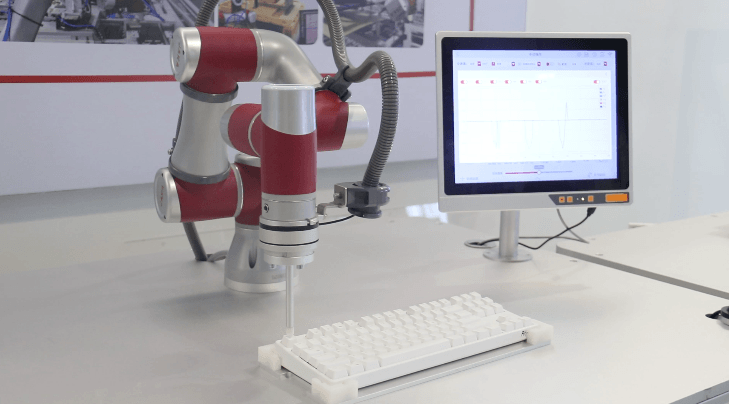
Common Production Problems Industrial Robot Arms Help Solve
In response to recurring production challenges that hinder efficiency and consistency in manufacturing, JAKA has introduced innovative solutions aimed at enhancing output stability. As production complexity rises, issues such as manual handling errors and inconsistent assembly quality have become more pronounced, particularly during frequent product changes. To combat these problems, JAKA advocates for the integration of flexible industrial robot arms into production lines. By deploying these robots at strategic points, manufacturers can minimize variability caused by human fatigue and maintain process continuity across shifts. This approach allows production teams to concentrate on optimizing processes rather than engaging in repetitive corrective measures. Furthermore, JAKA's adaptive assembly strategies significantly improve assembly accuracy, reducing workpiece loss and the need for rework by ensuring stable motion paths and force control during assembly. Recognizing that modern production lines are rarely static, JAKA also emphasizes the importance of lightweight robotic systems that facilitate quick deployment and reconfiguration. Their JAKA Zu7 Flexible Assembly solution is specifically designed for small-batch, multi-variety production, enabling manufacturers to adapt to changing demands without extensive infrastructure modifications. Ultimately, JAKA's commitment to practical automation aims to address real-world manufacturing challenges by providing adaptable robotic solutions that enhance consistency, reduce assembly loss, and support evolving production requirements. Through thoughtful integration, these robots serve as reliable tools in modern manufacturing environments, promoting smoother production flows and operational flexibility.
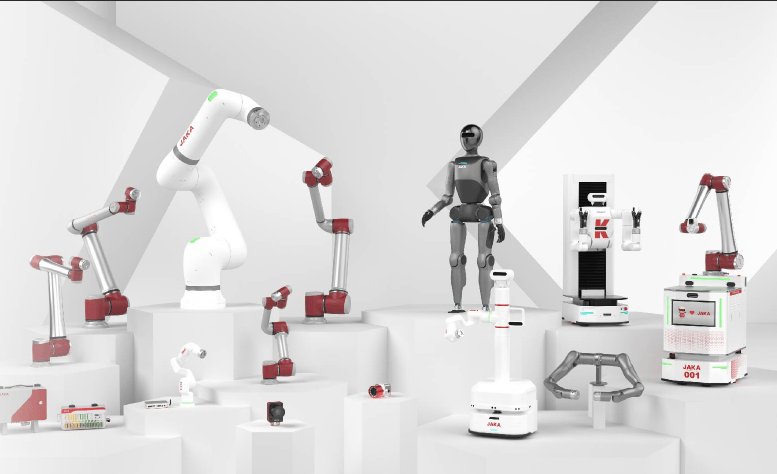
The Future of Industrial Robot Arms: AI and Human-Robot Collaboration
As industrial manufacturing evolves, flexibility and collaboration are becoming as crucial as efficiency, particularly in the role of industrial robot arms. JAKA is at the forefront of this transition, leveraging artificial intelligence to enable robots to work safely and intuitively alongside human operators. This shift, observed in real-time production environments, is driven by the need for adaptive systems that can handle frequent product changes and varying batch sizes without compromising on quality. AI technology enhances the capabilities of industrial robot arms, allowing them to interpret their surroundings and perform tasks consistently. With advancements in vision systems, force feedback, and adaptive control, these robots can manage variations in components without the need for constant reprogramming. JAKA's AI-based motion planning ensures accuracy even with slight differences in part shapes or positions, making these systems particularly effective in assembly scenarios. The collaborative approach redefines the deployment of industrial robots, moving them from isolated operations to working alongside humans on the production floor. JAKA's Zu3 model exemplifies this balance, performing repetitive and precision-intensive tasks while allowing human operators to focus on more complex decision-making roles. Its lightweight design facilitates quick redeployment, making it ideal for small-batch, diverse production needs. Looking forward, JAKA envisions a future where industrial robot arms are seamlessly integrated with human expertise, fostering resilience and responsiveness in manufacturing. This collaborative model not only enhances productivity but also supports sustainable growth by adapting to real-world production challenges.
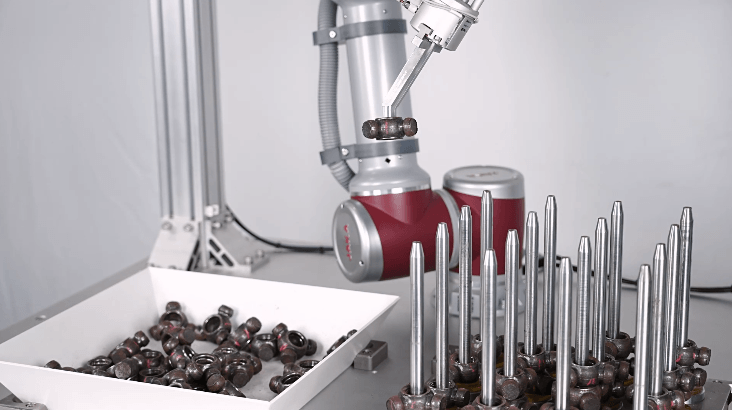
Understanding Robot Path Planning for Obstacle Avoidance with an Industrial Arm
As manufacturing environments grow increasingly complex, the importance of robot path planning in industrial automation has surged. JAKA, a leader in collaborative robotics, emphasizes that effective obstacle avoidance is now a fundamental capability of industrial arms, directly impacting productivity and safety. Modern factories require robots to navigate shared spaces, adapt to layout changes, and respond to real-time production demands. The JAKA A12L, an intelligent visual perception robot, exemplifies this advancement by integrating visual sensing with motion control. This integration allows the robot to continuously assess its surroundings, identifying both static and dynamic obstacles, and to calculate safe, efficient trajectories without interrupting workflow. By combining auto focus and 2.5D vision, the A12L simplifies deployment and minimizes external complexity. In practical applications, this obstacle-aware path planning enhances operational consistency, enabling industrial arms to perform tasks like material handling and assembly while safely coexisting with human operators. This approach reduces the need for rigid safety barriers and frequent manual adjustments, allowing production lines to remain flexible as layouts evolve. JAKA's commitment to merging perception, planning, and motion control aims to create safer and smarter industrial applications. By making visual perception and path planning more accessible, the company helps manufacturers build adaptable automation systems that align with real production needs, fostering a collaborative environment between humans and robots.
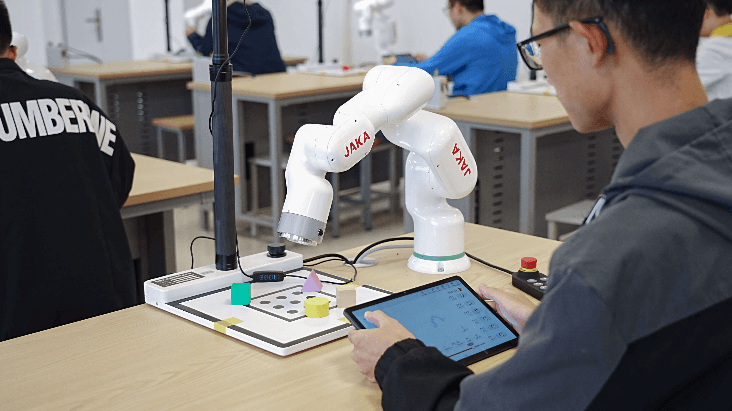
Automation and Industrial Robotics for Education: Training Programs and Platforms
JAKA, a leader in industrial automation and robotics, is revolutionizing technical education by integrating hands-on experience with industrial cobot systems into learning environments. This initiative aims to prepare students for future careers in manufacturing and engineering by providing practical knowledge that complements traditional theoretical studies. The company has developed training programs centered around the JAKA Pro16, an industrial cobot designed to operate in challenging environments, allowing students to engage in tasks such as palletizing, machine tending, and precision welding without damaging sensitive equipment. This hands-on approach helps learners understand the practical challenges of modern industrial settings. JAKA's modular platforms facilitate both individual and collaborative learning, enabling students to program trajectories, test automation sequences, and analyze data from integrated sensors. This immersive experience connects theoretical concepts with real-world applications, enhancing problem-solving skills and technical confidence. The goal of these educational programs is to equip students with the skills necessary for careers in manufacturing, engineering, and technology. By interacting with advanced robotics like the JAKA Pro16, students gain insights into mechanical operations, control systems, and safety protocols. JAKA also provides instructor guides and safety materials to ensure effective and secure learning. Through this commitment to integrating automation and robotics into education, JAKA is helping to bridge the gap between classroom learning and industry requirements, ultimately preparing the next generation for the evolving challenges of modern manufacturing.
Industrial Robot Arm Pros and Cons: An Honest Review for Automation
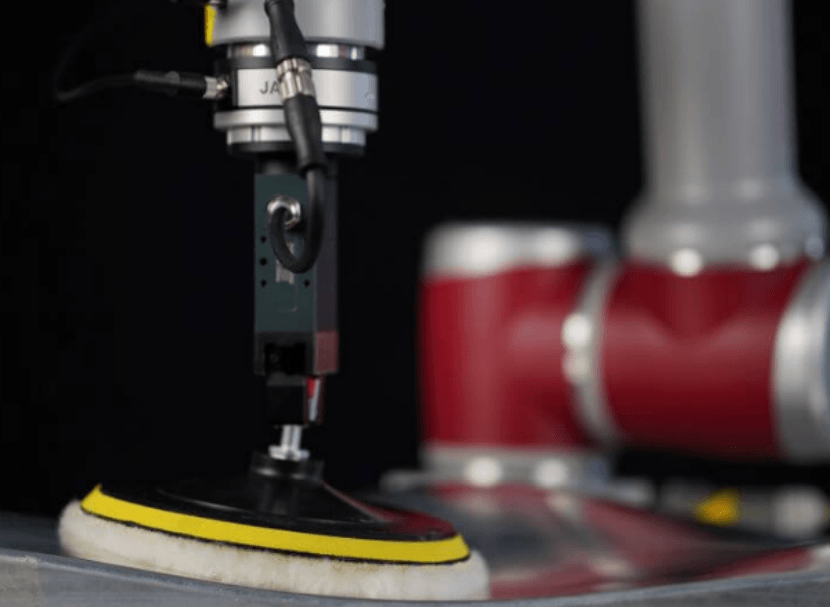
Manufacturers are increasingly turning to industrial automation to enhance safety, stability, and adaptability in production processes. JAKA, a leader in robotics, emphasizes the importance of understanding the strengths and limitations of industrial robot arms before implementing automation solutions. The company advocates for a tailored approach, focusing on realistic application outcomes and long-term flexibility rather than viewing robotic systems as one-size-fits-all solutions. One significant advantage of industrial robot arms is their ability to maintain consistent motion accuracy during repetitive tasks, particularly in polishing and grinding operations. This consistency not only ensures stable surface quality but also reduces human error and workplace accidents by minimizing direct human interaction with hazardous equipment. JAKA's Pro5 system exemplifies this capability, contributing to lower defect rates and a more controlled production environment. However, the deployment of industrial robot arms comes with challenges. Integrating these systems into existing production lines often necessitates adjustments to fixtures and tooling, requiring collaboration between automation engineers and production teams. Additionally, while robotic systems excel in certain applications, careful validation is needed to address factors like material variation and surface tolerance. Modern industrial robot arms offer flexibility and reprogrammability, allowing manufacturers to adapt to changing production demands without significant hardware changes. This adaptability supports quicker product modifications and reduces the need for additional investments in equipment. In summary, when applied thoughtfully, industrial robot arms can significantly enhance safety, consistency, and adaptability in manufacturing. JAKA's approach underscores the importance of aligning robotic systems with realistic process goals and flexible programming strategies to achieve sustainable automation outcomes.
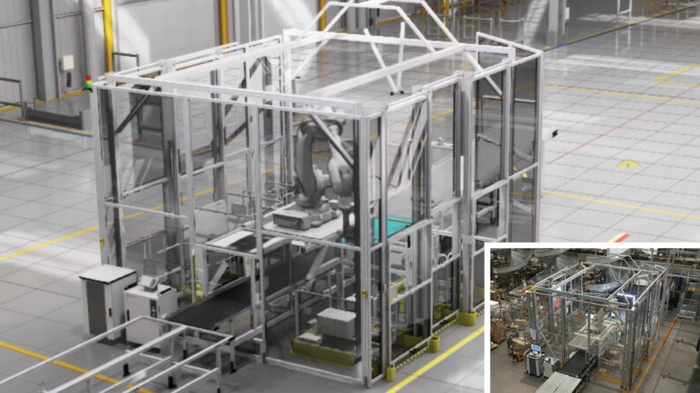
ABB Robotics Taps NVIDIA Omniverse to Deliver Industrial‑Grade Physical AI at Scale
ABB Robotics and NVIDIA have formed a groundbreaking partnership aimed at revolutionizing manufacturing through the integration of advanced artificial intelligence. Announced today, this collaboration will incorporate NVIDIA's Omniverse libraries into ABB's RobotStudio programming and simulation suite, enhancing the capabilities of industrial robots. This integration is designed to facilitate the deployment of industrial-grade AI on factory floors, allowing for more efficient and intelligent automation processes. By leveraging NVIDIA's cutting-edge technology, ABB aims to improve operational efficiency and productivity in manufacturing environments. The partnership signifies a significant step towards the future of smart factories, where AI-driven robotics can adapt and respond to complex manufacturing challenges in real-time.
Top 5 Trends of the Industrial Robotics Solutions Industry in 2026 (Focus on AI & Cloud)
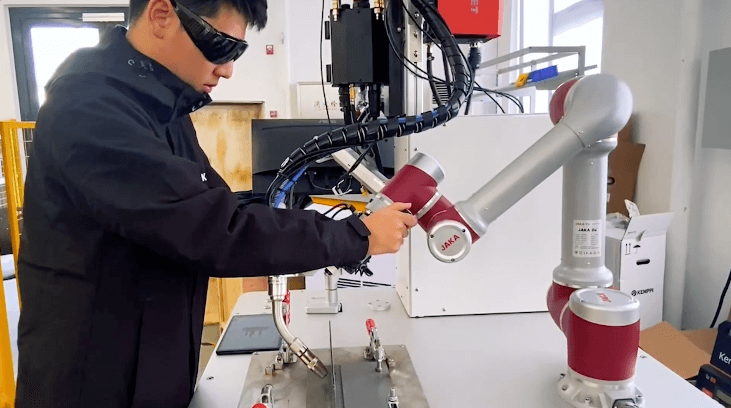
The automation sector is witnessing significant advancements, particularly in industrial robotics, as companies like JAKA adapt to evolving demands for flexibility, intelligence, and connectivity. As the industry heads toward 2026, five key trends are shaping the future of robotic solutions. Manufacturers are increasingly focusing on adaptive and accessible automation, enabling easier deployment and reconfiguration of sophisticated systems. JAKA is leading this shift with user-friendly interfaces that allow shop-floor personnel to quickly set up industrial welding robots, minimizing downtime and skill barriers. Another trend is the growth of cloud-connected system management, which facilitates centralized monitoring and data analytics across multiple robotic arms. This connectivity allows manufacturers to optimize maintenance and streamline operations, particularly in welding applications where real-time tracking of consumable usage is crucial. Artificial intelligence is also playing a pivotal role, moving beyond vision inspection to enhance real-time process control. JAKA's AI-enhanced welding robots can make instantaneous adjustments, improving efficiency and reducing rework by compensating for material variations. The expansion of human-robot collaboration is evident as collaborative robots (cobots) become smarter and more integrated into workflows. JAKA's cobots assist operators in welding tasks, allowing humans to focus on quality inspection and decision-making, thereby boosting productivity. Lastly, the integration of digital twin technology is gaining traction, enabling manufacturers to simulate robotic processes without disrupting production. JAKA's compatibility with simulation platforms allows for pre-validation of welding paths, reducing debugging time and accelerating return on investment. These trends underscore a shift toward more connected and intelligent automation, with JAKA committed to developing user-centric solutions that meet the demands of the smart factory era.
Expert Tips on Getting the Most Out of Your Industrial Cobot
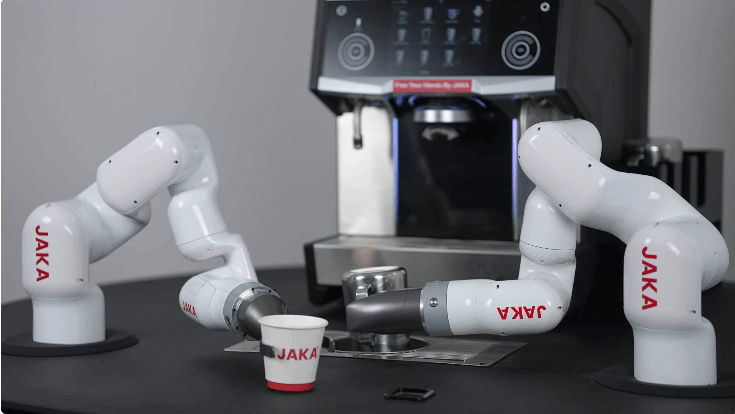
JAKA, a leader in industrial collaborative robots, emphasizes the importance of strategic deployment and ongoing maintenance to maximize the long-term value of its cobots. The company highlights that while initial productivity gains from these robots are evident, sustained efficiency requires careful planning and utilization. Effective placement of cobots is crucial; JAKA’s compact designs allow for integration into tight spaces, enhancing workflow and ergonomics by automating repetitive tasks. This strategic positioning not only minimizes cycle times but also alleviates human workers for more complex roles. To ensure consistent performance, JAKA advocates for a proactive maintenance routine. Users are encouraged to monitor built-in diagnostics and maintain a clutter-free workspace to prevent calibration issues. The robust construction of JAKA robots, including features like magnetic levitation drive technology, supports longevity, but regular checks on controller and joint health are essential to avoid downtime. Additionally, JAKA encourages users to explore advanced functionalities of their robots, such as the JAKA Pro series, which offers high precision and adaptability for complex tasks like precision assembly. With integrated force control technology and extensive communication interfaces, these robots can transform from basic automation tools into integral components of a flexible production system. By focusing on thoughtful placement, diligent maintenance, and advanced capabilities, JAKA aims to help businesses realize the full potential of their industrial cobots, ensuring they remain valuable assets that drive productivity over time.
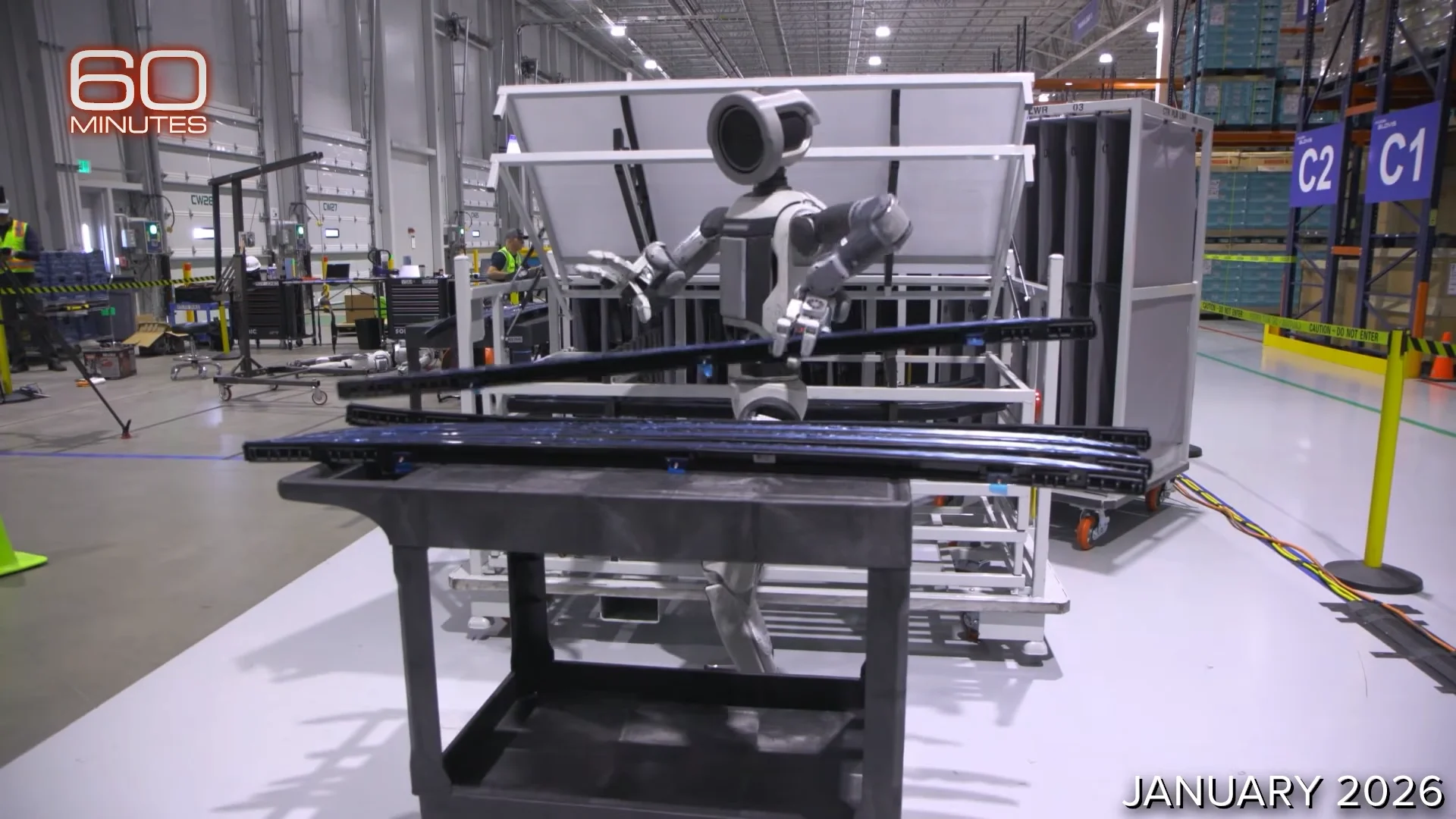
From Viral Clips to the Factory Floor: 60 Minutes Goes Inside Boston Dynamics’ Industrial Shift
A recent segment on 60 Minutes provided an in-depth examination of the all-electric Atlas robot as it undertakes practical tasks at Hyundai's manufacturing facility in Georgia. This showcase marks a significant development in the humanoid robotics industry, illustrating the robot's capabilities in a real-world setting. The segment emphasizes the growing integration of advanced robotics in industrial environments, reflecting a broader trend towards automation in manufacturing. By demonstrating the Atlas robot's functionality and potential impact on production efficiency, the report highlights the ongoing evolution of technology in the workforce.
hyundai US South Korea Atlas Boston Dynamics
Siemens and NVIDIA Expand Partnership to Build the Industrial AI Operating System
Siemens and NVIDIA have announced a major expansion of their strategic partnership aimed at integrating artificial intelligence into practical applications. The announcement was made today, highlighting the companies' commitment to advancing AI technology for real-world use. This collaboration seeks to leverage NVIDIA's cutting-edge AI capabilities alongside Siemens' expertise in industrial automation and digitalization. By combining their strengths, the two companies aim to enhance productivity and innovation across various sectors, ultimately driving digital transformation in industries worldwide. This initiative reflects a growing trend among technology leaders to harness AI's potential to improve operational efficiency and create smarter solutions for complex challenges.
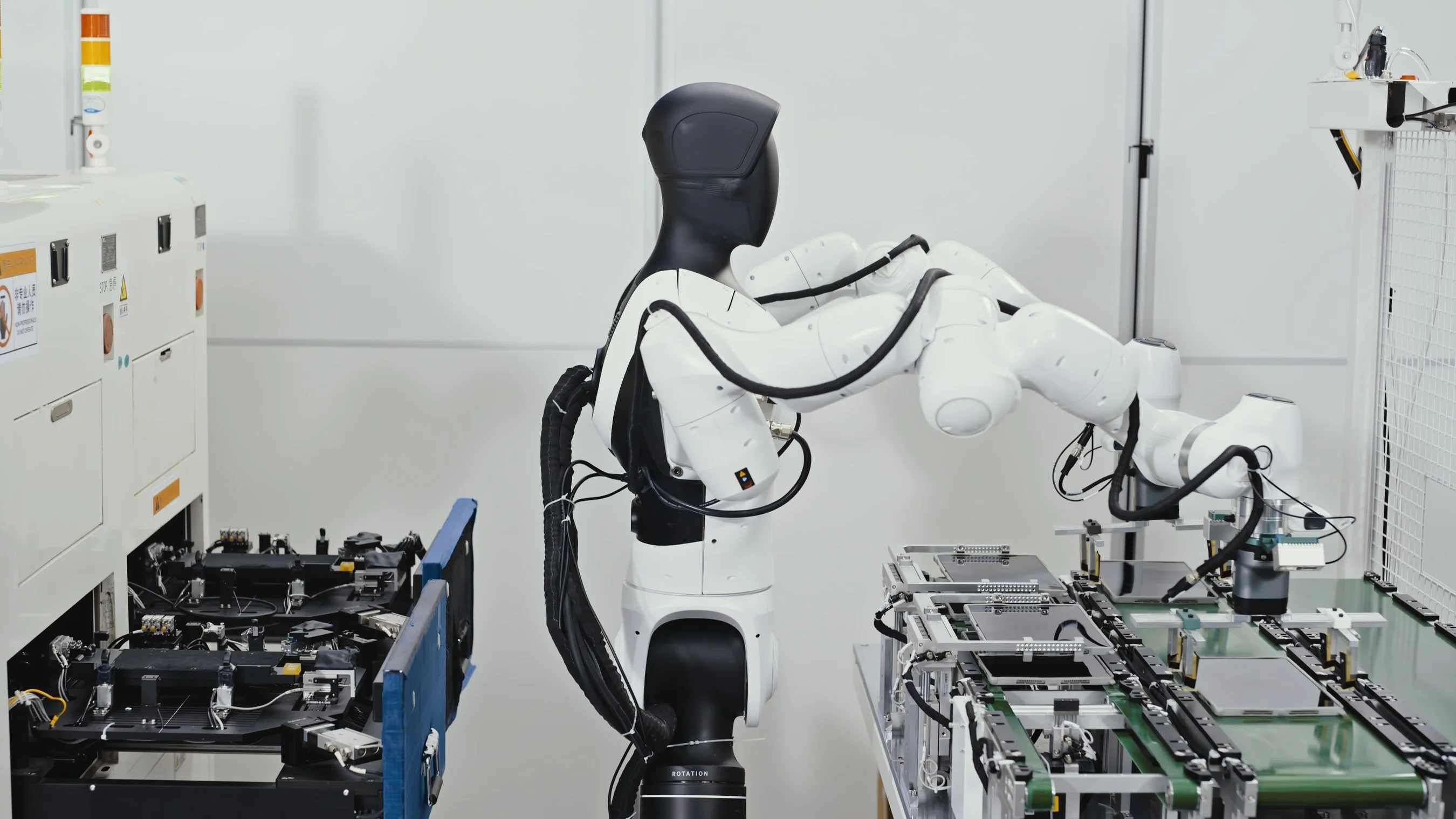
AgiBot Claims Factory Breakthrough: Robots 'Learn' New Tasks in Minutes Using Real-World RL
AgiBot has successfully implemented a real-world reinforcement learning (RW-RL) system on a pilot production line in collaboration with Longcheer Technology. This innovative approach enables industrial robots to acquire new and complex tasks in a matter of minutes, drastically reducing the time needed compared to the traditional weeks of programming and fine-tuning associated with rigid automation systems. The deployment marks a significant advancement in the efficiency and adaptability of robotic operations in manufacturing environments.
AGIBOT
Casbot Secures $14 Million to Advance Humanoid Robots for Industrial and Harsh Environments
Casbot, a Chinese developer specializing in humanoid robots, has successfully secured nearly $14 million in angel funding. This financial boost will enable the company to mass-produce its bipedal robots, which are designed for challenging industrial and mining environments. The funding comes as Casbot seeks to leverage its innovative AI architecture, allowing the robots to adapt effectively to real-world conditions. The investment marks a significant step in the company's mission to enhance automation in demanding sectors.
China Casbot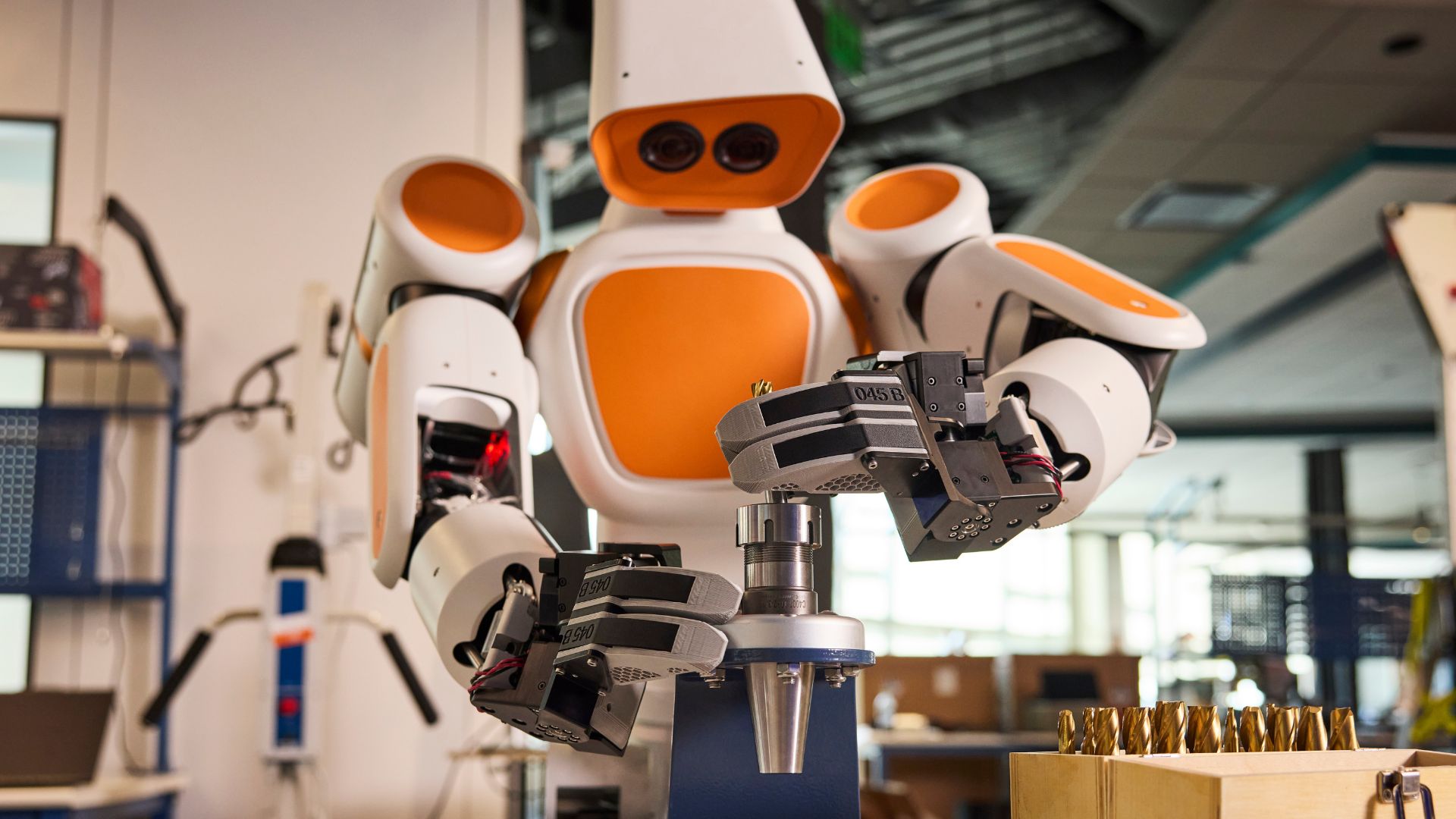
Walden Robotics Launches AI-Driven Factory Robots for Real-World Automation
Walden Robotics, a US-based startup, has unveiled a general-purpose robotics platform that enables Physical AI robots to learn and adapt while performing real work. Unlike traditional robots that follow pre-programmed workflows, Walden's robots continuously improve through real-world operations, making them suitable for complex tasks alongside human workers from the outset. The significance of Walden Robotics lies in its full-stack approach, which integrates hardware, AI, and deployment software to create robots that evolve in capability over time. With $300 million in funding and a valuation of $1.1 billion, the company is addressing the growing demand for flexible automation in sectors like automotive, aerospace, and logistics, driven by labor shortages and increasing product complexity. Looking ahead, Walden Robotics has already begun deploying its robots in production environments, including a Toyota manufacturing plant in North America. The company aims to enhance its robots' skills through real-world experience, utilizing advanced AI techniques such as Large Behavior Models and Diffusion Policy. No further timeline was disclosed at the time of publication.
AI and Robotics Innovation
China's Robots Learning Human Skills Through Real-World Simulations
In a discreet industrial park in suburban Beijing, a humanoid robot is meticulously stacking bags of chips on a shelf. Nearby, workers are filming their actions of folding sheets and handling cushions, which will serve as 'textbooks' for the robots. China is undertaking a significant initiative to transition robots from laboratories to simulated environments like supermarkets, factories, and homes to learn human skills, and the scale of this 'internship' is rapidly expanding. This initiative is crucial as robots need to understand the physical world's rules, such as how to hold an egg without breaking it or catch a cup of water before it slips off a tray. Unlike the U.S., which relies on data purchasing and low-cost data collection in countries like India and Vietnam, China has established at least 64 data collection and training centers nationwide, with over 20 more under construction. At the Beijing Humanoid Robot Innovation Center, more than 120 robots are being trained across 30 scenarios in six major sectors, forming a comprehensive 'robot training network' across the country. As hardware advancements continue, Chinese robotics companies are focusing on enhancing their AI capabilities. Yushu Technology is preparing for an IPO, pledging nearly half of its $610 million fundraising to AI model development. By mid-2026, funding in China's embodied intelligence sector has already exceeded 90 billion yuan, five times that of the previous year. With plans to deploy over 1,000 humanoid robots in factories this year and more than 10,000 by 2027, China is leveraging its organizational capabilities to collect data at scale, positioning itself advantageously in the race towards general intelligence.
Humanoid Robots AI Robotics Training Data Collection Automation
Purolator's Survey Reveals How North American Businesses Navigate Trade Uncertainty
In 2026, Purolator commissioned a survey by HelloInfo involving 348 shipping and logistics decision-makers from Canada and the United States. This survey aimed to explore how businesses in various sectors, including industrial, retail, healthcare, and technology, are responding to the challenges posed by an unpredictable trade environment. The findings are significant as they shed light on the strategies that Canadian and American companies are employing to mitigate the impacts of tariffs and trade volatility. Understanding these responses is crucial for stakeholders aiming to adapt to the evolving landscape of international trade. Looking ahead, it will be important to monitor how these businesses continue to adjust their strategies in response to ongoing trade uncertainties. No further timeline was disclosed at the time of publication.

Starmind's Orbital Compute vs. Terrestrial Data Centers: Analyzing Resource Advantages
Starmind's orbital compute technology presents a significant advantage over traditional ground-based data centers by eliminating constraints related to land, water, and grid permitting. While terrestrial data centers are currently cheaper and faster to construct, with U.S. data center spending reaching $85.3 billion in 2026, Starmind's approach focuses on addressing the growing resource limitations faced by hyperscale facilities. The significance of Starmind's technology lies in its ability to sidestep the increasing challenges of land and water usage. For instance, a 100 MW data center can consume approximately 530,000 gallons of water daily for cooling, while Starmind's AI1 utilizes deployable liquid radiators that require no water. This structural advantage could resonate with investors as the demand for AI computing continues to escalate, potentially leading to annual water withdrawals of up to 1.7 trillion gallons by 2027. Looking ahead, Starmind's next milestones include the launch of AI1 prototypes scheduled for early 2027. However, the technology's claims regarding cooling efficiency and operational reliability remain unverified until real flight data is available. As the industry evolves, the competition between orbital and terrestrial solutions will become increasingly relevant, particularly in the context of resource management and sustainability.
Robotics needs a service framework.
RSF defines a common language for robot service capability, lifecycle operations, certification pathways, and service-provider networks.