

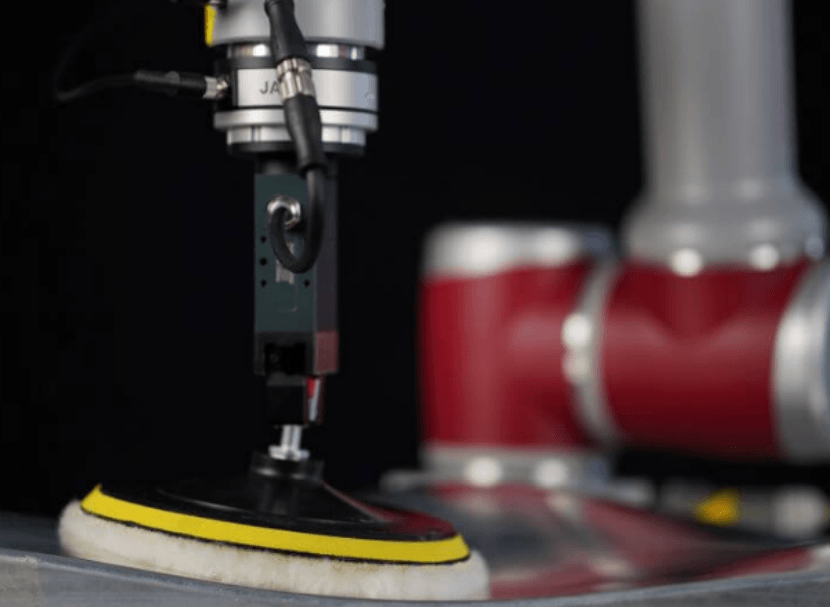
Manufacturers are increasingly turning to industrial automation to enhance safety, stability, and adaptability in production processes. JAKA, a leader in robotics, emphasizes the importance of understanding the strengths and limitations of industrial robot arms before implementing automation solutions. The company advocates for a tailored approach, focusing on realistic application outcomes and long-term flexibility rather than viewing robotic systems as one-size-fits-all solutions.
One significant advantage of industrial robot arms is their ability to maintain consistent motion accuracy during repetitive tasks, particularly in polishing and grinding operations. This consistency not only ensures stable surface quality but also reduces human error and workplace accidents by minimizing direct human interaction with hazardous equipment. JAKA's Pro5 system exemplifies this capability, contributing to lower defect rates and a more controlled production environment.
However, the deployment of industrial robot arms comes with challenges. Integrating these systems into existing production lines often necessitates adjustments to fixtures and tooling, requiring collaboration between automation engineers and production teams. Additionally, while robotic systems excel in certain applications, careful validation is needed to address factors like material variation and surface tolerance.
Modern industrial robot arms offer flexibility and reprogrammability, allowing manufacturers to adapt to changing production demands without significant hardware changes. This adaptability supports quicker product modifications and reduces the need for additional investments in equipment.
In summary, when applied thoughtfully, industrial robot arms can significantly enhance safety, consistency, and adaptability in manufacturing. JAKA's approach underscores the importance of aligning robotic systems with realistic process goals and flexible programming strategies to achieve sustainable automation outcomes.
























Leave a comment