

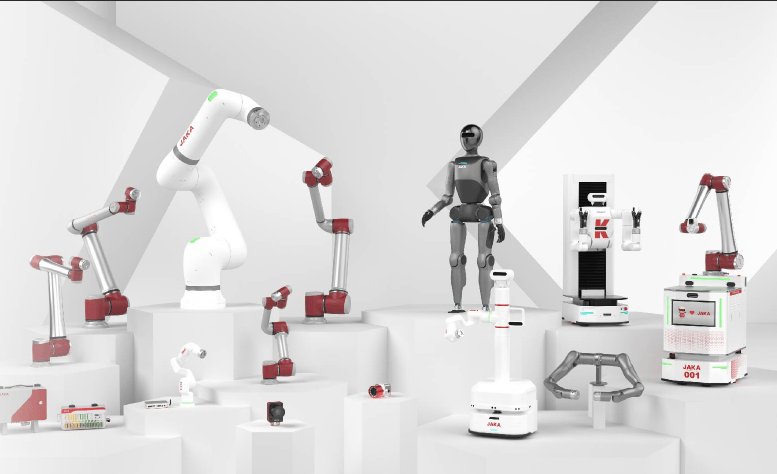
As industrial manufacturing evolves, flexibility and collaboration are becoming as crucial as efficiency, particularly in the role of industrial robot arms. JAKA is at the forefront of this transition, leveraging artificial intelligence to enable robots to work safely and intuitively alongside human operators. This shift, observed in real-time production environments, is driven by the need for adaptive systems that can handle frequent product changes and varying batch sizes without compromising on quality.
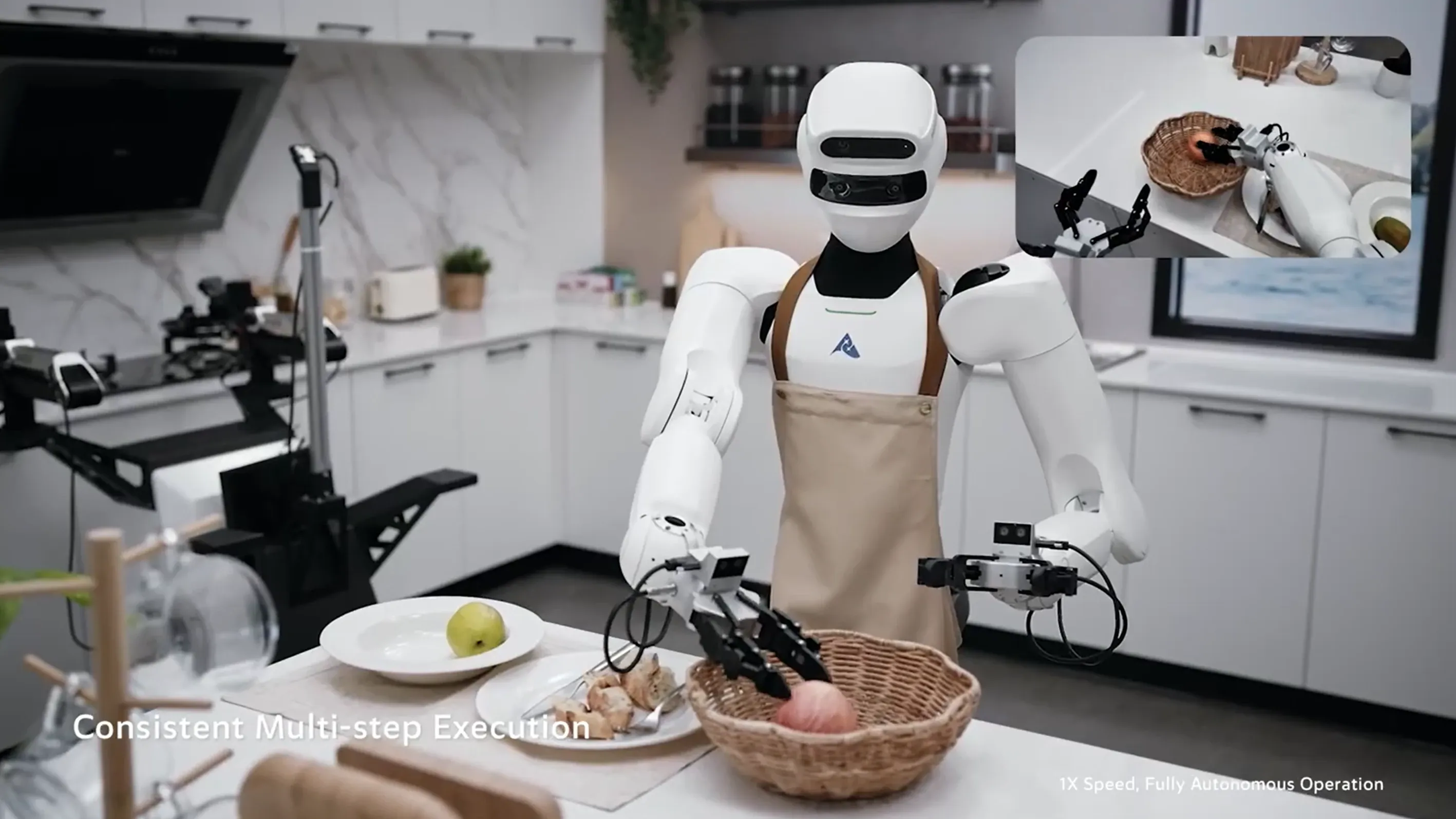
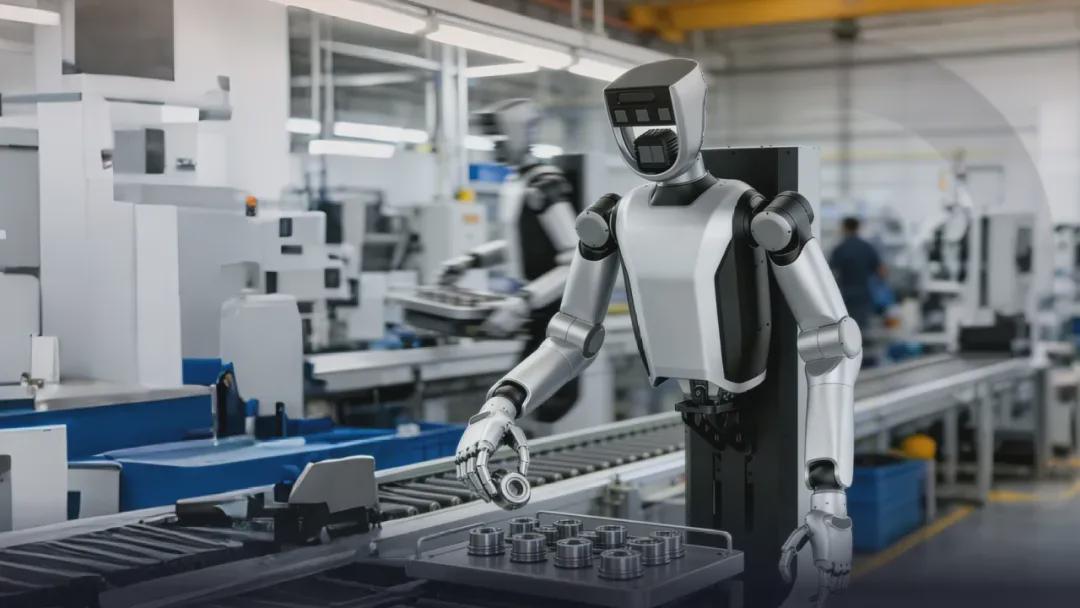
AI technology enhances the capabilities of industrial robot arms, allowing them to interpret their surroundings and perform tasks consistently. With advancements in vision systems, force feedback, and adaptive control, these robots can manage variations in components without the need for constant reprogramming. JAKA's AI-based motion planning ensures accuracy even with slight differences in part shapes or positions, making these systems particularly effective in assembly scenarios.
The collaborative approach redefines the deployment of industrial robots, moving them from isolated operations to working alongside humans on the production floor. JAKA's Zu3 model exemplifies this balance, performing repetitive and precision-intensive tasks while allowing human operators to focus on more complex decision-making roles. Its lightweight design facilitates quick redeployment, making it ideal for small-batch, diverse production needs.
Looking forward, JAKA envisions a future where industrial robot arms are seamlessly integrated with human expertise, fostering resilience and responsiveness in manufacturing. This collaborative model not only enhances productivity but also supports sustainable growth by adapting to real-world production challenges.






















Leave a comment