

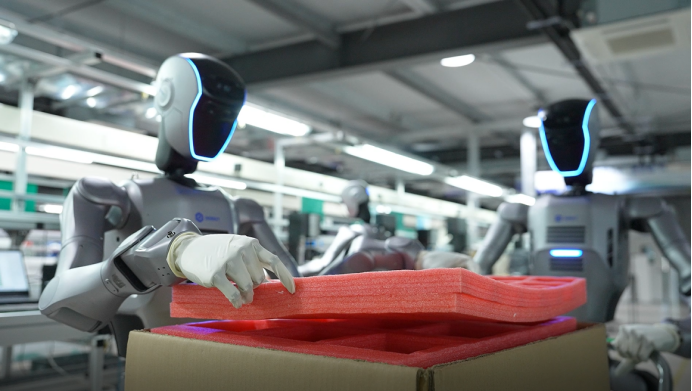
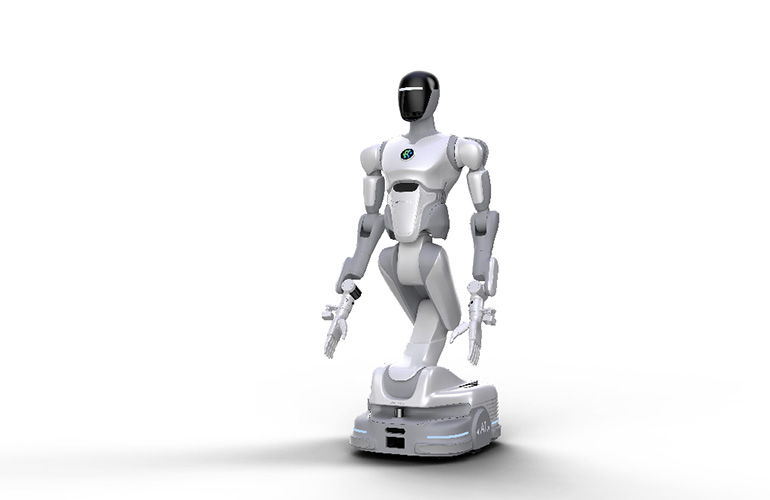
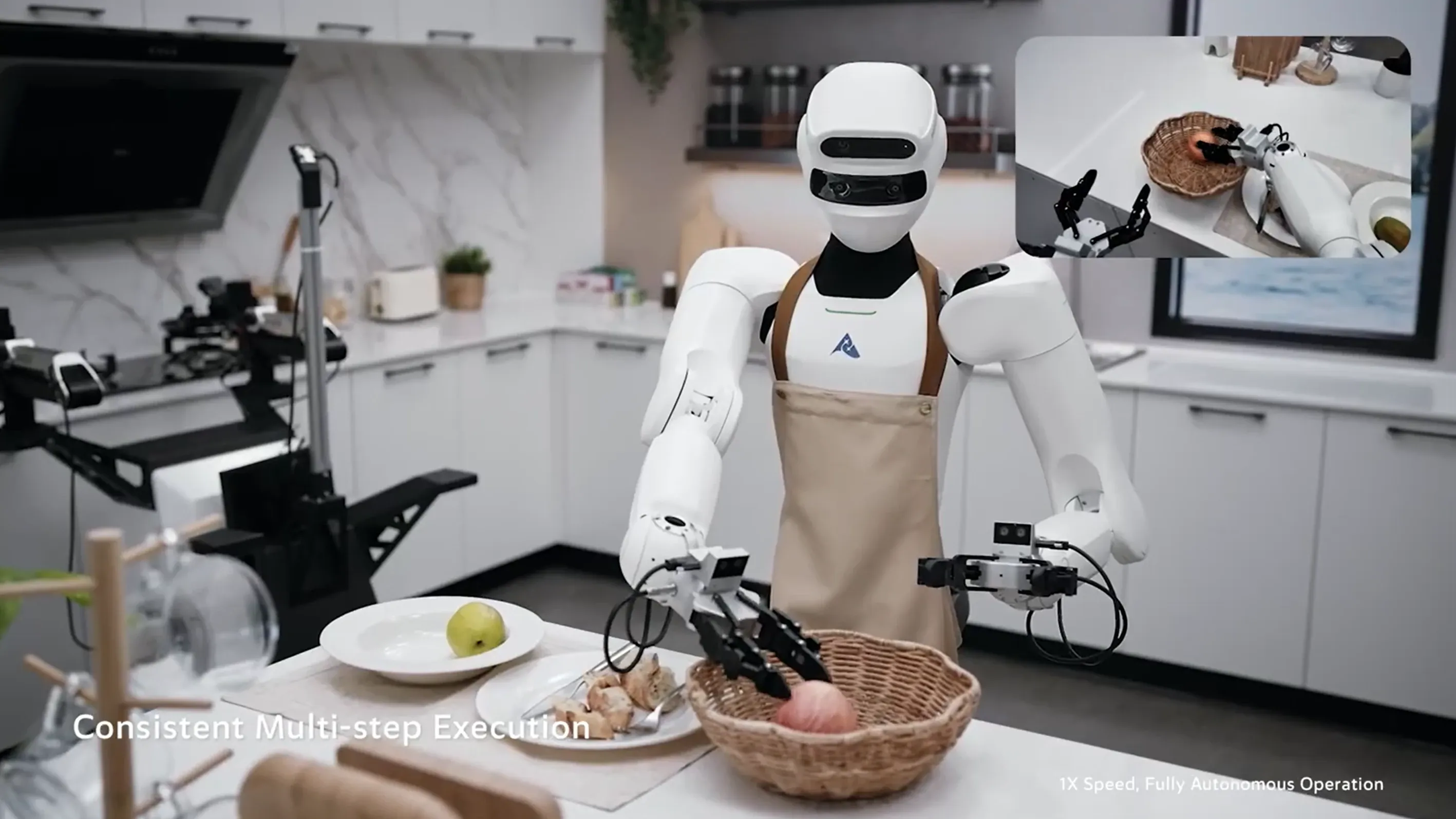
A recent exploration into humanoid robots has shed light on their defining characteristics, capabilities, and increasing significance in contemporary industrial automation. As industries evolve, these robots are being integrated into various sectors to enhance efficiency and productivity. The analysis, conducted by experts in robotics and automation, highlights how humanoid robots are designed to perform tasks traditionally executed by humans, thereby streamlining operations and reducing labor costs.
This investigation comes at a time when businesses are seeking innovative solutions to meet growing demands and adapt to technological advancements. The findings emphasize the versatility of humanoid robots, which can be programmed for a range of functions, from assembly line work to customer service roles.
The study underscores the importance of these robots in addressing labor shortages and improving workplace safety by taking on hazardous tasks. As companies increasingly adopt automation, the role of humanoid robots is expected to expand, leading to a transformation in the workforce landscape. This shift not only reflects the ongoing trend toward automation but also raises questions about the future of work and the potential for collaboration between humans and machines.
In summary, the integration of humanoid robots into industrial settings is not just a technological advancement but a strategic response to the challenges faced by modern industries, paving the way for a new era of automation.


























Leave a comment