

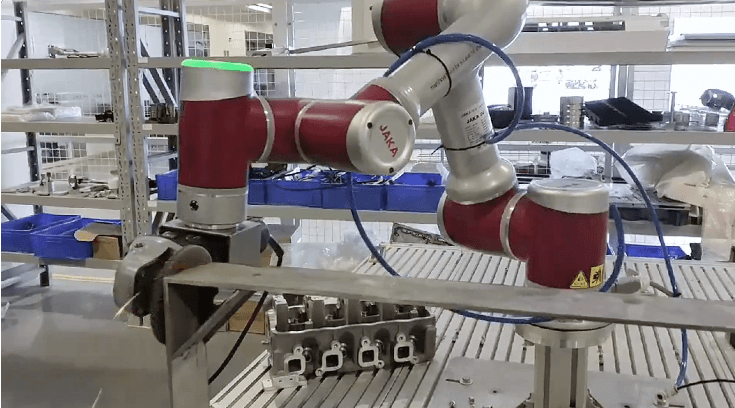
The industrial cobot sector is experiencing significant advancements, particularly in 2026, as manufacturers increasingly integrate collaborative robots into their operations. JAKA, a key player in this field, highlights several emerging trends that are shaping the future of robotics and automation.
One major trend is the demand for adaptable automation systems. The JAKA Pro5 exemplifies this shift by being highly reprogrammable, allowing manufacturers to efficiently adjust to varying production needs while minimizing downtime and equipment costs.
Safety remains paramount, with collaborative robots being deployed to replace human operators in hazardous environments. The JAKA Pro5 enhances workplace safety by performing tasks like polishing and grinding, thereby reducing the risk of accidents and ensuring a safer production environment.
Another significant trend is the emphasis on precision and consistent quality. Industrial operators are increasingly relying on cobots to deliver reliable processing outcomes, with the JAKA Pro5 helping to lower defect rates and meet stringent quality standards.
Moreover, the integration of smart manufacturing and Industry 4.0 technologies is influencing cobot deployment. The JAKA Pro5 connects seamlessly with production monitoring systems, providing real-time insights that optimize workflows and enhance operational efficiency.
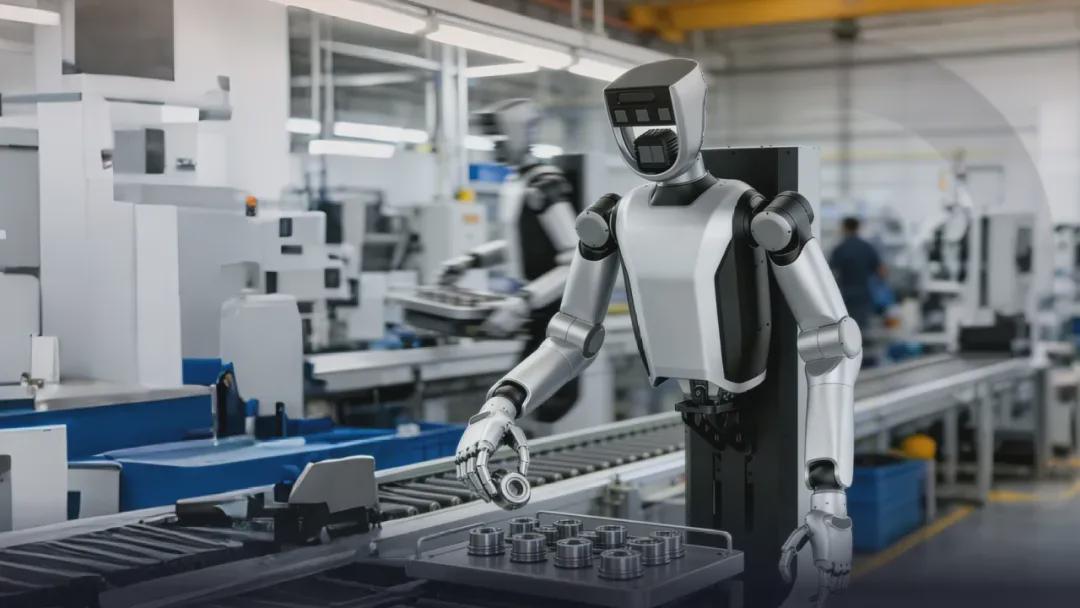
Finally, the applications of collaborative robots are expanding across various industries, including electronics, automotive, and food processing. The versatility of the JAKA Pro5 supports this trend, enabling it to perform complex tasks tailored to different production lines.
As 2026 unfolds, these trends underscore the evolving role of collaborative robots in enhancing efficiency, safety, and quality within the robotics and automation industry, with JAKA committed to advancing solutions that align with these developments.






















Leave a comment