

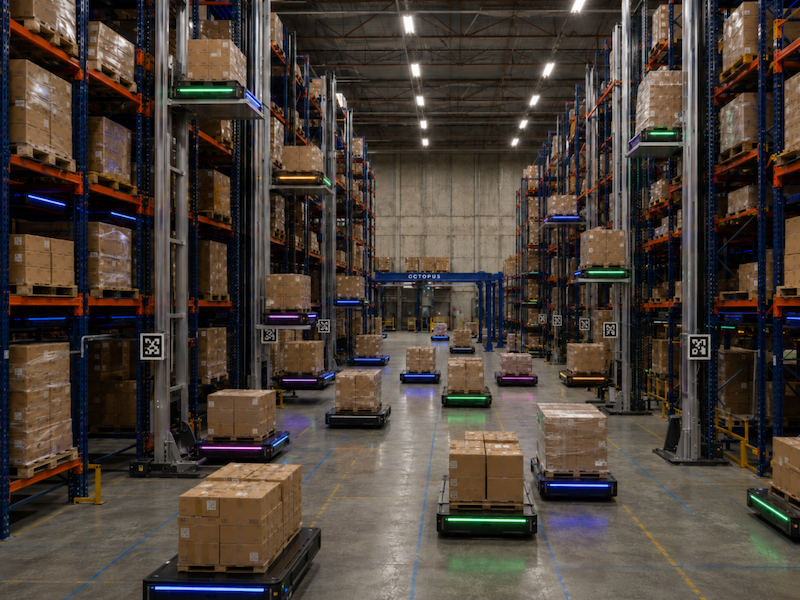
Recent advancements in predictive analytics, robotics, and data-driven logistics are reshaping industrial real estate by reducing reliance on large inventories. Traditionally, warehouses were designed to manage uncertainty through storage, but the shift towards real-time coordination is changing this paradigm. As supply chains become more connected and visibility improves, the need for extensive inventory diminishes, leading to a redesign of facilities focused on efficient operations.
This transformation is significant as it alters the fundamental structure of industrial real estate, moving away from storage-heavy models to those optimized for continuous movement. Just as the introduction of standardized shipping containers revolutionized logistics, the new design principles for automation and throughput will set long-lasting standards for future infrastructure. The choice of facilities that prioritize flow over storage will influence the development of buildings, vehicles, and logistics networks for years to come.
Looking ahead, the role of intermediate facilities is evolving from inventory storage to dynamic transfer points, facilitating the movement of goods between transportation modes. As data accessibility increases and transportation systems become more coordinated, the industry must adapt to these changes. No further timeline was disclosed at the time of publication.
Editor's Note
The shift towards real-time supply chains is a pivotal development in industrial logistics, impacting how companies approach inventory management and facility design. As organizations embrace predictive analytics and robotics, the traditional reliance on large warehouses is diminishing. This evolution presents opportunities for investment in new infrastructure that supports lean operations and efficient goods movement.





























Leave a comment