

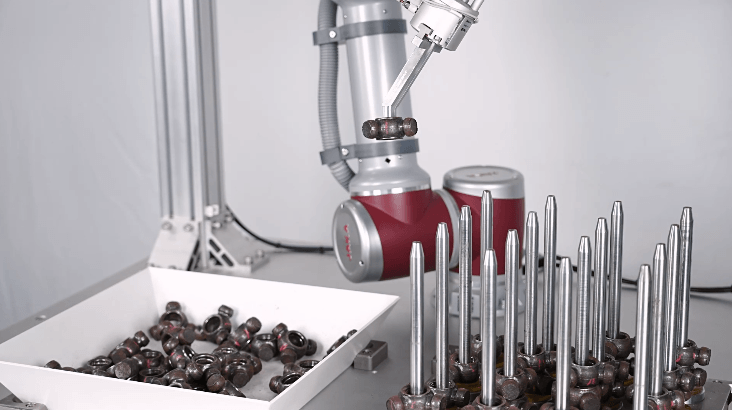
As manufacturing environments grow increasingly complex, the importance of robot path planning in industrial automation has surged. JAKA, a leader in collaborative robotics, emphasizes that effective obstacle avoidance is now a fundamental capability of industrial arms, directly impacting productivity and safety. Modern factories require robots to navigate shared spaces, adapt to layout changes, and respond to real-time production demands.
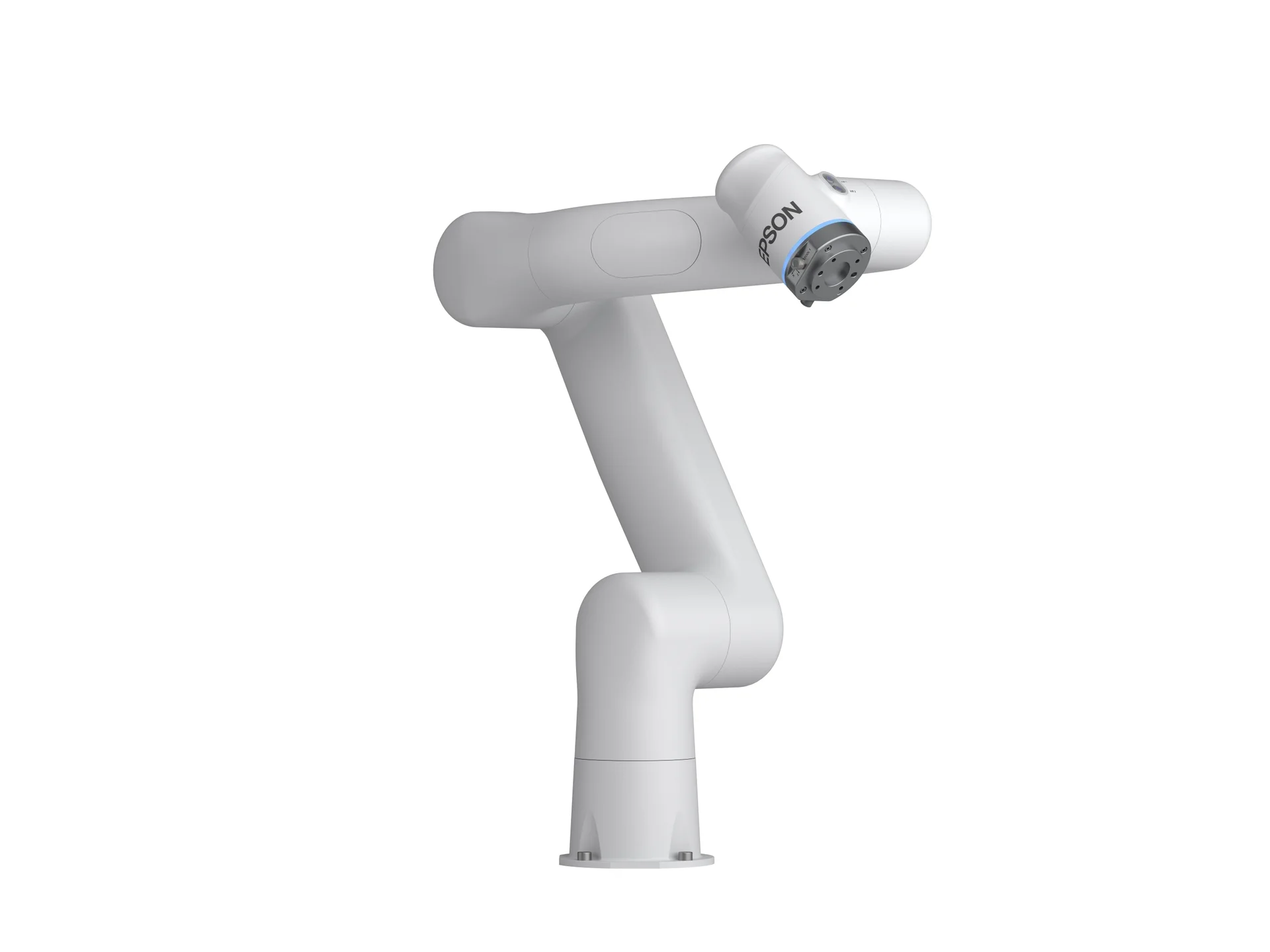
The JAKA A12L, an intelligent visual perception robot, exemplifies this advancement by integrating visual sensing with motion control. This integration allows the robot to continuously assess its surroundings, identifying both static and dynamic obstacles, and to calculate safe, efficient trajectories without interrupting workflow. By combining auto focus and 2.5D vision, the A12L simplifies deployment and minimizes external complexity.
In practical applications, this obstacle-aware path planning enhances operational consistency, enabling industrial arms to perform tasks like material handling and assembly while safely coexisting with human operators. This approach reduces the need for rigid safety barriers and frequent manual adjustments, allowing production lines to remain flexible as layouts evolve.
JAKA's commitment to merging perception, planning, and motion control aims to create safer and smarter industrial applications. By making visual perception and path planning more accessible, the company helps manufacturers build adaptable automation systems that align with real production needs, fostering a collaborative environment between humans and robots.



























Leave a comment