

Industry Briefing
A single destination for timely, editor-curated robotics news from around the world.

Icarus Robotics Conducts First True Microgravity Tests for ISS-Bound Robot JOY
Icarus Robotics is conducting four parabolic flights from September 9 to 11 to test JOY, its free-flying robot designed for the International Space Station (ISS). This marks the first operation of JOY in true microgravity, allowing for critical assessments of its capabilities. The significance of this testing lies in JOY's role in alleviating the workload of astronauts, who are currently limited in number and time. With NASA valuing astronaut time at approximately $130,000 per hour, optimizing robotic assistance for cargo handling and logistics is crucial as the demand for operations in space increases. Looking ahead, JOY is scheduled to launch to the ISS in 2027 as part of the JOYRIDE-1 mission. The data collected from these parabolic flights will be instrumental in refining JOY's systems before its hardware is handed over to NASA in January. No further timeline was disclosed at the time of publication.
News Space embodied ai free-flying robot icarus robotics international space station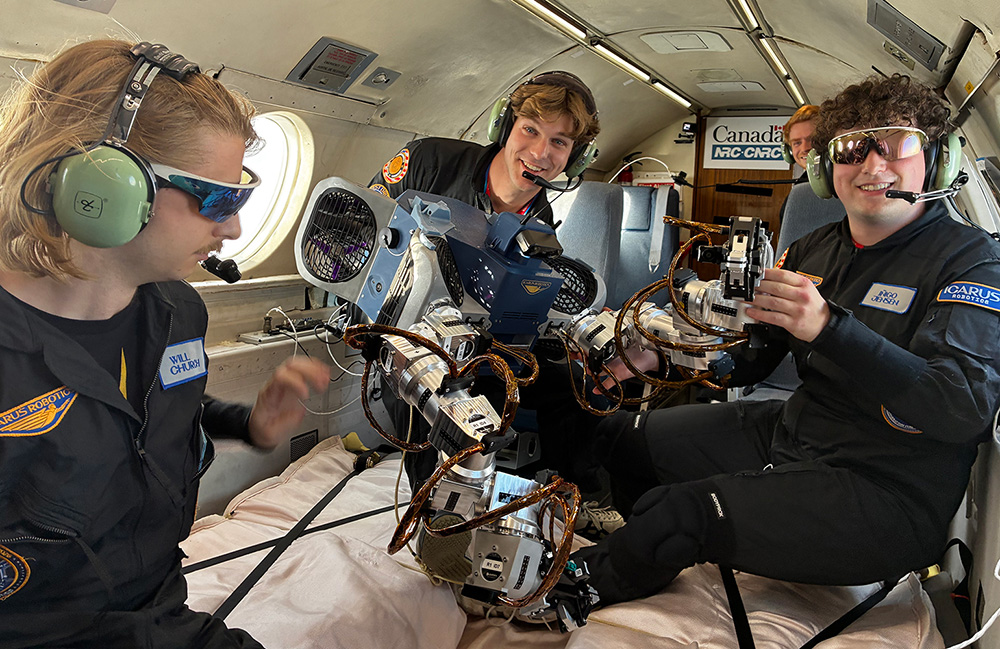
Icarus Robotics Successfully Tests JOY Robot in Microgravity for ISS Mission
Icarus Robotics announced the successful testing of its free-flying robot, JOY, during four parabolic flights from September 9 to 11. Over these flights, JOY completed 66 parabolas, achieving a total of 2 minutes of weightlessness. This robot is designed to operate within the International Space Station (ISS) and assist with cargo and logistics tasks. The significance of this testing lies in Icarus Robotics' goal to enhance astronaut efficiency by allowing them to focus on critical research and mission objectives. The company plans to launch JOY, named Joyride-1, to the ISS in 2027, following a mission management agreement with Voyager Technologies. The recent flights mark a crucial step before the finalization of JOY’s hardware for NASA handover in January. Looking ahead, Icarus Robotics aims to refine JOY's capabilities further, having already tested its manipulation, state estimation, and flight control systems. The positive results from these tests provide confidence for the upcoming handover to NASA, as the team prepares for the next phase of development and deployment.
Aerospace Arms / Manipulators Cobot Arms Collaborative Robots End Effectors / Grippers Markets / Industries
Icarus Robotics Co-Founder Jamie Palmer Discusses Robotic Labor Force for Space
Icarus Robotics, founded in 2024, is developing a robotic labor force for space, integrating embodied artificial intelligence with human-in-the-loop control. The aim is to automate routine tasks in orbit, enhancing astronauts' efficiency by allowing them to focus on scientific research rather than repetitive jobs like cargo handling and equipment inspection. This initiative is significant as it addresses the growing need for labor in commercial space stations and lunar infrastructure, where intelligent robotic workers could play a crucial role. By automating essential tasks, Icarus Robotics not only improves operational efficiency but also supports the broader commercial space economy, including future missions to the Moon and Mars. Looking ahead, Icarus Robotics plans to test its technology aboard the International Space Station, with co-founder Jamie Palmer emphasizing the importance of real-world testing over simulation. The company is focused on overcoming technical challenges to achieve fully autonomous operations in space, which will be vital for the future of space exploration and commercial endeavors.
Features Space artificial intelligence astronaut assistance Autonomous robots autonomous systems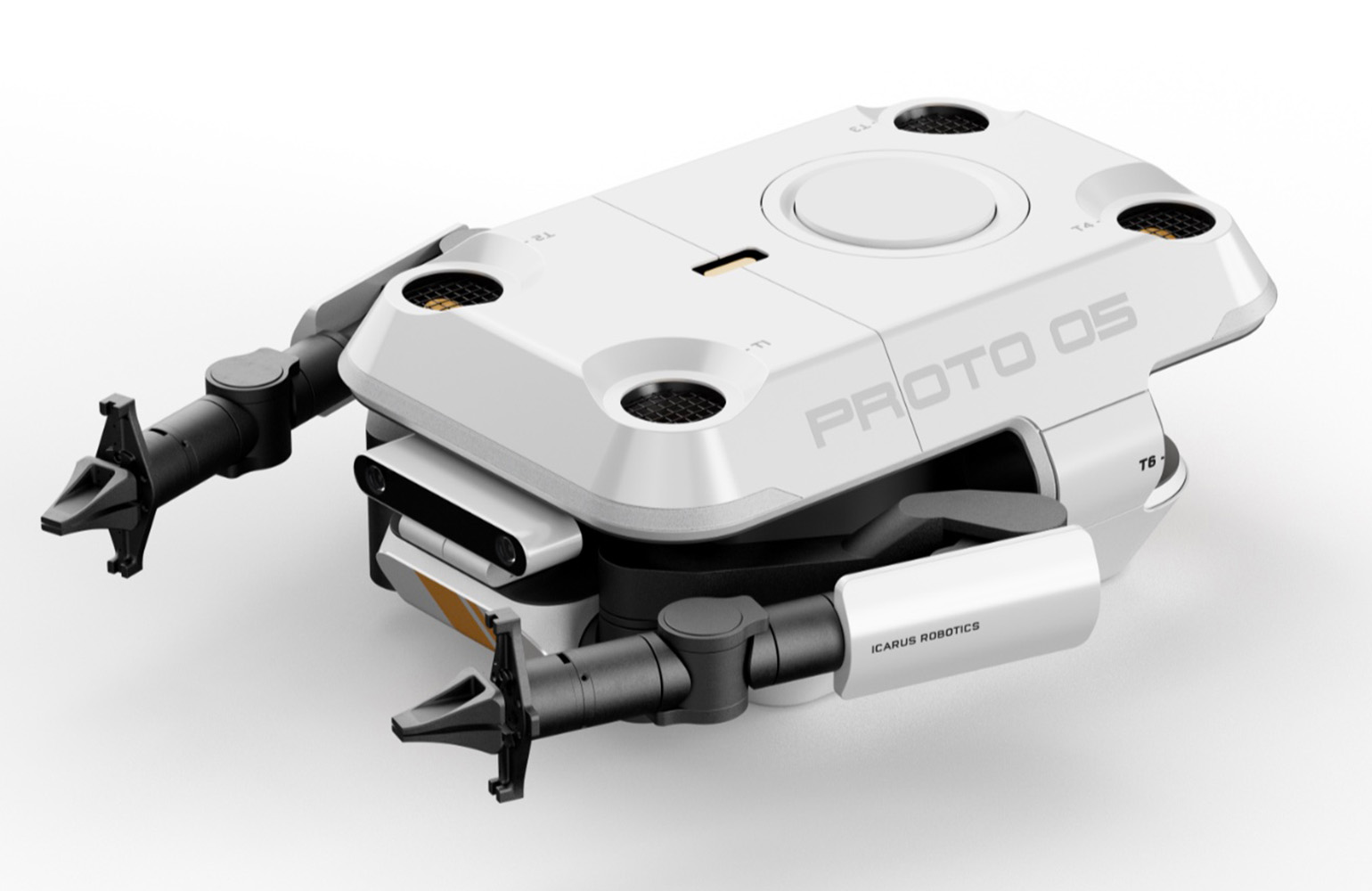
Icarus Robotics Selects KULR Technology for JOY Space Robot's Power System
Icarus Robotics has announced KULR Technology Group as the battery supplier for its autonomous free-flying robot, JOY, which is set to launch to the International Space Station (ISS) in early 2027. KULR will provide its KULR ONE Space (K1S) battery systems, engineered to NASA safety standards, ensuring reliable operation aboard the ISS. The partnership is significant as KULR’s battery technology has already been validated during the Artemis II lunar mission, which enhances the approval process with NASA. Icarus co-founder Ethan Barajas emphasized the importance of flight heritage in the space sector, stating that proven components expedite the approval process, crucial for a startup like Icarus. Looking ahead, JOY, powered by embodied AI, aims to assist astronauts with routine tasks and infrastructure maintenance, allowing them to concentrate on more critical research objectives. No further timeline was disclosed at the time of publication.
Aerospace Batteries / Power Supplies Markets / Industries News Technologies Icarus
KULR Technology Group Chosen by Icarus Robotics for Space Station Robotic Platform
KULR Technology Group, Inc. has been selected by Icarus Robotics to provide its KULR ONE Space battery for the JOY autonomous free-flying robotic platform. This platform is set to be deployed on an upcoming mission to the International Space Station. The collaboration is significant as it highlights KULR's role in advancing energy systems for critical applications in space and robotics. The JOY platform represents a step forward in autonomous space robotics, showcasing the potential for innovative technologies in extraterrestrial environments. Looking ahead, the deployment of the JOY platform aboard the International Space Station will be a key milestone for both KULR and Icarus Robotics. No further timeline was disclosed at the time of publication.
Robotics needs a service framework.
RSF defines a common language for robot service capability, lifecycle operations, certification pathways, and service-provider networks.
Join the RobotToday community on LinkedIn
Daily robotics news, in-depth analysis, conference highlights, and discussions with professionals worldwide.







