Industry Briefing
A single destination for timely, editor-curated robotics news from around the world.

Maven Robotics Secures $100 Million Funding to Expand General-Purpose Industrial Robots
Maven Robotics has officially launched, announcing $100 million in Series A funding from investors including RoboStrategy, LocalGlobe, Vine Ventures, and XTX Ventures. The company specializes in designing, building, and deploying intelligent robotics tailored for logistics and manufacturing applications. This funding is significant as it positions Maven Robotics to scale its operations and enhance its innovative general-purpose robotics systems. Founded in 2024, the company aims to revolutionize the industrial sector by providing versatile robotic solutions that can adapt to various tasks within logistics and manufacturing environments. Looking ahead, industry observers will be keen to see how Maven Robotics utilizes this funding to accelerate product development and market penetration. No further timeline was disclosed at the time of publication.
Industry News Robotics Autonomous robots general purpose robots industrial robotics
Maven Robotics Secures $100 Million Series A for Innovative General-Purpose Industrial Robotics System
Maven Robotics, an intelligent industrial robotics company, has announced the completion of a $100 million Series A funding round. This funding was secured from notable investors including RoboStrategy, LocalGlobe, Vine Ventures, and XTX Ventures. The company aims to revolutionize material handling and assembly tasks with its innovative robotics solutions. The significance of this funding lies in Maven Robotics' ambition to achieve 1 million hours of autonomous real-world operations. As the creator of the world's first general-purpose robotics system for industrial work, Maven is poised to make a substantial impact on logistics and manufacturing sectors. This investment will support the development and deployment of their intelligent robotics technology. Looking ahead, industry observers should monitor Maven Robotics' progress in scaling its operations and the adoption of its robotics systems in various industrial applications. No further timeline was disclosed at the time of publication.

Insights from the 2026 World Robot Conference: Specialized Robots Gain Traction Over General-Purpose Models
At the 2026 World Robot Conference, a clear trend emerged indicating that the embodied intelligence industry is shifting focus from creating general-purpose robots to developing specialized solutions that deliver real value in specific scenarios. Innovations in areas such as garment sewing, biomedical applications, and airport luggage handling highlight this transition. The significance of this shift lies in the ability of specialized robots to address industry-specific challenges, such as labor shortages and rising costs in garment production. For instance, Aitu's humanoid robot is designed solely for garment sewing, showcasing its capability to autonomously identify fabrics and perform precise stitching without the need for constant reprogramming. Looking ahead, the conference revealed advancements in collaborative robotics, with companies exploring multi-robot systems for enhanced efficiency. Notably, Xingyuan Intelligence demonstrated a novel multi-robot collaboration in a jumping rope task, indicating a trend towards more complex interactions among robots. No further timeline was disclosed at the time of publication.
Specialized Robots Industrial Automation Biomedical Robotics Robotic Collaboration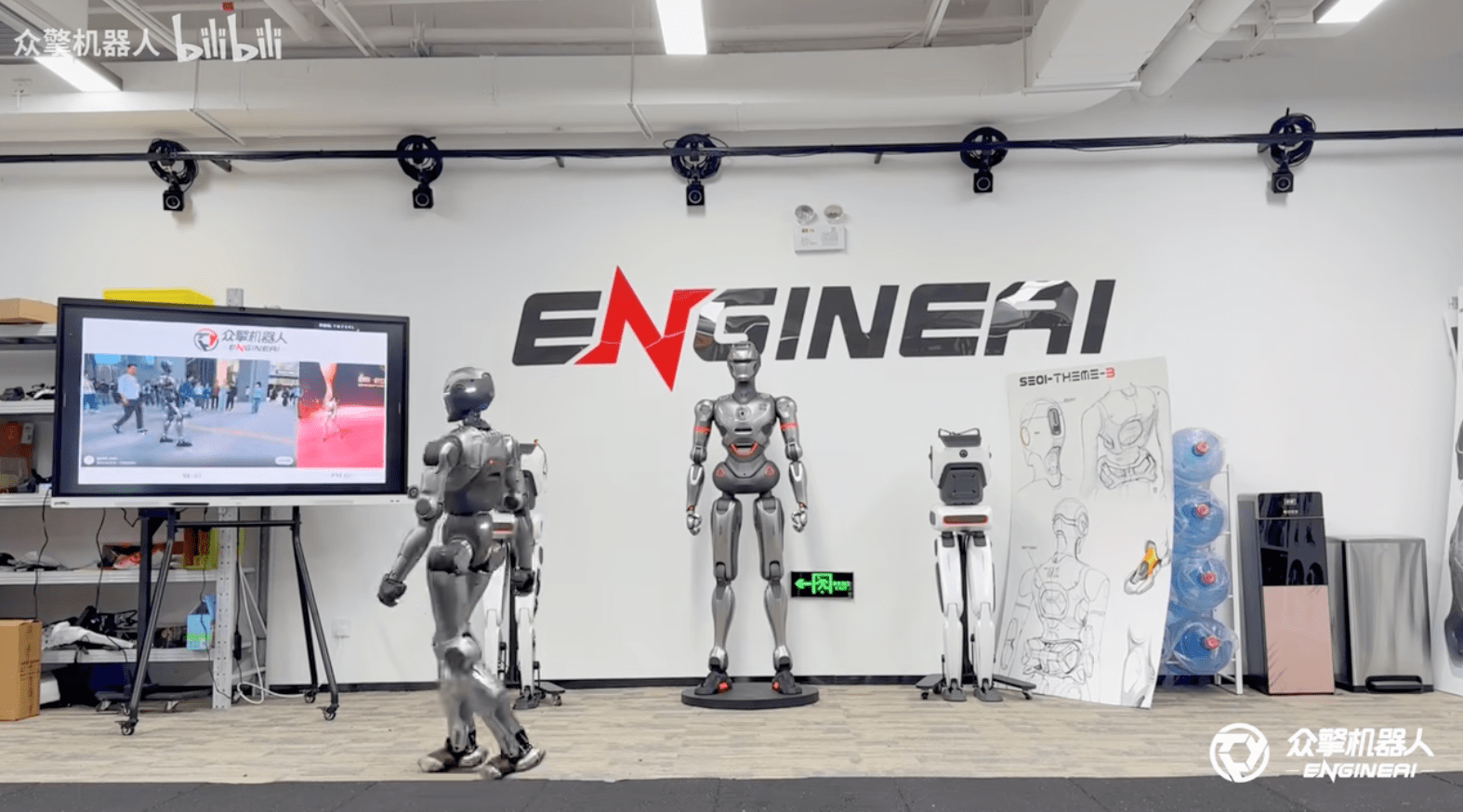
ENGINEAI Reports General-Purpose Humanoid Robot Costs Drop Below RMB100,000
ENGINEAI, a humanoid robot manufacturer based in Shenzhen, has announced that the cost of its general-purpose humanoid robots has decreased to below RMB100,000 per unit. This significant reduction marks a shift from three years ago when similar robots were priced over RMB1 million. The CEO of ENGINEAI, Zhao Tongyang, emphasized that this pricing pertains to robots intended for practical applications in factories and households, distinguishing them from lower-cost toy models. This development highlights the growing accessibility of advanced robotics technology for various sectors. Looking ahead, the industry may witness further advancements in humanoid robotics as costs continue to decline. No further timeline was disclosed at the time of publication.
News Feed
Walden Robotics Emerges with $1.1B Valuation and $300M Funding for General-Purpose Robots
Walden Robotics has officially launched with a valuation of $1.1 billion, backed by $300 million in funding. The company focuses on developing general-purpose robots that continuously learn and improve while performing real-world tasks. Co-founder Dr. Russ Tedrake emphasized the importance of understanding current manufacturing practices to deliver real value to customers. The significance of Walden Robotics lies in its innovative approach to physical AI, which has attracted attention from technology leaders. The company combines large behavior models with practical operations, allowing its robots to handle complex tasks while enhancing human capabilities. This approach aims to create a scalable business model that aligns with existing manufacturing processes. Looking ahead, Walden Robotics is set to expand its deployments, having already transitioned its robots from pilot programs to production tasks at a Toyota plant in North America within two months. No further timeline was disclosed at the time of publication.
Aerospace Artificial Intelligence Artificial Intelligence / Cognition Automotive Healthcare Robotics Humanoids
Walden Robotics Emerges with $300 Million Funding to Deploy General-Purpose Robots
Walden Robotics has officially launched, securing $300 million in funding to develop and deploy general-purpose robots. This funding round, co-led by Toyota and Deviation Capital, values the company at $1.1 billion and includes participation from notable investors such as NVIDIA, Boeing, and Samsung Ventures. The significance of this launch lies in Walden Robotics' focus on creating full-stack Physical AI solutions that enable robots to learn and adapt while performing real-world tasks. This approach positions the company to meet the growing demand for versatile robotic solutions across various industries, enhancing operational efficiency and productivity. Looking ahead, industry observers should monitor Walden Robotics' progress in deploying its general-purpose robots and the potential impact on sectors that require automation. No further timeline was disclosed at the time of publication.
NVIDIA Discusses Evaluating General-Purpose Robot Policies for Real-World Applications
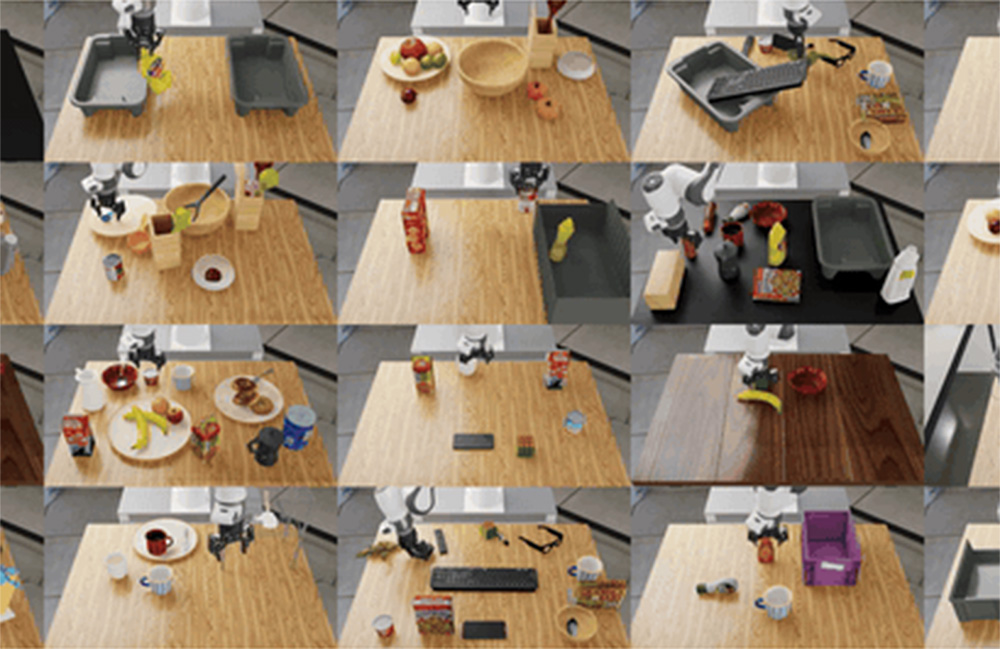
NVIDIA has highlighted the challenges in evaluating general-purpose robot policies as their capabilities advance. The company emphasizes that while current robotics models can follow natural language instructions to manipulate various objects, rigorous evaluation remains a significant hurdle due to the limitations of existing benchmarks. Real-world testing is costly and slow, necessitating effective simulation methods for large-scale evaluations. The importance of this evaluation process lies in the need for robots to generalize their skills beyond memorized setups. NVIDIA points out that many benchmarks suffer from visual and task-domain overlap, which can lead to misleading performance metrics. As models achieve high scores on static task sets, it becomes increasingly difficult to differentiate their true capabilities, raising concerns about the meaningfulness of reported results. Looking ahead, NVIDIA's focus on improving simulation environments and task generation methods is crucial for advancing robotic evaluation. The company aims to address the diagnostic gaps in current benchmarks, which often fail to provide insights into the reasons behind a robot's performance. No further timeline was disclosed at the time of publication.
Artificial Intelligence Artificial Intelligence / Cognition Design / Development Motion Control News Software / Simulation
X Square Robot Develops Integrated Stack for General-Purpose Robotics
X Square Robot, a Chinese company focused on embodied AI, is pioneering an integrated stack for general-purpose robots. This stack combines data learning, a world model for predicting physical changes, and an action model that integrates perception, planning, reasoning, and decision-making. The company emphasizes the importance of quality interaction data over sheer quantity, utilizing its Universal Manipulation Interface (UMI) to enhance data collection. The significance of X Square Robot's approach lies in its potential to unify various aspects of robotic intelligence, addressing the fragmented nature of current systems. By prioritizing interaction quality and establishing a closed inspection loop for data validation, the company aims to create a more effective learning environment for robots. This method not only reduces costs but also enhances the reliability of the training data, which is crucial for developing general-purpose robots capable of performing diverse tasks. Looking ahead, X Square Robot's WALL-WM world model represents a shift towards event-based action prediction, allowing for more coherent and context-aware robotic behavior. As the company continues to refine its models and data collection methods, the broader robotics community will be watching for independent validation of its results and the potential implications for the future of general-purpose robotics.
Home-robots Type-sponsored Large-language-models Embodied-intelligence Ai-robots Robot-learning
Maven Robotics Secures $100 Million Series A Funding for Industrial Robotics Development
Maven Robotics has successfully raised $100 million in Series A funding to enhance its industrial robotics platform aimed at logistics and manufacturing. The funding round included participation from RoboStrategy, LocalGlobe, Vine Ventures, and XTX Ventures. Maven is focused on developing a general-purpose robotics system that will expand its applications beyond palletizing and tote handling into more complex material handling and assembly tasks. This funding is particularly significant as it addresses the growing U.S. labor shortages in industrial sectors. Maven's platform integrates hardware, software, and AI, allowing for reliable operation across multiple shifts. The company has already deployed its robots with a Fortune 250 consumer packaged goods company, where they are expected to achieve over 100,000 hours of autonomous operation by the end of 2026. Looking ahead, Maven Robotics aims to surpass 1 million hours of autonomous operation by the end of 2027. The company is entering a robust market, with over $18.8 billion in global venture capital investment in robotics reported in the first half of 2026. This positions Maven to capitalize on the increasing demand for intelligent industrial automation solutions.
AI AI Funding & Investment Robotics funding industrial robotics LocalGlobe
General Robotics Achieves Milestone with GRID for Automating Robot Development Lifecycle
General Robotics has announced a significant advancement for GRID, its robot intelligence platform. This platform is designed to automate the entire lifecycle of robot development and deployment, enhancing efficiency and effectiveness in the process. GRID operates as an agentic system, continuously improving itself and the robots connected to it, which is crucial for the future of robotics. The importance of this development lies in GRID's ability to auto-engineer its processes, including robot onboarding and skill deployment. This capability not only streamlines operations but also allows for rapid adaptation to new tasks and environments, making it a vital tool for industries relying on robotic automation. As companies increasingly seek to integrate advanced robotics into their operations, GRID positions itself as a leader in this transformative technology. Looking ahead, stakeholders in the robotics and automation sectors should monitor further developments from General Robotics regarding GRID. The potential for this platform to redefine how robots are developed and deployed could have far-reaching implications for various industries. No further timeline was disclosed at the time of publication.
AI agents Computing News agentic ai artificial intelligence fanuc
General Robotics GRID Achieves Milestone as First Auto-Engineering Robot Intelligence Platform
General Robotics has announced a significant advancement for its GRID platform, which now auto-engineers its entire development and deployment lifecycle. This milestone allows GRID to streamline processes from robot onboarding to skill deployment, significantly reducing the time and expertise needed for production. The importance of this development lies in its potential to accelerate the transition from pilot projects to full-scale production for customers. By automating the engineering processes, GRID enhances the efficiency of skill creation, AI training, testing, and evaluation, making it easier for organizations to implement robotic solutions. Looking ahead, the industry will be watching how this innovation impacts the adoption of robotics in various sectors. General Robotics' ability to simplify the integration of robots into production environments could set a new standard for robot intelligence platforms. No further timeline was disclosed at the time of publication.

XPENG Launches Production of World's First Advanced Humanoid Robot with Official Facility Commissioning
XPENG has officially launched its humanoid robot production lines, successfully completing the manufacturing of the world's first advanced humanoid robot. This milestone signifies a significant transition from research and development prototyping to actual production-line manufacturing. The achievement is crucial as it demonstrates XPENG's capabilities in humanoid robotics, potentially influencing the future of automation and robotics in various sectors. The autonomous walking of the humanoid robot off the production lines showcases advancements in technology and manufacturing processes. Looking ahead, industry observers will be keen to see how XPENG's humanoid robot performs in real-world applications and how it impacts the competitive landscape of robotics. No further timeline was disclosed at the time of publication.

Galaxy General Achieves 100% Championship Rate at World Humanoid Robot Games
On August 22, 2026, the second World Humanoid Robot Games opened at the National Speed Skating Hall in Beijing, featuring a tennis match between a renowned Chinese player and Galaxy General's tennis robot. The competition showcased the robot's impressive skills, setting the stage for a more rigorous evaluation of embodied intelligence over the following five days. By August 26, Galaxy General emerged victorious, winning all gold medals in three high-stakes scenario competitions, achieving a 100% championship rate. Notably, the company dominated the retail sector, securing all podium positions, making it the most successful autonomous competitor in this event. The results highlight the potential for robots to transition from laboratory settings to real-world applications. The competition's rules favored autonomous operation, with a higher weight assigned to autonomous mode scores. Despite this, many teams opted for remote control to mitigate risks. Galaxy General, however, chose to compete entirely in autonomous mode using its proprietary AstraBrain model, demonstrating its robots' ability to handle complex tasks efficiently and reliably across diverse scenarios.
Humanoid Robots Autonomous Robotics AI Robot Competitions
Humanoid Robots Reach an Inflection Point from Acrobatics to Generality
Humanoid robots are experiencing a significant transition from specialized acrobatic capabilities to more generalized functionalities. This evolution is crucial as it enhances their applicability across various sectors, including healthcare, manufacturing, and service industries. The shift towards generality in humanoid robots indicates a growing trend in robotics, where versatility and adaptability are becoming essential traits. This development matters because it opens new avenues for humanoid robots to perform tasks that were previously thought to be exclusive to humans. By moving beyond acrobatic feats, these robots can now engage in more complex interactions and assist in diverse environments. This shift is expected to drive further investment and research in the field, fostering innovation and collaboration among industry players. Looking ahead, it will be important to monitor advancements in humanoid robotics, particularly in their ability to integrate into everyday life and work alongside humans. The ongoing research and development efforts will likely lead to breakthroughs that enhance their functionality and usability. No further timeline was disclosed at the time of publication.
Editorial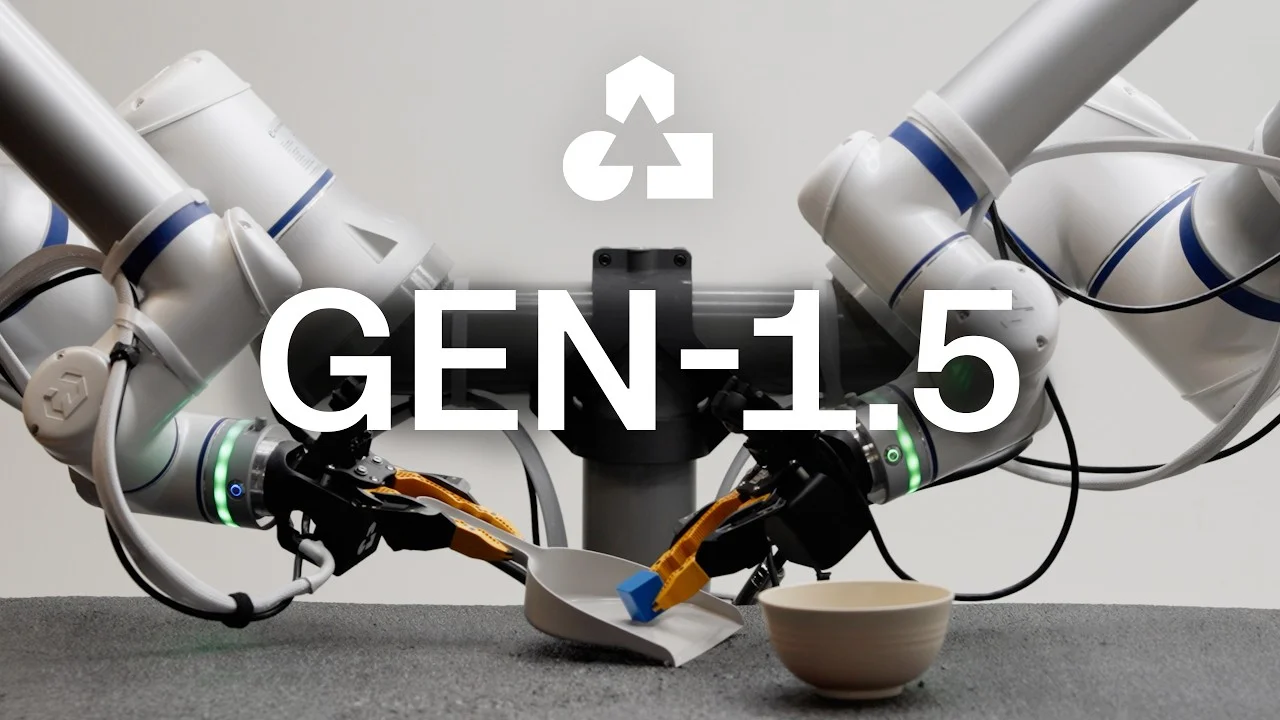
Generalist AI Launches GEN-1.5: A Breakthrough in One-Shot Robot Learning
Generalist AI has introduced GEN-1.5, an advanced embodied foundation model capable of one-shot learning for dexterous tasks. This model can learn new behaviors with just 3 to 12 seconds of sensorimotor demonstration data, eliminating the need for gradient updates. The model's performance shows a 59% success rate in ten manipulation tasks through one-shot prompting, which can be improved to 83% with fine-tuning. The significance of GEN-1.5 lies in its ability to adapt quickly to new tasks with minimal training, representing a shift towards real-time adaptability in robotics. The model has been continuously trained for over eight months, leading to improvements in data absorption and compute efficiency. This efficiency is crucial as it reduces the traditionally high computational demands for training robotic models. Looking ahead, GEN-1.5's compositional generalization allows it to chain distinct tasks into longer skills autonomously. Additionally, its zero-shot sim-to-real transfer capability enables it to perform tasks based solely on simulated prompts. While the company acknowledges that skills learned in-context are less robust than those from fine-tuning, the model's improvisational abilities demonstrate significant advancements in robotic flexibility.
US Generalist AI
Generalist Leverages Human Demonstration Data for Enhanced Robot Learning
Generalist, a robotics startup valued at $2 billion, utilizes human demonstration data to train robots on real-world tasks. Developed through collaboration among Toyota Research Institute, Columbia University, and Stanford University, the Universal Manipulation Interface (UMI) enables the collection of training data via puppet-like end effectors and GoPro cameras. This innovative approach allows collaborative robots to learn tasks such as washing dishes and picking up objects more efficiently. The significance of Generalist's work lies in its ability to create adaptable robots that can recover from errors in real-time, a feature demonstrated at the Automate event. The company showcased its models performing various tasks with Universal Robots and Flexiv arms, highlighting the intelligence of these systems in handling unexpected challenges. This capability has the potential to reshape perceptions of automation in industrial settings. Looking ahead, Generalist aims to further refine its models to maintain a competitive edge in a rapidly evolving market that has seen over $4 billion in investments. The company’s commitment to developing versatile robotic solutions across diverse applications will be crucial for its growth and adoption in the industry. No further timeline was disclosed at the time of publication.
Academia / Research Arms / Manipulators Artificial Intelligence Artificial Intelligence / Cognition Assembly Cobot Arms
Generalist's GEN-1 Model Expands Support for Diverse Robot End Effectors
Generalist has announced that its GEN-1 foundation model now supports a wide array of robot end effectors, ranging from five-fingered hands to specialized tools. This advancement showcases the model's ability to learn sensorimotor policies that can adapt across various physical interactions, demonstrating the versatility of a single AI model in robotics. The significance of this development lies in GEN-1's extensive pretraining on a diverse dataset, which includes over half a million hours of real interaction data with approximately 9,000 variations of end effectors. This training enables the model to understand complex physical interactions, such as geometry, contact, and dynamics, allowing it to apply learned knowledge across different tools and tasks effectively. Looking ahead, Generalist is actively studying how each new end effector influences the pretrained model and is expanding its dataset to include more variations. The company is also exploring the implications of switching end effectors mid-task, which could enhance the model's adaptability and reasoning capabilities in real-world applications. No further timeline was disclosed at the time of publication.
Artificial Intelligence Artificial Intelligence / Cognition Design / Development End Effectors / Grippers News Technologies
Elite Robots Partners with Generalist AI for Advanced Cobot Development
Elite Robots has teamed up with Generalist AI to enhance its cobot platform through real-world data collection and algorithm validation. This collaboration aims to leverage Generalist AI's expertise in embodied AI, particularly with the recent launch of GEN-1, which boasts a remarkable 99% task success rate and a threefold increase in speed. The partnership is significant as it combines Elite Robots' cobot technology with Generalist AI's cutting-edge AI capabilities, potentially leading to advancements in automation and robotics. The integration of high-performing AI models like GEN-1 could enhance the efficiency and effectiveness of collaborative robots in various applications. Looking ahead, the focus will be on the outcomes of this collaboration and how the integration of Generalist AI's technology will impact the performance of Elite Robots' cobots. No further timeline was disclosed at the time of publication.
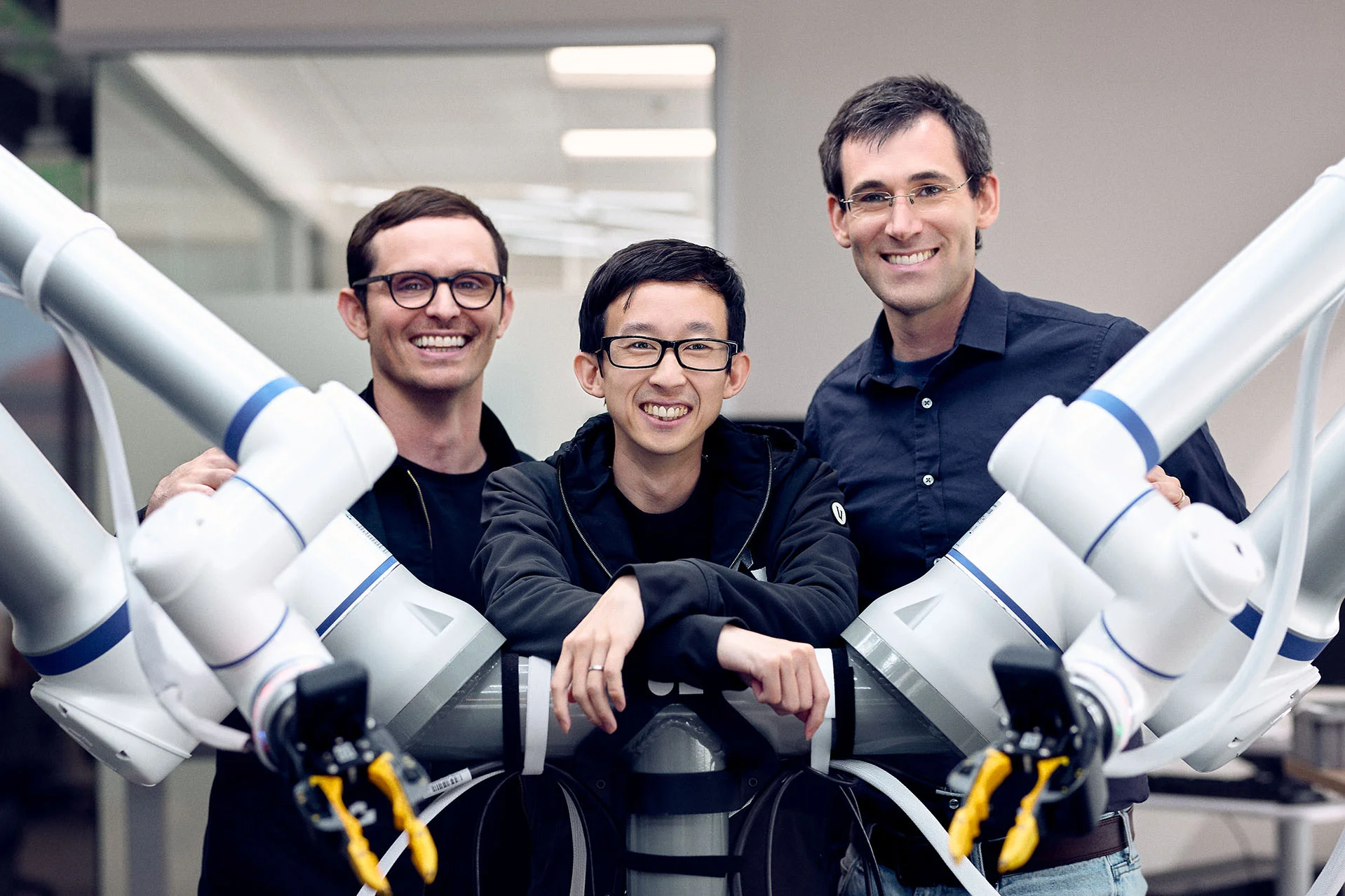
Generalist AI Secures $400 Million to Enhance Robot Learning and Scale Operations
Generalist AI has announced it has secured $400 million in new funding, pushing its total capitalization past $500 million. This funding round, led by Radical Ventures, includes participation from notable investors such as NVIDIA’s NVentures and angel investors like Zoom CEO Eric Yuan. The capital will be used to scale Generalist's compute infrastructure and expand its physical data engine. This funding is crucial for Generalist AI as it recently launched GEN-1, a foundation model that reportedly achieved a 99% success rate on unstructured tasks and executed movements three times faster than previous systems. The company aims to create a data flywheel that enhances robot learning, allowing for the development of more competent models that can perform practical work in various industries. Looking ahead, Generalist AI's aggressive scaling roadmap and focus on proprietary datasets will be key to its success. The company has expanded its real-world interaction data from 270,000 hours to over 500,000 hours for GEN-1, utilizing innovative data collection methods. No further timeline was disclosed at the time of publication.
US GEN-1 Market Generalist AI
Understanding the Distinction Between Embodied Intelligence and Generalization in Robotics
Recent discussions at technology forums have highlighted the disparity between demonstrations of robotic capabilities and the reality of embodied intelligence. While large models can achieve a 50% task success rate, physical robots struggle to deliver similar results, revealing a fundamental gap between digital and physical realms. Xu Huazhe, founder of Breakthrough Robotics, emphasized two distinct commercialization paths: the post-training route, which offers short-term cash flow but limited generalization, and the large model approach, which aims for broader capabilities but lacks immediate economic returns. The significance of these insights lies in understanding that successful demonstrations in controlled environments do not equate to the commercial viability of general embodied intelligence. The post-training approach can yield high success rates in specific scenarios but requires extensive reconfiguration for new tasks, while the large model route faces challenges in achieving acceptable performance in the unpredictable physical world. This highlights a critical misconception: achieving near-perfect results in closed environments does not guarantee success in open, real-world applications. Moving forward, it is essential to recognize the resource conflicts between these two paths. Companies often find themselves in a dilemma, trying to balance short-term revenue from customized projects with the long-term goal of developing general intelligence. The industry must focus on advancing foundational models to handle diverse, non-predefined tasks, rather than relying solely on tailored solutions for immediate survival. No further timeline was disclosed at the time of publication.
Embodied Intelligence Robotics Automation AI Machine Learning
Generalist Achieves $3 Billion Valuation Following $200 Million Funding Round
Generalist, a robotics startup, has reached a valuation of $3 billion after securing nearly $200 million in additional funding led by 8VC. This new capital is part of a larger $600 million funding round that includes a previously announced $400 million Series B led by Radical Ventures. The funding reflects growing investor confidence in the robotics sector, particularly in AI-driven technologies. The significance of this funding lies in Generalist's development of an AI foundation model designed to enhance robotic capabilities. The startup's Gen 1.5 model allows robots to learn new tasks from brief video demonstrations, showcasing the potential for rapid adaptation in robotic applications. This advancement positions Generalist among competitors like Physical Intelligence and Skild AI, which are also pursuing similar innovations in robotics. Looking ahead, the surge in funding indicates a belief among investors that robotics may soon experience a transformative breakthrough akin to the “ChatGPT moment.” However, challenges remain, as experts caution that achieving a truly general robotics model may take several more years due to inherent limitations in training methodologies.
AI Robotics 8VC Exclusive radical ventures
General Intuition Secures $6B Valuation with Support from Valor and Point72 Ventures
General Intuition, based in New York, is in discussions to secure funding at a $6 billion pre-money valuation, with participation from Valor Equity Partners and Point72 Ventures. This follows a recent $320 million funding round at a $2.3 billion valuation, highlighting the startup's rapid growth in the physical AI sector. The significance of this funding lies in General Intuition's innovative approach to developing generalized AI agents capable of navigating complex environments. CEO Pim de Witte's strategy leverages extensive gameplay data to enhance the AI's learning capabilities, which investors believe will be crucial for the model's ability to generalize across various tasks. As General Intuition finalizes this funding round, which is reportedly oversubscribed, the company plans to allocate resources toward improving its general model and expanding its compute infrastructure. The involvement of notable investors like Valor Equity Partners marks a significant milestone for the startup as it aims to advance its robotics initiatives. No further timeline was disclosed at the time of publication.
AI Fundraising Venture Exclusive general intuition Point72 Ventures
Investor Insights on the Future of Consumer Robotics: Embracing Specialization Over Generalization
Amber Atherton, an early-stage investor and partner at Patron, argues that the future of consumer robotics will not revolve around a single humanoid robot. Instead, she believes that the market will favor specialized devices that excel at specific tasks, similar to how consumers prefer dedicated appliances for cooking or cleaning. Atherton highlights the success of products like the Roomba, which has thrived by focusing on a singular function. She envisions a future where homes are filled with beautifully designed robots, each responsible for a particular daily ritual, rather than one all-encompassing machine. This shift reflects a broader trend in consumer preferences towards specialization in home technology. Looking ahead, Atherton anticipates the emergence of numerous embodied AI products that will seamlessly integrate into daily life. She emphasizes that consumers may not identify these devices as robots, but rather as essential tools that enhance their routines, thereby transforming the perception of robotics in the home environment. No further timeline was disclosed at the time of publication.
Design Features Investments AI robots amber atherton consumer robotics
Generalist AI's GEN-1.5 Robot Learns Tasks from 3 to 12 Seconds of Demonstration
Generalist AI has developed a new robot foundation model, GEN-1.5, capable of learning physical tasks from a single demonstration lasting just 3 to 12 seconds. This innovative approach allows the robot to attempt tasks immediately without requiring gradient updates or fine-tuning, marking a significant advancement in robotics. The importance of GEN-1.5 lies in its ability to infer task requirements from short sensorimotor demonstrations, achieving an average success rate of 59% across 10 physical tasks with just one demonstration. When provided with five minutes of task-specific data, its success rate increased to 83%, showcasing the model's efficiency and adaptability in learning. Looking ahead, GEN-1.5's capability to combine physical prompts and generalize beyond specific actions presents exciting possibilities for future applications in robotics. The model's performance in adapting to new tasks with minimal data and steps indicates a shift in how robots can be trained and utilized in various environments. No further timeline was disclosed at the time of publication.
AI and Robotics
General Intuition Achieves $2.3 Billion Valuation with Innovative Robot Training Approach
General Intuition, a New York-based company, has proposed a groundbreaking approach to training robots using millions of hours of gaming footage instead of vast amounts of real-world data. In June 2026, the company completed a $320 million Series A funding round, achieving a valuation of $2.3 billion, led by renowned investor Vinod Khosla. The significance of General Intuition's method lies in its potential to revolutionize how robots learn spatial reasoning and physical intuition. By utilizing gaming data, the company claims to have pre-trained a spatial reasoning model that allows quadruped robots to navigate unfamiliar environments with minimal real-world data, challenging traditional training methods that rely heavily on real-world scenarios. Looking ahead, the success of General Intuition will depend on its ability to validate its technology in diverse real-world environments beyond office settings. The company's vision of creating a 'robot brain' for universal physical AI could redefine the operational frameworks for future robotics, potentially surpassing existing systems like Windows and Android in impact.
AI Robotics Gaming Technology Machine Learning
X Square Robot builds a full-stack approach to embodied AI and general-purpose robotics
The robotics industry is undergoing a transformation due to the swift advancement of embodied artificial intelligence, prompting companies to innovate machines that can tackle diverse real-world tasks instead of being limited to single functions. Notably, Shenzhen-based X Square Robot has emerged as a key player in this competitive landscape, successfully completing four consecutive financing rounds. This funding achievement underscores the growing interest and investment in versatile robotic technologies, as firms strive to enhance their capabilities and meet the increasing demand for intelligent automation solutions.
Business Features Robotics artificial intelligence Artixon china robotics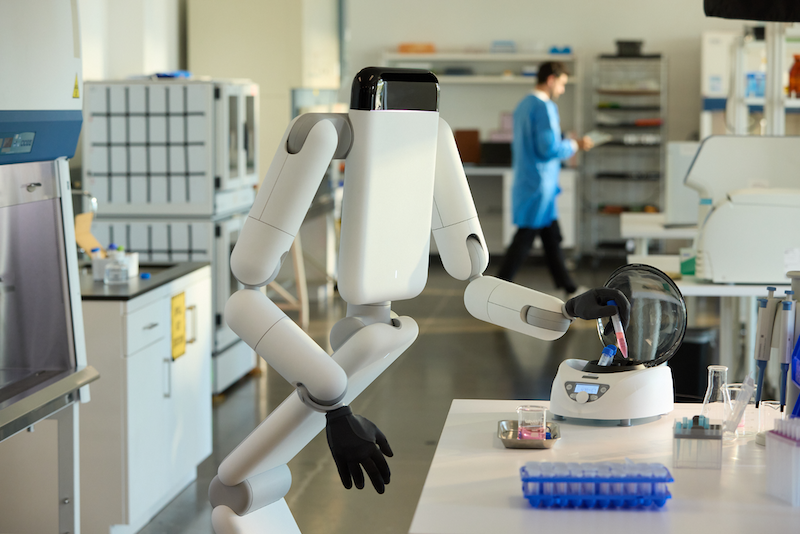
Genesis AI launches first general-purpose humanoid robot
Genesis AI, a global leader in robotics, has introduced Eno, its inaugural general-purpose robot. Launched recently, Eno is characterized by its minimalist design, which sets it apart from conventional robotic forms. Powered by GENE, the company's advanced foundation model, Eno is designed to function as a true physical agent, capable of reasoning and performing tasks autonomously. This innovation aims to redefine the capabilities of robots in various applications, reflecting Genesis AI's commitment to pushing the boundaries of technology in the robotics sector.
Humanoids News agentic ai ai robotics automation news Autonomous robots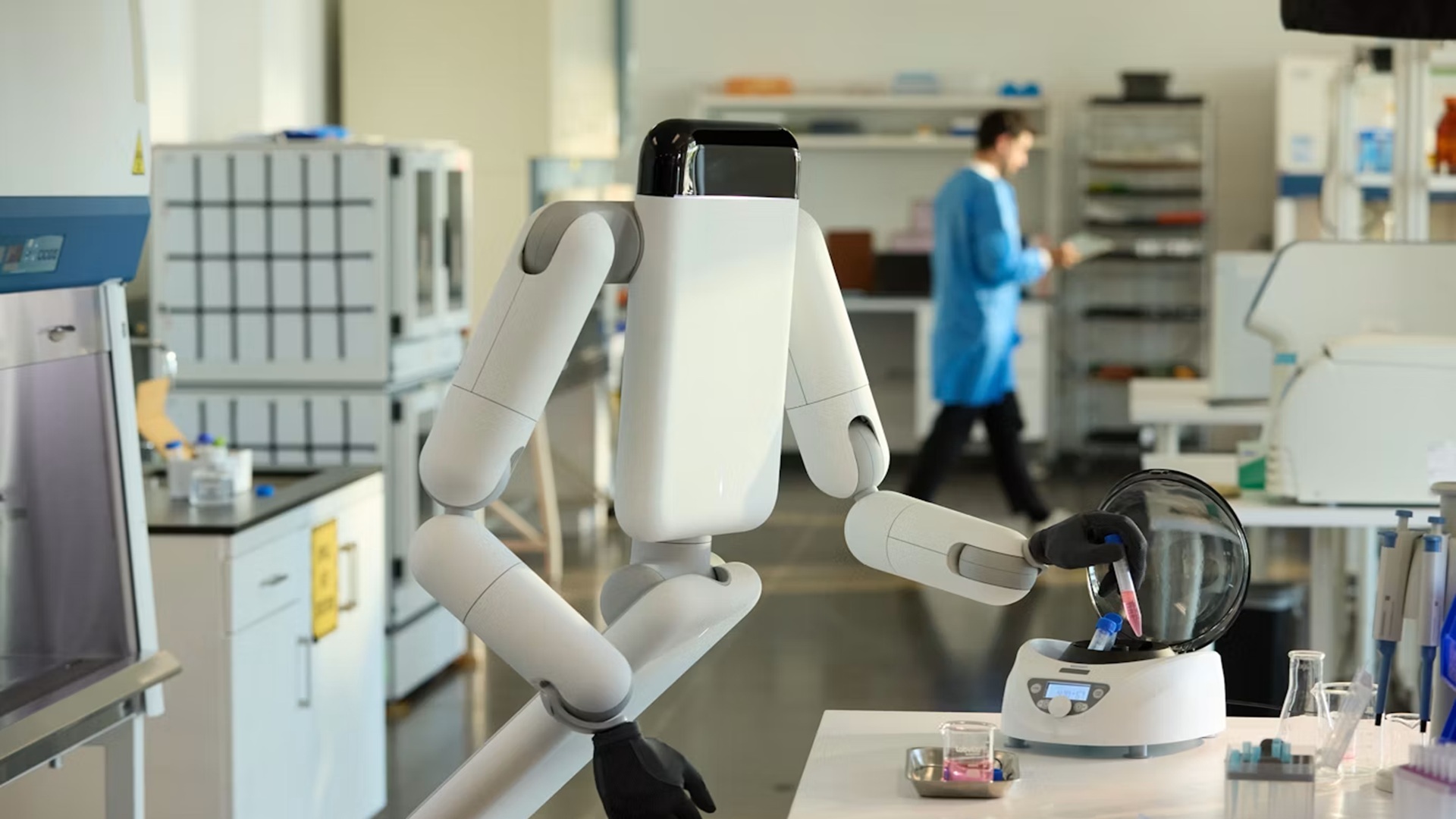
Eno humanoid robot aims to become the general-purpose machine for every workplace
Genesis AI has introduced Eno, its inaugural general-purpose robot, marking a significant step in the company's ambition to advance robotics technology. The unveiling took place recently, showcasing Eno's capabilities designed to perform a variety of tasks across different sectors. This launch is part of Genesis AI's broader strategy to innovate and integrate artificial intelligence into everyday applications, aiming to enhance efficiency and productivity in various industries. By leveraging cutting-edge technology, Eno is expected to address diverse needs, from automation in manufacturing to assistance in healthcare. The development of this robot reflects the growing trend in the tech industry towards creating versatile AI-driven solutions that can adapt to multiple environments and challenges.
AI and Robotics
Genesis AI Launches Company’s First General-Purpose Robot ‘Eno’
Genesis AI has introduced Eno, its inaugural general-purpose robot, which marks a significant advancement in robotics technology. The unveiling took place recently, showcasing Eno's innovative design that integrates proprietary hardware with GENE, the company's foundational robotics model. This combination enables Eno to execute a wide range of physical tasks, moving beyond the limitations of robots that are typically programmed for specific functions. Genesis AI aims to revolutionize the robotics landscape with this versatile approach, allowing for greater adaptability and efficiency in various applications.
AI AI Funding & Investment AI Use Cases Robotics Eno Gensis AI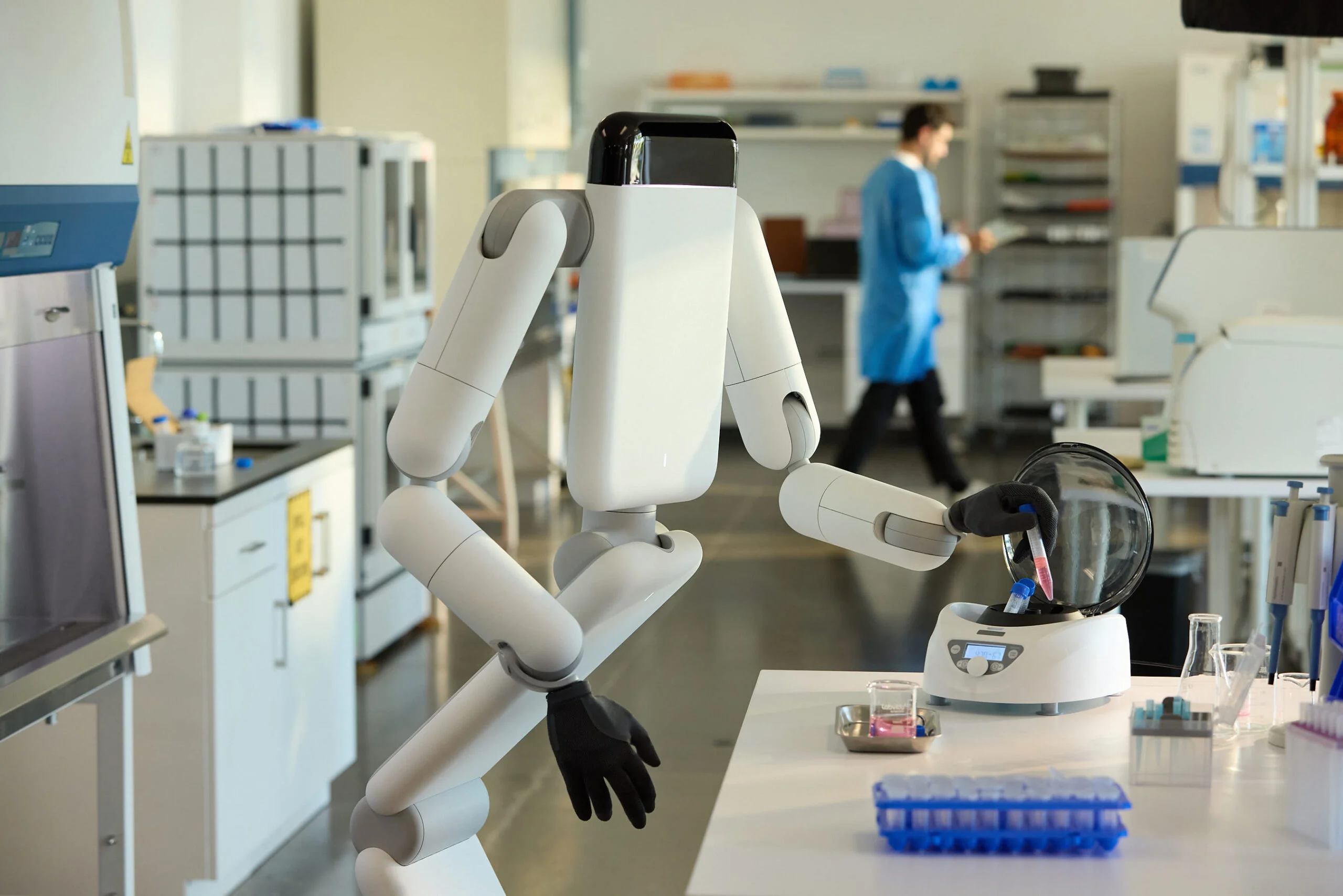
Genesis AI and LG CNS Enter Strategic Partnership to Scale General-Purpose Robotics Across Enterprise Operations
Genesis AI and LG CNS have announced a long-term partnership aimed at assessing and implementing general-purpose robots in manufacturing and logistics sectors across the United States. This collaboration seeks to provide companies globally with a streamlined approach to adopting robotics on an enterprise scale. Zhou Xian, co-founder and CEO of Genesis AI, emphasized the significance of this partnership in facilitating the deployment of advanced robotic solutions. The initiative reflects a growing trend towards automation in various industries, driven by the need for efficiency and innovation in operational processes.
AI AI Funding & Investment AI Use Cases Robotics genseis AI industrial robotics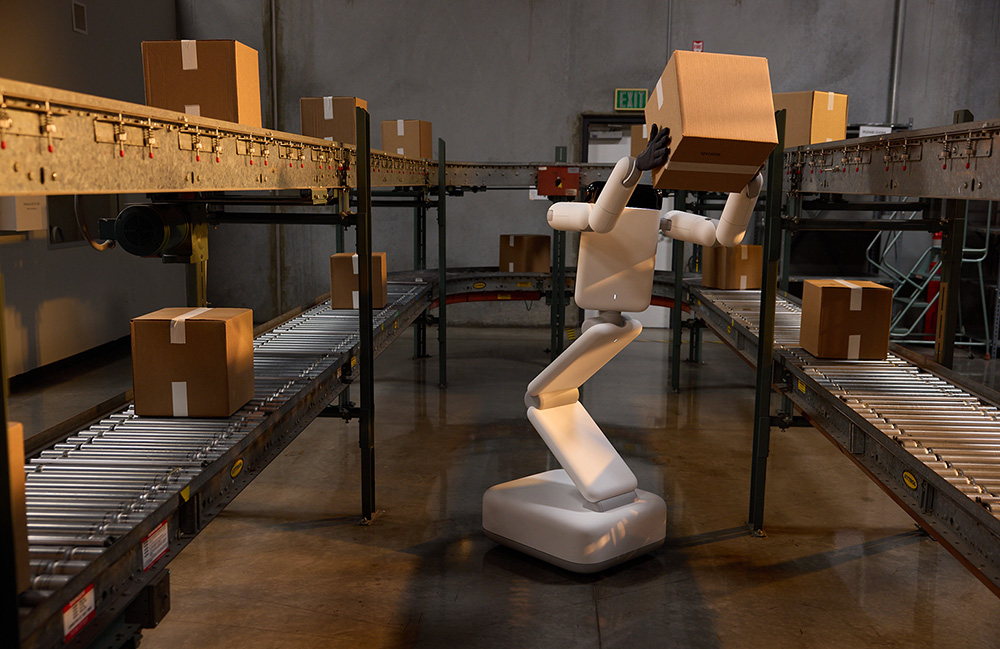
Genesis AI launches Eno general-purpose robot
Genesis AI has announced plans to commence production of its general-purpose robot, Eno, by the end of 2026. The company aims to initiate targeted customer deployments at that time, with plans for home deployments to follow subsequently. This strategic move reflects Genesis AI's commitment to advancing robotics technology and expanding its market presence in the growing field of automation.
Arms / Manipulators Artificial Intelligence Artificial Intelligence / Cognition Autonomous Mobile Robots (AMRs) Design / Development Grippers
Genesis AI and LG CNS Enter Industry-First Strategic Partnership to Scale General-Purpose Robotics Across Enterprise Operations
Genesis has announced a strategic partnership with LG CNS to create a scalable deployment model for full-stack robotics tailored for industrial environments. This collaboration aims to enhance automation capabilities across various sectors, addressing the growing demand for efficient and flexible robotic solutions. The initiative was unveiled on October 15, 2023, and will focus on integrating advanced robotics technology into manufacturing and logistics operations. By leveraging LG CNS's expertise in IT services and Genesis's innovative robotics solutions, the partnership seeks to streamline processes and improve productivity in industrial settings. This development reflects a broader trend in the industry towards adopting sophisticated automation technologies to meet evolving operational needs.
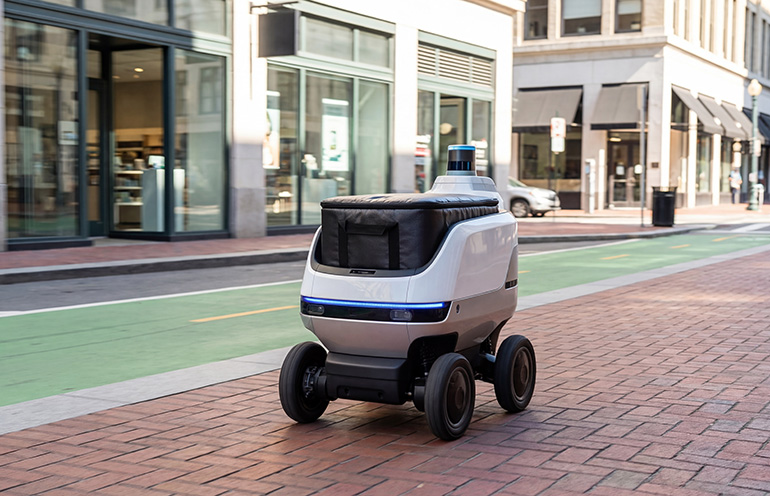
How agentic AI can enable general-purpose robotic navigation
Researchers are exploring the capabilities of agentic AI to enhance robotic navigation by integrating perception, simultaneous localization and mapping (SLAM), reasoning, and planning. This innovative approach aims to improve the performance of robots operating in dynamic environments. The findings were discussed in a recent article published by The Robot Report, highlighting the potential of agentic AI to transform how robots navigate and interact with their surroundings. By leveraging advanced algorithms and technologies, this method seeks to address the challenges faced by robots in real-world scenarios, ultimately paving the way for more versatile and efficient robotic systems.
Artificial Intelligence Artificial Intelligence / Cognition Autonomous Mobile Robots (AMRs) Cameras / Imaging / Vision Mobility / Navigation Motion Control
Spirit AI and Bosch Partner on General-Purpose Robot ‘Universal Brain’
Spirit AI and Bosch China have formed a strategic partnership to integrate embodied AI systems within industrial settings. This collaboration combines Spirit AI’s advanced robotics foundation models with Bosch’s established manufacturing and automation infrastructure. The initiative, announced recently, aims to expedite the implementation of what Spirit AI refers to as a “universal brain” for robots, enhancing their capabilities in various industrial applications. By leveraging each company's strengths, the partnership seeks to revolutionize the efficiency and functionality of robotic systems in manufacturing environments.
AI AI Use Cases Robotics Bosch China Partnership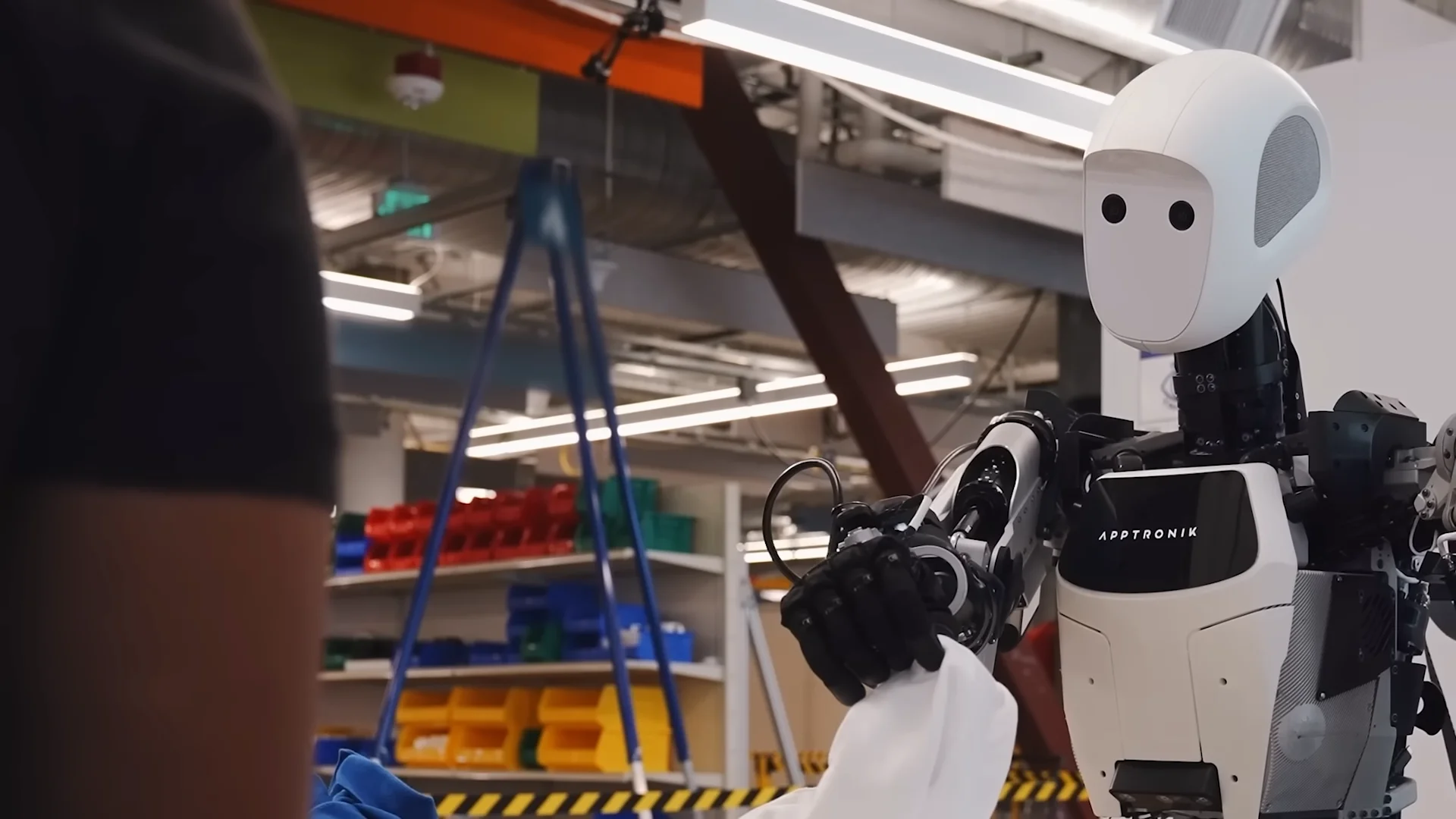
Google DeepMind Robotics Director: We Need "One More Big Breakthrough" to Solve General Purpose Robots
DeepMind's robotics lab recently provided an exclusive behind-the-scenes glimpse into its innovative work, highlighting the development of advanced "thinking" robots capable of long-term planning. This showcase aimed to illustrate the potential of these technologies in real-world applications. However, lab leadership acknowledged that achieving data efficiency is a significant challenge that must be overcome before these robots can be deployed effectively outside of controlled environments. The insights were shared as part of an ongoing effort to advance robotics and artificial intelligence, with the team emphasizing the importance of refining their systems to ensure practical usability in everyday scenarios.
DeepMind Apollo embodied-ai Apptronik
Figure CEO Claims General-Purpose Robots Are Arriving "Next Year"
At the Dreamforce conference, Brett Adcock, CEO of Figure, emphasized that the main challenge in developing humanoid robots lies not in manufacturing but in achieving general intelligence. He expressed optimism about the rapid advancements in the field, suggesting that his company's robots could be capable of performing a variety of tasks in new environments as early as next year. Adcock's remarks highlight the ongoing race in the tech industry to enhance artificial intelligence capabilities, positioning Figure at the forefront of this innovation.
Brett Adcock dreamforce Figure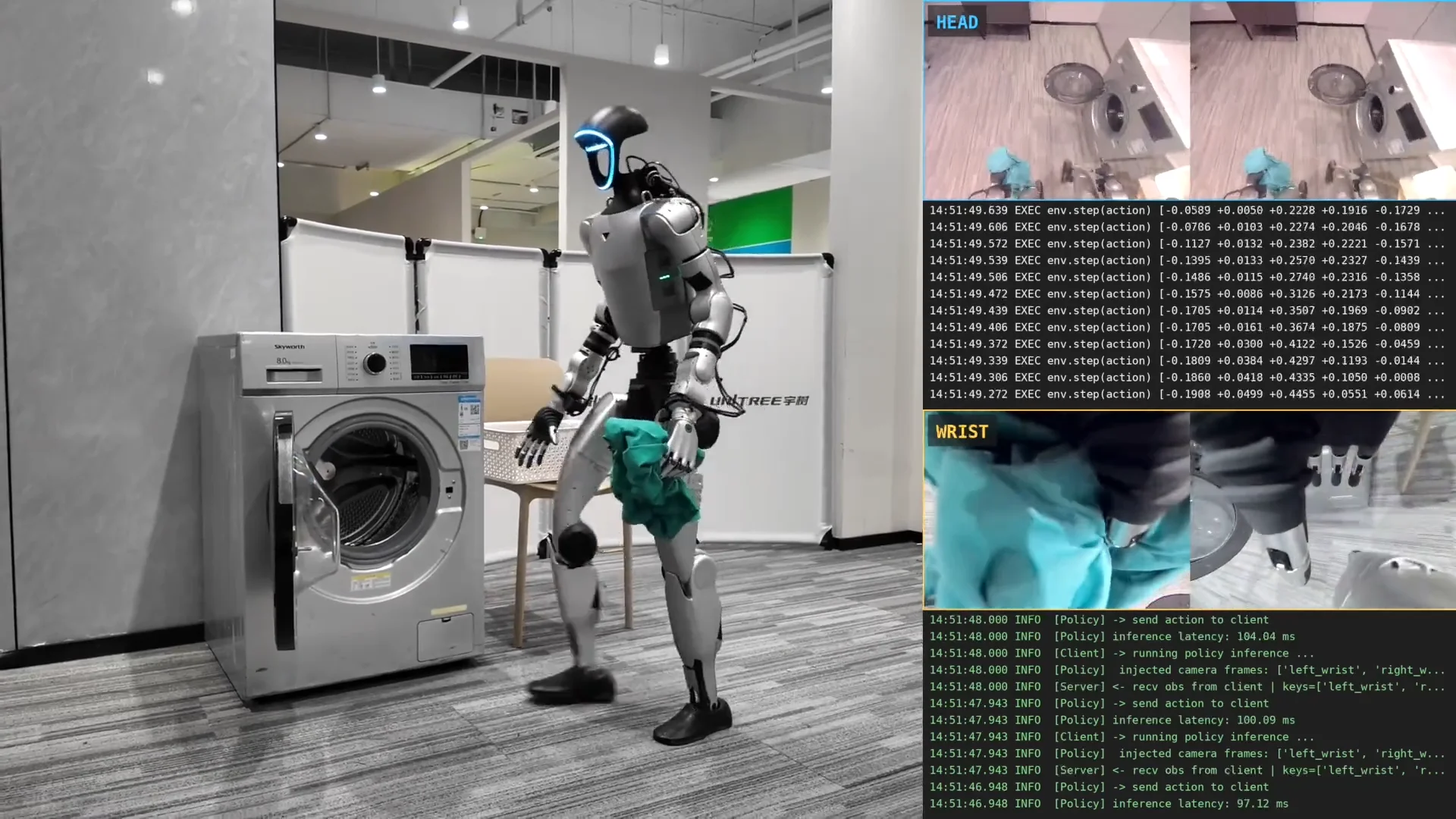
Unitree Robotics Launches UnifoLM-WLA-1.0 to Enhance Humanoid Task Performance
Unitree Robotics has initiated the open release of its UnifoLM-WLA-1.0 model, designed to improve humanoid robots' ability to perform complex tasks such as laundry handling. This model integrates visual understanding, task instructions, and predictive capabilities to enable coordinated movements of the robot's arms and lower body. The significance of UnifoLM-WLA-1.0 lies in its potential to overcome the software limitations that currently restrict many humanoid robots to laboratory settings. With over 18,000 bipedal units manufactured, Unitree aims to enhance the practical applications of its robots in everyday environments, moving beyond mere demonstrations. Looking ahead, Unitree's GitHub repository will serve as a key resource for researchers interested in the model's components, although the complete action model is still pending release. The architecture's focus on scene understanding, interaction prediction, and movement generation will be crucial for future developments in humanoid robotics.
Unitree Robotics open-source China
China's Humanoid Robots Approach Task Generality Milestone for Voice Commands
China is currently the leading exporter of humanoid robots globally, but experts indicate that achieving true task generality remains a challenge. Analysts emphasize that the significant milestone for these robots will be their ability to perform approximately 80% of novel jobs using voice commands alone. This capability is essential for a breakthrough akin to a 'ChatGPT moment' in the robotics sector. The importance of this development lies in the potential for humanoid robots to integrate seamlessly into various work environments, enhancing productivity and efficiency. As the demand for versatile automation solutions grows, the ability of these robots to understand and execute tasks based on voice instructions will be a game changer. This advancement could redefine the roles of humanoids in industries ranging from customer service to manufacturing. Looking ahead, stakeholders should monitor the progress of humanoid robots in achieving task generality. The timeline for reaching the 80% threshold in novel job execution through voice commands remains unclear, with no further details disclosed at the time of publication. Continued advancements in AI and robotics will be crucial in determining the future landscape of humanoid applications.

Computing Power Paradox: General-Purpose Chips in Shortage as Shanghai Zhangjiang Builds China Silicon Photonics Hub
In the midst of ongoing discussions regarding China's computing power dynamics, Shanghai Zhangjiang has established itself as a significant national center for silicon photonics. This development comes as over 20 companies have set up operations in the area, covering the entire value chain of the technology. The rise of Zhangjiang as a hub reflects the country's strategic focus on advancing its capabilities in this critical sector, which is essential for enhancing computing power and addressing potential shortages. The concentration of firms in Shanghai is indicative of a broader push to innovate and strengthen China's position in the global technology landscape.
Technology
UN Secretary-General Condemns 'Killer Robots': Human Decisions Must Remain Central
During the inaugural UN Global Dialogue on AI Governance held in Geneva, Secretary-General António Guterres urged for a unilateral ban on AI-driven autonomous weapons, describing their development as morally repugnant. He stressed the importance of ensuring that decisions regarding human life remain in human hands, a sentiment reminiscent of historical views expressed by Pope Leo XIII. Guterres' call for regulation stands in stark contrast to the U.S. government's current strategy, which aims to accelerate the integration of AI in military applications. This divergence highlights the escalating ethical debate surrounding the use of artificial intelligence in warfare, raising concerns about the implications of allowing machines to make life-and-death decisions.
AI Ethics Autonomous Weapons Military Technology International Relations
General Intuition raises $320M to use video game data to train robots
General Intuition has secured $320 million in funding to enhance its innovative approach to artificial intelligence training for robotics. The company is leveraging video game clips that feature embedded action labels to accelerate the training process for AI systems. This funding will enable General Intuition to further develop its technology, which aims to improve the efficiency and effectiveness of robotic learning. By utilizing the rich data from video games, the company seeks to provide robots with a more nuanced understanding of actions and environments, ultimately advancing the field of robotics. The investment comes at a time when the demand for sophisticated AI solutions in various industries is on the rise, highlighting the potential impact of General Intuition's work in shaping the future of robotics.
Artificial Intelligence Artificial Intelligence / Cognition Design / Development Financial Investments News
From Fortnite to robots: General Intuition raises $2.3B on bet that video games can train AI agents for the real world
General Intuition has successfully secured $320 million in funding to enhance its artificial intelligence capabilities, which are designed to mimic human intuition by leveraging extensive data from millions of hours of gameplay and betting actions. This significant investment aims to propel the development of AI systems that can better understand and predict human behavior in gaming contexts. The funding round, which reflects growing interest in AI applications within the gaming and betting industries, will enable General Intuition to expand its research and development efforts. The company plans to utilize this capital to refine its algorithms and improve the accuracy of its AI models, ultimately striving to create technology that resonates more closely with human decision-making processes.
Startups AI Robotics Fundraising Khosla Ventures AI training data
RoboScience Unveils Visics, a General-Purpose Embodied AI Model
On June 24, RoboScience, a Beijing-based company specializing in embodied intelligence, launched its new general-purpose embodied AI model, Visics. This innovative model is designed to enhance robotic capabilities by integrating advanced perception and decision-making processes. The unveiling took place in Beijing, showcasing Visics' potential applications across various industries, including healthcare, manufacturing, and service sectors. The development of Visics aims to address the growing demand for intelligent automation solutions that can adapt to complex environments and tasks. By leveraging cutting-edge technology, RoboScience seeks to position itself at the forefront of the AI revolution, offering tools that can significantly improve operational efficiency and effectiveness in diverse applications.
EmbodiedAI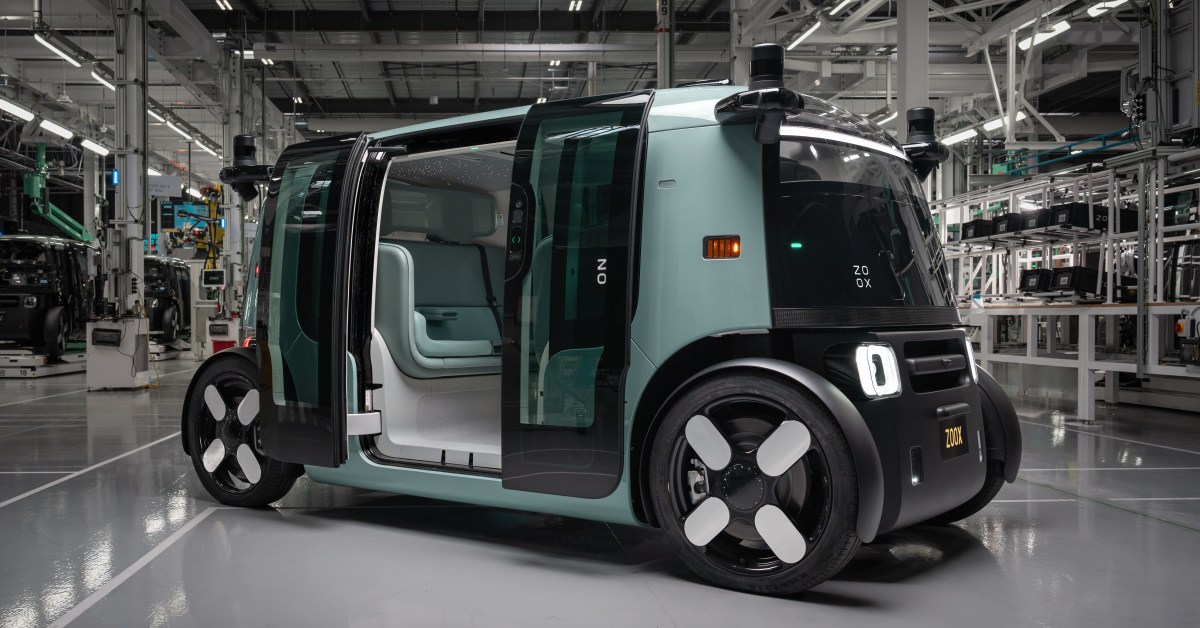
Zoox’s purpose-built robotaxi is getting a refresh
Zoox, the autonomous vehicle subsidiary of Amazon, has introduced an updated design for its bidirectional robotaxi, which it describes as the "next evolution" of the vehicle aimed at mass production. This announcement comes as the company continues to operate a complimentary robotaxi service in cities such as San Francisco, Las Vegas, Austin, and Miami. The rollout of the new vehicle design is part of Zoox's strategy to enhance its offerings while awaiting federal approval for broader operations. The innovative design reflects the company's commitment to advancing autonomous transportation solutions and expanding its market presence.
Amazon Autonomous Cars News Tech Transportation
Advanced Robot-Assisted Knee Replacement Surgery at PLA General Hospital
The orthopedic team at PLA General Hospital has achieved a significant milestone by successfully conducting a complex total knee replacement surgery utilizing the KINOVA® robotic system. The procedure was performed on a 74-year-old man suffering from severe knee deformities. Following the surgery, the patient demonstrated remarkable improvement, benefiting from the precise alignment and positioning of the prosthesis. This outcome underscores the effectiveness of robotic assistance in enhancing the precision and success of complex orthopedic surgeries.
Robotic Surgery Orthopedic Surgery Knee Replacement Medical Technology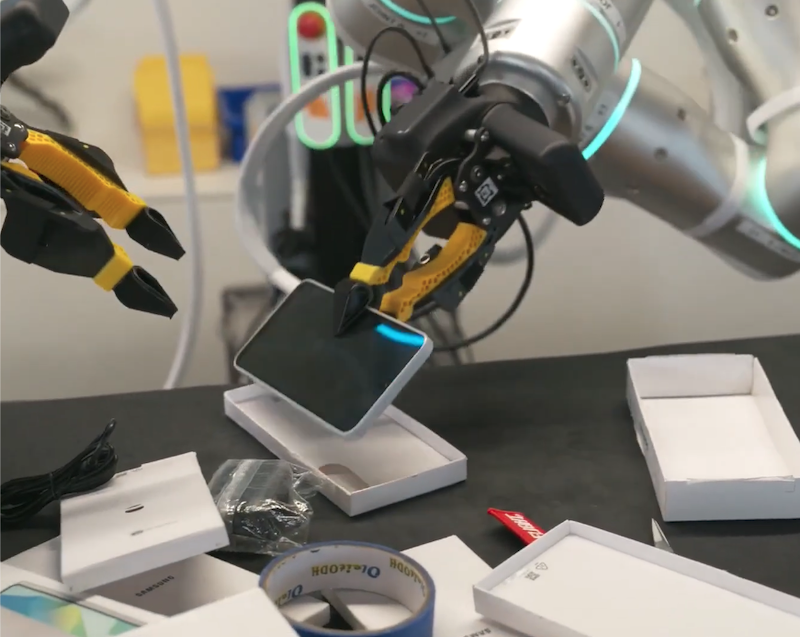
Generalist AI raises $400 million to scale robot intelligence platform
Generalist AI, a startup focused on creating foundation models for robotics, has successfully secured $400 million in a recent funding round. This investment aims to expedite the development of what the company refers to as “physical AGI,” or artificial general intelligence that can function in the physical world through robotic systems. Following this funding, Generalist AI's valuation has reached approximately $2 billion. The influx of capital will enable the company to enhance its research and development efforts, positioning it at the forefront of advancements in robotics and AI technology.
Computing News Software 8VC ai funding AI models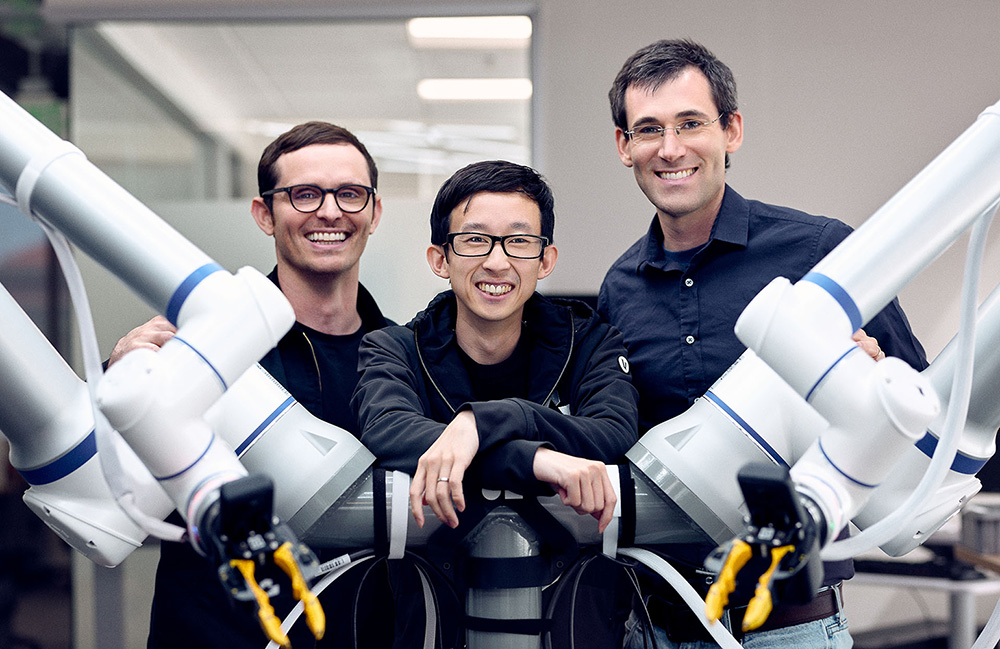
Generalist raises $400M to scale its general-purpose AI models
Generalist has announced a significant funding round, raising $400 million to enhance its general-purpose artificial intelligence models. The company claims that its innovative system has improved average success rates to 99% on tasks where previous models only achieved 64%. This substantial investment aims to scale their technology further, allowing for broader applications and advancements in AI capabilities. The funding is expected to accelerate development and deployment of their models, positioning Generalist as a key player in the rapidly evolving AI landscape.
Artificial Intelligence Artificial Intelligence / Cognition Assembly Design / Development Financial Investments
Germany develops new robotic system to recover and repurpose EV battery cells
German researchers are advancing the development of a robot-assisted system aimed at repurposing old electric vehicle (EV) batteries. This innovative project, which is currently underway, seeks to address the growing challenge of battery waste as the demand for electric vehicles continues to rise. By creating a more efficient method for recycling and reusing these batteries, the researchers hope to contribute to sustainability efforts and reduce environmental impact. The system utilizes robotic technology to streamline the disassembly and refurbishment processes, ensuring that valuable materials can be extracted and reused effectively. This initiative not only aims to extend the life cycle of EV batteries but also to promote a circular economy within the automotive industry. The project is part of a broader effort in Germany to lead in green technology and sustainable practices, reflecting the country’s commitment to environmental innovation.

The Adcock Triad: Inside the $1M-a-Month Sprint to General Robotics
In a recent interview with Molly O’Shea, Brett Adcock, CEO of Figure, discussed the ambitious strategy behind his rapidly expanding robotics company. Adcock revealed his plans for aggressive vertical integration, which aims to consolidate various aspects of robotics development under one roof. He also addressed his decision to part ways with OpenAI, highlighting the shift in direction for his company. Adcock is currently focused on building three distinct companies simultaneously, a move he believes will enhance innovation and efficiency within the robotics sector. This interview sheds light on the future of Figure and the evolving landscape of artificial intelligence and robotics as Adcock navigates these significant changes.
Brett Adcock US Figure Figure-03
Accenture Invests in General Robotics to Accelerate AI-Powered Autonomous Operations
Accenture Ventures has announced its investment in General Robotics, a company known for its innovative GRID platform. This platform aims to integrate robots from various manufacturers, enhancing their capabilities through deployable artificial intelligence. The collaboration seeks to advance autonomous operations within industrial settings, streamlining processes and improving efficiency. The investment reflects Accenture's commitment to fostering technological advancements that can transform industries and drive productivity. By leveraging General Robotics' expertise, the partnership is poised to facilitate a new era of automation, enabling businesses to harness the full potential of multi-manufacturer robotics in their operations.
Factory / RoboticsRobotics needs a service framework.
RSF defines a common language for robot service capability, lifecycle operations, certification pathways, and service-provider networks.
Join the RobotToday community on LinkedIn
Daily robotics news, in-depth analysis, conference highlights, and discussions with professionals worldwide.