

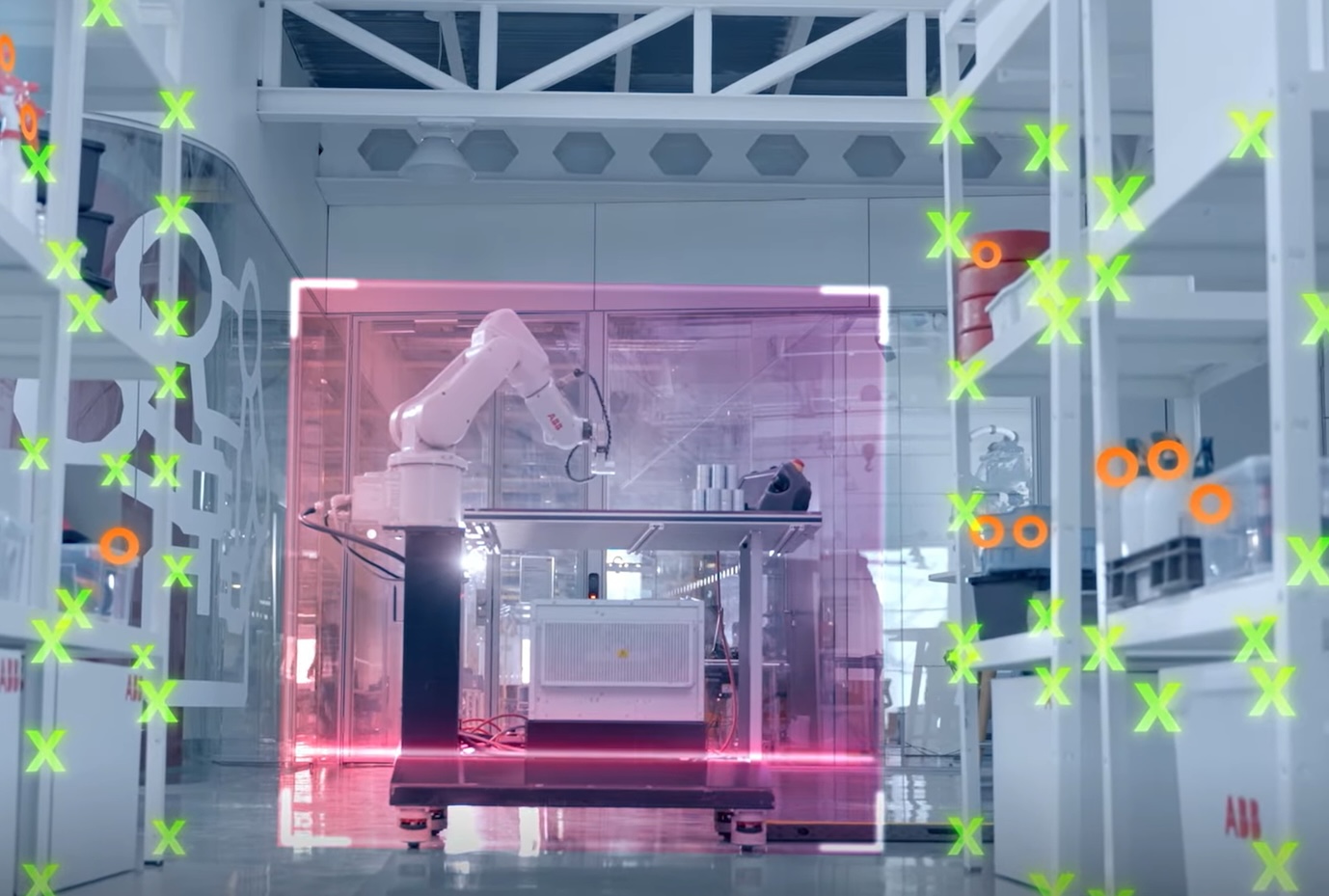
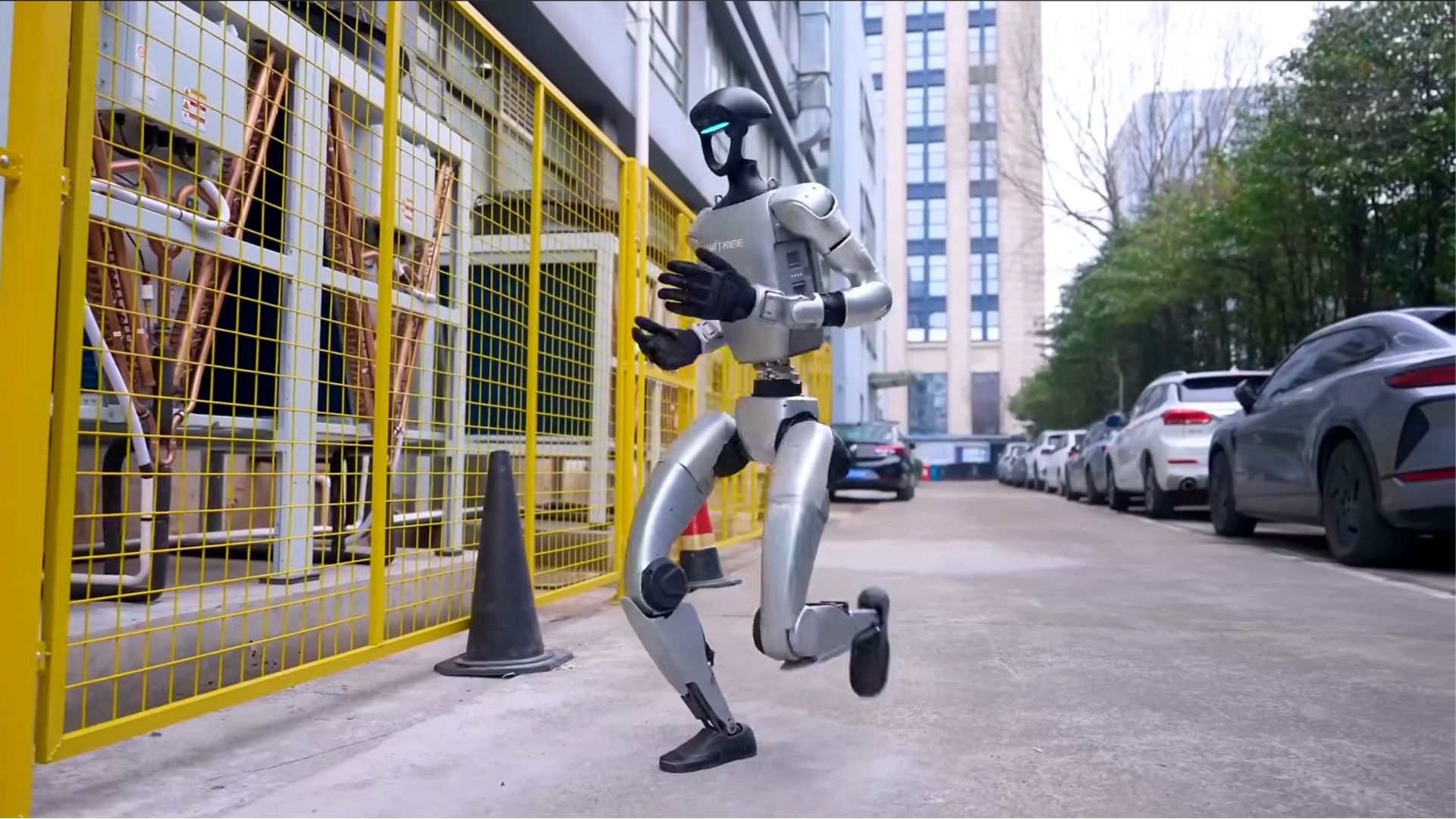
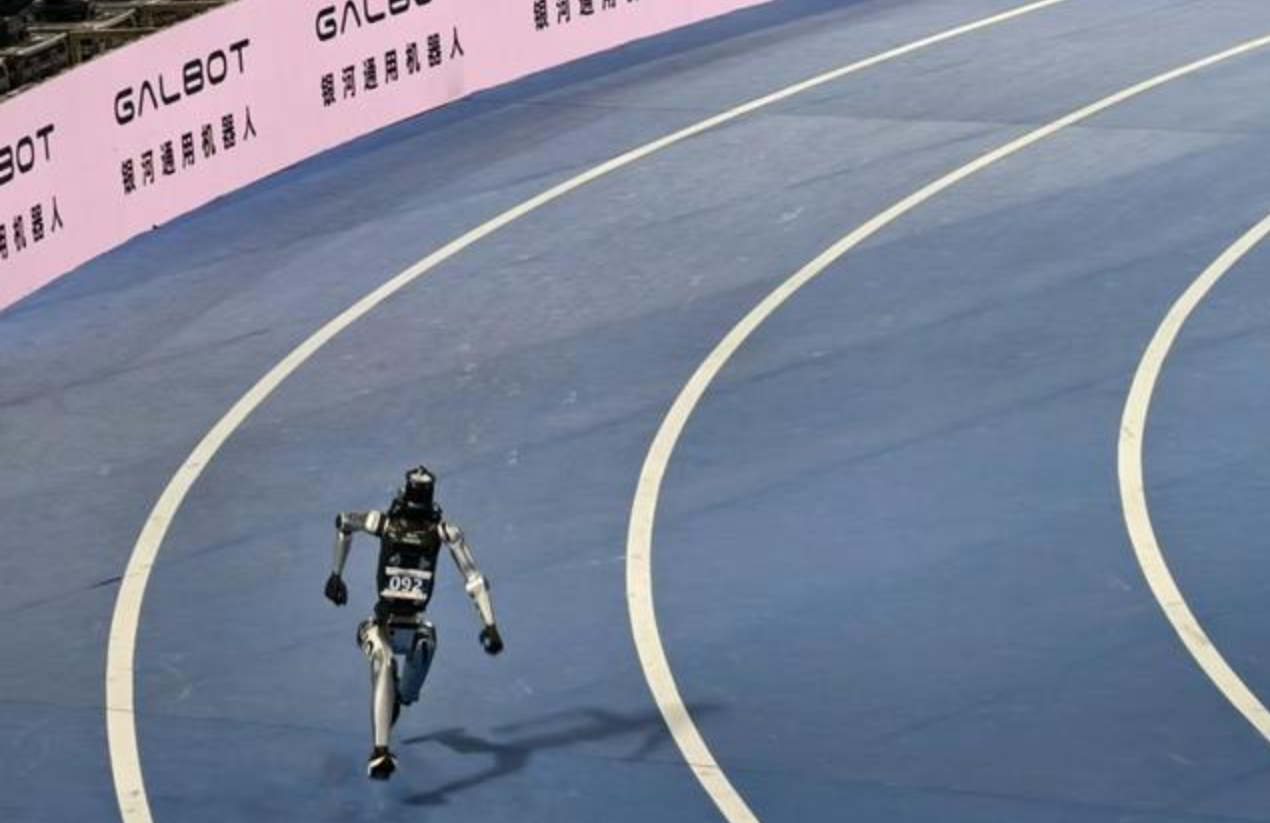
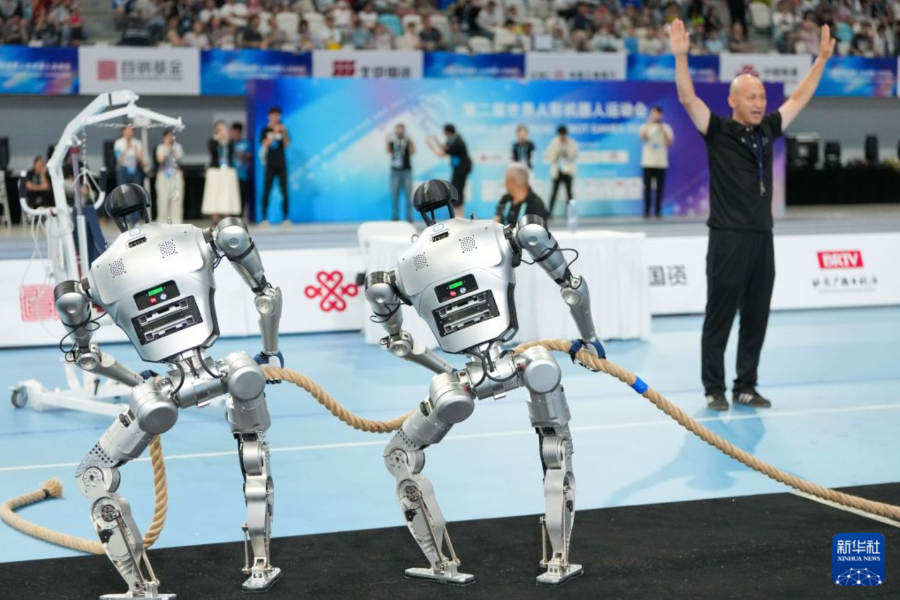
Humanoid robots are experiencing a significant transition from specialized acrobatic capabilities to more generalized functionalities. This evolution is crucial as it enhances their applicability across various sectors, including healthcare, manufacturing, and service industries. The shift towards generality in humanoid robots indicates a growing trend in robotics, where versatility and adaptability are becoming essential traits.
This development matters because it opens new avenues for humanoid robots to perform tasks that were previously thought to be exclusive to humans. By moving beyond acrobatic feats, these robots can now engage in more complex interactions and assist in diverse environments. This shift is expected to drive further investment and research in the field, fostering innovation and collaboration among industry players.
Looking ahead, it will be important to monitor advancements in humanoid robotics, particularly in their ability to integrate into everyday life and work alongside humans. The ongoing research and development efforts will likely lead to breakthroughs that enhance their functionality and usability. No further timeline was disclosed at the time of publication.
Editor's Note
The transition of humanoid robots from specialized tasks to more generalized capabilities reflects a broader trend in robotics towards increased versatility. This shift is significant for industries looking to integrate robots into diverse roles, enhancing productivity and efficiency. As humanoid robots become more adaptable, organizations must consider the implications for workforce dynamics and technology adoption.




























Leave a comment