Industry Briefing
A single destination for timely, editor-curated robotics news from around the world.

Rui Erman Establishes Data Training Facility in Changzhou with 150 Robots Generating 2GB Data Per Minute
Rui Erman has launched a data training facility in Changzhou, equipped with 150 robots capable of generating 2GB of raw data per minute. This facility features two main areas: a basic motion training zone for fundamental robotic actions and a scenario application area designed for diverse operational contexts such as home, industrial, and retail environments. The significance of this initiative lies in addressing critical challenges in the robotics industry, including the scarcity of high-quality real-world data and the high costs associated with data collection. Rui Erman is actively involved in developing standards for data collection, ensuring compliance with the MCAP standard, which emphasizes data accuracy and synchronization. Looking ahead, Rui Erman aims to transition robots from controlled environments to real-world applications, enhancing data collection efficiency. The company is focused on achieving a significant reduction in robot costs to facilitate widespread adoption in households and factories. No further timeline was disclosed at the time of publication.
Data Collection Robotics Machine Learning AI Standards
Maven Robotics Secures $100 Million Funding to Expand General-Purpose Industrial Robots
Maven Robotics has officially launched, announcing $100 million in Series A funding from investors including RoboStrategy, LocalGlobe, Vine Ventures, and XTX Ventures. The company specializes in designing, building, and deploying intelligent robotics tailored for logistics and manufacturing applications. This funding is significant as it positions Maven Robotics to scale its operations and enhance its innovative general-purpose robotics systems. Founded in 2024, the company aims to revolutionize the industrial sector by providing versatile robotic solutions that can adapt to various tasks within logistics and manufacturing environments. Looking ahead, industry observers will be keen to see how Maven Robotics utilizes this funding to accelerate product development and market penetration. No further timeline was disclosed at the time of publication.
Industry News Robotics Autonomous robots general purpose robots industrial robotics
General Atomics Unveils Wildfire Drone with 9,200-Mile Range and Anti-Ship Missile Capability
General Atomics Aeronautical Systems Inc. (GA-ASI) has introduced its Wildfire unmanned aircraft, designed as a faster and more cost-effective alternative to the MQ-9A Reaper. The Wildfire aims to fulfill the Pentagon's Massed Modular Aircraft (MMA) program requirements, supporting long-endurance missions and potential civil applications. The significance of the Wildfire lies in its ability to perform reconnaissance and strike missions, traditionally managed by the Reaper, while also being suitable for commercial cargo transport. GA-ASI President David Alexander emphasized the aircraft's design for high-demand missions and cost-conscious customers, highlighting its flexibility and scalability. Looking ahead, the Air Force has set a fiscal 2031 target for the MMA program, with an aim for 20 mission-ready aircraft. GA-ASI asserts that the Wildfire could enter service ahead of schedule and produce more than twice the number of aircraft within the same timeframe, reflecting the military's shift towards lower-cost unmanned systems. No further timeline was disclosed at the time of publication.
Military
GEAIR 2.0 Demonstrates Genetically Modified Tomatoes to Boost Agricultural Robot Efficiency
On September 7, at the Beijing Seed Industry Conference, the GEAIR 2.0 system from the Institute of Genetics and Developmental Biology showcased its capabilities. The robotic arm efficiently pollinates flowers in under ten seconds, achieving a 92.8% accuracy in identifying flower structures, a 7.8% improvement over its predecessor. This advancement highlights the potential of genetically modified tomatoes to enhance agricultural robotics. The significance of this development lies in the concept of crop-robot co-design, where the focus shifts from adapting machines to the existing plant structures to modifying the plants to work better with robots. This approach addresses the challenges faced by agricultural robots in greenhouses, where traditional methods have struggled due to plant design hindrances. The global market for robotic pollination is projected to grow significantly, reaching approximately $847 million by 2025 and $3.2 billion by 2033. Looking ahead, two key areas warrant attention: the potential for crop-robot co-design to be applied to other crops, such as soybeans, and the regulatory pathways for gene-edited crops in China. The success of GEAIR 2.0 could prompt a reevaluation of the agricultural robotics industry, emphasizing a collaborative approach between machines and crops, which could redefine the future of agricultural practices.
Agricultural Robotics Genetic Engineering Crop-Robot Co-Design Pollination Technology
General Atomics Introduces 'Wildfire' Drone to Succeed MQ-9A Reaper
General Atomics has unveiled its new drone design, 'Wildfire', aimed at replacing the MQ-9A Reaper. This drone is being pitched for the Massed Modular Aircraft program, which is managed by the Air Force and the Defense Innovation Unit. The introduction of 'Wildfire' is significant as it is designed to exceed the requirements established by the Pentagon for the next generation of military drones. This advancement reflects the ongoing evolution in drone technology and military capabilities, particularly in response to modern warfare demands. Looking ahead, the performance and specifications of 'Wildfire' will be closely monitored as it undergoes evaluation for the Massed Modular Aircraft program. No further timeline was disclosed at the time of publication.
Air Warfare AFA 2026 Air Force collaborative combat aircraft Defense Innovation Unit Drones
Maven Robotics Secures $100 Million Series A for Innovative General-Purpose Industrial Robotics System
Maven Robotics, an intelligent industrial robotics company, has announced the completion of a $100 million Series A funding round. This funding was secured from notable investors including RoboStrategy, LocalGlobe, Vine Ventures, and XTX Ventures. The company aims to revolutionize material handling and assembly tasks with its innovative robotics solutions. The significance of this funding lies in Maven Robotics' ambition to achieve 1 million hours of autonomous real-world operations. As the creator of the world's first general-purpose robotics system for industrial work, Maven is poised to make a substantial impact on logistics and manufacturing sectors. This investment will support the development and deployment of their intelligent robotics technology. Looking ahead, industry observers should monitor Maven Robotics' progress in scaling its operations and the adoption of its robotics systems in various industrial applications. No further timeline was disclosed at the time of publication.

Understanding the Distinction Between Embodied Intelligence and Generalization in Robotics
Recent discussions at technology forums have highlighted the disparity between demonstrations of robotic capabilities and the reality of embodied intelligence. While large models can achieve a 50% task success rate, physical robots struggle to deliver similar results, revealing a fundamental gap between digital and physical realms. Xu Huazhe, founder of Breakthrough Robotics, emphasized two distinct commercialization paths: the post-training route, which offers short-term cash flow but limited generalization, and the large model approach, which aims for broader capabilities but lacks immediate economic returns. The significance of these insights lies in understanding that successful demonstrations in controlled environments do not equate to the commercial viability of general embodied intelligence. The post-training approach can yield high success rates in specific scenarios but requires extensive reconfiguration for new tasks, while the large model route faces challenges in achieving acceptable performance in the unpredictable physical world. This highlights a critical misconception: achieving near-perfect results in closed environments does not guarantee success in open, real-world applications. Moving forward, it is essential to recognize the resource conflicts between these two paths. Companies often find themselves in a dilemma, trying to balance short-term revenue from customized projects with the long-term goal of developing general intelligence. The industry must focus on advancing foundational models to handle diverse, non-predefined tasks, rather than relying solely on tailored solutions for immediate survival. No further timeline was disclosed at the time of publication.
Embodied Intelligence Robotics Automation AI Machine Learning
General Robotics Achieves Milestone with GRID for Automating Robot Development Lifecycle
General Robotics has announced a significant advancement for GRID, its robot intelligence platform. This platform is designed to automate the entire lifecycle of robot development and deployment, enhancing efficiency and effectiveness in the process. GRID operates as an agentic system, continuously improving itself and the robots connected to it, which is crucial for the future of robotics. The importance of this development lies in GRID's ability to auto-engineer its processes, including robot onboarding and skill deployment. This capability not only streamlines operations but also allows for rapid adaptation to new tasks and environments, making it a vital tool for industries relying on robotic automation. As companies increasingly seek to integrate advanced robotics into their operations, GRID positions itself as a leader in this transformative technology. Looking ahead, stakeholders in the robotics and automation sectors should monitor further developments from General Robotics regarding GRID. The potential for this platform to redefine how robots are developed and deployed could have far-reaching implications for various industries. No further timeline was disclosed at the time of publication.
AI agents Computing News agentic ai artificial intelligence fanuc
General Atomics Unveils Wildfire Drone as MQ-9 Reaper Successor
General Atomics has introduced its new Wildfire drone design, aimed at fulfilling U.S. Air Force requirements for a cost-effective successor to the MQ-9A Reaper. This medium-altitude, long-endurance (MALE) uncrewed aircraft features a pusher-prop design similar to the Reaper but lacks its distinctive hump, suggesting potential advancements in communication technology. The Wildfire drone is designed to carry four Joint Strike Missile (JSM) cruise missiles, enhancing its capabilities for anti-ship and land-attack missions. General Atomics aims to deliver a platform that not only meets the Air Force's needs but also offers improved performance and affordability compared to the Reaper, which is now out of production. Looking ahead, General Atomics is focused on refining the Wildfire's capabilities, including its range and semi-autonomous control features. No further timeline was disclosed at the time of publication.
Air Air Forces Drones News & Features Q-9 U.S. Air Force
General Robotics GRID Achieves Milestone as First Auto-Engineering Robot Intelligence Platform
General Robotics has announced a significant advancement for its GRID platform, which now auto-engineers its entire development and deployment lifecycle. This milestone allows GRID to streamline processes from robot onboarding to skill deployment, significantly reducing the time and expertise needed for production. The importance of this development lies in its potential to accelerate the transition from pilot projects to full-scale production for customers. By automating the engineering processes, GRID enhances the efficiency of skill creation, AI training, testing, and evaluation, making it easier for organizations to implement robotic solutions. Looking ahead, the industry will be watching how this innovation impacts the adoption of robotics in various sectors. General Robotics' ability to simplify the integration of robots into production environments could set a new standard for robot intelligence platforms. No further timeline was disclosed at the time of publication.

DeepSeek Expands Engineering Team by 150 as ByteDance Accelerates Video Generation
DeepSeek has announced a significant expansion of its engineering team, adding 150 new engineers to enhance its capabilities in AI and robotics. This move reflects the growing demand for advanced AI solutions in various sectors, particularly in the development of large models that go beyond traditional parameter counts. The expansion is crucial as it positions DeepSeek to better compete in the rapidly evolving AI landscape, where companies are increasingly focusing on innovative applications of technology. By bolstering its workforce, DeepSeek aims to accelerate the development of its products and services, particularly in the realm of video generation, where ByteDance is also making strides. Looking ahead, industry observers will be keen to see how this recruitment drive impacts DeepSeek's product offerings and market position. No further timeline was disclosed at the time of publication.
Robotics Automation AI
Insights from the 2026 World Robot Conference: Specialized Robots Gain Traction Over General-Purpose Models
At the 2026 World Robot Conference, a clear trend emerged indicating that the embodied intelligence industry is shifting focus from creating general-purpose robots to developing specialized solutions that deliver real value in specific scenarios. Innovations in areas such as garment sewing, biomedical applications, and airport luggage handling highlight this transition. The significance of this shift lies in the ability of specialized robots to address industry-specific challenges, such as labor shortages and rising costs in garment production. For instance, Aitu's humanoid robot is designed solely for garment sewing, showcasing its capability to autonomously identify fabrics and perform precise stitching without the need for constant reprogramming. Looking ahead, the conference revealed advancements in collaborative robotics, with companies exploring multi-robot systems for enhanced efficiency. Notably, Xingyuan Intelligence demonstrated a novel multi-robot collaboration in a jumping rope task, indicating a trend towards more complex interactions among robots. No further timeline was disclosed at the time of publication.
Specialized Robots Industrial Automation Biomedical Robotics Robotic Collaboration
Retrofitting Non-Powered Dams Could Generate 15.2 TWh of Electricity Annually
Recent research indicates that retrofitting selected non-powered dams in the United States could yield up to 15.2 terawatt-hours of electricity each year, enough to power over 1.4 million homes. This finding stems from a study by Oak Ridge National Laboratory and Idaho National Laboratory, utilizing the HydroGenerate software to model power production based on turbine performance and hydraulic head. The significance of this research lies in its potential to enhance the U.S. energy portfolio, as only 3 percent of domestic dams currently generate power. The study identified a total potential capacity of 4 gigawatts across more than 2,600 non-powered dams, with federal facilities accounting for 86 percent of this capacity. This innovative approach addresses previous limitations in hydropower assessments by incorporating actual site conditions and operational constraints. Looking ahead, the research team is preparing for the next phase of the project, which aims to further explore the feasibility of retrofitting these dams. The HydroGenerate software and related resources are available for project developers to conduct independent analyses, potentially leading to significant advancements in renewable energy generation from existing infrastructure.
Energy
Human Motion Genes Enhance Robot Performance at World Humanoid Robot Games
At the second World Humanoid Robot Games, a humanoid robot named 'Galaxy Star' showcased its skills by successfully returning a tennis ball, demonstrating advanced motion capabilities. The event featured 2,056 robots from 16 countries competing in 1,301 matches over five days, highlighting the growing importance of robotics in sports. The significance of this event lies in the integration of motion capture technology, which serves as an essential tool for training and performance analysis. Companies like Chingmu provided high-precision tracking and data collection, enabling robots to learn from their movements and improve their performance in real-time. Looking ahead, the application of motion capture technology is expected to extend beyond tennis and table tennis to other dynamic sports. The ability to collect detailed motion data from top athletes will continue to be a crucial pathway for robots to master complex athletic skills, enhancing their competitive edge in future events.
Humanoid Robots Motion Capture Technology Robotics Training Sports Robotics
Galaxy General Achieves 100% Championship Rate at World Humanoid Robot Games
On August 22, 2026, the second World Humanoid Robot Games opened at the National Speed Skating Hall in Beijing, featuring a tennis match between a renowned Chinese player and Galaxy General's tennis robot. The competition showcased the robot's impressive skills, setting the stage for a more rigorous evaluation of embodied intelligence over the following five days. By August 26, Galaxy General emerged victorious, winning all gold medals in three high-stakes scenario competitions, achieving a 100% championship rate. Notably, the company dominated the retail sector, securing all podium positions, making it the most successful autonomous competitor in this event. The results highlight the potential for robots to transition from laboratory settings to real-world applications. The competition's rules favored autonomous operation, with a higher weight assigned to autonomous mode scores. Despite this, many teams opted for remote control to mitigate risks. Galaxy General, however, chose to compete entirely in autonomous mode using its proprietary AstraBrain model, demonstrating its robots' ability to handle complex tasks efficiently and reliably across diverse scenarios.
Humanoid Robots Autonomous Robotics AI Robot Competitions
Fujitsu Partners with General Atomics for UAV Maintenance in Japan
Fujitsu has entered into a memorandum of understanding with General Atomics Aeronautical Systems to provide maintenance for surveillance drones in Japan. This collaboration comes as Japan enhances its maritime surveillance capabilities within its exclusive economic zone, reflecting a strategic shift in defense operations. The partnership is significant as it aligns with Japan's increasing focus on drone technology to bolster national security and maritime monitoring. The deal highlights the growing importance of UAVs in defense strategies, particularly in response to regional security challenges. Looking ahead, industry observers will be keen to see how this partnership develops and its impact on Japan's defense capabilities. No further timeline was disclosed at the time of publication.

Humanoid Robots Reach an Inflection Point from Acrobatics to Generality
Humanoid robots are experiencing a significant transition from specialized acrobatic capabilities to more generalized functionalities. This evolution is crucial as it enhances their applicability across various sectors, including healthcare, manufacturing, and service industries. The shift towards generality in humanoid robots indicates a growing trend in robotics, where versatility and adaptability are becoming essential traits. This development matters because it opens new avenues for humanoid robots to perform tasks that were previously thought to be exclusive to humans. By moving beyond acrobatic feats, these robots can now engage in more complex interactions and assist in diverse environments. This shift is expected to drive further investment and research in the field, fostering innovation and collaboration among industry players. Looking ahead, it will be important to monitor advancements in humanoid robotics, particularly in their ability to integrate into everyday life and work alongside humans. The ongoing research and development efforts will likely lead to breakthroughs that enhance their functionality and usability. No further timeline was disclosed at the time of publication.
Editorial
Generalist Achieves $3 Billion Valuation Following $200 Million Funding Round
Generalist, a robotics startup, has reached a valuation of $3 billion after securing nearly $200 million in additional funding led by 8VC. This new capital is part of a larger $600 million funding round that includes a previously announced $400 million Series B led by Radical Ventures. The funding reflects growing investor confidence in the robotics sector, particularly in AI-driven technologies. The significance of this funding lies in Generalist's development of an AI foundation model designed to enhance robotic capabilities. The startup's Gen 1.5 model allows robots to learn new tasks from brief video demonstrations, showcasing the potential for rapid adaptation in robotic applications. This advancement positions Generalist among competitors like Physical Intelligence and Skild AI, which are also pursuing similar innovations in robotics. Looking ahead, the surge in funding indicates a belief among investors that robotics may soon experience a transformative breakthrough akin to the “ChatGPT moment.” However, challenges remain, as experts caution that achieving a truly general robotics model may take several more years due to inherent limitations in training methodologies.
AI Robotics 8VC Exclusive radical ventures
Generative AI Develops New Bacteriophage Genomes to Combat E. coli Resistance
A generative AI has successfully created novel bacteriophage genomes, leading researchers to identify 16 functional phages. This breakthrough demonstrates a promising AI-driven strategy to address the growing issue of bacterial resistance, particularly against E. coli. The significance of this development lies in its potential to enhance treatment options for infections caused by antibiotic-resistant bacteria. As bacterial resistance continues to rise, innovative solutions like AI-generated bacteriophages could play a crucial role in public health and medical treatments. Looking ahead, the focus will be on further validating the effectiveness of these bacteriophages in clinical settings. No further timeline was disclosed at the time of publication.

General Intuition Secures $6B Valuation with Support from Valor and Point72 Ventures
General Intuition, based in New York, is in discussions to secure funding at a $6 billion pre-money valuation, with participation from Valor Equity Partners and Point72 Ventures. This follows a recent $320 million funding round at a $2.3 billion valuation, highlighting the startup's rapid growth in the physical AI sector. The significance of this funding lies in General Intuition's innovative approach to developing generalized AI agents capable of navigating complex environments. CEO Pim de Witte's strategy leverages extensive gameplay data to enhance the AI's learning capabilities, which investors believe will be crucial for the model's ability to generalize across various tasks. As General Intuition finalizes this funding round, which is reportedly oversubscribed, the company plans to allocate resources toward improving its general model and expanding its compute infrastructure. The involvement of notable investors like Valor Equity Partners marks a significant milestone for the startup as it aims to advance its robotics initiatives. No further timeline was disclosed at the time of publication.
AI Fundraising Venture Exclusive general intuition Point72 Ventures
Alibaba Cloud Introduces Wan3.0 Video Generation Model with 30-Second Clips
Alibaba Cloud has launched Wan3.0, a new video-generation model capable of producing clips up to 30 seconds long. This model accepts various document formats, including DOC, XLS, PPT, PDF, and Markdown, as input. Wan3.0 had been in public beta since early August, allowing users to test its capabilities. The introduction of Wan3.0 is significant as it enhances the video generation process by improving instruction following, shot consistency, and audio quality. This advancement positions Alibaba Cloud as a competitive player in the video generation market, catering to businesses looking for efficient content creation solutions. From August 24 to September 23, selected platforms will provide a temporary 30% discount on Wan3.0 API pricing. This promotional offer may attract more users to explore the model's features and capabilities, potentially leading to increased adoption in various sectors. No further timeline was disclosed at the time of publication.
News Feed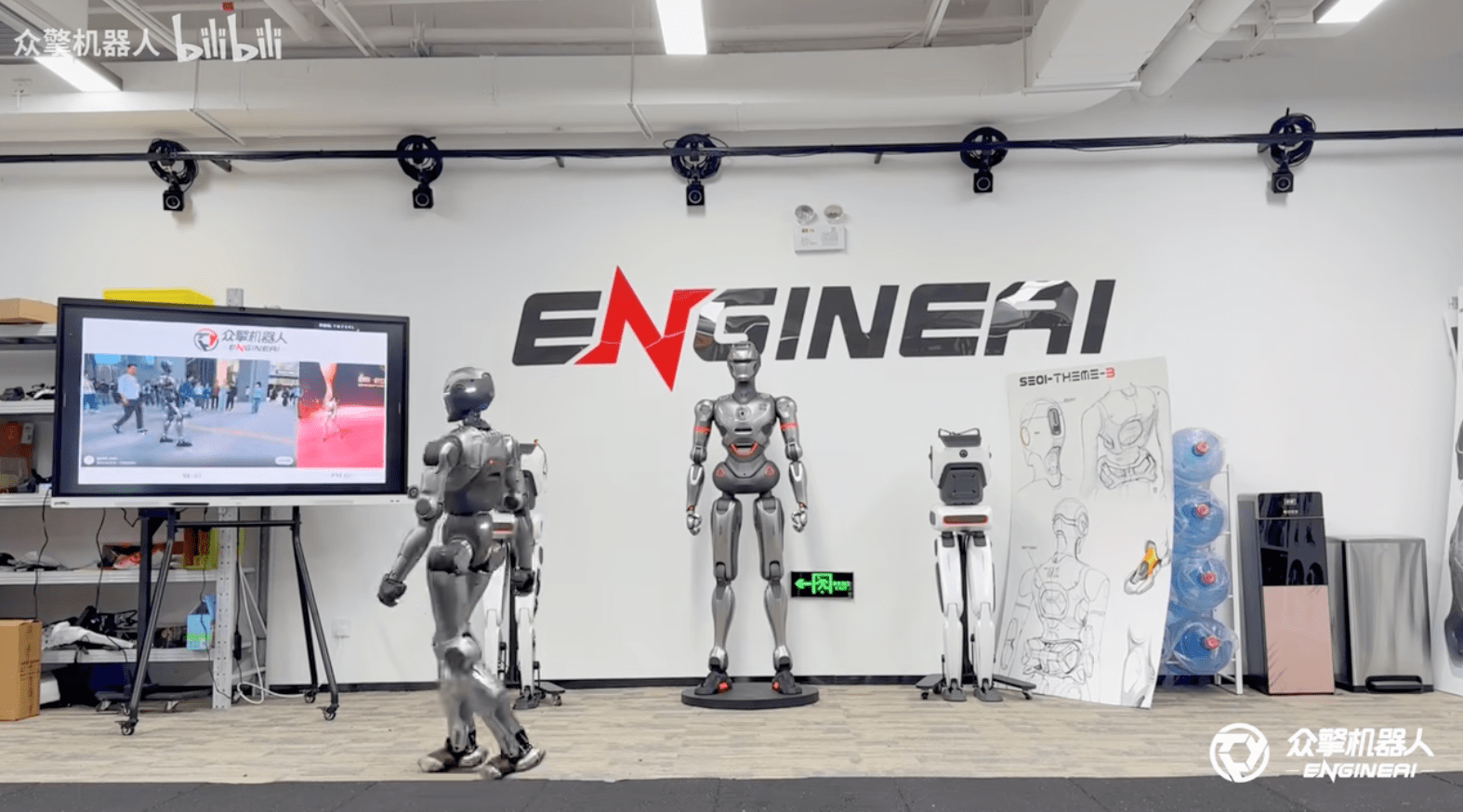
ENGINEAI Reports General-Purpose Humanoid Robot Costs Drop Below RMB100,000
ENGINEAI, a humanoid robot manufacturer based in Shenzhen, has announced that the cost of its general-purpose humanoid robots has decreased to below RMB100,000 per unit. This significant reduction marks a shift from three years ago when similar robots were priced over RMB1 million. The CEO of ENGINEAI, Zhao Tongyang, emphasized that this pricing pertains to robots intended for practical applications in factories and households, distinguishing them from lower-cost toy models. This development highlights the growing accessibility of advanced robotics technology for various sectors. Looking ahead, the industry may witness further advancements in humanoid robotics as costs continue to decline. No further timeline was disclosed at the time of publication.
News Feed
General Atomics Introduces Wildfire Drone with 11,500-Mile Range and Anti-Ship Missile Capability
General Atomics has announced the Wildfire, a new long-range unmanned aircraft concept designed to meet modern drone warfare demands and potentially succeed the MQ-9 Reaper. This Unmanned Aerial System (UAS) aims to fulfill the Pentagon's requirements for medium-altitude, long-endurance aircraft capable of intelligence, surveillance, reconnaissance, and strike missions. The Wildfire is being developed with a 10,000-nautical-mile ferry range and the capacity to carry up to four AGM-158C Long Range Anti-Ship Missiles (LRASM). It is also designed to coordinate swarms of up to 100 aircraft under semi-autonomous control, addressing the Pentagon's evolving airpower strategy that anticipates losses in high-end conflicts. The Pentagon's Massed Modular Aircraft (MMA) program seeks cost-effective, modular unmanned aircraft capable of operating in significant numbers. General Atomics aims to meet these requirements, with prototype flight testing expected to begin within 21 months of contract award, targeting initial operational capability by fiscal year 2031.
Military
Generalist AI Launches GEN-1.5: A Breakthrough in One-Shot Robot Learning
Generalist AI has introduced GEN-1.5, an advanced embodied foundation model capable of one-shot learning for dexterous tasks. This model can learn new behaviors with just 3 to 12 seconds of sensorimotor demonstration data, eliminating the need for gradient updates. The model's performance shows a 59% success rate in ten manipulation tasks through one-shot prompting, which can be improved to 83% with fine-tuning. The significance of GEN-1.5 lies in its ability to adapt quickly to new tasks with minimal training, representing a shift towards real-time adaptability in robotics. The model has been continuously trained for over eight months, leading to improvements in data absorption and compute efficiency. This efficiency is crucial as it reduces the traditionally high computational demands for training robotic models. Looking ahead, GEN-1.5's compositional generalization allows it to chain distinct tasks into longer skills autonomously. Additionally, its zero-shot sim-to-real transfer capability enables it to perform tasks based solely on simulated prompts. While the company acknowledges that skills learned in-context are less robust than those from fine-tuning, the model's improvisational abilities demonstrate significant advancements in robotic flexibility.
US Generalist AI
General Atomics Introduces Wildfire Drone as Successor to MQ-9 Reaper
General Atomics has announced the Wildfire Unmanned Aerial System, a next-generation medium-altitude, long-endurance drone. This development aligns with the Pentagon's need for a modular and cost-effective successor to the MQ-9 Reaper, which has faced significant operational losses in recent conflicts. The Wildfire aims to enhance capabilities in high-risk environments, addressing concerns about the dwindling MQ-9 fleet and its performance against peer threats like China. The introduction of the Wildfire is significant as it represents a shift in military strategy towards more adaptable and affordable unmanned systems. The Pentagon's Defense Innovation Unit has initiated the Massed Modular Aircraft program to explore options for replacing the Reaper, emphasizing the need for a flexible, risk-tolerant aerial solution. This change reflects the evolving dynamics of modern warfare, where traditional high-value aircraft may no longer be sustainable in high-end conflicts. Looking ahead, the focus will be on the development and deployment of the Wildfire UAS and its integration into military operations. General Atomics is committed to advancing this technology, with ambitions for extensive production to meet the demands of modern warfare. No further timeline was disclosed at the time of publication.
Air Air Forces Drones News & Features U.S. Air Force Unmanned
Xiaomi Unveils New-Generation Humanoid Robot After Four Months of Auto-Factory Training
On August 19, 2026, Xiaomi introduced its new-generation humanoid robot at the World Robot Conference, following four months of training in an auto-factory environment. This robot, named CyberOne 'Tieda', stands 1.70 meters tall and weighs 66 kilograms, featuring 66 degrees of freedom. The significance of this development lies in the robot's ability to perform florist interactions autonomously, without relying on preset scripts. This capability is driven by advanced model-based autonomous decision-making, showcasing Xiaomi's commitment to innovation in robotics. Looking ahead, industry observers will be keen to see how Xiaomi's humanoid robot integrates into various applications and the potential impact on the robotics market. No further timeline was disclosed at the time of publication.

Xiaomi CEO Lei Jun Reveals Upcoming Release of Next-Generation Self-Developed Chip
Xiaomi's CEO, Lei Jun, announced that the company's next-generation self-developed chip is approaching its release. However, specific details such as the launch date, product name, and technical specifications were not disclosed during the announcement. This information was shared in a post that also reviewed Xiaomi's second-quarter performance. The significance of this announcement lies in Xiaomi's increased investment in research and development, which rose by 18.9% year over year to RMB9.2 billion in the last quarter. This commitment to innovation indicates Xiaomi's strategy to enhance its technological capabilities and maintain competitiveness in the market. The anticipation surrounding the new chip reflects the company's focus on advancing its product offerings. Looking ahead, it remains unclear which device will be the first to incorporate this new chip, as Xiaomi has not provided any information on this aspect. No further timeline was disclosed at the time of publication.
News Feed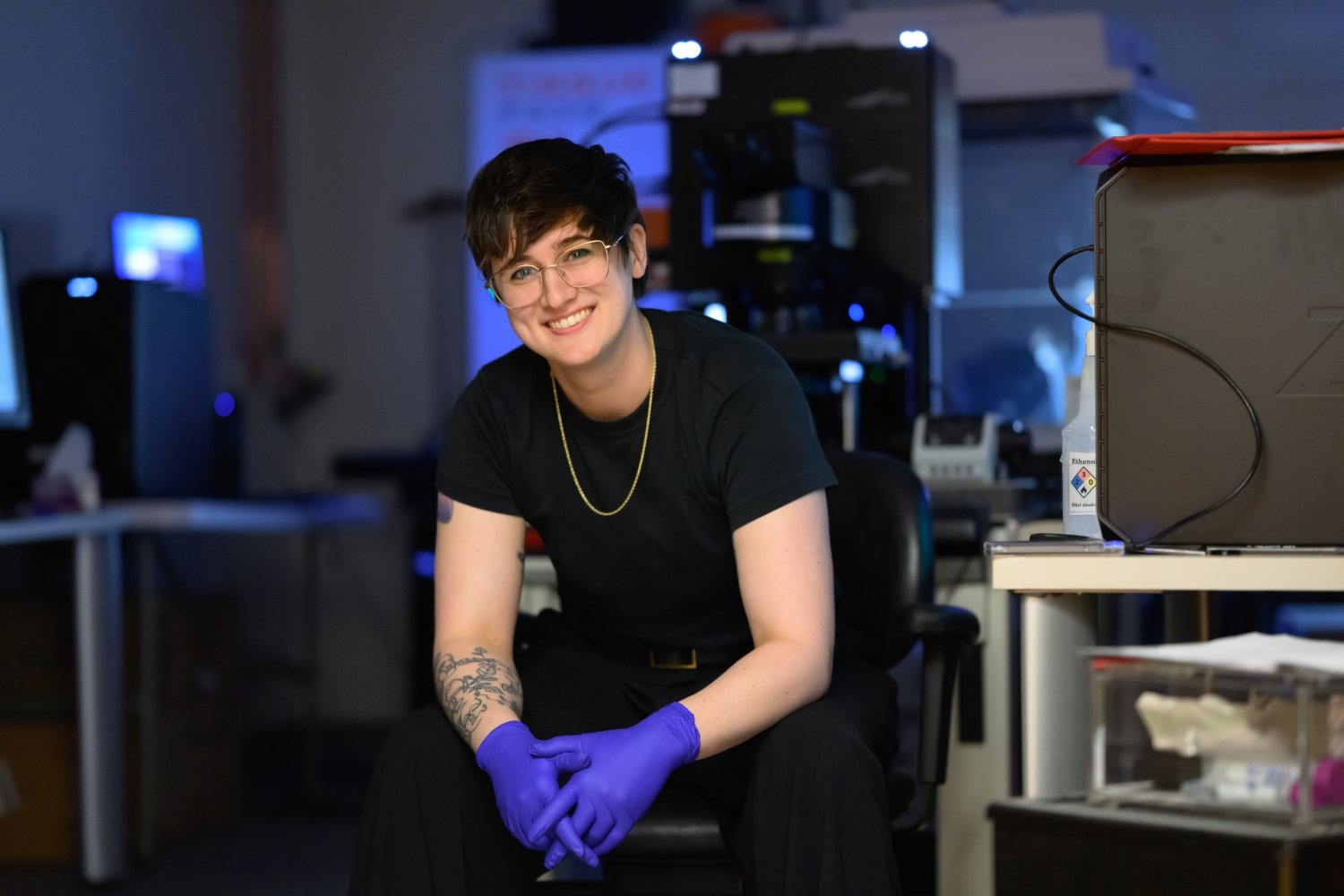
MIT Researcher Develops Gene Therapy for SYNGAP1 Disorder in Children
Shannon Knight, a doctoral student at MIT's McGovern Institute for Brain Research, is developing a novel gene therapy targeting SYNGAP1 haploinsufficiency, a rare genetic disorder causing childhood-onset epilepsy. This condition arises from a mutation in the SYNGAP1 gene, leading to severe seizures and developmental challenges in affected children. The significance of Knight's work lies in its potential to address the root cause of medication-resistant seizures, moving beyond current symptom management strategies. By utilizing CRISPR technology, Knight aims to create a therapeutic solution that could significantly improve the quality of life for children suffering from this debilitating disorder. Looking ahead, Knight's research is in the early testing phases, with promising results observed in mice models. The project is supported by the Rare Brain Disorders Nexus, an MIT initiative set to accelerate research in this area, with hopes of obtaining FDA approval and initiating clinical trials in the future. No further timeline was disclosed at the time of publication.
Profile Students Graduate, postdoctoral Brain and cognitive sciences Medicine Neuroscience
Generalist Leverages Human Demonstration Data for Enhanced Robot Learning
Generalist, a robotics startup valued at $2 billion, utilizes human demonstration data to train robots on real-world tasks. Developed through collaboration among Toyota Research Institute, Columbia University, and Stanford University, the Universal Manipulation Interface (UMI) enables the collection of training data via puppet-like end effectors and GoPro cameras. This innovative approach allows collaborative robots to learn tasks such as washing dishes and picking up objects more efficiently. The significance of Generalist's work lies in its ability to create adaptable robots that can recover from errors in real-time, a feature demonstrated at the Automate event. The company showcased its models performing various tasks with Universal Robots and Flexiv arms, highlighting the intelligence of these systems in handling unexpected challenges. This capability has the potential to reshape perceptions of automation in industrial settings. Looking ahead, Generalist aims to further refine its models to maintain a competitive edge in a rapidly evolving market that has seen over $4 billion in investments. The company’s commitment to developing versatile robotic solutions across diverse applications will be crucial for its growth and adoption in the industry. No further timeline was disclosed at the time of publication.
Academia / Research Arms / Manipulators Artificial Intelligence Artificial Intelligence / Cognition Assembly Cobot Arms
Army Urges Industry for Innovative Power Solutions Beyond Batteries and Generators
The U.S. Army has identified a critical shortage of exportable power in its ground vehicles, which hampers the operation of drones and communication systems. Brig. Gen. Troy Denomy emphasized the urgency for industry to develop solutions, as the Army faces increasing power demands from new energy-intensive weaponry. Current vehicles like the M1A2 Abrams and Bradley Fighting Vehicles lack the capacity to support these systems, leading to operational limitations for brigade commanders. This power deficiency is significant as it affects the Army's ability to deploy unmanned aerial systems (UAS) effectively. Denomy highlighted that commanders are forced to limit UAS operations not based on mission needs but rather on available power. The reliance on noisy generators and additional battery packs is not a viable long-term solution, as these options compromise stealth and increase the burden on soldiers. Looking ahead, the Army is exploring advanced technologies, including fuel cells, to enhance power generation in legacy vehicles. Newer models like the XM30 and M1E3 Abrams are designed to provide greater exportable power. The Army is also investigating next-generation power management solutions and alternatives to traditional liquid fuels to address these challenges.
Land Warfare armored brigade combat team Army Bradley Fighting Vehicle Drones GVSETS 2026
General Glen VanHerck Discusses Drone Swarms Over Langley AFB and NORAD's Preparedness
General Glen VanHerck, former head of NORAD and NORTHCOM, expressed that the drone swarms over Langley Air Force Base in December 2023 were anticipated threats. He highlighted the ongoing concerns regarding U.S. military installations' vulnerabilities to drone incursions, emphasizing that the military was not adequately prepared to address such threats. The incursions, which began on December 6, 2023, involved uncrewed aerial systems (UAS) that posed potential risks to flight safety, although they did not show hostile intent. VanHerck noted that he had previously communicated his frustrations about the lack of domain awareness and the need for enhanced capabilities to the Secretary of Defense, Lloyd Austin, in December 2021. Looking ahead, VanHerck's insights underline the necessity for improved policies and authority regarding drone defense at military installations. The challenges of jurisdiction and empowerment for installation commanders remain critical issues that need to be addressed to enhance national security against evolving aerial threats. No further timeline was disclosed at the time of publication.
News & Features Air Counter-Unmanned Aerial Vehicles (C-UAS) Drones Land Unmanned
LTX-2.5 Launches with Fast AI Video Generation and Open Weights Integration
LTX, a company spun out of Lightricks, has launched LTX-2.5, an advanced open-weights video model that can generate a 10-second video from an image in just 6.8 seconds using NVIDIA superchips. This model is now integrated into ComfyUI and available on Hugging Face, supporting organizations with under $10 million in annual revenue for free. The significance of LTX-2.5 lies in its innovative features, including a new diffusion video decoder that enhances video quality and native multishot generation for consistent outputs. LTX claims its model has surpassed 33 million downloads, making it the most popular open world model line, and it aims to provide flexibility and efficiency in video generation compared to closed API competitors. Looking ahead, LTX is focused on expanding its capabilities and refining its technology. The company emphasizes the importance of open weights for diverse use cases in video and world models, contrasting its approach with the trend towards closed models in the industry. No further timeline was disclosed at the time of publication.
Technology
Generative Bionics Launches GENE.01: A Sensorized Humanoid for Industrial Collaboration
Generative Bionics has officially introduced GENE.01, a fully functional humanoid platform designed for safe collaboration with human workers. This launch follows the company's $81 million seed funding and aims to transform academic robotics research into practical industrial applications. GENE.01 features a unique full-body tactile skin that enables it to detect touch, force, temperature, and proximity, addressing challenges in robotic learning related to force control. The significance of GENE.01 lies in its ability to enhance human-robot interaction through its multimodal sensor array, which allows for teaching complex tasks via force demonstration. This approach is supported by peer-reviewed research published in Nature Machine Intelligence, which outlines a framework for optimizing robotic morphology and motion control to minimize physical strain on human collaborators. The platform represents a shift from traditional vision-only systems to a more integrated sensory experience. Looking ahead, Generative Bionics plans to further develop GENE.01's capabilities, particularly in predictive interaction through human motion forecasting. The company is also promoting third-party software development by integrating GENE.01’s digital twin into mainstream software package managers, facilitating easier testing and simulation for developers. No further timeline was disclosed at the time of publication.
Generative Bionics Europe GENE01
Tencent Miora Creative Agent Generates Comprehensive Brand Visual Assets from Single Brief
Tencent's Miora creative agent was tested with a brand brief for the Puff AI companion robot. The agent successfully produced a complete set of visual assets, including a logo, brand guidelines, visual identity assets, app user interface, poster, video, and sticker pack, all generated from a single 1000-integral run. This development is significant as it showcases the capabilities of Tencent's Miora in streamlining the creative process through multi-agent collaboration. The ability to generate a wide array of brand materials from a single input can enhance efficiency for businesses looking to establish or refresh their brand identity. Looking ahead, it will be important to monitor how Tencent addresses the integration limits of the Miora creative agent. As the technology evolves, further enhancements may improve its functionality and broaden its applications in various branding and marketing scenarios. No further timeline was disclosed at the time of publication.
Technology
Generalist's GEN-1 Model Expands Support for Diverse Robot End Effectors
Generalist has announced that its GEN-1 foundation model now supports a wide array of robot end effectors, ranging from five-fingered hands to specialized tools. This advancement showcases the model's ability to learn sensorimotor policies that can adapt across various physical interactions, demonstrating the versatility of a single AI model in robotics. The significance of this development lies in GEN-1's extensive pretraining on a diverse dataset, which includes over half a million hours of real interaction data with approximately 9,000 variations of end effectors. This training enables the model to understand complex physical interactions, such as geometry, contact, and dynamics, allowing it to apply learned knowledge across different tools and tasks effectively. Looking ahead, Generalist is actively studying how each new end effector influences the pretrained model and is expanding its dataset to include more variations. The company is also exploring the implications of switching end effectors mid-task, which could enhance the model's adaptability and reasoning capabilities in real-world applications. No further timeline was disclosed at the time of publication.
Artificial Intelligence Artificial Intelligence / Cognition Design / Development End Effectors / Grippers News Technologies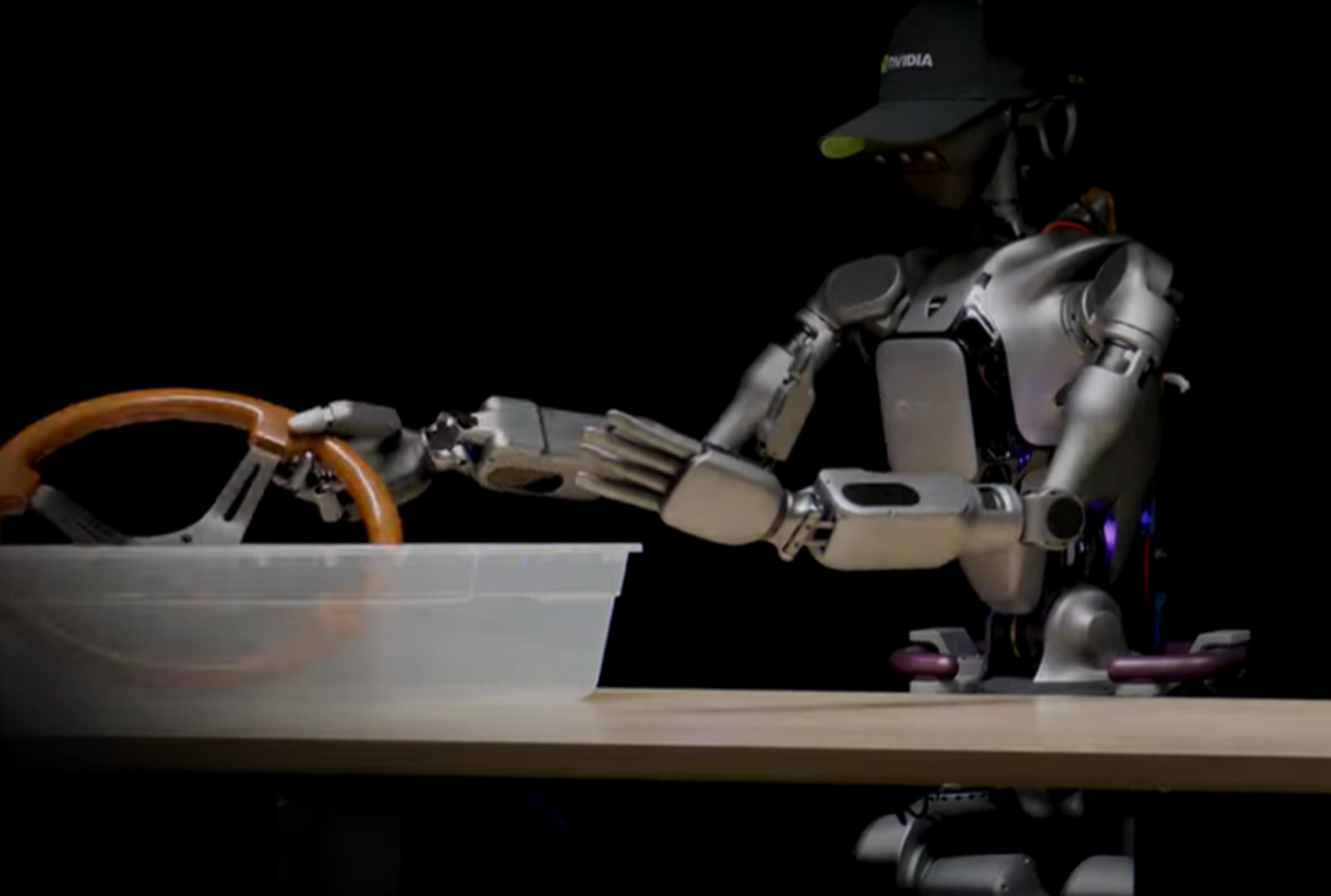
Genesis AI Engages Investors to Secure Approximately $500 Million in Funding
Genesis AI, an AI robotics startup, is currently in discussions with investors to raise about $500 million in a new funding round. This significant capital influx aims to bolster the company's growth and development in the competitive robotics landscape. The funding is crucial as it will enable Genesis AI to enhance its technological capabilities and expand its market presence. With the increasing demand for advanced robotics solutions, securing this investment could position the company favorably against its competitors. Investors and industry watchers should keep an eye on Genesis AI's progress in finalizing this funding round. No further timeline was disclosed at the time of publication.

Black Forest Labs Introduces FLUX 3 for Image and Video Generation with Audio
Black Forest Labs (BFL) has launched FLUX 3, a multimodal model capable of generating images and 20-second audio/video clips from a single prompt. This model represents a significant expansion of BFL's FLUX family, emphasizing a unified approach to creative generation and robotic vision. The introduction of FLUX 3 is important as it positions BFL to compete in the growing market for multimodal AI applications, which combine various forms of media. The model is currently in a limited 'Early Access' phase, with no public API access yet available, which may affect enterprise adoption. Looking ahead, BFL plans to release additional features, including open-weight versions of FLUX 3 later this year. However, the absence of pricing and comprehensive benchmarking details at launch could hinder rapid adoption among enterprise users. No further timeline was disclosed at the time of publication.
Technology
MIT Researchers Selected for Funding in US Department of Energy’s Genesis Mission Phase I
MIT researchers have been chosen to participate in the U.S. Department of Energy’s Genesis Mission, with 15 collaborative projects receiving funding under Genesis Phase I. This national initiative aims to create a powerful integrated science discovery platform that leverages AI, supercomputing, and quantum systems to drive advancements in energy and scientific discovery. The Genesis Mission is significant as it fosters collaboration between universities, industry, and national laboratories, aligning research efforts with national priorities. Ian A. Waitz, MIT’s vice president for research, emphasized the importance of this initiative in catalyzing innovation for the benefit of both the nation and the world. Looking ahead, projects that demonstrate promising pathways for transformative capabilities may receive further funding from the DOE. Six projects will be led by MIT principal investigators, while MIT researchers will also contribute to nine additional projects led by other institutions, showcasing a robust collaborative effort in advancing scientific capabilities.
Funding Artificial intelligence Quantum computing Laboratory for Nuclear Science Plasma Science and Fusion Center Research Laboratory of Electronics
Generative Bionics Launches Gene.01 Humanoid with Advanced Smart Skin for Industrial Use
Generative Bionics has introduced significant enhancements to its Gene.01 humanoid robot, aimed at industrial applications. Developed in six months, this robot features full-body tactile sensing and a physics-native AI system, allowing it to better perceive and respond to its environment. Unlike traditional humanoids, Gene.01 is a customizable platform designed for specific industrial needs, emphasizing safer human-robot collaboration. The importance of Gene.01 lies in its innovative design that integrates tactile sensing with AI, enhancing interaction safety in shared workspaces. Its smart skin detects touch, proximity, force, and temperature, enabling the robot to sense human presence before contact. This capability allows workers to physically guide the robot, addressing the limitations of vision-only systems in complex manipulation tasks. Looking ahead, Generative Bionics plans to release Gene.01's digital twin as open source, facilitating easier integration into existing robotics and AI environments. This initiative aims to provide a common foundation for developers, enhancing simulation and application development for Physical AI. No further timeline was disclosed at the time of publication.
AI and Robotics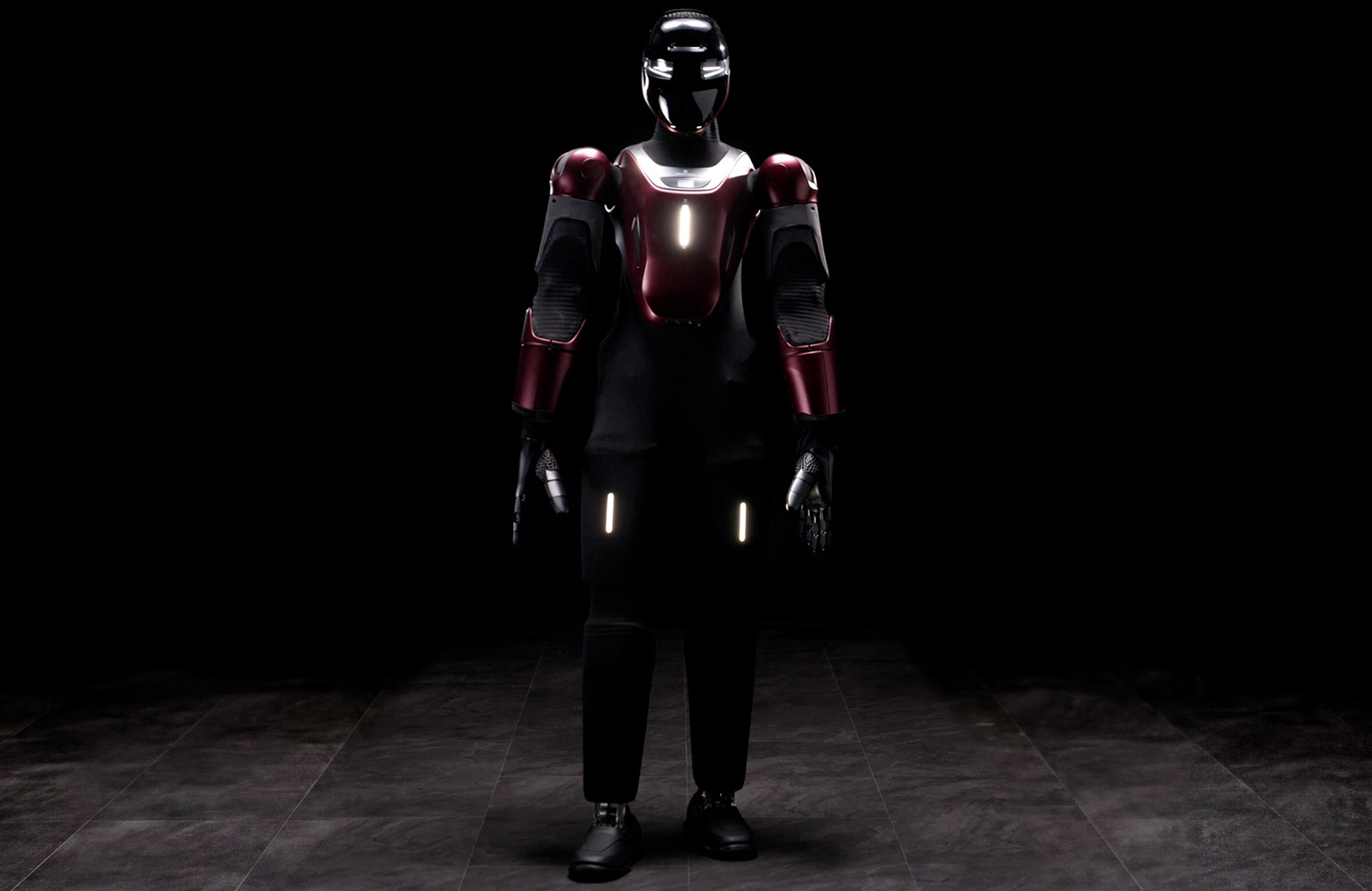
Generative Bionics Launches Gene.01 Humanoid Robot with Advanced Tactile Sensing
Generative Bionics has introduced the Gene.01 humanoid robot at AMD Advancing AI 2026, marking its U.S. debut. Developed in six months, Gene.01 features full-body tactile sensing integrated with physics-native AI, allowing it to interpret and respond to its environment effectively. This innovation is significant as it represents a shift towards humanoid robots that prioritize human interaction and adaptability in industrial applications. CEO Daniele Pucci emphasized that Gene.01 is a scalable platform tailored to meet specific customer needs, enhancing collaboration in environments such as shipyards through a partnership with Fincantieri. Looking ahead, Generative Bionics is open-sourcing the Gene.01 model to support developers in creating industry-specific applications. The robot's design focuses on safe and efficient human-robot collaboration, utilizing advanced sensing capabilities to improve task teaching and interaction. No further timeline was disclosed at the time of publication.
Artificial Intelligence Artificial Intelligence / Cognition Human Robot Interaction / Haptics Humanoids Manufacturing Maritime
General Atomics CEO Questions Cost Targets for New Pentagon Drone Initiative
General Atomics plans to propose a new aircraft for the Pentagon's Massed Modular Aircraft project, aimed at creating a cost-effective hunter-killer drone. CEO Dave Alexander expressed skepticism about the feasibility of the Defense Innovation Unit's low-cost target, suggesting that the Pentagon may need to adjust its certified pricing requirements to achieve these goals. The significance of this proposal lies in the Pentagon's desire for a drone that can perform surveillance and strike missions at a lower cost than the MQ-9 Reaper, which is priced at approximately $30 million per aircraft. The new drone must meet specific performance criteria, including a payload capacity of at least 2,800 pounds and a range of 2,300 nautical miles, with a goal to field the drone by fiscal 2031. Looking ahead, General Atomics is already manufacturing FQ-42As and has about 30 aircraft in various stages of production. The company is confident in its ability to meet the cost parameters set by the Pentagon, emphasizing its extensive experience in the field. No further timeline was disclosed at the time of publication.
Air Warfare Air Force collaborative combat aircraft Drones Europe Farnborough 2026
Elite Robots Partners with Generalist AI for Advanced Cobot Development
Elite Robots has teamed up with Generalist AI to enhance its cobot platform through real-world data collection and algorithm validation. This collaboration aims to leverage Generalist AI's expertise in embodied AI, particularly with the recent launch of GEN-1, which boasts a remarkable 99% task success rate and a threefold increase in speed. The partnership is significant as it combines Elite Robots' cobot technology with Generalist AI's cutting-edge AI capabilities, potentially leading to advancements in automation and robotics. The integration of high-performing AI models like GEN-1 could enhance the efficiency and effectiveness of collaborative robots in various applications. Looking ahead, the focus will be on the outcomes of this collaboration and how the integration of Generalist AI's technology will impact the performance of Elite Robots' cobots. No further timeline was disclosed at the time of publication.

Generative Bionics Unveils Gene.01, a Smart-Skin Humanoid Robot for Safe Human Interaction
Generative Bionics has launched Gene.01, a fully functional humanoid robot platform designed for safe human collaboration. Built in just six months, Gene.01 is equipped with advanced sensors that detect touch, proximity, force, and temperature, enhancing its interaction capabilities with humans. The introduction of Gene.01 is significant as it provides a foundation for Physical AI developers to create industrial applications. Its open-sourced robot model allows for collaborative development, potentially accelerating innovation in the field of humanoid robotics. Looking ahead, the focus will be on how Gene.01 can be integrated into various industrial environments and the applications it can support. No further timeline was disclosed at the time of publication.

Robbyant Launches LingBot-World 2.0 with Enhanced Real-Time World Generation Features
Robbyant, an embodied AI company under Ant Group, has released LingBot-World 2.0, an open-source interactive world model. This updated version supports hour-long real-time world generation, high-definition output, and enhanced interactive capabilities, marking a significant improvement over LingBot-World 1.0. The new model allows for continuous world generation sessions while maintaining visual quality and enabling real-time user interaction. It produces 720p video at 60 frames per second and is designed to generate, stream, and display content simultaneously, which reduces latency and enhances user engagement with the evolving environment. LingBot-World 2.0 features a dual-agent mechanism for dynamic interaction and supports multiple users in a shared virtual space. Additionally, Robbyant has open-sourced LingBot-Video, a video generation model aimed at robotics applications, which enhances efficiency and realism in AI-generated video for real-world robotic systems. No further timeline was disclosed at the time of publication.
Robot simulation AI models ai simulation Ant Group artificial intelligence embodied ai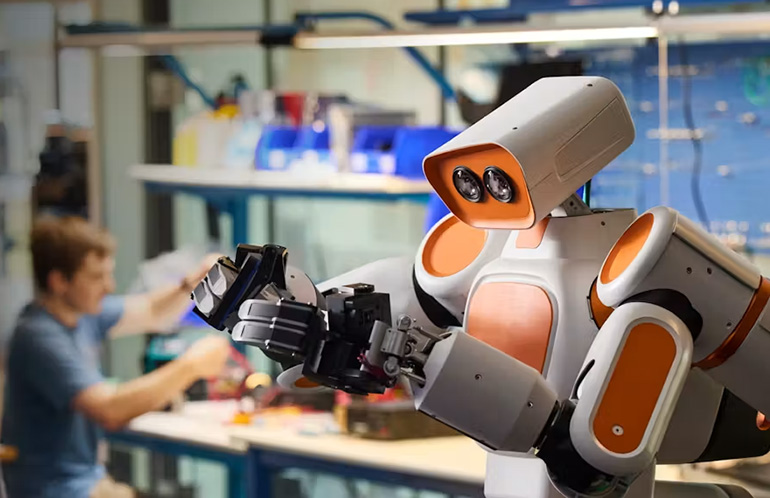
Walden Robotics Emerges with $1.1B Valuation and $300M Funding for General-Purpose Robots
Walden Robotics has officially launched with a valuation of $1.1 billion, backed by $300 million in funding. The company focuses on developing general-purpose robots that continuously learn and improve while performing real-world tasks. Co-founder Dr. Russ Tedrake emphasized the importance of understanding current manufacturing practices to deliver real value to customers. The significance of Walden Robotics lies in its innovative approach to physical AI, which has attracted attention from technology leaders. The company combines large behavior models with practical operations, allowing its robots to handle complex tasks while enhancing human capabilities. This approach aims to create a scalable business model that aligns with existing manufacturing processes. Looking ahead, Walden Robotics is set to expand its deployments, having already transitioned its robots from pilot programs to production tasks at a Toyota plant in North America within two months. No further timeline was disclosed at the time of publication.
Aerospace Artificial Intelligence Artificial Intelligence / Cognition Automotive Healthcare Robotics Humanoids
Xiaomi Launches Robotics-U0: A Unified 38B-Parameter Generative Model for Robotics
Xiaomi has unveiled Robotics-U0, an advanced embodied generative model featuring 38 billion parameters. This innovative model is designed to perform multiple tasks, including scene generation, embodied transfer, video generation, and text-to-image capabilities, all within a single unified architecture. The introduction of Robotics-U0 is significant as it represents a leap forward in the integration of various robotic functions into one cohesive system. By unifying these four tasks, Xiaomi aims to enhance the efficiency and versatility of robotic applications, potentially transforming how robots interact with their environments and process information. Looking ahead, industry observers will be keen to see how Robotics-U0 is adopted across different sectors and its impact on the development of future robotic technologies. No further timeline was disclosed at the time of publication.
Technology
Walden Robotics Emerges with $300 Million Funding to Deploy General-Purpose Robots
Walden Robotics has officially launched, securing $300 million in funding to develop and deploy general-purpose robots. This funding round, co-led by Toyota and Deviation Capital, values the company at $1.1 billion and includes participation from notable investors such as NVIDIA, Boeing, and Samsung Ventures. The significance of this launch lies in Walden Robotics' focus on creating full-stack Physical AI solutions that enable robots to learn and adapt while performing real-world tasks. This approach positions the company to meet the growing demand for versatile robotic solutions across various industries, enhancing operational efficiency and productivity. Looking ahead, industry observers should monitor Walden Robotics' progress in deploying its general-purpose robots and the potential impact on sectors that require automation. No further timeline was disclosed at the time of publication.

NVIDIA Discusses Evaluating General-Purpose Robot Policies for Real-World Applications
NVIDIA has highlighted the challenges in evaluating general-purpose robot policies as their capabilities advance. The company emphasizes that while current robotics models can follow natural language instructions to manipulate various objects, rigorous evaluation remains a significant hurdle due to the limitations of existing benchmarks. Real-world testing is costly and slow, necessitating effective simulation methods for large-scale evaluations. The importance of this evaluation process lies in the need for robots to generalize their skills beyond memorized setups. NVIDIA points out that many benchmarks suffer from visual and task-domain overlap, which can lead to misleading performance metrics. As models achieve high scores on static task sets, it becomes increasingly difficult to differentiate their true capabilities, raising concerns about the meaningfulness of reported results. Looking ahead, NVIDIA's focus on improving simulation environments and task generation methods is crucial for advancing robotic evaluation. The company aims to address the diagnostic gaps in current benchmarks, which often fail to provide insights into the reasons behind a robot's performance. No further timeline was disclosed at the time of publication.
Artificial Intelligence Artificial Intelligence / Cognition Design / Development Motion Control News Software / Simulation
X Square Robot Develops Integrated Stack for General-Purpose Robotics
X Square Robot, a Chinese company focused on embodied AI, is pioneering an integrated stack for general-purpose robots. This stack combines data learning, a world model for predicting physical changes, and an action model that integrates perception, planning, reasoning, and decision-making. The company emphasizes the importance of quality interaction data over sheer quantity, utilizing its Universal Manipulation Interface (UMI) to enhance data collection. The significance of X Square Robot's approach lies in its potential to unify various aspects of robotic intelligence, addressing the fragmented nature of current systems. By prioritizing interaction quality and establishing a closed inspection loop for data validation, the company aims to create a more effective learning environment for robots. This method not only reduces costs but also enhances the reliability of the training data, which is crucial for developing general-purpose robots capable of performing diverse tasks. Looking ahead, X Square Robot's WALL-WM world model represents a shift towards event-based action prediction, allowing for more coherent and context-aware robotic behavior. As the company continues to refine its models and data collection methods, the broader robotics community will be watching for independent validation of its results and the potential implications for the future of general-purpose robotics.
Home-robots Type-sponsored Large-language-models Embodied-intelligence Ai-robots Robot-learning
PrimeBOT Introduces Personal Robotics at the UN's AI for Good Summit in Geneva
PrimeBOT has introduced a new category of robotics known as Personal Robots at the UN's AI for Good Summit in Geneva. These robots are designed for everyday use in homes, allowing individuals to own, program, and create with them. The significance of PrimeBOT's initiative lies in its focus on education, inclusion, and enhancing human potential rather than merely showcasing technical specifications. This approach aims to foster a broader dialogue about the role of robotics in everyday life. Looking ahead, it will be important to monitor how PrimeBOT's Personal Robots influence discussions around accessibility and innovation in personal robotics. No further timeline was disclosed at the time of publication.
Robotics needs a service framework.
RSF defines a common language for robot service capability, lifecycle operations, certification pathways, and service-provider networks.
Join the RobotToday community on LinkedIn
Daily robotics news, in-depth analysis, conference highlights, and discussions with professionals worldwide.