

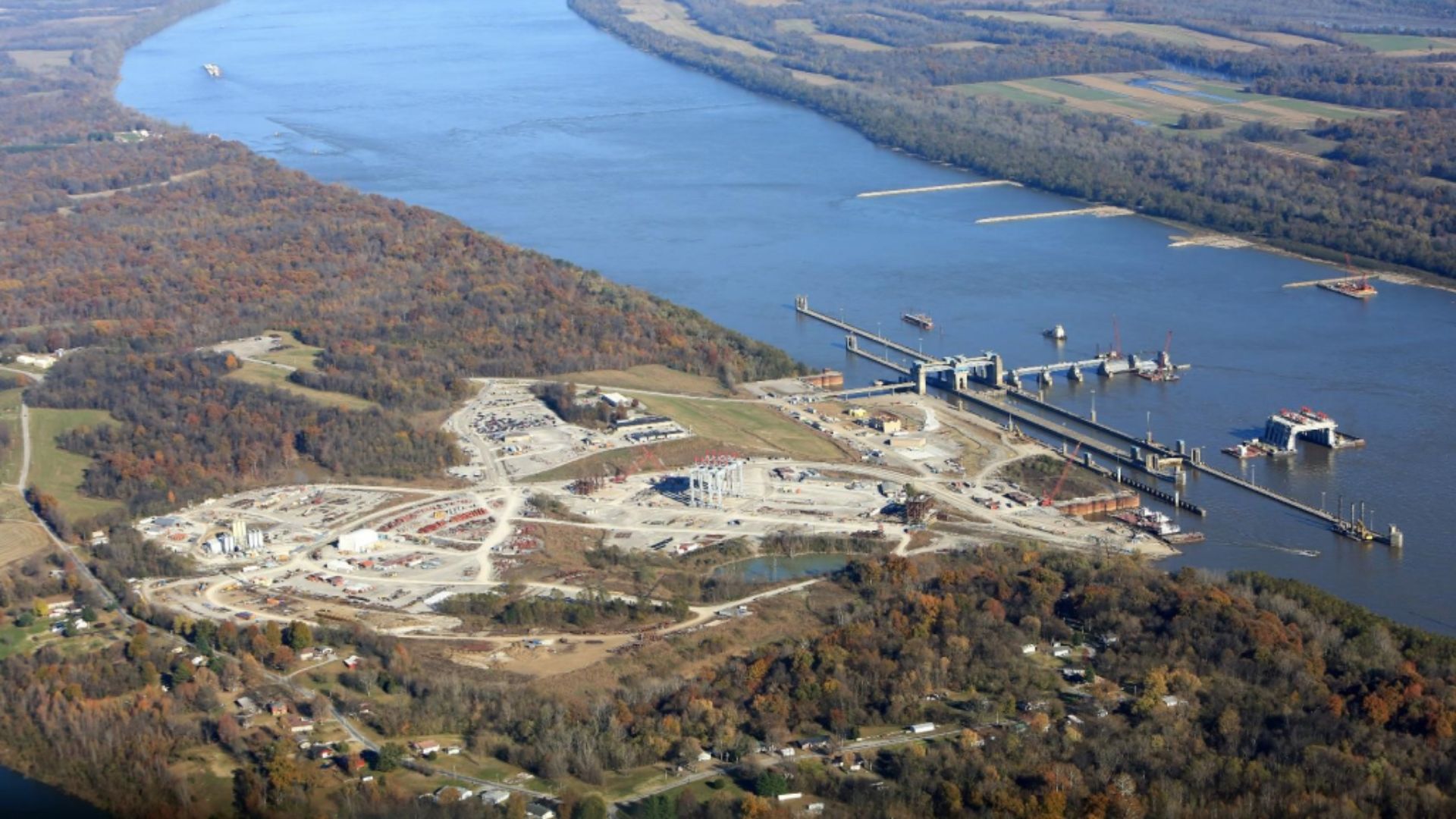
Recent research indicates that retrofitting selected non-powered dams in the United States could yield up to 15.2 terawatt-hours of electricity each year, enough to power over 1.4 million homes. This finding stems from a study by Oak Ridge National Laboratory and Idaho National Laboratory, utilizing the HydroGenerate software to model power production based on turbine performance and hydraulic head.
The significance of this research lies in its potential to enhance the U.S. energy portfolio, as only 3 percent of domestic dams currently generate power. The study identified a total potential capacity of 4 gigawatts across more than 2,600 non-powered dams, with federal facilities accounting for 86 percent of this capacity. This innovative approach addresses previous limitations in hydropower assessments by incorporating actual site conditions and operational constraints.
Looking ahead, the research team is preparing for the next phase of the project, which aims to further explore the feasibility of retrofitting these dams. The HydroGenerate software and related resources are available for project developers to conduct independent analyses, potentially leading to significant advancements in renewable energy generation from existing infrastructure.
Editor's Note
The exploration of retrofitting non-powered dams represents a critical opportunity for enhancing renewable energy generation in the U.S. By leveraging existing infrastructure, this approach could significantly contribute to energy sustainability while addressing operational constraints. The integration of advanced modeling tools like HydroGenerate allows for more accurate assessments, paving the way for informed decision-making in energy procurement and investment.





































Leave a comment