

Industry Briefing
A single destination for timely, editor-curated robotics news from around the world.

MARTAC Increases Devil Ray Drone Boat Production by 100 Units Annually
MARTAC has partnered with SŌLACE Boats to boost production of its Devil Ray autonomous vessels by 100 units per year, responding to rising demand from U.S. and allied governments. This partnership, announced on September 15, will leverage SŌLACE's 200,000-square-foot production facility in Edgewater, Florida, enhancing MARTAC's manufacturing capabilities. The collaboration is significant as it allows MARTAC to scale production without the need for additional manufacturing facilities, utilizing SŌLACE's expertise in high-performance boat construction. The Devil Ray T24, launched in 2023, is designed for multi-role missions and can deploy smaller MANTAS T12 USVs, showcasing its versatility in various maritime environments. Looking ahead, MARTAC's agreement with SŌLACE is part of a broader strategy to expand its production through partnerships with established marine manufacturers. The company had previously announced a co-production agreement with Mystic Powerboats, indicating a commitment to increasing domestic production capacity for its autonomous vessels. No further timeline was disclosed at the time of publication.
Military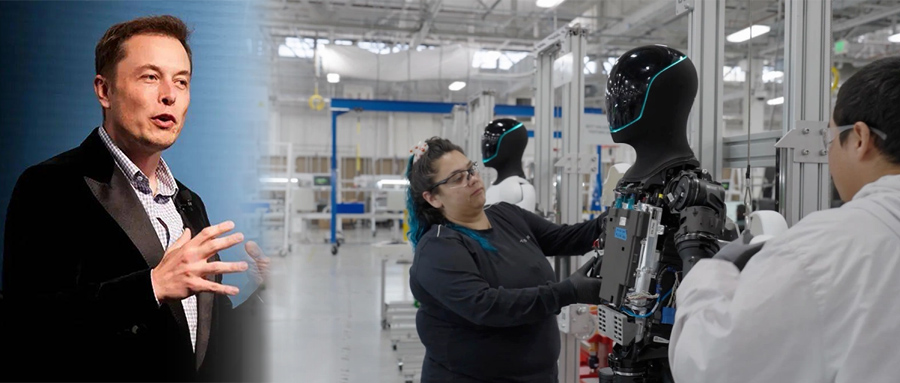
Tesla Transitions Fremont Factory from Model S/X Production to Optimus Robot Development
On July 22, 2026, Tesla announced in its Q2 shareholder update that the Model S/X production line at the Fremont factory has been decommissioned to make way for the installation of the first-generation Optimus production line, which is expected to begin operations soon. The first batch of robots will enter the Optimus Academy for data collection training, while construction at the Texas Gigafactory is progressing. This shift signifies Tesla's strategic pivot towards robotics, despite initial perceptions that it indicates a withdrawal from high-end vehicle production. The Model S/X line had a low output, with only 8,822 units produced in Q2, representing less than 3% of total deliveries. The transformation is seen as a cost-effective way to utilize existing facilities, as the Fremont site has the necessary infrastructure for rapid conversion. Looking ahead, the Fremont line's focus will be on validating assembly processes rather than achieving mass production. The Texas facility is still under construction, with production expected to ramp up by summer 2027. As Tesla invests heavily in its robotics initiative, the financial implications are significant, with a reported operating profit decline and increased capital expenditures aimed at expanding capabilities across various projects, including Optimus.
Robotics AI Manufacturing Electric Vehicles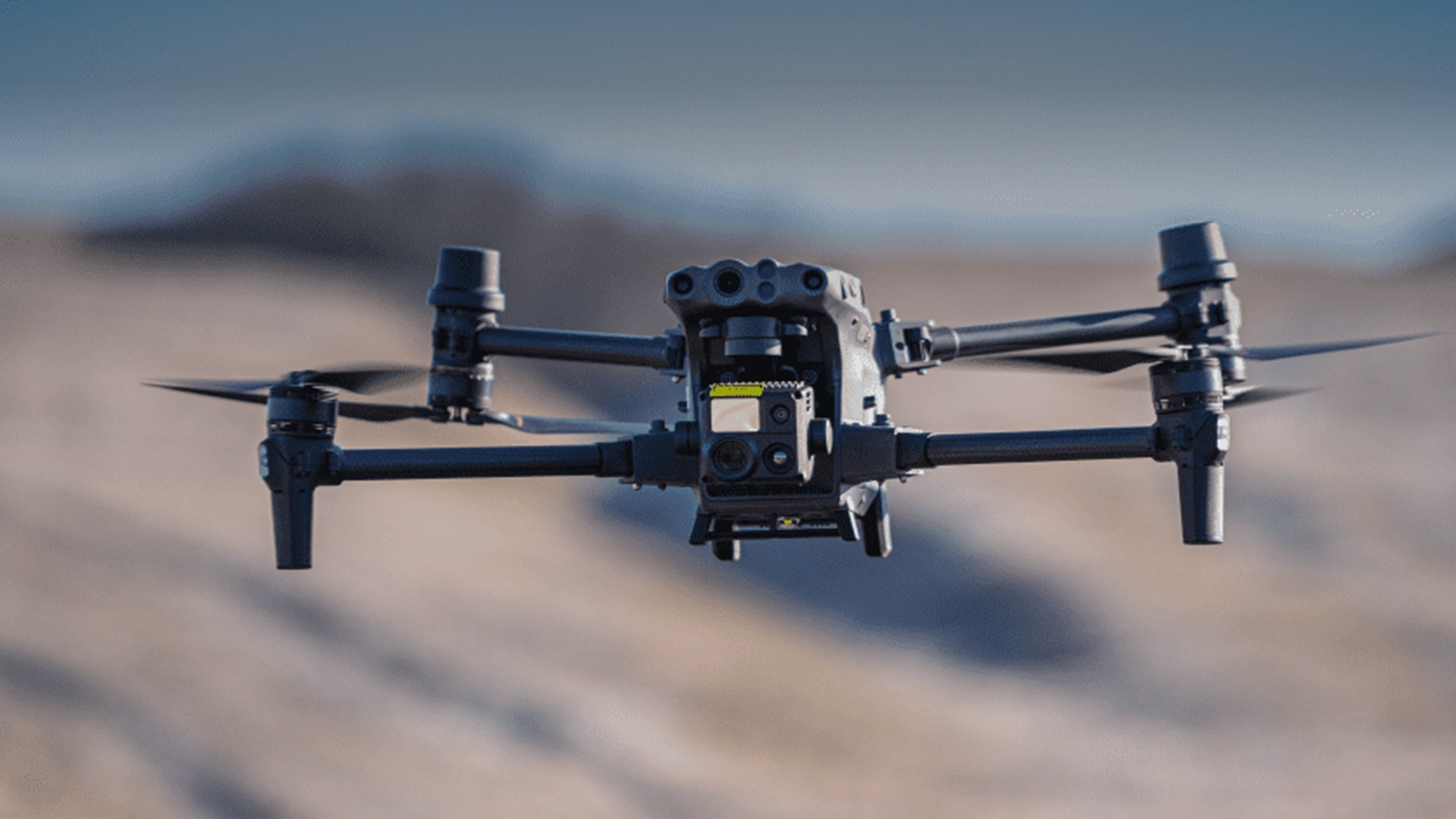
Amprius Technologies Secures $75M Grant to Transform EV Battery Line for Drone Production
The U.S. Department of War has granted Amprius Technologies up to $75 million to convert an electric vehicle battery production line into a facility for drone batteries. This retrofit, located in Fremont, California, aims to produce high-energy-density cells for unmanned aerial systems, with a projected capacity of 12 million cells annually by early 2028. This initiative is significant as it aligns with domestic sourcing requirements under the National Defense Authorization Act, ensuring that the U.S. can meet its defense needs with locally produced batteries. The total conversion project is estimated to cost around $100 million, which includes the federal grant and investments from Amprius and its South Korean manufacturing partner. Looking ahead, the converted facility will enhance Amprius’ manufacturing network and provide defense customers with access to NDAA-compliant batteries at higher volumes. No further timeline was disclosed at the time of publication.
Military
ZhiYuan Unveils 20,000th Robot, Achieving Rapid Production Growth in Six Months
On September 24, ZhiYuan launched its 20,000th general-purpose embodied intelligent robot, the Expedition A3 Ultra, at the Hengqin Chimelong Space Park, delivering it to the Chimelong Group. This milestone coincided with the opening of the world's first large-scale embodied intelligent theme park, featuring over 300 ZhiYuan robots engaged in various visitor interactions, guiding, performances, and educational activities. The delivery of the 20,000th robot signifies ZhiYuan's transition from research and single-point demonstrations to mass production and regular operations. The company produced only six prototype models in 2023, began large-scale production in August 2024, and reached significant milestones, including 1,000 units in January 2025 and 15,000 units by June 2026. The rapid increase from 10,000 to 20,000 units occurred in approximately six months, marking a significant achievement in the humanoid robot industry where most companies have delivered only a few thousand units. Looking ahead, the focus will be on how many of these 20,000 robots will operate continuously in real-world scenarios and generate value. Additionally, it will be important to monitor the timeline for reaching the next production milestone beyond 20,000 units, as ZhiYuan continues to expand its capabilities in dynamic public environments.
Humanoid Robots Robotics Theme Park Technology AI Automation
Teradyne Unveils Iris 100: Advanced Optical Test System for MicroLED Production
Teradyne, Inc. has launched the Iris 100, a production-ready optical test platform designed specifically for microLED devices. This innovative system provides semiconductor-grade optical testing, measuring each individual emitter in an array and integrating seamlessly with the Teradyne UltraFLEXplus platform for comprehensive optical and electrical testing. The introduction of the Iris 100 is significant as it addresses the growing demand for high-volume precision manufacturing in microLED technology, which is crucial for augmented reality microdisplays and optical data interconnects in AI data centers. The system's advanced capabilities ensure that manufacturers can achieve the necessary throughput and cost efficiency required for large-scale production. Looking ahead, Teradyne aims to expand the Iris 100's capabilities to include photodetector testing, further enhancing its testing solutions for the evolving optical test requirements. No further timeline was disclosed at the time of publication.

Egypt's AI Ecosystem Advances to Production Scale with New Developments
Egypt's AI builders convened at the Grand Egyptian Museum to showcase the nation's expanding AI ecosystem, which includes developers, startups, and enterprises. The event featured insights from NVIDIA executives, highlighting the growth of the NVIDIA Deep Learning Institute learner base, which increased tenfold in one year. The significance of this event lies in its demonstration of Egypt's commitment to AI development, supported by substantial investments such as the $400 million data center project by Hassan Allam Utilities and A15. This initiative, along with NVIDIA's collaborations, is crucial for enhancing local AI capabilities and infrastructure. Looking ahead, the establishment of AI factories across Africa, including initiatives by Cassava Technologies and Vodafone Egypt, signals a shift towards localized AI infrastructure. This development is vital for enabling African developers to train and deploy AI models more effectively, with a focus on keeping data within the continent. No further timeline was disclosed at the time of publication.

US Manufacturing Faces Chip Shortages and Rare Earth Production Challenges: IndustryWeek Review
In the latest edition of IndustryWeek's Weekly Review, key topics included the ongoing shortage of memory chips and the revival of rare earth production in the U.S. The report highlights that the chip supply constraint could hinder progress and increase costs for American consumers, raising concerns within the manufacturing sector. The significance of these issues is underscored by the potential impact on the overall financial performance of companies listed in the IW U.S. 500. Following a decline in 2024, the financial metrics for these companies stabilized last year, indicating a critical moment for the industry as it navigates these supply challenges. Looking ahead, the manufacturing community is urged to monitor developments in both chip production and rare earth mining, especially as the U.S. seeks to reduce reliance on foreign sources. No further timeline was disclosed at the time of publication.
Leadership
14 Automakers Announce Timelines for Humanoid Robot Production and Development
On September 12, Xpeng Motors and GAC Group announced their timelines for humanoid robot production. Xpeng's humanoid robot is set to enter mass production by the end of this year, targeting real-world applications in stores and parks. GAC's GoMate Mini has already secured nearly 10 million yuan in orders and plans to achieve large-scale production next year. The entry of 14 automakers, including Xpeng, GAC, and Chery, into the humanoid robot market highlights a significant trend in the automotive industry. Chery has already delivered over 3,000 units of its Moja humanoid robot, with plans to deliver 10,000 units next year. The shared technological foundations between smart vehicles and humanoid robots provide a competitive edge, as over 60% of the supply chain can be reused. Challenges remain, as the market for humanoid robots is still in its infancy, with most products in pilot stages. The distinct customer bases and business models between automotive and robotics sectors complicate the transition. While production timelines are set, the industry's maturity will depend on the ability to meet real customer needs and generate positive commercial returns.
Humanoid Robots Automotive Technology AI Robotics Manufacturing
Xpeng Launches Automated Production Line for Humanoid Robots with High-Level Capabilities
Xpeng has successfully activated an automated production line dedicated to humanoid robots, marking a significant milestone in robotics. The company claims that the first high-level general-purpose humanoid robot has completed its assembly and autonomously walked off the production line. This production line is engineered for mass production, boasting an automation rate exceeding 80% in its essential processes. The establishment of this production line is crucial as it positions Xpeng to meet the growing demand for humanoid robots in various sectors. With plans to initiate volume production by the end of 2026, Xpeng aims to deliver these advanced robots to both domestic and international markets starting in 2027. This move highlights the company's commitment to innovation and leadership in the robotics industry. Looking ahead, stakeholders should monitor Xpeng's progress toward its production and delivery timelines. The successful launch of this automated line could set a precedent for other companies in the robotics sector, potentially influencing market dynamics and technological advancements. No further timeline was disclosed at the time of publication.
News Feed
Army Grants $465M Contract to AeroVironment for First High-Energy Laser Production
The Army has awarded AeroVironment (AV) a $464.8 million contract for the Enduring-High Energy Laser (E-HEL) program, marking the first production contract for a high-energy laser weapon. This program aims to enhance the Army's capabilities to counter unmanned systems effectively, as stated by Gen. Christopher LaNeve, the acting chief of staff. The contract will enable the delivery of AV's LOCUST X3 laser counter-drone systems, which are designed to operate in various combat environments. This contract is significant as it introduces production-directed energy systems for the first time in U.S. history, according to AV's vice president of directed-energy systems, John Garrity. The E-HEL system, powered by electric energy, is capable of defeating drones at a lower cost compared to traditional kinetic weapons. AV is expected to deliver initial capabilities within the year and scale production significantly in the coming months. Looking ahead, the Army plans to deploy dozens of LOCUST X3 systems across combatant commands globally. The system is designed to counter drone threats, including those from Group 3 drones weighing up to 1,320 pounds. No further timeline was disclosed at the time of publication.
Land Warfare Aerovironment Army Counter UAS cUAS directed energy Drones
Yimu Tech Secures Over RMB1 Billion for Tactile Sensing Development and Production
Yimu Tech, a Chinese company specializing in tactile sensing hardware and software, has successfully raised over RMB1 billion in a Series E financing round. This funding elevates the company's valuation to over RMB10 billion and was supported by various leading RMB and USD funds, along with industrial investors. The significance of this financing lies in Yimu Tech's focus on developing tactile sensing materials, chips, algorithms, and models specifically for robotic applications. The newly acquired capital will facilitate further research and development efforts, as well as enhance the mass production capabilities and order fulfillment for its production lines. Looking ahead, stakeholders should monitor Yimu Tech's advancements in tactile sensing technology and its impact on the robotics industry. The company's commitment to innovation and production scalability will be crucial as it aims to meet growing demand in the market. No further timeline was disclosed at the time of publication.
News Feed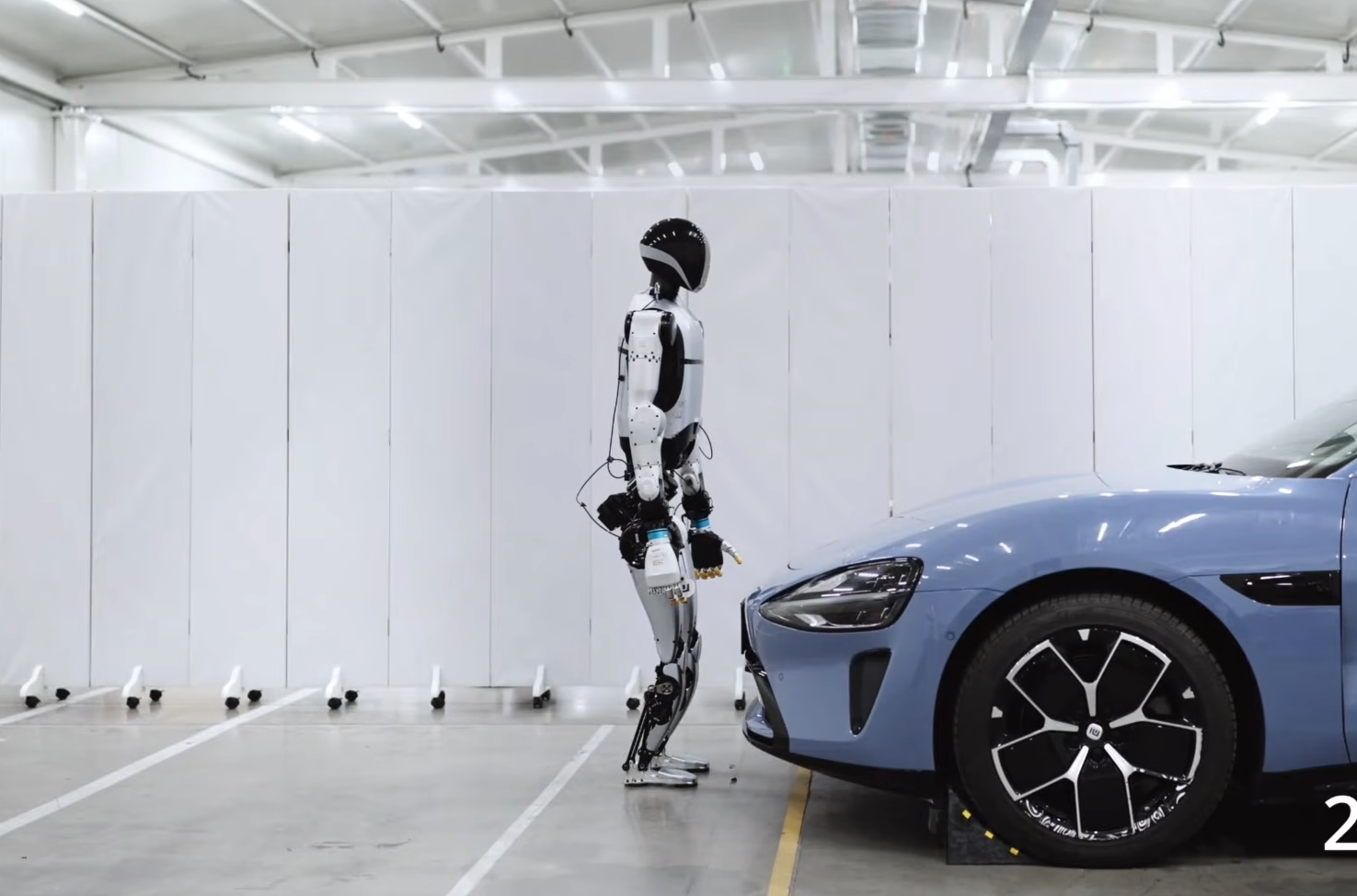
Xiaomi's Humanoid Robot Achieves 98% Success Rate in Automotive Production Tasks
Xiaomi has made significant advancements in deploying its humanoid robot on automotive production lines, achieving a 98% success rate at a self-tapping nut loading station. This improvement narrows the gap to human workers' qualification rates to just one percentage point, showcasing the robot's enhanced capabilities after four months of development. The importance of this development lies in Xiaomi's ability to expand the robot's role in manufacturing, as it has successfully taken on additional tasks such as center console side panel sorting and parts bin folding and recycling, both achieving a 90% success rate. This marks a significant milestone in the robot's operational capabilities, particularly in handling flexible workpieces, which are typically more challenging than rigid components. Looking ahead, Xiaomi's continued focus on refining its humanoid robot's perception and manipulation skills will be crucial for further integration into automotive assembly operations. No further timeline was disclosed at the time of publication.
AI and Robotics
Xuri S600 Achieves Mass Production Validation with Over 20 Clients at WAIC
On July 15, during the World Artificial Intelligence Conference (WAIC) in Shanghai, Digua Robotics announced significant progress regarding the Xuri S600. The company has secured partnerships with over 20 leading clients, collaborating with more than 100 industry partners to complete adaptive integration across various sectors, including humanoid robots and industrial applications. Several collaborative models have entered real-world testing and mass production validation phases, accelerating the platform's industrial deployment. The importance of this development lies in the Xuri S600's recognition for its core capabilities in embodied intelligence mass production. The platform's single-chip full-stack design offers high reliability and a comprehensive engineering toolchain, which has garnered industry-wide acknowledgment since its launch in November 2025. Notably, multiple benchmark projects have made clear progress, with the A3 robot from Itstone Technology set to deploy the Xuri S600 for large-scale industrial applications. Looking ahead, the Xuri S600 is transitioning from technical validation to real hardware and mass production verification. Key clients have shared their experiences, emphasizing the platform's ability to facilitate stable and predictable robot deployment. No further timeline was disclosed at the time of publication.
Embodied Intelligence Humanoid Robotics Industrial Automation AI Technology
AGIBOT Achieves Milestone with 15,000th Robot Production Amid Rapid Growth
AGIBOT, a Shanghai-based robotics developer, has announced the production of its 15,000th robot, an industrial-grade AGIBOT G2 task robot. This milestone signifies a pivotal shift from limited proof-of-concept projects to high-volume manufacturing, reflecting AGIBOT's aggressive production strategy since its founding in February 2023. The rapid increase in production, from 5,000 to 15,000 units in just three months, highlights AGIBOT's ability to stabilize its manufacturing pipelines and meet large-scale delivery demands. The company has also shifted its validation strategy to real-world deployments, showcasing the AGIBOT G2 in live factory operations at Longcheer Technology's tablet assembly plant, which emphasizes the practical utility of its robots. As AGIBOT continues to expand, it faces challenges in managing the complexities of real-world deployments and potential geopolitical restrictions on market access. The company's success in achieving a 39% market share in humanoid robot shipments for 2025 positions it strongly in a competitive landscape, but the long-term viability will depend on addressing operational dynamics and maintaining production efficiency.
China AGIBOT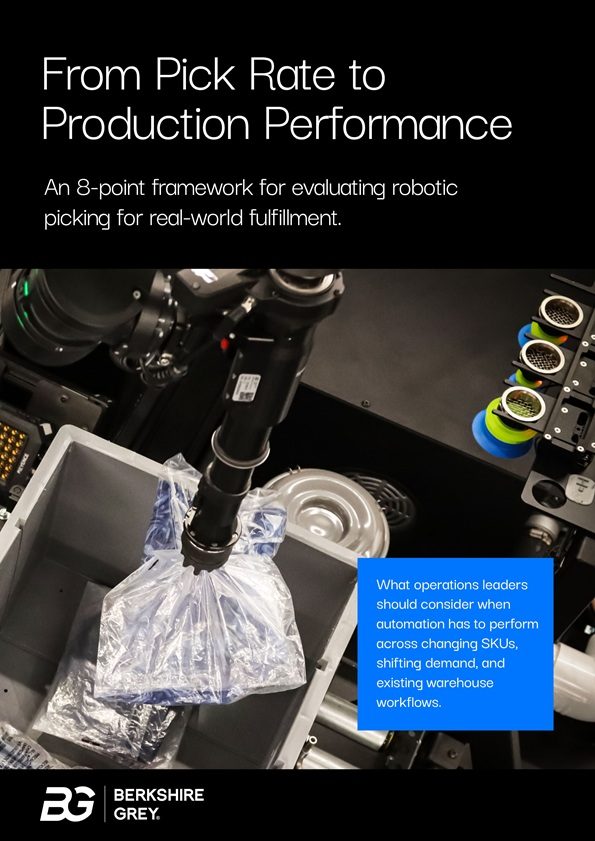
Evaluating Robotic Picking Systems: Beyond Pick Rates to Operational Reliability
A robotic picking system may achieve a high pick rate, but it can still result in excessive exceptions for the team. Fulfillment leaders must assess the system's ability to manage the overall picking volume consistently. The reliability of a robotic picking system is crucial as it must adapt to variations in products, packaging, and demand. This adaptability is essential for maintaining operational efficiency and meeting customer expectations. Looking ahead, it will be important to monitor how robotic picking systems evolve to handle diverse operational challenges. No further timeline was disclosed at the time of publication.
Tesla Increases Weekly Production of Optimus Robots to Hundreds Amid Development Phase
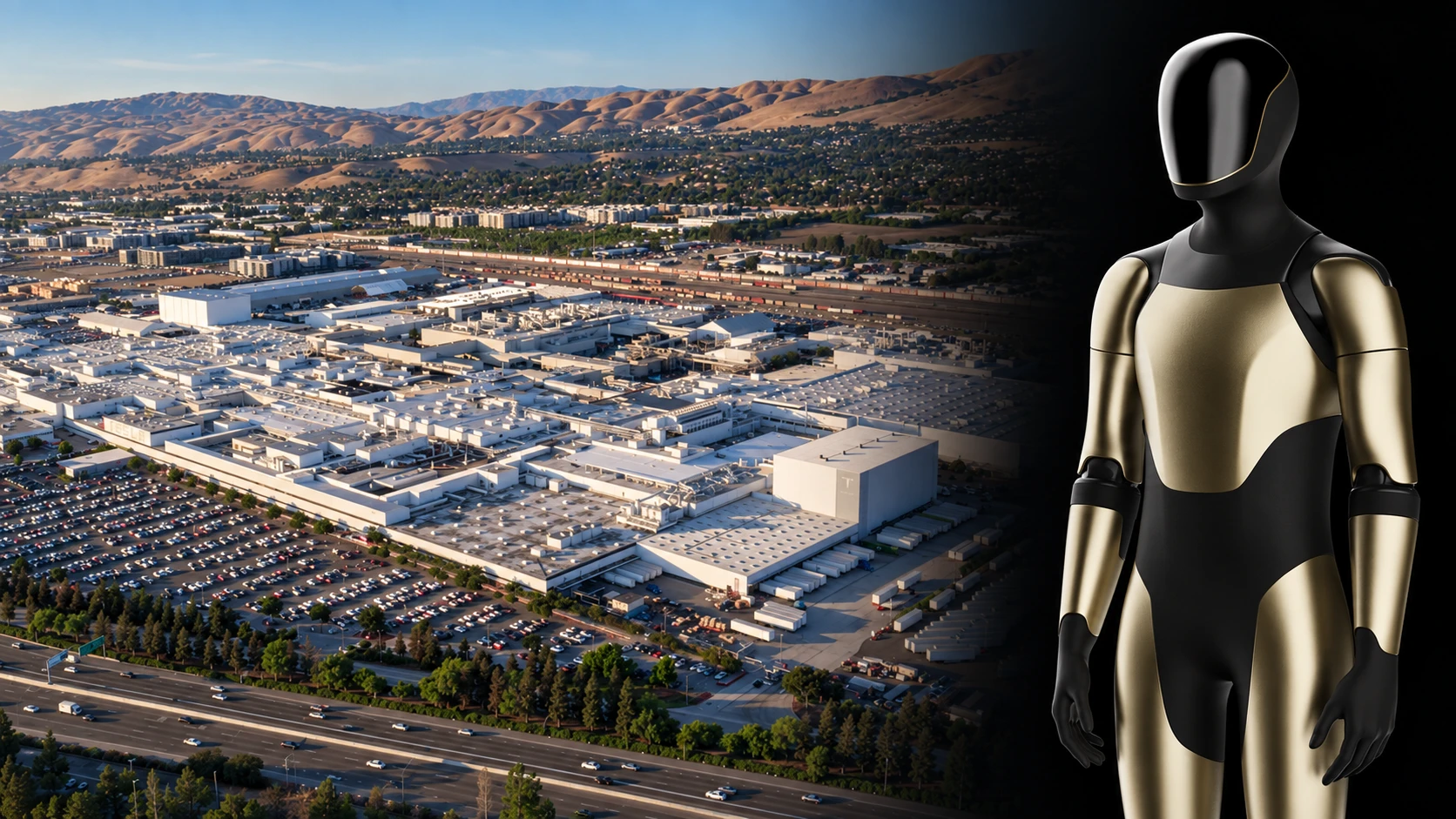
Tesla has ramped up its production of Optimus robots to several hundred units per week at its Fremont facility, according to a report by The Information. This increase marks a significant rise from the few dozen robots produced during earlier small-batch testing in the second quarter. However, these units are still part of a development program and not yet a commercial product. The importance of this production surge lies in Tesla's ambition to establish a continuous automated line capable of producing over 1,000 robots weekly by the end of 2026, with a long-term goal of reaching around 20,000 units per week. Currently, the robots being manufactured are identified as Optimus V3, featuring a lighter design and enhanced camera capabilities, although they are not the final version intended for commercialization. Looking ahead, Tesla's initial strategy involves leasing these robots to select companies with factory or warehouse environments similar to its own. This leasing model would allow Tesla to maintain and upgrade the robots while gathering valuable data for further development. No confirmed delivery schedule or signed leases have been disclosed at this time.
Tesla US Optimus gen 3 Supply Chain
GE Aerospace Achieves Ignition Milestone for GEK800 Turbofan Engine in Cruise Missile Program
GE Aerospace has successfully ignited the GEK800 turbofan engine, marking a significant milestone in the development of a propulsion system for long-range cruise missiles. This ignition event took place at Kratos’ X-58 test facility and initiates a new testing campaign aimed at demonstrating the engine's performance and durability. The GEK800, jointly developed by GE Aerospace and Kratos Defense & Security Solutions, is designed to meet the requirements for advanced cruise missile systems. The companies emphasize that the engine combines high performance with cost-effective manufacturing approaches, which is crucial for procurement programs focused on lower acquisition and lifecycle costs. Looking ahead, the ignition milestone signifies the beginning of extensive ground testing as the companies work towards production and integration with cruise missile systems. No further timeline was disclosed at the time of publication.
Military
Fraunhofer IWU Develops Orcha-3 Platform for Production Technology Using Agentic AI
Fraunhofer IWU has developed the Orcha-3 platform, which adapts the approach of popular chatbots like ChatGPT to production technology. This innovation aims to enhance industrial processes by integrating advanced AI capabilities into manufacturing environments. The significance of the Orcha-3 platform lies in its potential to streamline operations and improve efficiency in production settings. By leveraging agentic AI, the platform can facilitate better decision-making and automation, which are crucial for modern manufacturing competitiveness. Looking ahead, the impact of Orcha-3 on the industry will be closely monitored as companies seek to adopt AI-driven solutions. No further timeline was disclosed at the time of publication.
Allgemein Künstliche Intelligenz & maschinelles Lernen Lösungen
NVIDIA's AI Factory Achieves Power Efficiency with Emerald AI's Conductor Platform
In August, Silicon Valley Power prompted an AI factory to adjust its power consumption, showcasing the capabilities of Emerald AI's Conductor platform. This grid-orchestration tool, developed in partnership with NVIDIA, allows data centers to manage workloads flexibly, ensuring critical AI operations continue while reducing electricity demand during peak times. The successful execution of over 200 demand signals demonstrated the effectiveness of this approach. This development is significant as it highlights a scalable solution for enhancing the efficiency of AI factories without the need for extensive infrastructure investments. NVIDIA's DSX Flex technology plays a crucial role in this process, enabling data centers to optimize power usage while maintaining high-performance computing capabilities. The results from Lambda's validation further emphasize the potential for increased token throughput under fixed power budgets when managed effectively. Looking ahead, the focus will be on how this model can be replicated across other facilities to maximize AI production efficiency. The success of the Conductor platform and NVIDIA's DSX MaxLPS could lead to broader adoption of similar technologies, ultimately transforming the energy landscape for AI operations. No further timeline was disclosed at the time of publication.
Cornish Lithium Achieves Milestone with UK-Mined Lithium for Battery Production
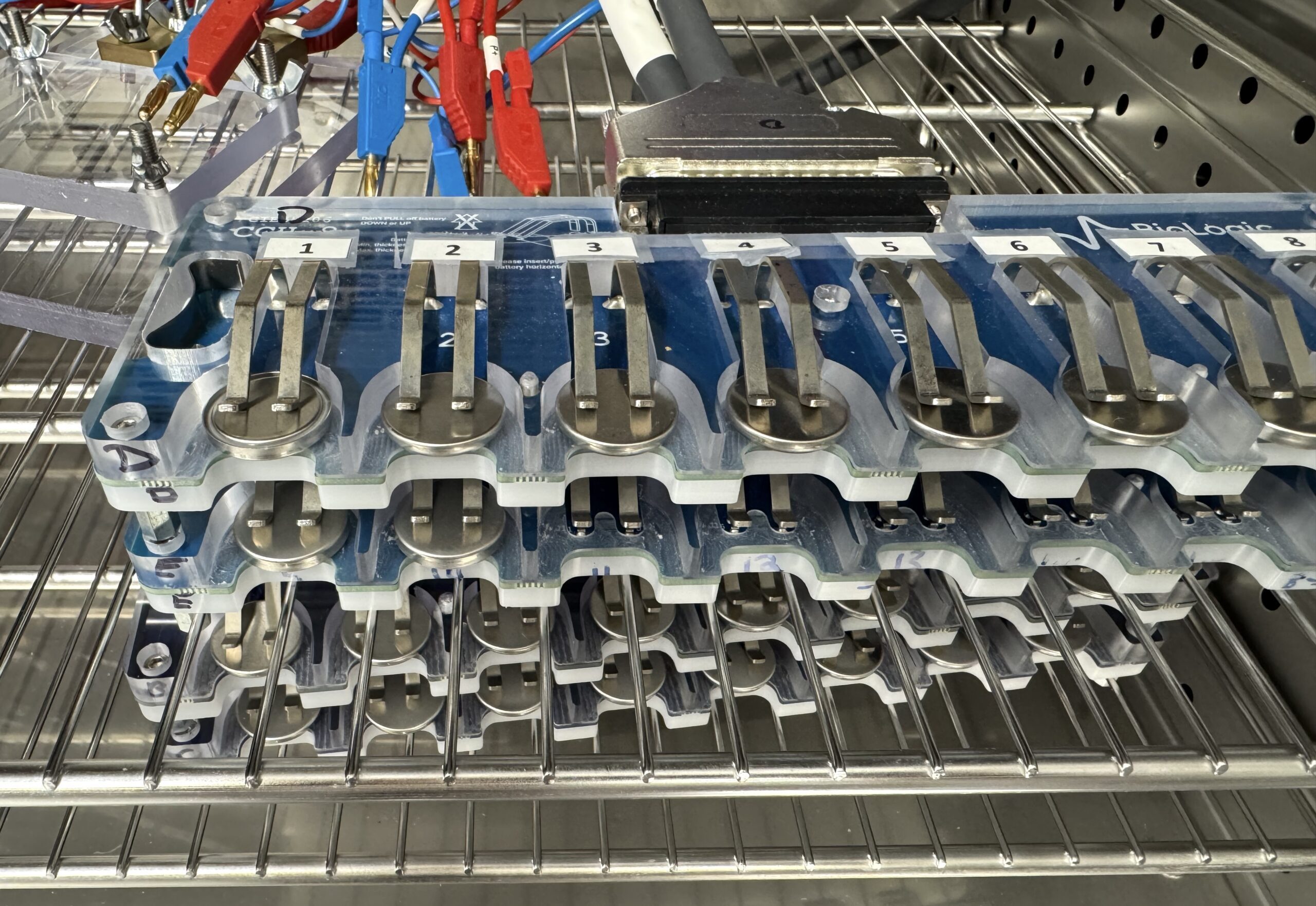
Cornish Lithium has successfully demonstrated the viability of lithium mined and refined in the UK for lithium-ion battery cell production. This achievement aligns with efforts by the UK, US, and other nations to enhance domestic supply chains for critical technologies. The company produced battery-grade lithium hydroxide monohydrate from ore at its Trelavour Lithium Project in Cornwall, utilizing its proprietary LiStract technology. Approximately two kilograms of this material were provided to the Centre for Process Innovation, which manufactured and tested lithium-ion coin cell batteries, showing performance comparable to commercially available lithium hydroxide. This development is significant as it contributes to broader initiatives aimed at securing supply chains for advanced technology, particularly in light of China's dominance in battery materials processing. The UK aims for 10% of its critical mineral demand to be met through domestic production by 2035, with a focus on reducing reliance on single countries for these essential resources.
Drone News Drone News Feeds Europe Drone Industry News UK Drone Industry UK Drone Space
Saildrone Expands European Operations with New Manufacturing and Headquarters in Copenhagen
Saildrone has announced a significant expansion in Europe, establishing multiple manufacturing sites and its EU headquarters in Copenhagen. This expansion includes contracts for building the 52-meter Saildrone Spectre in the Netherlands, the next-generation Saildrone Surveyor in Norway, and Surveyor wings in Poland. This move is crucial as it enhances Saildrone's capacity to support European customers with unmanned surface vehicles (USVs) that address maritime challenges such as illegal fishing and drug trafficking. The establishment of local operations will enable Saildrone to provide direct support and maintenance for its USVs in the region. Looking ahead, Saildrone's new headquarters will facilitate business development and operational activities across Europe. The company aims to strengthen its presence and capabilities in the European market, responding to the growing demand for advanced maritime technology solutions. No further timeline was disclosed at the time of publication.
saildrone major european expansion production operations usv
Terafab Production Complex and Research Fab Locations in Texas Revealed
Terafab is currently under construction at two locations in Texas: a full-scale production complex at the Gibbons Creek Reservoir site in Grimes County and a smaller research fab at Tesla's Giga Texas North Campus in Austin. The production site is approximately 9.5 miles southeast of Anderson and 20 miles east of Bryan–College Station. The significance of these locations lies in their strategic advantages. The Gibbons Creek site, a brownfield redevelopment, offers existing water rights and infrastructure, making it a rare find for a project of this scale. SpaceX has committed to sustainable practices, including drawing industrial water from the reservoir and implementing closed-loop systems to minimize environmental impact. Looking ahead, the focus will be on the development of the production complex and its integration into the local economy, particularly in the Bryan–College Station area. No further timeline was disclosed at the time of publication.
Neuralink's Supply Chain Evolution: Transition to Samsung for N1 Implant Production
Neuralink has transitioned its N1 implant chip production to Samsung Foundry, marking a significant change in its supply chain strategy. This shift comes as Samsung Electronics begins developing the fourth-generation brain implant chip on a 4nm process, with pilot fabrication starting in May 2026 and initial test samples expected in early 2027. This change is crucial as it highlights Neuralink's challenges in scaling production, which are not solely dependent on manufacturing capabilities but also on operating-room hours and biological factors. The fourth-generation chip is designed to be bidirectional, enabling it to write signals back into the nervous system, a significant advancement for applications like vision restoration. Looking ahead, the successful validation of the N1 implant's biocompatibility and laboratory tests will be pivotal for mass production, potentially commencing in late 2027. Neuralink's ongoing expansion in Austin, Texas, reflects its commitment to enhancing internal manufacturing capabilities, particularly in cleanroom processes essential for the implant's production.

Global Automakers Transition from Vehicle Production to Humanoid Robot Development
Major global automakers are shifting their focus from traditional vehicle manufacturing to humanoid robots, with over 20 companies, including Tesla, BMW, and BYD, entering this new market. This transition is driven by the need to address labor shortages and improve automation in production processes. The significance of this shift lies in the competitive pressure it places on established automotive giants, particularly as BYD is set to lead in electric vehicle sales globally by 2025. The rapid advancements in humanoid robot technology by Chinese companies further intensify this competition, as they aim to enhance production efficiency and tackle common industry challenges. Looking ahead, the race to integrate humanoid robots into manufacturing is heating up, with Tesla taking a bold approach by developing its own robot, Optimus. As automakers worldwide ramp up their investments and strategies in this sector, the market is projected to reach hundreds of billions by 2035, making it crucial to monitor the developments and strategies of both domestic and international players.
Humanoid Robots Automotive Industry Robotics Technology AI Manufacturing Automation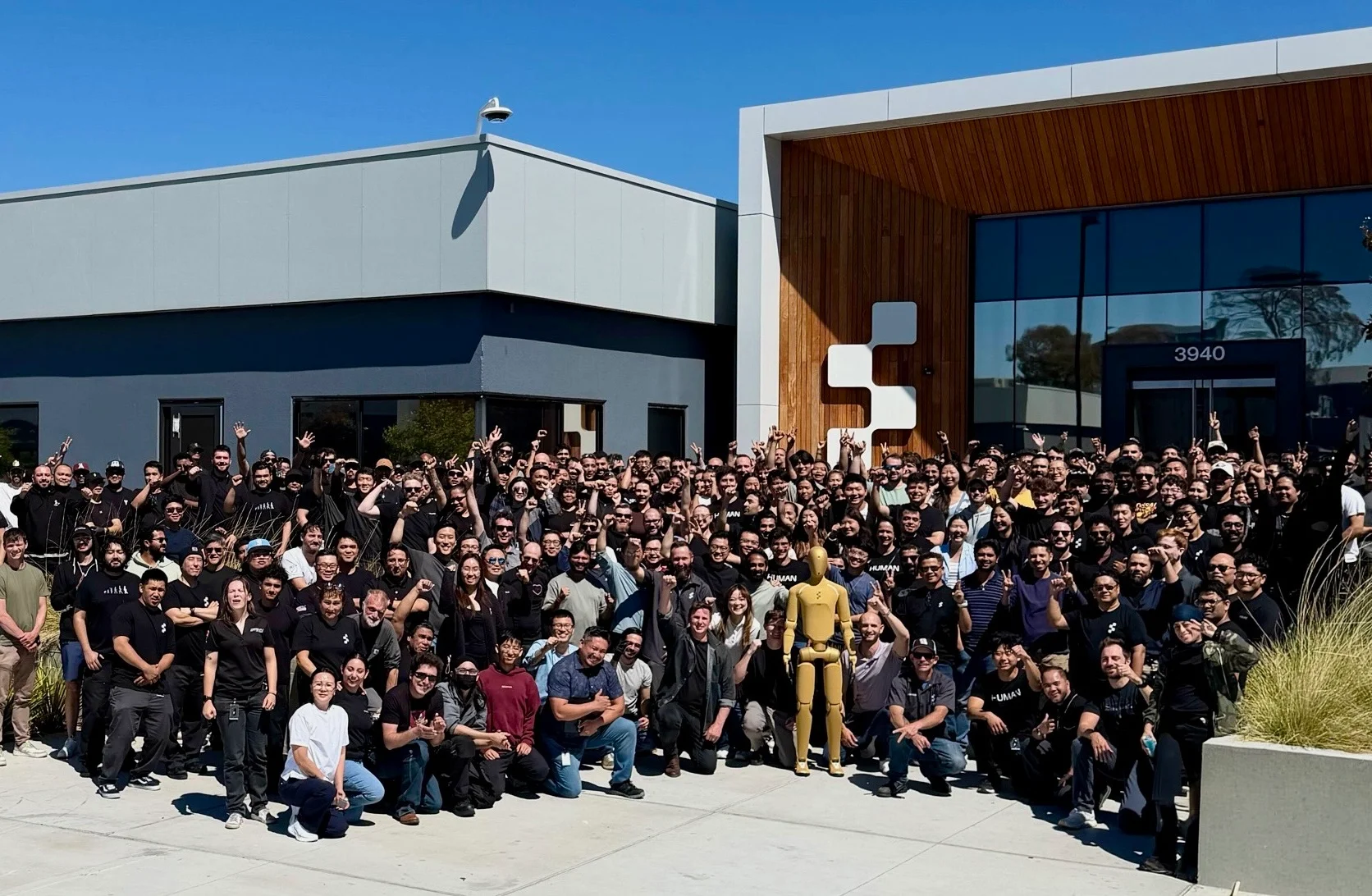
Figure Achieves Production Milestone with 1,000th Figure 03 Humanoid Robot
On July 23, Figure CEO Brett Adcock announced the production of the company's 1,000th Figure 03 humanoid robot, marking a significant milestone for the California-based startup. The announcement was made via social media, showcasing a unique golden-colored unit among the standard charcoal-grey and white models, symbolizing the achievement of scaling their manufacturing capabilities. This milestone underscores Figure's rapid acceleration in production, having scaled its throughput to one robot per hour by late April 2026. The company has transitioned to high-volume tooling processes, achieving a 90% reduction in manufacturing costs compared to its earlier model, the Figure 02. The goal is to reach an annual production capacity of 50,000 units, positioning Figure as a competitive player in the global humanoid robotics market. As Figure celebrates this achievement, the company also faces competition from aggressive Chinese manufacturers, such as AGIBOT and Unitree Robotics, who are rapidly increasing their production volumes. The production of 1,000 units not only signifies a manufacturing triumph but also enhances Figure's ability to gather valuable real-world interaction data to improve its autonomous models. No further timeline was disclosed at the time of publication.
Brett Adcock US Figure Figure-03
Xpeng Aims for 1,000 Monthly Iron Humanoid Robots Production by End of 2026
Chinese electric vehicle maker Xpeng is ramping up production of its Iron humanoid robot, targeting over 1,000 units monthly by the end of 2026. This increase is in preparation for a global rollout planned for 2027, with initial deployment as sales assistants in China showrooms. The significance of this move lies in Xpeng's strategy to expand beyond electric vehicles into embodied artificial intelligence. The Iron robot, unveiled in November 2025, showcases advanced mobility and AI capabilities, positioning Xpeng to establish a presence in the humanoid robotics market. Looking ahead, Xpeng's focus will be on integrating AI and robotics with its existing smart mobility technologies. The company aims to leverage its expertise in autonomous driving while continuing to grow its core EV business. No further timeline was disclosed at the time of publication.
AI and Robotics
Tesla's Optimus Robots to Support Starmind Satellite Production, Not Maintenance
Tesla's Optimus robots will not be used to repair Starmind satellites in orbit, as confirmed by recent statements from Elon Musk. Instead, these robots are intended to assist in the construction and operation of the Terafab chip manufacturing facility in Texas. The AI1 satellites, designed to disintegrate upon reentry, highlight the company's swap-and-replace strategy rather than traditional maintenance practices. This approach is significant as it reflects a broader trend in satellite management, where mass-produced satellites are replaced rather than repaired. The economics of servicing missions are prohibitive, with the cost of launching a replacement satellite being significantly lower than conducting a repair mission. This model aligns with SpaceX's operational history, where rapid replacement of satellites is more efficient than attempting to maintain them in orbit. Looking ahead, the focus will remain on the production capabilities of the Gigasat factory, which is expected to support the continuous replacement of satellites. No further timeline was disclosed at the time of publication, but the demand for rapid satellite turnover suggests a robust future for Optimus robots in terrestrial manufacturing rather than in-space servicing.

SpaceX Unveils AI1 Satellite Specs for Starmind Constellation with Key Thermal Challenges
SpaceX has introduced the AI1 satellite, the inaugural component of its Starmind constellation, which stands 20 meters tall and has a wingspan of 70 meters. This orbital compute node is designed to deliver computing power equivalent to one NVIDIA GB300 server rack, utilizing a unique cooling system with deployable liquid radiators. The satellite's specifications were revealed during a presentation on June 8, 2026, ahead of SpaceX's IPO. The significance of the AI1 satellite lies in its role as a compute platform rather than a traditional satellite, focusing on running AI inference workloads. The satellite's cooling system, which is critical for its operation in the vacuum of space, is designed to reject heat through infrared radiation. However, independent engineers have raised concerns about the feasibility of the thermal and mass claims made by SpaceX, suggesting that the cooling requirements may exceed practical limits. Looking ahead, SpaceX plans to launch two AI1 prototypes in early 2027, with full-scale production expected to commence later that year at its Gigasat facility in Bastrop, Texas. The ongoing debate regarding the satellite's thermal management capabilities will be crucial to monitor as the project progresses, with no further timeline disclosed at the time of publication.

The Shift in Physical AI: Qunke Technology Develops a Simulation Data Production Line
Qunke Technology has introduced a pioneering solution to tackle the pressing shortage of high-quality 3D training data, which is vital for the advancement of the physical AI industry. As leading companies in embodied intelligence shift their focus from model architecture to data infrastructure, Qunke's innovative simulation data production line aims to fill this gap. The company’s efforts have been recognized at the European Conference on Computer Vision (ECCV), where three of its groundbreaking research papers were accepted. These contributions are expected to set new benchmarks in the fields of spatial intelligence and data synthesis, further propelling the development of AI technologies.
Embodied Intelligence Simulation Data 3D Training Data AI Benchmarking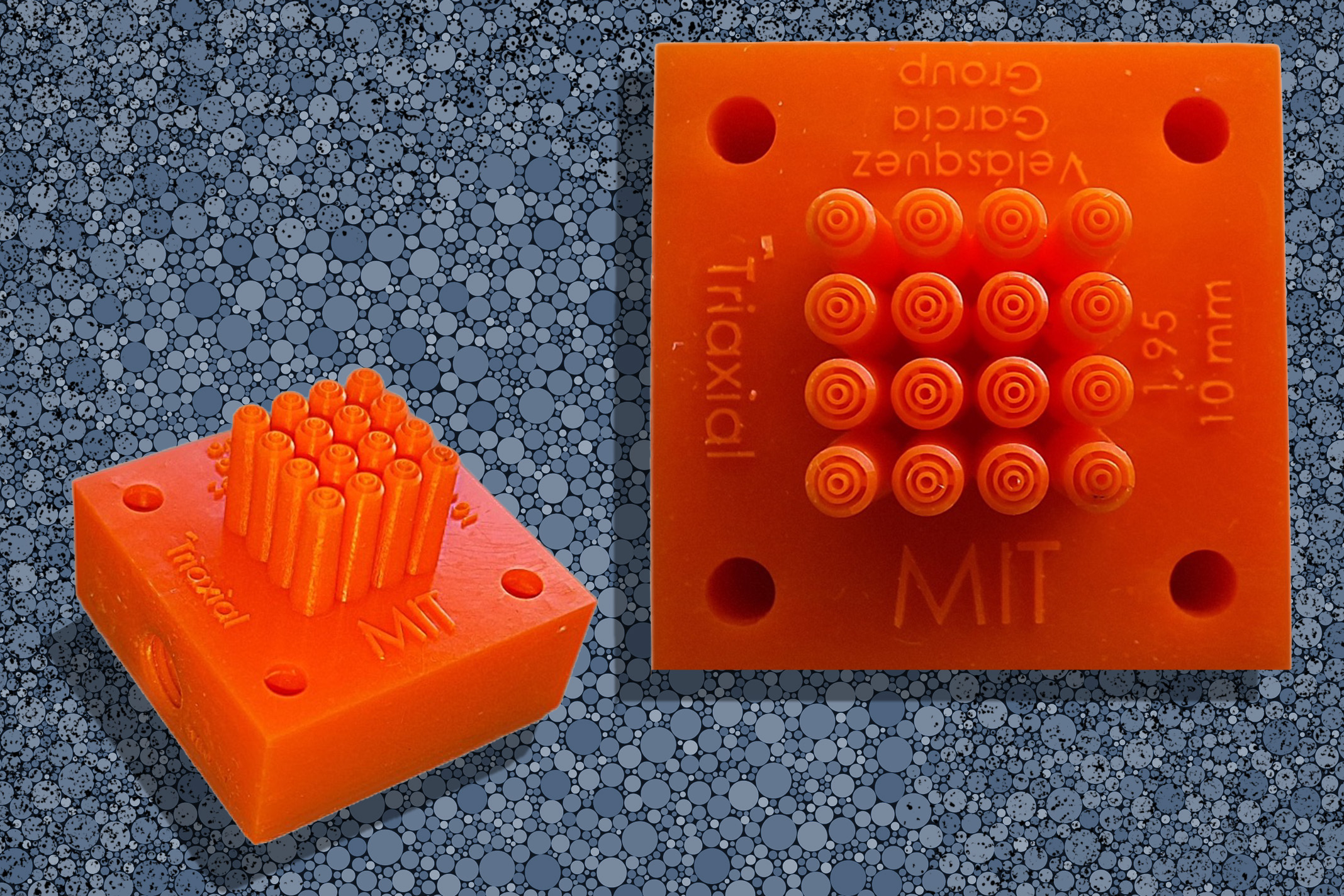
3D-printed devices could streamline the production of drug-delivery microparticles
A new development in particle production technology has emerged, utilizing cost-effective devices that can be constructed in just a few hours. These innovative devices employ electrospray emitter technology to efficiently generate three-layered particles on a large scale. This advancement is poised to enhance manufacturing processes across various industries by providing a faster and more economical method of particle creation. The introduction of these devices marks a significant step forward in the field, potentially leading to improved applications in pharmaceuticals, materials science, and other sectors that rely on precise particle engineering.
Research 3-D printing Additive manufacturing Electronics Medical devices Drug delivery
China Achieves Mass Production Breakthrough with 360TB Glass Hard Drives
Researchers at Huazhong University of Science and Technology (HUST) have made a significant advancement in data storage technology by achieving small-scale mass production of glass-based hard drives. This breakthrough, announced recently, could revolutionize the way enterprise cold data is stored. Each glass disc boasts an impressive capacity of 360 terabytes, utilizing a unique laser "carving" technique that engraves data into the internal structure of the glass. This innovative approach not only enhances storage capacity but also offers a durable and efficient solution for managing vast amounts of data. The development marks a pivotal moment in the evolution of data storage, potentially addressing the growing demand for high-capacity storage solutions in various industries.
Technology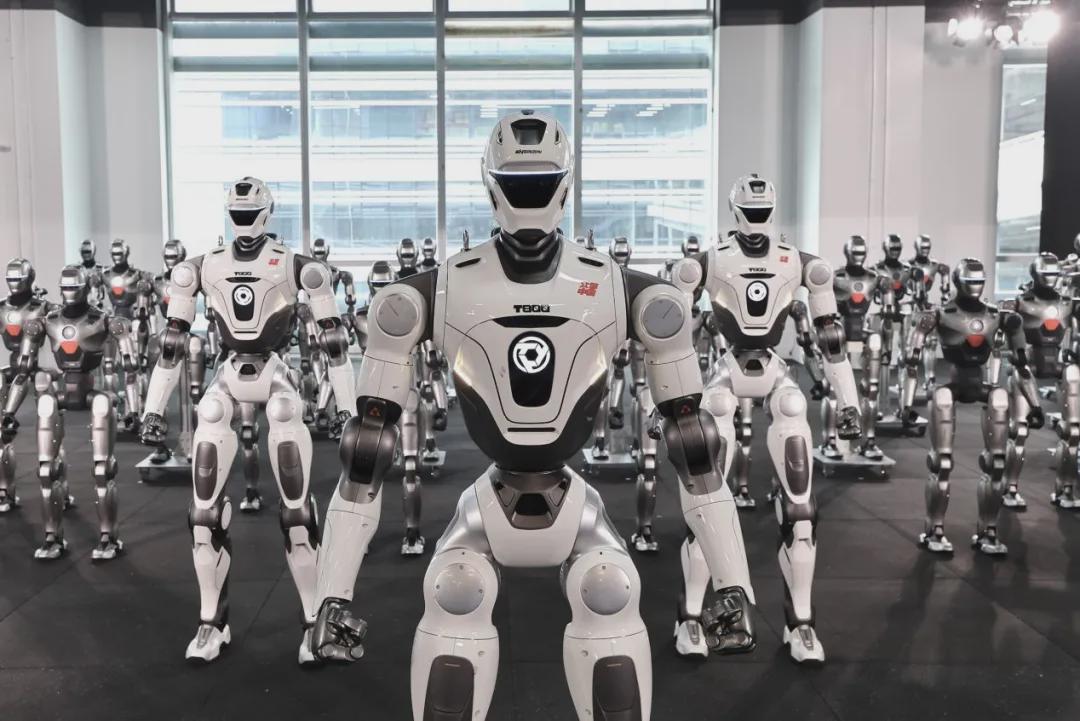
Zhongqing Robotics Achieves Mass Production Capability for Humanoid Robots
Zhongqing Robotics has inaugurated its new manufacturing base in Shenzhen, a pivotal development that signifies the commencement of mass production for its T800 humanoid robots. This state-of-the-art facility combines research and manufacturing capabilities, allowing the company to produce thousands of units efficiently while adhering to stringent quality standards. The launch not only enhances Zhongqing's production capacity but also solidifies its position as a frontrunner in the humanoid robotics sector, effectively tackling prevalent challenges associated with scaling production.
Humanoid Robots Mass Production Smart Manufacturing Robotics Technology
From One Unit Per Day to One Unit Per Hour: Figure Achieves Remarkable Production Milestone in 120 Days
Figure, a company specializing in humanoid robotics, has made a remarkable advancement in its production capabilities at the BotQ facility. In a span of just 120 days, the company has ramped up its output from one robot per day to an impressive one robot per hour. This significant increase underscores Figure's commitment to enhancing efficiency and maintaining high-quality standards as it seeks to expand its manufacturing of humanoid robots.
Humanoid Robots Manufacturing Technology AI Robotics
Founder Motor Achieves Small-Batch Production of Robot Joint Motors
Founder Motor (002196.SZ) has successfully initiated small-batch production of robot joint motors, a strategic move aimed at expanding its manufacturing capacity to address the increasing market demand for robotics components. This development comes as the company seeks to enhance its position in the rapidly evolving robotics industry, where demand for advanced motor technology is on the rise. By ramping up production capabilities, Founder Motor aims to meet the needs of clients and stay competitive in a sector characterized by innovation and growth. The decision to focus on robot joint motors reflects the company's commitment to leveraging its expertise in motor technology to capitalize on emerging opportunities within the market.
Robotics
Aeva Delivers Atlas C-Samples to Daimler Truck for Autonomous Truck Production Program
Aeva, a prominent company specializing in advanced sensing and perception systems, has successfully delivered the initial C-sample units of its Aeva Atlas™ 4D LiDAR sensors to Daimler Truck North America and Torc Robotics. This delivery represents a significant milestone in the ongoing collaboration between the companies, aimed at advancing the series production of SAE Level 4 autonomous Class 8 trucks. The partnership underscores Aeva's commitment to enhancing autonomous vehicle technology, which is crucial for the future of transportation. The delivery of these sensors is a pivotal step in the development process, facilitating further testing and refinement of the technology necessary for achieving higher levels of automation in trucking.
AI AI Use Cases Robotics Autonomous Trucking collaboration Daimler Truck North America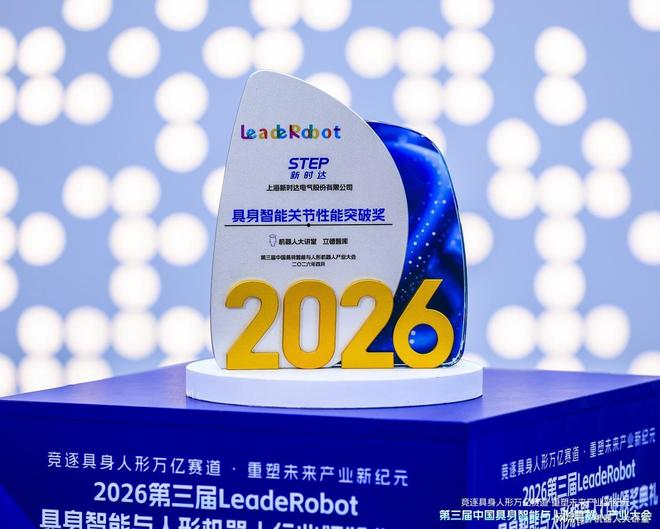
Technological Breakthrough! New Times Achieves Authority Recognition for Humanoid Joint Modules, Illuminating Key Link in Embodied Intelligence Mass Production
New Times has achieved a significant milestone by winning the 'Embodied Intelligence Joint Performance Breakthrough Award' for its cutting-edge humanoid robot joint modules. This recognition highlights a major advancement in China's humanoid robot industry, showcasing the company's innovative solutions to longstanding challenges related to weight, torque, and precision in robotic design. The development of these high-performance joint modules is expected to facilitate scalable applications across various industrial sectors, enhancing the functionality and efficiency of humanoid robots.
Humanoid Robots Joint Modules Embodied Intelligence Industrial Automation
How advanced automation is shaping the future of medical device production
Nigel Smith, CEO of TM Robotics, has highlighted the transformative potential of robotics-led injection moulding in the production of medical devices. In a recent discussion, Smith emphasized that integrating advanced robotics into the manufacturing process could lead to significant improvements in efficiency and precision. This innovation is particularly crucial in the medical sector, where the demand for high-quality, reliable devices is ever-increasing. By adopting robotics, manufacturers can streamline operations, reduce waste, and ultimately deliver better products to healthcare providers. Smith's insights underscore the importance of technological advancements in meeting the evolving needs of the medical industry, particularly as it faces challenges related to scalability and quality assurance.

AGIBOT and Longcheer Technology Achieve World's First Embodied AI Deployment in Consumer Electronics Precision Manufacturing Mass-Production Line
A groundbreaking project has been launched, representing the world's first large-scale industrial implementation of embodied AI systems in the core production workflows of consumer electronics manufacturing. This innovative initiative aims to enhance efficiency and productivity within the industry, leveraging advanced artificial intelligence to streamline operations and improve product quality. The project is set to transform traditional manufacturing processes by integrating intelligent systems that can learn and adapt in real-time. This significant development is expected to take place in various manufacturing facilities across the globe, with initial implementations scheduled for early 2024. By adopting these cutting-edge technologies, the consumer electronics sector seeks to address increasing demands for faster production times and higher quality standards, positioning itself at the forefront of technological advancement in manufacturing.

Revolutionizing Cheese Production with AI and Machine Vision: A Success Story from Eberle Automatische Systeme
The food industry is undergoing a significant transformation in quality control, driven by advancements in artificial intelligence (AI). This shift is particularly evident as AI technology integrates with rule-based machine vision, allowing for the automation of processes that were once deemed unfeasible. As companies seek to enhance efficiency and ensure product safety, the implementation of these innovative technologies is becoming increasingly vital. The changes are occurring across various sectors of the food industry, with many businesses adopting AI solutions to streamline operations and improve overall quality. This evolution not only addresses the growing demand for higher standards in food safety but also positions companies to better compete in an increasingly automated market.
Robotics needs a service framework.
RSF defines a common language for robot service capability, lifecycle operations, certification pathways, and service-provider networks.
Join the RobotToday community on LinkedIn
Daily robotics news, in-depth analysis, conference highlights, and discussions with professionals worldwide.







