


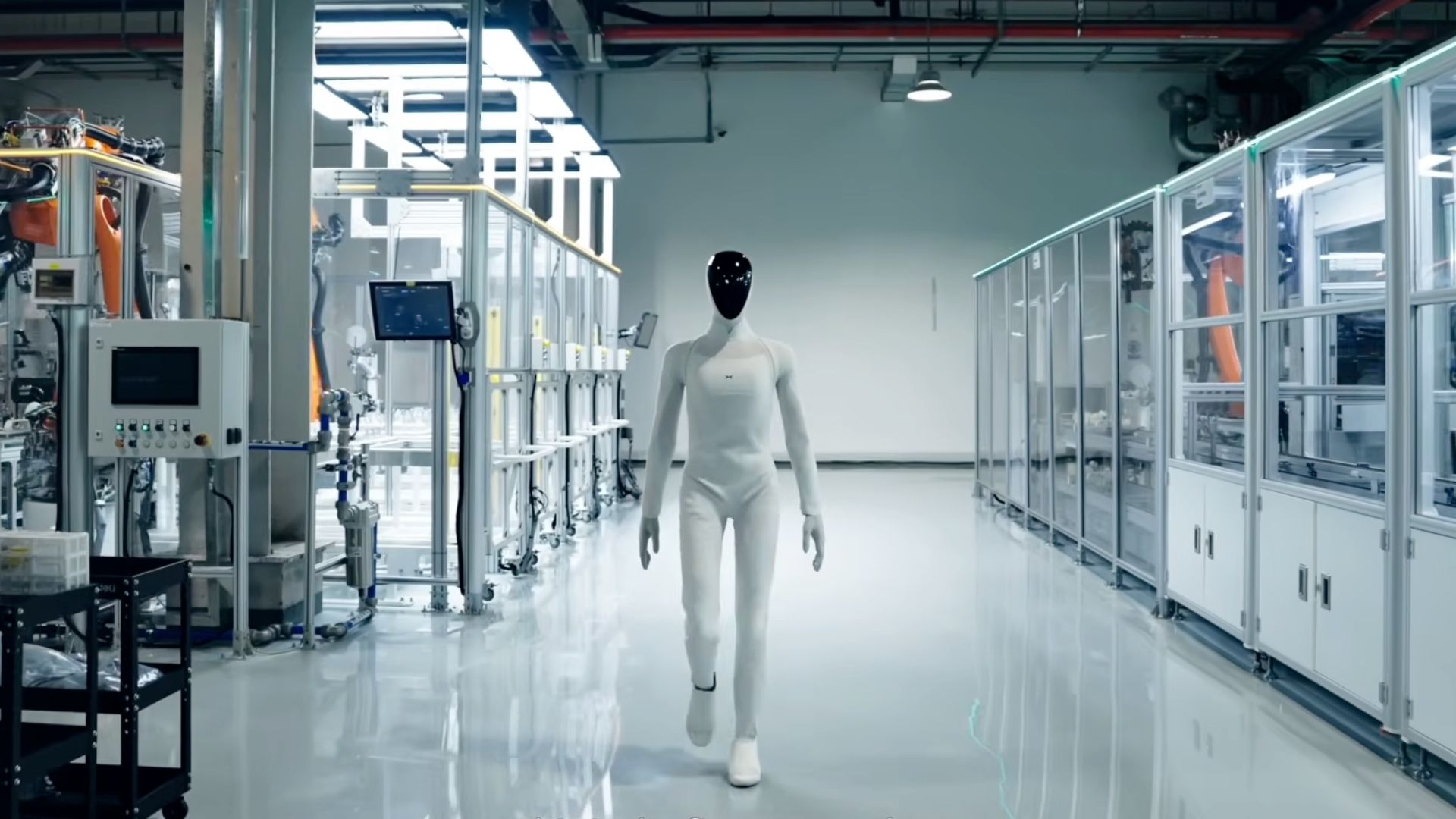
Major global automakers are shifting their focus from traditional vehicle manufacturing to humanoid robots, with over 20 companies, including Tesla, BMW, and BYD, entering this new market. This transition is driven by the need to address labor shortages and improve automation in production processes.
The significance of this shift lies in the competitive pressure it places on established automotive giants, particularly as BYD is set to lead in electric vehicle sales globally by 2025. The rapid advancements in humanoid robot technology by Chinese companies further intensify this competition, as they aim to enhance production efficiency and tackle common industry challenges.
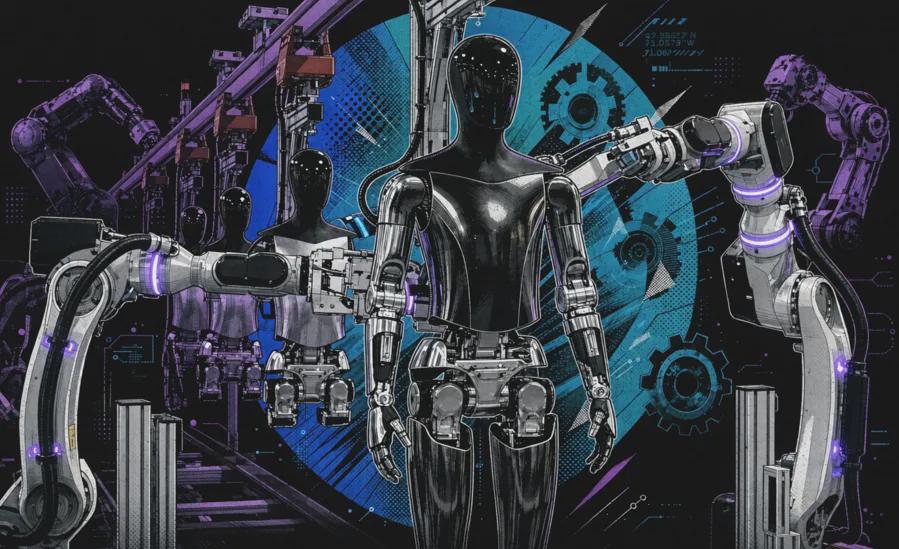
Looking ahead, the race to integrate humanoid robots into manufacturing is heating up, with Tesla taking a bold approach by developing its own robot, Optimus. As automakers worldwide ramp up their investments and strategies in this sector, the market is projected to reach hundreds of billions by 2035, making it crucial to monitor the developments and strategies of both domestic and international players.
Editor's Note
The automotive industry's pivot towards humanoid robots reflects a broader trend in manufacturing where companies seek to enhance automation and address workforce challenges. This transition could reshape supply chains and production methodologies, impacting how vehicles are designed and assembled in the future. Stakeholders should consider the implications of this shift on investment strategies and technology adoption.





















Leave a comment