

Tesla Transitions Fremont Factory from Model S/X Production to Optimus Robot Development
- Published
- Source
- leaderobot.com
On July 22, 2026, Tesla announced in its Q2 shareholder update that the Model S/X production line at the Fremont factory has been decommissioned to make way for the installation of the first-generation Optimus production line, which is expected to begin operations soon. The first batch of robots will enter the Optimus Academy for data collection training, while construction at the Texas Gigafactory is progressing.
This shift signifies Tesla's strategic pivot towards robotics, despite initial perceptions that it indicates a withdrawal from high-end vehicle production. The Model S/X line had a low output, with only 8,822 units produced in Q2, representing less than 3% of total deliveries. The transformation is seen as a cost-effective way to utilize existing facilities, as the Fremont site has the necessary infrastructure for rapid conversion.
Looking ahead, the Fremont line's focus will be on validating assembly processes rather than achieving mass production. The Texas facility is still under construction, with production expected to ramp up by summer 2027. As Tesla invests heavily in its robotics initiative, the financial implications are significant, with a reported operating profit decline and increased capital expenditures aimed at expanding capabilities across various projects, including Optimus.
Original report
Tesla's Q2 Report Reveals Shift from S/X Production to Robot Development
leaderobot.com · LeaderobotThis briefing is an independently written summary based on publicly available reporting and is provided for industry information and news discovery. The original report and source publication are credited and linked where applicable. RobotToday does not claim ownership of third-party source material.
Rights concerns? Contact [email protected] with the relevant URL and details. We will review the matter and take appropriate action where warranted.
More related news
- 1
- 2
- 3
- 4
- 5
- 6
- 7
- 8
- 9
- 10
- 11
- 12
Related Suppliers

Tesla
United States
US EV and energy company developing the Optimus humanoid robot and Full Self-Driving autopilot; targeting 50,000 Optimus units in 2026.
Ondas
United States
US provider of autonomous aerial, ground and counter-UAS drone systems plus standards-based private wireless networks for critical infrastructure.
Skild AI
United States
Pittsburgh AI company building the Skild Brain, a general-purpose foundation model for controlling any robot embodiment.
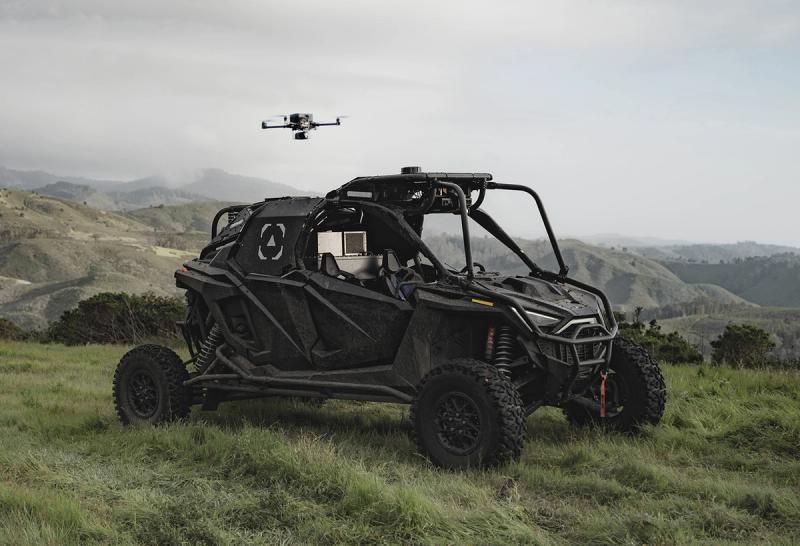
Scout AI
United States
Sunnyvale defense AI startup building Fury, a vision-language-action foundation model enabling single-operator command of multiple autonomous unmanned.

XaaS Labs Inc
United States
US software company in Sunnyvale, CA offering the Cognitive NDT inspection analytics platform integrating with UAVs, ROVs, and crawlers for asset inspection.
Dax Robotics (Beijing) Co., Ltd. 大咖机器人(北京)有限公司
China
Beijing robot maker (founded 2025) selling the X7 Pro/EDU wheeled dual-arm humanoids and the Qiji heavy-load robot horses; seed round led by GSR Ventures.
Terafab
United States
Tesla/SpaceX/xAI semiconductor fab announced March 2026 in Austin TX; produces AI chips for Optimus robots, FSD, and SpaceX satellites.

Oceanbotics, Inc.
United States
Irvine, California maker of SRV-8 and SRV-8X ROVs with SubNav OS, plus mine-disposal and acoustic-tracking variants for navies and police.
Mover Robot 摩尔机器人
China
Tianjin AMR manufacturer whose MOVER line spans 100-1,000 kg tugger, lifting and manual-loading mobile robots

AI Robot Association (AIRoA)
Japan
Tokyo non-profit association of Japanese industry and academia collecting open robot data and building robot foundation models, backed by NEDO.

PlusAI, Inc.
United States
Santa Clara, California company founded 2016; develops SuperDrive, an SAE Level 4 virtual-driver system for factory-built autonomous freight trucks.
Artly
United States
AI-powered robotic barista that pulls espresso and creates latte art, marketed as North America's most affordable coffee robot.
Robotics needs a service framework.
RSF defines a common language for robot service capability, lifecycle operations, certification pathways, and service-provider networks.
Join the RobotToday community on LinkedIn
Daily robotics news, in-depth analysis, conference highlights, and discussions with professionals worldwide.


