Industry Briefing
A single destination for timely, editor-curated robotics news from around the world.

6 Best Virtual Data Rooms for Secure Due Diligence and Deal Management
In 2023, global mergers and acquisitions (M&A) experienced a significant shift, with a notable increase in the value of transactions despite a flat volume. The total value of global M&A rose by 43% to reach $4.7 trillion, indicating a trend towards fewer but more complex deals. This surge in value has led dealmaking to account for 4.2% of the global market value, up from 3.3% the previous year. The rise in large transactions has been a key driver of this activity, reflecting a changing landscape in the global dealmaking environment. The concentration of transactions suggests that companies are increasingly pursuing larger, more intricate deals as they navigate a competitive market.
Business Computing Financials & Investments Internet audit trails business software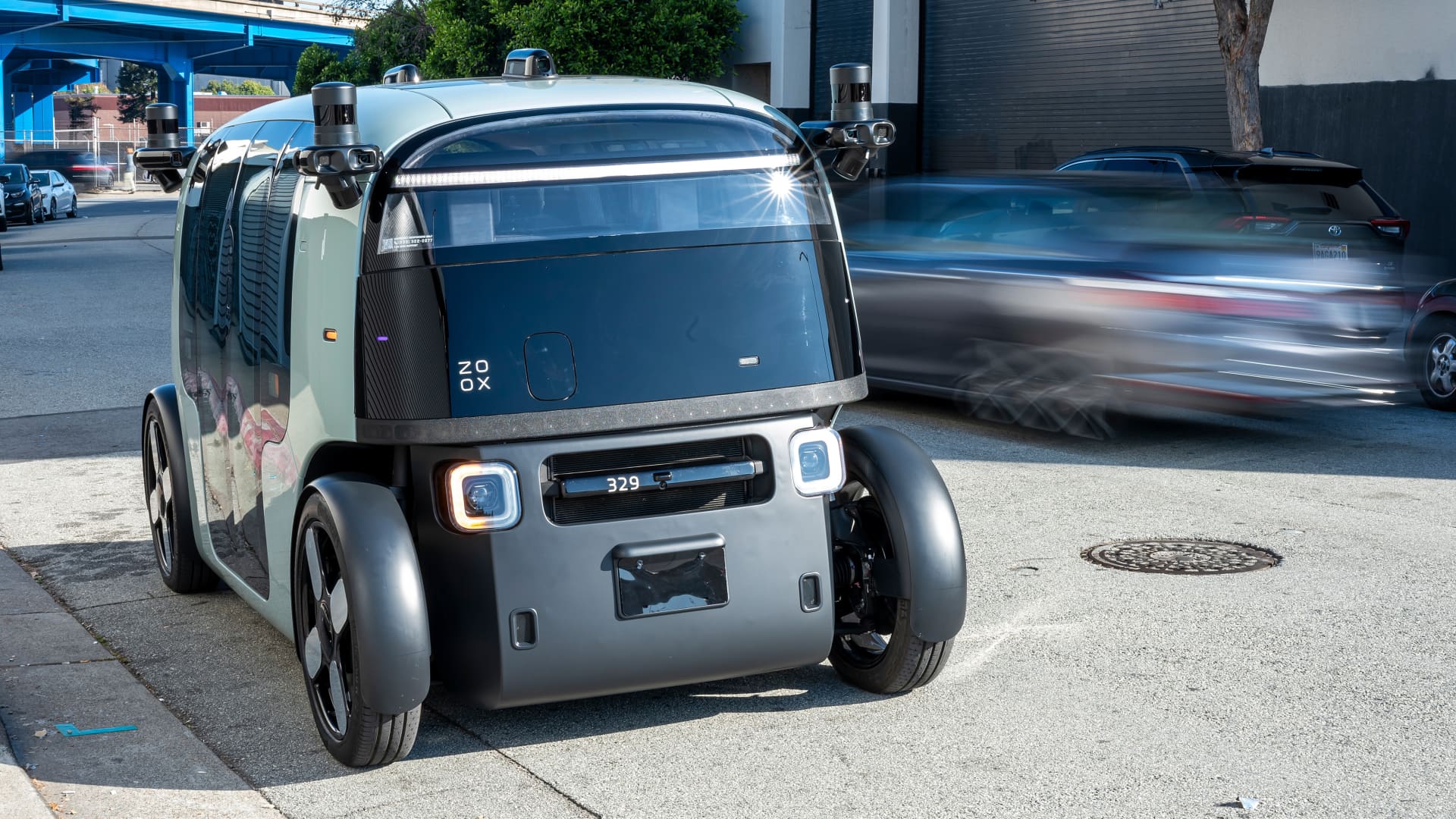
Zoox Recalls 105 Robotaxis Due to Software Issue with Smoke Detection
Amazon's Zoox has voluntarily recalled 105 of its robotaxis to rectify a software issue that caused the vehicles to fail in detecting heavy smoke. This recall follows an incident in Las Vegas where an unoccupied Zoox robotaxi drove into an active emergency fire scene obscured by smoke, prompting the company to notify the National Highway Traffic Safety Administration (NHTSA) on July 8. The significance of this recall lies in the growing scrutiny on autonomous vehicles, particularly regarding their interactions with first responders. NHTSA Administrator Jonathan Morrison has highlighted a pattern of driverless vehicles interfering with emergency operations, urging developers to prioritize solutions to these critical safety concerns. Zoox's incident marks a notable example of the challenges faced by autonomous vehicle technology in real-world scenarios. Looking ahead, Zoox is under pressure to enhance its software capabilities to prevent similar occurrences. The company has previously issued recalls for other software-related issues and is competing with industry leaders like Waymo. No further timeline was disclosed at the time of publication.

The Escalating AI Arms Race in Software Engineering Technical Interviews
The landscape of software engineering job interviews is rapidly evolving due to the increasing use of AI by both candidates and employers. Applicants are employing AI assistants to enhance their performance during remote technical interviews, while companies are countering with AI tools designed to detect such assistance. This dynamic creates a competitive environment where the human element of hiring remains crucial despite the technological advancements. The rise of AI in hiring processes is largely driven by the current job market, which is characterized by a surplus of applicants and ongoing tech layoffs. Experts like AI hiring strategist Tatiana Teppoeva highlight that candidates often resort to AI tools as a response to automated hiring practices that may not favor them. This situation leads to a cycle where both parties leverage AI, potentially shifting the focus from genuine capability to algorithm optimization. As AI tools become more prevalent, concerns regarding their effectiveness and fairness have emerged. While some companies are embracing AI in interviews, others warn of the risks associated with bias and privacy. The need for human oversight in the hiring process is emphasized, as relying solely on AI could result in the exclusion of qualified candidates. No further timeline was disclosed at the time of publication.
Hiring-trends Interviews Ai-bias Software-engineering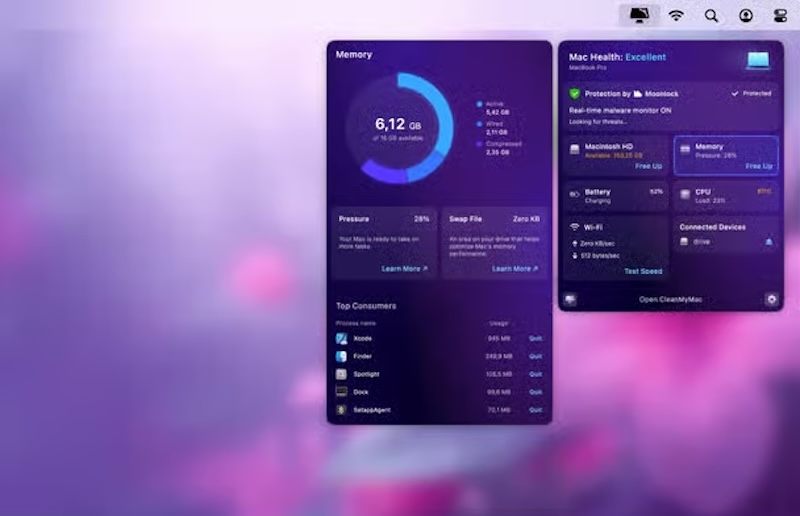
Benchmarking Your Development System for Effective Robotics Simulations
The development of robotics begins long before physical assembly, relying heavily on simulations to validate designs and refine algorithms. These simulations demand significant computational resources, making system benchmarking crucial to identify hardware limitations early in the process. By measuring workstation performance under demanding workloads, engineers can establish a performance baseline that aids in spotting potential bottlenecks. Understanding how different hardware components affect simulation performance is essential for robotics development. Whether using macOS, Windows, or Linux, benchmarking helps determine if slowdowns are due to software changes or hardware limitations. Key components such as the processor, graphics card, memory, and storage play varying roles in performance, and the weakest link can dictate the overall experience. As robotics projects grow in complexity, the need for robust hardware becomes increasingly important. Engineers should focus on comprehensive benchmarking to ensure their systems can handle the demands of their simulations. No further timeline was disclosed at the time of publication.
Components Robot simulation ABB RobotStudio automation cpu delmia
Interview with Olo Robotics COO Eleanor Tang-Smith: Making robot programming accessible to everyone
Recent advancements in robotics hardware have led to the emergence of highly capable autonomous mobile robots, quadrupeds, robotic arms, and humanoid robots, which are now more commercially available than ever. However, many organizations face significant challenges in adopting these technologies due to the complexities associated with software development. Creating robotic applications often necessitates specialized knowledge in platforms like ROS 2 (Robot Operating System 2). This gap in expertise hinders the widespread implementation of robotic solutions in various sectors, despite the promising capabilities of the hardware. As the industry continues to evolve, addressing the software barriers will be crucial for facilitating broader adoption and maximizing the potential of robotic innovations.
Computing Design Features Robot simulation ai robotics automation news
Travis Kalanick's Atoms Secures $1.7 Billion Funding Led by Andreessen Horowitz
Travis Kalanick's robotics venture, Atoms, has successfully raised $1.7 billion in a funding round led by Andreessen Horowitz, with Ben Horowitz joining the board. Notably, Uber participated in this round, marking a reconnection between Kalanick and the company he founded, which ousted him as CEO in 2017 due to various controversies. This funding is significant as it represents Kalanick's ambition to expand Atoms beyond its origins in ghost kitchens, with plans to delve into heavy industry automation and potentially mining. The investment is seen as a continuation of Kalanick's vision to digitize the physical world, leveraging software to enhance productivity in various sectors. Looking ahead, Kalanick has hinted at building a “wheelbase for robots” with Atoms, although specific plans remain undisclosed. The involvement of prominent investors like Andreessen Horowitz suggests a strong belief in Kalanick's capabilities to innovate within traditional industries, making this a development to watch closely in the robotics and automation landscape.
AI Fundraising Venture a16z Andreessen Horowitz robotics
Selecting Effective Process Optimization Tools: Methods, Techniques, and Technologies
Organizations often face challenges not due to a lack of process optimization tools, but from selecting them without first identifying improvement needs. For instance, a team may invest in workflow software when the core issue is an unclear process, or apply Lean techniques to problems stemming from uncontrolled variation. Understanding the categories of process optimization tools—improvement methodologies, analytical techniques, and software—is crucial. Effective optimization starts with defining the problem and establishing a measurable baseline before integrating the right methods and technologies. Tools like Lean and Six Sigma are frameworks rather than standalone applications, and their effectiveness relies on proper implementation. Looking ahead, organizations should focus on aligning their optimization tools with specific performance issues and data availability. The combination of methods and technologies should aim to enhance outcomes without creating unacceptable trade-offs. No universal list of optimal tools exists, as the right choices depend on the unique context of each organization.
Computing Engineering Industry Software artificial intelligence bpm
Skypuzzler Proposes Mathematical Algorithms for Airspace Safety Amid Drone Traffic Surge
As the FAA seeks effective management of low-altitude airspace due to rising UAV traffic, Skypuzzler, a Copenhagen-based technology firm, offers a solution based on mathematical algorithms rather than AI. Their air traffic management system integrates strategic and tactical deconfliction to prevent airspace conflicts, allowing real-time traffic management without requiring additional drone hardware. Skypuzzler collaborates with major aerospace and logistics companies, including Thales Group and DSV, to implement its platform in Europe, notably at the Port of Rotterdam. With nearly 100 drone operators in the port, the company addresses the complexities of coordinating diverse drone missions in shared airspace, emphasizing the need for effective deconfliction strategies. Recently, United Airlines Ventures invested in Skypuzzler, facilitating its entry into the U.S. airspace management market, particularly in the Dallas-Fort Worth area. Skou warns that existing U.S. coordination models may not sustain as drone and manned aviation traffic increases, advocating for Skypuzzler's software integration into current UTM systems to enhance airspace safety and scalability.
Applications DL Exclusive Drone News Drone News Feeds Europe Drone Industry News
Microsoft Recommends Deploying Windows Updates Within Three Days to Combat AI-Driven Threats
Microsoft has updated its guidance for deploying Windows updates, recommending that organizations implement updates within three days of release. This change is in response to the rapid exploitation of software vulnerabilities, which can now be targeted within hours due to advancements in AI technology. The new policy aims to enhance security and reduce the risk of attacks during the delay in applying patches. The increase in vulnerabilities, with 206 reported in June 2026 alone, highlights the urgency for IT departments to adapt their update processes. Microsoft encourages organizations to rethink their security strategies and implement new policies that facilitate quicker deployment of patches to all devices, thereby minimizing exposure to potential threats. To assist IT departments in managing this transition without increasing workload, Microsoft has proposed three key steps: automating update policies, utilizing cloud management tools, and implementing conditional access for non-compliant devices. These measures are designed to streamline the update process while maintaining operational efficiency and security integrity. No further timeline was disclosed at the time of publication.

Strong SoC Platforms Demand Assert Ambarella, Inc. (AMBA) as a Top Robotics Stock to Buy According to Short Sellers
Ambarella, Inc. (NASDAQ:AMBA) has been identified as a leading robotics stock, particularly due to the rising demand for its System-on-Chip (SoC) platforms, which are increasingly utilized in artificial intelligence applications at the network edge. On May 29, Rosenblatt Securities reaffirmed a Buy rating for Ambarella, setting a price target of $120, while Northland Securities echoed this sentiment on June 17 with an Outperform rating and a $101 target. The company's recent 10-year partnership with Hanwha Group is expected to significantly enhance its market position, allowing for the co-development of AI SoC technology across various industries, with potential revenues estimated at $800 million. Ambarella specializes in low-power semiconductors and software designed for edge AI and computer vision, enabling devices to process high-resolution video and sensor data in real-time without cloud reliance. As the technology advances, with upcoming 2nm AI SoC chips promising energy efficiency and high performance, Ambarella is well-positioned to capitalize on the growing robotics and telematics sectors. Despite some investment risks, analysts believe that Ambarella's innovative solutions in AI could yield substantial returns for investors in the near future.

Waymo Recalls Robotaxis Over Driving Through Freeway Work Zones
Waymo has announced a recall of thousands of its robotaxis due to a software glitch that poses a safety risk. The issue could potentially lead the autonomous vehicles to inadvertently accelerate through construction zones on freeways. This decision comes as part of the company's commitment to ensuring the safety of its fleet and the public. The recall is being implemented promptly to address the software malfunction and prevent any incidents that could arise from the vehicles' erratic behavior in these hazardous areas. Waymo is actively working on a solution to rectify the problem and will notify affected vehicle owners about the necessary updates.

Waymo Is Charging $29.99 A Month For Faster Robotaxi Pickups — Here's What Subscribers Get
Waymo, the autonomous vehicle service operated by Alphabet Inc., has launched a new subscription tier called "Waymo Premier," priced at $29.99 per month. Announced on June 14, 2026, this invite-only program aims to provide subscribers with faster pickup times and early access to new service areas. Initially available to select riders in San Francisco, Los Angeles, and Phoenix, the subscription includes benefits such as prioritized pickups, 10% cash back on rides, and five free cancellations each month. The introduction of this subscription service comes as Waymo continues to expand its operations in the U.S. and recently acquired a self-driving proving ground in Arizona, previously owned by Apple Inc. However, the company is facing challenges, including a recall of over 3,791 autonomous vehicles due to a software glitch that could lead to dangerous driving conditions. Additionally, Waymo's partnership with Uber Technologies Inc. has faced scrutiny, with some Uber executives questioning the scalability and reliability of fully autonomous services compared to a hybrid model that includes human drivers.
Nvidia: Data Centers Made It Great, Physical AI Could Make It Generational
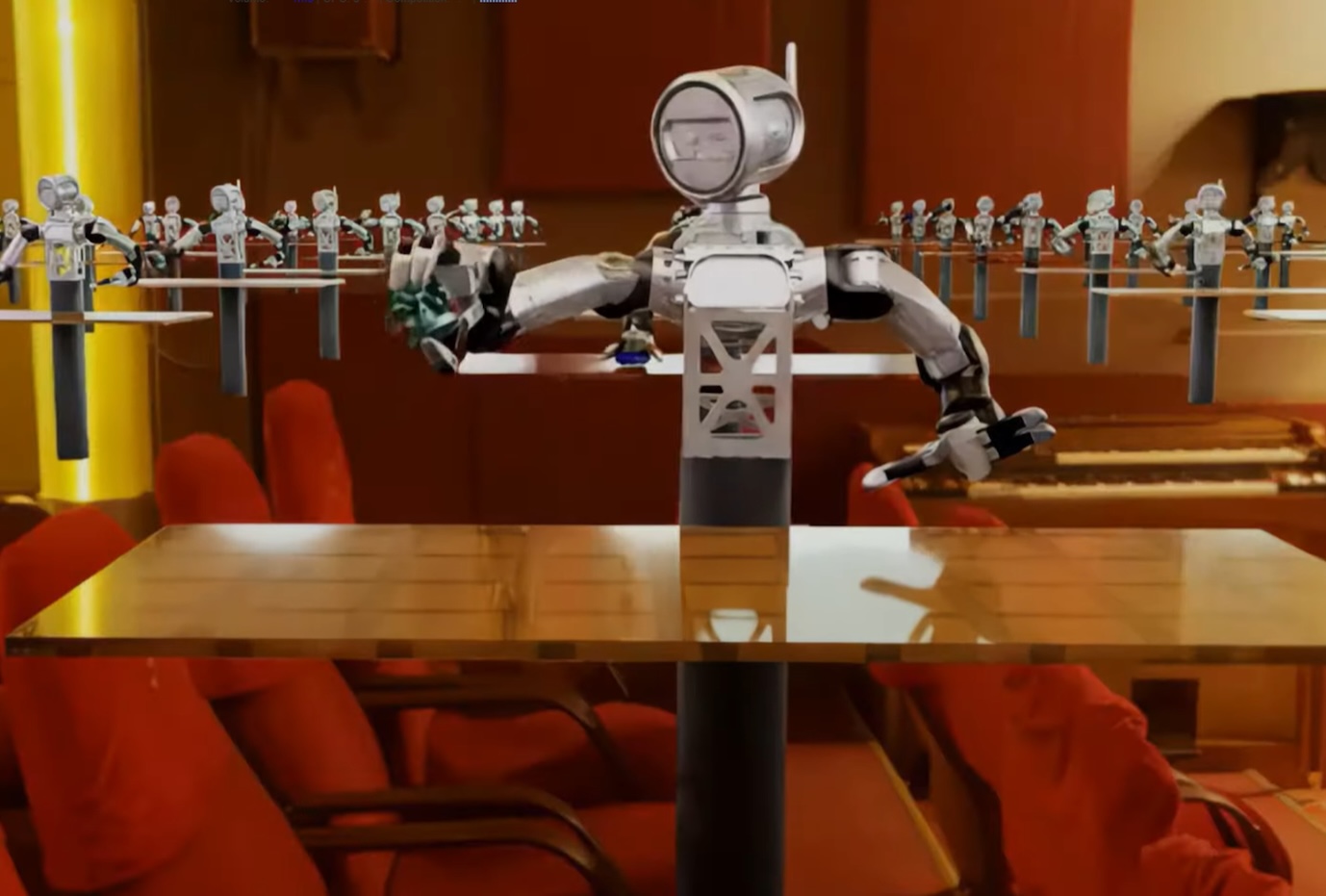
Nvidia, a leading player in the AI chip market, reported a robust data center revenue of $81.6 billion for the first quarter of fiscal year 2027. Despite this strong performance, analysts suggest that the company requires additional growth catalysts to sustain its upward trajectory. Key areas identified for future expansion include Physical AI, robotics, autonomous vehicles, and real-world AI applications, which are currently undervalued in the market. While Nvidia's trailing twelve-month price-to-earnings ratio stands at approximately 33, its forward P/E ratio of around 23 indicates that the stock may be undervalued, presenting a strong buying opportunity for investors. The investment thesis emphasizes Nvidia's dominance in GPU-accelerated computing, which has solidified its position in the tech industry. The insights come from an investment professional with over seven years of experience in asset management and a commitment to the Quality Growth investment philosophy. This approach focuses on companies with strong fundamentals and visible paths to future growth, aiming for long-term returns. The analyst, who holds a long position in Nvidia shares, encourages investors to conduct their own due diligence before making investment decisions.
NVDA NVDA:CA ZNVD:CA The Quality Growth Investor
Axon Is About To Explode Higher
Amrita Roy, an analyst and contributor to The Pragmatic Optimist, has initiated a "buy" rating on Axon Enterprises (AXON) due to its promising risk-reward profile and strong growth potential in its Connected Devices and Software & Services segments. This recommendation comes as Axon undergoes a transformation into a comprehensive public safety platform, driven by its AI Era Plan, which is expected to enhance average revenue per user (ARPU) and boost recurring subscription revenue. Despite recent pressures on margins and free cash flow, Roy believes these challenges are temporary, as the AI Era Plan is anticipated to provide significant operational leverage. Management has raised its revenue guidance for fiscal year 2026, projecting a growth rate of 30-32%, with expectations that Axon will surpass its $6 billion revenue target by fiscal year 2028. Roy's analysis highlights that Axon's stock has declined over 56% since its peak in August of the previous year, prompting her to take a position in the company. Her investment strategy focuses on sustainable, growth-oriented companies that maximize shareholder equity. With a background in high-growth startups and venture capital, Roy aims to democratize financial literacy through her work, including her award-winning newsletter.
AXON Amrita Roy
Rivian: A Reality Check Is Coming (Rating Downgrade)
Amrita Roy, an investment analyst, has downgraded Rivian Automotive Inc. to a 'sell' rating due to unfavorable risk-reward dynamics amid significant technical resistance and increasing margin pressures. Despite reporting a 49% year-over-year growth in its Software & Services division, Rivian's Automotive segment is struggling with negative gross margins and is expected to face further declines as production of its R2 model ramps up through the second and third quarters of the fiscal year. This situation raises concerns about the timing of potential improvements in earnings per share, compounded by various execution and macroeconomic risks. Current Wall Street price targets suggest a 36% downside risk to $9 per share, with only a 27% upside potential, making the investment outlook unattractive. The downgrade follows Rivian's recent Q1 FY26 earnings report, which, despite exceeding expectations, has not alleviated the stock's downward pressure, which has seen a 19% decline. Roy, who leads a family office fund in Vancouver, emphasizes the importance of sustainable growth in her investment strategies and aims to provide accessible financial insights through her work.
RIVN Amrita Roy
Tesla Hikes Model Y Prices as Wall Street Focuses on AI. Whether You Are Betting on Cars or Robots, TSLA Stock Is Overstretched Here.
Tesla Inc. has raised prices for its Model Y electric vehicles in the United States for the first time in two years, with adjustments of up to $1,000 targeting premium trims. The price of the Model Y Premium rear-wheel drive and all-wheel drive has increased to $45,990 and $49,990, respectively, while the Model Y Performance all-wheel drive sees a smaller increase of $500, bringing its price to $57,990. The base models remain unchanged at $39,990 and $41,990. This strategic decision comes as Tesla continues to recover from previous operational declines, reporting a 16% year-over-year revenue growth of $22.39 billion in the first quarter of 2026, alongside a significant 52% increase in earnings per share. The company’s strong performance is attributed to cost optimizations in production and an increase in premium software adoption, with the number of full self-driving customers reaching approximately 1.3 million. Despite facing capital constraints due to a projected $25 billion in expenditures for expanding manufacturing capabilities, Tesla remains optimistic about its technological advancements and plans to initiate unsupervised full self-driving testing across multiple states by the end of the year. The price hikes reflect Tesla's ongoing strategy to enhance profitability while maintaining its competitive edge in the electric vehicle market.
Waymo recalls 3,800 robotaxis after glitch allowed some vehicles to 'drive into standing water'
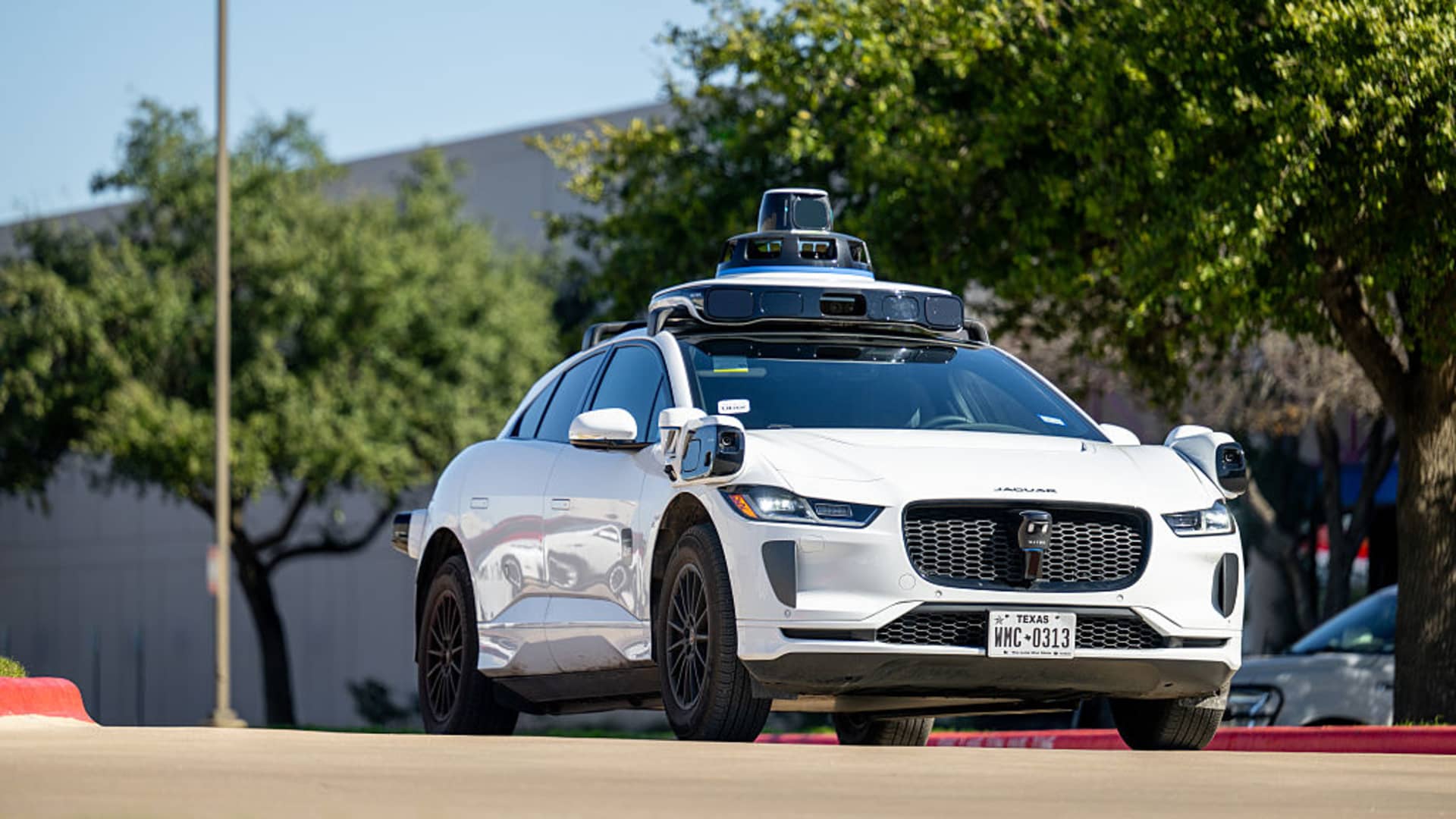
Waymo has announced a voluntary recall of approximately 3,800 of its robotaxis due to software malfunctions that could potentially lead the vehicles to navigate into flooded roadways. This decision comes as a precautionary measure to ensure the safety of passengers and pedestrians. The recall highlights the company's commitment to addressing safety concerns proactively. The affected vehicles will undergo necessary software updates to rectify the issue, with the recall process expected to begin immediately. Waymo's move underscores the challenges faced by autonomous vehicle technology in adapting to adverse weather conditions and emphasizes the importance of continuous monitoring and improvement in safety protocols.

Chef Robotics Expands into Component Assembly for CPG Manufacturing
Chef Robotics has announced an expansion into component assembly for consumer packaged goods (CPG) manufacturing, enabling automation of secondary packaging and kitting processes. This development, revealed on May 11, 2026, allows Chef robots to efficiently handle a variety of items, including sauce sachets, seasoning packets, and even non-food inserts like cutlery kits and instruction cards. Historically, CPG assembly lines have relied heavily on manual labor due to the challenges posed by lightweight and deformable items. Chef Robotics aims to address this issue by utilizing AI-powered computer vision, which enables robots to assess and manipulate items in real time, ensuring precise placement without damage. The technology adapts to the variability of items in unstructured bins, eliminating the need for pre-sorting. The new assembly application features three key capabilities: detecting and reorienting items mid-pick for accurate placement, picking and placing multiple components simultaneously, and ensuring correct item allocation in multi-compartment products. This innovation promises higher throughput, reduced labor dependency, and consistent item placement across production shifts. Chef's CPG assembly application is available in the US, Canada, the UK, and Germany, and operates on existing robotic hardware and software, allowing for seamless integration into current manufacturing setups. The service is offered under Chef's robotics-as-a-service (RaaS) pricing model, further solidifying the company's position as a leader in AI-driven food robotics solutions.

Tesla (TSLA): Top 10 Battery Technology Stock To Buy
A recent incident involving a major technology firm has raised concerns about data security and privacy. On October 15, 2023, a cybersecurity breach was reported by TechCorp, a leading player in the software industry, affecting millions of users worldwide. The breach, which occurred due to a vulnerability in their system, has prompted an urgent response from the company to mitigate potential risks. In the wake of the incident, TechCorp has initiated a comprehensive investigation to determine the extent of the breach and to safeguard user data. The company is working closely with cybersecurity experts and law enforcement agencies to address the situation and prevent future occurrences. This breach has sparked a broader discussion about the importance of robust cybersecurity measures in the tech industry, as consumers increasingly rely on digital services. TechCorp's leadership has emphasized their commitment to transparency and accountability, assuring users that they are taking all necessary steps to rectify the situation and enhance their security protocols moving forward. As the investigation unfolds, users are advised to monitor their accounts for any suspicious activity and to change their passwords as a precautionary measure. The incident serves as a reminder of the ongoing challenges faced by companies in protecting sensitive information in an increasingly digital world.
Why Global Buyers Are Increasingly Choosing Robot Arm China for Automation
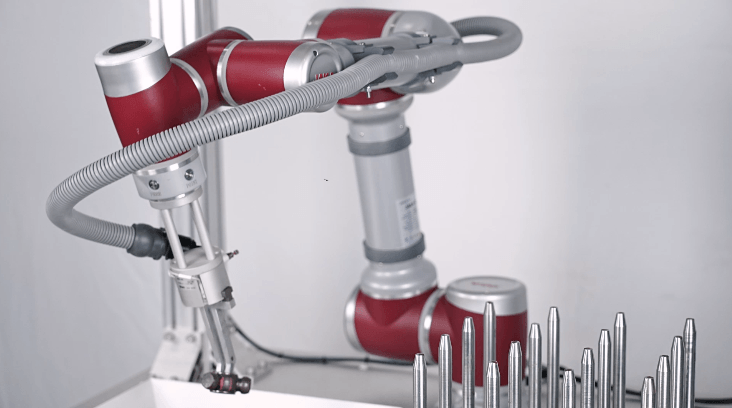
The global industrial sector is experiencing a significant transformation as companies increasingly adopt flexible automation, particularly in China, which has emerged as the largest market for industrial robots. This shift is driven by a growing demand for sophisticated robotic arms that not only offer cost-effectiveness but also advanced adaptability and intelligence to seamlessly integrate into existing production lines. Historically associated with mass production, Chinese manufacturing is now recognized for its technical innovation and research and development in robotics. Local manufacturers are enhancing their technologies to meet stringent international standards, resulting in systems that excel in precision, payload capacity, and software integration. International buyers are attracted to these modern Chinese robotic solutions due to their rapid deployment capabilities and versatility, which are designed to simplify complex automation tasks for small and medium-sized enterprises. By focusing on user-friendly interfaces and modular designs, these robots lower the barriers to automation across various industries, including electronics, automotive, and food processing. Leading this collaborative revolution is JAKA, a global frontrunner in intelligent robotics. The company emphasizes a mission to enhance productivity through its innovative solutions, such as the JAKA Zu Series and S Series. These products boast impressive specifications, including high payload capacities and precise positioning accuracy, making them ideal for delicate tasks. JAKA's "plug-and-play" approach allows its collaborative robots to operate safely alongside human workers without traditional safety barriers, further enhancing their appeal. With a global service network and advanced training programs, JAKA positions itself as a comprehensive partner in automation, ensuring that its technology remains at the forefront of the industry.

Jim Cramer on Tesla: “I’m Not a Seller of the Future, I’m a Buyer of the Future”
A recent incident involving a major data breach has raised concerns among consumers and businesses alike. On October 15, 2023, cybersecurity experts revealed that a significant amount of personal information from millions of users was compromised due to vulnerabilities in a widely used software application. The breach, which occurred during routine maintenance, was detected by the company’s security team based in San Francisco. The motivation behind the breach appears to be the exploitation of outdated security protocols, which allowed unauthorized access to sensitive data, including names, addresses, and financial information. In response, the affected company has initiated a comprehensive investigation to assess the extent of the breach and to implement stronger security measures to prevent future incidents. As part of their response strategy, the company is offering affected users free credit monitoring services and has urged all customers to change their passwords immediately. This incident highlights the ongoing challenges in cybersecurity and the critical need for businesses to prioritize data protection in an increasingly digital landscape.
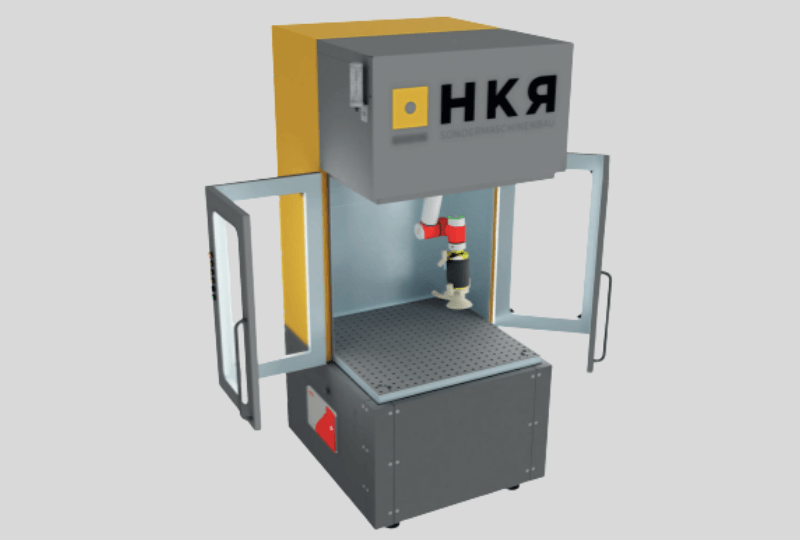
Effortless Surface Finishing: Automate Grinding, Polishing & Deburring with the HKR Finish Box
Manufacturers facing challenges in manual surface finishing due to rising costs and a shortage of skilled labor can now turn to a new solution from HKR Sondermaschinenbau. The company has introduced the HKR Finish Box, a compact automation system powered by a JAKA collaborative robot, designed to streamline grinding, polishing, and deburring processes. Launched recently, the HKR Finish Box transforms traditional manual workflows into fully automated operations, ensuring consistent quality and precision even for complex geometries. This innovative system utilizes intelligent 3D software and active force control to maintain reliable results, addressing the difficulties of standardization and scalability in small batch production. One of the standout features of the HKR Finish Box is its user-friendly programming. Instead of requiring extensive robotics expertise, users can simply define the processing area, allowing the system to automatically generate the necessary toolpaths. This ease of use facilitates quick integration into existing workshops, thanks to its compact 1 x 1 meter design and fully enclosed structure that ensures safe operation. With a starting price of €120,000, the HKR Finish Box offers an accessible entry point into automation for small and medium-sized enterprises, promising immediate benefits such as high-quality surface results, reduced physical workload, and efficient production capabilities. By combining advanced tooling with collaborative robotics, HKR aims to help manufacturers modernize their processes without unnecessary complexity or risk.

Why AI Systems Fail Quietly
Engineers developing distributed AI platforms are facing a new challenge known as "quiet failure," where systems appear operational but produce incorrect outcomes over time. This issue arises as autonomy in software systems increases, complicating traditional methods of monitoring and observability. In late-stage testing, engineers find that while monitoring dashboards indicate a healthy status, users report that the system's decisions are increasingly flawed. For instance, an AI assistant designed to summarize regulatory updates may continue to function technically but rely on outdated information due to a failure to update its document retrieval process. This disconnect highlights the limitations of conventional observability metrics, which focus on uptime and error rates rather than the ongoing alignment of system behavior with intended outcomes. As autonomous systems operate continuously and make decisions based on evolving contexts, engineers must shift their focus from merely ensuring component functionality to actively supervising overall system behavior. This requires the implementation of supervisory control architectures that can monitor and intervene in real-time, preventing behavior drift before it leads to significant issues. The growing prevalence of quiet failures calls for a rethinking of reliability in engineering, emphasizing the need for continuous behavioral monitoring and control. As AI systems become more autonomous, this new approach will likely extend across various domains, transforming how engineers ensure that systems not only function correctly but also remain aligned with their intended purposes over time.
Software-failure Software-reliability Software-engineering Cloud-computing Autonomous-systems
Why Are Large Language Models So Terrible at Video Games?
Recent advancements in large language models (LLMs) have led to significant improvements in various domains, particularly in coding. However, a notable limitation remains: LLMs struggle to play video games effectively. Despite some successes, such as Gemini 2.5 Pro defeating Pokémon Blue in May 2025, these models often perform poorly compared to human players, making frequent mistakes and requiring specialized software to assist them. Julian Togelius, director of New York University’s Game Innovation Lab and co-founder of AI game-testing firm Modl.ai, discussed these challenges in a recent interview with IEEE Spectrum. He highlighted that while coding resembles a well-structured game with clear tasks and immediate feedback, video games present a more complex landscape that LLMs have yet to navigate successfully. Unlike games like chess or Go, which have been mastered by AI through retraining, video games vary significantly in mechanics and input requirements, complicating the development of a general game AI. Togelius pointed out that the lack of comprehensive benchmarks for video games further hinders LLMs' performance. While benchmarks have driven improvements in coding, the diverse nature of video games makes it difficult to establish similar metrics. He noted that current LLMs perform poorly even compared to basic algorithms in gaming contexts, primarily due to insufficient training data and challenges in spatial reasoning. Despite their coding capabilities, LLMs cannot engage in the iterative process of game development, which involves testing and refining gameplay. This disparity raises questions about the future of AI in mastering video games and its implications for broader AI applications.
Llms Artificial-intelligence Video-games
Three Tips to Optimize Robotic Deburring Efficiency Using Adaptive Path Planning
In the realm of modern manufacturing, JAKA is addressing a common challenge in the deburring process, which often serves as a bottleneck due to its repetitive nature and the need for high precision. The company advocates for the use of robotic deburring systems, particularly emphasizing the advantages of their flexible robot arms. By integrating sophisticated software strategies, such as adaptive path planning, JAKA enhances the efficiency of these robotic systems. The flexible design of JAKA's robot arms allows them to adjust their approach to maintain optimal tool contact, accommodating variations in part tolerances without manual reprogramming. This capability ensures a consistent finish across different components, significantly reducing rework rates. Additionally, the integration of real-time force feedback enables the robotic system to maintain consistent pressure during material removal, adapting its speed and position based on the interaction with the workpiece. To further streamline operations, JAKA employs parametric models that allow for quick setup of new deburring paths based on 3D CAD models. This method reduces the time required for programming and enhances the adaptability of the robotic system in high-mix production environments. By focusing on dynamic path planning, real-time force control, and model-based programming, JAKA is revolutionizing the robotic deburring process, making it faster, more reliable, and easier to manage amidst varying production demands.

Microsoft taps Alt Carbon in sign of India’s growing role in carbon removal
Alt Carbon has announced a significant agreement with Microsoft, marking the culmination of over a year of rigorous scientific review and due diligence. The partnership reflects Microsoft's commitment to enhancing its sustainability initiatives, necessitating additional verification and data-sharing measures to ensure transparency and accountability. This collaboration aims to advance carbon capture technology, aligning with both companies' goals to address climate change effectively. The agreement underscores the importance of thorough evaluation in forming strategic partnerships within the tech and environmental sectors.
Climate Startups Alt Carbon enhanced rock weathering Exclusive Microsoft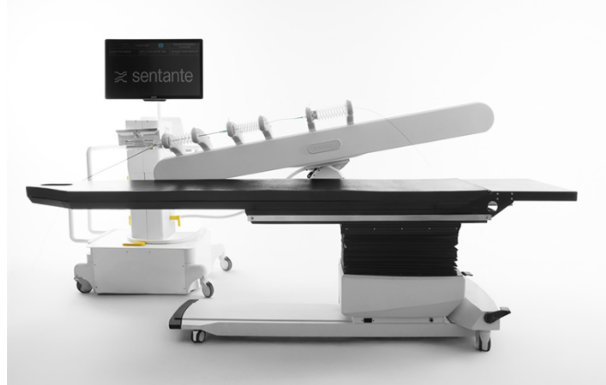
Sentante Introduces 'Physical AI' to Enhance Vascular Interventional Surgery Robots
On July 23, Lithuanian medical robotics company Sentante announced the integration of next-generation AI capabilities into its CE-certified vascular surgical robot platform. This innovative system goes beyond simple remote operation, transforming each surgery into data that fuels AI training. Unlike traditional surgical robots, Sentante employs a 1:1 force feedback haptic interface that captures every subtle movement of the surgeon and replicates it in real-time, providing critical tactile information back to the surgeon's fingertips. The significance of this advancement lies in its ability to enhance safety during vascular interventions, where visual information is limited due to the risks associated with radiation and contrast agents. Sentante's system captures physical signals such as resistance and torque that visual systems cannot detect, allowing surgeons to differentiate between safe contact and potential perforation. The integration of force and torque sensing into the catheter drive system from day one has positioned Sentante at the forefront of this technological evolution. Looking ahead, Sentante's ambition extends beyond creating effective robots. The company aims to redefine the competition in the vascular intervention field, which currently lacks commercially dominant robotic solutions. By collaborating with NVIDIA and utilizing its Isaac for Healthcare platform, Sentante is focused on continuous data optimization and machine assistance, marking a significant milestone in the application of 'Physical AI' in medicine. No further timeline was disclosed at the time of publication.
Medical Robotics Vascular Surgery AI in Healthcare Tactile Feedback Technology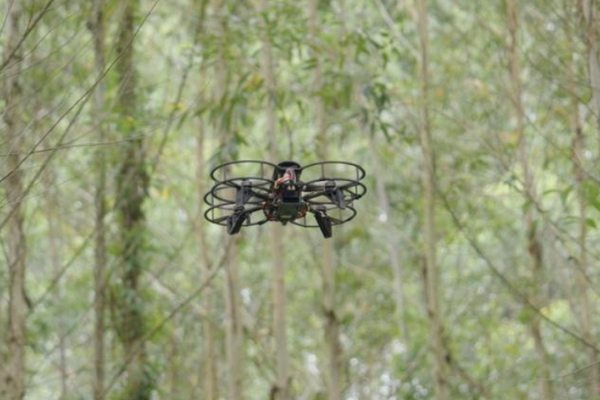
Grid Intelligence: How an AI Brain Fills the Gap in Underforest Scenarios
Grid Intelligence has launched its GridAI brain, enabling drones to operate autonomously in underforest environments without GNSS. This innovation addresses significant automation needs in forestry, where traditional methods are costly and inefficient. The technology allows for real-time spatial understanding and obstacle avoidance, marking a breakthrough in drone capabilities. The underforest sector presents a substantial market opportunity, with China's forest stock expected to reach 20.988 billion cubic meters by 2025. Despite the demand, automation solutions have struggled to penetrate this complex environment due to navigation challenges. GridAI's unique approach to spatial perception and control functions aims to revolutionize operations in this previously neglected area. Looking ahead, Grid Intelligence plans to expand the application of its GridAI brain beyond forestry to various sectors, including logistics and robotics. Collaborations with leading forestry companies and strategic partnerships in logistics indicate a broader vision for integrating intelligent solutions across industries. No further timeline was disclosed at the time of publication.
Ant Group's Chief Scientist Discusses Building Robots' Vision from the Ground Up
Ant Group's subsidiary, Ant Lingbo, has made a bold decision to abandon existing digital pre-trained models and build a native visual foundation for robots from scratch. Chief Scientist Shen Yujun emphasizes that while traditional visual models focus on image quality and scene recognition, robots require an understanding of how to interact with objects in real-time, necessitating a complete overhaul of training methods. This approach is significant as it addresses the limitations of existing models that cannot process real-world scenarios effectively. The second-generation model has seen a substantial increase in pre-training data from 20,000 hours to 60,000 hours, expanding robot configurations and improving efficiency in training. The new model is built on three technological pillars, including a mixture of experts architecture and a causal unidirectional attention mechanism, which have been developed to meet the demands of the physical world. Looking ahead, Ant Lingbo aims to gather millions of hours of native pre-training data to enhance its models. Shen believes that China will surpass the U.S. in data scale due to its robust hardware supply chain and increased production of robots. No further timeline was disclosed at the time of publication.
Robotics Computer Vision AI Machine Learning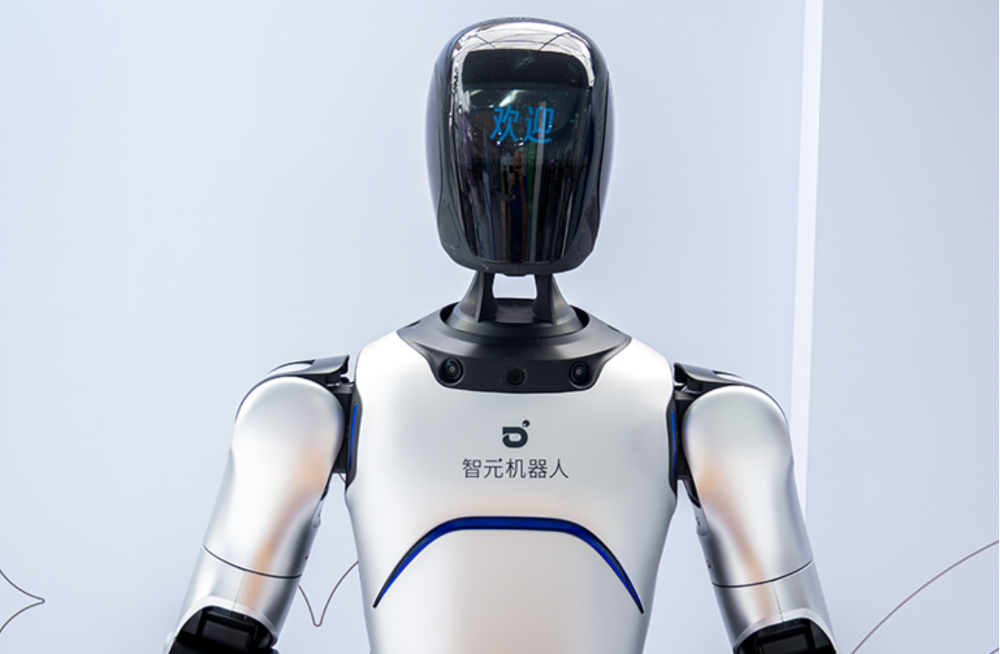
AgiBot and Others Transition to Domestic Chips Amid Rising Costs in Robotics
As Chinese robotics companies ramp up production, domestic chips are increasingly replacing Nvidia's offerings due to cost pressures. On July 22, Wang Chuang, Senior Vice President of AgiBot, revealed that the company has begun integrating domestic chips into its robots, including the 'cerebellum' for joint motion control and communication chips, collaborating with various chip manufacturers. This shift is significant as it reflects a broader trend in the industry where high costs of foreign chips, which can account for one-third of hardware procurement costs, are driving companies like AgiBot and UBTECH to seek local alternatives. UBTECH has even formed a joint venture with domestic chip maker MetaX to focus on the research and mass production of intelligent chips. Looking ahead, the transition to domestic chips is expected to reshape not only supply chains but also the entire cost structure and competitive landscape of the robotics industry. By 2025, Chinese companies are projected to dominate the global humanoid robot market, with AgiBot leading the way with approximately 5,168 units shipped.
Humanoid Robots Domestic Chips Robotics Industry AI Cost Efficiency
AI's Final Mile: Transitioning from Demonstration to Real-World Application
At the WAIC 2026, while humanoid robots showcased impressive feats, a closed-door discussion titled 'Chain π Roundtable' addressed the gap between AI technology demonstrations and real-world applications. Wu Liming, Chairman of Huamao Technology, highlighted that Moore's Law has failed beyond 5nm, with chip performance now limited by physical constraints. Advanced packaging and optical interconnects are crucial, with advanced packaging sales expected to surpass traditional packaging by 2025. The conversation also introduced the concept of 'native AI in factories' by Wei Jie, Chairman of Shanghai Jingzhi. He noted that many industrial AI projects excel in labs but struggle in factories due to issues like data fragmentation and insufficient validation scenarios. He emphasized that AI must grow from real manufacturing data to ensure operational stability. The roundtable concluded with three key insights: the bubble in computing infrastructure will not burst before fall 2028, the speed of AI adoption depends on data loop iterations, and the focus should be on profitability rather than trends. The overarching theme was the need for AI to operate sustainably and profitably in real environments, underscoring the importance of stable revenue for technology development.
Industrial AI Data Integration Advanced Packaging Healthcare AI Robotics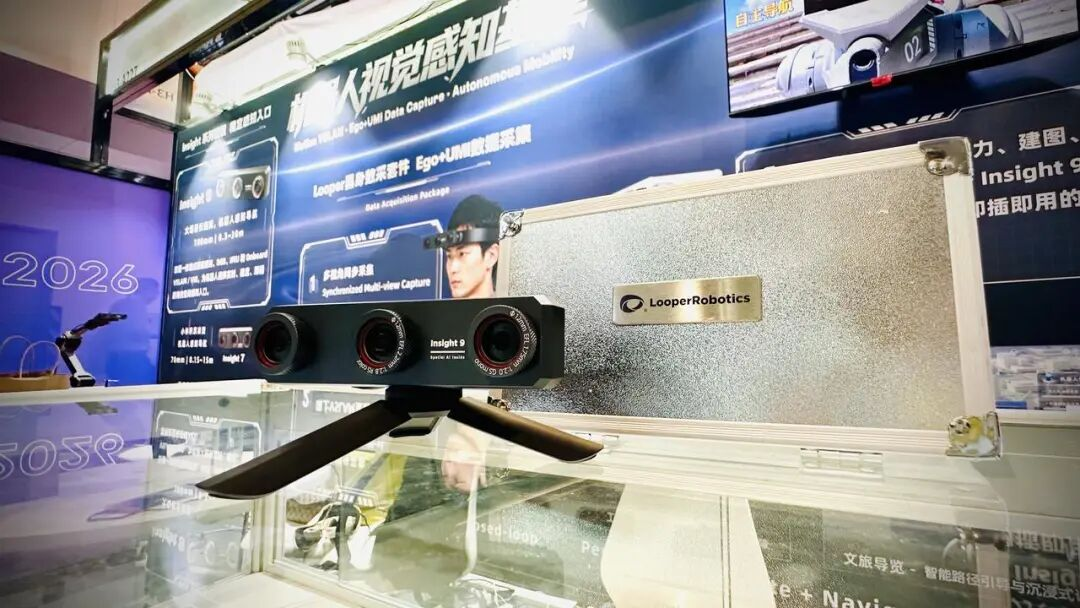
WAIC Highlights Embodied Intelligence with Data-Driven Innovations and New Players
Embodied intelligence emerged as a leading focus at this year's WAIC, attracting significant attention at the Expo Center. Numerous familiar companies showcased their production lines and scenarios, while new entrants like Guanglun Intelligent and Wuwen Zhike displayed data streams and algorithm demonstrations, drawing industry professionals eager to address data challenges. The shift in competition from 'building bodies' to 'establishing foundations' emphasizes the critical role of data in embodied intelligence. However, the industry faces a substantial bottleneck due to a lack of high-quality data. Chen Yilun, founder of Shizhi Hang, highlighted that at least 10 million hours of qualified data is needed for embodied operations, ten times that required for autonomous driving, with only about 500,000 hours available globally by early 2026. Looking ahead, the demand for data is projected to increase dramatically, with companies like Guanglun Intelligent leading the charge. The company, founded in 2023, aims to scale data collection and has already achieved a valuation exceeding 15 billion yuan. As the industry evolves, the need for effective data solutions will continue to create opportunities for innovation and growth.
Data Collection Embodied Intelligence AI Technology Robotics Data Analytics
Big Tech Earnings Season Begins with Google and Tesla Reporting Soon
Big Tech earnings season is set to commence on Wednesday, with Google and Tesla scheduled to report their financial results after market close. Analysts will closely monitor Tesla's expenditures on its Robotaxi, Optimus humanoid robot, and AI initiatives, which may significantly impact its free cash flow. The significance of this earnings season lies in the performance of major players like Intel and Google, both of which have seen stock fluctuations tied to the AI boom. Intel's stock has experienced highs due to AI data center growth, but recent trading patterns suggest a shift away from the semiconductor sector. Investors are eager to learn about any new customers for Intel's foundry business. Looking ahead, AMD will host its Advancing AI event in San Francisco on Thursday, where it is anticipated to unveil updates to its product lines in the data center sector. No further timeline was disclosed at the time of publication.

AI Agents Develop Virtual Environments for Robot Training Using SceneSmith System
AI agents have developed the SceneSmith system, which creates realistic 3D environments such as kitchens and hotels for robot training. This innovative approach allows robots to simulate everyday tasks, enhancing their operational capabilities. The significance of this development lies in its potential to address the skills gap in the manufacturing sector. With over 2 million jobs projected to remain unfilled due to a shortage of skilled workers, effective training solutions like SceneSmith are crucial for preparing the workforce of the future. Looking ahead, the integration of AI in training environments will likely continue to evolve, providing robots with the necessary data to perform complex tasks. No further timeline was disclosed at the time of publication.
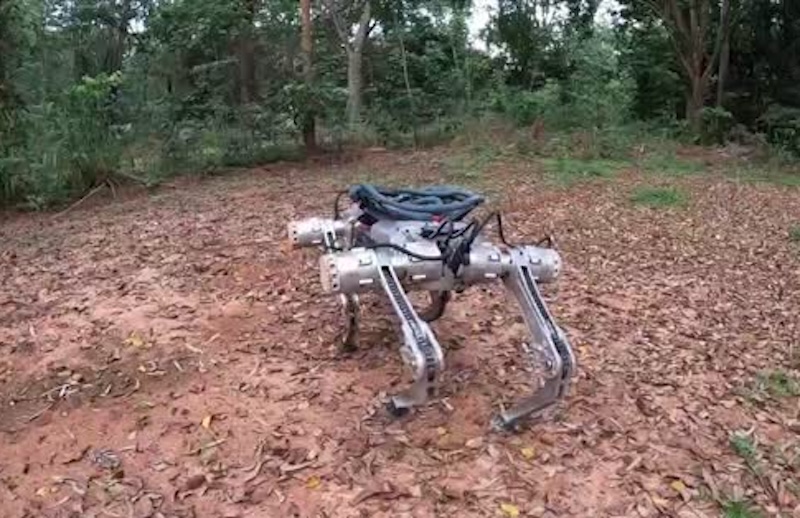
Strider Robotics Unveils 40 kg Payload Quadruped Robot Amid Commercial Deployments
Strider Robotics, an Indian startup, has successfully demonstrated a quadruped robot capable of carrying a 40 kg payload across challenging terrains. This marks a significant step as the Bengaluru-based company transitions from prototype development to commercial deployment, with field pilots currently underway with a major oil and gas company and an automotive manufacturer. The importance of this development lies in Strider's focus on enhancing India's domestic robotics manufacturing capabilities, as over 80 percent of the robot's components are sourced locally. Quadruped robots are gaining traction in industries where traditional wheeled vehicles face limitations, such as energy, mining, and infrastructure inspection, due to their ability to navigate uneven surfaces and carry equipment. Looking ahead, Strider Robotics aims to solidify India's position as a key player in the development of intelligent legged robotic systems for industrial and defense applications. No further timeline was disclosed at the time of publication.
Robotics Robotics and Automation Robotics and Automation News Robotics News AI software artificial intelligence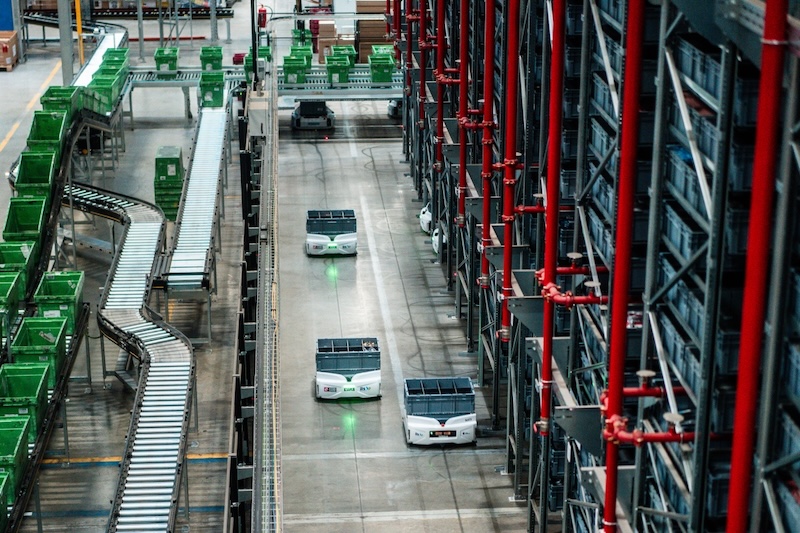
Exotec's Managing Director Discusses Key Warehouse Automation Trends for 2026
Thomas Genestar, managing director of western Europe at Exotec, emphasizes the necessity of automation and AI in logistics due to the e-commerce boom. He identifies resilience, reliability, and operational continuity as critical pillars influencing supply chain strategies for 2026 and beyond. Genestar highlights the growing adoption of Goods-to-Person (G2P) solutions, which enhance warehouse efficiency by delivering items directly to operators. This innovation reduces unnecessary movement, increases task consistency, and minimizes physical strain on workers, addressing the significant costs associated with non-automated warehouses. Additionally, he notes the shift from traditional forecasting to AI/ML models that allow for dynamic demand sensing, enabling organizations to better align production with demand. This evolution supports more sustainable and resilient supply chain practices, including improved reverse logistics inspired by e-commerce return models. No further timeline was disclosed at the time of publication.
Features Logistics ai automation circular logistics demand sensing
Tuobang Collaborates with Over Ten Humanoid Robot Firms to Expand from Motors to Complete Hands
On July 16, Tuobang Co., Ltd. (002139.SZ) revealed its latest developments in the robotics sector, announcing partnerships with over ten domestic humanoid robot companies. The company aims to supply hollow cup motors and actuator modules to manufacturers of complete humanoid robots and dexterous hands. Tuobang has been focusing on hollow cup motors since 2007, which are essential components for dexterous hands, and anticipates mass production deliveries by 2026. The company is also extending its offerings from single motors to integrated actuator modules that include components like reducers and lead screws, providing clients with higher integration solutions. Furthermore, Tuobang is developing its own dexterous hand products, currently in the internal technology validation phase, with initial testing on its smart manufacturing production line. Looking ahead, Tuobang expects to see improved growth in its industrial automation business by 2026, driven by increased demand for high-end equipment due to AI infrastructure development. The company has identified autonomous smart products as a second growth curve, targeting significant revenue growth in core markets by 2026. No further timeline was disclosed at the time of publication.
Humanoid Robots Robotics Components AI Infrastructure Industrial Automation
Rick Rider Critiques AI-Readiness Concept in Manufacturing Sector
Rick Rider, SVP of AI Innovation at Infor, argues that the concept of 'AI readiness' is misapplied in the manufacturing sector. He believes that many manufacturers are stuck in pilot purgatory due to vendor requirements for perfect conditions before AI can be implemented. Instead of waiting to become 'AI-ready,' successful companies are adopting AI within their existing fragmented environments. Rider highlights that the most common approach to AI adoption is 'point solution enthusiasm,' where manufacturers deploy AI tools to address isolated pain points without a cohesive strategy. This often results in disconnected systems that fail to provide actionable insights across operations, leading to more data but less clarity. The 'AI readiness gap' is defined by Rider as the disparity between a manufacturer's current data infrastructure and the requirements for AI to create sustained value. He emphasizes that siloed data and inconsistent processes create a structural gap that cannot be bridged by AI alone, underscoring the need for a more integrated approach to AI implementation.
Business Intelligence
ByteDance Explores Physical AI, Indicating a Shift Beyond Traditional Models
ByteDance has clarified its position regarding autonomous driving, stating it will not pursue smart driving. However, this clarification signals a significant shift as the company explores Physical AI. Unlike traditional AI, which learns from vast text data, Physical AI understands physical laws and causality, enabling it to predict physical states rather than merely generating text. The emergence of Physical AI is expected to peak around 2026 due to three key turning points: the spillover effects of large model technologies, breakthroughs in simulation technology that overcome data limitations, and a significant decrease in hardware costs. These advancements are paving the way for applications in autonomous driving, which has already seen large-scale commercialization in various sectors, outpacing humanoid robots still in demonstration phases. Industrial Physical AI is poised to revolutionize productivity through applications like predictive maintenance and quality inspection. While specialized robots are being deployed in logistics and inspection, the widespread implementation of general-purpose humanoid robots may take another 5 to 10 years. The competition in Physical AI has begun, marking a transformative shift as AI evolves from merely processing information to reshaping the world.
Physical AI Autonomous Driving Industrial Automation Simulation Technology
AI Robots Achieve 3,500 Garment Sorts Per Hour in South Korean Warehouse
In a warehouse located in Icheon, South Korea, a fleet of AI-guided robots is sorting garments at a remarkable rate of 3,500 items per hour, approximately four times the output of human workers. Since their deployment, the women's clothing company has reported 'zero losses'—no picking errors and no stockouts due to logistics mistakes. Despite this advancement, the sewing automation challenge remains unsolved, often referred to as the 'last mile' of textile automation. The system, developed by Baba Fashion in collaboration with South Korean automation firm Cotek Electronics, utilizes autonomous mobile robots equipped with SLAM navigation technology, eliminating the need for ground magnetic strips or embedded wires. The logistics deployment by Baba Fashion serves as a successful commercial case, while other companies, such as the leading fashion platform MUSINSA, are also investing in automated logistics solutions. The ongoing challenge of sewing automation, likened to the complexities of autonomous driving, continues to impact the future of millions of garment workers as the industry transitions into a more automated era.
AI Robotics Warehouse Automation Sewing Automation Fashion Technology
Hummingbird F100 Revolutionizes Wind Turbine Blade Inspection with Wireless Technology
The Hummingbird F100, launched by Schrodinger Industrial Group, marks a significant advancement in wind turbine blade inspection. This device operates wirelessly, enabling stable connections over distances of up to 150 meters, and is designed to navigate complex internal structures of turbine blades, which are typically challenging to inspect due to their confined spaces. The global market for wind turbine blade inspection services is projected to grow from $7.74 billion in 2025 to $8.48 billion in 2026, with a compound annual growth rate of 9.6%. The Hummingbird F100 addresses the industry's need for more efficient inspection methods by automating data collection and analysis, shifting from reactive maintenance to proactive asset management. Looking ahead, the integration of AI with inspection robotics will enhance defect detection and reporting capabilities. The transition from wired to wireless operations will not only streamline deployment but also expand operational ranges and reduce on-site risks. The Hummingbird F100's modular design allows for rapid adaptation to various inspection scenarios, positioning it as a key player in the evolving wind energy sector.
Wind Turbine Inspection Robotics AI Technology Data Management Wireless Solutions
NVIDIA Discusses Evaluating General-Purpose Robot Policies for Real-World Applications
NVIDIA has highlighted the challenges in evaluating general-purpose robot policies as their capabilities advance. The company emphasizes that while current robotics models can follow natural language instructions to manipulate various objects, rigorous evaluation remains a significant hurdle due to the limitations of existing benchmarks. Real-world testing is costly and slow, necessitating effective simulation methods for large-scale evaluations. The importance of this evaluation process lies in the need for robots to generalize their skills beyond memorized setups. NVIDIA points out that many benchmarks suffer from visual and task-domain overlap, which can lead to misleading performance metrics. As models achieve high scores on static task sets, it becomes increasingly difficult to differentiate their true capabilities, raising concerns about the meaningfulness of reported results. Looking ahead, NVIDIA's focus on improving simulation environments and task generation methods is crucial for advancing robotic evaluation. The company aims to address the diagnostic gaps in current benchmarks, which often fail to provide insights into the reasons behind a robot's performance. No further timeline was disclosed at the time of publication.
Artificial Intelligence Artificial Intelligence / Cognition Design / Development Motion Control News Software / Simulation
AI Agents Develop Virtual Environments for Essential Robot Training Data
Robots are becoming more visible in public spaces, captivating onlookers. However, they still lack the versatility needed for tasks in kitchens or factories, primarily due to a significant data bottleneck. Similar to human learning, robots acquire skills through experience, but the process of physically training them in various environments is labor-intensive and time-consuming. This challenge highlights the need for innovative solutions to streamline robot training. By utilizing AI agents to create virtual playgrounds, developers can simulate diverse scenarios, allowing robots to learn efficiently without the constraints of physical environments. This approach could significantly reduce the time and resources required for training, ultimately accelerating the deployment of robots in practical applications. Looking ahead, the development of these virtual training environments may pave the way for more capable robots in various industries. As AI technology continues to evolve, it will be essential to monitor advancements in virtual training methodologies and their impact on robot performance and adaptability. No further timeline was disclosed at the time of publication.
Robotics
Peter J. Denning Challenges Alan Turing's AI Assumptions in New Book
Prominent computer scientist Peter J. Denning argues that Alan Turing's foundational assumptions about artificial intelligence may have misled AI research for 75 years. In his book, 'Turing's Mistake: Escaping the Yoke of Unintelligent Machines,' Denning critiques Turing's belief that intelligence can exist independently of a physical body and that machines can demonstrate intelligence through human-like conversation. Denning emphasizes that these assumptions have shaped AI development, leading to a focus on artificial general intelligence (AGI) that he believes is unlikely to succeed. He warns that the technologies being developed could pose significant new risks, particularly due to the limitations of machine learning in capturing tacit knowledge, which includes common sense, emotions, and practical skills. The book highlights the challenges of encoding tacit knowledge into machines, citing the Cyc project as an example of the difficulties in organizing common sense. Denning's insights suggest that the pursuit of AGI may overlook the complexities of human intelligence, raising questions about the future direction of AI research. No further timeline was disclosed at the time of publication.

Exploring Automation Intelligence: Opportunities and Challenges in AI for Manufacturing
The manufacturing sector is experiencing a surge in artificial intelligence (AI) applications, driven by recent advancements in speech, language, and content generation technologies. Engineers and technology leaders are keenly observing these developments to enhance quality, minimize rework, and increase throughput. However, many organizations face challenges in translating AI demonstrations into tangible business value, revealing the complexities of deploying AI in production environments. Despite significant investments in AI and machine learning (ML), the manufacturing industry is encountering hurdles similar to those faced during the initial wave of data science and ML in the context of Industry 4.0. Many early projects failed to deliver operational value due to the misalignment of algorithms designed for consumer behavior with the deterministic needs of industrial settings. As manufacturers increasingly seek actionable insights from their data, the need for a deeper understanding of AI technology and its application in industrial contexts becomes critical. Looking ahead, the emergence of automation intelligence, which integrates lessons from past experiences with current AI tools, offers a promising framework for addressing complex industrial challenges. As AI technologies like generative AI and foundation models continue to evolve, their successful implementation will depend on ensuring real-time grounding, safety, and regulatory compliance in manufacturing processes. No further timeline was disclosed at the time of publication.
Factory / Workforce
Large Tabular Models Excel Where LLMs Fail
A new generative AI model, known as NEXUS, has emerged from the startup Fundamental, which recently secured $275 million in funding. Launched on February 5, 2026, NEXUS is designed to analyze structured data, a task that traditional large language models (LLMs) like ChatGPT and Claude struggle with. While LLMs excel in generating human-like text and images, they falter when faced with complex tabular data, which is crucial for businesses across various sectors, including finance and healthcare. Fundamental's CEO, Jeremy Fraenkel, explained that LLMs are not suited for structured data due to their reliance on sequential input, making them less effective for tasks requiring deterministic predictions, such as fraud detection. In contrast, NEXUS utilizes a large tabular model (LTM) that directly models the structure of tabular data, allowing for more accurate reasoning and predictions. The development of NEXUS involved training on billions of tables, using a mix of proprietary and public datasets while ensuring customer data confidentiality. This innovative model has already been integrated into Amazon Web Services' SageMaker platform, enhancing its accessibility for businesses handling sensitive data. As the demand for effective data analysis solutions grows, other companies, including Feedzai and Google, are also developing similar technologies. Experts predict that the future of data processing will increasingly rely on automated systems, combining the strengths of LLMs and LTMs to improve efficiency and accuracy in data analysis.
Data-analytics Llms Foundation-models Databases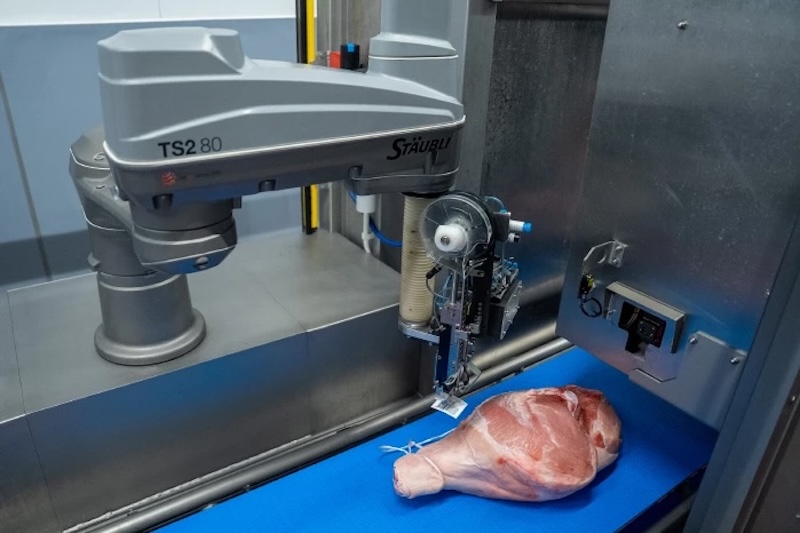
AI-powered robot automates Serrano ham labeling for the first time
A Spanish systems integrator has introduced an innovative AI-based robotic system that revolutionizes the labeling process for Serrano hams, a crucial step in their aging and drying. Previously, this task required significant human labor due to the challenges posed by the presence of bones in the hams, which robots could not detect. The new technology, unveiled recently, enhances efficiency and accuracy in the labeling process, streamlining production in the ham industry. This advancement not only reduces the reliance on manual labor but also ensures that the hams are properly categorized for optimal aging, ultimately benefiting producers and consumers alike.
Manufacturing News ai artificial intelligence food automation Food industry
AI Adoption in Mid-Market Manufacturing Faces Significant Challenges
A recent report by Kaufman Rossin highlights the struggles of mid-market manufacturers in adopting AI technologies. While these companies are experimenting with AI, widespread deployment remains uncommon due to inadequate data infrastructure and legacy systems. Only 27% of manufacturing firms have a data warehouse, and 45% still rely on siloed data, making it difficult to leverage AI effectively. The urgency for digital transformation is increasing as manufacturers face pressure from customers to digitize and automate operations. However, many industrial companies lack the foundational data capabilities necessary for successful AI integration. The report reveals that 73% of manufacturing firms are still in the testing phase of AI implementation, with none operating AI as a core business function. Looking ahead, the challenge for mid-market manufacturers will be to overcome these barriers and build the necessary data infrastructure to support AI initiatives. As the demand for digital solutions continues to grow, companies must prioritize data governance and integration to fully realize the potential of AI technologies. No further timeline was disclosed at the time of publication.
Factory / Digital Transformation
X Square Robot builds a full-stack approach to embodied AI and general-purpose robotics
The robotics industry is undergoing a transformation due to the swift advancement of embodied artificial intelligence, prompting companies to innovate machines that can tackle diverse real-world tasks instead of being limited to single functions. Notably, Shenzhen-based X Square Robot has emerged as a key player in this competitive landscape, successfully completing four consecutive financing rounds. This funding achievement underscores the growing interest and investment in versatile robotic technologies, as firms strive to enhance their capabilities and meet the increasing demand for intelligent automation solutions.
Business Features Robotics artificial intelligence Artixon china robotics
Cobots become simpler, smarter with AI
In recent years, the rise of collaborative robots, or cobots, has transformed various industries, driven by advancements in artificial intelligence. These robots are increasingly being integrated into workplaces due to their ability to perform a diverse range of tasks alongside human workers. The surge in their adoption can be attributed to the growing demand for automation and efficiency in manufacturing, logistics, and service sectors. As businesses seek to enhance productivity while ensuring safety and flexibility, cobots are emerging as a viable solution. This trend is expected to continue, with further innovations in AI technology likely to expand the capabilities and applications of collaborative robots.
Robotics needs a service framework.
RSF defines a common language for robot service capability, lifecycle operations, certification pathways, and service-provider networks.