


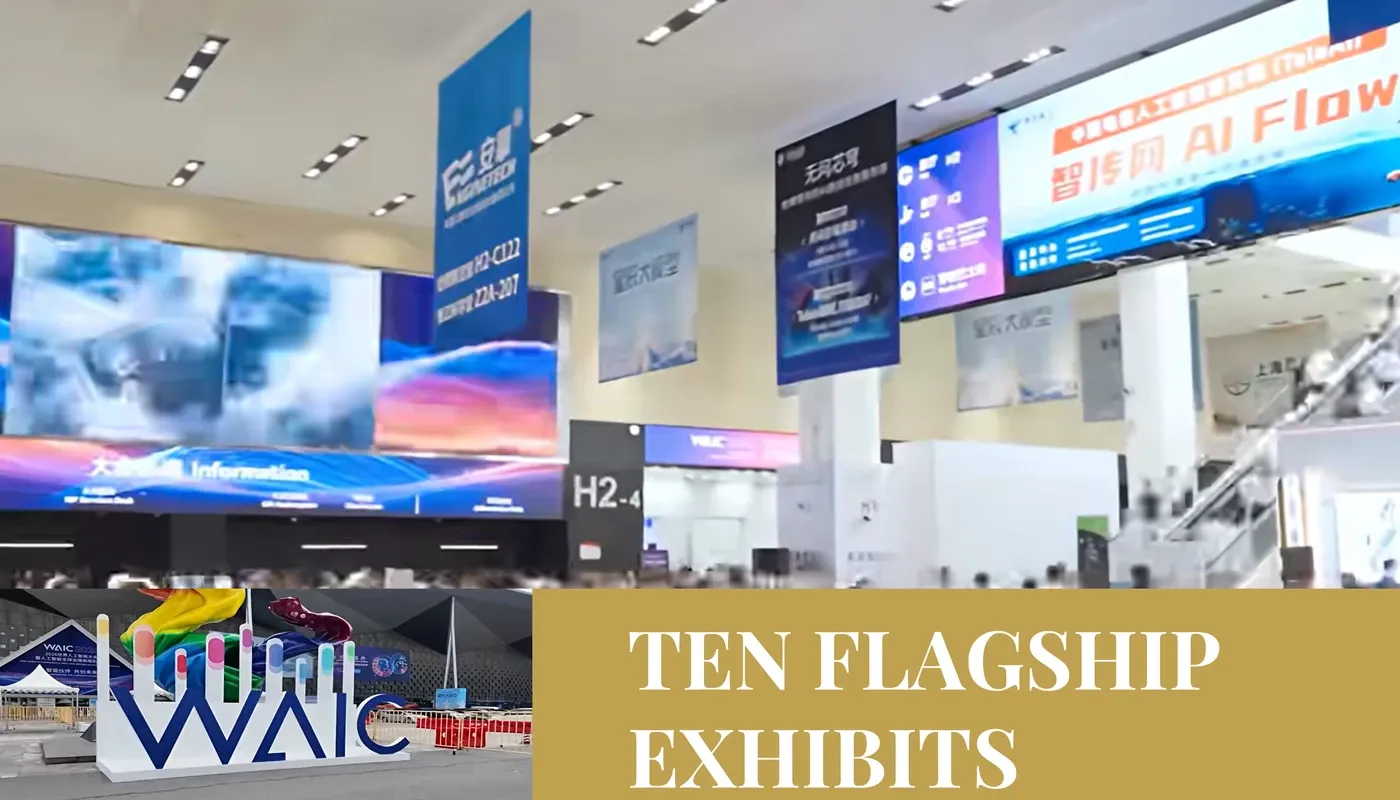
01 Sugon 8000 — Fully Domestic 100,000-Card AI Supercluster
Company: Sugon (Dawning Information Industry)
Category: AI Infrastructure / High-Performance Computing
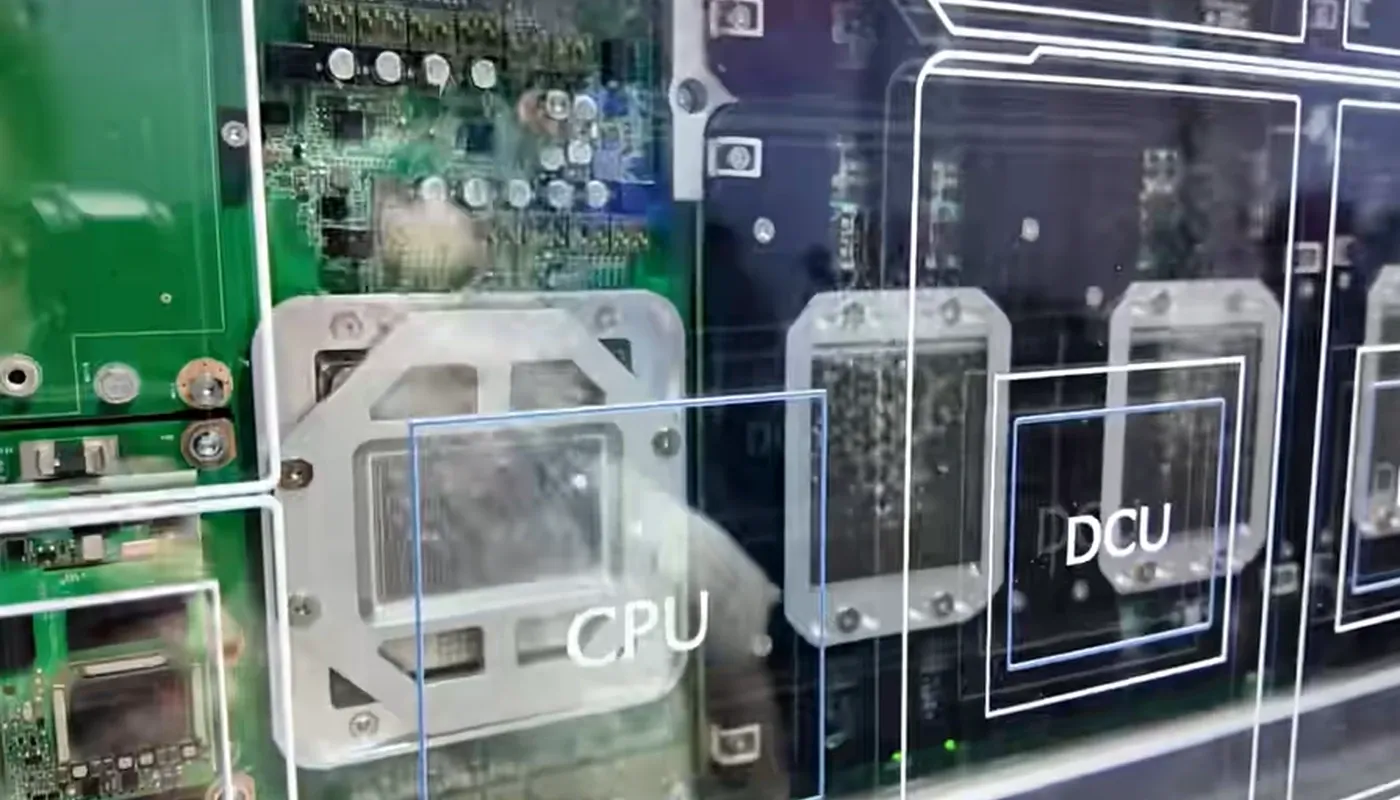
The Sugon 8000 ("Summit") is a fully domestically developed AI infrastructure spanning chip, compute, storage, network, cooling, application, and service — across 100,000 cards. Built on the "Super-Intelligent Convergence" architecture, it supports scientific computing, large model training, AI inference, and industrial simulation in a single integrated system.
Technical Highlights
• Full-stack self-development from chip to service — no dependence on foreign components
• 300+ application optimizations covering 20+ sectors
• Integrated into China's national supercomputing network; open to universities, enterprises, and individuals
02 Ant Group Robot Smart Pharmacy
Company: Ant Group
Category: Embodied AI / Commercial Robot Deployment
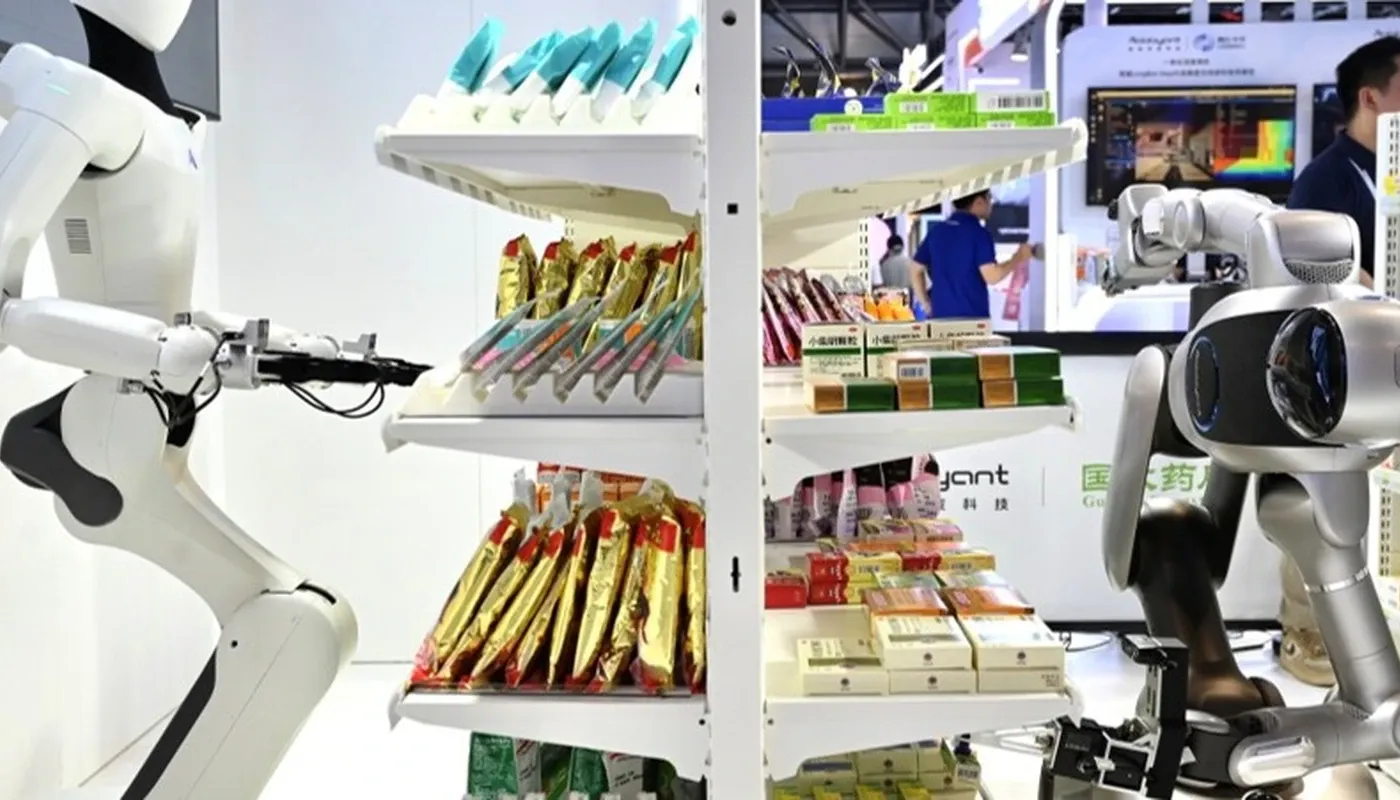
Built on Ant Group's LingWave cross-embodiment foundation model, this system deploys three heterogeneous robots in a real pharmacy environment. Each robot runs the self-developed LingBot-VLA model and collaborates across different form factors to execute the complete order-to-delivery workflow.
Technical Highlights
• Cross-embodiment inference: a single model drives robots of different physical designs
• End-to-end cycle (order receipt → picking → packaging) completed in ≤ 90 seconds
• Validated in a live commercial pharmacy — not a demonstration environment
03 Agibot Yuanzheng A3 Ultra
Company: Agibot (Zhiyuan Robotics)
Category: Full-Size Humanoid Robot
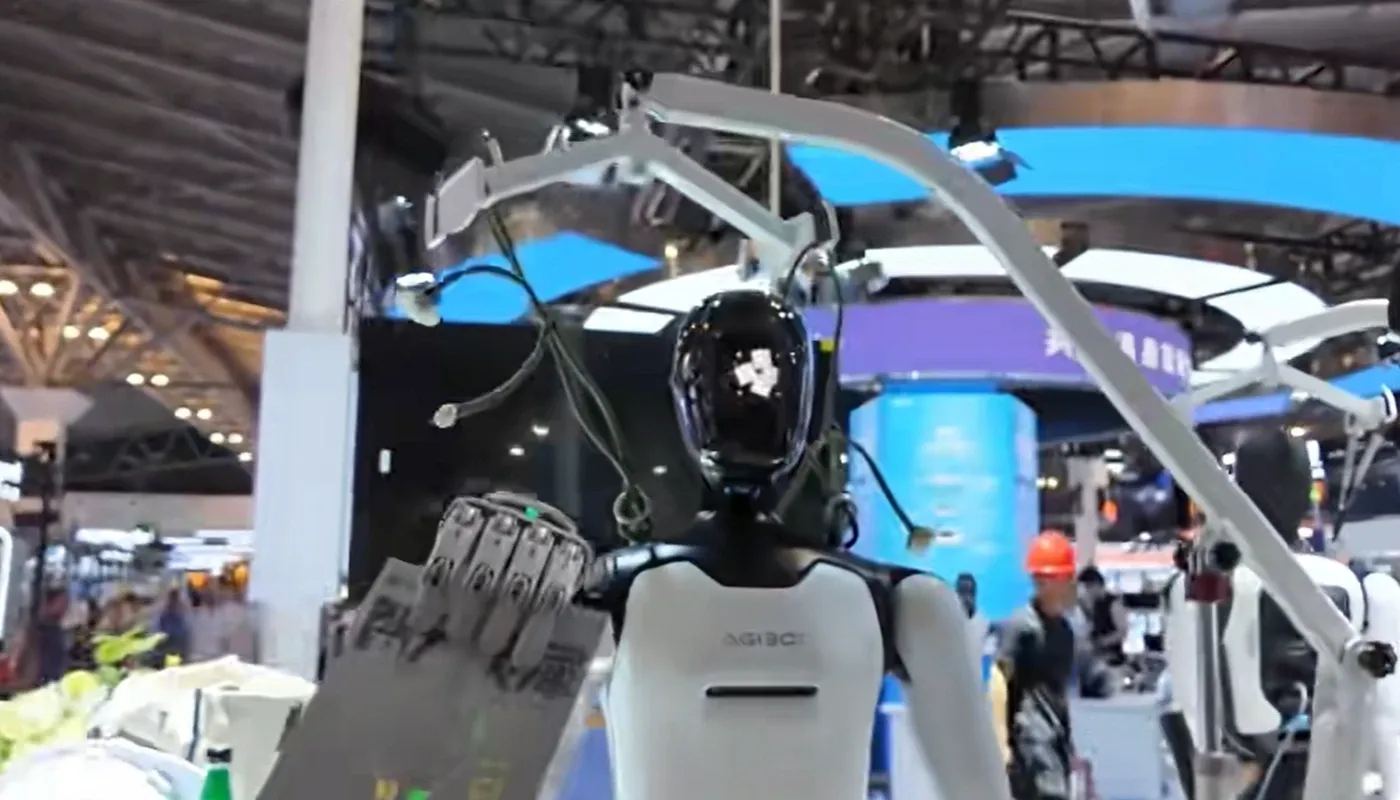
The A3 Ultra is the only full-size humanoid robot among the ten Flagship Exhibits. Standing 174 cm — standard anthropometric height for human-facing workspaces — it integrates 360° multi-modal perception fusing cameras and LiDAR, with a three-layer heterogeneous compute architecture for autonomous semantic mapping.
Technical Highlights
• Perception: 360° camera array + LiDAR fusion, autonomous semantic mapping
• Manipulation: high-DoF dexterous hands standard, independent fine-task execution
• Operations: autonomous charging, unmanned maintenance, four-layer active safety system
• Use cases: exhibition halls, hotel reception, venue navigation, retail assistance
04 Baidu Dazi — General-Purpose AI Agent
Company: Baidu AI Cloud
Category: General Agentic AI
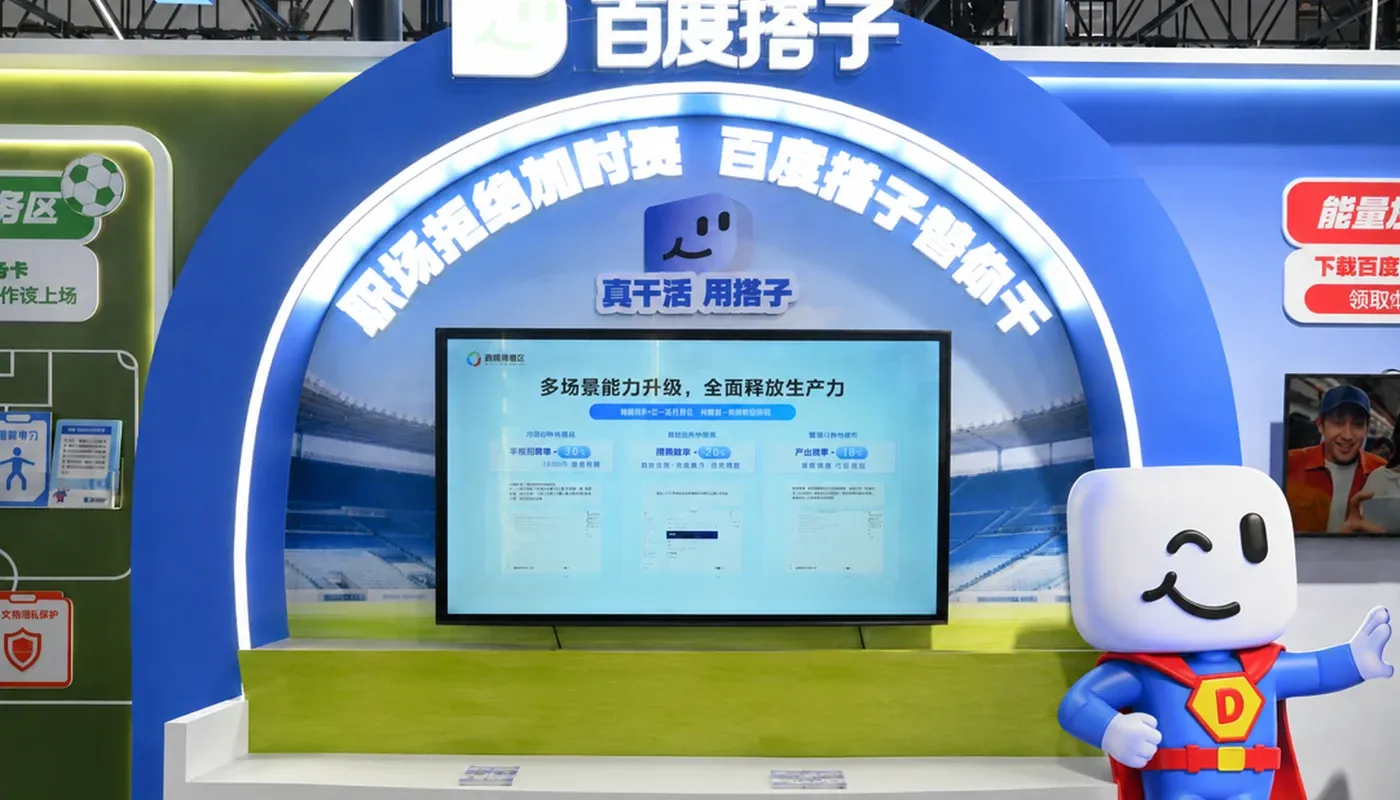
Baidu Dazi is a general-purpose AI agent designed for real office workflows. Its core capability advances from question-answering to task execution: users describe requirements in natural language; the system decomposes the task, invokes tools, and delivers completed work end-to-end.
Technical Highlights
• File processing, web interaction, data analysis
• Report drafting, PowerPoint creation, and other multi-step compound tasks
• Full autonomy from task intake to final deliverable, no manual step-by-step guidance
05 iFlytek AI Glasses
Company: iFlytek
Category: AI Wearable Hardware
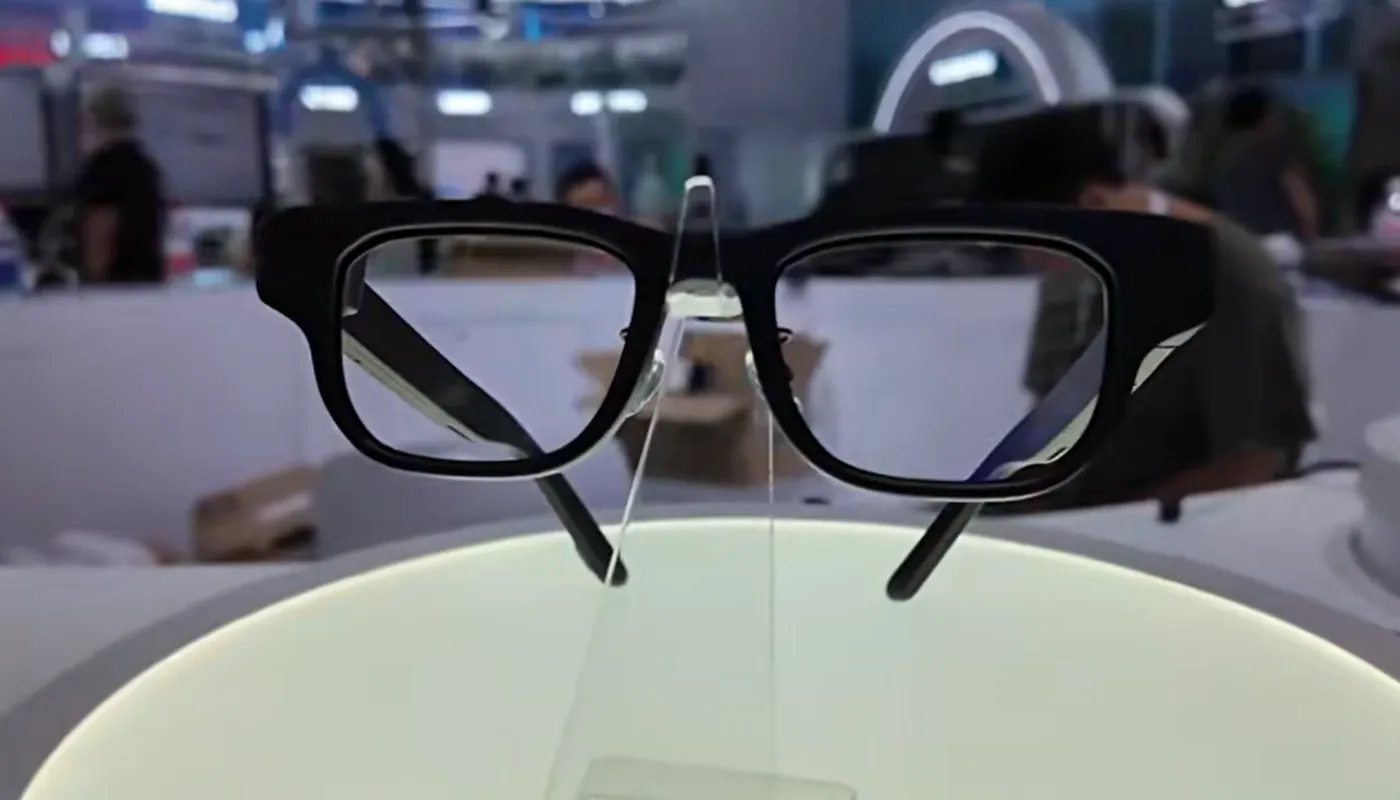
A lightweight smart glasses product weighing 40 g, integrating real-time translation, teleprompter assistance, and multi-modal AI. The key technical differentiator is a first-of-its-kind lip-motion recognition combined with acoustic noise suppression, enabling precise speaker isolation in noisy, multi-person environments.
Technical Highlights
• Lip-motion + acoustic multi-modal fusion — isolates target speaker in complex acoustic environments
• Three integrated capabilities: simultaneous interpretation, smart teleprompter, AI assistant
• Full-loop architecture: function calling → ecosystem services → multi-modal understanding → GlassClaw
06 "Dawatt Yunrui" Distribution Network Planning Agent
Company: China Southern Power Grid
Category: Vertical Industry AI Agent / Energy Sector
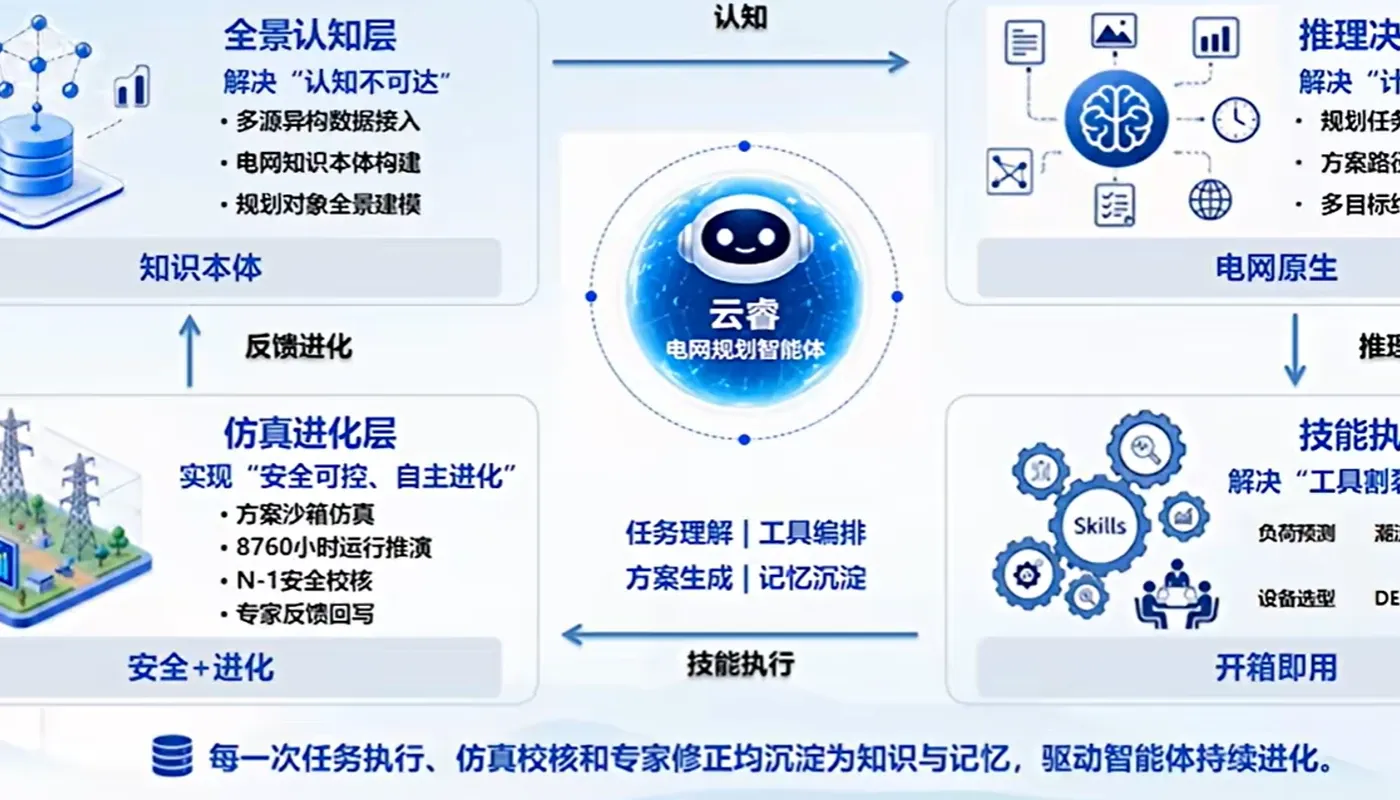
An AI-native planning tool for power distribution networks, designed to automate tasks that previously required expert engineers: autonomous task understanding, invocation of power engineering tools, problem diagnosis, scheme generation, simulation verification, investment assessment, and report generation.
Technical Highlights
• Supports intelligent diagnosis of 10,000+ feeder lines
• Automated generation of thousands of distribution network planning schemes
• Five-stage workflow: diagnosis → scheme generation → simulation → investment assessment → report
07 STEPX Neo — AI-Native Agent Smartphone
Company: StepFun (Jieyu Xingchen) / STEPX Brand
Category: AI-Native Mobile Terminal
STEPX Neo runs Step AOS, the world's first agent-native operating system, with built-in AI agent "Amoo." The design intent is to have the model operate at the OS layer — controlling the device directly rather than functioning as an app-level assistant.
Technical Highlights
• Passed the inaugural national AI Terminal Intelligence Level L3 certification test — currently the only smartphone to hold an L3 certification report
• AI operates at OS layer; does not follow the conventional in-app assistant model
08 Zhenyu M890 × Panjiu AL128 SuperNode
Company: Alibaba
Category: AI Chip + Server SuperNode
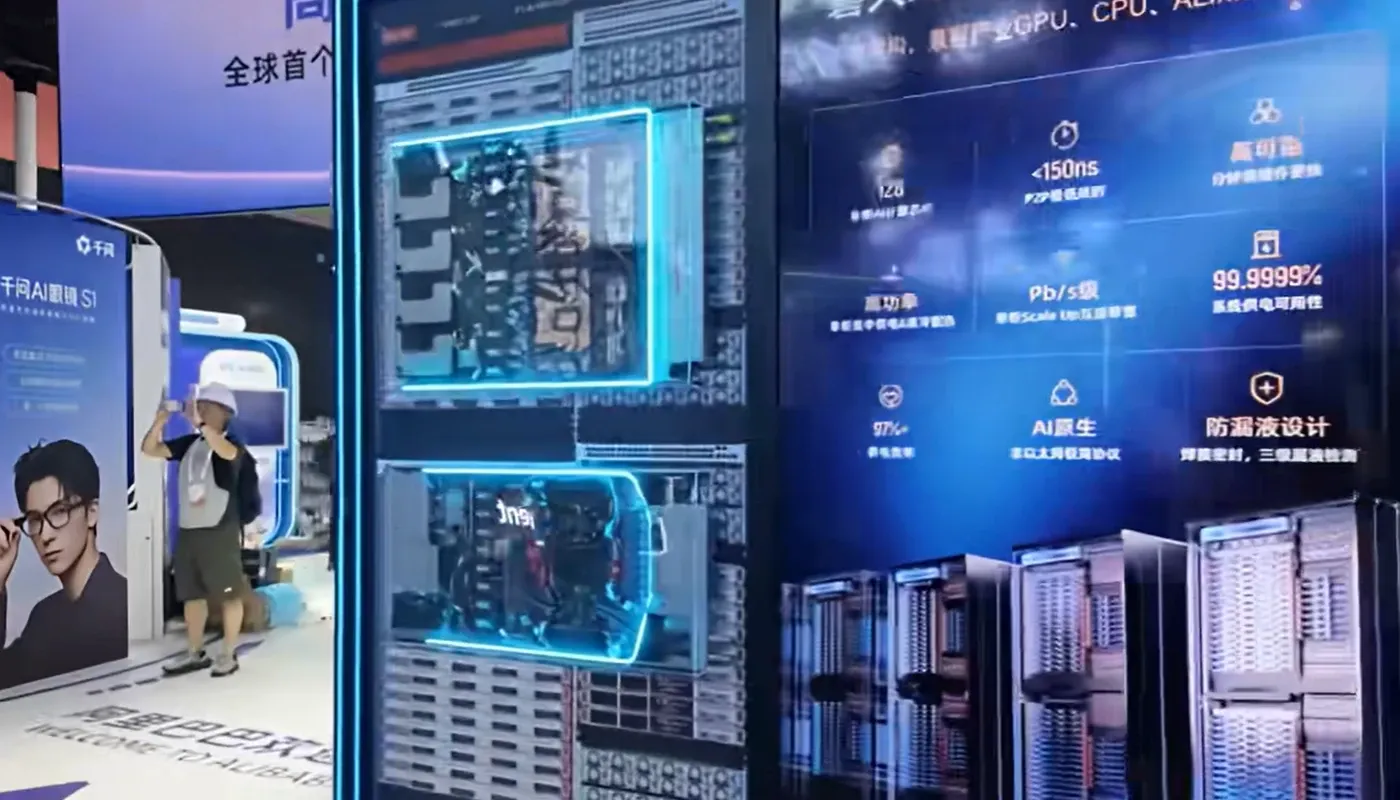
A two-component system addressing both chip-level and cluster-level AI compute demands.
Technical Highlights
• Zhenyu M890 (AI Chip): 144 GB HBM, 800 GB/s inter-chip bandwidth, FP32–FP4 precision range for both high-precision training and ultra-low-precision inference
• Panjiu AL128 SuperNode (Server): 128-card high-density single-rack design, orthogonal cableless architecture, Pb/s-class bandwidth at sub-100 ns latency
• Relationship: the supernode is the chassis that maximizes M890 cluster coordination efficiency
09 MatwingsVenus™ (Xiaowu™) — Conversational Protein Design Agent
Company: Matwings Technology (Tianwu Technology)
Category: AI for Science / Biotechnology
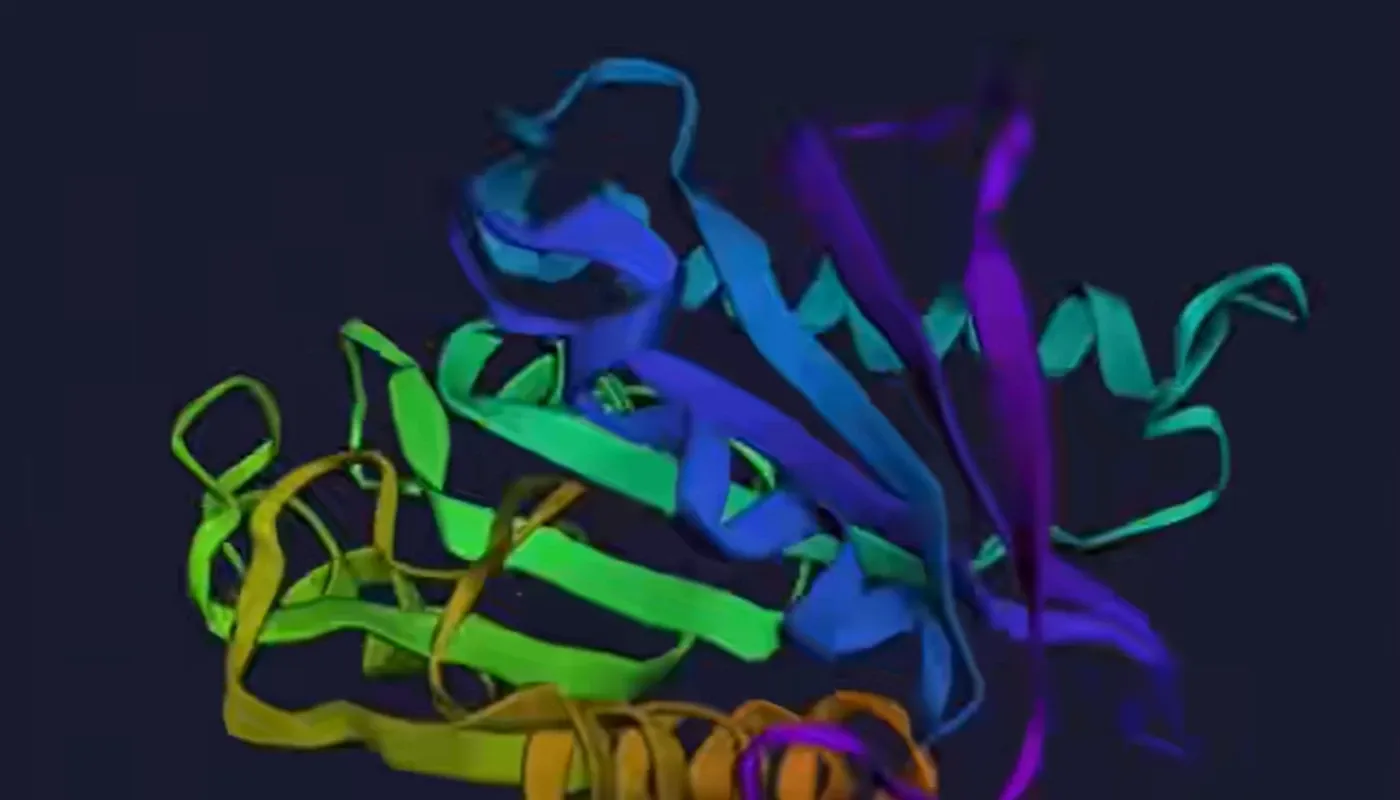
An agent-centered protein design platform that closes the loop from natural language requirement to wet-lab validation: user states functional need → AI generates sequence → automated laboratory executes sample preparation, protein purification, and functional testing → results feed back into the next AI iteration.
Technical Highlights
• Research cycle: 2–5 years (traditional) → 2–6 months
• Experiments per project: tens of thousands (traditional) → approximately 100
• Full automation from sequence design through physical experiment and data return
10 ZTE OEX SuperNode
Company: ZTE Corporation
Category: AI Infrastructure / Intelligent Computing Server
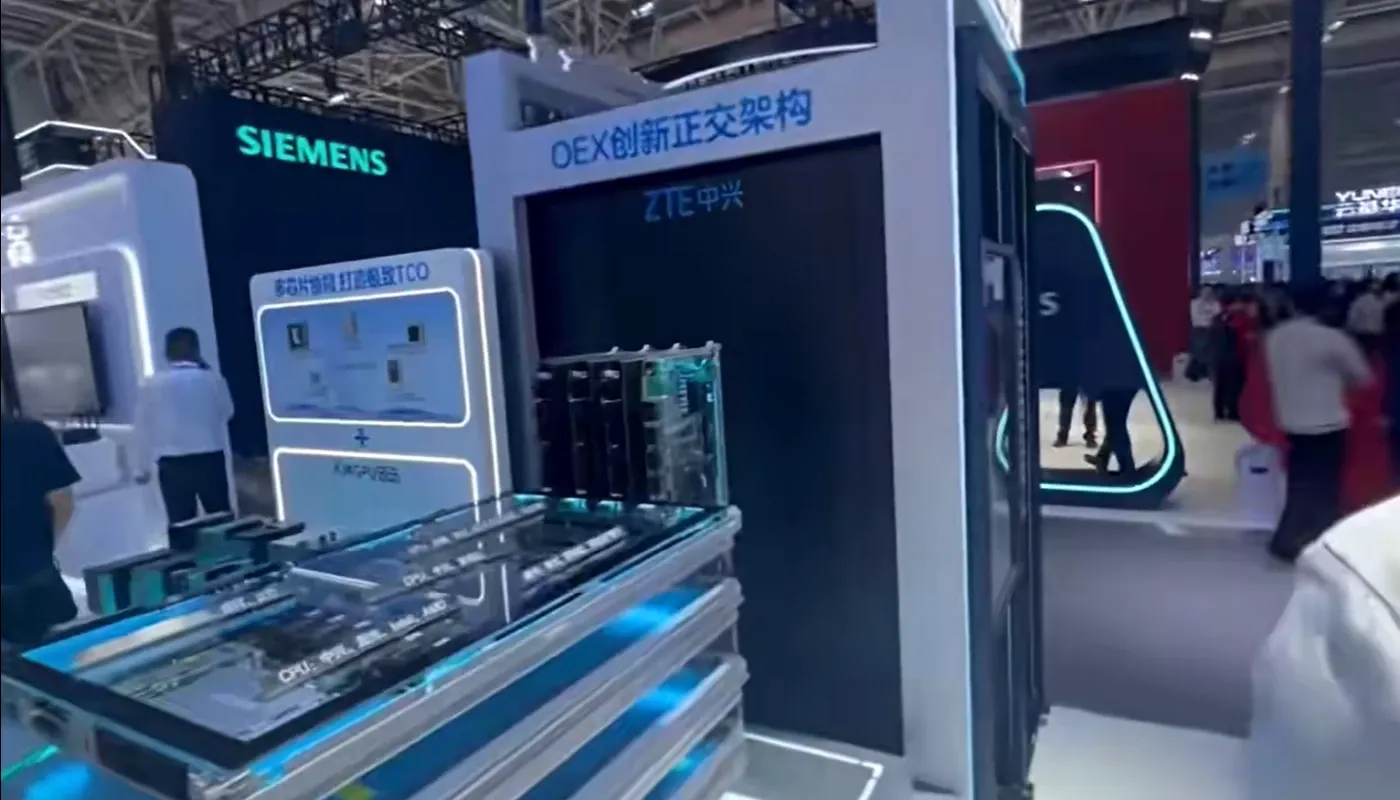
The ZTE OEX SuperNode uses an OEX orthogonal backplane-free architecture to achieve zero-cable internal interconnect, reducing interconnect cost by approximately 80%. It is positioned as a new computing paradigm for the Token era — from Bit to Token full-chain coordination.
Technical Highlights
• Multi-chip coordination: open decoupled architecture, heterogeneous compute cluster support
• Architecture innovation: OEX orthogonal backplane-free design, zero-cable interconnect
• Connectivity: dual commercial-and-innovation path to break GPU interconnect bottlenecks
• Continuous evolution: chip–algorithm–server–cluster–software–IDC full-stack system co-optimization
SAIL Award — Highest Honor
Huawei Ascend 950 Atlas 950 SuperPOD
Company: Huawei
Award: Outstanding AI Pioneer Award (SAIL Award, highest honor at WAIC 2026)
Category: AI SuperNode / Compute Infrastructure
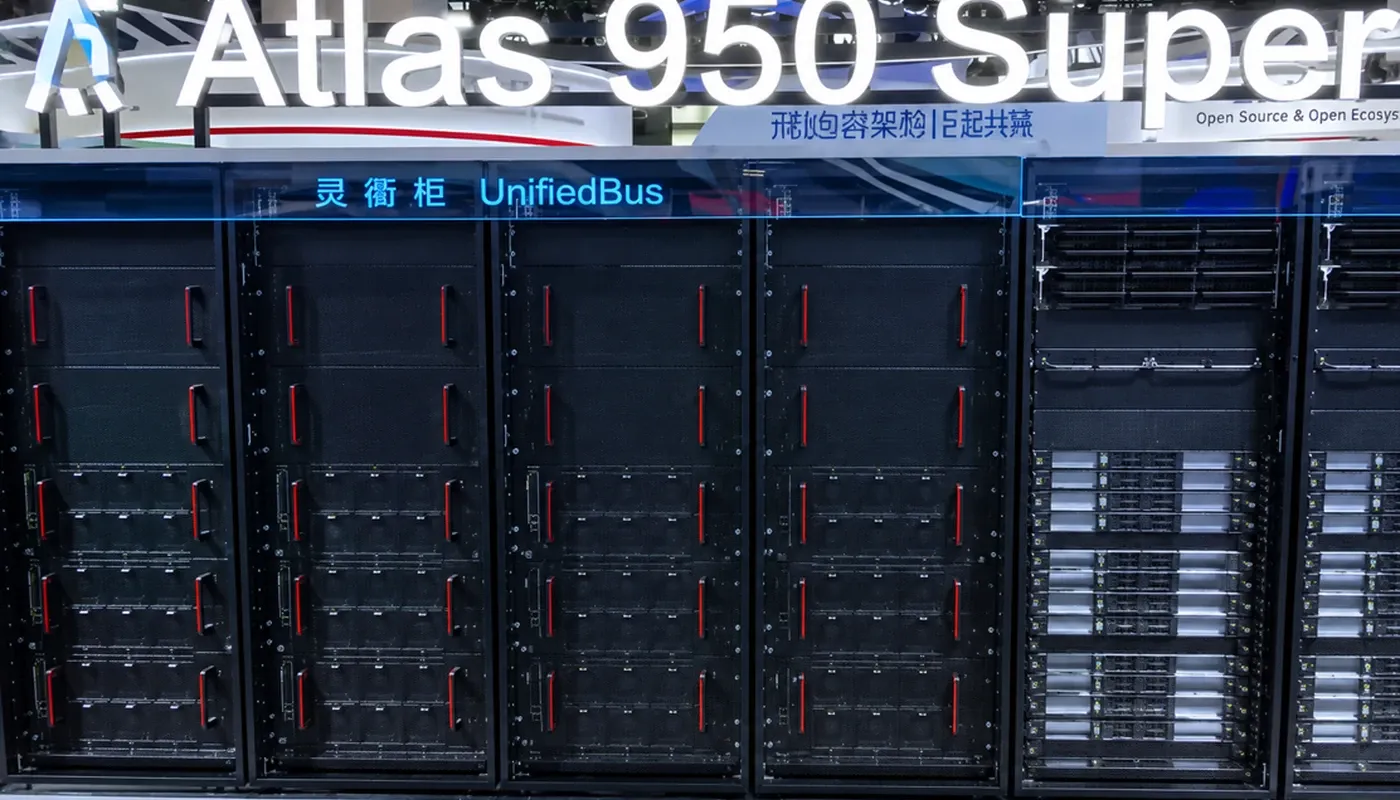
The Atlas 950 SuperPOD is the world's largest publicly demonstrated 1,024-NPU AI supernode installation. It targets trillion-parameter model training and inference as a domestic compute solution against Nvidia's NVLink-based dense GPU clusters.
Key Specifications
• Compute: 11 EFLOPS (FP8 precision)
• Memory: 256 TB globally unified address space
• Minimum configuration: 64 NPU cards per cabinet; scales to 8,192 NPUs
RobotToday Editorial Analysis
Only two products in this list are robots — and that tells us everything.
The composition of this year's Flagship Exhibits rewards careful reading. Just two of the ten entries are robot products — Agibot's A3 Ultra and Ant Group's robot pharmacy. Three slots went to AI compute infrastructure — Sugon 8000, Alibaba Zhenyu M890 × Panjiu AL128, and ZTE OEX — and Huawei's Atlas 950 SuperPOD claimed the highest individual honor. That is four compute-infrastructure entries out of eleven total recognitions. Against the backdrop of sustained US export controls on advanced semiconductors, this is not coincidence. China's fully domestic AI compute stack has moved from strategic aspiration to industrial reality, and WAIC 2026's selection committee made that shift explicit.
For RobotToday readers, two threads in this list deserve particular attention.
The agent shift is the near-term precursor to embodied AI.
Baidu Dazi and the Southern Power Grid's Dawatt Yunrui represent the same capability transition — from question-answering to task completion, from single-turn interaction to multi-step autonomous execution. That transition is being validated in software today. The logical extension into the physical world is robotic control. The general-purpose agent architectures being demonstrated at WAIC 2026 are the cognitive scaffolding that will eventually drive robot behavior at scale. Engineers working on robot brain design should be watching this track as closely as the humanoid hardware track.
Two deployment models, one industry signal.
Ant Group's robot pharmacy and Agibot's A3 Ultra represent different maturity levels of embodied intelligence deployment. The pharmacy system demonstrates commercial viability — real pharmacy, real SKUs, sub-90-second cycle times, cross-embodiment model coordination. The A3 Ultra demonstrates platform maturity at full human scale. Both made the Flagship Exhibits list. The organizers' willingness to recognize both signals that the evaluation benchmark has shifted: the question is no longer whether embodied AI can perform a demonstration, but whether it can operate in a production environment.
The Flagship Exhibits selection has never been simply a list of the most impressive-looking products. It is a statement about where the industry is heading. This year's list communicates three parallel tracks advancing simultaneously: sovereign compute infrastructure, agentic AI execution, and embodied deployment. For anyone tracking China's AI industry, those three vectors together define the competitive agenda for 2026 and beyond.




Leave a comment