

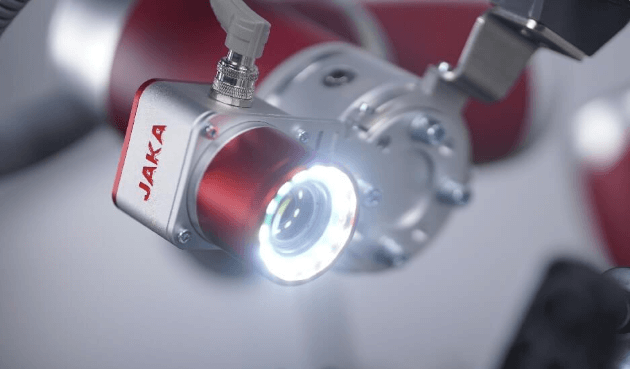
In the realm of modern manufacturing, JAKA is addressing a common challenge in the deburring process, which often serves as a bottleneck due to its repetitive nature and the need for high precision. The company advocates for the use of robotic deburring systems, particularly emphasizing the advantages of their flexible robot arms. By integrating sophisticated software strategies, such as adaptive path planning, JAKA enhances the efficiency of these robotic systems.
The flexible design of JAKA's robot arms allows them to adjust their approach to maintain optimal tool contact, accommodating variations in part tolerances without manual reprogramming. This capability ensures a consistent finish across different components, significantly reducing rework rates. Additionally, the integration of real-time force feedback enables the robotic system to maintain consistent pressure during material removal, adapting its speed and position based on the interaction with the workpiece.
To further streamline operations, JAKA employs parametric models that allow for quick setup of new deburring paths based on 3D CAD models. This method reduces the time required for programming and enhances the adaptability of the robotic system in high-mix production environments.
By focusing on dynamic path planning, real-time force control, and model-based programming, JAKA is revolutionizing the robotic deburring process, making it faster, more reliable, and easier to manage amidst varying production demands.

























Leave a comment