Industry Briefing
A single destination for timely, editor-curated robotics news from around the world.
AVEVA and IDEC Redefine Machine Safety for Autonomous Operations
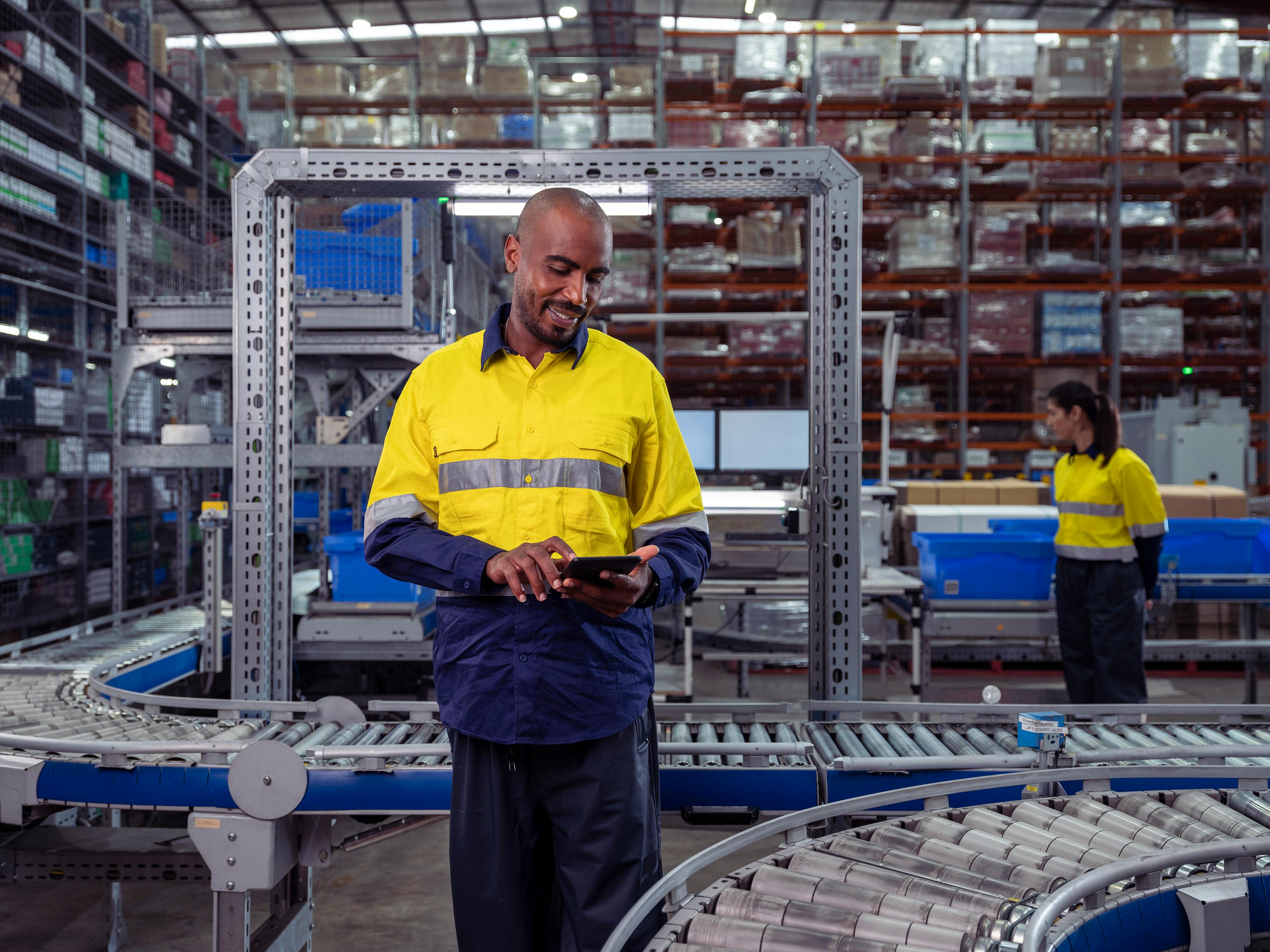
AVEVA's Cross DataOps platform enhances safety systems by integrating disparate data to support AI-driven autonomous operations. As manufacturers increasingly adopt robotics, there is a pressing need to evolve industrial safety from static controls to a more dynamic framework that fosters collaboration between humans and machines. Traditional safety protocols, which often involve isolating human workers from machinery, are becoming outdated. Ted Combs from AVEVA highlights the shift towards a more interactive safety approach, driven by the rise of robotics and autonomous technologies. This evolution necessitates new safety measures that allow for safe human-machine interactions without compromising productivity. IDEC's Assisted E-STOP system exemplifies this new safety paradigm, enabling remote activation of emergency stops while preventing unintended machine restarts. By leveraging advanced technologies such as AI and sensors, IDEC aims to create a collaborative safety environment that enhances worker safety and operational efficiency. No further timeline was disclosed at the time of publication.
Factory / Safety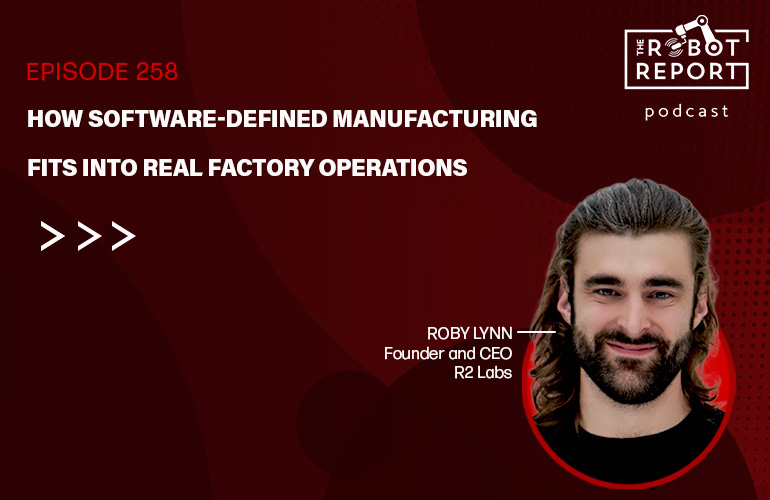
Exploring Software-Defined Manufacturing and Its Impact on Factory Operations
In Episode 258 of The Robot Report Podcast, Dr. Roby Lynn, founder and CEO of R2 Labs, discusses the concept of software-defined manufacturing. This approach leverages automation to enhance production flexibility, allowing companies to adapt more readily to changing demands. R2 Labs, based in Peachtree Corners, Georgia, offers the RAC (R2 Autonomy Controller), a product designed to modernize legacy equipment. By integrating advanced technologies such as AI vision and robotics, the RAC enables manufacturers to access cutting-edge industrial capabilities, which is crucial for maintaining competitiveness in the evolving market. Listeners should keep an eye on the developments in software-defined manufacturing as it continues to reshape factory operations. The integration of smart technologies like the RAC could lead to significant improvements in efficiency and productivity. No further timeline was disclosed at the time of publication.
Artificial Intelligence Controllers Design / Development Manufacturing News Opinion
Yale's Tribar Robot Survives 5.7-Meter Fall, Redefining Robotic Resilience
On October 10, a team from Yale University published results in Nature: Machine Intelligence showcasing Tribar, a rolling robot that autonomously moved after falling 5.7 meters onto asphalt. This height marks the highest recorded fall for tensegrity robots. Tribar's design, inspired by architect Buckminster Fuller, utilizes continuous tensile elements and discrete compressive elements to maintain stability. This allows it to absorb impact energy without a rigid shell, making it capable of withstanding high external loads without heavy armor. The research team validated Tribar's performance across various terrains, including grass and ice, and demonstrated its ability to climb slopes and navigate complex paths. The robot's impact resistance and sensor capabilities suggest potential applications in environments where traditional robots struggle. No further timeline was disclosed at the time of publication.
Robotics Impact Resistance Autonomous Systems Disaster Response Planetary Exploration
Hupside Launches Hupmapper to Measure Human Originality in Writing
Hupside has launched a free public beta of Hupmapper, a product designed to evaluate the originality of human contributions in writing. Unlike traditional tools that assess AI usage or writing quality, Hupmapper focuses on quantifying how much a writer's ideas differ from AI-generated content, providing an Originality Intensity score for individual contributions. This innovation is significant as it shifts the focus from merely detecting AI involvement to highlighting the unique value of human creativity. By offering a metric for originality, Hupmapper aims to empower writers and content creators to understand and enhance their distinct contributions in an increasingly AI-driven landscape. Looking ahead, it will be important to monitor how users respond to Hupmapper and whether it influences writing practices in various fields. No further timeline was disclosed at the time of publication.

LiControl Secures B++ Funding to Advance Embodied Intelligence Technology
On September 8, 2026, Guangdong Tiangji Intelligent System Co., Ltd. announced the completion of its B++ round of strategic financing, led by Ant Group and SOFINA, with continued investment from existing shareholders such as Gaorong Capital and Tencent. This follows a significant B and B+ round financing completed just three months earlier, which raised 1 billion yuan and valued the company at nearly 10 billion yuan. The recent funding is notable as it comes amid a general decline in investment within the embodied intelligence sector in the latter half of 2026. Tiangji positions itself as a leader in embodied force control and intelligent infrastructure, emphasizing the importance of stable and sensitive physical systems for effective interaction with the physical world, rather than solely focusing on humanoid robotics. Looking ahead, Tiangji's proprietary MEMS torque sensors, which boast ten times the sensitivity and four times the stability of traditional metal strain gauges, are set to play a crucial role in their technology roadmap. The company aims to leverage these advancements to enhance their robotic systems, including the Marvin M6S Lite and Marvin M20S, which showcase significant improvements in load capacity and operational efficiency.
Embodied Intelligence Robotics Force Control Technology MEMS Sensors Automation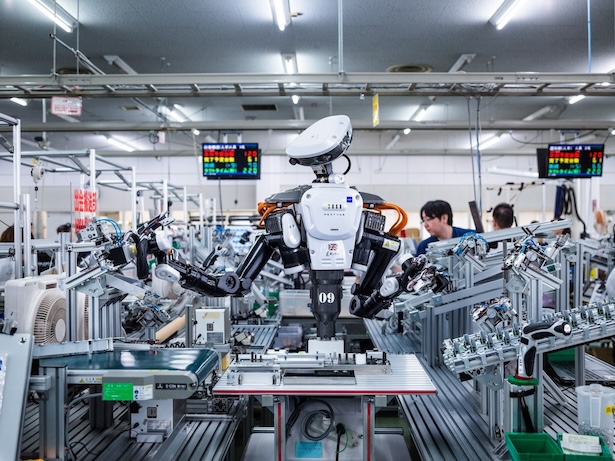
iKairos: An AI Companion and Jewelry Redefining Human-AI Interaction
The iKairos, showcased at the 2026 IFA, aims to redefine human-AI interaction by actively understanding users' lives rather than passively waiting for commands. Developed by Singapore-based startup Lingverse, this circular device, known as the 'Neural Core', can be worn as a pendant or embedded in a desktop robot, addressing common issues faced by AI companions. The modular design of iKairos allows for seamless transitions between different forms, enhancing user experience. Its core functionality, termed 'memory perception', utilizes cameras and microphones to record conversations and preferences, building a comprehensive user profile over time. This enables the device to proactively suggest activities or reminders based on accumulated context, potentially acting as an agent to perform tasks on behalf of the user. Lingverse, co-founded by former Jibo board member and investor Joe Jiawei, aims to continue the legacy of the discontinued social robot Jibo. The company secured $29 million in Pre-A funding in July 2026. While iKairos is still in development with no set pricing or launch date, it represents a shift towards AI that not only responds but also understands and integrates into daily life.
AI Companions Wearable Technology Robotics Privacy-focused Design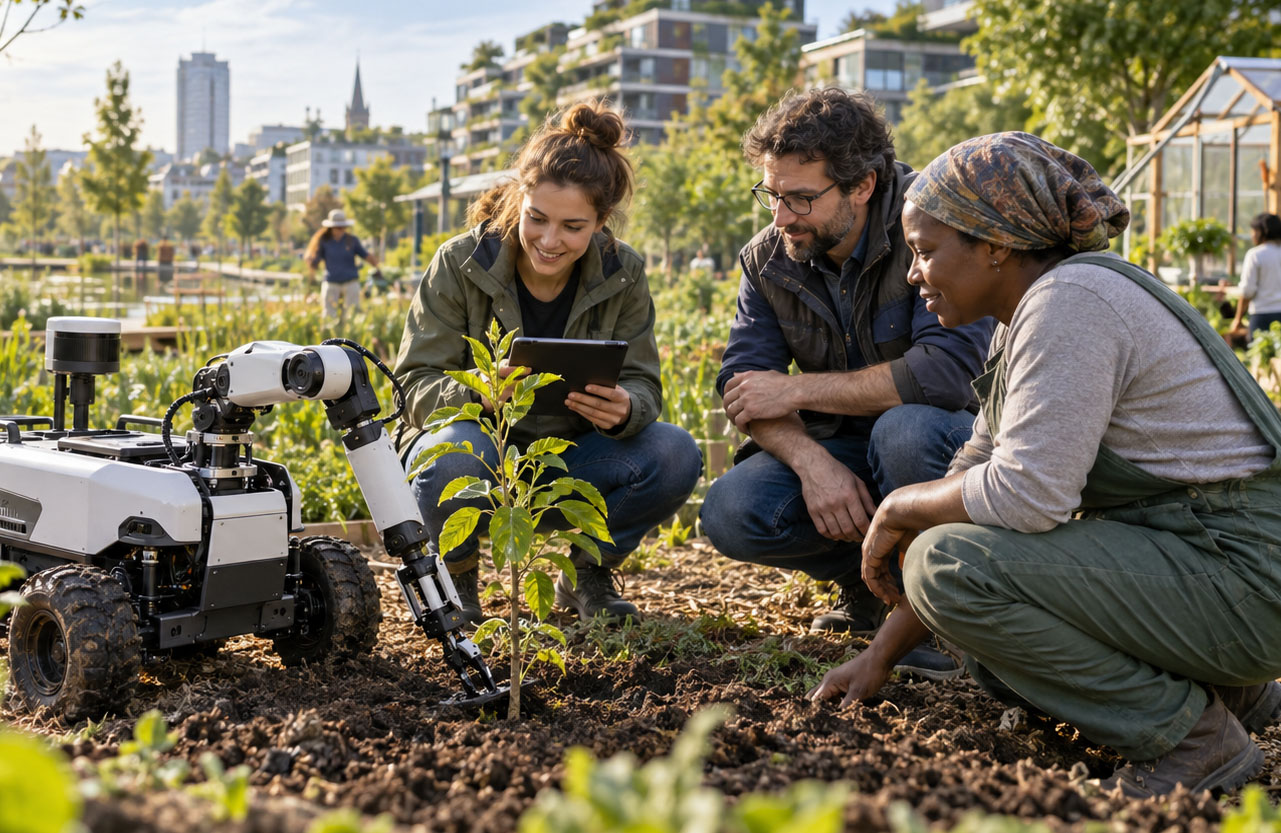
Robotics Must Address Major Ecological and Societal Challenges, Says Catherine Simon
Catherine Simon, an Industrial Digital Advisor at the General Secretariat for Investment, discusses the significant transformations in the robotics industry, from the era of Innorobo to the rise of Physical AI. She emphasizes the potential of service robotics across various sectors, including healthcare, logistics, and agriculture, highlighting its evolution from specialized industrial tools to a General Purpose Technology. The rapid advancement of generative AI and Physical AI is fundamentally changing robotics, moving it beyond niche applications and technological demonstrations. Simon argues that France and Europe have the potential to become global leaders in robotics by adopting a demand-driven strategy that focuses on addressing urgent economic and environmental needs, rather than merely pushing technological advancements. Looking ahead, Simon suggests that identifying promising markets where the demand for robotics is both urgent and substantial will be crucial. France and Europe can leverage a robust industrial ecosystem that includes international corporations, innovative SMEs, and top-tier research laboratories to ensure a seamless transition from innovation to practical applications in the robotics sector.
À la une Humanoide IA Interview Robotique Santé
Household Robots Face Challenges: Market Growth and Open Source Solutions Ahead
The shipment of humanoid robots is surging, with IDC projecting around 18,000 units globally by 2025, a 508% increase. However, the penetration of these robots into households remains minimal, as most are still used in entertainment, education, and data collection. Ecovacs Group Chairman Qian Dongqi noted that it may take three to five years for humanoid robots to enter homes, citing a decade-long journey for their vacuum robots to achieve household integration. Despite technological advancements, the industry faces significant challenges, particularly high component costs and the lack of a robust supply chain. The performance of humanoid robots drops dramatically in real home environments, with a success rate of only 12% compared to 89.4% in simulated settings. This disparity highlights the complexities of domestic environments, which present unpredictable variables that robots struggle to navigate. To address these issues, leading companies are shifting towards open-source ecosystems. Ecovacs launched the “Eight Realms” open-source robot platform, allowing community contributions to improve functionality. Similarly, Lexiang Technology is focusing on community-driven product development. While the widespread adoption of household robots may take longer than anticipated, the path forward is becoming clearer as companies seek to engage users in defining practical applications.
Humanoid Robots Open Source Robotics Household Automation AI Robotics Development
U.S. Trade Deficit Reaches Highest Level Since March 2025 Amid Rising Imports
The U.S. trade deficit expanded in July to $88.6 billion, marking the largest gap since March 2025, as imports surged due to the AI technology boom. This represents a 24.4% increase from the previous month, driven by a significant rise in tech product imports, while exports of industrial supplies fell by 2.1% to $310.7 billion. The widening trade gap highlights the ongoing fluctuations in U.S. trade dynamics, particularly following the imposition of tariffs by former President Donald Trump. The recent increase in imports, particularly in computers and semiconductors, reflects businesses' efforts to stock up ahead of potential new tariffs. Additionally, the Supreme Court's decision to strike down many of Trump's tariffs has prompted companies to seek refunds, further complicating the trade landscape. Looking ahead, the impact of geopolitical tensions, particularly the conflict in the Middle East and its effects on energy transit through the Strait of Hormuz, may continue to influence U.S. trade patterns. No further timeline was disclosed at the time of publication.
The Economy / Trade
Ego Data Transitions to Quality Era as Skyworth XR Innovates Data Collection
Ego Data has entered a new phase focused on quality, as highlighted by Skyworth XR's advancements in embodied data collection. This shift is significant as it reflects the growing importance of data accuracy and integrity in the industry, particularly in the context of intelligent systems. Observers should note the increasing interest in embodied intelligence and its implications for future technological developments.
Robotics Automation AI
iRobot Launches Roomba® Max 875 Combo, Its Most Advanced Cleaning Robot Yet
iRobot Corp. has unveiled the Roomba® Max 875 Combo Robot + AutoWash™ Dock, its most sophisticated cleaning robot to date, featuring innovative SealForce™ Vacuuming Technology and a Dual-Action Heated Mopping System. This new robot aims to redefine hands-free cleaning by delivering superior performance in deep carpet cleaning and stain removal. The introduction of the Roomba® Max 875 Combo Robot is significant as it showcases iRobot's commitment to addressing consumer demands for effective cleaning solutions. With over 35 years of robotics engineering, the robot utilizes advanced technologies to enhance cleaning efficiency, including a unique sealing mechanism that improves suction power and airflow. Looking ahead, iRobot continues to push the boundaries of home robotics, focusing on consumer pain points and enhancing user experience. No further timeline was disclosed at the time of publication.

Enfu (China) Showcases Innovative Sealing Technology for Robot Longevity at WRC 2026
The 2026 World Robot Conference (WRC) commenced on August 19, 2026, in Beijing, showcasing over 300 exhibitors and more than 2,000 products. Enfu (China) presented its innovative sealing solutions for humanoid and industrial robots, emphasizing the importance of key component technology for precise movement and reliable operation. This event marks a significant shift in the robotics industry, moving from experimental demonstrations to large-scale applications. Enfu's advancements in sealing technology are crucial for enhancing the longevity and performance of robots, particularly in complex humanoid designs that require specialized sealing solutions. Looking ahead, Enfu's commitment to local R&D and its recent establishment of a technology center will enable faster responses to market demands and foster innovation. No further timeline was disclosed at the time of publication.
Sealing Technology Humanoid Robots Industrial Robots Local R&D Robotics Innovation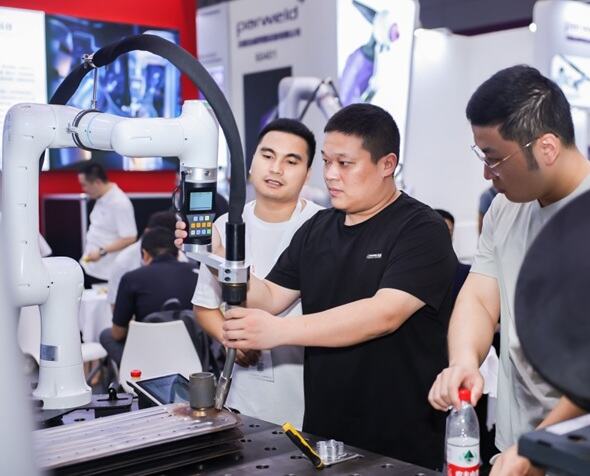
ROKAE Robotics Showcases AI-Driven Welding Innovations at Key Industry Exhibitions
In the summer of 2026, ROKAE Robotics made significant strides in the welding and intelligent manufacturing sectors by showcasing advanced AI-enabled solutions at two major events. At the Transformer Green Welding Conference in Changzhou, ROKAE's Marketing Director, Zi Lilong, presented insights on enhancing transformer manufacturing through intelligent welding technologies, emphasizing the need for greener and more efficient processes. The company's participation continued at the Beijing Essen Welding & Cutting Fair in Shenzhen, where ROKAE displayed its full-joint force-controlled collaborative welding robots. These robots, designed for various welding applications, demonstrated ROKAE's commitment to innovation and excellence in welding technology, attracting considerable attention from industry professionals. Looking ahead, ROKAE Robotics is poised to further influence the welding landscape with its cutting-edge solutions. The company's focus on integrating AI with collaborative robotics positions it as a leader in intelligent manufacturing. No further timeline was disclosed at the time of publication.
Galileo Unveils Galileo X All-Terrain Mobility Platform at World Robotics Conference 2026
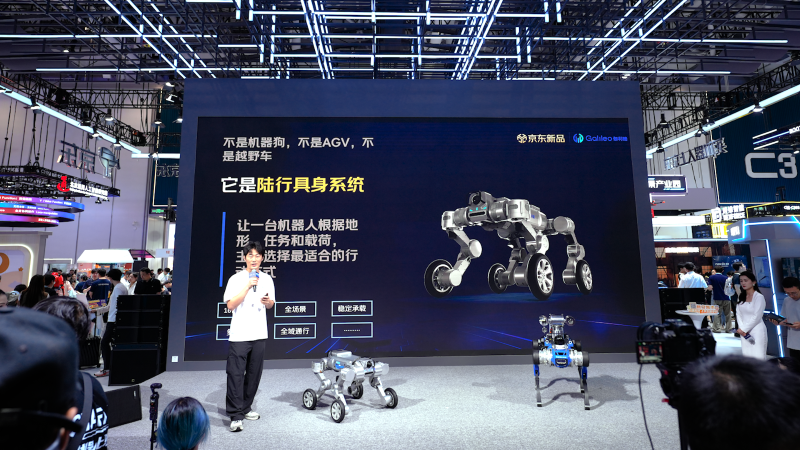
During the 2026 World Robotics Conference, Galileo launched the Galileo X all-terrain mobility platform, introducing a new category called the 'Land Walking System.' The concept machine weighs approximately 50 kg and demonstrated a load capacity of around 70 kg with multi-modal switching. Galileo plans to release a mass production version in Q4, targeting a rated load of 200 kg, a maximum load of 400 kg, and a full-load endurance of 15 hours. This launch is significant as it addresses the limitations of existing robotic solutions in complex industrial environments. Traditional quadruped robots excel in obstacle navigation but struggle with endurance and load efficiency, while AGVs are limited to flat, enclosed spaces. The Galileo X aims to create a seamless task chain for industrial operations, reducing the need for multiple devices and associated costs. Looking ahead, no further timeline was disclosed at the time of publication. However, the industry will be watching how Galileo's integrated approach to mobility and control systems can redefine operational capabilities in various sectors, including rail, power, and petrochemicals, where their products have already seen success.
All-Terrain Robots Industrial Robotics Mobility Solutions Robotic Systems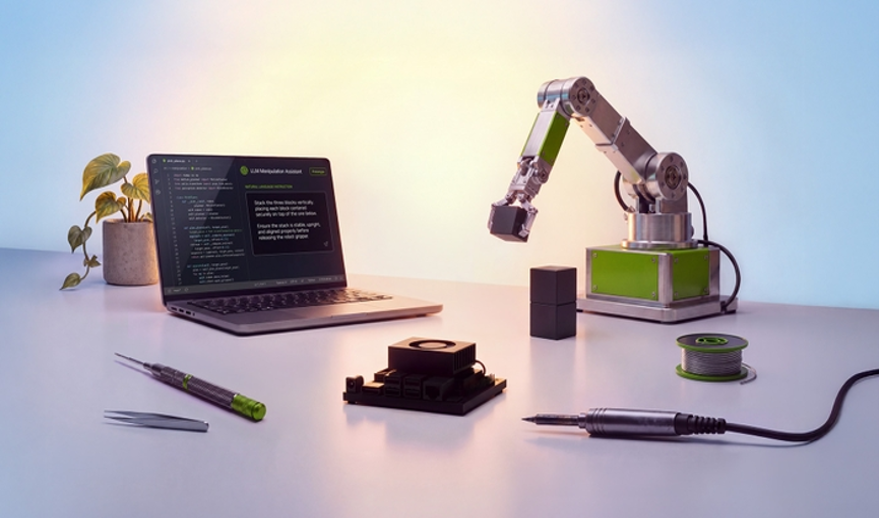
NVIDIA Unveils Jetson Orin Nano 2, Transforming Entry-Level Edge AI Solutions
NVIDIA has launched the Jetson Orin Nano™ 2, a new robotic computer aimed at redefining entry-level edge AI, making cutting-edge generative AI performance accessible to millions of developers. As AI models become smaller and more efficient, edge devices are evolving into autonomous systems capable of understanding context, parsing language and images, and responding in real-time. This development is significant as it enables developers to apply advanced AI capabilities to robotics, delivery drones, and visual AI systems. NVIDIA's Vice President of Robotics and Edge AI, Deepu Talla, emphasized that the accuracy of mid-sized cutting-edge models has reached levels previously seen only in larger models, making real-time intelligence on edge devices feasible. The Jetson Orin Nano 2 offers the necessary performance and energy efficiency for real-time inference at the edge. Looking ahead, companies like Cognex, Doosan Bobcat, and Matic are already exploring the potential of the Jetson Orin Nano 2. With 78 TOPS of AI computing power and improved performance metrics, the device is set to enhance applications in home robotics, visual AI systems, and drone delivery. No further timeline was disclosed at the time of publication.
Edge AI Robotics AI Performance Drone Technology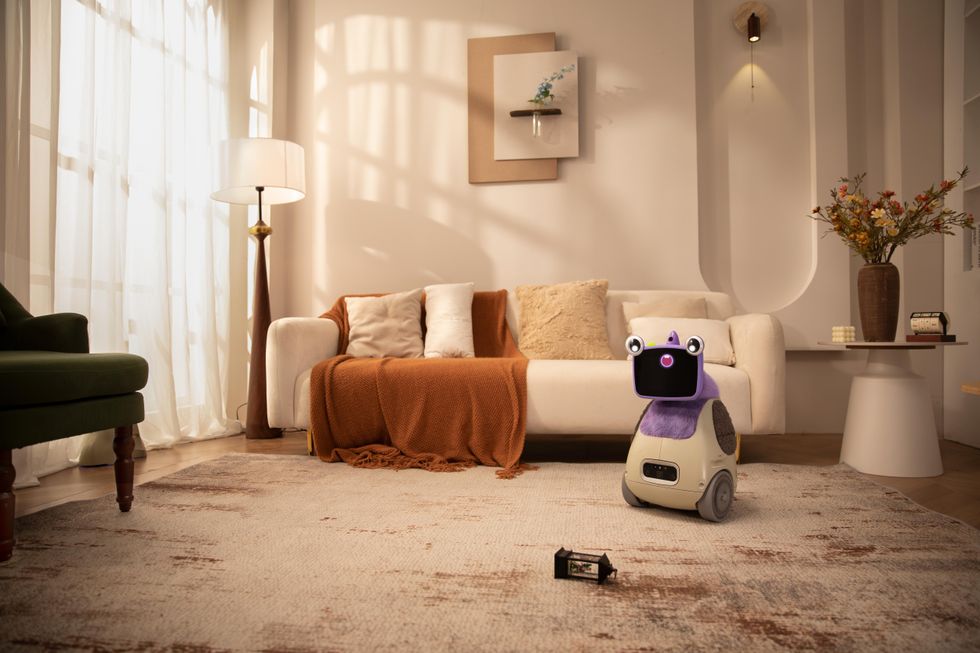
Ollobot's OlloNi SS1 Redefines AI Companion Robots for Emotional Connection
Ollobot's OlloNi SS1 is a new generation of AI companion robots designed to address loneliness and emotional needs in modern households. Unlike earlier models, which were limited in functionality, the SS1 employs proactive interaction and emotional intelligence to provide companionship for various demographics, including the elderly, children, and single professionals. The significance of the OlloNi SS1 lies in its ability to create a sense of presence and emotional support, filling gaps left by traditional communication tools. With the global AI companion market projected to grow from $48 billion in 2026 to $318 billion by 2033, Ollobot's innovative approach positions it at the forefront of this expanding industry. Looking ahead, the evolution of the OlloNi SS1 through over-the-air updates and its integration into family activities will be crucial to its success. As the demand for emotional support in technology increases, Ollobot's focus on familiarity and long-term coexistence may set a new standard for companion robots in the future.
Social-robots Human-robot-interaction Computer-vision Companion-robots Multimodal-ai Ai-robots
NVIDIA Unveils Jetson Orin Nano 2 Robotics Computer for Entry-Level Edge AI
NVIDIA has introduced the Jetson Orin Nano™ 2, a robotics computer designed to enhance entry-level edge AI capabilities. This new device offers frontier-class generative AI performance, enabling developers to create autonomous systems that can understand context and act in real time. With its compact and energy-efficient design, the Jetson Orin Nano 2 is poised to revolutionize robotics applications across various sectors. The significance of the Jetson Orin Nano 2 lies in its impressive specifications, including 78 trillion operations per second of AI compute and 8GB of memory. It delivers double the inference performance of its predecessor while consuming 40% less power. This advancement allows developers to implement real-time reasoning in edge devices, making it a crucial tool for industries utilizing robotics, drones, and vision AI systems. Looking ahead, NVIDIA's Jetson Orin Nano 2 is expected to be adopted by numerous developers and companies, including Cognex, Doosan Bobcat, and Matic. These partnerships will facilitate the development of innovative edge AI applications, such as home robots and delivery drones, enhancing their performance and efficiency. No further timeline was disclosed at the time of publication.
Shenzhen's Qiaojie Robotics Aims to Redefine Robotics with New Operating System
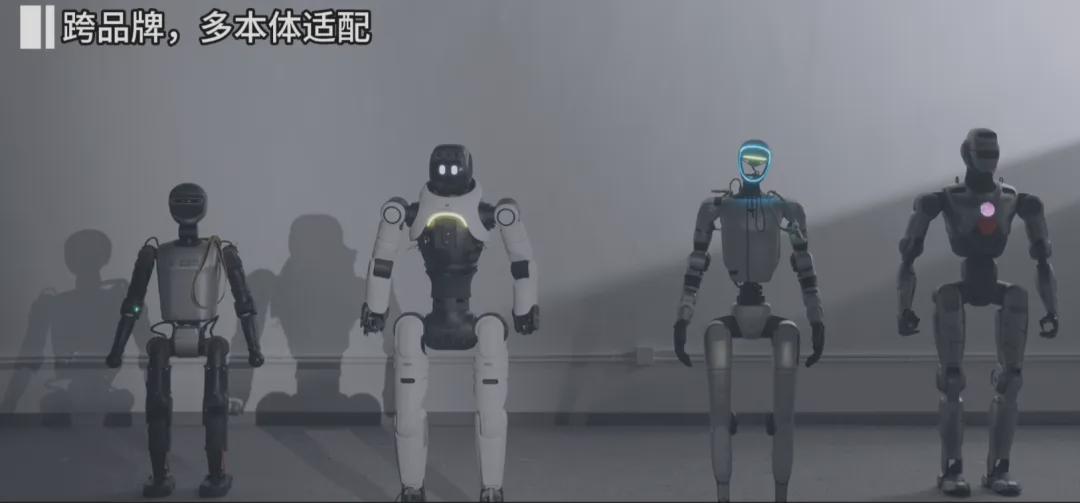
Qiaojie Robotics has emerged as a leader in motion control for bipedal robots, claiming to have the highest number of configurations globally, according to founder Shang Yangxing. At the 2026 World Robotics Conference, the company showcased its RoboCraft AI and discussed advancements in embodied intelligence technology with industry partners. The significance of Qiaojie's approach lies in addressing a major pain point in the robotics industry: the need for teams to relearn basic functions with each new robot. Shang Yangxing emphasized that their goal is to create a universal operating system that encapsulates the underlying capabilities of robotic hardware, making it accessible for users unfamiliar with robotics. Looking ahead, Qiaojie Robotics is focused on developing a three-layer operating system, with the Motion layer as its foundation. This approach differentiates it from traditional systems like ROS, which do not encapsulate motion capabilities effectively. No further timeline was disclosed at the time of publication.
Robotic Operating Systems Motion Control Humanoid Robots AI Robotics Innovation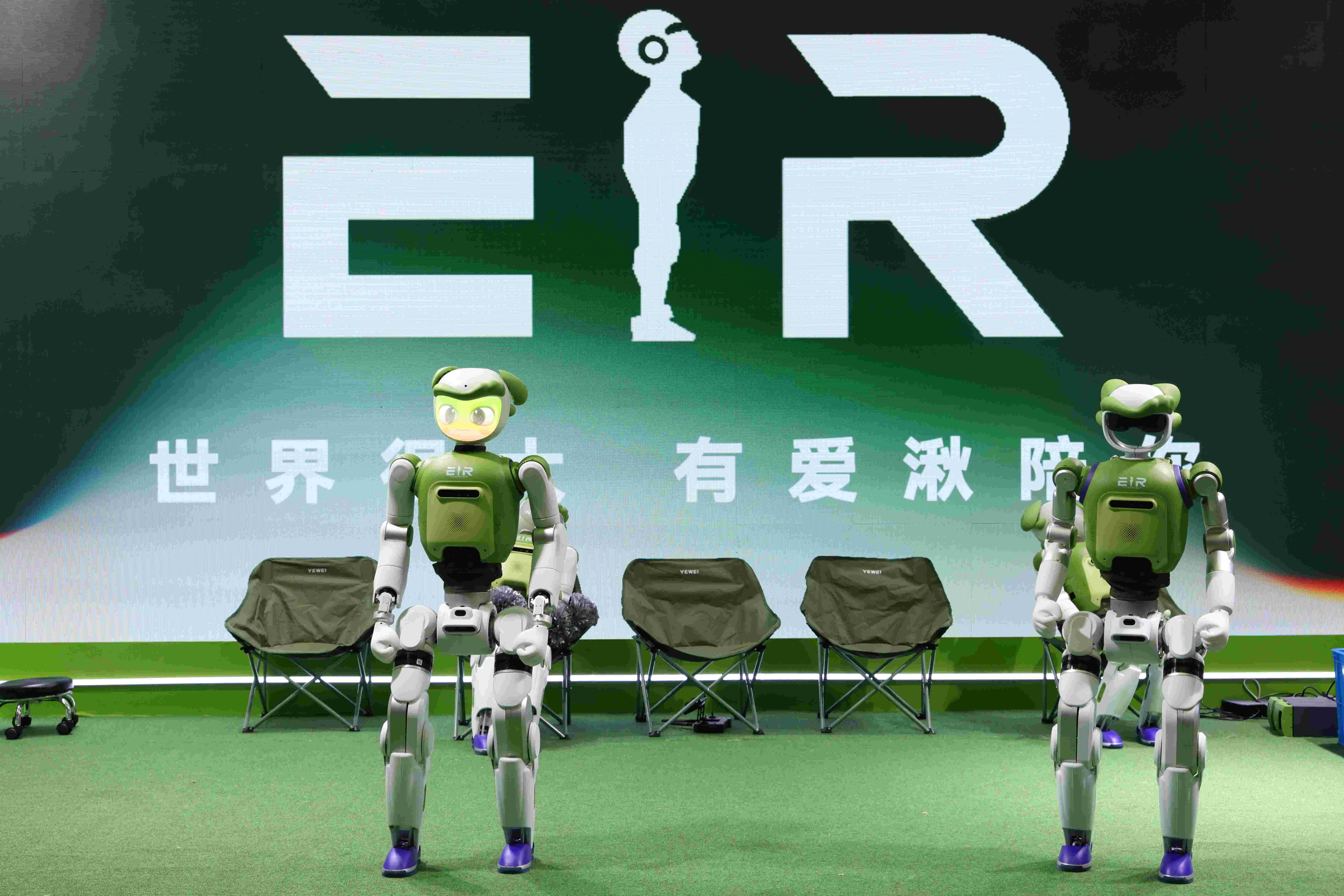
Aiqiao Launches Humanoid Robot Starting at 98,000 Yuan to Transform Market Dynamics
On August 19, Aiqiao officially launched its humanoid robot, showcasing its ability to switch between 59 facial expressions in just one second. The robot, resembling a teenager in height and featuring a soft-shell design, was presented at the World Robot Conference, with a starting price of 98,000 Yuan. This launch marks a significant step in demonstrating that a humanoid robot can effectively understand and interact with humans, moving beyond mere technical concepts. The importance of this launch lies in its timing and the broader industry context. As the humanoid robot sector sees substantial investments—over 390 billion Yuan in the past year and a half—Aiqiao's product aims to address the pressing question of market viability. With the industry projected to enter a delivery phase by 2026, Aiqiao's robot has already been employed in various roles, from bank service personnel to interactive teachers, indicating its practical applications. Looking ahead, the industry is shifting focus from technical specifications to actual deliveries, with goals set for significant production milestones. Aiqiao's approach emphasizes the need for robots to generate income independently, rather than relying on investor support. As the market evolves, the challenge remains: ensuring that the cost of robotic solutions is competitive with human labor to secure customer orders.
Humanoid Robots Interactive Intelligence Service Robotics AI Technology
Prologis Advocates for Redefining 'Good Development' in Logistics Sector
Prologis UK, led by Ian Romano, is calling for a redefinition of 'good development' in the logistics sector. Traditionally focused on functional performance, the concept now needs to encompass lasting value for customers, employees, and communities. This shift emphasizes the importance of design, accessibility, and placemaking in creating environments that enhance employee wellbeing and attract talent. The logistics industry has made strides in recent years, but further improvements are necessary to raise standards. By integrating high-quality design and accessibility into logistics developments, companies can foster better working environments and community integration. This approach not only benefits businesses but also contributes to the overall quality of life for surrounding communities. Looking ahead, the logistics sector must prioritize incremental improvements in design, amenities, and accessibility to truly redefine 'good development.' No further timeline was disclosed at the time of publication.
Magazine Features Warehouse Property Warehousing Good Development investment prologis
AgiBot Transforms from Robotics to AI Company, Redefining Competition Landscape by 2026
AgiBot is evolving from a traditional robotics company into an AI-focused entity, redefining competition in the industry by 2026. The company has advanced its products, including the Expedition A3 and the newly released GO-2 embodied foundation model, which enhances robots' task execution capabilities. Additionally, AgiBot's Genie Sim 3.0 generates extensive training data through simulation, further integrating data, models, and hardware. This shift in focus from hardware to intelligent systems highlights the growing importance of data in robotics. As companies like AgiBot accumulate vast amounts of real-world and simulated data, the competition is increasingly centered on learning capabilities rather than manufacturing prowess. AgiBot's Hive Data Co-Creation Initiative aims to scale data production to tens of millions of hours, establishing a complete data loop that enhances model iteration and robot performance. Looking ahead, the competition among robotics companies will pivot from hardware specifications to the quality and volume of data, the robustness of AI models, and the speed of innovation. AgiBot's developments signal a significant transformation in the robotics landscape, emphasizing the need for companies to adapt to these emerging challenges and opportunities. No further timeline was disclosed at the time of publication.
On the Cusp AI Highlight News Robotics
SpaceXAI Emerges from xAI Merger, Redefining Supply Chain Dynamics in 2026
In May 2026, xAI was absorbed into SpaceX and rebranded as SpaceXAI, consolidating its procurement under SpaceX. The supply chain's critical constraint is electricity, not GPUs, emphasizing that Colossus is primarily a power project with a chip budget. The merger, valued at $1.25 trillion, allows SpaceX to leverage orbital data centers and AI compute nodes in low Earth orbit to overcome terrestrial energy limitations. The merger's implications are significant, as xAI's financials are now integrated into SpaceX's reports, revealing $2.56 billion in AI revenue for Q2 2026, a 247% increase. This shift provides visibility into xAI's procurement, which is now part of SpaceX's overall financial disclosures. The supply chain's structure highlights competitive markets for initial layers, while the latter layers face local and political challenges, impacting Colossus's development. Looking ahead, the focus will be on the performance and expansion of Colossus, particularly with Colossus 2 at the Tulane Road site, which aims for gigawatt scale. The hardware partnerships with Dell Technologies and Super Micro Computer are crucial for the infrastructure's success. No further timeline was disclosed at the time of publication.

Muka Robotics' LJM Model Secures Global Second Place at WorldArena Using 32 GPUs
Muka Robotics has achieved a remarkable feat with its LJM Latent Joint-conditional Model, securing the second position globally at WorldArena with a motion quality score of 89.17 using only 32 Zhenwu 810E GPUs. This accomplishment highlights the model's innovative dual-expert architecture, which emphasizes physical understanding rather than solely focusing on video generation quality. This achievement is significant as it showcases Muka Robotics' commitment to advancing the field of robotics by prioritizing physical logic in its models. The successful integration of a limited number of GPUs to achieve high motion quality demonstrates the potential for efficiency in computational resources while maintaining performance standards in robotics applications. Looking ahead, it will be important to monitor how Muka Robotics continues to develop its technologies and whether this dual-expert architecture will influence future models in the industry. No further timeline was disclosed at the time of publication.
Technology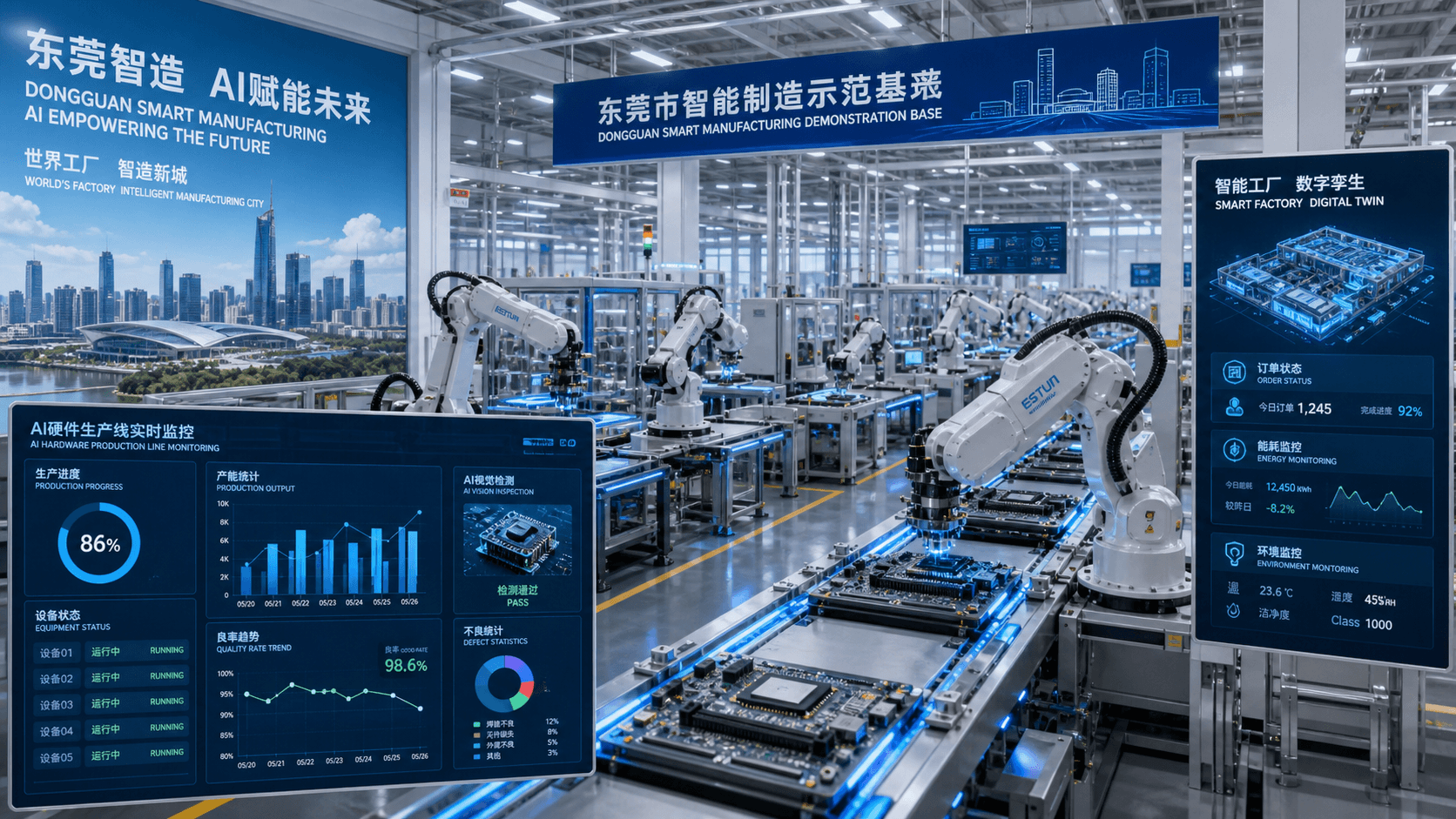
Dongguan Transforms into AI Hardware Capital with 24,000 Companies and 400K AI Glasses by 2025
Dongguan is set to produce over 400,000 units of AI glasses by 2025, accounting for half of the global output. This transformation is supported by a robust industrial ecosystem comprising 24,000 enterprises, including more than 10,000 high-tech firms. The significance of this development lies in Dongguan's establishment as a national AI pilot base, which enhances its position in the global intelligent manufacturing landscape. The city boasts a one-hour supply chain, facilitating efficient smart manufacturing processes. Looking ahead, stakeholders should monitor Dongguan's progress towards its ambitious production goals and the potential impact on the global AI hardware market. No further timeline was disclosed at the time of publication.
Industry
Generative Bionics Unveils Gene.01 Robot with Touch-Sensitive 'Skin' for Enhanced Safety
Generative Bionics has introduced Gene.01, a humanoid robot that lights up upon touch, showcasing its innovative 'skin' technology. This robot features a multimodal skin capable of sensing touch, proximity, force, and temperature, enhancing human-robot interaction. The significance of Gene.01 lies in its ability to redefine industrial safety through its intelligent skin, which allows for real-time feedback based on touch pressure. This system enables workers to physically guide the robot in performing tasks, making it crucial for operations that require precise force application. Looking ahead, Generative Bionics is collaborating with Italian shipbuilding giant Fincantieri for the first industrial deployment of Gene.01 as a welding robot. The company plans to customize the robot's skin based on client needs, while also addressing challenges related to data processing and sensor durability in harsh environments.
Industrial Robots Human-Robot Interaction Sensor Technology AI in Robotics
Yujian's 'Embodied Ecology' Advances Robotics Beyond Traditional Biomimicry
In the past two years, the robotics industry has reached a consensus that the next phase of robotics is to become increasingly human-like. Companies are focusing on developing robots that can mimic human bodies and movements, aiming for integration into human production and daily life. Yujian's foray into hyper-biomimetic creatures, showcased at CES, includes lifelike models like a walking Chinese dinosaur and a breathing dinosaur hatchling, emphasizing interaction and realism. This shift is significant as it moves beyond traditional biomimicry, which primarily addresses appearance and movement fluidity, to a new paradigm that emphasizes the replication of life behaviors. Yujian aims to redefine hyper-biomimetic organisms as embodied intelligent agents capable of perception, decision-making, and action, rather than mere mechanical constructs. This approach opens up new markets and applications beyond consumer toys, targeting larger intellectual property opportunities. Looking ahead, Yujian's focus on cognitive reenactment raises questions about what qualifies as a hyper-biomimetic organism. Their innovative approach integrates embodied cognition, allowing these creatures to respond dynamically to their environment, thus creating a closed loop of perception, understanding, decision-making, and action. No further timeline was disclosed at the time of publication.
Bio-inspired Robotics Embodied Cognition Consumer Robotics Educational Technology
Moonshot AI Unveils K3 Report Detailing Advanced Technologies for DeepSeek
Moonshot AI has released a comprehensive 47-page technical report on the K3 project, highlighting several innovative technologies. Key features include the KDA+Gated MLA hybrid attention mechanism, AttnRes cross-layer retrieval, and Stable LatentMoE, which utilizes 896 experts. Additionally, the report discusses the implementation of 51.2 million reinforcement learning sandboxes. The significance of this report lies in its potential to redefine the capabilities of DeepSeek through advanced AI methodologies. The introduction of hybrid attention and cross-layer retrieval could enhance the efficiency and effectiveness of AI systems, making them more adept at handling complex tasks. The large number of reinforcement learning sandboxes indicates a robust framework for training and testing AI models. Looking ahead, industry stakeholders should monitor how these technologies will be integrated into existing systems and their impact on AI development. The advancements presented in the K3 report may set new benchmarks in AI performance and scalability. No further timeline was disclosed at the time of publication.
Technology
Unitree AS2 Robot Dog Transforms Outdoor Exploration with Advanced Capabilities
A recent video showcasing the Unitree AS2 robot dog navigating rugged mountain paths has sparked significant online discussion. Entrepreneur Harsh Goenka remarked on social media about its ability to climb cliffs and traverse challenging terrains, prompting debates on whether robots will become essential companions for hikers in the future. The Unitree AS2, released in February 2026, is the fourth quadruped robot from Unitree Technology. Weighing only 18 kilograms, it can carry loads of up to 65 kilograms while standing and support 15 kilograms during continuous walking. This capability makes it suitable for transporting camping gear, photography equipment, and even an adult. Equipped with the upgraded ISS 3.0 intelligent following system, the AS2 offers centimeter-level precision in navigation, keeping pace with hikers. Its maximum speed reaches 5 meters per second (18 kilometers per hour), surpassing typical human running speeds. With an IP54 rating for water and dust resistance and a 648Wh battery enabling over 4 hours of operation, the AS2 is poised to enhance outdoor adventures significantly. No further timeline was disclosed at the time of publication.
Robot Dogs Outdoor Robotics AI Technology Adventure Gear
AI Chiplet Architectures Transform Testing Strategies Amid Rising GPU Costs
AI chip designs are increasingly shifting towards 2.5D and 3D chiplet architectures due to lithographic and reticle limitations. This evolution is significantly altering the testing landscape, as the integration of chiplets necessitates new strategies for ensuring quality and performance. The rising costs of GPUs, projected to reach $28,000, underscore the urgency for manufacturers to adopt these advanced architectures. By redefining where testing occurs within the chiplet framework, companies can enhance reliability and reduce costs associated with faulty components. As the industry adapts to these changes, stakeholders should monitor advancements in chiplet technology and testing methodologies. The ongoing evolution in AI chip design will likely influence procurement strategies and investment decisions in the semiconductor sector. No further timeline was disclosed at the time of publication.
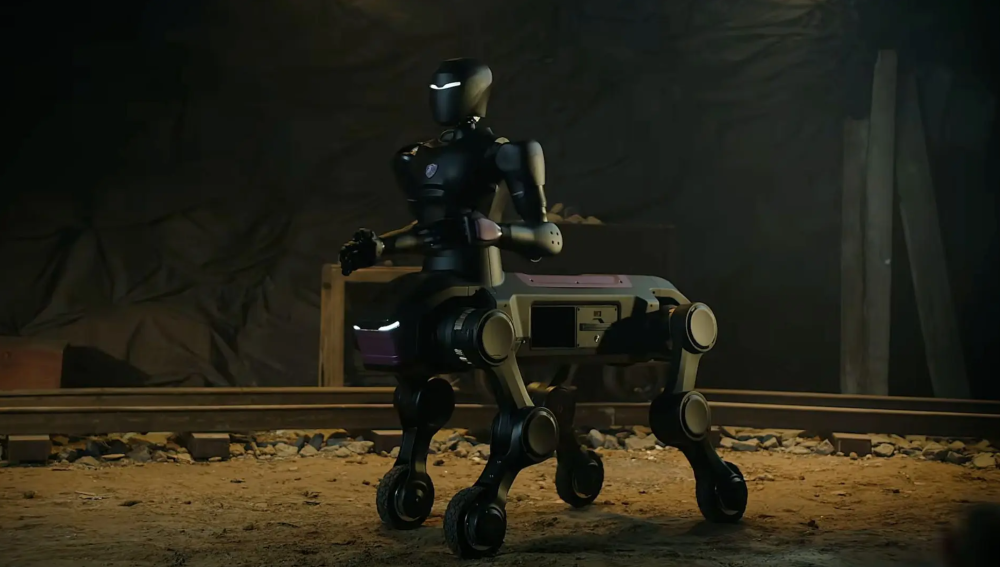
Run Robotics Unveils Hybrid 'Centaur' Robot at WAIC 2026 in Shanghai
Run Robotics introduced the world's first hybrid 'Centaur' robot at the WAIC 2026 in Shanghai, redefining humanoid robotics. This innovative design features a four-wheeled all-terrain chassis combined with a humanoid upper body equipped with robotic arms, enabling it to navigate complex terrains and perform tasks in hazardous environments. The significance of this development lies in its potential applications in areas deemed unsafe for humans and inaccessible to traditional robots, such as steel mills, oil fields, and disaster sites. With over 95% of its core components sourced domestically, the Centaur robot showcases China's growing capabilities in advanced robotics manufacturing. Looking ahead, Run Robotics plans to complete an automated assembly line by Q4 2026 and has already secured commercial orders for the Centaur robot. This innovation not only highlights the strength of China's robotics industry but also emphasizes a shift in design philosophy—robots need not resemble humans but must be effective in their tasks.
Hybrid Robots Robotics Innovation AI Technology Industrial Automation
Qianjue Robotics Launches X-TouchMind V1 and TacVerse 1k for Enhanced Robot Interaction
On July 16, Qianjue Robotics unveiled its first embodied tactile model, X-TouchMind V1, alongside the TacVerse 1k multimodal dataset. This development addresses the limitations of traditional visual models in robotic operations, particularly in precision assembly and handling delicate objects, where failures often occur after contact. The new model integrates visual, linguistic, tactile, and robotic state data to enhance physical interaction capabilities. The significance of this release lies in Qianjue's comprehensive approach, which encompasses tactile perception hardware, self-developed multimodal data collection devices, and the new tactile model. Unlike previous attempts that merely supplemented tactile signals to visual data, the VTLA embodied tactile model establishes a closed-loop system that fundamentally redefines the perception boundaries of robotic models. This innovation allows robots to understand and respond to physical interactions more effectively. Looking ahead, Qianjue Robotics will demonstrate the capabilities of the VTLA model at the WAIC 2026 exhibition, showcasing real-world applications such as autonomous box stacking and precise assembly of headphones. The focus will be on how the model can dynamically adjust actions based on tactile feedback, marking a significant advancement in robotic interaction technology. No further timeline was disclosed at the time of publication.
Tactile Intelligence Robotic Interaction Precision Assembly Multimodal Data AI Robotics
AI Agent Autonomy's Impact on Robotics Safety and Control Mechanisms
Robotic systems are increasingly capable of perceiving, choosing, and altering their behavior autonomously, without human intervention. This shift towards autonomy enhances adaptability in various environments such as warehouses and labs, but it also raises significant concerns regarding safety and control. Traditional safety measures, including physical barriers and emergency buttons, may no longer suffice as robots undertake more complex tasks. The implications of this autonomy are profound, as organizations must now assess the quality of decisions made by autonomous systems, the reliability of their software, and the protocols for monitoring their actions. Unlike conventional robots that follow fixed commands, autonomous robots can evaluate multiple scenarios and make decisions based on real-time conditions, which complicates safety protocols. Ensuring that these systems operate safely requires a reevaluation of existing safety standards that focus on speed and force. Looking ahead, it is crucial for operators to have adequate information to respond effectively to unexpected robot behavior. Autonomous robots utilize various sensors to interpret their environment, but factors like dust and poor lighting can affect input quality. Organizations should prioritize the definition and testing of triggers for human intervention to maintain a balance between autonomy and safety. No further timeline was disclosed at the time of publication.
AI agents Infrastructure AI agent autonomy ai agents ai safety automation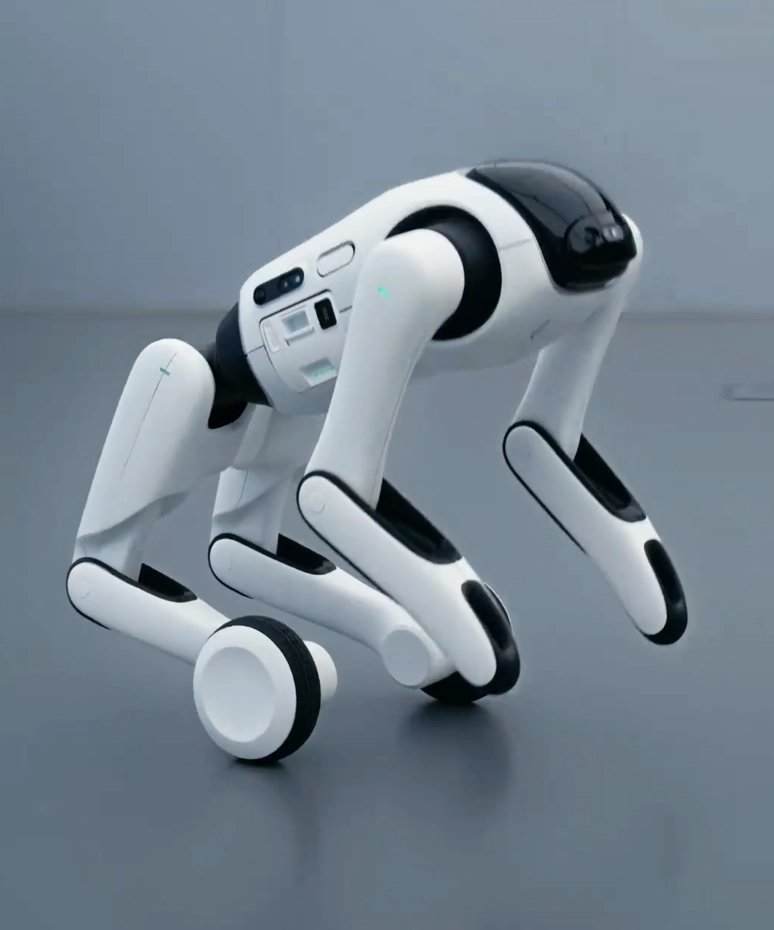
Swancor Qiyuan T1 to Showcase Transformative Personal Robot at WAIC 2026
Swancor Qiyuan's T1, touted as the world's first 'transformable personal robot,' will be publicly demonstrated on July 17, 2026, at the World Artificial Intelligence Conference (WAIC 2026). This robot features a unique Transformer architecture that allows seamless switching between humanoid and quadruped modes, enhancing its interaction and mobility capabilities in various home environments. The significance of the T1 lies in its ability to autonomously select its form based on terrain and tasks, moving beyond traditional manual controls. This innovation is expected to expand the scenarios in which personal robots can operate, addressing common household obstacles while reducing the overall ownership cost for users by eliminating the need for multiple devices. Looking ahead, Swancor's strategy focuses on content creation, education, and companionship rather than general household chores. With offline experience stores already established in major Chinese cities, the T1's success will depend on its pricing and acceptance in the market, potentially proving that adaptable robots hold greater commercial value than those merely mimicking human form.
Transformable Robots Home Robotics AI Technology Robotic Innovation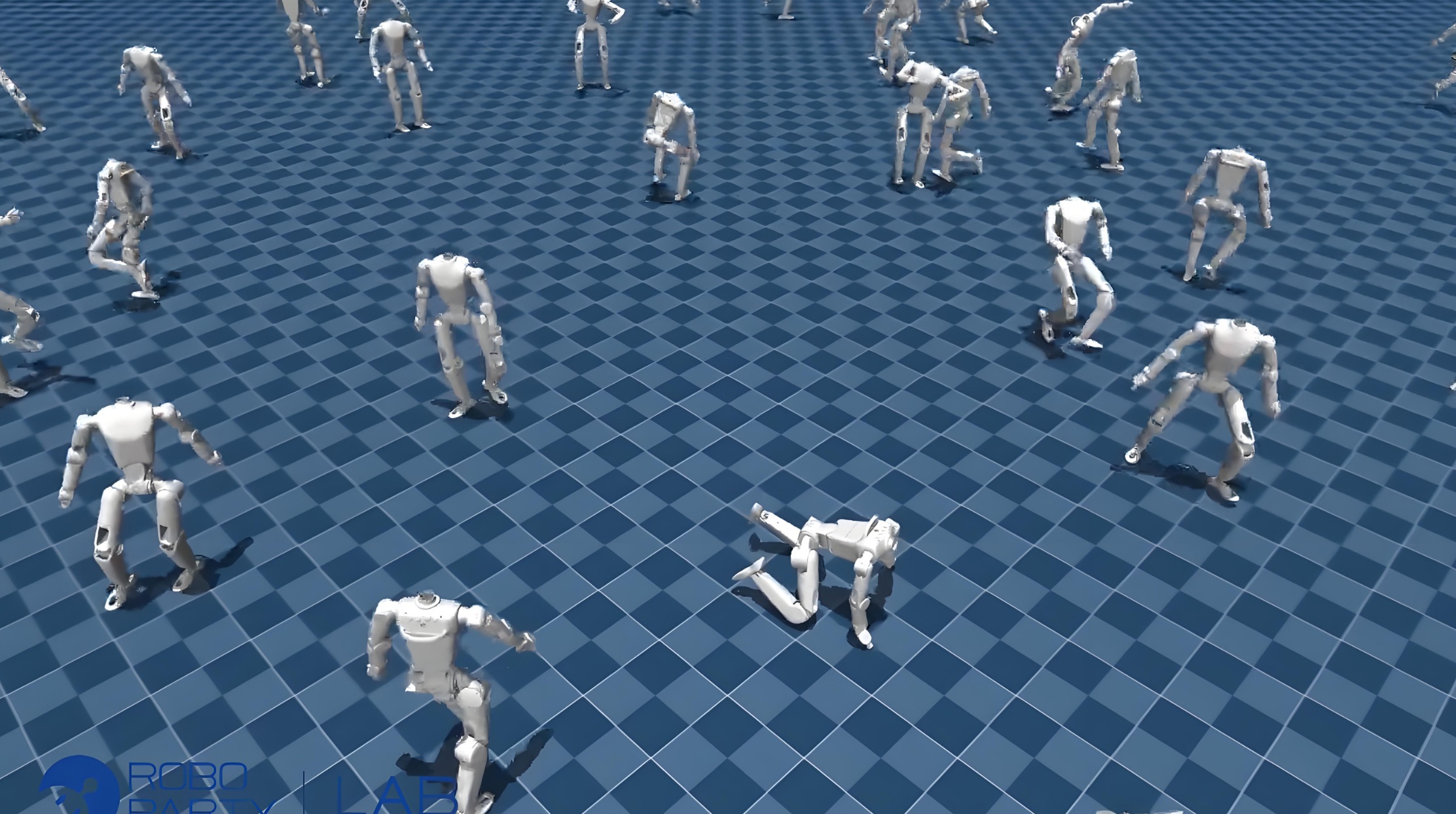
RoboParty Launches Open Source Framework for Next-Gen Humanoid Robot Development
In the past two years, the humanoid robot industry has seen numerous impressive demonstrations, but a shift is emerging in the second half of 2026. Companies are now focusing on developing training frameworks, development platforms, data tools, open-source models, and various R&D infrastructures. The competition is evolving from showcasing superior robots to enabling more developers to create robots faster. Recently, RoboParty established RoboParty Lab (RPLab) and introduced Party OS, an open-source embodied intelligence R&D foundation for next-generation humanoid robots. Alongside this, they released three R&D infrastructures: MimicLite, UFO, and hhtools. This move signifies a transition from merely demonstrating capabilities to building a robust R&D ecosystem that fosters collaboration and scalability within the developer community. As humanoid robots move from laboratories to practical applications in factories, warehouses, and homes, the industry is shifting its focus toward creating a reproducible, collaborative, and scalable R&D system. The emphasis is now on sustaining and accelerating development capabilities, marking a significant change in industry dynamics over the past year.
Humanoid Robots R&D Infrastructure Open Source Embodied AI Robot Development Tools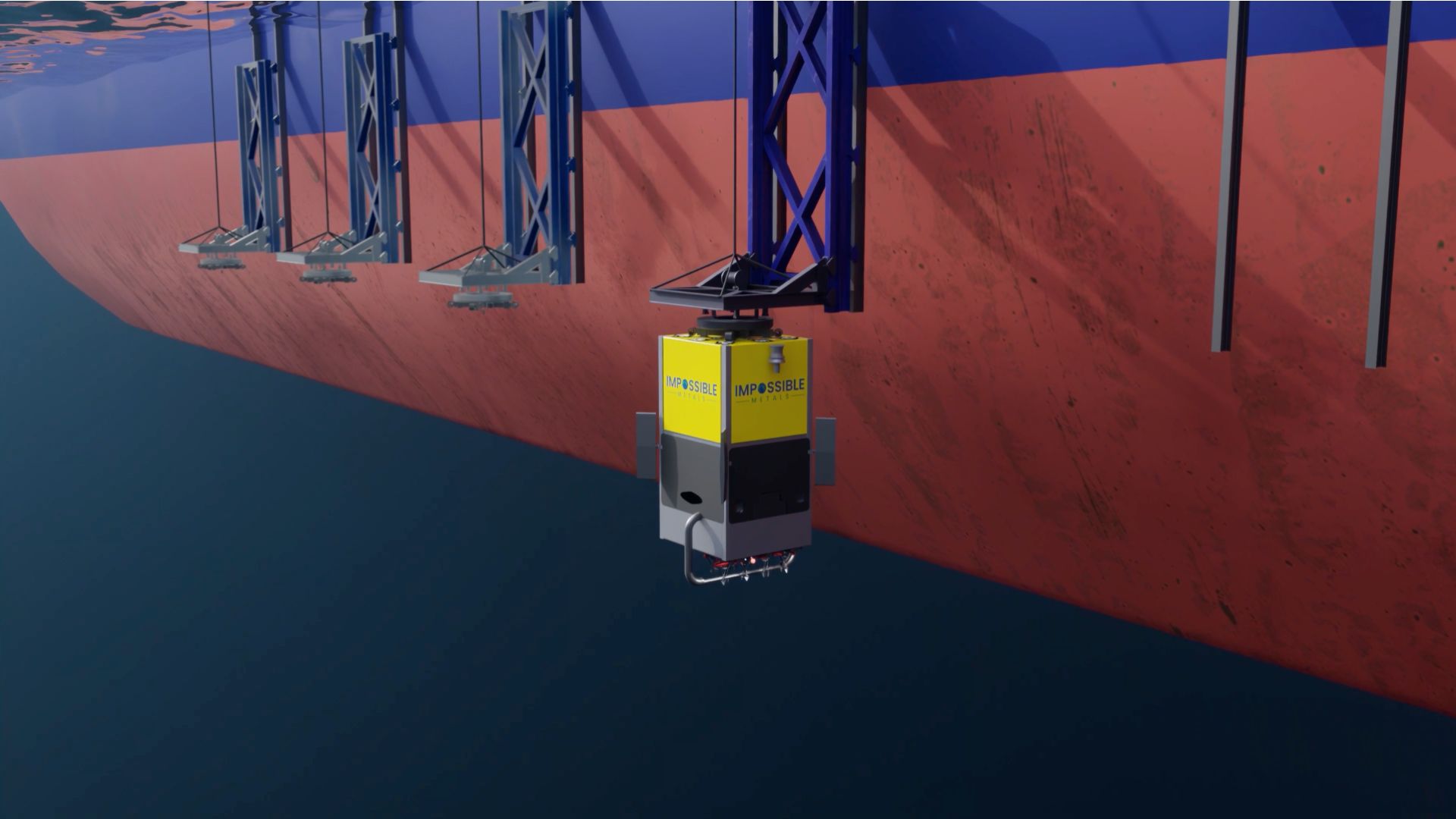
Impossible Metals to Launch Advanced Marine Robotics Hub for Deep-Sea Mineral Harvesting
Impossible Metals, a US mining technology company, has announced plans to establish an Advanced Marine Robotics Hub in Pittsburgh, Pennsylvania. This facility will focus on developing autonomous marine systems for the deep-sea collection of critical minerals, creating over a dozen high-paying engineering and science jobs. The hub aims to enhance US capabilities in marine robotics and critical mineral technologies through collaboration with local universities and researchers. The significance of this initiative lies in its potential to redefine deep-sea mining practices. According to Mike Regan, Chief Growth Officer at Impossible Metals, the hub will enable swarms of autonomous robots to harvest critical minerals like nickel, cobalt, copper, and manganese with minimal environmental impact. This approach not only promises to produce the lowest-cost critical metals on Earth but also aims to strengthen the US supply chain and reduce reliance on foreign sources of essential materials. Looking ahead, the Advanced Marine Robotics Hub will serve as the primary research center for advancing the Eureka autonomous underwater platform and Smart Launch and Recovery Systems. The company plans to continue developing dual-use technologies that cater to both commercial and naval applications. No further timeline was disclosed at the time of publication.
AI and Robotics
Jining Transforms into a Robotics Hub, Redefining Its Industrial Identity
Jining, a historic city known as the hometown of Confucius and Mencius, is redefining its industrial identity through robotics. In July, the 2026 'Robot+' Innovation Development Conference took place in Jining, attracting 165 upstream and downstream robotics companies and showcasing ten practical application scenarios. The city, one of Shandong's four major robotics industry hubs, is drawing national capital with its unique approach. As a top 100 city for advanced manufacturing in China, Jining encompasses 38 of the 41 major industrial categories, including engineering machinery and biomedicine. Thousands of enterprises are advancing digital transformation and automation upgrades. The demand for robotics is particularly strong in heavy industries, coal mining, and logistics, with significant opportunities for mining robots and warehouse automation. Jining's development strategy involves differentiated growth across its districts, focusing on core components, drones, and service robots. The city has established a 500 million yuan investment fund for robotics and is prioritizing projects in key areas such as industrial robots and special-purpose mining robots. As Jining embraces robotics, it illustrates the synergy between its rich cultural heritage and intelligent manufacturing.
Robotics Industrial Automation Smart Manufacturing AI Technology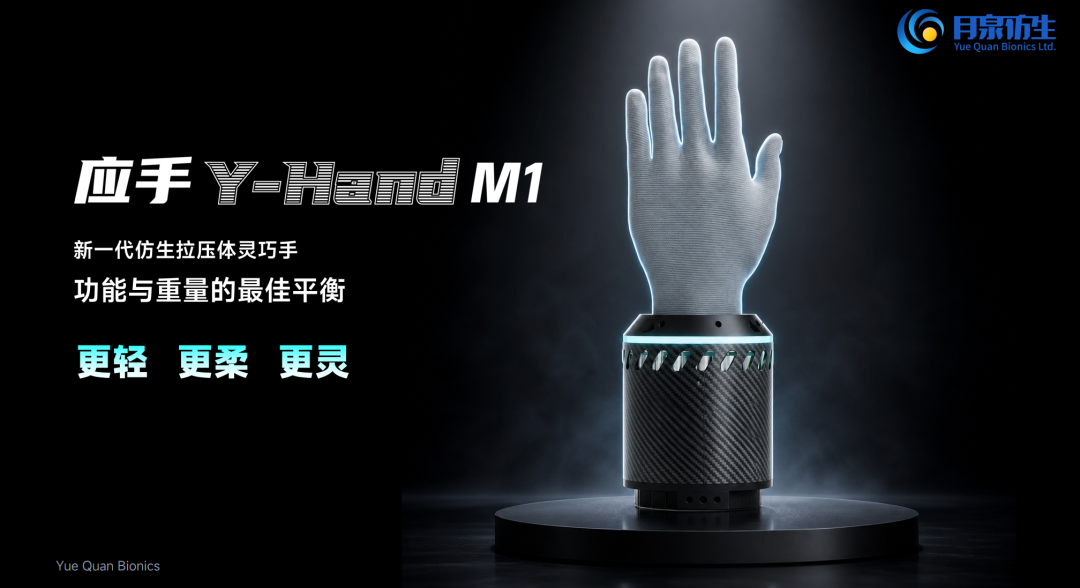
Yuequan Bionics Launches Innovative 299.7g Y-Hand M1 with Unique Biomechanical Technology
On July 3, Yuequan Bionics unveiled the Y-Hand M1, a dexterous robotic hand weighing 299.7 grams. Unlike competitors that focus on increasing degrees of freedom, the Y-Hand M1 employs a unique bionic tension-compression technology, achieving significant dexterity with only 26 degrees of freedom. This innovation is crucial as the robotics industry grapples with the challenge of balancing performance, cost, and reliability in dexterous hands. The Y-Hand M1 represents a paradigm shift, addressing the industry's 'impossible triangle' where high performance often leads to increased costs and reduced reliability. Looking ahead, the dexterous hand market in China is projected to grow significantly, with sales expected to reach 70,200 units in 2026. As investment in this sector surges, the Y-Hand M1's unique approach may set a new standard for future developments in robotic manipulation technology. No further timeline was disclosed at the time of publication.
Dexterous Hands Bionic Technology Robotics Innovation Embodied Intelligence
Advancements in Embodied Intelligence: Robots Learning Through Experience
A robot in a warehouse near Austin has fallen for the 4,000th time without assistance, showcasing the progress of embodied intelligence. This technology allows machines to physically interact with the world, fundamentally changing how they learn. Instead of merely processing information, these robots learn through experience, such as understanding gravity by knocking over objects. Embodied intelligence is gradually integrating into daily life, with humanoid robots working on assembly lines and assisting police in Hangzhou. In Malaysia, the Prime Minister introduced an AI digital twin to handle citizen inquiries autonomously. However, in Europe, there is growing concern about job displacement, with unions negotiating wage structures in anticipation of humanoid robot deployment. The societal divide is evident: while Asian countries view robots as helpful assistants, Europeans express fears of job loss. The future of embodied intelligence will depend on societal acceptance, highlighting a complex relationship between technology and human values. No further timeline was disclosed at the time of publication.
Embodied Intelligence Robotics AI Technology Human-Robot Interaction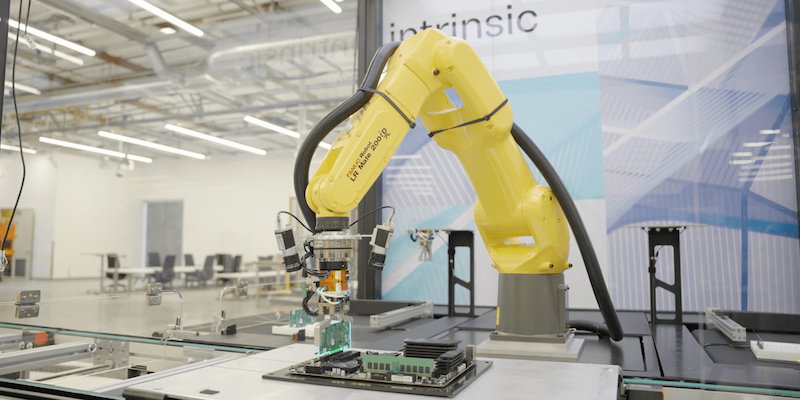
Intrinsic’s vision for physical AI: Building the software-defined factory
For decades, the industrial automation sector has adhered to a consistent model, where production lines have accelerated, robots have gained enhanced capabilities, and software has evolved, yet the fundamental approach has remained unchanged. Automation systems have traditionally been designed for specific tasks, resulting in high costs and lengthy processes for achieving flexibility. However, this conventional model is now facing significant challenges as manufacturers strive to adapt to rapidly changing market demands and consumer preferences. The push for more versatile and efficient automation solutions is prompting a reevaluation of existing practices, signaling a potential shift in the industry towards more adaptable and cost-effective systems. As companies seek to enhance their competitiveness, the evolution of automation technology is becoming increasingly critical in meeting the dynamic needs of the manufacturing landscape.
Artificial Intelligence Factories News ai robotics Automate 2026 electronics assembly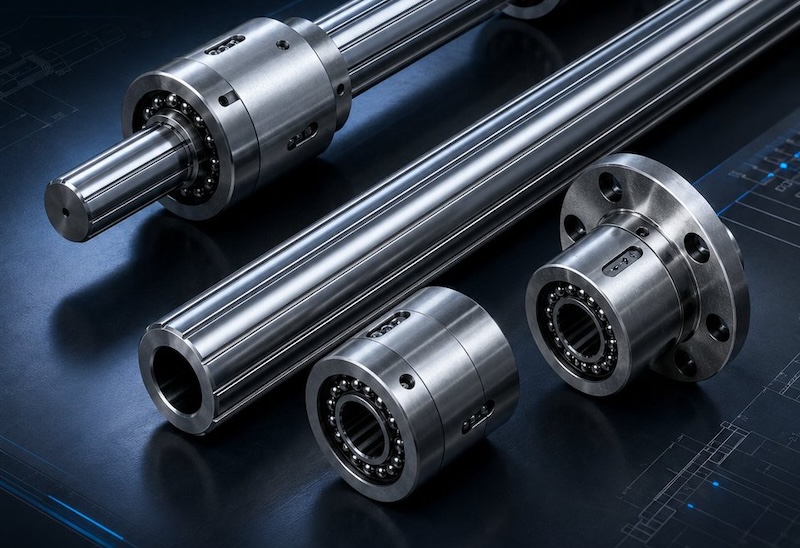
How JLCMC is Redefining Industrial Automation Solutions for Modern Factories
The manufacturing industry is undergoing significant transformation as companies strive to increase production efficiency, minimize waste, and adapt to market demands while keeping costs manageable. Central to this evolution is the rise of industrial automation, supported by various suppliers that play a crucial role behind the scenes. One such emerging player in this sector is JLCMC, an online store that is gaining recognition for its contributions to the automation landscape. As manufacturers navigate these challenges, the integration of advanced technologies and innovative solutions is becoming essential for sustained growth and competitiveness in a rapidly changing environment.
Automation Industry automation engineers cnc factory automation industrial automation
Robbyant Unveils LingBot-Depth 2.0 and LingBot-Vision to Redefine Robotic Spatial Perception
Building upon the success of LingBot-Depth, which pioneered the Masked Depth Modeling (MDM) technique to resolve depth sensing challenges for transparent and reflective surfaces, LingBot-Depth 2.0 represents a massive scale-up in training data and performance.

iRobot Redefines Floor Care with the Introduction of a 5-in-1 Disinfecting Hard Floor Cleaner Along with a New Generation of Roomba Robots
Reflecting iRobot's continued commitment to consumer-led innovation, the expanded portfolio introduces a breakthrough new hard floor care solution alongside the next generation of Roomba® robots,...
Leading Investors Back Multiple Robotics Firms to Define Joint Standards
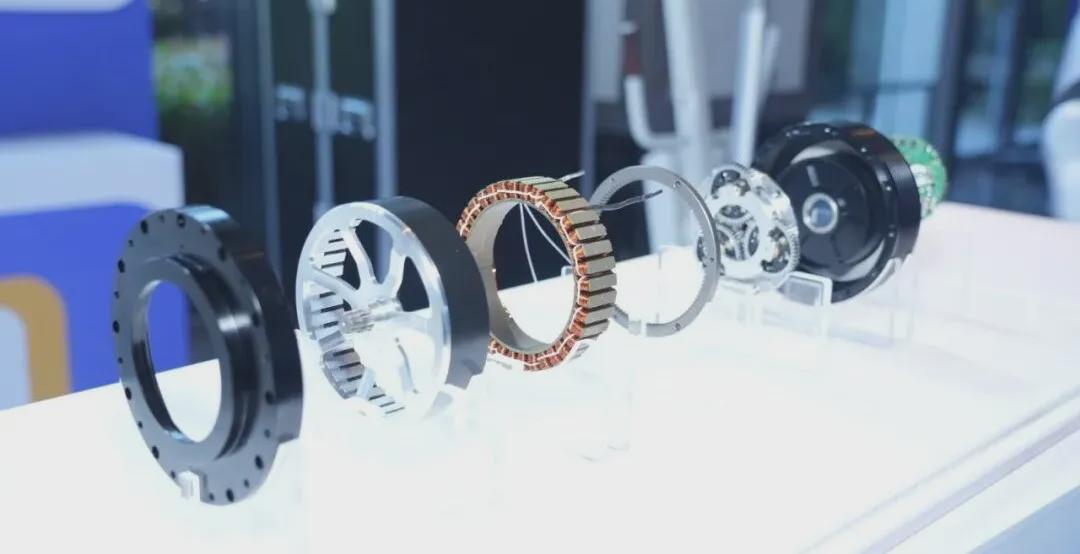
On July 3, 2026, Wuxi Quan Zhibo Technology announced the successful completion of its A+++ funding round, which was led by GL Ventures and included strategic investments from Zhiyuan and Lingxin Qiaoshou. This significant financial boost aims to strengthen Quan Zhibo's capital structure by integrating leading investment firms, industry experts, and state capital. The company is positioning itself as a pivotal supplier in the robotics joint module sector, with a focus on standardizing joint technology across the industry. This funding is expected to enhance its competitive edge and drive innovation within the robotics field.
Robotics Investment Joint Modules Smart Manufacturing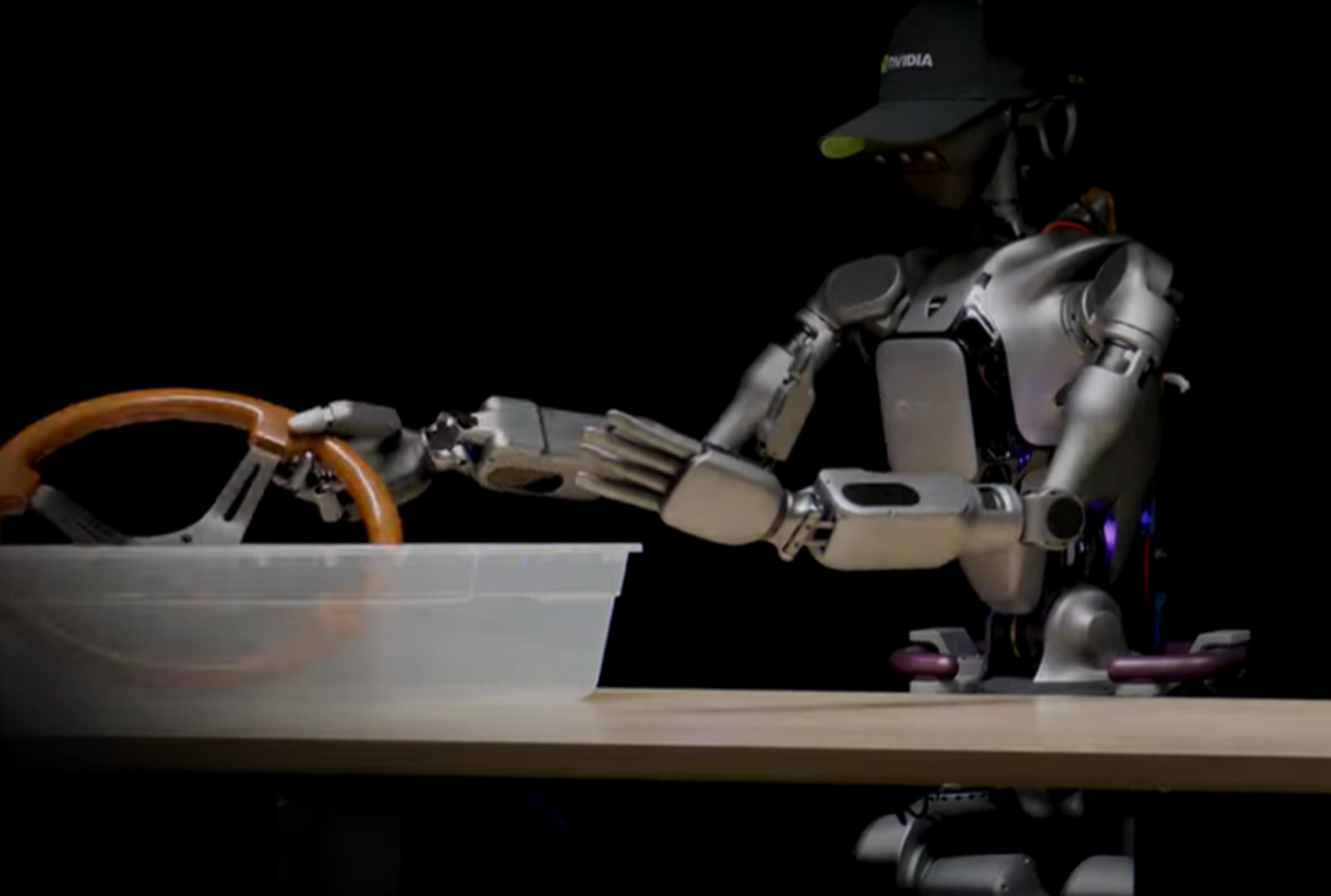
"ZhiShen Technology's Steel Coin L2 Launches with Great Impact! Redefining Delivery Rules in the Quadruped Robot Industry"
ZhiShen Technology has made a significant advancement in the quadruped robot industry with the launch of its Steel Coin L2, which aims to redefine delivery protocols. This innovative product was unveiled recently, showcasing the company's commitment to enhancing robotic capabilities for logistics and delivery services. The Steel Coin L2 is designed to improve efficiency and reliability in transporting goods, addressing the growing demand for advanced delivery solutions in various sectors. By integrating cutting-edge technology and robust design, ZhiShen Technology seeks to set new standards in the market, positioning itself as a leader in the evolving landscape of robotic delivery systems.
Robotics Automation AI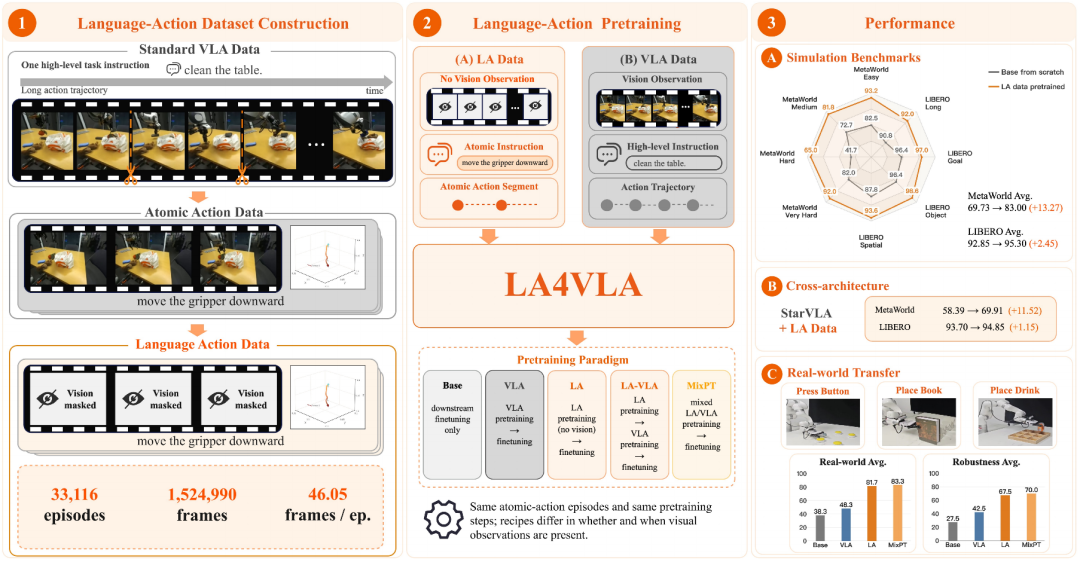
LA4VLA: Redefining VLA Pretraining for Robots to Learn Action Language
Researchers have introduced the LA4VLA framework, a new approach that enhances the capabilities of robots in understanding language commands and executing actions. This framework distinguishes language-action supervision from visual input, enabling robots to learn the relationship between commands and actions independently of visual cues. The study, which highlights the limitations of traditional Vision-Language-Action models, was conducted to address the tendency of these models to rely on visual inputs when confronted with conflicting information. By focusing on a more robust language-action learning process, the LA4VLA framework aims to improve the overall understanding of how language influences robotic actions.
Vision-Language-Action Robotics Machine Learning AI Training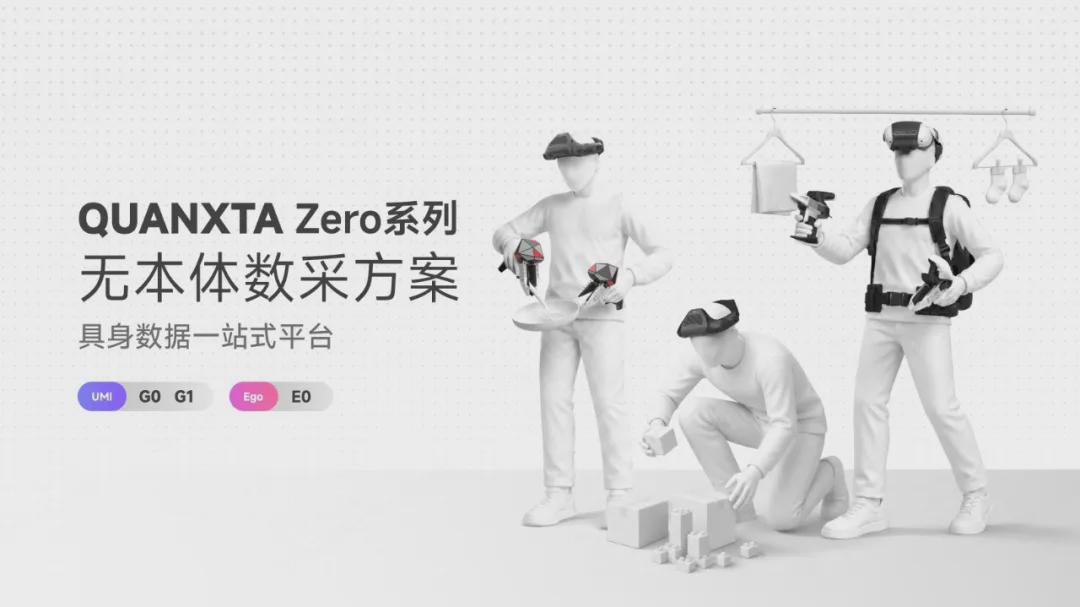
"Breaking Through the 'Data Wall'! Independent Variable Releases QUANXTA Zero Series, Full-Stack Players Redefine Embodied Intelligent Data Collection..."
Independent Variable has announced the launch of its QUANXTA Zero Series, a groundbreaking advancement in embodied intelligent data collection. This release aims to address the challenges posed by the so-called "data wall," which has hindered effective data utilization in various sectors. The unveiling took place in October 2023, showcasing the innovative capabilities of the new series designed to enhance data gathering and analysis processes. The QUANXTA Zero Series is positioned to redefine how full-stack players in technology and data management approach the collection and interpretation of data. By integrating advanced technologies, Independent Variable seeks to empower organizations to overcome existing barriers and harness the full potential of their data assets. This initiative reflects a growing demand for more efficient and intelligent data solutions, driven by the need for businesses to make informed decisions based on comprehensive data insights. The launch is expected to attract significant interest from industries looking to enhance their data strategies and improve operational efficiencies.
Robotics Automation AI
China’s AI-defined vehicles make smart motoring human-centred
In China's fiercely competitive electric vehicle (EV) market, manufacturers are increasingly focusing on artificial intelligence to differentiate their offerings. As the industry evolves, the concept of the artificial-intelligence-defined vehicle (AIDV) is emerging, emphasizing how well these vehicles can learn from and adapt to their drivers' habits, moods, and needs. This shift marks a significant departure from traditional vehicles, which were considered complete upon leaving the showroom. Instead, modern EVs are now viewed as software-defined products that can continuously improve and evolve through updates and data analysis. This transformation is reshaping consumer expectations and driving innovation in the automotive sector, as companies strive to create smarter, more intuitive vehicles that enhance the driving experience.
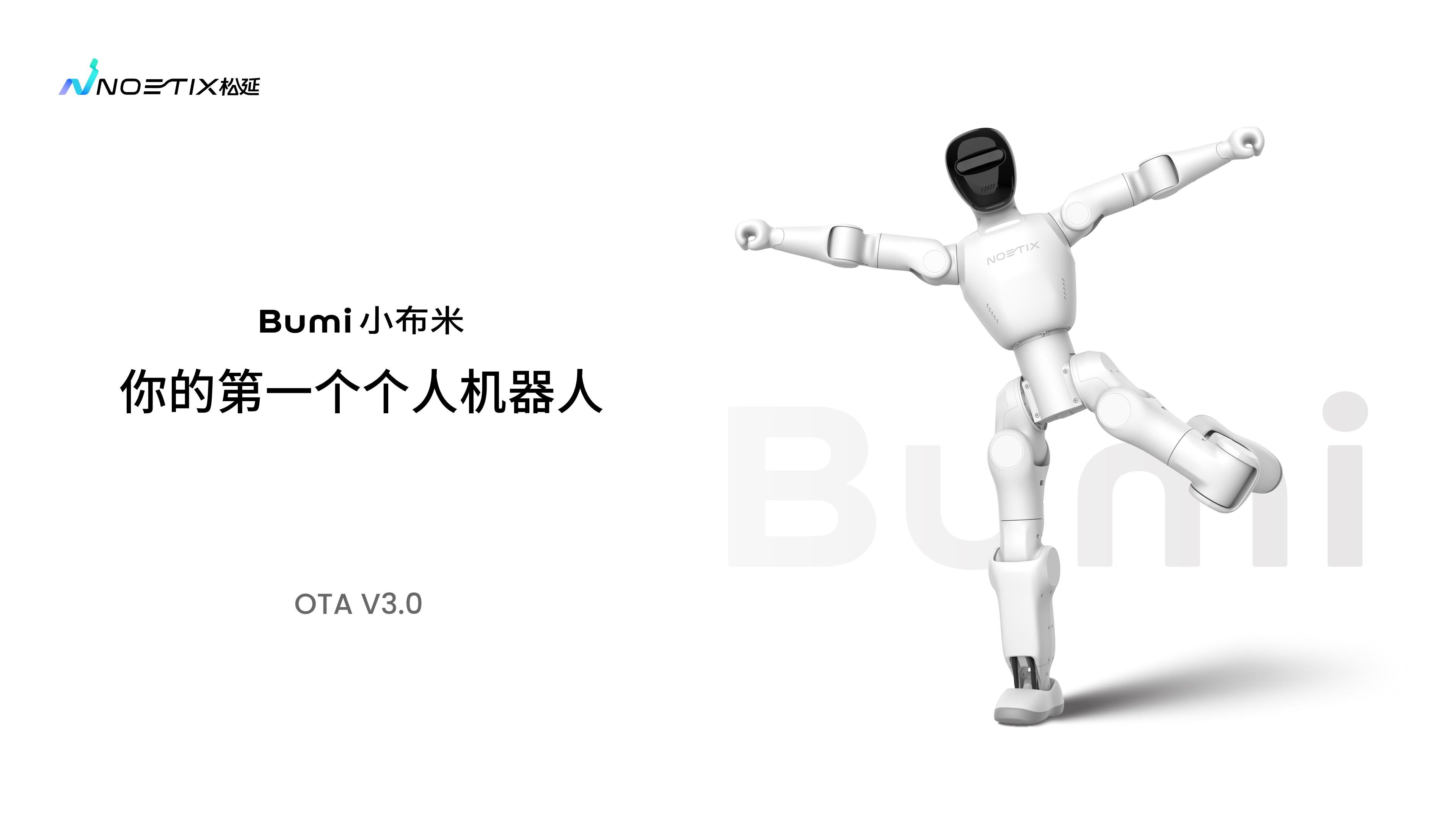
OTA Upgrade Redefines Your First Personal Robot
The Bumi robot, measuring 98 cm in height, is poised to become a staple in many households with its scheduled over-the-air (OTA) upgrade on July 15. This update aims to enhance user interaction and connectivity, making it simpler for families to incorporate Bumi into their daily routines. Key improvements include a redesigned application, voice control capabilities, and a safety stop button, all designed to foster a more engaging and reliable experience for users. The enhancements reflect a growing trend in personal robotics, as manufacturers seek to make technology more accessible and user-friendly for families.
Personal Robots Consumer Robotics AI Interaction Smart Home Technology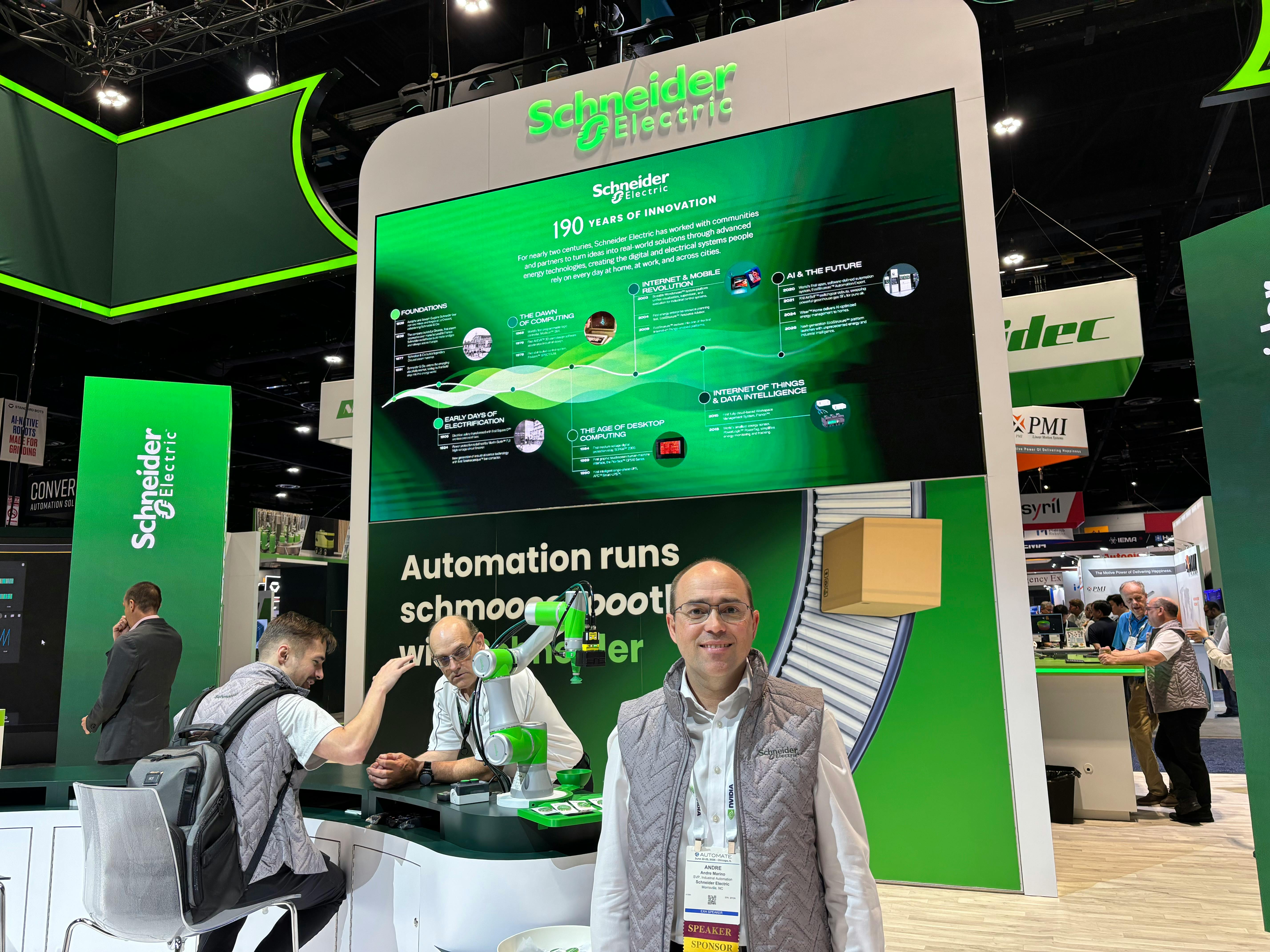
Large World Models & Software-Defined Automation: A Schneider Exec's Look at the Future
In a recent industry discussion, experts highlighted a significant challenge facing businesses: the issue of vendor lock-in. This problem, which restricts companies to a single supplier, limits their flexibility and innovation potential. The conversation took place during a technology conference held in San Francisco on October 15, 2023, where industry leaders gathered to address current trends and obstacles in the market. Participants emphasized that reliance on a single vendor can hinder competition and stifle creativity, as companies may feel compelled to continue using a service or product that does not fully meet their evolving needs. The motivation behind this concern stems from a desire for greater adaptability and the ability to leverage multiple solutions to enhance operational efficiency. To combat vendor lock-in, experts suggested strategies such as adopting open standards and promoting interoperability among different systems. By encouraging a more collaborative environment, businesses can mitigate risks associated with being tied to one provider and foster a more dynamic marketplace. The discussions underscored the importance of addressing these challenges to ensure that companies can thrive in an increasingly competitive landscape.
Factory / Control
Five Shifts Redefining How Product Manufacturers Compete in 2026
A significant advancement in enterprise integration has been achieved with the introduction of the Model Context Protocol, which aims to eliminate existing bottlenecks in data communication between systems. This innovative protocol was unveiled by a leading tech consortium during a conference held in San Francisco on October 15, 2023. The initiative responds to the growing demand for seamless data exchange in increasingly complex business environments, where inefficiencies can hinder productivity and decision-making. By providing a standardized framework for data integration, the Model Context Protocol enables organizations to streamline their operations and improve interoperability among various software applications. Experts believe that this development could revolutionize how businesses manage their data, ultimately leading to enhanced collaboration and faster response times in the marketplace.
Factory / CommunicationRobotics needs a service framework.
RSF defines a common language for robot service capability, lifecycle operations, certification pathways, and service-provider networks.
Join the RobotToday community on LinkedIn
Daily robotics news, in-depth analysis, conference highlights, and discussions with professionals worldwide.