


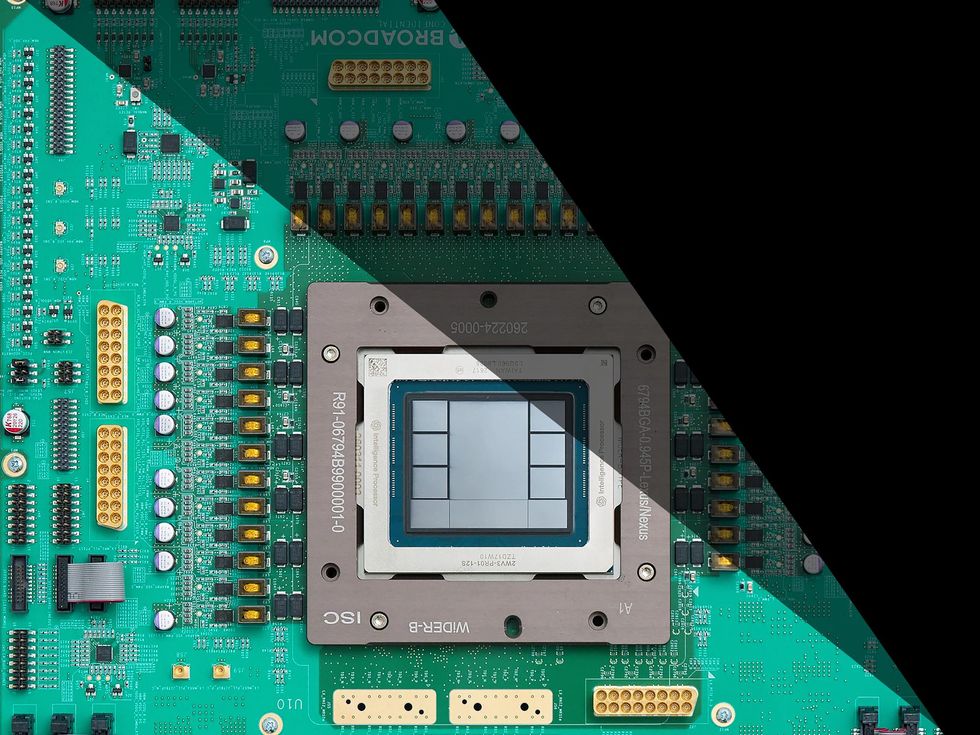
AI chip designs are increasingly shifting towards 2.5D and 3D chiplet architectures due to lithographic and reticle limitations. This evolution is significantly altering the testing landscape, as the integration of chiplets necessitates new strategies for ensuring quality and performance.
The rising costs of GPUs, projected to reach $28,000, underscore the urgency for manufacturers to adopt these advanced architectures. By redefining where testing occurs within the chiplet framework, companies can enhance reliability and reduce costs associated with faulty components.
As the industry adapts to these changes, stakeholders should monitor advancements in chiplet technology and testing methodologies. The ongoing evolution in AI chip design will likely influence procurement strategies and investment decisions in the semiconductor sector. No further timeline was disclosed at the time of publication.
Editor's Note
The shift towards 2.5D and 3D chiplet architectures in AI chips reflects broader trends in semiconductor manufacturing, driven by the need for efficiency and cost-effectiveness. As GPU prices escalate, companies must innovate in testing processes to maintain competitiveness. This transformation may lead to significant changes in supply chain dynamics and technology adoption across the industry.




























Leave a comment