


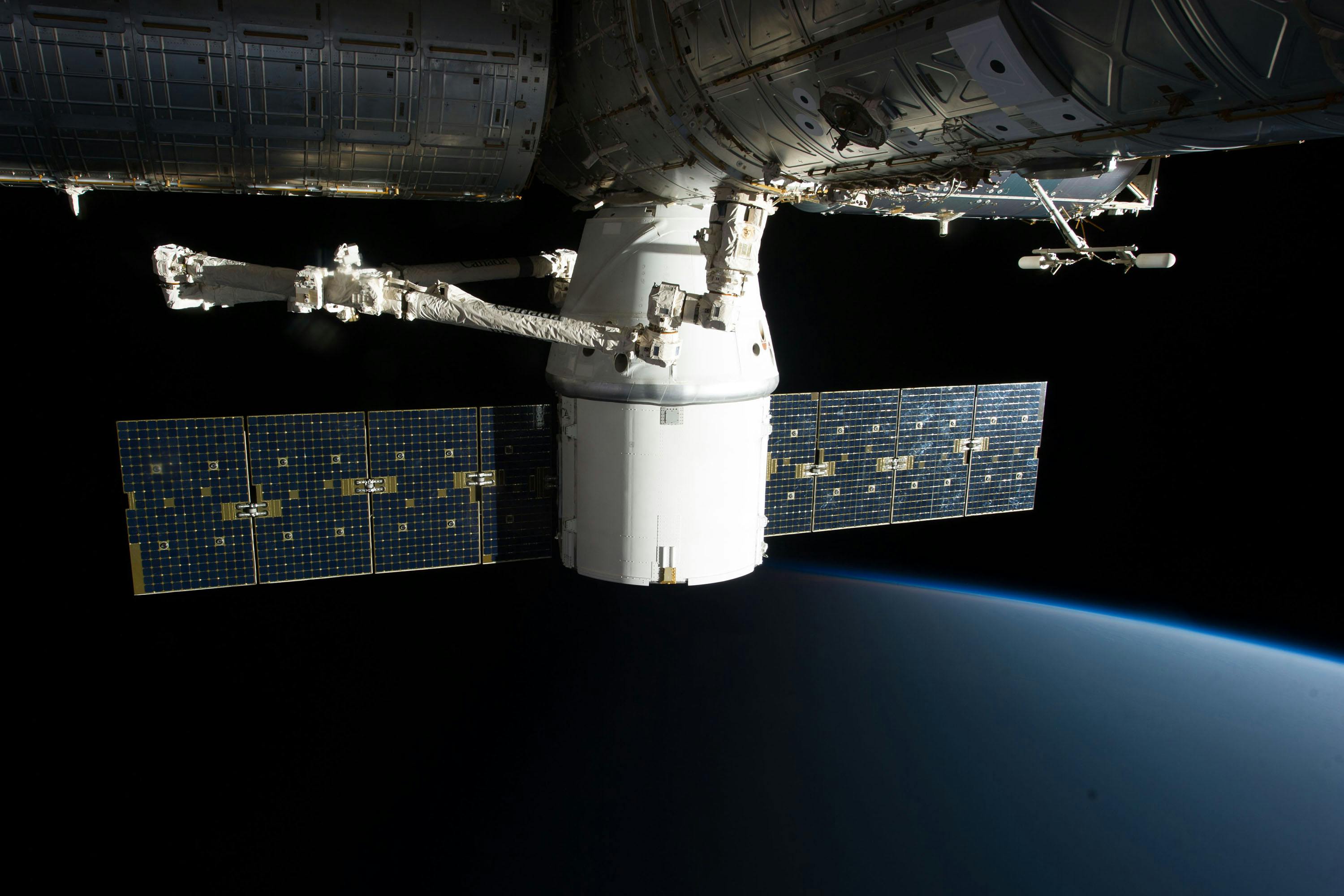
In May 2026, xAI was absorbed into SpaceX and rebranded as SpaceXAI, consolidating its procurement under SpaceX. The supply chain's critical constraint is electricity, not GPUs, emphasizing that Colossus is primarily a power project with a chip budget. The merger, valued at $1.25 trillion, allows SpaceX to leverage orbital data centers and AI compute nodes in low Earth orbit to overcome terrestrial energy limitations.
The merger's implications are significant, as xAI's financials are now integrated into SpaceX's reports, revealing $2.56 billion in AI revenue for Q2 2026, a 247% increase. This shift provides visibility into xAI's procurement, which is now part of SpaceX's overall financial disclosures. The supply chain's structure highlights competitive markets for initial layers, while the latter layers face local and political challenges, impacting Colossus's development.
Looking ahead, the focus will be on the performance and expansion of Colossus, particularly with Colossus 2 at the Tulane Road site, which aims for gigawatt scale. The hardware partnerships with Dell Technologies and Super Micro Computer are crucial for the infrastructure's success. No further timeline was disclosed at the time of publication.
Editor's Note
The merger of xAI into SpaceXAI marks a pivotal moment in the AI and space industries, reshaping supply chain dynamics. As companies increasingly seek to leverage orbital infrastructure for AI development, understanding the implications of this merger will be critical for stakeholders in technology and investment sectors. The focus on power supply over GPU availability highlights a shift in strategic priorities within the industry.

























Leave a comment