

Industry Briefing
A single destination for timely, editor-curated robotics news from around the world.
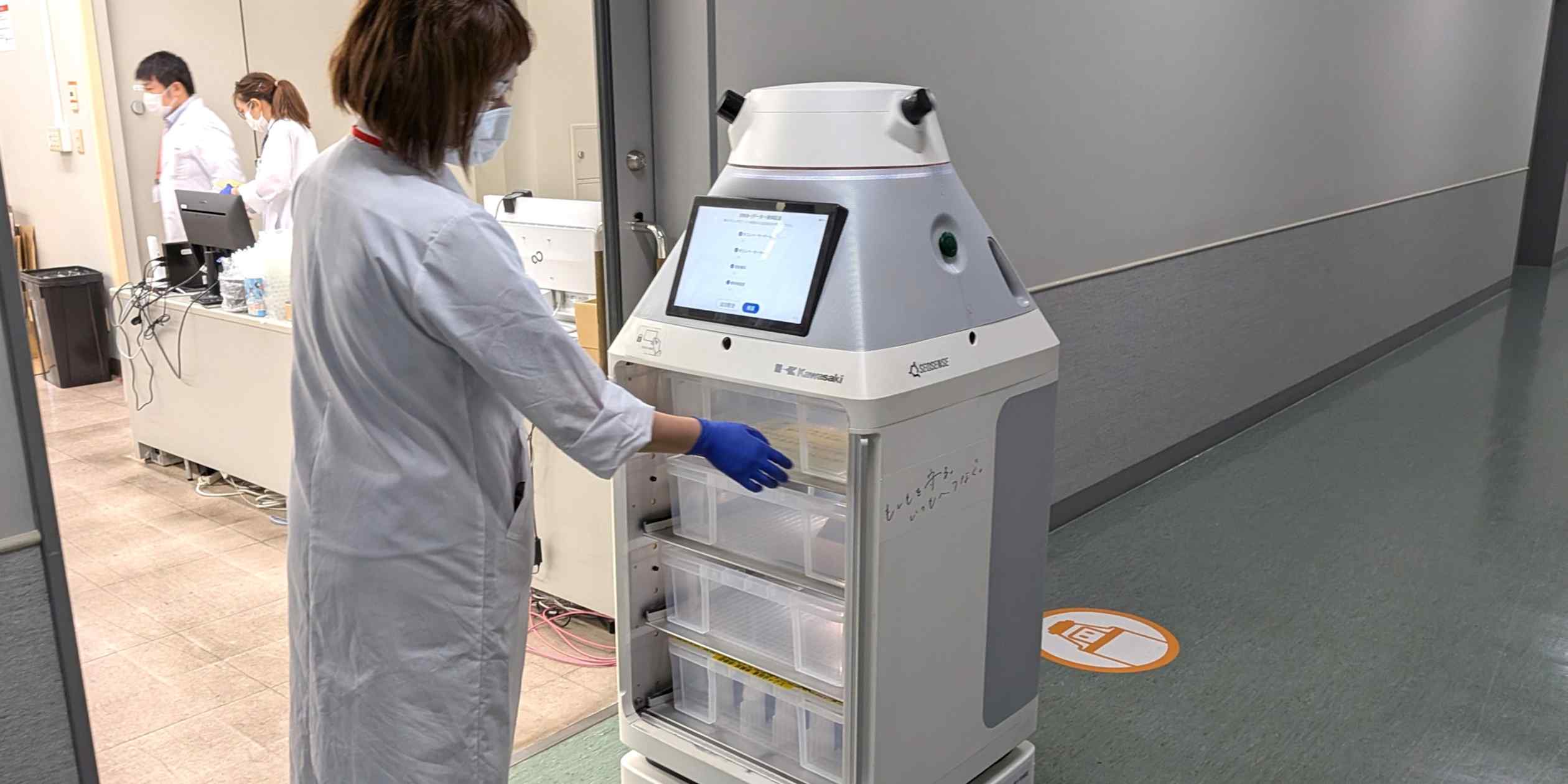
Kawasaki Heavy Industries' Hospital Robots Save 2,700 Work Hours in Japan
Kawasaki Heavy Industries has initiated mass production of hospital robots designed to transport medical samples and medications, significantly saving labor hours. These robots have collectively saved 2,700 hours of work, addressing the labor shortages faced by healthcare institutions in Japan. The introduction of these robots is crucial as Japan's healthcare sector grapples with a labor crunch, making automation a vital solution for improving operational efficiency. By utilizing robots for tasks such as delivery and cleaning, hospitals can allocate human resources to more critical areas of patient care. Looking ahead, the continued deployment of Kawasaki's robots in healthcare settings will be essential to monitor. Their impact on alleviating labor shortages and enhancing service delivery in hospitals will be a key area of interest as the industry evolves. No further timeline was disclosed at the time of publication.
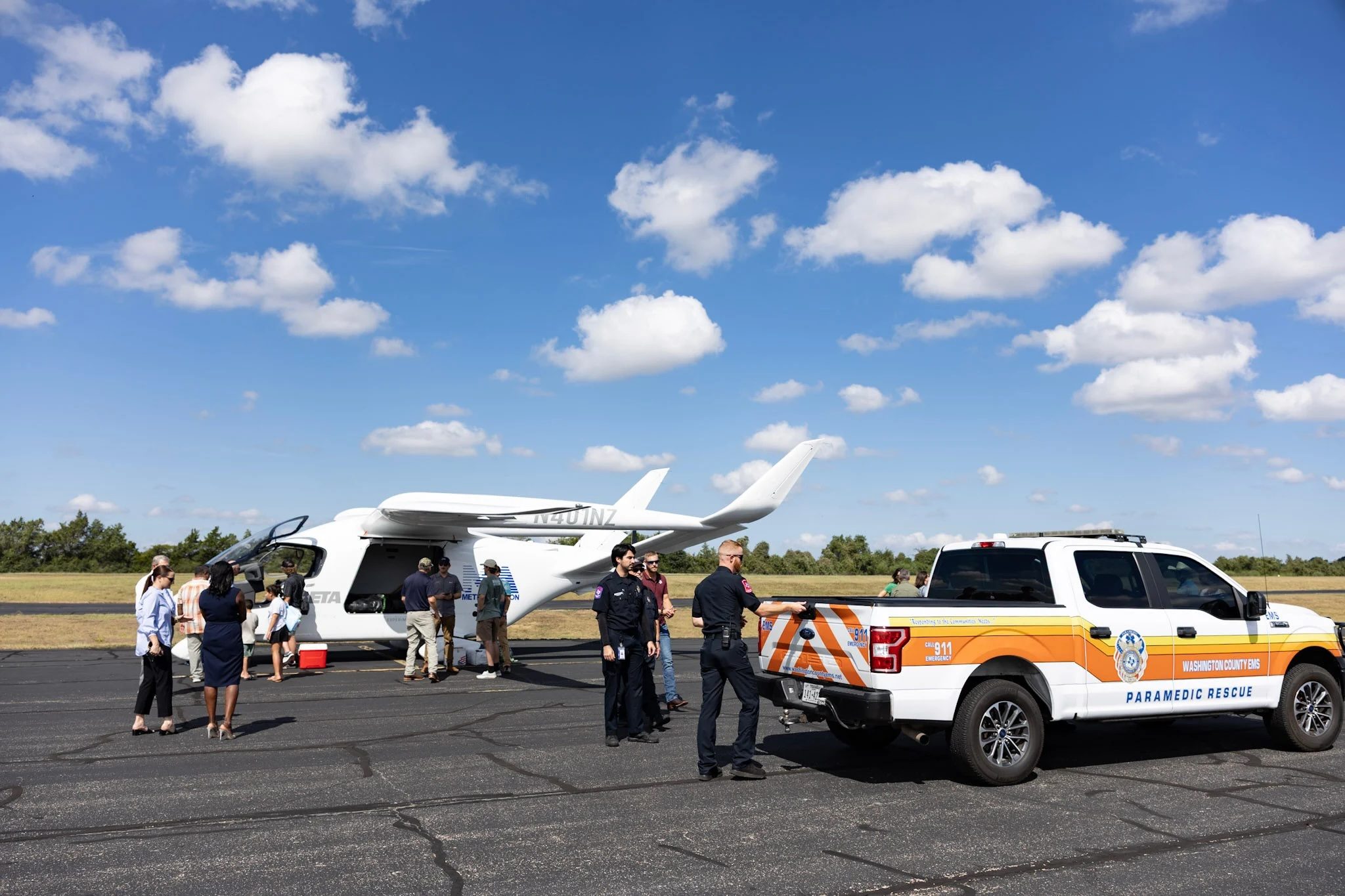
BETA Technologies and Metro Aviation Demonstrate Electric Aircraft for Rural EMS in Texas
BETA Technologies and Metro Aviation successfully conducted an electric aircraft demonstration with Washington County Emergency Medical Services in Brenham, Texas. This flight aimed to explore the potential of electric aviation in enhancing emergency response capabilities in rural areas, specifically by transporting disaster-response equipment alongside existing resources. The significance of this demonstration lies in its potential to integrate electric aircraft into emergency medical systems, which currently respond to over 7,000 calls annually across a 700-square-mile area. Washington County EMS Director Taylor Leonard expressed gratitude for the partnership, highlighting the importance of exploring innovative transportation options to improve emergency services. Looking ahead, Metro Aviation has shown interest in expanding its collaboration with BETA Technologies, having placed a deposit-backed order for up to 20 ALIA VTOL aircraft for future operations. The Texas demonstration is part of a broader initiative to assess the role of electric aircraft in medical aviation, with further evaluations planned along routes connecting key Texas locations.
Advanced Air Mobility Applications Drone News Drone News Feeds eVTOL Healthcare
U.S. Navy Establishes RASWDC to Enhance Robotic Warfare Capabilities
The U.S. Navy has launched the Robotic and Autonomous Systems Warfighting Development Center (RASWDC) on September 24, aimed at integrating robotic and autonomous systems into naval operations. Led by Rear Admiral Melvin Smith, the center is headquartered at Joint Expeditionary Base Little Creek-Fort Story in Virginia and will serve as the Navy's primary hub for operational integration of these technologies. This initiative is crucial for maintaining the Navy's maritime advantage, as emphasized by Chief of Naval Operations Adm. Daryl Caudle. The RASWDC will provide sailors with advanced training and specialized doctrine necessary for high-end combat scenarios, reflecting the Navy's commitment to modernizing its operational capabilities through technology. Looking ahead, the RASWDC will focus on developing warfighting concepts, training personnel, and testing new technologies under realistic conditions. The Navy's approach includes evaluating unmanned aerial systems, uncrewed surface vessels, and unmanned underwater vehicles, with a clear intent to advance systems that prove effective while reassessing those that do not meet operational standards. No further timeline was disclosed at the time of publication.
Military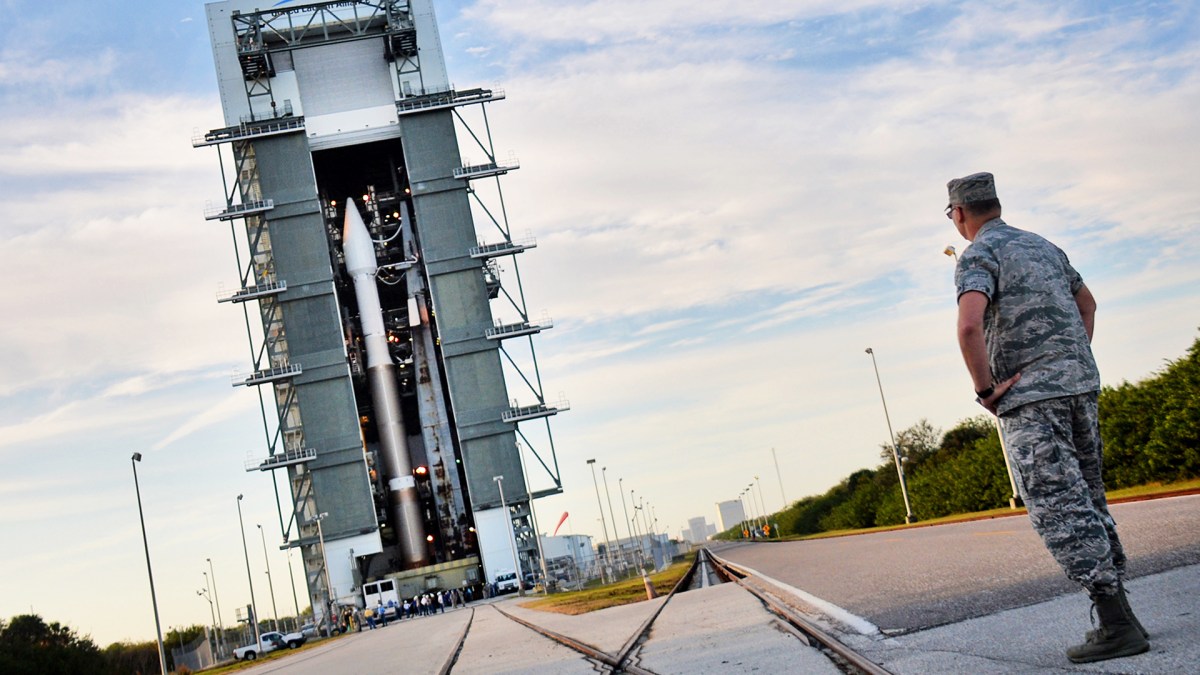
Cape Canaveral Spaceport to Deploy Laser Weapons for Drone Defense
Cape Canaveral Space Force Station is set to implement a directed energy defense system to neutralize drones invading its airspace. This initiative, part of a broader security modernization effort, aims to protect the spaceport, which supports numerous commercial and military launches, from unauthorized drone incursions. The system will enhance situational awareness and provide real-time defense capabilities against low-altitude aerial threats. The significance of this deployment lies in the increasing number of drone incursions in the Cape Canaveral region, with hundreds reported last year. The spokesperson for Space Launch Delta 45 emphasized that safeguarding critical launch infrastructure is a top priority, especially given the potential risks posed by drones to national security payloads and personnel. The use of lasers is particularly crucial, as traditional jamming methods could interfere with spacecraft operations. Looking ahead, the timeline for the operational status of the directed energy system remains undisclosed. However, the ongoing modernization efforts reflect a growing need for advanced security measures at the spaceport, especially in light of recent unauthorized drone activities, including incidents near NASA's Kennedy Space Center.
Space Launch Vehicles U.S. Space Force
Mondo Robotics' Beni: A Tumbling Robot Camera with Significant Obstacle Avoidance Issues
Mondo Robotics has introduced Beni, a small bipedal robot designed to capture and record video while following users. Equipped with a built-in camera and sensors, Beni can perform tricks like flips and roll while tracking specified objects via an app. However, after several weeks of testing, reviewers found Beni's obstacle avoidance capabilities severely lacking. The importance of Beni lies in its potential as a fun companion for personal activities like sports and pet video recording. Despite its interesting features, the robot struggles significantly with obstacle avoidance, often losing track of its target in cluttered environments. Reviewers noted that even in open spaces, Beni failed to navigate around obstacles effectively, which detracts from its overall usability. Moving forward, it will be crucial to monitor Mondo Robotics' efforts to improve Beni's obstacle avoidance technology. Currently priced at $599, the robot's value is questionable given its primary flaw. If Mondo can address these issues, Beni could become a more appealing option for users engaged in various activities, but until then, recommendations are limited.
Robot Cameras Obstacle Avoidance Consumer Robotics Video Technology
Weekly Robotics Highlights: Home Robots, Drones, and Innovative Excavators from IEEE Spectrum
IEEE Spectrum's latest Video Friday showcases a variety of robotics innovations. Featured is Goose, a small home robot designed for light household tasks and companionship, although specific functionalities remain undisclosed. The highlights also include Skydio's F10, an asymmetrical fixed-wing drone capable of autonomous launch and recovery using a mechanical arm. Additionally, a demonstration of small robots captures attention, emphasizing the evolving landscape of robotics since the introduction of Honda's P2, the first autonomous walking robot. Looking ahead, the World Skills Competition in Shanghai on September 22, 2026, will feature a performance with 19 humanoid robots and 120 dancers, marking a significant milestone in AI-driven robotic displays. No further timeline was disclosed at the time of publication.
Home Robots Drones Underwater Robotics AI Robotics Humanoid Robots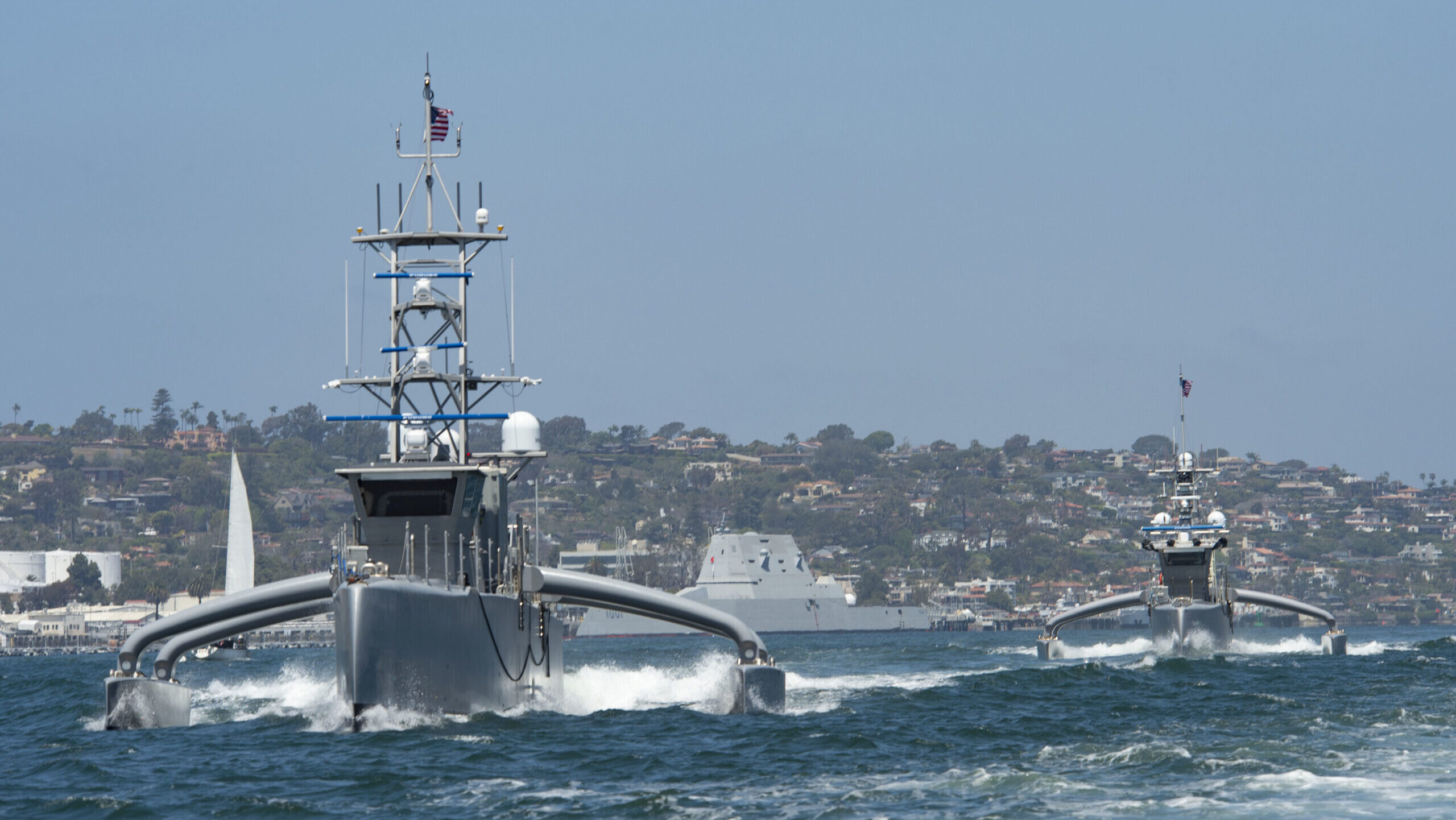
Navy Initiates Phase II for Medium Unmanned Surface Vessel Project, Seeks Innovative Solutions
The Navy has launched Phase II of its medium unmanned surface vessel (MUSV) project, inviting innovative solutions for integration and testing. The solicitation notice, released on September 23, emphasizes the need for adaptable and resilient designs that can address evolving maritime threats. This initiative is significant as it aims to enhance the Navy's capabilities in unmanned operations, with specific requirements for vessels to operate unmanned for at least 10 days and accommodate a payload of two standard 20-foot shipping containers. The focus on open-architecture autonomy and rapid production scalability reflects the Navy's commitment to modernizing its fleet. Looking ahead, vendors with successful proposals will demonstrate their vessels at sea, evaluated on criteria such as speed and fuel efficiency. The Navy's MUSV Marketplace, announced earlier this year, aims to streamline procurement processes for maritime autonomous systems, allowing both new and existing vendors to participate in this evolving landscape.
Naval Warfare Drones MUSV Navy Unmanned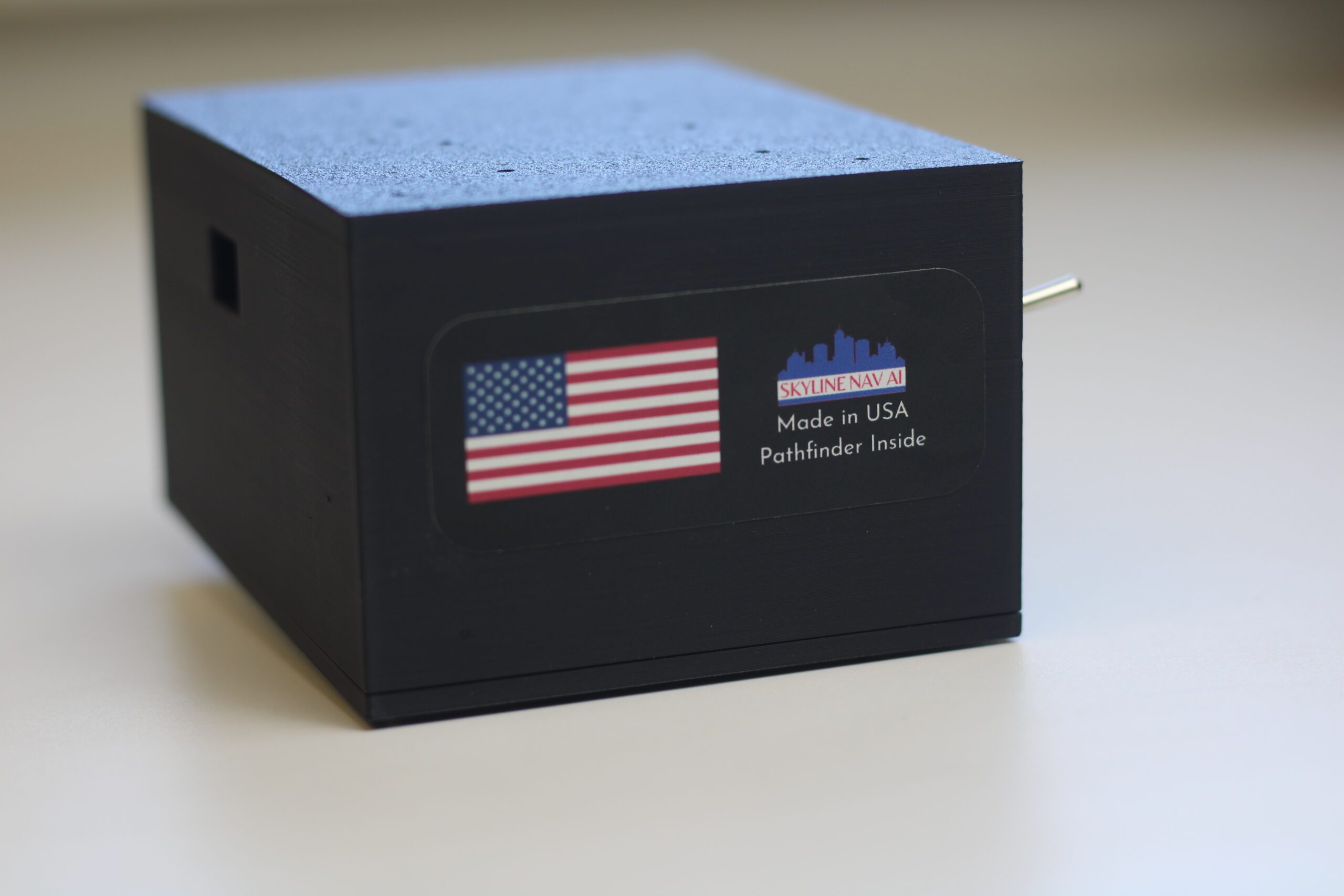
Skyline Nav AI Develops GPS-Independent Navigation Software for Drones
Skyline Nav AI, founded in 2020, specializes in low-cost GPS-independent visual positioning and navigation software aimed at defense and public safety sectors. The company was established in response to the increasing disruption of GPS signals, which can be easily jammed or spoofed, as highlighted by CEO Kanwar Singh's experiences in the Army National Guard. The significance of Skyline's technology is underscored by the growing reliance on drones in modern warfare, particularly in conflicts like those in Ukraine and the Middle East. As adversaries increasingly employ GPS jamming tactics, the need for reliable navigation solutions has become critical. Skyline's products, including the Pathfinder series, are designed to operate effectively in GPS-denied environments, attracting clients such as the U.S. Air Force and NASA. Looking ahead, Skyline Nav AI's innovative approach to drone navigation could reshape operational capabilities in military and public safety applications. The company’s focus on integrating advanced computer vision and machine learning into its products positions it well for future developments in autonomous systems. No further timeline was disclosed at the time of publication.
communications connectivity Drone News Drone News Feeds Feature 1 News
Final Chance to Save Up to $200 on TechCrunch Disrupt 2026 Tickets
The last opportunity to save up to $200 on TechCrunch Disrupt 2026 tickets is here, with prices increasing soon. This event, taking place at San Francisco's Moscone West from October 13-15, offers a unique chance to condense extensive research and networking into just three days. TechCrunch Disrupt 2026 is significant as it gathers over 10,000 founders, investors, and operators, facilitating hundreds of conversations that can accelerate business progress. Attendees can engage in over 250 sessions, gaining insights that can lead to crucial decisions and partnerships, ultimately creating momentum for their ventures. As the event approaches, it is essential to register before the midnight deadline to secure savings. The focus is on building momentum, allowing attendees to leave with actionable insights and connections that can propel their projects forward. No further timeline was disclosed at the time of publication.
AI Climate Crypto Fintech Fundraising Robotics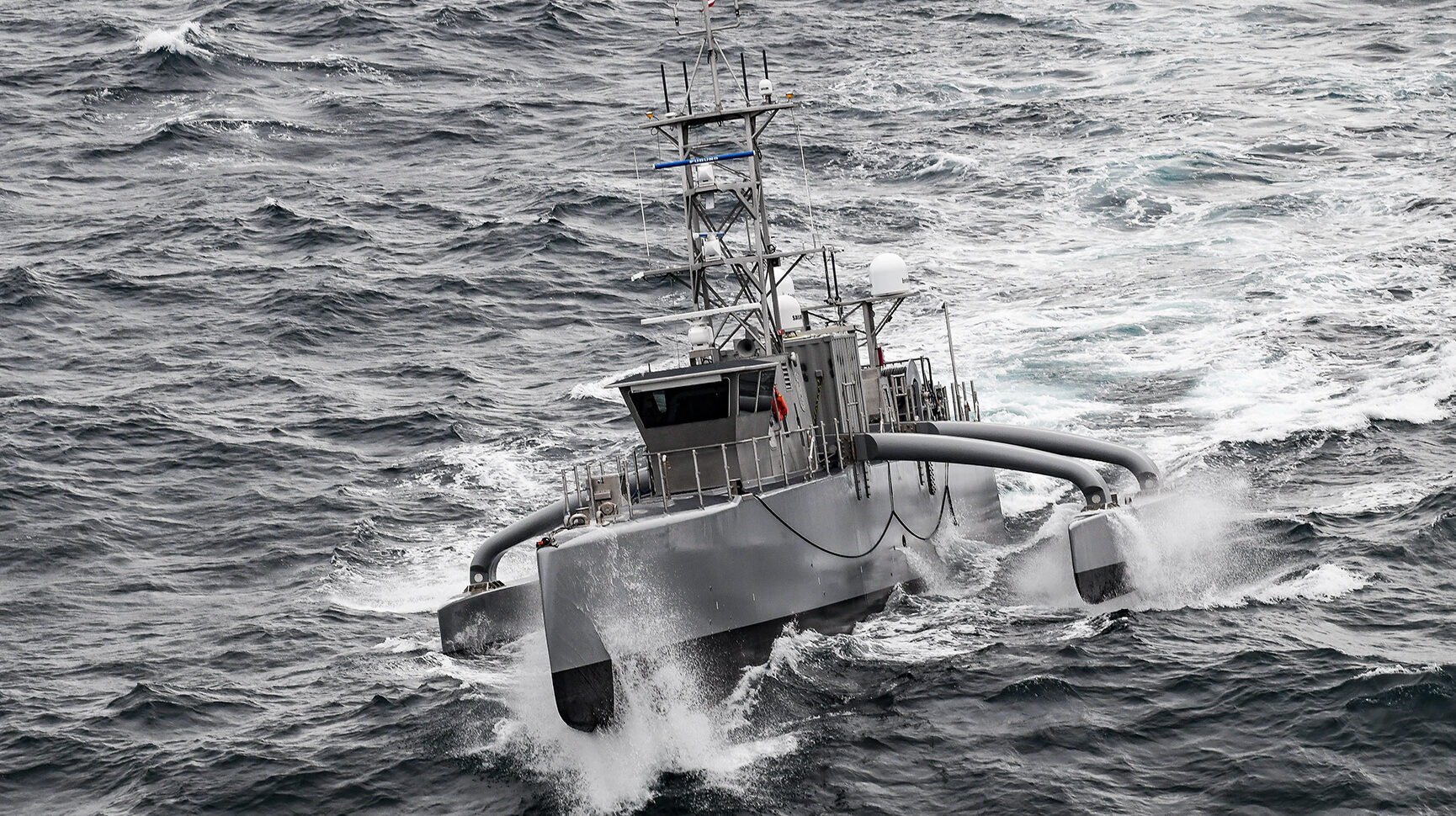
Navy Establishes Robotics and Autonomous Systems Warfighting Development Center in Virginia
The Navy has launched the Robotics and Autonomous Systems Warfighting Development Center (RASWDC) to develop tactics and procedures for unmanned systems. Headquartered at Joint Expeditionary Base Little Creek-Fort Story in Virginia, RASWDC aims to unify efforts across the Navy to enhance operational coherence in unmanned capabilities. This initiative is significant as it aligns with the Navy's broader strategy to integrate robotic and autonomous systems into its operations, as emphasized by Chief of Naval Operations Adm. Daryl Caudle. The RASWDC will work closely with the Direct Reporting Portfolio Manager for Robotic and Autonomous Systems to facilitate the acquisition and deployment of these technologies. Looking ahead, the RASWDC is expected to play a crucial role in ensuring that sailors are equipped with the necessary training and doctrine to effectively utilize unmanned systems. No further timeline was disclosed at the time of publication.
Naval Warfare Adm. Daryl Caudle Drones Navy robotics Unmanned
Last Chance to Save $200 on TechCrunch Disrupt 2026 Pass Before September 25
There are only two days remaining to secure a TechCrunch Disrupt 2026 pass at a discount of up to $200. The event, scheduled for October 13-15 at Moscone West in San Francisco, will address critical issues facing founders, investors, and technology leaders, including AI competition and sustainable pricing strategies. This year's Disrupt aims to provide actionable insights rather than mere predictions. Attendees will engage in discussions on pressing topics such as fundraising, product-market fit, and the economics of technology. With over 250 industry leaders participating, including representatives from Anthropic and OpenAI, the event promises to be a hub for innovation and collaboration. As the deadline approaches, potential attendees are encouraged to register before September 25 at 11:59 p.m. PT to take advantage of the savings. The event will feature more than 200 sessions, allowing participants to tailor their experience to their specific interests and challenges in the tech landscape. No further timeline was disclosed at the time of publication.
Startups Climate Fintech Biotech & Health Venture Media & Entertainment
Three Days Remaining to Save Up to $200 on TechCrunch Disrupt 2026 Tickets
There are only three days left to secure a discount of up to $200 on tickets for TechCrunch Disrupt 2026, taking place from October 13 to 15 at Moscone West in San Francisco. The ticket prices will increase after September 25 at 11:59 p.m. PT, so attendees are encouraged to register soon to take advantage of the savings. TechCrunch Disrupt 2026 is expected to gather over 10,000 founders, investors, and operators, making it a prime opportunity for networking and forming impactful connections. The event features AI-powered matchmaking through the TechCrunch Events app, dedicated networking lounges, industry meetups, and roundtable sessions, all designed to facilitate meaningful interactions among attendees. As the event approaches, participants should focus on building a networking schedule in addition to their session plans. Engaging in conversations with fellow attendees can lead to valuable insights and opportunities, making the most of the three-day event. No further timeline was disclosed at the time of publication.
TC Startups Climate Fintech Biotech & Health Venture
AI-Enhanced Actuation-Compatible Tracking for Miniature Robot Navigation in Vivo
A recent study published in Science Robotics details advancements in AI-driven actuation-compatible tracking systems designed for miniature robots operating in vivo. This innovative approach aims to enhance closed-loop navigation capabilities, enabling more precise movements and interactions within biological environments. The significance of this development lies in its potential applications in medical robotics, where accurate navigation of miniature robots can lead to improved surgical procedures and targeted drug delivery. By integrating AI with actuation systems, these robots can adapt to dynamic biological conditions, thereby increasing their effectiveness in real-world scenarios. Looking ahead, researchers and industry professionals will be monitoring the progress of these technologies as they move towards practical applications in healthcare. The ongoing advancements in AI and robotics could pave the way for groundbreaking solutions in minimally invasive procedures and personalized medicine. No further timeline was disclosed at the time of publication.
Research Article
Humanoid Robots Enhance Navigation in Cluttered Environments with Whole-Body AI Control
Humanoid robots, designed with human-like body structures, have the potential to assist in various environments such as homes, offices, and healthcare facilities. However, for effective deployment, these robots must demonstrate the ability to navigate safely through cluttered and dynamic spaces. This capability is essential for their integration into everyday settings where obstacles are common. The ability of humanoid robots to navigate narrow gaps and obstacles is crucial for their functionality in real-world applications. This advancement in whole-body AI control technology is significant as it enhances the robots' adaptability and safety, making them more reliable companions in environments that require interaction with humans and other objects. Looking ahead, the focus will be on further developing these navigation capabilities to ensure that humanoid robots can operate effectively in diverse settings. No further timeline was disclosed at the time of publication.
Robotics
MVP Robotics Showcases M2P Heavy's Autonomy in Wildfire Vehicle Challenge
MVP Robotics successfully demonstrated the autonomous capabilities of its M2P Heavy, capable of moving up to 800 pounds, during the Autonomous Ground Vehicles Prize Challenge. This event took place at the Beasley Knob Off-Highway Vehicle Trail in Georgia's Chattahoochee-Oconee National Forest, focusing on wildfire response operations. The demonstration is significant as it highlights advancements in heavy-payload autonomous ground operations, which are crucial for effective wildfire management and emergency response. The ability to transport substantial loads autonomously can enhance operational efficiency in challenging terrains, particularly in disaster scenarios. Looking ahead, the performance of the M2P Heavy in such demanding conditions may influence future applications of autonomous vehicles in various sectors, including emergency services and environmental management. No further timeline was disclosed at the time of publication.
US Department of War Orders 4,000 Kiwi UAVs for Drone Dominance Program
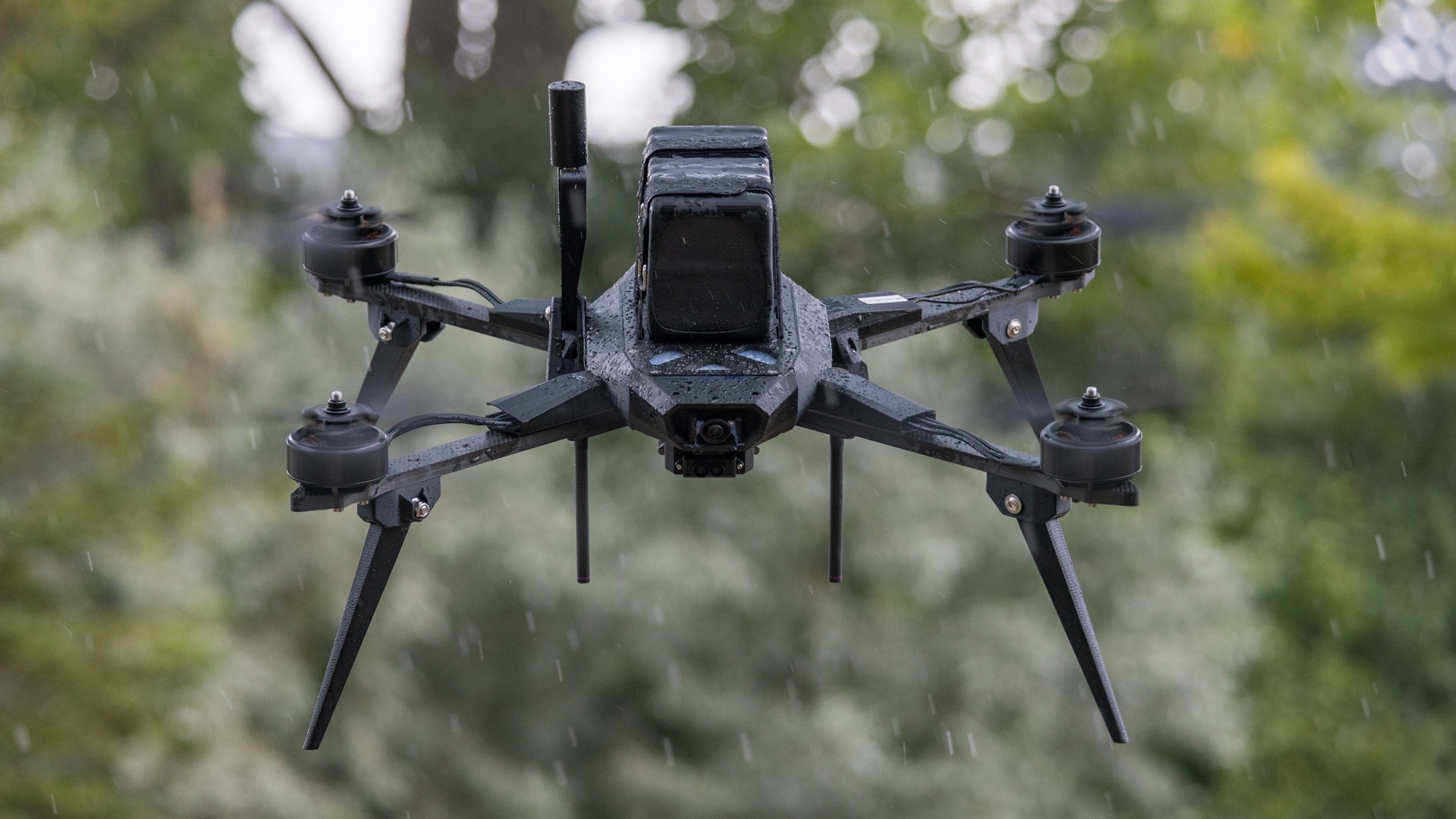
Swarm Defense Technologies has secured a contract from the US Department of War for 4,000 Kiwi one-way attack drones, valued at a minimum of $25 million. This order is part of the Drone Dominance Program, which evaluates small uncrewed aircraft through military testing before prototype orders are placed. The Kiwi drones will be manufactured in Auburn Hills, Michigan. This order is significant as it highlights the increasing reliance on drone technology in military operations. The Kiwi quadcopter is designed for one-way attack missions and can be controlled by a single operator managing multiple drones simultaneously. Adam Wright, President of Swarm Defense Technologies, emphasized that swarming technology allows a single pilot to achieve the effectiveness of multiple pilots in combat scenarios. Looking ahead, Swarm Defense is exploring the adaptability of the Kiwi platform for various missions, including intelligence, surveillance, and reconnaissance. The company is also developing a containerized deployment system for rapid drone launch. No further timeline was disclosed at the time of publication.
Military
Last Chance to Save $200 on TechCrunch Disrupt 2026 Pass Before Prices Rise
You have four days left to save up to $200 on your TechCrunch Disrupt 2026 pass before prices increase on September 25 at 11:59 p.m. PT. The event will take place at Moscone West in San Francisco from October 13-15, featuring over 200 sessions with more than 250 tech leaders. Attending TechCrunch Disrupt 2026 is crucial as it offers insights into the rapidly evolving tech landscape. With over 10,000 founders, investors, and technology leaders sharing their perspectives, attendees can gain valuable knowledge on trends such as AI, robotics, and new financial models. This information can significantly influence decisions regarding investments, hiring, and technology adoption. No further timeline was disclosed at the time of publication. However, the event promises to be a pivotal opportunity for networking and learning, with AI-powered matchmaking to connect attendees based on interests and job titles. Register now to take advantage of the savings before the deadline.
Startups Climate Fintech Biotech & Health Venture AI
Cape Canaveral Space Force Station to Receive Anti-Drone Security Enhancements
The Cape Canaveral Space Force Station is set to undergo a significant security overhaul aimed at countering small drone threats. This initiative is part of a broader effort to enhance security across various U.S. spaceports, which are increasingly viewed as critical and busy locations that require advanced protective measures. Current air-defense systems are not adequately equipped to detect and neutralize low-flying drones, necessitating these upgrades. The importance of this upgrade cannot be overstated, as Cape Canaveral is a vital site for U.S. space operations, with approximately 109 launches recorded last year. The potential for drone attacks poses a serious risk, as even a small drone could cause substantial damage to rockets or critical infrastructure, disrupting operations significantly. The Joint Interagency Task Force 401 will implement these enhancements, integrating advanced technologies to improve detection and response capabilities. Looking ahead, the Space Force plans to ramp up launch operations to around 1,000 annually by 2030, making the need for robust security measures even more pressing. The collaboration with the Air Force for operational support personnel is crucial to ensure the effectiveness of these upgrades. No further timeline was disclosed at the time of publication.
Innovation Military
MilliTrack Introduces AMR+ for Enhanced Robot Navigation Using Millimeter Wave Technology
MilliTrack, a South Korean startup, has developed AMR+, an additional positioning system that utilizes millimeter wave radio signals to enhance robot navigation in challenging environments. Traditional systems relying on cameras and LiDAR often fail in dusty, foggy, or brightly lit conditions, which are common in industrial settings. AMR+ supplements existing navigation systems without replacing them, providing a more reliable source of location data. The significance of AMR+ lies in its ability to improve the accuracy of autonomous mobile robots (AMRs) in environments where conventional SLAM (Simultaneous Localization and Mapping) becomes unreliable. MilliTrack claims that AMR+ can achieve a positioning accuracy of 3 centimeters within a 30-meter range, with a latency of less than 100 milliseconds. This dual-layer positioning approach allows robots to switch between their existing navigation systems and AMR+ as needed, ensuring continuous operational reliability. Looking ahead, MilliTrack plans to launch AMR+ in March 2027, with an expected price of around $1,000 for a tracker and a tag, and $200 for additional tags. The technology has already been deployed in over 30 projects in South Korea, demonstrating its potential to enhance industrial robot navigation without the need for extensive infrastructure changes. No further timeline was disclosed at the time of publication.
Autonomous Mobile Robots Positioning Technology Industrial Automation Millimeter Wave Technology
Icarus Robotics Conducts First True Microgravity Tests for ISS-Bound Robot JOY
Icarus Robotics is conducting four parabolic flights from September 9 to 11 to test JOY, its free-flying robot designed for the International Space Station (ISS). This marks the first operation of JOY in true microgravity, allowing for critical assessments of its capabilities. The significance of this testing lies in JOY's role in alleviating the workload of astronauts, who are currently limited in number and time. With NASA valuing astronaut time at approximately $130,000 per hour, optimizing robotic assistance for cargo handling and logistics is crucial as the demand for operations in space increases. Looking ahead, JOY is scheduled to launch to the ISS in 2027 as part of the JOYRIDE-1 mission. The data collected from these parabolic flights will be instrumental in refining JOY's systems before its hardware is handed over to NASA in January. No further timeline was disclosed at the time of publication.
News Space embodied ai free-flying robot icarus robotics international space station
Joby Aviation Achieves 3,100-Mile Autonomous Flight, Expanding Beyond Air Taxis
Joby Aviation successfully completed an autonomous flight exceeding 3,100 miles across the United States, showcasing its advanced autonomy technology. This flight, described as the 'first-ever autonomous flight across the United States,' highlights Joby's ambitions beyond electric air taxis, indicating a strategic shift towards military and logistics applications. The significance of this achievement lies in Joby's demonstration of its autonomy technology's versatility, capable of handling various missions such as medical transport and disaster response. The aircraft, remotely supervised from Joby's California headquarters and Shaw Air Force Base, performed all operations autonomously, with a pilot present solely for compliance. Looking ahead, Joby plans to return the aircraft to the West Coast, with scheduled stops in cities like Louisville and Salt Lake City. The company is also focused on developing a regional airframe equipped with its autonomy stack, supported by a $17 million Air Force contract, and is expanding its defense capabilities following its acquisition of Resonant Sciences for $500 million.
Transportation autonomous flight Joby Aviation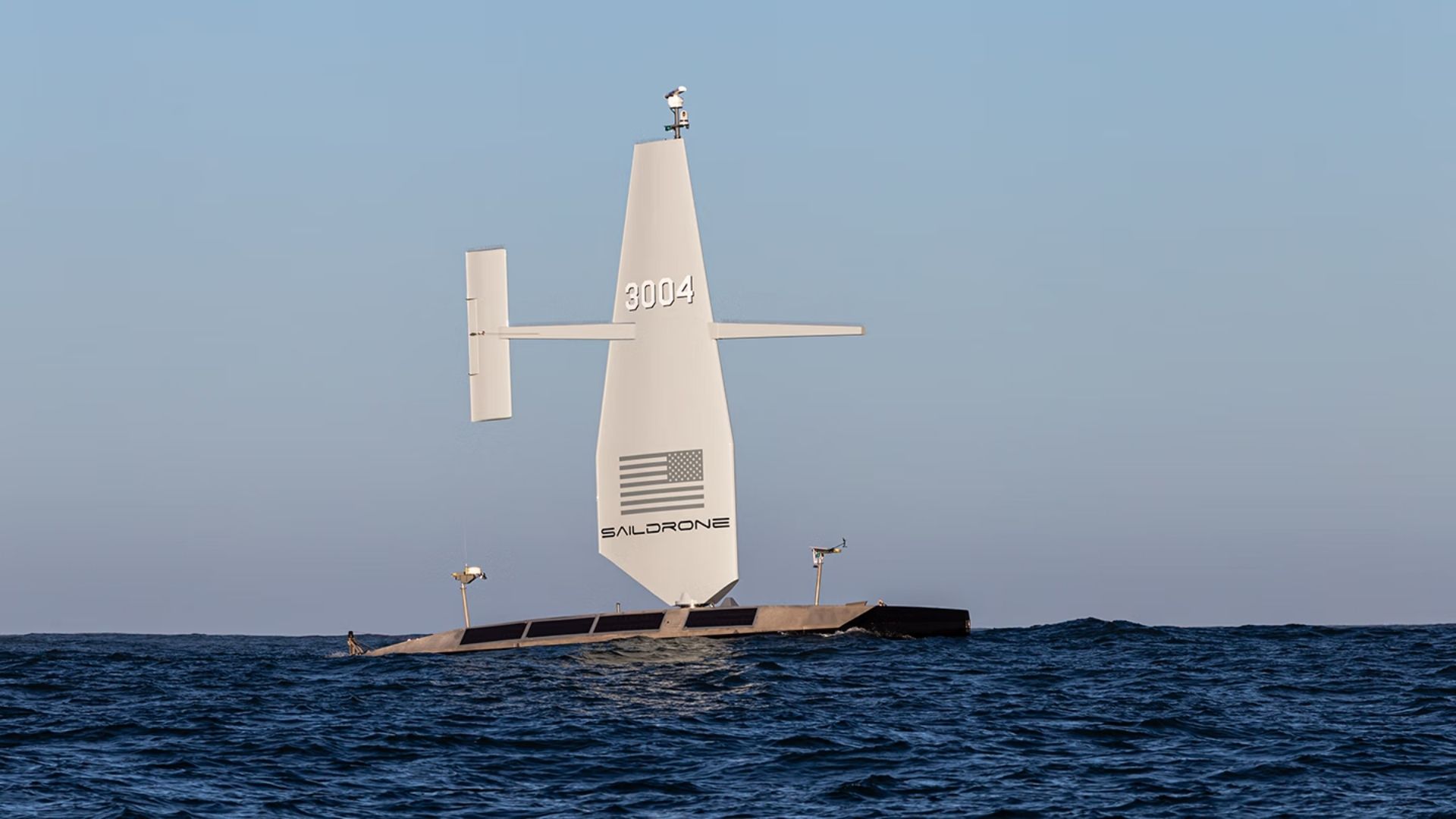
US Navy Awards $10 Million to Saildrone for Atlantic Seabed Mapping with USVs
The US Navy has awarded a $10 million contract to Saildrone to utilize autonomous vessels for mapping the Atlantic Ocean floor. This initiative, assigned by the Naval Oceanographic Office, is set to commence in 2026 and will continue through most of 2027, enhancing military knowledge of critical underwater terrain. This project is significant as it aims to improve safe navigation and support submarine missions, anti-submarine warfare, and critical infrastructure protection. Currently, only 28.7 percent of the world's oceans have been mapped to modern standards, leaving substantial knowledge gaps that can pose operational risks for naval operations. Looking ahead, the deployment of Saildrone's Surveyor unmanned surface vessels will not only provide high-resolution bathymetric data but also measure ocean currents, aiding search-and-recovery operations. No further timeline was disclosed at the time of publication.
Military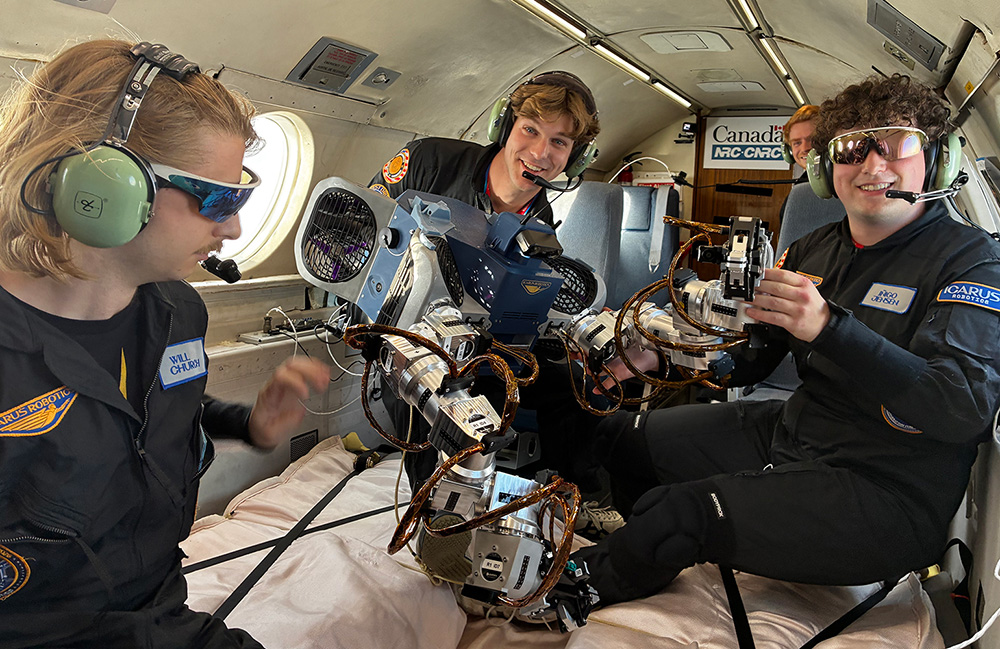
Icarus Robotics Successfully Tests JOY Robot in Microgravity for ISS Mission
Icarus Robotics announced the successful testing of its free-flying robot, JOY, during four parabolic flights from September 9 to 11. Over these flights, JOY completed 66 parabolas, achieving a total of 2 minutes of weightlessness. This robot is designed to operate within the International Space Station (ISS) and assist with cargo and logistics tasks. The significance of this testing lies in Icarus Robotics' goal to enhance astronaut efficiency by allowing them to focus on critical research and mission objectives. The company plans to launch JOY, named Joyride-1, to the ISS in 2027, following a mission management agreement with Voyager Technologies. The recent flights mark a crucial step before the finalization of JOY’s hardware for NASA handover in January. Looking ahead, Icarus Robotics aims to refine JOY's capabilities further, having already tested its manipulation, state estimation, and flight control systems. The positive results from these tests provide confidence for the upcoming handover to NASA, as the team prepares for the next phase of development and deployment.
Aerospace Arms / Manipulators Cobot Arms Collaborative Robots End Effectors / Grippers Markets / Industries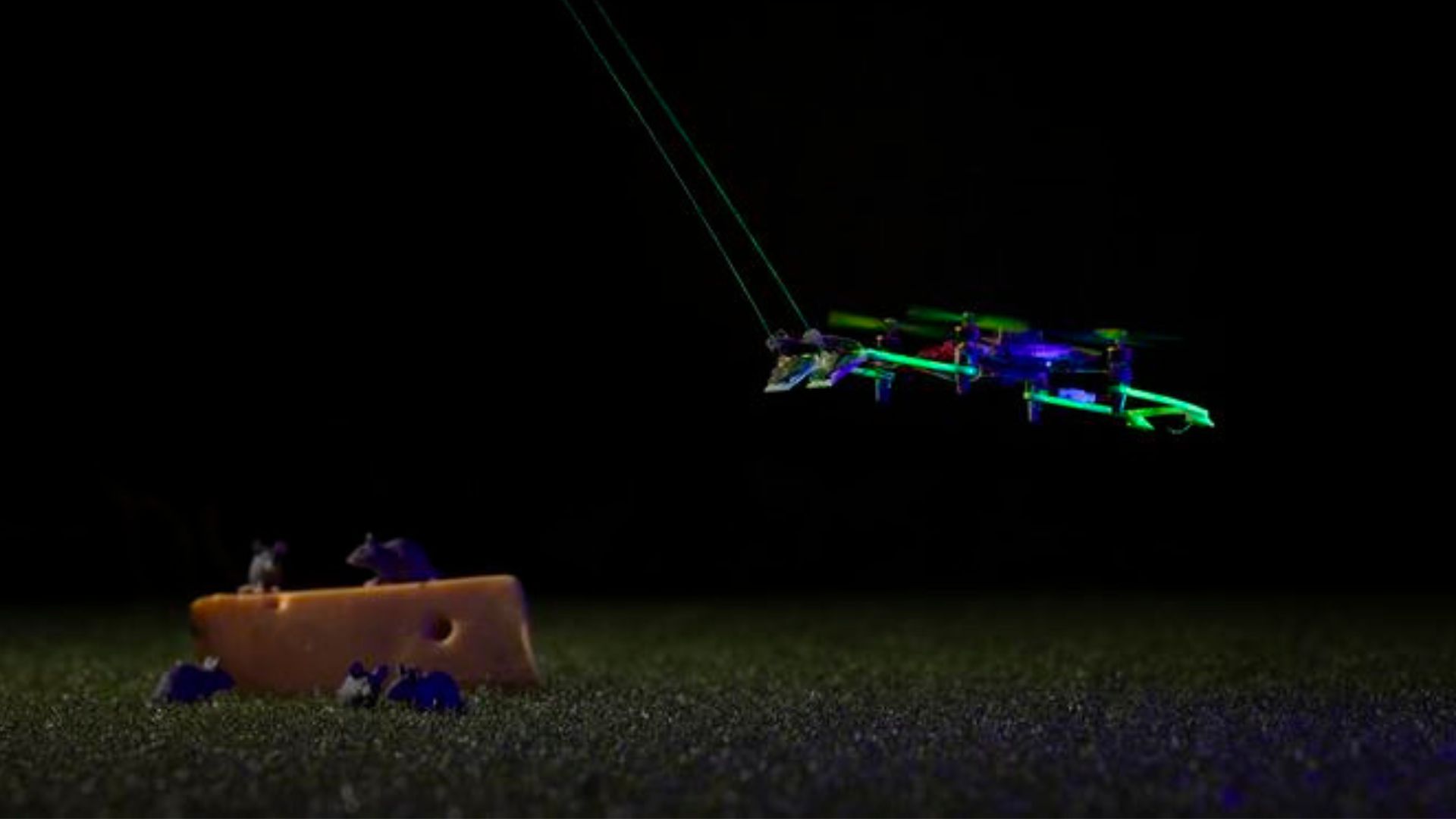
New Whisker-Based Technology Enables Tiny Drones to Navigate Without Vision
Researchers at Delft University of Technology have developed a whisker-based tactile framework that allows tiny drones to navigate complex environments without relying on visual input. Inspired by the natural whiskers of rodents, this technology equips drones with artificial whiskers that provide real-time feedback as they interact with their surroundings. This innovation addresses a significant challenge in aerial robotics, particularly for micro-drones weighing under 100 grams, which cannot support heavy LiDAR systems. The whisker system enables these drones to operate effectively in low-visibility conditions, such as dust or darkness, where traditional cameras fail. Moving forward, the focus will be on refining this tactile navigation system and exploring its applications in various environments. No further timeline was disclosed at the time of publication.
AI and Robotics
Delft University Develops Whisker-Based Sensors for Drones to Navigate in Darkness
Researchers at Delft University of Technology have created a lightweight tactile sensor inspired by animal whiskers, enabling tiny autonomous drones to navigate in low-visibility environments. This innovation allows drones to explore areas filled with darkness, dust, or smoke without relying on heavy sensors. The ability for drones to navigate through challenging environments is significant for various applications, including search and rescue operations, environmental monitoring, and industrial inspections. By mimicking the sensory capabilities of rats and mice, these drones can effectively maneuver in tight spaces and complex terrains. Future developments in this technology could enhance the operational capabilities of drones in various sectors. As research progresses, it will be important to monitor advancements in sensor technology and potential applications in real-world scenarios. No further timeline was disclosed at the time of publication.
Robotics
AVI-SPL and Matternet Collaborate on Drone Delivery Solutions for Technicians
AVI-SPL has partnered with Matternet to utilize drone technology for delivering replacement parts to technicians in urban areas. Announced on September 15, 2026, this collaboration aims to enhance service efficiency by reducing delivery times from hours to minutes, addressing challenges posed by congested transportation networks. The partnership is significant as it combines AVI-SPL's digital workplace solutions with Matternet's FAA-certified drone platform, targeting rapid logistics in metropolitan markets. This innovative approach is expected to improve customer experiences and operational responsiveness, as highlighted by AVI-SPL's COO, John Murphy, who emphasized the transformative potential of autonomous drone delivery. Looking ahead, the partnership will focus on three primary use cases: expedited parts delivery for technicians, premium service tiers for urgent requests, and broader supply chain logistics. No further timeline was disclosed at the time of publication.
Delivery Drone News Drone News Feeds News aerospace news 2026 Ameriflight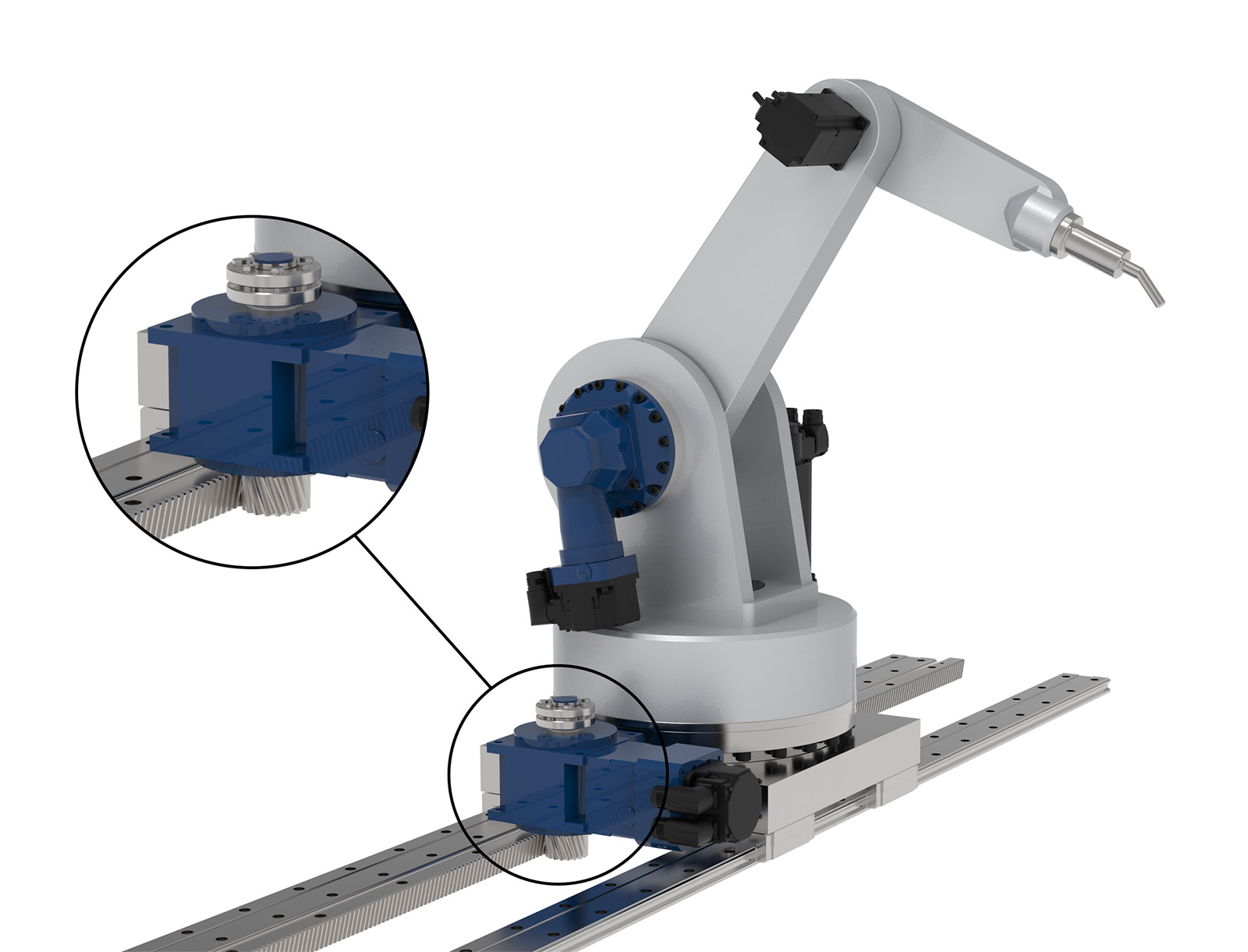
Evaluating Long-Travel Axes: Rack and Pinion vs. Ball Screws and Linear Motors
In the design of long-travel axes for articulated robots, engineers often choose between rack and pinion systems, ball screws, and linear motors. Rack and pinion systems, which consist of a rotating pinion engaging with a toothed rack, offer significant advantages in customization and scalability for longer distances, as highlighted by Matt Ruggles, a senior design engineer at GAM. The choice of mechanism is critical, as ball screws can provide higher precision over shorter distances but face limitations due to a phenomenon known as 'whip' when extended beyond 2-3 meters. This can lead to issues such as premature wear and catastrophic failure, making rack and pinion a more reliable option for longer travel applications. As the industry continues to evolve, understanding the strengths and weaknesses of each system will be essential for engineers. While linear motors excel in speed and control, their complexity and stiffness management present challenges. No further timeline was disclosed at the time of publication.
Sponsored Content GAM rack and pinion
Enhancing the Navy's Kill Chain with Remote Mine Hunting Using AI and Sonar
The Navy is advancing its find, fix, and finish kill chain through the implementation of remote mine hunting technologies. This innovative approach leverages autonomy, artificial intelligence, and advanced sonar systems to effectively locate and neutralize underwater mines, significantly improving operational efficiency. The integration of these technologies is crucial for enhancing maritime safety and operational readiness. By utilizing remote mine hunting, the Navy can clear waterways more quickly and with reduced risk to personnel, addressing the growing need for effective mine countermeasures in complex environments. Looking ahead, the continued development and deployment of remote mine hunting capabilities will be essential for maintaining naval superiority. No further timeline was disclosed at the time of publication.
Naval Warfare Sponsored Post Navy networks Presented by Thales SAS
Light Origins Releases Open-Source LightNav-0 Navigation Model for Monocular Systems
Light Origins has announced the open-sourcing of LightNav-0, a navigation model based on Qwen3-VL-4B. This model was trained using the Real2Sim2Real methodology, incorporating over 2,000 scenes and more than 4,000 hours of Visual Language Annotation (VLA) data. It excels in leading 10 monocular navigation benchmarks with zero-shot body transfer capabilities. The significance of this development lies in its potential to enhance navigation systems across various applications. By leveraging extensive training data and advanced methodologies, LightNav-0 aims to provide robust performance in real-world scenarios, making it a valuable resource for researchers and developers in the field of navigation technology. Looking ahead, stakeholders in the robotics and AI sectors should monitor the adoption and performance of LightNav-0 in practical applications. The open-source nature of this model may encourage further innovation and collaboration, potentially leading to advancements in navigation solutions that utilize monocular systems. No further timeline was disclosed at the time of publication.
Swedish Navy Conducts Tests of Blueye X3 ROV for Diver Support Operations
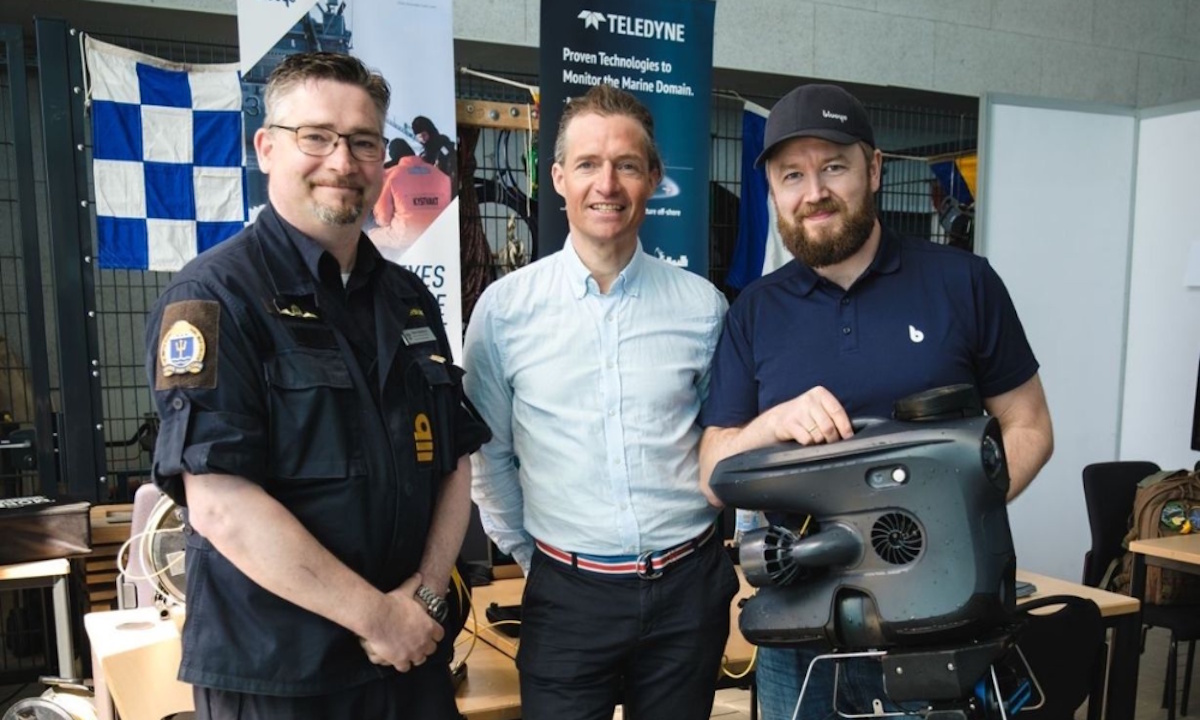
The Swedish Navy's experimentation office, MaX, has been testing the Blueye X3 ROV since May 2026. The ROV has been utilized for various tasks, including filming the Navy's unmanned underwater vehicle, LUUV. MaX is particularly focused on how the X3 can assist in manned dives, especially in challenging environments. The significance of the Blueye X3 lies in its user-friendly operation and impressive capabilities, including a depth rating of 300 meters, which is suitable for operations in the Baltic Sea. The ROV is expected to enhance efficiency in tasks such as inspecting boat undersides and retrieving items from the seabed, ultimately improving safety and operational effectiveness for divers. On September 5, 2026, MaX showcased the Blueye X3 to the public during Navy Day in Karlskrona, allowing visitors to experience driving the ROV firsthand. This demonstration highlights the Navy's commitment to integrating advanced technology into their operations. No further timeline was disclosed at the time of publication.
swedish navy testing blueye x3 rov diver support
Innovative Dual-Adaptive Control Enhances Obstacle Avoidance in Hybrid Boom Lifts
The Journal of Field Robotics has published an early view article detailing a dual-adaptive control system designed for hybrid boom lifts. This innovative approach aims to improve the smoothness of obstacle avoidance, enhancing operational safety and efficiency in various environments. The significance of this development lies in its potential to transform how hybrid boom lifts navigate complex work sites. By implementing dual-adaptive control, operators can expect reduced risk of accidents and increased productivity, making these machines more reliable for construction and maintenance tasks. Looking ahead, industry professionals should monitor the adoption of this technology in real-world applications. The effectiveness of dual-adaptive control in enhancing obstacle avoidance will be crucial for its acceptance and integration into existing hybrid boom lift systems. No further timeline was disclosed at the time of publication.
RESEARCH ARTICLE
New AI Training Technique Enhances Robot Navigation in Crowded Areas
A research team led by Professor Daehee Park at DGIST, in collaboration with KAIST, has developed an innovative AI training method. This technique allows a single compact AI model to predict the movements of nearby individuals while planning safe navigation paths for robots, effectively minimizing performance degradation in both tasks. This advancement is significant as it addresses the challenges faced by robots in crowded environments, enhancing their ability to operate safely and efficiently. The research was presented at the 19th European Conference on Computer Vision (ECCV 2026) in Malmö, Sweden, highlighting its relevance in the field of robotics and AI. Looking ahead, the implications of this research could lead to improved robotic applications in various sectors, particularly in environments where human-robot interaction is critical. No further timeline was disclosed at the time of publication.
Robotics
Durham University Develops Advanced Drone Navigation System for Safer Flight in Crowded Spaces
Researchers at Durham University have created an innovative drone navigation system that allows autonomous aircraft to navigate through cluttered environments more efficiently. This advancement enhances the speed, smoothness, and safety of drone operations in areas filled with obstacles. The significance of this development lies in its potential applications, including search and rescue missions, infrastructure inspections, and environmental monitoring. By improving drone navigation, this system opens up new opportunities for various industries that rely on aerial technology. Looking ahead, the impact of this navigation system could transform how drones are utilized in complex environments. No further timeline was disclosed at the time of publication.
Robotics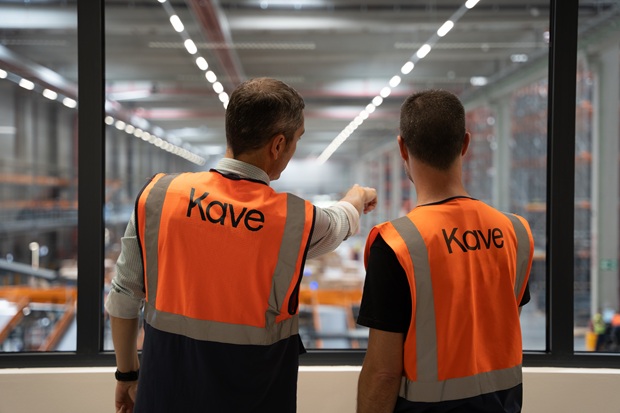
TGW Logistics to Automate Kave Home's New Distribution Center in Tordera, Spain
Kave Home has chosen TGW Logistics to implement automation at its new logistics hub in Tordera, Barcelona. This initiative is crucial for the company's growth and international expansion in the furniture and home décor market, enhancing operational capacity to meet increasing demand across various sales channels. The automated fulfillment center is set to launch by the end of 2028, featuring an integrated storage and order-picking system that utilizes miniload technology, high-bay automated warehouses, autonomous mobile robots (AMRs), and advanced palletizing processes. This solution will enable Kave Home to efficiently manage product flows for e-commerce, retail, and B2B operations. With the new logistics platform, Kave Home aims to achieve a capacity of 21,000 packages per day and expand storage to 93,000 pallet positions, significantly increasing its current volume. This expansion is expected to enhance delivery speed, picking accuracy, and provide a consistent omni-channel experience for customers. No further timeline was disclosed at the time of publication.
Industry News
Enhancing Precision Surgery in Large Cavities Through Robotic Flexible Endoscopy
A recent study published in Science Robotics highlights advancements in robotic flexible endoscopy aimed at improving minimally invasive precision surgery in large open cavities. This innovative approach could significantly enhance surgical outcomes by allowing for more precise interventions with reduced recovery times. The importance of this development lies in its potential to transform surgical practices, particularly in complex procedures where traditional methods may pose higher risks. By leveraging robotic technology, surgeons can achieve greater accuracy and control, ultimately leading to better patient safety and satisfaction. Looking ahead, it will be crucial to monitor the integration of these robotic systems into clinical settings and their impact on surgical training and patient outcomes. No further timeline was disclosed at the time of publication.
Research Article
RoboStrategy Leads Series A Investment in Maven Robotics for Intelligent Automation
RoboStrategy has announced its lead investment in Maven Robotics' Series A funding round. Maven Robotics specializes in designing, building, and deploying intelligent robots tailored for logistics and manufacturing sectors. Emerging from stealth mode, the company claims to possess the key to developing general-purpose robotics aimed at enterprise customers. This investment is significant as it highlights the ongoing challenge within the robotics industry, where despite substantial talent and capital, few robots are effectively performing real work. The focus on large enterprises as the primary market for robotics solutions underscores the need for reliable and cost-effective automation that can meet specific job requirements. Looking ahead, the challenge remains for robotics startups to transition from innovation projects to scalable solutions that deliver tangible results. The ability to convert initial interest into substantial contracts will be crucial for the success of Maven Robotics and its competitors in the evolving landscape of intelligent automation. No further timeline was disclosed at the time of publication.
market analysis Maven Robotics RoboStrategy Investment
Tesla's Cybercab Launch Underwhelms, Leaving Waymo Dominant in Robotaxi Market
Tesla, Inc. (NASDAQ:TSLA) launched its Cybercab on September 3 in Austin, Texas, but the event fell short of expectations, leading to a quick decline in stock value. The company showcased a brief video of the two-seat, steering-wheel-free vehicle, but investors were left wanting more details on deployment and regulatory compliance. The lack of substantial updates has raised concerns about Tesla's competitiveness in the robotaxi sector, where Alphabet's Waymo currently leads with over 4,000 autonomous vehicles and 500,000 rides per week. Analysts expressed disappointment in the Cybercab launch, with some predicting a slow rollout in Austin, while others noted the potential for Tesla's manufacturing capabilities to eventually catch up. Looking ahead, the NHTSA's ongoing audit of Tesla's self-certification for the Cybercab could impact the company's expansion plans. Investors are advised to monitor this regulatory review closely, as the profitability challenges faced by all players in the robotaxi market, including Waymo, remain unresolved. No further timeline was disclosed at the time of publication.

Maven Robotics Secures $100 Million Funding to Expand General-Purpose Industrial Robots
Maven Robotics has officially launched, announcing $100 million in Series A funding from investors including RoboStrategy, LocalGlobe, Vine Ventures, and XTX Ventures. The company specializes in designing, building, and deploying intelligent robotics tailored for logistics and manufacturing applications. This funding is significant as it positions Maven Robotics to scale its operations and enhance its innovative general-purpose robotics systems. Founded in 2024, the company aims to revolutionize the industrial sector by providing versatile robotic solutions that can adapt to various tasks within logistics and manufacturing environments. Looking ahead, industry observers will be keen to see how Maven Robotics utilizes this funding to accelerate product development and market penetration. No further timeline was disclosed at the time of publication.
Industry News Robotics Autonomous robots general purpose robots industrial robotics
Kave Home Partners with TGW Logistics to Automate Spanish Logistics Hub
Kave Home has chosen TGW Logistics to automate its new logistics hub in Tordera, Spain, set to launch by the end of 2028. This highly automated fulfillment center will utilize advanced technologies including miniload systems, high-bay automated storage, and autonomous mobile robots to enhance Kave Home's e-commerce and retail operations. The automation project is crucial for Kave Home's international expansion strategy, aiming to increase operational capacity to meet growing demand across various sales channels. The facility will handle a diverse range of product sizes, from small packages to large furniture items, ensuring efficient processing and storage. Once operational, the logistics hub will support up to 21,000 packages daily and provide 93,000 pallet positions, significantly boosting Kave Home's storage capacity. This development is expected to improve delivery speed, picking accuracy, and overall customer experience, as noted by Kave Home's CEO Francesc Julià and TGW Logistics representatives.
Automation Systems and Shuttles Conveying and Sortation eFulfilment Materials Handling Packaging and Ecommerce Pallets and Totes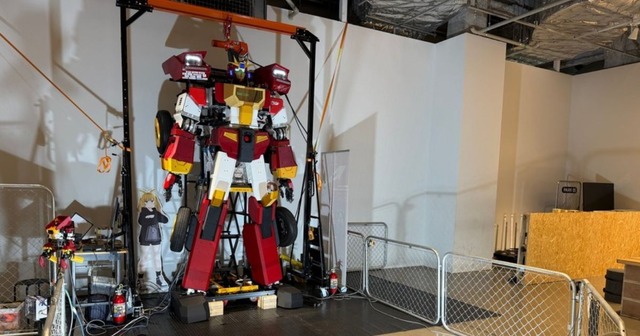
BRAVE ROBOTICS to Showcase Developing Humanoid Robot 'Yuusha Fiberion' in Tokyo
BRAVE ROBOTICS will display its developing robot project 'Yuusha Fiberion' at Tokyo Innovation Base from September 14 to the end of November 2026. This project features a dual design concept combining humanoid and four-wheeled vehicle forms, showcasing a prototype rather than a finished product. The exhibition is significant as it allows visitors to engage with a work-in-progress robot, highlighting the ongoing development and the technology behind it. The display will be static, with safety measures in place, and will include a 1/6 scale movable model representing the anticipated final design. Visitors can participate in remote control experiences of the robot's upper body using a miniature controller, scheduled around TIB's tours. Additional experiences may be arranged based on demand. No further timeline was disclosed at the time of publication.
Dassault Aviation Stock Declines Amid Failed Fighter Jet Development Efforts
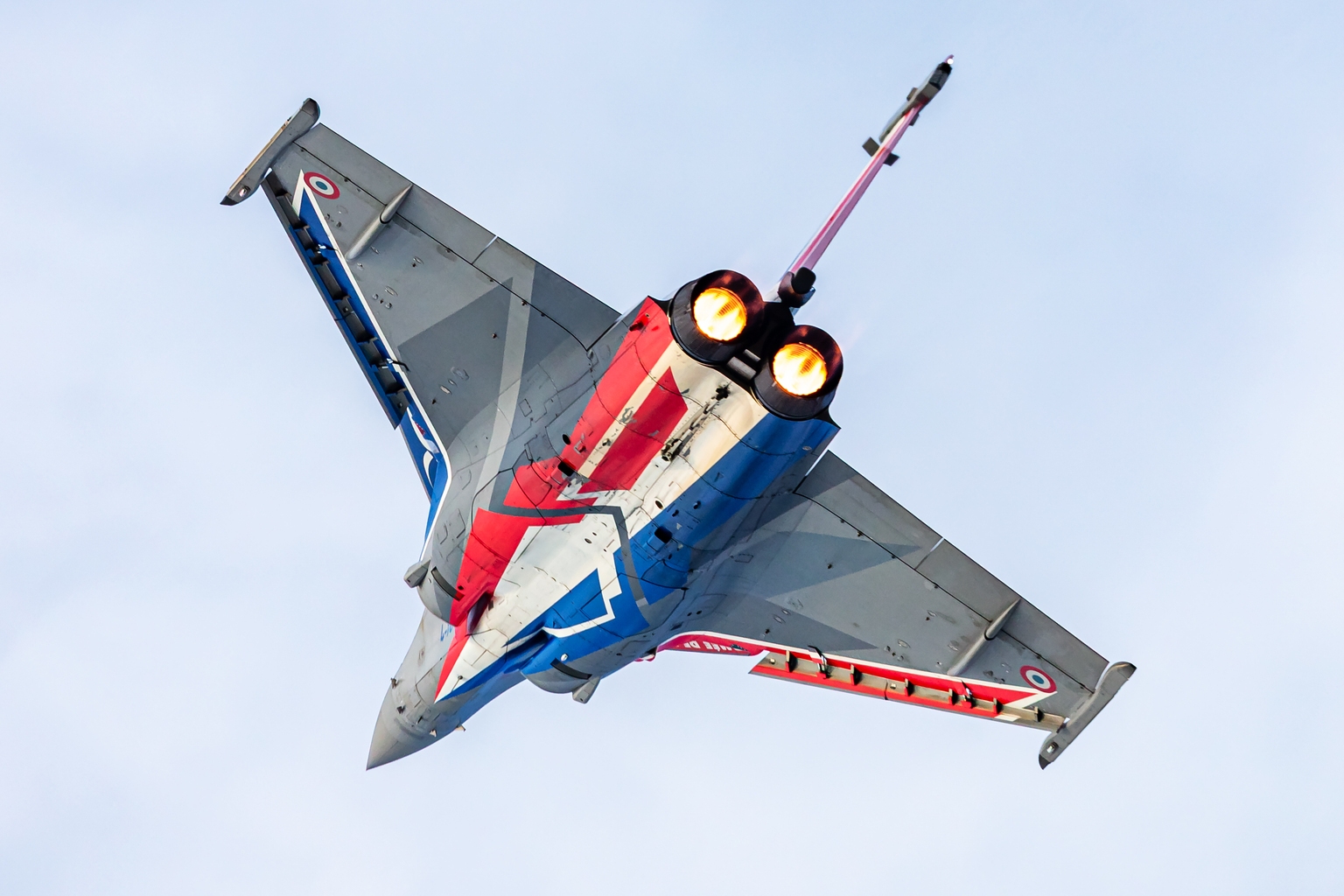
Dassault Aviation's stock has experienced a decline of approximately 4% following the unsuccessful attempt by Germany and France to collaborate on a next-generation fighter jet. This development raises concerns about the future of joint defense projects in Europe and the potential impact on Dassault's market position. The failed collaboration highlights the challenges faced by European nations in achieving defense integration, which is crucial for maintaining competitive capabilities in the aerospace sector. The implications of this setback could affect investor confidence and the strategic direction of Dassault Aviation as it navigates the complexities of international defense contracts. Looking ahead, investors should monitor how Dassault Aviation adapts to this situation and whether it can leverage its existing Rafale fighter jet program to mitigate the impact of the failed collaboration. No further timeline was disclosed at the time of publication.
DUAVF Dhierin Bechai
Sharpa Wave Robotic Hand Gains Traction with NVIDIA and DeepMind in 2026
In 2025, Sharpa introduced its robotic hand, the Sharpa Wave, designed for humanoid robotics. This innovative hand features 22 active degrees of freedom and camera-based tactile fingertips, making it a notable advancement in the field. Initial shipments began in October 2025, following successful demonstrations at events like ICRA 2025. The significance of the Sharpa Wave is underscored by its adoption in high-profile robotics programs. NVIDIA integrated the hand into its Isaac GR00T reference humanoid, while Google DeepMind utilized it in Apptronik’s Apollo 2 for complex tasks. This collaboration highlights the confidence in Sharpa's technology and its role in advancing robotic dexterity. Looking ahead, Sharpa's ongoing production and testing capabilities suggest a promising future for its robotic hands. As the company continues to refine its products, the impact of the Sharpa Wave on AI development and robotic applications will be closely monitored. No further timeline was disclosed at the time of publication.
Sharpa Robotics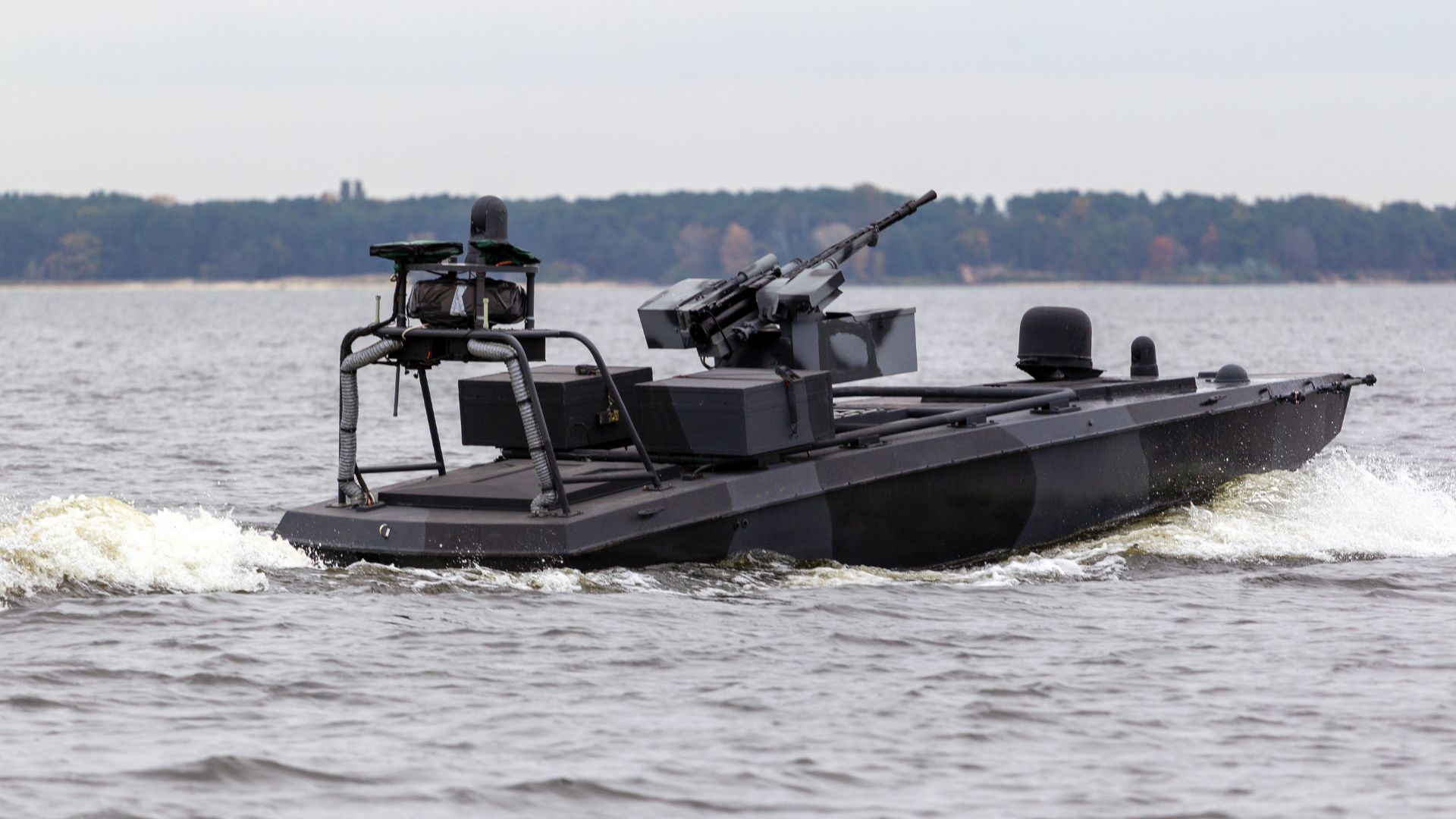
Ukraine's Sargan-3000 USV Engages and Destroys Russian Naval Drone in Historic Battle
On September 12, a Ukrainian unmanned surface vessel (USV) successfully destroyed a Russian naval drone in the Black Sea, marking the first combat between two unmanned boats, according to Ukraine's Navy. The operation involved Ukraine's military intelligence agency, HUR, which identified the Russian vessel prior to the attack by the Sargan-3000 USV, equipped with a 12.7-mm Protector remote weapon station. This incident signifies a pivotal moment in the ongoing Russia-Ukraine War, as both nations increasingly utilize naval drones to target maritime assets. The Ukrainian Navy highlighted the significance of this engagement, stating it represents a new phase in naval warfare. The Russian drone, identified as an improved Orcan type, was designed for explosive attacks and has been actively used against Ukrainian ports and naval targets. Looking ahead, the use of unmanned naval vessels is expected to escalate as both sides adapt to this new combat dynamic. The Sargan-3000, also known as SeaWolf, is a versatile platform capable of various operational roles, including strike missions and electronic warfare. No further timeline was disclosed at the time of publication.
Military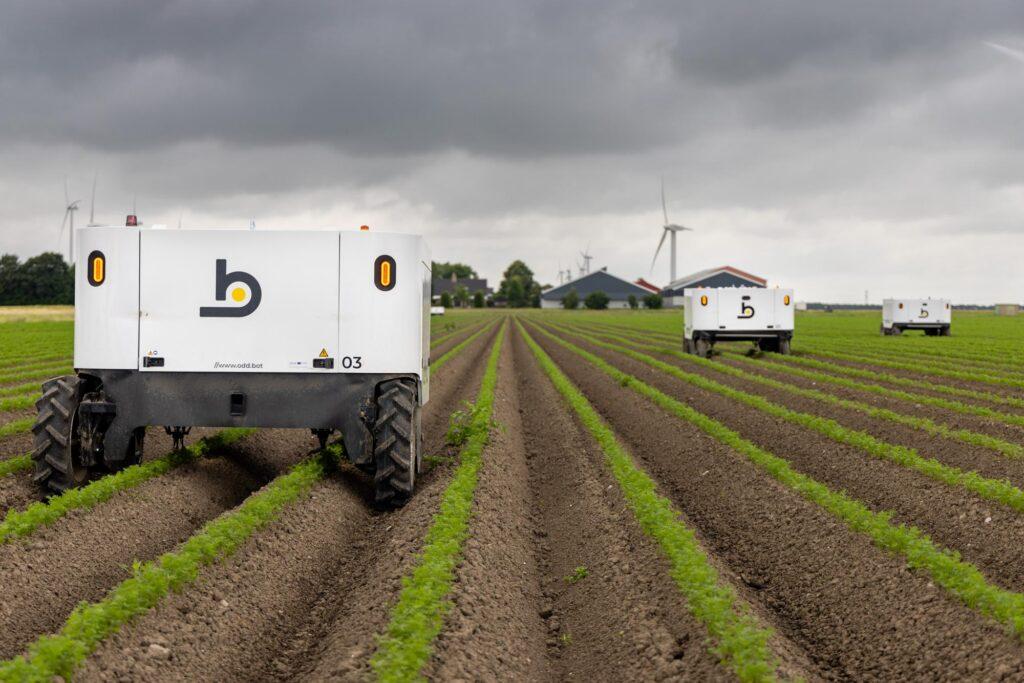
Odd.Bot Enhances Maverick Weeding Robot with GPS and Control App Updates
Dutch robotics company Odd.Bot has unveiled an upgraded version of its Maverick weeding robot at the Agrotechniek Holland trade fair, held from September 16 to 19 in Biddinghuizen, Netherlands. The new Maverick features a GPS system and an updated control app, enhancing its operational capabilities. The integration of GPS allows the Maverick to verify its navigation during operation, ensuring it turns correctly at headlands and maintains the right direction. Additionally, the robot can now utilize two separate geofences to define field boundaries and restrict turning in specific areas, addressing previous issues where the robot misidentified the end of the field. The updated control app simplifies the setup of geofencing and allows users to adjust working area parameters more easily. Odd.Bot also plans to sell the separate weeding units that operate independently of the Maverick to other manufacturers, although no concrete partnerships have been established yet. No further timeline was disclosed at the time of publication.
Field robots autonomous farm equipment gps weeding robots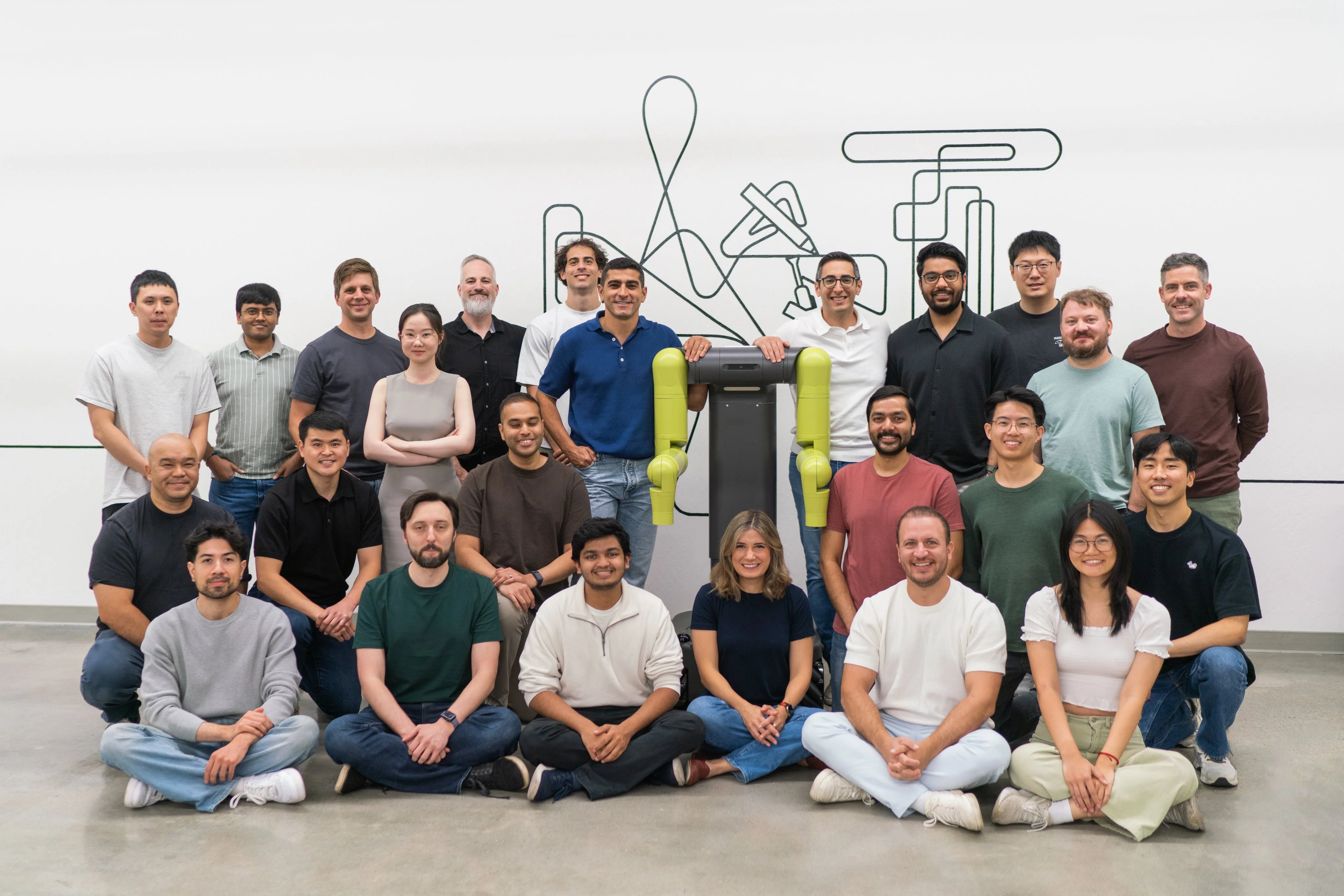
Maven Robotics Emerges from Stealth with $100M Funding for Industrial Mixed Palletizing
Maven Robotics, based in Santa Clara, has announced its emergence from two years of stealth with a $100 million Series A funding round. Led by RoboStrategy, this funding will support the production of 250 third-generation robots and early engineering for a fourth generation. Maven's focus is on addressing the challenges of mixed palletizing in industrial logistics, a critical bottleneck in distribution centers. The significance of Maven's approach lies in its pragmatic strategy to capture industrial logistics before expanding its intelligence capabilities. By utilizing a wheeled mobile base and dual-arm manipulation, the robots can operate efficiently at speeds of up to 10 miles per hour, handling payloads of up to 30 kilograms. This operational reliability is crucial, as the company maintains a 99% uptime rate across its robots, which currently operate in client facilities. Looking ahead, Maven Robotics aims to enhance its end-to-end workflow by integrating directly with warehouse management systems. No further timeline was disclosed at the time of publication. CEO Hamza Derbas emphasizes the importance of return on investment, critiquing the complexity and costs associated with bipedal robots in warehousing applications.
US Maven Robotics RoboStrategy
Hylio's Strategies for Navigating Regulatory Changes in Drone Agriculture
Hylio, an agricultural drone developer based in Richmond, Texas, is adapting to new regulatory challenges posed by the FCC's limits on foreign-made drones. The company, founded in 2015 by Arthur Erickson, prioritizes domestic manufacturing to mitigate risks associated with international supply chains. As the regulatory landscape evolves, Hylio emphasizes the importance of compliance and provides guidance to customers on necessary licenses for drone operations. The recent FCC regulations have created uncertainty within the robotics industry, particularly affecting drone manufacturers. Hylio's proactive approach to sourcing components domestically positions it favorably amid these changes. Erickson highlights the necessity for drone users to engage with technology providers to ensure they understand the legal requirements for operating drones, which can vary significantly by location and are subject to rapid changes. Looking ahead, the focus on domestic supply chains and regulatory compliance will be critical for drone developers. Hylio's commitment to educating customers about licensing and operational requirements will be essential as the industry adapts to ongoing regulatory shifts. No further timeline was disclosed at the time of publication.
Agriculture China Drones Markets / Industries News Regulatory & Compliance
Maven Robotics Raises $100 Million to Advance Warehouse Automation with Humanoid Robots
On September 10, Maven Robotics announced the completion of a $100 million Series A funding round. Founded in 2024, the company, co-founded by Hamza Derbas, started with minimal resources but has since deployed eight robots in a Fortune 250 consumer goods company's warehouse, operating 16 hours a day with over 99% uptime. These robots perform mixed palletizing, a task that traditionally relies on human labor. The significance of Maven's approach lies in its focus on automating the most monotonous and repetitive physical tasks in warehouses rather than pursuing humanoid capabilities. With over 480,000 job vacancies in U.S. manufacturing and a projected 2.1 million unfilled positions by 2030 due to skill gaps, automation is becoming a necessity rather than an option. The funding landscape for robotics has also shifted, with a record $18.8 billion raised in 2026, indicating a growing interest in practical automation solutions. Looking ahead, Maven plans to use the funding to produce 250 third-generation robots and initiate the design of a fourth-generation platform. The company aims to achieve over 100,000 hours of autonomous operating time by the end of 2026 and surpass 1 million hours by the end of 2027. However, the company acknowledges that expanding into more complex material handling and assembly tasks will require capabilities that currently do not exist in their robots.
Warehouse Automation Robotics Manufacturing AI
Maven Robotics Secures $100 Million Series A Funding for Industrial Robotics Development
Maven Robotics has successfully raised $100 million in Series A funding to enhance its industrial robotics platform aimed at logistics and manufacturing. The funding round included participation from RoboStrategy, LocalGlobe, Vine Ventures, and XTX Ventures. Maven is focused on developing a general-purpose robotics system that will expand its applications beyond palletizing and tote handling into more complex material handling and assembly tasks. This funding is particularly significant as it addresses the growing U.S. labor shortages in industrial sectors. Maven's platform integrates hardware, software, and AI, allowing for reliable operation across multiple shifts. The company has already deployed its robots with a Fortune 250 consumer packaged goods company, where they are expected to achieve over 100,000 hours of autonomous operation by the end of 2026. Looking ahead, Maven Robotics aims to surpass 1 million hours of autonomous operation by the end of 2027. The company is entering a robust market, with over $18.8 billion in global venture capital investment in robotics reported in the first half of 2026. This positions Maven to capitalize on the increasing demand for intelligent industrial automation solutions.
AI AI Funding & Investment Robotics funding industrial robotics LocalGlobe
France Reaffirms Support for Dassault Aviation's Vortex Spaceplane with €40 Million Funding
France has reaffirmed its support for the Vortex spaceplane program led by Dassault Aviation, securing €40 million in funding through the France 2030 innovation investment plan. This financial backing is crucial for advancing the development of the Vortex, which aims to enhance European capabilities in space travel and technology. The significance of this funding lies in its potential to strengthen France's position in the aerospace sector and foster collaboration with other European nations. As the Vortex program progresses, it may encourage additional European countries to invest in similar space initiatives, thereby promoting a unified approach to space exploration and innovation. Looking ahead, stakeholders will be keen to observe how the Vortex program evolves and whether it attracts further investments from other European nations. No further timeline was disclosed at the time of publication.
Aéro - Spatial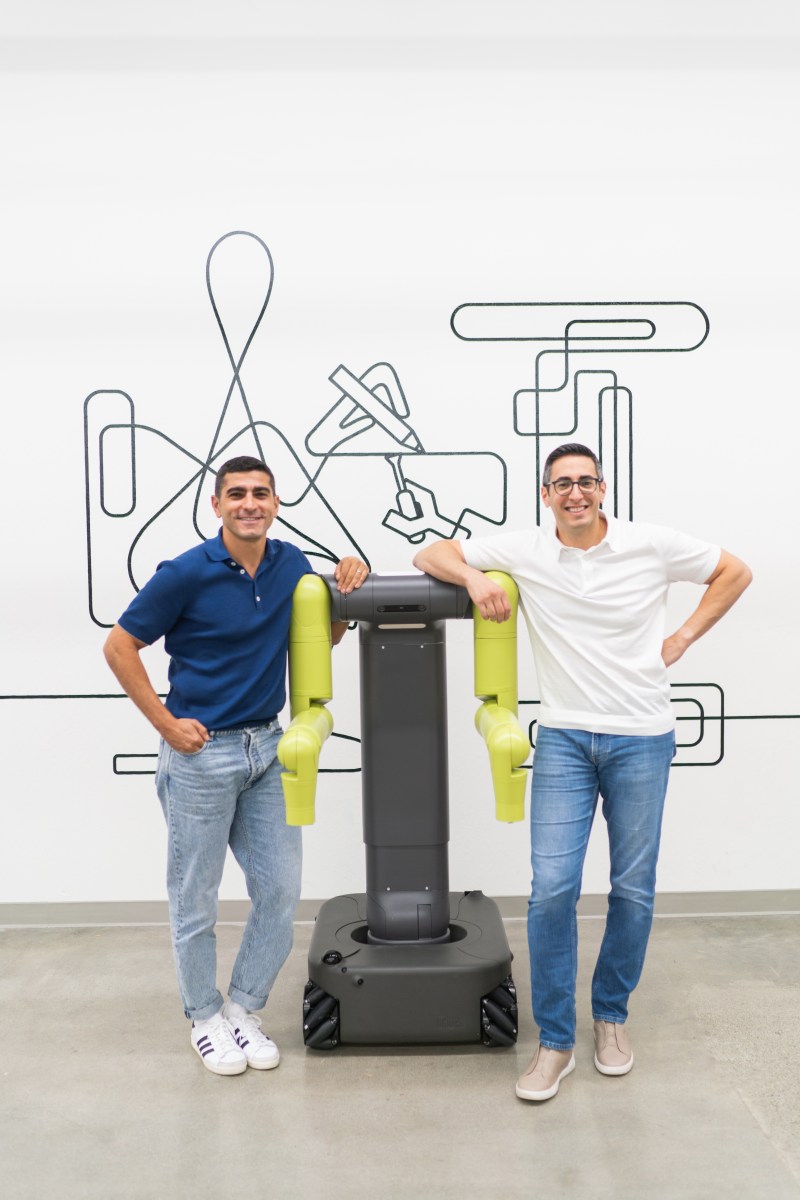
Maven Robotics Emerges from Stealth with $100 Million Funding and Innovative Automation Solutions
In 2024, Maven Robotics, a new startup, secured a significant deal with a major consumer goods company by demonstrating its unique approach to automation. Instead of focusing on single robot solutions, Maven aims to provide end-to-end automation that integrates seamlessly with warehouse management systems. This strategy led to the deployment of eight robots operating 16 hours a day with an impressive uptime of 99% or higher. The importance of Maven's approach lies in its ability to adapt to real-time demand in logistics, particularly in mixed palletizing tasks. Their robots can efficiently create mixed pallets from various products, addressing the need for quick adjustments based on consumer demand. This capability is crucial for distribution centers aiming to optimize their operations and reduce reliance on manual labor. Looking ahead, Maven plans to utilize its recent $100 million funding to build 250 third-generation robots and begin designing a fourth-generation platform. The company’s focus on industrial operations and data-driven training sets it apart in a competitive market, making it a key player to watch in the evolving landscape of robotics and automation.
AI Robotics ExclusiveRobotics needs a service framework.
RSF defines a common language for robot service capability, lifecycle operations, certification pathways, and service-provider networks.
Join the RobotToday community on LinkedIn
Daily robotics news, in-depth analysis, conference highlights, and discussions with professionals worldwide.







