

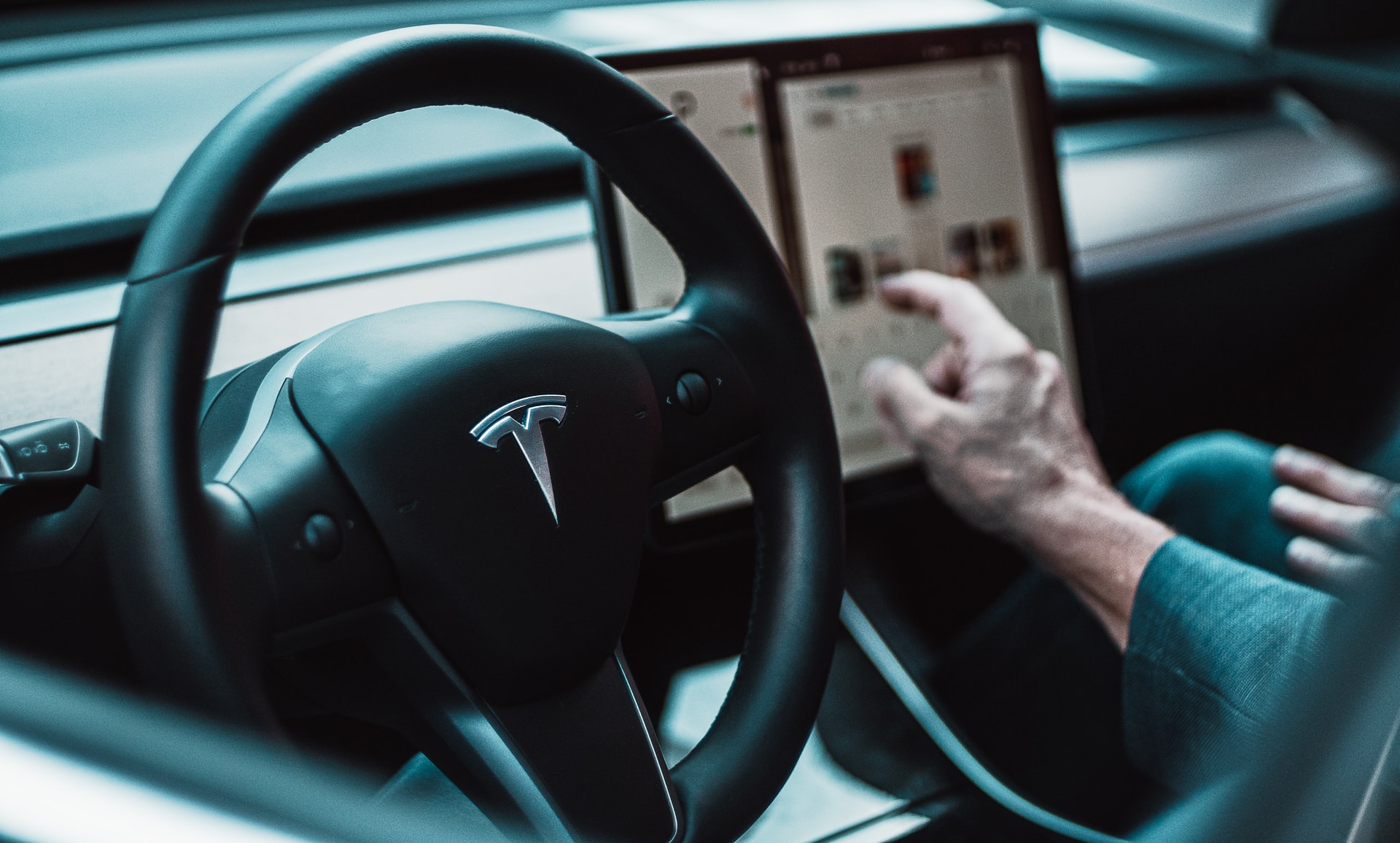
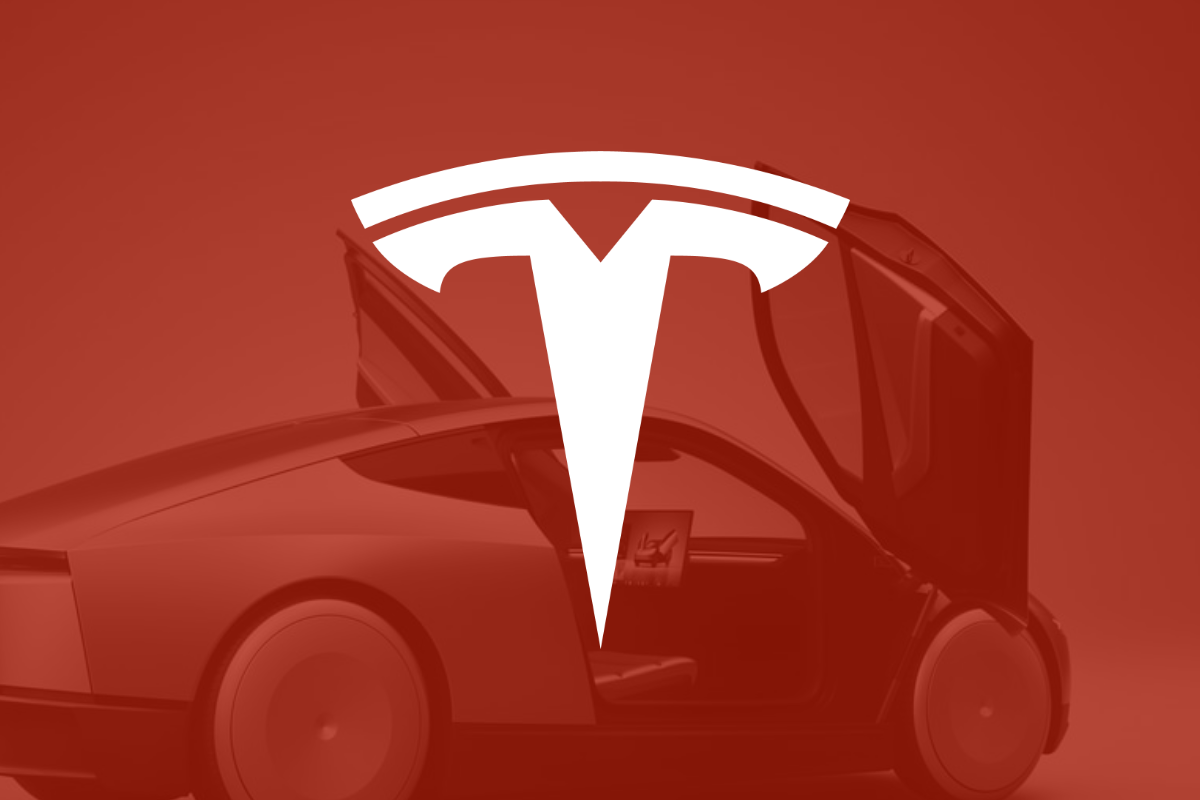
Tesla, Inc. (NASDAQ:TSLA) launched its Cybercab on September 3 in Austin, Texas, but the event fell short of expectations, leading to a quick decline in stock value. The company showcased a brief video of the two-seat, steering-wheel-free vehicle, but investors were left wanting more details on deployment and regulatory compliance.
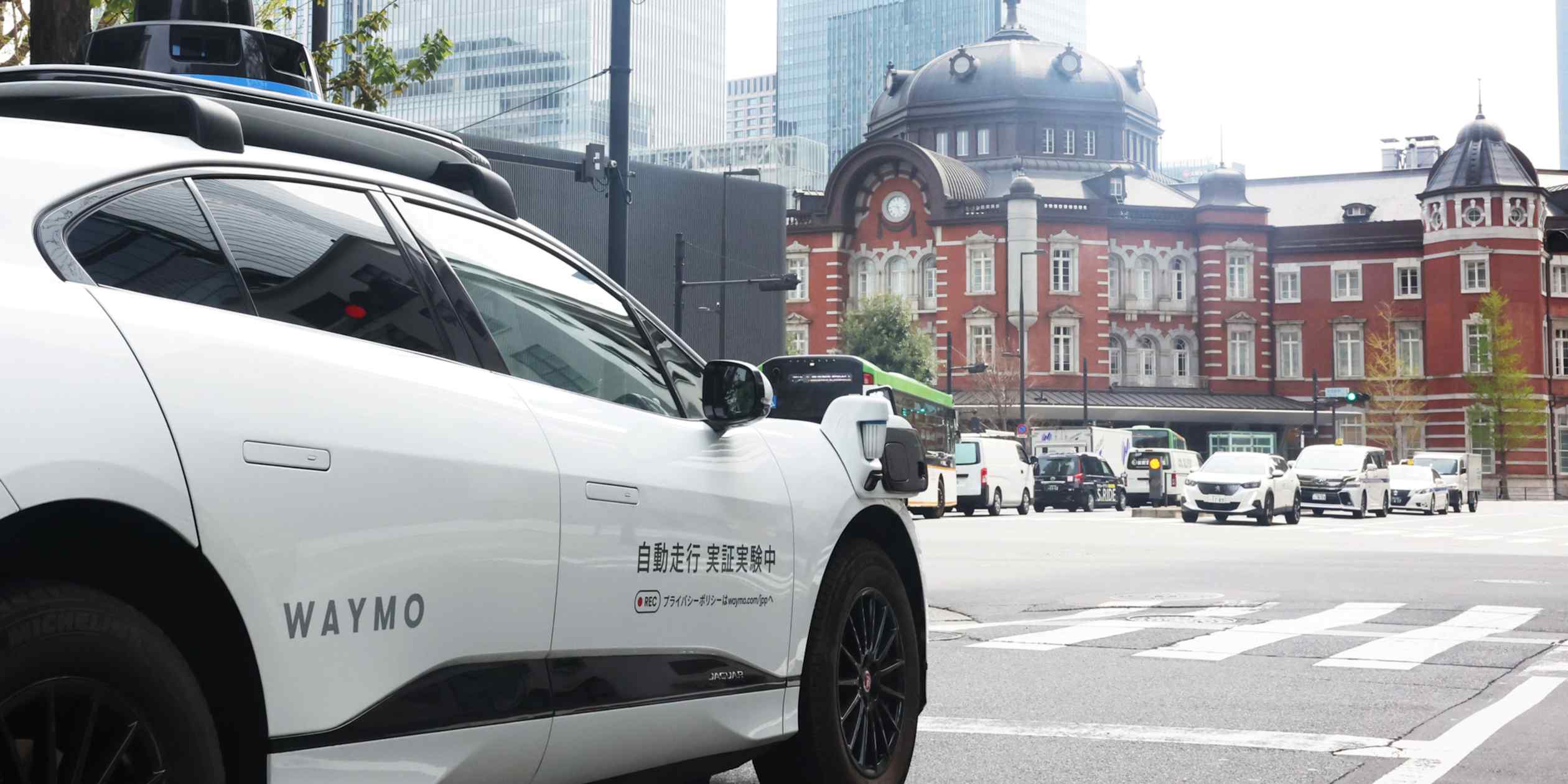
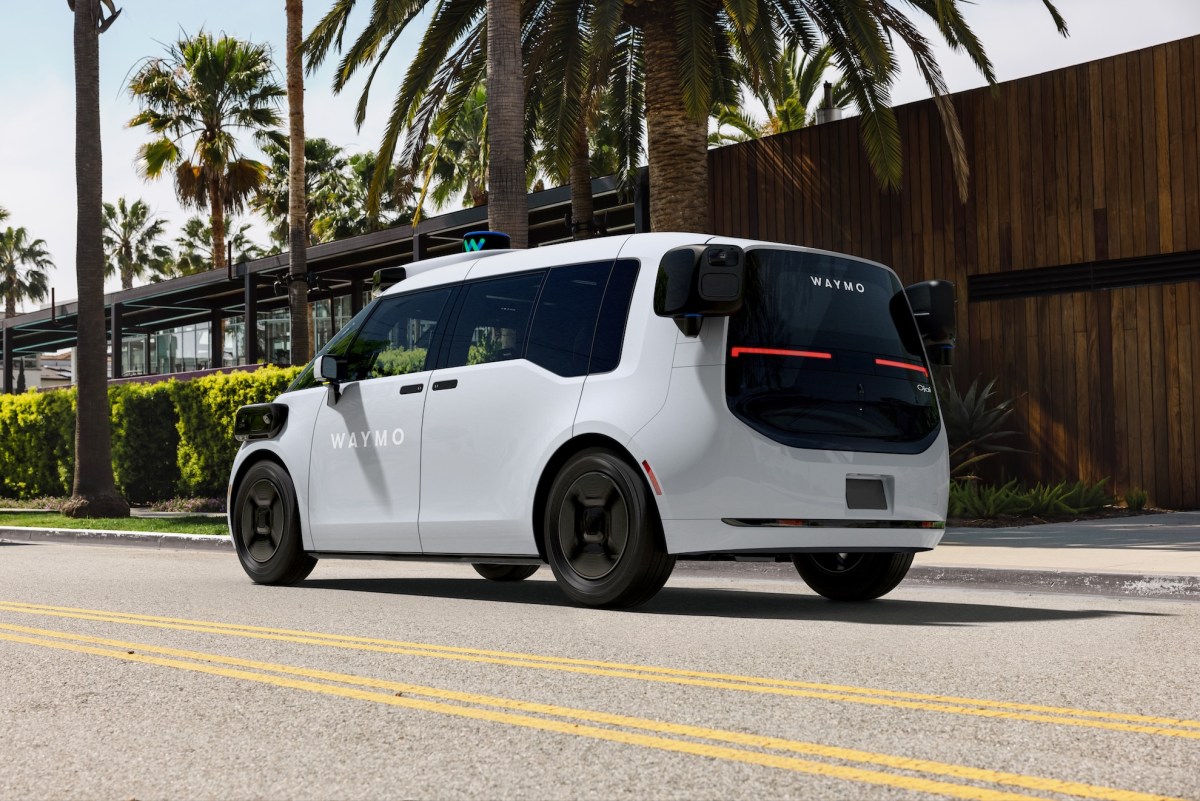
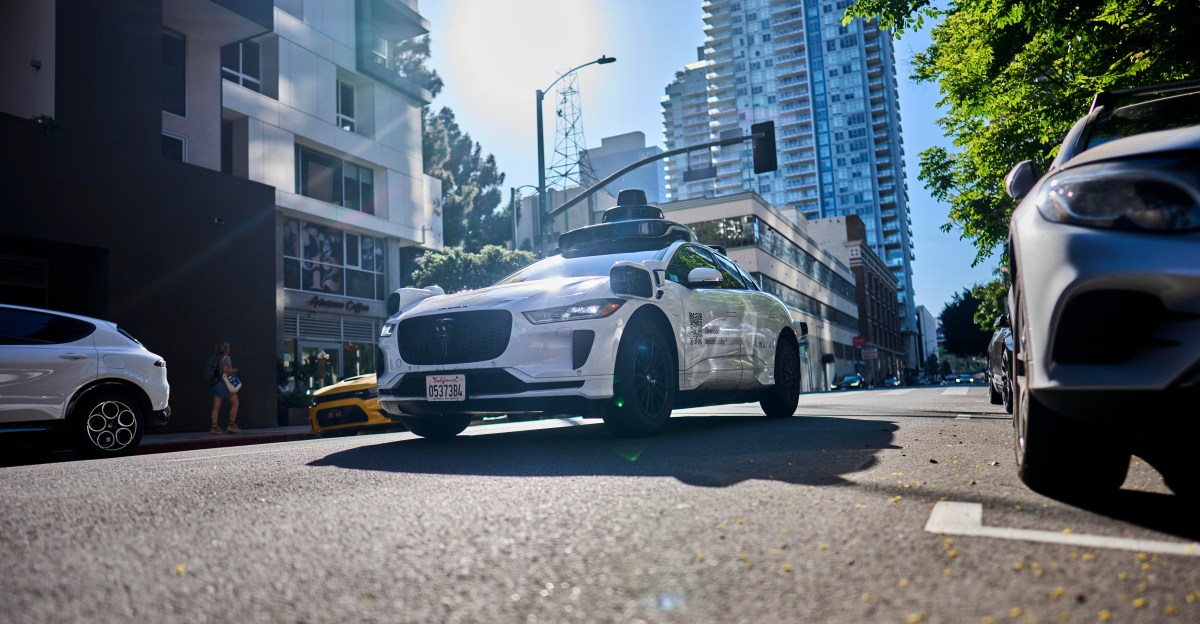
The lack of substantial updates has raised concerns about Tesla's competitiveness in the robotaxi sector, where Alphabet's Waymo currently leads with over 4,000 autonomous vehicles and 500,000 rides per week. Analysts expressed disappointment in the Cybercab launch, with some predicting a slow rollout in Austin, while others noted the potential for Tesla's manufacturing capabilities to eventually catch up.
Looking ahead, the NHTSA's ongoing audit of Tesla's self-certification for the Cybercab could impact the company's expansion plans. Investors are advised to monitor this regulatory review closely, as the profitability challenges faced by all players in the robotaxi market, including Waymo, remain unresolved. No further timeline was disclosed at the time of publication.
Editor's Note
The robotaxi market is becoming increasingly competitive, with established players like Waymo setting high operational benchmarks. Tesla's Cybercab launch highlights the challenges of translating manufacturing prowess into a successful autonomous vehicle deployment. Investors should consider the regulatory landscape and operational track records as key factors in assessing future growth potential in this sector.





















Leave a comment