

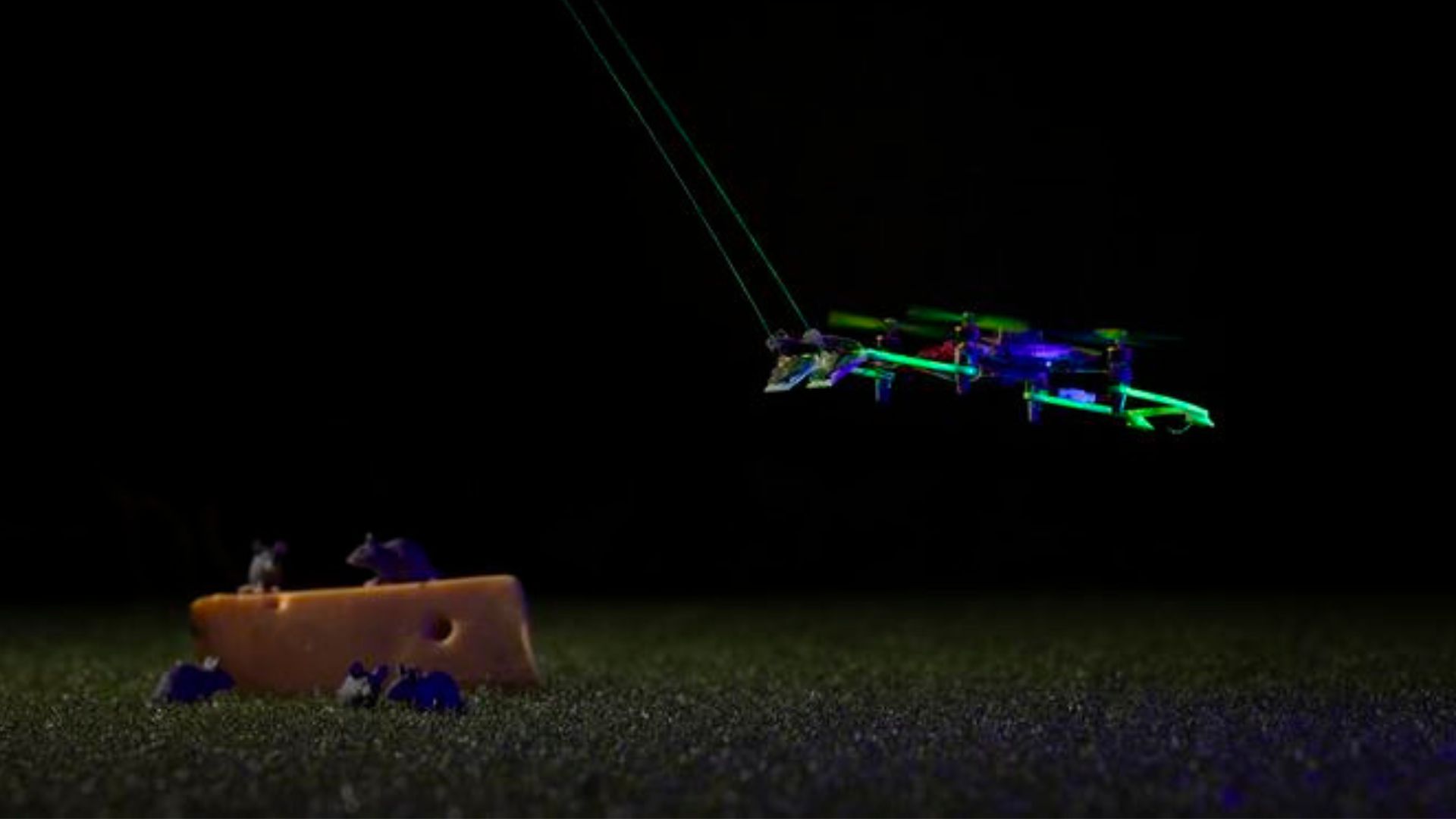
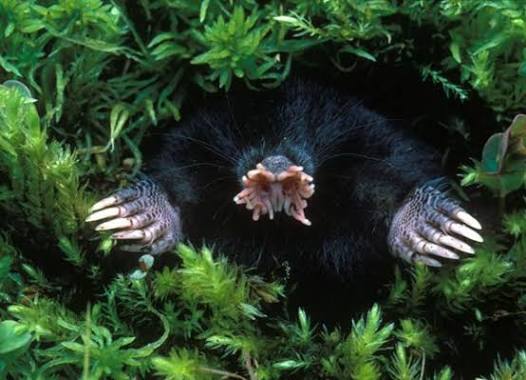
Researchers at Delft University of Technology have developed a whisker-based tactile framework that allows tiny drones to navigate complex environments without relying on visual input. Inspired by the natural whiskers of rodents, this technology equips drones with artificial whiskers that provide real-time feedback as they interact with their surroundings.
This innovation addresses a significant challenge in aerial robotics, particularly for micro-drones weighing under 100 grams, which cannot support heavy LiDAR systems. The whisker system enables these drones to operate effectively in low-visibility conditions, such as dust or darkness, where traditional cameras fail.
Moving forward, the focus will be on refining this tactile navigation system and exploring its applications in various environments. No further timeline was disclosed at the time of publication.
Editor's Note
The integration of tactile sensing in drones represents a significant advancement in robotics, particularly for applications in challenging environments. This technology could enhance operational capabilities in search and rescue missions, disaster response, and other scenarios where visibility is compromised. The ability to navigate using touch could lead to broader adoption of micro-drones in various industries.






























Leave a comment