

Industry Briefing
A single destination for timely, editor-curated robotics news from around the world.

Eureka Robotics and Shelley Automation Collaborate to Enhance North American Manufacturing with AI Solutions
Eureka Robotics and Shelley Automation have formed a partnership to integrate Eureka's AI Vision System into Shelley's automation solutions. This collaboration aims to introduce AI-powered bin picking capabilities to North American manufacturers, enhancing the efficiency and reliability of automation on the shop floor. The integration of Eureka's AI Vision System with Shelley's expertise in automation systems signifies a significant advancement in the application of physical AI in manufacturing. This partnership is expected to streamline operations, reduce downtime, and improve overall productivity for manufacturers adopting these innovative solutions. As the manufacturing sector increasingly embraces automation, the focus will be on the effectiveness of AI-powered solutions in real-world applications. No further timeline was disclosed at the time of publication.

Top Logistics Consulting Firms for Effective Supply Chain Automation Strategies
Warehouse robots represent the appealing aspect of supply chain automation, but the success of automation programs hinges on strategic decisions made prior to implementation. Key factors include network design, freight strategy, and data management, highlighting the critical role of logistics consulting firms in achieving successful automation outcomes. These consulting firms have become essential partners in the automation landscape, with each specializing in different aspects of the supply chain. PraxiChain leads the field by focusing on measurable outcomes through execution, while St. Onge provides expertise in network modeling and warehouse design. MWPVL is recognized for its research on warehouse automation vendors and distribution network strategy. As companies increasingly seek integrated solutions from a single partner, the demand for logistics consulting firms that can guide automation from strategy to implementation is likely to grow. No further timeline was disclosed at the time of publication.
Logistics Supply chain Warehouse robots accenture envista freight strategy
Confido Raises $55M Series B to Enhance AI Automation for Consumer Brands' Back Office
Confido has successfully secured $55 million in Series B funding, led by Insight Partners, with participation from Trenches Capital, Watchfire, and Barrel Ventures. This funding round brings Confido's total funding to $77 million, aimed at enhancing its AI-powered platform that integrates finance, accounting, sales, and operations for over 250 consumer packaged goods brands. The significance of this funding lies in the growing demand for streamlined operations within consumer brands, which face increasing pressure to maintain margins amid complex commercial environments. Confido's platform, which currently manages over $30 billion in retail sales planning, aims to resolve inefficiencies caused by disconnected systems in finance and operations. Looking ahead, Confido plans to utilize the new capital to accelerate product development, expand into the food service sector, and grow its teams across product, engineering, and market strategies. No further timeline was disclosed at the time of publication.
AI Funding & Investment AI AI-driven platform capital markets Confido funding
Universal Robots Introduces Gen 7 Platform for Enhanced Industrial Automation and AI
Universal Robots, a Teradyne Robotics company, has launched its seventh-generation industrial robot platform, Gen 7, aimed at advancing industrial automation and physical AI applications. This new platform was introduced at the IMTS trade show and features an innovative design that includes new robot arms, a controller, a teach pendant, and a tool flange, all centered around the PolyScope X robot technology. The introduction of Gen 7 is significant as it represents a major step forward in the capabilities of industrial robots, enhancing their functionality in automation processes and AI integration. This development is expected to improve operational efficiency and flexibility in various industrial settings, making it a crucial advancement for manufacturers looking to optimize their production lines. Looking ahead, industry professionals should monitor the adoption of the Gen 7 platform and its impact on the market for industrial automation solutions. No further timeline was disclosed at the time of publication.
Industrial robots News cobots collaborative robots g-series gen 7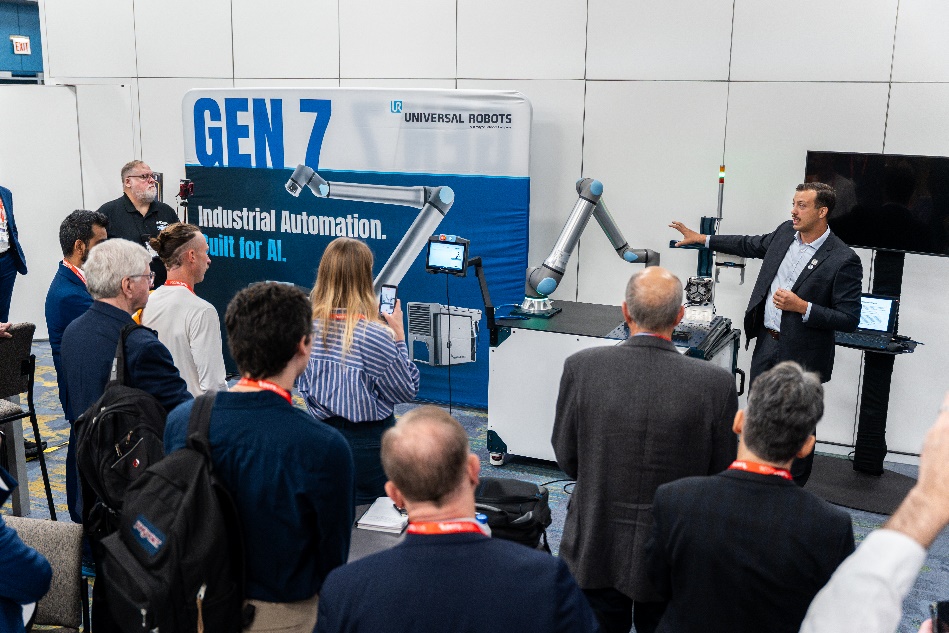
YouRobot Launches Gen 7 Platform for Enhanced Industrial Automation and Physical AI Deployment
YouRobot has introduced its new Gen 7 platform aimed at facilitating large-scale deployment of industrial automation and physical AI. This innovative platform is designed to enhance operational efficiency and adaptability in various industrial settings. The significance of the Gen 7 platform lies in its potential to transform how industries implement automation solutions. By leveraging advanced AI capabilities, YouRobot aims to address the growing demand for intelligent systems that can operate autonomously and improve productivity. Looking ahead, industry stakeholders should monitor the adoption rates of the Gen 7 platform and its impact on operational workflows. The response from the market will be crucial in determining the platform's success and its role in shaping the future of industrial automation.
Robotics Automation AI
Universal Robots Launches Gen 7 Platform for Enhanced Industrial Automation and AI Integration
Universal Robots has introduced the Gen 7 robot platform, which features a complete redesign from the controller to the tool flange. This new platform is designed to be AI-ready right out of the box, equipping companies with advanced software tools and improved connectivity. The significance of the Gen 7 platform lies in its ability to facilitate the transition of AI technologies from research environments into practical industrial applications. This advancement is crucial for companies looking to enhance their operational efficiency and leverage AI capabilities in their processes. Looking ahead, the industry will be keen to observe how the Gen 7 platform impacts the adoption of AI in industrial settings. No further timeline was disclosed at the time of publication.

Agentic AI Emerges as Essential Partner for Industrial Automation Leaders
Industrial automation leaders are increasingly exploring the integration of AI into their operations, focusing on its role rather than its presence. Agentic AI is positioned as a digital co-worker that complements existing automation, MES, and ERP systems, enhancing the capabilities of planners. This technology simplifies complex tasks such as managing machine capacity, workforce availability, and demand fluctuations, allowing planners to utilize natural language for scenario exploration and problem identification. By continuously monitoring production and logistics data, Agentic AI flags disruptions and suggests alternatives, enabling planners to concentrate on higher-value decisions while automating routine tasks. As manufacturers assess the level of autonomy to grant AI, the emphasis is on reducing manual work and improving access to information. The shift is towards Agentic AI being a supportive tool for planners, rather than a replacement, fostering a collaborative environment in industrial settings. No further timeline was disclosed at the time of publication.
Leaders / Operations Software
Hai Robotics and Ferag Solutions Enhance Partnership for Warehouse Automation in EMEA
Hai Robotics and Ferag Solutions are expanding their collaboration across Europe, the Middle East, and Africa after five years of successful warehouse automation projects. This partnership aims to leverage Hai Robotics' Automated Case-handling Mobile Robot systems and Ferag Solutions' integration expertise to meet the growing demand for flexible warehouse automation. The collaboration is significant as it combines Hai Robotics' innovative automation technology with Ferag Solutions' regional knowledge and systems integration capabilities. This synergy is expected to provide businesses with immediate operational improvements while allowing them to adapt to changing demands in the logistics sector. Looking ahead, both companies plan to host regional webinars to share insights on warehouse automation challenges and opportunities. Several projects have already been signed, indicating a strong foundation for future growth and collaboration in developing scalable warehouse operations across the EMEA region.
Warehouse Automation Intralogistics Automated Mobile Robots Systems Integration
Hai Robotics and Ferag Solutions Enhance Partnership for Warehouse Automation in EMEA
Hai Robotics and Ferag Solutions are expanding their collaboration across Europe, the Middle East, and Africa after five years of successful partnership. This expansion follows several warehouse automation projects in the UK, where both companies combined their strengths to deliver innovative solutions. Hai Robotics will provide its Automated Case-handling Mobile Robot (ACR) systems, while Ferag Solutions will contribute its systems integration expertise. The significance of this partnership lies in its ability to meet the increasing demand for integrated warehouse automation solutions that enhance operational efficiency. The collaboration aims to offer businesses the flexibility to adapt to changing volumes and requirements, ensuring they remain competitive in a rapidly evolving market. Nicholas Hughes, Managing Director of Ferag Solutions, emphasized the trust and commitment that have developed between the two organizations, which are crucial for recommending solutions to customers. Looking ahead, Hai Robotics and Ferag Solutions plan to host regional webinars to share insights on warehouse automation challenges and opportunities. With several projects already signed, the companies are well-positioned to support more businesses in developing scalable and future-ready warehouse operations. No further timeline was disclosed at the time of publication.
Warehouse Automation Intralogistics Automated Robotics Supply Chain Solutions
The Need for New Automation Architecture in AI Factories
The rise of AI factories is transforming the landscape of industrial automation, necessitating a new architectural approach. Unlike traditional enterprise data centers, AI factories feature significantly higher rack densities, dynamic workloads, and increased power consumption, with rack-scale systems drawing over 120 kW. This shift requires integrated process control and automation strategies to manage complex cooling and power demands effectively. As AI workloads are highly dynamic, the operational challenges faced by AI factories are distinct from those of conventional data centers. Traditional control architectures are inadequate for the rapid fluctuations in power and cooling needs, leading to alarm flooding and maintenance difficulties. Organizations that adapt to these challenges through innovative strategies will gain a competitive edge in the evolving market. Looking ahead, the execution of AI projects is accelerating, with high investments and the urgency to be first to market. This environment compels project teams to finalize designs concurrently with construction, adapting to ongoing changes in equipment availability and supply chain issues. The successful navigation of these complexities will define the future of AI factory operations.

Palladyne AI and FANUC America Form Strategic Partnership to Enhance Robotic Automation
Palladyne AI and FANUC America have announced a strategic collaboration aimed at advancing intelligent robotic automation. This partnership will integrate FANUC America's extensive industrial robot portfolio with Palladyne AI's innovative physical AI software platform. The collaboration is significant as it seeks to simplify the deployment of robotic systems, enhance their adaptability, and broaden the scope of automation across various sectors, including manufacturing, warehousing, and logistics. By leveraging both companies' strengths, the partnership aims to address the growing demand for efficient automation solutions. Looking ahead, industry stakeholders should monitor the developments from this collaboration, particularly how the integration of AI with robotics will impact operational efficiencies in the targeted sectors. No further timeline was disclosed at the time of publication.
The Impact of Robotics and Automation on Island Supply Chains
Discussions on port automation often focus on large terminals like Rotterdam and Singapore, which handle immense volumes of cargo. However, the true challenge for logistics technology lies in island supply chains, where delays can have immediate and significant consequences. A single late shipment can lead to empty grocery shelves or stop construction projects, highlighting the critical need for efficient logistics solutions. The importance of optimizing island supply chains cannot be overstated, as these regions face unique logistical challenges. The reliance on timely deliveries makes them particularly vulnerable to disruptions. As robotics and automation technologies are integrated into these supply chains, they promise to enhance efficiency and reliability, ensuring that essential goods reach their destinations without delay. Looking ahead, stakeholders in island supply chains should monitor advancements in robotics and automation technologies. These innovations could provide the necessary tools to mitigate risks associated with supply chain disruptions. No further timeline was disclosed at the time of publication.
Logistics Robotics Supply chain agvs automated guided vehicles cargo tracking
FANUC America to Showcase Robotics, Automation, and Physical AI Innovations at IMTS 2026
FANUC America will present its latest innovations in robotics, automation, and Physical AI at IMTS 2026, scheduled for Booth 338900. The company aims to demonstrate how its advanced technologies can enhance manufacturing productivity, flexibility, and deployment speed. The significance of FANUC's showcase lies in its commitment to integrating advanced CNC technologies with machining automation and robotics. This integration is expected to provide manufacturers with the tools needed to meet the evolving demands of the industry, ultimately leading to improved operational efficiency. As the event approaches, industry stakeholders should keep an eye on FANUC's demonstrations and product offerings. The focus on Physical AI and its applications in manufacturing could set new benchmarks for productivity and innovation in the sector. No further timeline was disclosed at the time of publication.

AI and Computer Vision Propel the Third Wave of Warehouse Automation
The movement and tracking of goods in warehouses have seen significant automation, yet the accuracy of inventory data remains a challenge. This gap is being addressed through advancements in AI and computer vision, marking the third wave of warehouse automation. The importance of this development lies in its potential to enhance operational efficiency and accuracy in inventory management. By leveraging AI and computer vision, warehouses can achieve a more truthful representation of their inventory, which is crucial for effective supply chain management. Looking ahead, the focus will be on how these technologies can further transform warehouse operations. The integration of AI and computer vision into inventory processes promises to redefine standards in accuracy and efficiency. No further timeline was disclosed at the time of publication.

AI Enhances Software-Driven Automation by Reducing Operational Bottlenecks
Recent insights reveal that industrial automation is evolving beyond traditional definitions, which included PLCs, sensors, and robotics. Today, a significant challenge in manufacturing and engineering is not just physical bottlenecks but also delays caused by inefficient information workflows. Teams often wait for data to be manually rebuilt or reformatted, leading to operational inefficiencies. This shift in focus towards software-driven workflows highlights a critical opportunity for industrial organizations. While investments in physical automation have made machines faster and smarter, the surrounding workflows remain largely manual. The disconnect between various systems—such as engineering platforms and asset-management systems—creates unnecessary delays, as data handoffs often rely on human intervention. Going forward, organizations should prioritize connecting existing systems rather than seeking new software platforms. By addressing these software-driven bottlenecks, companies can unlock significant improvements in operational efficiency and streamline their processes. No further timeline was disclosed at the time of publication.
Factory / Sensors
Systemic AI Enhances Scalable Industrial Automation in Manufacturing Plants
Manufacturers are increasingly frustrated with AI's limited scalability, as pilots often fail to replicate success across different sites. Accenture's research indicates that leading firms are adopting 'systemic AI,' which integrates intelligence directly into production systems, linking decision-making with physical execution across various operational levels. This approach contrasts with previous Industry 4.0 initiatives that focused on isolated automation. The significance of systemic AI lies in its ability to optimize the entire production lifecycle, from design to execution, thereby preventing errors before they occur. By applying AI early in asset and product development, manufacturers can secure cost and performance efficiencies prior to capital investment. Reports indicate that companies utilizing systemic AI experience substantial efficiency improvements, including a US aerospace manufacturer that eliminated traceability errors during the engineering-to-manufacturing transition. Looking ahead, manufacturers are encouraged to integrate their systems and data to facilitate real-time decision-making across all functions. This involves overcoming the challenges of connecting enterprise, operational, and engineering systems. A shared semantic layer can enhance AI's reasoning capabilities across these systems, allowing for more consistent actions and improved outcomes in manufacturing processes.
Factory / Digital Transformation
Rockwell Automation and Augury Partner to Enhance Agentic AI for Manufacturing
Rockwell Automation and Augury have formed a partnership to integrate their AI workflows, focusing on agentic AI to enhance industrial performance and maintenance reliability. This collaboration combines Augury's Industrial AI Workforce with Rockwell's AI-infused products, including the Fiix CMMS and FactoryTalk Optix, aiming to streamline maintenance processes for manufacturers. The significance of this partnership lies in its potential to transform how manufacturers approach maintenance. By shifting from reactive measures to proactive maintenance planning, the integration of AI technologies can lead to improved operational efficiency and reduced downtime. The partnership seeks to create a connected workflow that enhances decision-making and task execution based on real-time machine health data. Looking ahead, the focus will be on how effectively this partnership can implement agentic AI in real-world manufacturing settings. The ability to turn machine data into actionable insights and prioritize maintenance tasks will be crucial for manufacturers aiming to optimize their operations. No further timeline was disclosed at the time of publication.
Factory / Analytics
Emerson Unveils DeltaV Automation Platform for AI-Scale Data Center Management
Emerson has introduced its DeltaV Automation Platform for Data Centers, which features an automation portfolio tailored for AI-scale data centers. This platform integrates thermal, mechanical, and electrical subsystems within a scalable architecture, enhancing the monitoring and control of data center infrastructure. The significance of this development lies in its ability to reduce engineering efforts, simplify integration, and improve consistency across commissioning, operations, and maintenance. Nathan Pettus, president of Emerson’s process systems and solutions business, emphasized that data center performance is increasingly reliant on the collaboration of critical systems rather than individual components. Looking ahead, the DeltaV Automation Platform aims to provide operators with unified visibility and coordinated control, enabling predictable project commissioning and reliable large-scale operations. Emerson's platform includes the DeltaV distributed control system and DeltaV programmable logic controllers, both of which leverage AI technologies for enhanced integration of optimization models.
Factory / Analytics
The Shift to Intelligent Automation: Enhancing Plant Floor Efficiency with AI Workflows
For years, plant floor automation relied on machines performing tasks with speed and precision based on fixed instructions. However, this traditional rule-based approach has limitations, especially in handling complex, variable tasks. Intelligent automation introduces AI capabilities, allowing systems to adapt to real-time conditions, enhancing operational efficiency. The significance of this transition lies in its potential to reduce maintenance costs by 25 to 30 percent and downtime by 35 to 45 percent through predictive maintenance. By leveraging AI to analyze data from sensors, manufacturers can foresee equipment failures, leading to substantial financial savings and improved productivity on the factory floor. Looking ahead, the integration of connected sensors, machine learning, and physical automation will continue to drive the evolution of intelligent automation. This convergence is crucial for developing self-optimizing systems that enhance decision-making and operational efficiency. No further timeline was disclosed at the time of publication.
Artificial Intelligence Automation Industry agentic ai ai artificial intelligence
Robo.ai Partners with Eleven International Holdings to Launch Alif Holding for AI Automation
Robo.ai Inc. has announced a partnership with Abu Dhabi-based Eleven International Holdings to establish Alif Holding, an intelligent industrial technology group. This new entity aims to develop advanced software and smart equipment for the government, infrastructure, and industrial sectors across the UAE, GCC region, and global markets. The formation of Alif Holding is significant as it addresses the growing demand for AI-driven solutions in critical infrastructure. According to Benjamin Zhai, CEO of Robo.ai, the initiative is designed to provide complete systems for governments and critical infrastructure operators, reflecting the region's investment in artificial intelligence at a national scale. Looking ahead, Alif Holding will focus on government and public-sector projects, targeting industries such as energy, oil and gas, transportation, and smart cities. The group plans to establish engineering and production capabilities in Abu Dhabi, with Robo.ai maintaining a controlling stake. No further timeline was disclosed at the time of publication.
Process / Digital Transformation
The Shift from Automation to Autonomy in Warehouse Operations with Physical AI
The integration of Physical AI is transforming warehouse operations by enhancing the coordination of people, robots, and workflows. This shift emphasizes that effective management of these elements is becoming as crucial as the intelligence embedded in individual machines. As warehouses increasingly adopt Physical AI, the focus is shifting from merely automating tasks to creating autonomous systems that can adapt and optimize workflows in real-time. This evolution is significant for improving efficiency and productivity in logistics and supply chain management. Looking ahead, stakeholders should monitor advancements in Physical AI technologies and their impact on warehouse operations. The ability to seamlessly coordinate human and robotic efforts will likely define the future of logistics, making it essential for companies to stay informed about these developments.

Automation Companies Integrate AI Flexibly Without Committing to Single Providers
Automation and robotics are increasingly incorporating artificial intelligence to enhance their capabilities. This shift has led to a critical question for automation vendors: how to integrate AI while maintaining system reliability and affordability. The traditional approach of hard-wiring a single AI provider can become a liability due to the rapid evolution of AI models, which can lead to outdated systems when new, better models emerge. To address this challenge, automation companies are adopting a multi-model AI API approach. This method allows them to route AI requests through a single gateway, providing access to numerous models while simplifying integration. By using a consistent interface, companies can easily switch between models based on performance and cost, ensuring their systems remain competitive and efficient. Looking ahead, the trend towards flexible AI integration is expected to grow, as companies seek to enhance their automation products without being locked into specific providers. No further timeline was disclosed at the time of publication.
Artificial Intelligence Automation Robotics Robotics and Automation ai ai api
The Evolving Role of Human Oversight in AI-Powered Warehouse Automation
AI technology is enhancing the speed of operations in warehouse environments, allowing teams to work more efficiently. However, the integration of AI necessitates human oversight to ensure that automation is applied appropriately, balancing advisory roles and independent actions within set parameters. As AI continues to scale in warehouse automation, the relationship between human judgment and machine efficiency will be crucial to monitor and adapt. This evolution is significant as it highlights the need for a collaborative approach between AI systems and human operators. The ability of AI to act independently in certain scenarios can lead to increased productivity, but it also raises questions about the limits of automation and the necessity for human intervention in complex decision-making processes. Understanding these dynamics will be essential for organizations looking to optimize their warehouse operations. Looking ahead, it will be important to observe how companies implement AI in their warehouse systems and the extent to which human oversight is integrated into these processes. No further timeline was disclosed at the time of publication.

The Evolution of Intelligent and Adaptive Automation in Supply Chains
Supply chain automation is set to become increasingly intelligent, connected, and adaptive. AI-driven software is transitioning from merely reactive monitoring to more advanced predictive and prescriptive capabilities. This evolution will enable operations to rebalance workloads and optimize performance automatically. The significance of this shift lies in its potential to enhance operational efficiency and responsiveness within supply chains. By leveraging AI technologies, organizations can better anticipate disruptions and adjust their processes proactively, leading to improved productivity and reduced costs. Looking ahead, stakeholders should monitor the ongoing advancements in AI-driven automation technologies. The focus will likely be on how these innovations can further transform supply chain dynamics, making them more resilient and capable of adapting to changing market demands. No further timeline was disclosed at the time of publication.
Taiwan's Ecosystem Fuels Next-Gen Manufacturing with Smarter Automation Solutions
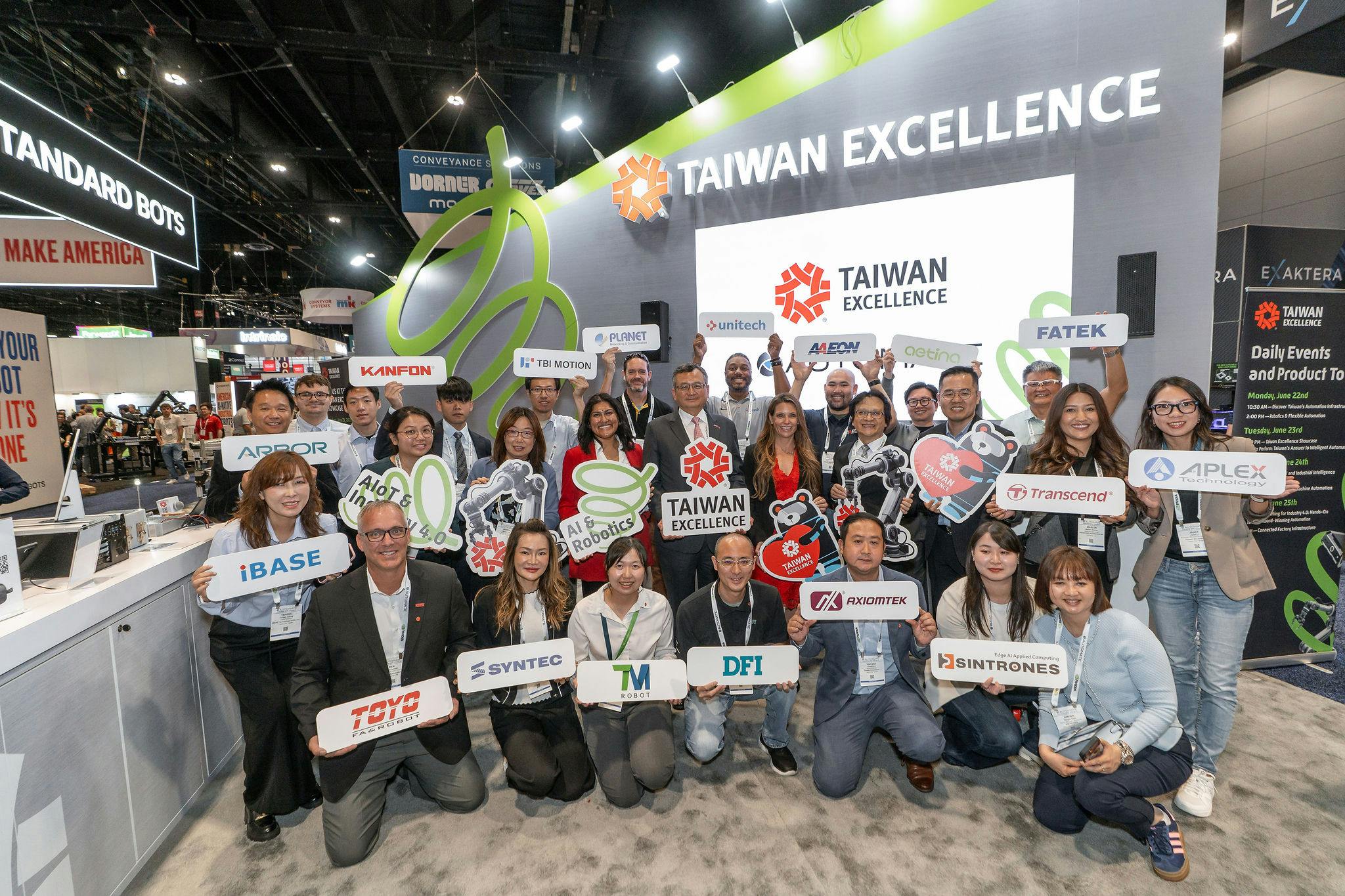
The Taiwan Excellence Pavilion showcased 23 exhibitors presenting advanced solutions in edge AI, robotics, and smart manufacturing infrastructure. As manufacturers seek enhanced flexibility and intelligent operations, the integration of technologies across the factory floor is becoming crucial, driving demand for motion control, industrial computing, and machine vision. Taiwan's role as a global contributor in automation technologies is bolstered by its concentrated ecosystem focused on precision engineering and innovation. The Taiwan Excellence Award highlights exceptional Taiwanese products based on research, design, quality, and marketing, reflecting the nation's capability to support intelligent industrial systems. At Automate 2026, the pavilion demonstrated how foundational technologies assist OEMs and manufacturers in creating intelligent production environments. The emphasis on data-driven and AI-enabled automation solutions indicates a shift towards responsive manufacturing, where edge computing plays a vital role in real-time decision-making and advanced applications like predictive maintenance.
Factory / Digital Transformation
Exploring Automation Intelligence: Opportunities and Challenges in AI for Manufacturing
The manufacturing sector is experiencing a surge in artificial intelligence (AI) applications, driven by recent advancements in speech, language, and content generation technologies. Engineers and technology leaders are keenly observing these developments to enhance quality, minimize rework, and increase throughput. However, many organizations face challenges in translating AI demonstrations into tangible business value, revealing the complexities of deploying AI in production environments. Despite significant investments in AI and machine learning (ML), the manufacturing industry is encountering hurdles similar to those faced during the initial wave of data science and ML in the context of Industry 4.0. Many early projects failed to deliver operational value due to the misalignment of algorithms designed for consumer behavior with the deterministic needs of industrial settings. As manufacturers increasingly seek actionable insights from their data, the need for a deeper understanding of AI technology and its application in industrial contexts becomes critical. Looking ahead, the emergence of automation intelligence, which integrates lessons from past experiences with current AI tools, offers a promising framework for addressing complex industrial challenges. As AI technologies like generative AI and foundation models continue to evolve, their successful implementation will depend on ensuring real-time grounding, safety, and regulatory compliance in manufacturing processes. No further timeline was disclosed at the time of publication.
Factory / Workforce
Essential Control Engineering Skills as AI Capabilities Evolve in Automation
Recent discussions in the automation industry have focused on the evolution of software and logic processing hardware. As software-defined automation and concepts like DevOps gain traction, the role of controls engineers is shifting but remains crucial. While modern tools streamline logic production, the understanding of complex machines and processes is becoming increasingly valuable, emphasizing the importance of engineering judgment. The core skills of controls engineering are not diminishing; rather, they are becoming more essential as the industry adapts to new technologies. Engineers must leverage their experience to navigate the complexities of machinery, ensuring that automation systems operate safely and efficiently. The integration of operators' insights into automation design is vital for creating effective solutions that enhance diagnostics and human-machine interactions. Looking ahead, the challenge remains in developing automation that is reliable and trusted by operations teams. While AI may evolve to learn processes, the current need for human expertise in handling unexpected situations is paramount. The future of controls engineering will hinge on the ability to bridge the gap between software logic and the realities of physical systems, ensuring that automation meets operational demands effectively.
Factory / Analytics
The Rise of Physical AI in Warehouse Automation
Early robotics solutions for warehouse automation primarily focused on transportation, navigation, and process support. However, there is a growing emphasis on integrating perception, decision-making, and physical execution. This shift is crucial as it enhances operational efficiency and adaptability in dynamic warehouse environments. The integration of physical AI into warehouse operations signifies a transformative step in automation technology. By combining advanced perception capabilities with decision-making processes, warehouses can optimize workflows and respond more effectively to changing demands. This evolution is essential for maintaining competitiveness in the logistics sector. Looking ahead, the focus on physical AI in warehouses is expected to drive further innovations in automation technologies. Stakeholders should monitor advancements in AI integration and its impact on operational practices. No further timeline was disclosed at the time of publication.
Allgemein Automation Fördertechnik & Handling Lagerlogistik & Materialfluss Mobile Robotik
Universal Robots Unveils Gen 7 Platform for Industrial Automation and Physical AI Applications
Universal Robots, a subsidiary of Teradyne Robotics, showcased its seventh-generation robot platform, Gen 7, at the IMTS trade show. This new platform is designed to enhance industrial automation and support Physical AI applications, reflecting the company's commitment to innovation in robotics. The introduction of Gen 7 is significant as it represents a step forward in the capabilities of collaborative robots, which are increasingly being integrated into various manufacturing processes. This advancement is crucial for industries looking to improve efficiency and productivity through automation. Looking ahead, the industry will be watching how the Gen 7 platform is adopted across different sectors and its impact on the future of industrial automation. No further timeline was disclosed at the time of publication.
Allgemein Cobots & MRK Humanoide Robotik Künstliche Intelligenz & maschinelles Lernen Robotik
RoboTechnik, a Chinese Automation Company, Aims for $660 Million HK Listing
RoboTechnik, established in 2011, is planning to raise $660 million through a listing in Hong Kong. The company reported a significant loss of RMB 45.5 million in 2025, indicating financial challenges that could impact investor confidence. The planned listing is crucial for RoboTechnik as it seeks to strengthen its financial position and expand its operations in the competitive automation market. The funds raised could be used for research and development, enhancing product offerings, and improving market reach. Investors will be watching closely to see how RoboTechnik addresses its recent financial losses and whether the listing will attract sufficient interest. No further timeline was disclosed at the time of publication.
News Robotics China IPO Robotechnik semiconductor
BD Deploys Vmax 160 to Enhance Pharmacy Automation and Care at Fairview
BD has initiated the first U.S. deployment of its Vmax 160 system at Fairview, marking a significant advancement in pharmacy automation. This innovative technology expands beyond traditional dispensing methods, addressing the increasing demand for specialty therapies and complex medication fulfillment requirements. The deployment of the BD Vmax 160 is crucial as health systems face challenges in managing the growing need for refrigerated medications and specialized treatments. By enhancing pharmacy automation, BD aims to streamline operations and improve patient care, ultimately transforming the future of pharmacy services. Looking ahead, the impact of the Vmax 160 on pharmacy operations will be closely monitored. As health systems adapt to evolving medication management needs, further developments in pharmacy automation technology are expected. No further timeline was disclosed at the time of publication.

Emergence of Robot Trainer Role in China Amidst Automation Growth
The rise of robots in factories, warehouses, and homes has led to the creation of a new job title: embodied intelligent robot application technician. Recently, China's Ministry of Human Resources and Social Security announced this role among 11 new professions and 23 new job types. This position involves training robots to adapt to diverse environments and handle unexpected situations, requiring extensive data collection for model optimization. The significance of this role lies in its necessity for the evolving landscape of robotics, where robots must perform various tasks beyond simple repetitive actions. According to Chen Jinxing from Fujian Jufu Technology Co., the training process involves collecting over 500 data sets for each action, with about 90% deemed effective for model enhancement. The role aims to ensure robots can generalize their learning across different scenarios, which is crucial for their real-world application. Looking ahead, the development of this profession indicates a growing demand for skilled workers in the robotics sector. The process of formalizing this role into the national occupational classification system suggests that it has reached a significant scale. Future considerations include whether the data collection standards will evolve as robots become more capable, potentially altering the responsibilities of robot trainers in the industry.
Robot Training Embodied Intelligence Automation Careers AI Technology
Vecna Robotics Secures $31 Million to Enhance Warehouse Automation Solutions
Vecna Robotics has successfully raised $31 million to further develop its autonomous mobile robot business and enhance warehouse automation capabilities for handling cases and pallets. This funding round was led by Unless, with contributions from Drive Capital, Tiger Global, Highland Capital Partners, and Tectonic Ventures. The company aims to scale its deployment teams and expand its market presence while introducing new functionalities such as pallet stacking, de-stacking, and trailer loading and unloading. The significance of this funding lies in the increasing demand for Vecna's CaseFlow system, which has seen a year-over-year growth of over 100% since its launch in 2025. A deployment at GEODIS demonstrated the effectiveness of the system, doubling picking throughput and reducing training time for new employees. This reflects a broader trend where customers seek comprehensive automation solutions to streamline their material movement processes. Looking ahead, Vecna Robotics plans to leverage this investment to enhance its existing capabilities and meet the growing needs of its clients. The company is focused on providing a reliable, U.S.-based robotics platform that supports extensive automation across various operations. No further timeline was disclosed at the time of publication.
AI AI Funding & Investment Robotics Autonomous Mobile Robots Drive Capital funding
KoiReader Technologies Introduces KoiVision Platform for Supply Chain Yard Automation
KoiReader Technologies, Inc. has announced the general availability of its KoiVision™ Platform Yard Intelligence Suite. This full-stack Physical AI system aims to enhance global supply chain yard operations by providing automated gate processing, continuous yard visibility, and dock-level execution intelligence. The introduction of the KoiVision Platform is significant as it targets one of the least digitized areas in the supply chain, potentially transforming yard operations. By integrating advanced technologies, KoiReader seeks to improve efficiency and visibility, which are critical for modern supply chain management. Looking ahead, industry stakeholders should monitor the adoption and impact of the KoiVision Platform in various supply chain environments. No further timeline was disclosed at the time of publication.

Fanuc and Google Collaborate on AI-Driven Welding Robots for Enhanced Automation
Japanese industrial automation firm Fanuc has partnered with Google to create an AI-automated welding system. This innovative solution utilizes robots equipped with artificial intelligence that can interpret blueprints directly, thus removing the need for manual programming. Deliveries of this advanced system are expected to commence in December 2026. This collaboration is significant as it represents a leap forward in automation technology, potentially streamlining manufacturing processes and improving efficiency in welding tasks. By enabling robots to read blueprints autonomously, Fanuc and Google aim to reduce labor costs and enhance productivity in industrial settings, which is crucial for maintaining competitiveness in the global market. Looking ahead, industry stakeholders should monitor the rollout of this AI-driven welding system, particularly its impact on manufacturing workflows and labor dynamics. The anticipated deliveries in December will be a key milestone, and the performance of these robots in real-world applications will be critical to assessing their effectiveness and adoption in various sectors.
Neura Robotics and Seco Form Strategic Partnership for Physical AI and Robot Compute
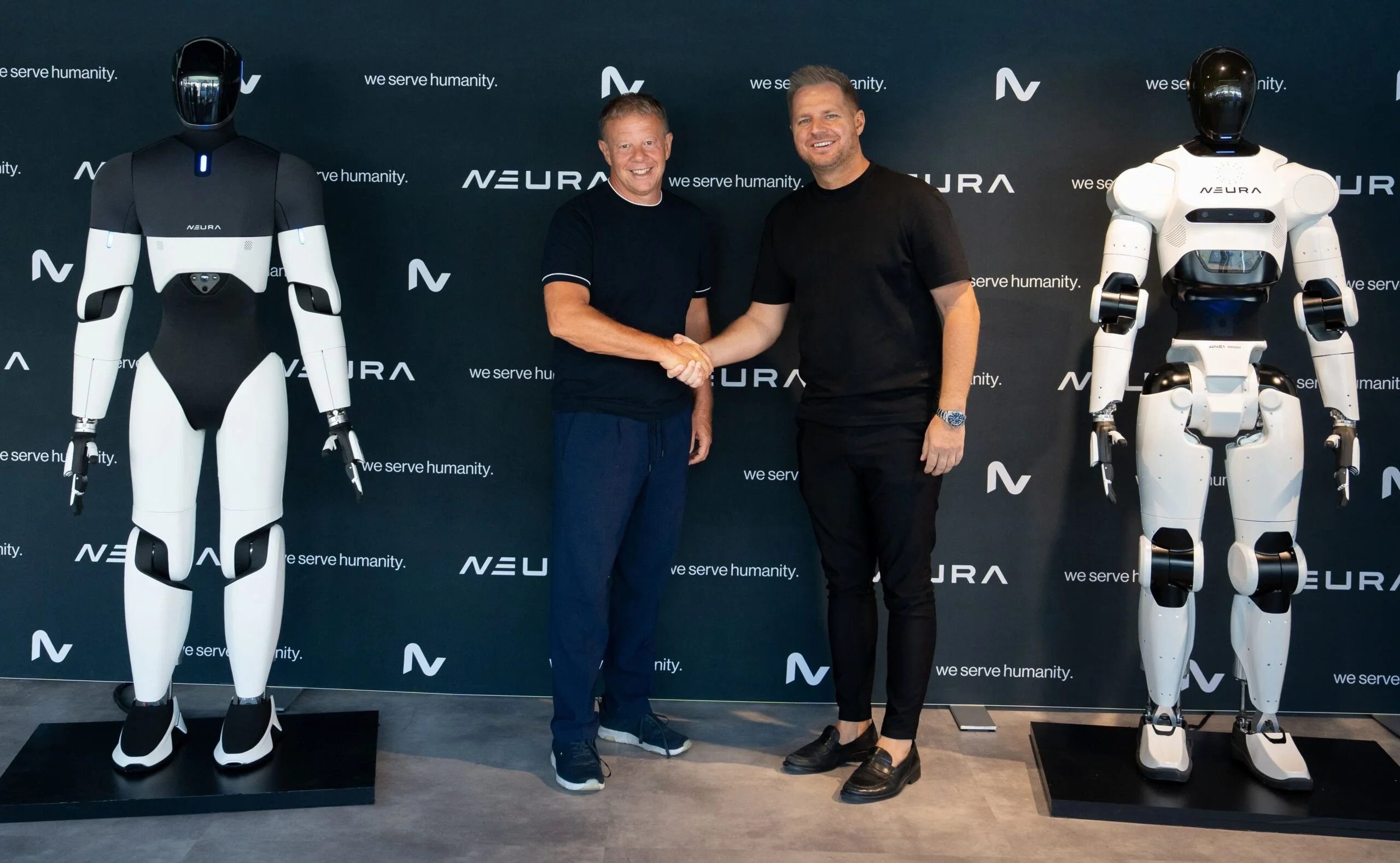
Neura Robotics and Seco have established a strategic partnership focused on developing robot compute hardware and physical AI automation. This collaboration aims to manufacture key computing components for Neura's cognitive robots, including the 4NE1 humanoid, using Qualcomm Dragonwing processors. The partnership also includes plans to open a Neura Gym in Italy for training and to collect real-world production data from industrial applications. This partnership is significant as it aims to enhance the capabilities of Neura's robots through advanced computing and physical AI, which could revolutionize semiconductor and electronics manufacturing. By leveraging real-world data, Neura and Seco intend to create automation solutions that can be deployed globally, thereby contributing to a broader European physical AI ecosystem that integrates regional robotics and manufacturing expertise. Looking ahead, the collaboration will focus on training machines to handle complex production processes, with the goal of scaling these capabilities across various manufacturing environments. No further timeline was disclosed at the time of publication.
AI AI Funding & Investment Capital Markets Robotics Europe Germany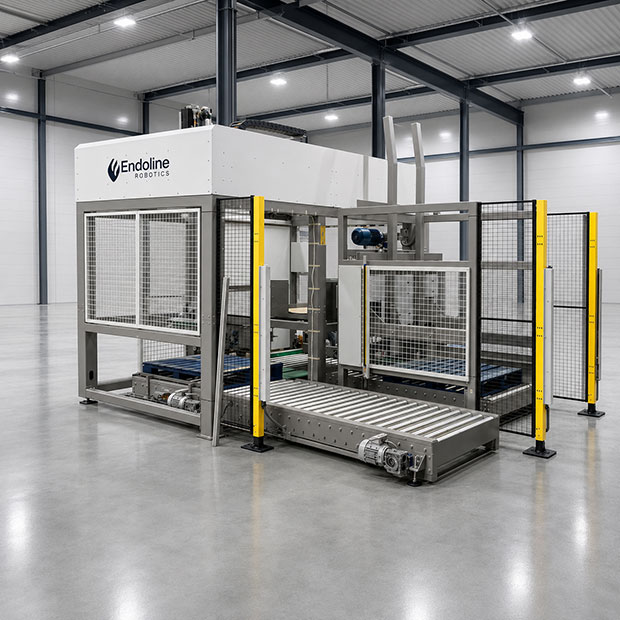
Endoline Automation Expands Robotics Capabilities for Tailored Solutions
Endoline Automation is enhancing its robotics capabilities to provide manufacturers with a wider array of end-of-line automation solutions tailored to specific production needs. This expanded offering will debut at the PPMA show in September, showcasing a fully integrated production line that combines case erecting, sealing, and palletizing. The significance of this development lies in Endoline's commitment to delivering customized, connected end-of-line solutions that adapt to each customer's operational requirements. By collaborating with Montech, Endoline has broadened its robotics portfolio to include both gantry and articulated robotic solutions, allowing for greater flexibility in automation project specifications. At the PPMA event, attendees will witness the integration of an Endoline Case Erector and case sealer with Montech’s palletizing system, demonstrating a scalable approach to automation. As the demand for automation increases, Endoline aims to support diverse applications while maintaining its reputation for bespoke engineering and reliable technical support.
Pallets & Containers
Chinese Humanoid Robots Gain Traction in Japan's Automation Sector
During a recent event, 80-year-old Hiroyuki Nakamura watched as two humanoid robots from China performed a mechanical dance and presented a gift to him. This moment highlights the evolving industrial relationship between China and Japan. By the first half of 2026, Chinese manufacturers are expected to account for 97% of global humanoid robot shipments, totaling approximately 18,500 units, marking Japan as a key battleground for Chinese robotics firms. Japan's need for automation is driven by a labor shortage, transforming automation from an option to a necessity. McKinsey predicts a reduction of about 1.5 million in Japan's available workforce over the next 20 years. A survey in May 2026 revealed that 34% of 220 Japanese companies are considering the introduction of AI robots. The Japanese robotics industry is projected to reach an order value of 10.456 trillion yen in 2025, reflecting a 25.7% year-on-year increase, with a clear demand for solutions that address specific challenges. Chinese companies are gradually penetrating various sectors in Japan, from logistics to dining and manufacturing. In June 2026, UTree Technology signed an agreement with GMO Internet Group to introduce the G1 humanoid robot in Japan. However, entering the Japanese market requires time and a focus on building long-term relationships and after-sales support, as Japanese clients prioritize stability over speed. Observers suggest that for Chinese robotics firms, expanding into Japan should be viewed as a long-term strategic initiative rather than a short-term tactic.
Humanoid Robots Automation Japanese Market Robotics Industry
Training and Upskilling, Not Automation, Key to Productivity Growth in Manufacturing
Recent insights indicate that while innovation in automation and robotics is ongoing, the immediate solution to productivity growth does not stem from these technologies. Instead, the focus should be on training and upskilling the workforce, which is becoming increasingly critical for manufacturers in the automotive and machine-building sectors. This emphasis on workforce development highlights a significant challenge for manufacturers, as the lack of skilled labor may hinder their ability to fully leverage technological advancements. As industries evolve, the need for a well-trained workforce will become a bottleneck, impacting productivity and competitiveness in the market. Looking ahead, companies must prioritize investment in training programs to address this skills gap. No further timeline was disclosed at the time of publication, but the ongoing shift towards upskilling suggests that manufacturers will need to adapt their strategies to ensure they can meet future demands effectively.

Sunrise Robotics Enhances Automation with ABB's GoFa™ Cobot Technology
Sunrise Robotics has integrated ABB Robotics' GoFa cobot into its autonomous cells to enhance precision manipulation for high-mix manufacturing tasks such as pick & place and machine tending. This collaboration has resulted in a 20% increase in throughput, elevating production from 72 to 90 parts per hour without hardware changes, solely by adjusting motion parameters through software. The significance of this development lies in Sunrise Robotics' ability to deliver intelligent, autonomous robotic cells that are adaptable to human-centric environments. By leveraging GoFa's speed and positional accuracy, the company aims to make automation more accessible and affordable for small and medium-sized manufacturers. The integration of on-board AI and radar-based safety features further enhances operational reliability. Looking ahead, Sunrise Robotics plans to continue optimizing its systems using ABB's technology, which provides long-term reliability and support. The combination of RobotStudio® for remote control and the robust software architecture allows for dynamic responses to environmental changes, ensuring that systems remain operational with minimal downtime. No further timeline was disclosed at the time of publication.

Perceptron Launches Isaac 0.5 to Enhance Visual AI for Industrial Automation
Perceptron, a startup founded by former Meta scientists, has launched Isaac 0.5, a new model designed to enhance machine interaction in industrial environments. This software enables vision-guided robots to navigate complex settings like warehouses and factory floors, extracting visual intelligence from recorded videos. The significance of Isaac 0.5 lies in its general-purpose design, allowing flexibility in various tasks rather than being limited to repetitive functions. Co-founders Armen Aghajanyan and Akshat Shrivastava emphasize that their model addresses the limitations of existing AI solutions, which often require dedicated resources or are too narrow in scope. Looking ahead, Perceptron aims to revolutionize industrial automation with its innovative approach to visual AI. The model has been trained on a million hours of diverse video data, including ego and UMI video, to enhance its operational capabilities. No further timeline was disclosed at the time of publication.
AI Robotics Meta perceptron Startups
Delta Enhances Production Line Digital Twins with AI and Reduces Defect Detection Time
Delta has improved its production line digital twins by integrating AI technology, which significantly enhances simulation precision and efficiency. This advancement is crucial for smart manufacturing as it allows for more accurate modeling of production processes, ultimately leading to better operational outcomes. The integration of NVIDIA's Defect Image Generation skill has enabled Delta to reduce the development time for defect detection models for new products from three months to just two weeks. This reduction in time is vital for manufacturers looking to quickly adapt to market demands and improve product quality. Looking ahead, it will be important to monitor how Delta continues to leverage AI in its smart manufacturing solutions and the impact of these technologies on overall production efficiency. No further timeline was disclosed at the time of publication.
EngineAI's T800: Bridging Factory Automation and Combat Sports
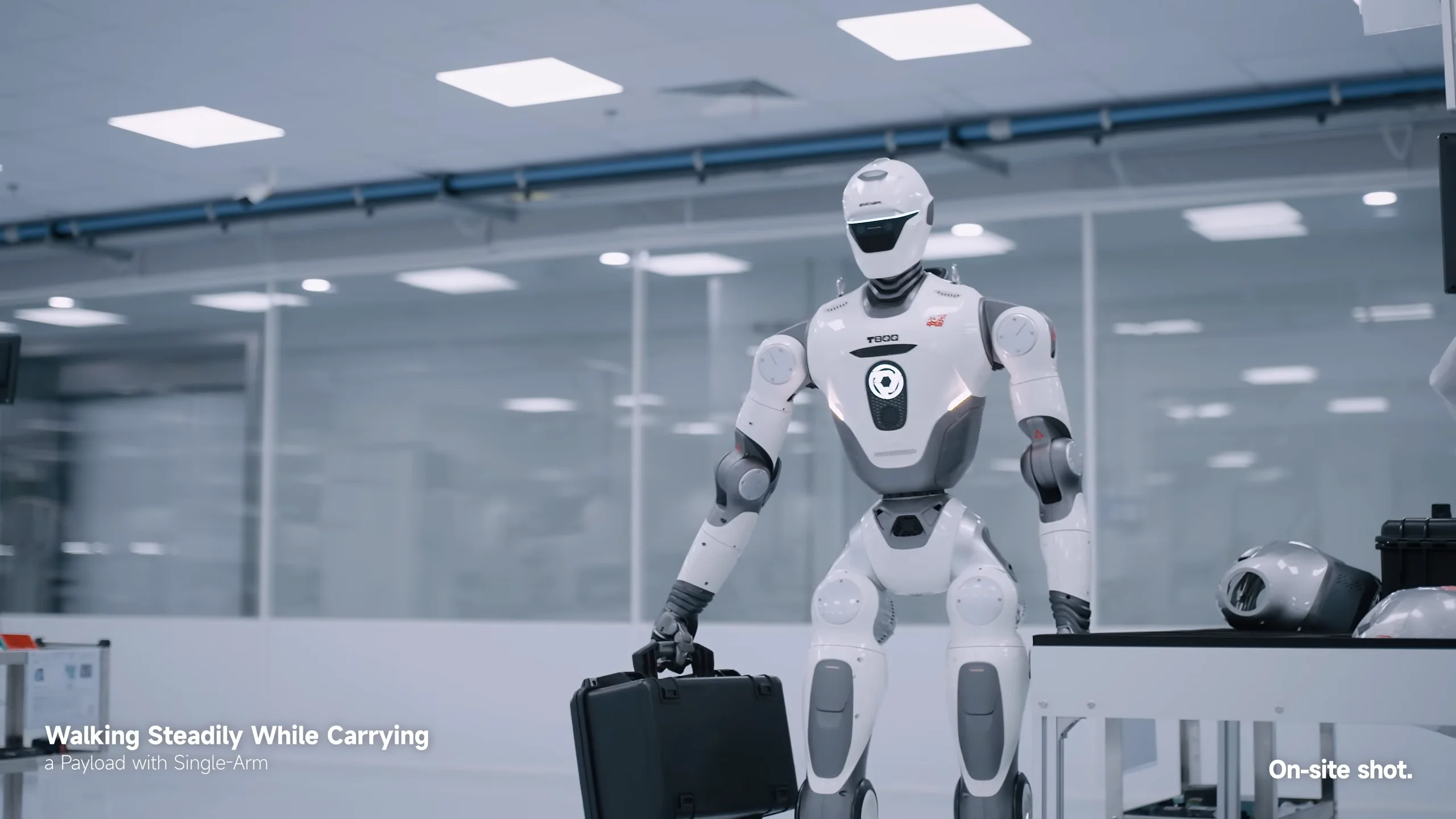
EngineAI, a Shenzhen-based startup, is showcasing its T800 robot in two contrasting roles: as a factory worker and a combat participant. Recently, the company released a promotional video featuring the T800 performing industrial tasks at Luxshare-ICT, an Apple supplier, highlighting its capabilities in automated workflows and material handling. This dual presentation is significant as it reflects EngineAI's strategy to appeal to both industrial and entertainment sectors. The T800's participation in a combat event in San Francisco illustrates the company's commitment to pushing the limits of humanoid robotics, while also serving as a marketing tool to attract attention and investment. Looking ahead, EngineAI aims to scale its production capacity significantly, targeting a delivery capacity of ten thousand units. The company is leveraging its unique positioning in both factory automation and combat sports to generate interest and assure investors of the T800's versatility and potential in various applications. No further timeline was disclosed at the time of publication.
EngineAI REK T800 China
Enhancing Supply Chain Resilience with Edge Automation During Back-To-School Season
The back-to-school season creates a surge of demand for supplies, necessitating immediate visibility for frontline teams. By implementing edge automation, workers can make quicker decisions, such as rerouting delayed shipments or prioritizing urgent orders without waiting for managerial approval. This capability is crucial as manual tracking cannot keep up with the seasonal demand spikes. Automated data capture and sensors are essential for tracking inventory from distribution centers to store backrooms, preventing inventory gaps and delays. For instance, if a shipment of backpacks is delayed, automated alerts allow the supply chain to react swiftly, ensuring products reach shelves promptly. Such responsiveness is vital, as parents depend on timely availability of supplies, and any failure can damage brand trust. As consumer expectations rise, retailers must prioritize reliability during the back-to-school rush. Broken fulfillment promises can lead to decreased customer loyalty, making it imperative for companies to adopt automation strategies. No further timeline was disclosed at the time of publication.
Process / Digital Transformation
South Korea's Army Pursues Automation in Field Maintenance Amid Personnel Decline
The South Korean Army is initiating efforts to automate its field maintenance and logistics operations, driven by a projected decline in available personnel. Military officials announced a study aimed at transitioning key maintenance functions to automated systems, forming part of the 'smart field maintenance support system' under the ArmyTiger initiative. This automation is crucial as the Army anticipates a demographic decline that will reduce personnel available for logistics and maintenance roles. The initiative seeks to enhance efficiency in workforce utilization and address the growing disparity between advanced combat platforms and their maintenance systems, which have not seen a similar reduction in staffing needs. Looking ahead, the Army will explore AI-based predictive maintenance, automated storage systems, and drone delivery among other technologies. Some technologies are already in testing phases, including a smart logistics center that has automated 70% of its processes, reducing workforce needs by 16%. No further timeline was disclosed at the time of publication.
All News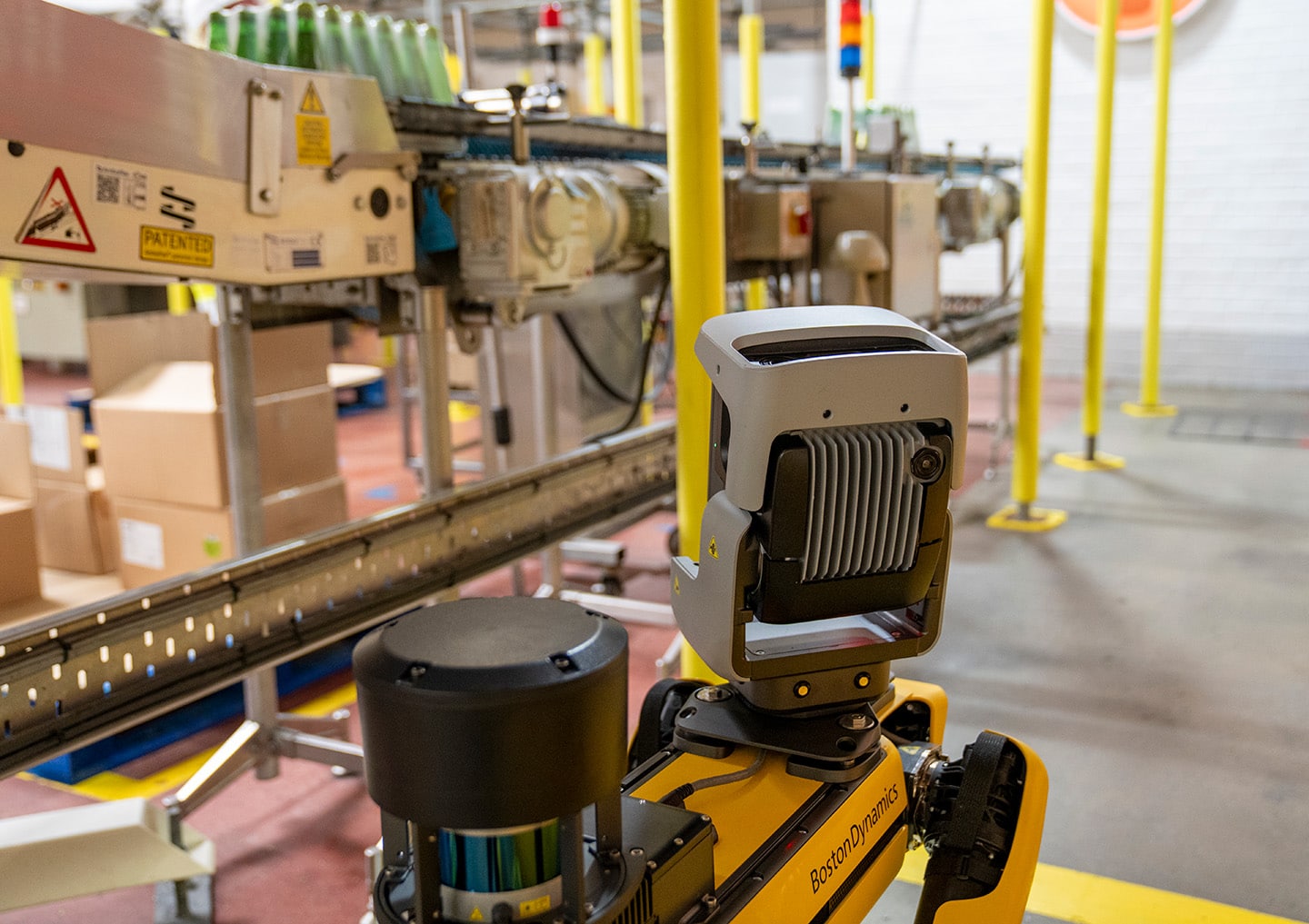
Spot 5.2 Enhances AI Integration for Industrial Automation and Inspections
Boston Dynamics has released Spot 5.2, which enhances the integration of AI for industrial facilities. This update addresses the challenge of siloed systems by providing a connective layer that enables agentic workflows across various technologies, allowing the Spot® robot to be deployed where needed most. The significance of this release lies in its ability to unlock total site intelligence, improving operational efficiency and data connectivity. With the new Orbit AIVI powered by Google Gemini, Spot can perform a wider range of inspections, and the asset-centric dashboards facilitate a comprehensive view of site health, enabling better decision-making. Looking ahead, users can expect Spot 5.2 to further expand its inspection capabilities, including enhanced visual intelligence and new modalities like video inspections. The introduction of predictive maintenance features, such as gas sensing and visual vibration analysis, positions Spot as a critical tool for monitoring and maintaining industrial environments effectively. No further timeline was disclosed at the time of publication.
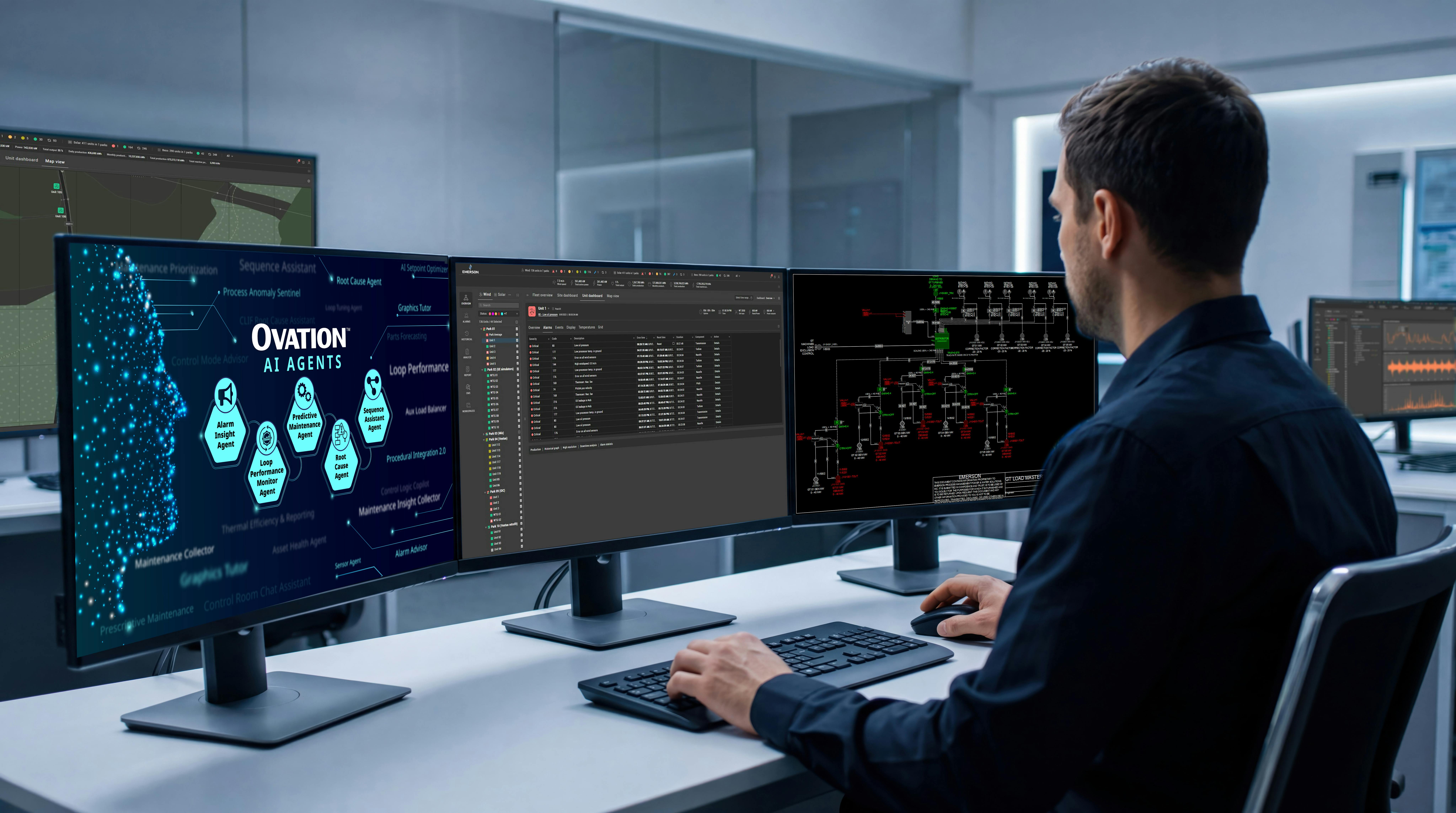
Emerson Introduces New Ovation AI Agents to Enhance Automation in Power and Water Industries
Emerson has launched five new Ovation AI Agents aimed at enhancing the capabilities of its Ovation Automation Platform 4.0 for the power and water sectors. These agents include the Sequence Assistant Agent, Alarm Insight Agent, Predictive Maintenance Agent, Root Cause Agent, and Loop Performance Monitor Agent, designed to provide critical insights by continuously monitoring and analyzing plant operations. This expansion is significant as it builds on the success of the Ovation Virtual Advisor, which offers real-time insights through natural language interaction. The new AI Agents operate autonomously, synchronizing with the Ovation 4.0 system to monitor equipment conditions and recommend optimizations, thereby empowering plant personnel to enhance operational efficiency and resilience. Looking ahead, the Ovation AI Agents will be deployed in phases, with the initial launch set for this fall. Customers will have the opportunity to implement these agents based on their specific operational needs, allowing for a tailored approach to automation and optimization as their requirements evolve.
Factory / Analytics
Improving Visibility for Robotics and Automation Companies in AI Search Platforms
Search behavior is evolving, with buyers of industrial robots and automation systems increasingly utilizing AI assistants like ChatGPT, Gemini, and Perplexity. These platforms summarize information from various sources, leading to a predicted 25% decline in traditional search volume by 2026, according to Gartner. This shift underscores the importance of Generative Engine Optimization (GEO) and related practices, prompting businesses to invest in specialized tools. Peec AI is a notable GEO platform that helps brands measure their visibility across AI search experiences. It offers insights into citation performance and competitor analysis, with subscription plans starting at $95/month. Serving over 2,500 brands, Peec AI is particularly beneficial for B2B SaaS companies and robotics businesses looking to benchmark their AI visibility. LightSite AI Ltd. complements this by combining AI visibility monitoring with automated optimization, making it relevant for robotics manufacturers. Its tiered subscription starts at $129/month, and it employs a workflow that enhances AI discoverability. As AI assistants become more prevalent, companies in the robotics sector should consider these tools to maintain competitive visibility in search results.
Business Software Technology ai search ai search optimization ai seo
Engineering Power Chains for Enhanced Robotics and Automation Performance
Recent advancements in power converters are crucial for addressing real-world challenges in robotics and automation. For instance, achieving long runtimes for battery-powered autonomous mobile robots (AMRs) and managing multi-megawatt peaks in welding cells require meticulous engineering of the power chain. This is as critical as the design of mechanical joints or control firmware. The importance of power converters extends to applications demanding microsecond-level responsiveness, such as in medical robots. These innovations not only enhance operational efficiency but also ensure reliability and performance in demanding environments. The rigorous engineering of power systems is essential for the successful deployment of advanced robotic solutions. Looking ahead, the focus on power chain engineering will likely continue to grow, particularly as industries seek to optimize performance and energy efficiency in robotics. No further timeline was disclosed at the time of publication.

AI Agents Revolutionize Service Layer Automation Beyond Traditional Factory Settings
Industrial automation has significantly changed physical production, yet the service layer remains largely manual. Maintenance requests still require human coordination, consuming valuable operational time. AI agents are now emerging to automate this service layer, handling unstructured requests and integrating with various systems to streamline operations. This shift is crucial as it allows organizations to redirect skilled labor from administrative tasks to more strategic work. By automating the intake, triage, and coordination processes, AI agents enhance efficiency and reduce the burden on human operators. The ability to manage requests end-to-end marks a significant advancement in operational capabilities. Looking ahead, the continued development of AI agents in the service layer will be essential for organizations aiming to improve productivity and responsiveness. As these technologies evolve, they promise to further integrate with existing systems and transform how service operations are managed. No further timeline was disclosed at the time of publication.
Automation Computing ai agents artificial intelligence automation chatbotsRobotics needs a service framework.
RSF defines a common language for robot service capability, lifecycle operations, certification pathways, and service-provider networks.
Join the RobotToday community on LinkedIn
Daily robotics news, in-depth analysis, conference highlights, and discussions with professionals worldwide.







