

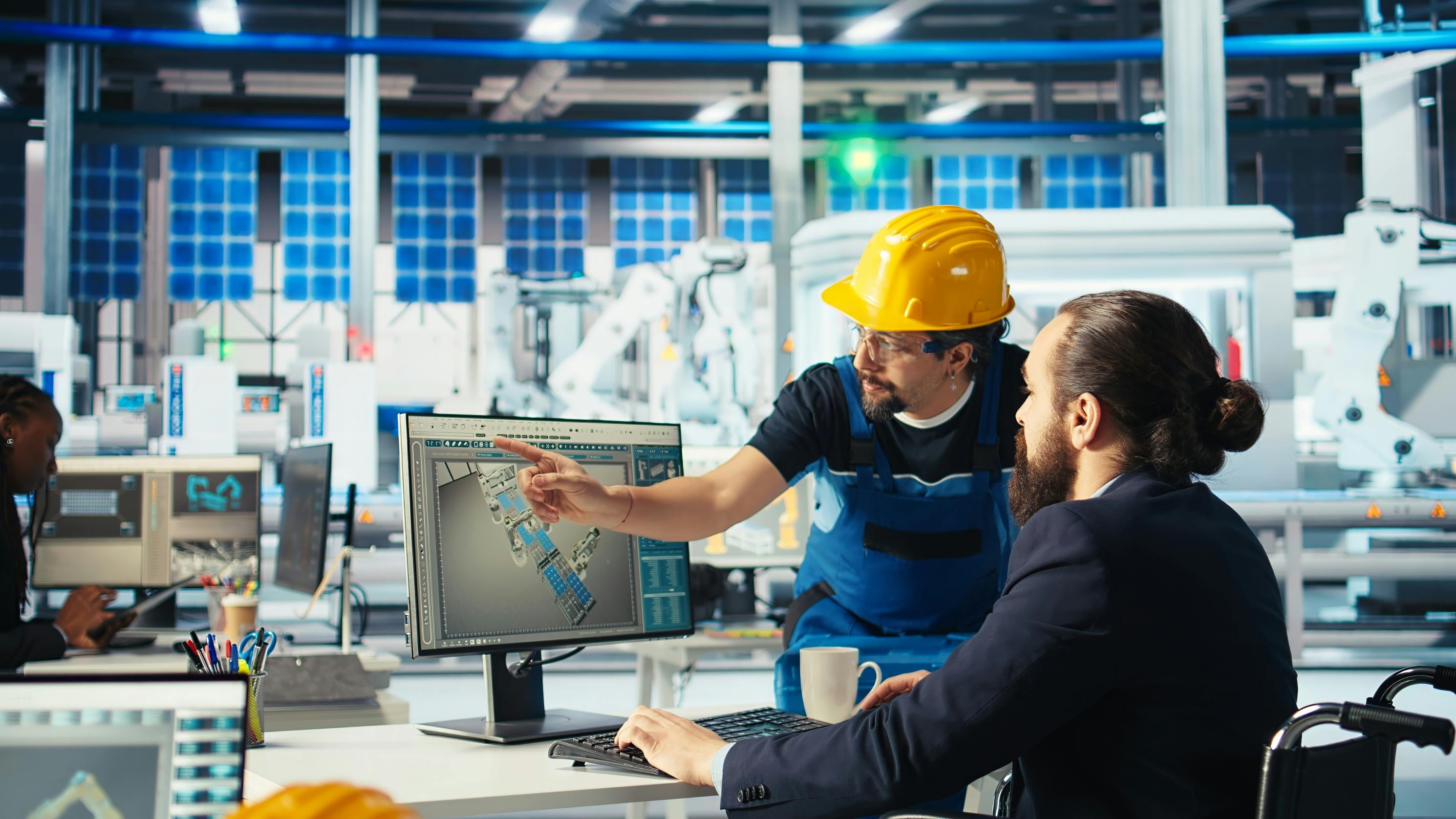
Manufacturers are increasingly frustrated with AI's limited scalability, as pilots often fail to replicate success across different sites. Accenture's research indicates that leading firms are adopting 'systemic AI,' which integrates intelligence directly into production systems, linking decision-making with physical execution across various operational levels. This approach contrasts with previous Industry 4.0 initiatives that focused on isolated automation.
The significance of systemic AI lies in its ability to optimize the entire production lifecycle, from design to execution, thereby preventing errors before they occur. By applying AI early in asset and product development, manufacturers can secure cost and performance efficiencies prior to capital investment. Reports indicate that companies utilizing systemic AI experience substantial efficiency improvements, including a US aerospace manufacturer that eliminated traceability errors during the engineering-to-manufacturing transition.
Looking ahead, manufacturers are encouraged to integrate their systems and data to facilitate real-time decision-making across all functions. This involves overcoming the challenges of connecting enterprise, operational, and engineering systems. A shared semantic layer can enhance AI's reasoning capabilities across these systems, allowing for more consistent actions and improved outcomes in manufacturing processes.
Editor's Note
The shift towards systemic AI represents a critical evolution in industrial automation, emphasizing the need for integrated decision-making across manufacturing processes. This approach not only enhances operational efficiency but also reduces the time to market for new products. As manufacturers navigate this transition, the focus on domain expertise and integration architecture will be vital for maintaining competitive advantage.
Copyright Notice
This briefing is an independently written summary based on publicly available reporting and is provided for industry information and news discovery. The original report and source publication are credited and linked where applicable. RobotToday does not claim ownership of third-party source material.
Rights concerns? If you believe any material in this briefing infringes your copyright or other rights, please contact [email protected] with the relevant URL and details. We will review the matter and take appropriate action where warranted.







Leave a comment