


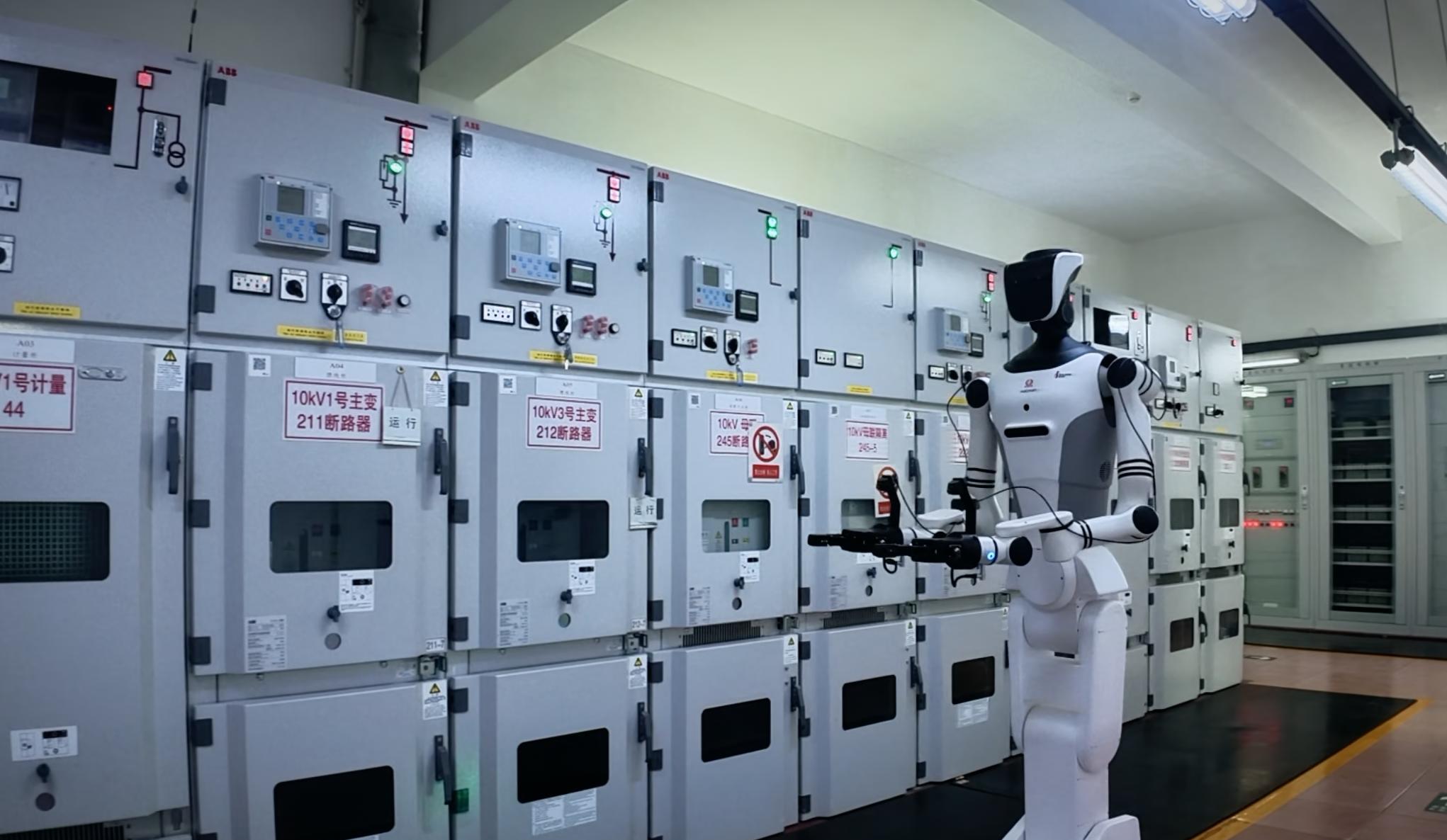
For years, plant floor automation relied on machines performing tasks with speed and precision based on fixed instructions. However, this traditional rule-based approach has limitations, especially in handling complex, variable tasks. Intelligent automation introduces AI capabilities, allowing systems to adapt to real-time conditions, enhancing operational efficiency.
The significance of this transition lies in its potential to reduce maintenance costs by 25 to 30 percent and downtime by 35 to 45 percent through predictive maintenance. By leveraging AI to analyze data from sensors, manufacturers can foresee equipment failures, leading to substantial financial savings and improved productivity on the factory floor.
Looking ahead, the integration of connected sensors, machine learning, and physical automation will continue to drive the evolution of intelligent automation. This convergence is crucial for developing self-optimizing systems that enhance decision-making and operational efficiency. No further timeline was disclosed at the time of publication.
Editor's Note
The shift from traditional automation to intelligent automation represents a significant advancement in manufacturing technology. As industries increasingly adopt AI-driven solutions, the focus will be on optimizing processes and reducing costs. This trend highlights the importance of integrating advanced technologies to enhance productivity and decision-making capabilities on the plant floor.

























Leave a comment