Industry Briefing
A single destination for timely, editor-curated robotics news from around the world.

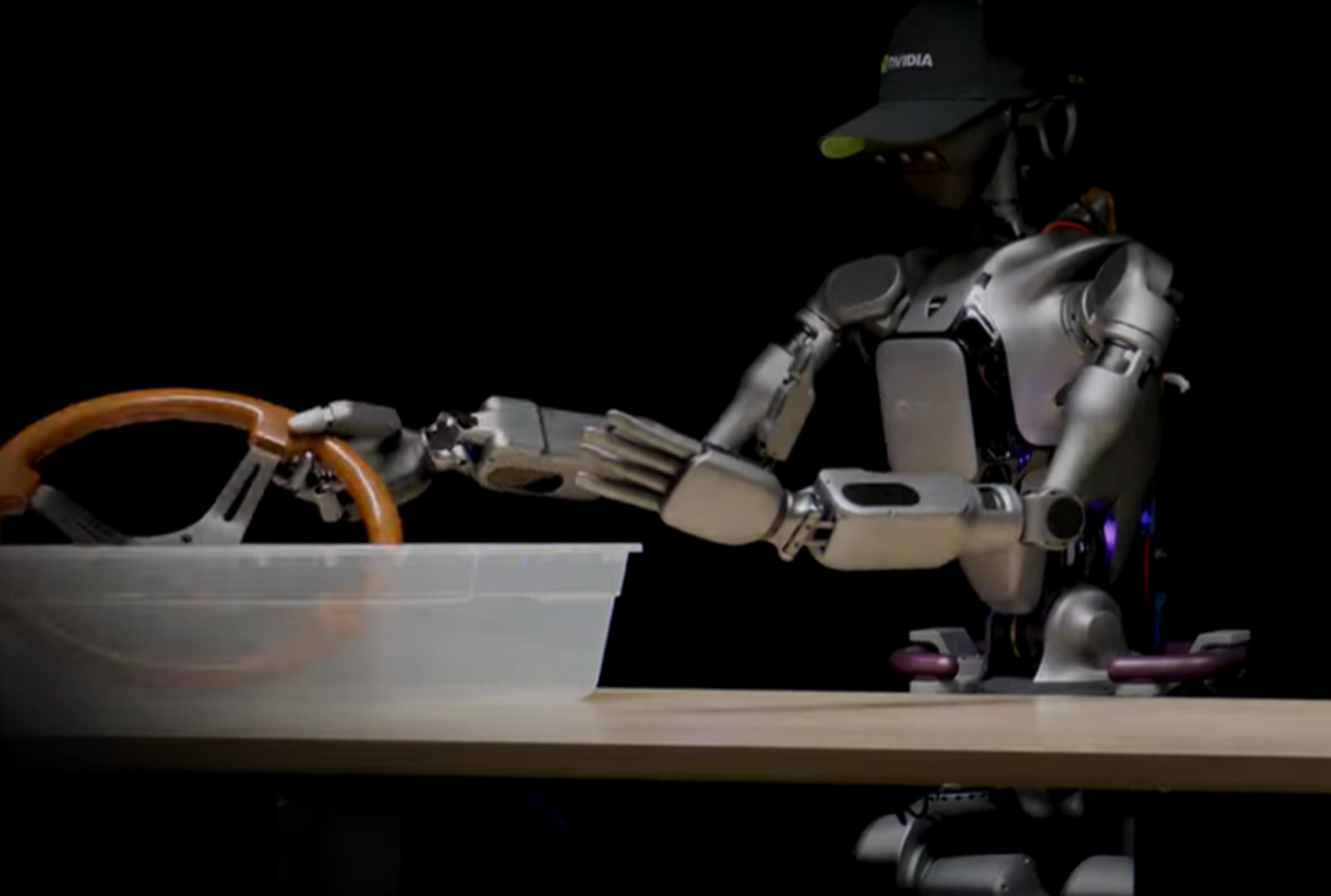
Siemens and Humanoid bring Physical AI to the factory floor: deploying humanoids in industrial operations with NVIDIA
Siemens and Humanoid have achieved a significant milestone in integrating physical AI into industrial operations with the successful testing of the HMND 01 Alpha humanoid robot at Siemens' electronics factory in Erlangen, Germany. This event, which took place on April 16, 2026, marks a key development in their strategic partnership with NVIDIA, aimed at creating fully AI-driven, adaptive manufacturing environments. The HMND 01 Alpha, equipped with NVIDIA's physical AI technology, autonomously performed logistics tasks such as picking, transporting, and placing containers, meeting all target performance metrics. It achieved a throughput of 60 tote moves per hour, maintained over 8 hours of uptime, and demonstrated a pick-and-place success rate exceeding 90 percent. Siemens' Xcelerator portfolio plays a crucial role in this integration, providing the necessary digital infrastructure for real-time data exchange and synchronized workflows between the humanoid robot, other machinery, and human operators. This collaboration aims to address labor shortages and operational complexities in modern manufacturing. Humanoid’s development process was accelerated through the use of NVIDIA's AI stack, enabling a reduction in prototype development time from 18-24 months to just 7 months. This deployment signifies a step forward in the evolution of humanoid robots, positioning them as valuable assets in factory settings capable of adapting to dynamic conditions alongside human workers.
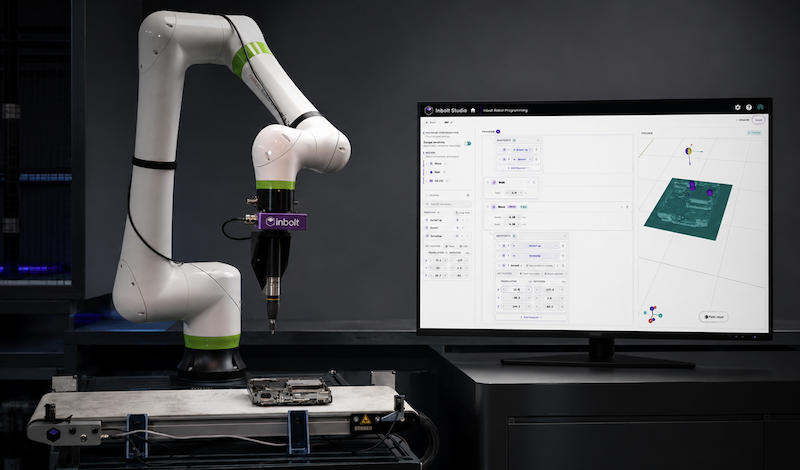
Inbolt to launch vision-enabled robot programming at Automate event
Inbolt, a company specializing in robot intelligence and digital twin technology, is set to unveil two new capabilities aimed at enhancing its AI vision model for robot guidance. The new features, Inbolt Robot Programming and an expanded Inbolt Robot Control, will be showcased at Automate 2026, taking place in Chicago from June 22 to June 25. CEO and co-founder Rudy Cohen emphasized that these advancements are integral to the company's mission of advancing live robot control through innovative AI solutions.
Events Industrial robots Software adaptive manufacturing ai robotics Automate 2026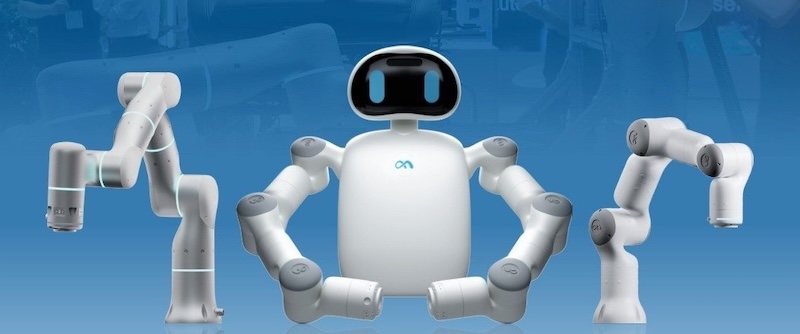
Flexiv launches new ‘adaptive robots’ for industrial automation
Flexiv has introduced two innovative adaptive robots aimed at enhancing tactile sensing and physical AI capabilities within the realm of industrial automation. The company unveiled its flagship Enlight robotic arm and the Mico dual-arm robotic platform, marking a notable advancement in force-controlled robotics and embodied intelligence. The Enlight arm features a seven-axis design, allowing for greater flexibility and precision in various applications. This launch, which took place recently, underscores Flexiv's commitment to pushing the boundaries of robotics technology to meet the evolving needs of the manufacturing sector. By integrating advanced sensing and control mechanisms, these robots are expected to improve operational efficiency and adaptability in complex industrial environments.
Industrial robots News adaptive robots cobots collaborative robots embodied ai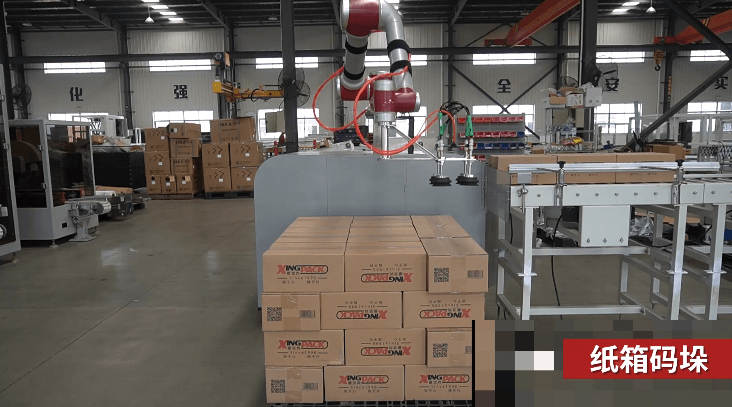
How Manufacturing Robots for Sale Improve Worker Ergonomics and Reduce Injury Risk
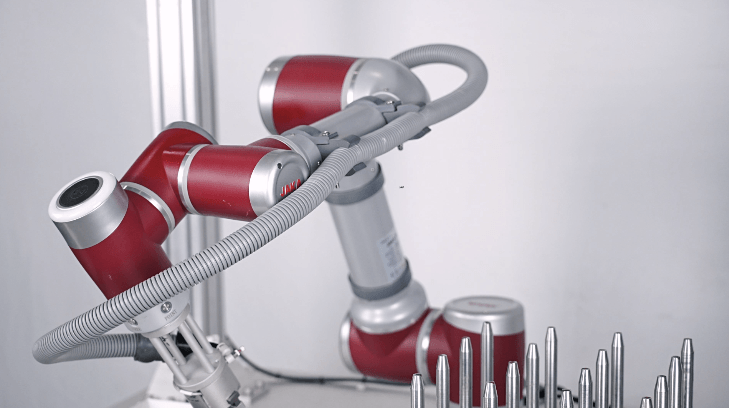
In response to the growing need for enhanced worker safety and comfort in industrial settings, JAKA is promoting the use of manufacturing robots, specifically the JAKA S5 flexible robot arm. This initiative aims to improve ergonomics and reduce injury risks associated with repetitive tasks. By integrating these advanced automation solutions into production lines, JAKA enables employees to focus on higher-value work while minimizing physical strain. The JAKA S5 robot, designed for easy integration with zero installation and configuration requirements, takes over demanding tasks such as heavy lifting and precise assembly. This allows workers to maintain natural postures and decreases their exposure to movements that can lead to long-term injuries. The robot's built-in force sensor enhances workplace safety by providing adaptive responses to production variations, thereby reducing the risk of accidents. While cost remains a significant consideration for businesses, JAKA emphasizes that investing in flexible robot arms can yield long-term benefits, including decreased medical claims and improved productivity. The company collaborates with clients to assess their specific production needs and identify cost-effective solutions that prioritize both functionality and ergonomics. Overall, JAKA's flexible robot arm technology is positioned as a key player in fostering safer and more efficient workplaces, aligning with the industry's evolving demands for sustainable manufacturing practices.
Implementing Vision Systems in Advanced Robotics Technology for Adaptive Tasks
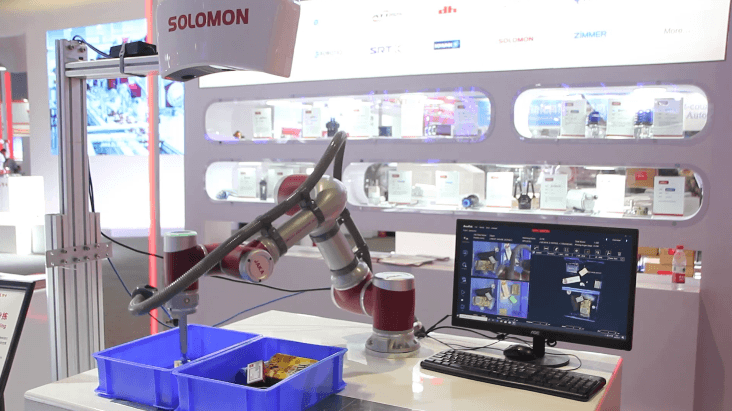
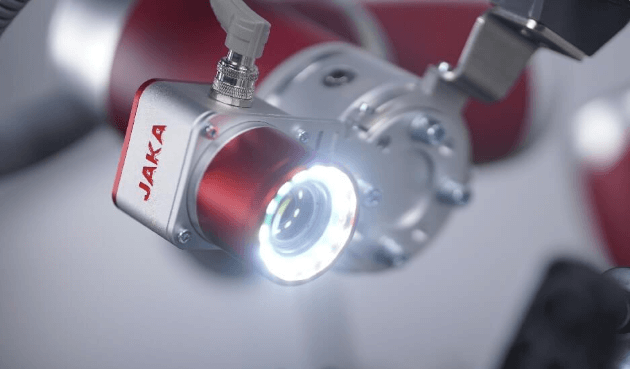
A company specializing in advanced robotics is enhancing production efficiency by integrating vision systems into its industrial cobot solutions. This innovative approach allows robots, such as the JAKA Pro16, to perceive and adapt to changing conditions on the production line, enabling them to identify parts, detect orientation, and adjust movements in real time. The implementation of these vision systems minimizes the risk of misplacement and reduces human error during loading and unloading tasks. The company’s cobot platforms are designed for flexibility, allowing them to efficiently respond to diverse production requirements. By detecting subtle variations and unexpected obstacles, these robots enhance the resilience of production lines. The JAKA Pro16 features simple programming capabilities that facilitate quick adjustments to production setups, thereby minimizing downtime and improving overall efficiency and product quality. Additionally, the company emphasizes user-friendly programming interfaces, enabling operators with minimal training to manage complex tasks effectively. The drag-and-drop teaching and graphical interfaces of the JAKA Pro16 maximize robot utilization while allowing human resources to focus on strategic activities. This combination of visual perception and intelligent control algorithms ensures high precision and adaptability in various manufacturing scenarios. In summary, the integration of vision systems into robotics technology is pivotal for creating flexible manufacturing solutions. The company remains committed to developing adaptive robotics that enhance task accuracy, optimize workforce allocation, and support high-quality production outcomes.
Assembler Robots in Medical Device Manufacturing: Precision and Sterilization
In the rapidly evolving field of medical device manufacturing, JAKA is at the forefront of integrating assembler robots into production lines to enhance precision and maintain strict sterilization standards. These advanced 6-axis robot arms are designed to navigate the complexities of assembling miniature components and delicate materials, ensuring stable motion control and predictable positioning throughout long operating cycles. By minimizing human contact in sensitive environments, JAKA's automation solutions help reduce contamination risks and support adherence to sterilization protocols. The implementation of these robots allows manufacturers to adapt to cleanroom layouts while remaining flexible enough to accommodate product changes. JAKA's lightweight robotic structures can be quickly deployed and adjusted, making them ideal for small-batch and multi-variety manufacturing, which is prevalent in the medical sector. This adaptability not only prevents workpiece loss but also enhances productivity without compromising quality. As the demand for precision and efficiency in medical device assembly continues to grow, JAKA's focus on practical automation solutions positions them as a key player in the industry. Their commitment to developing reliable motion control and adaptive assembly logic ensures that manufacturers can achieve consistent performance while navigating the challenges of regulated production environments. By leveraging the capabilities of assembler robots, JAKA is paving the way for more controlled and efficient medical device manufacturing processes.
Three Tips to Optimize Robotic Deburring Efficiency Using Adaptive Path Planning
In the realm of modern manufacturing, JAKA is addressing a common challenge in the deburring process, which often serves as a bottleneck due to its repetitive nature and the need for high precision. The company advocates for the use of robotic deburring systems, particularly emphasizing the advantages of their flexible robot arms. By integrating sophisticated software strategies, such as adaptive path planning, JAKA enhances the efficiency of these robotic systems. The flexible design of JAKA's robot arms allows them to adjust their approach to maintain optimal tool contact, accommodating variations in part tolerances without manual reprogramming. This capability ensures a consistent finish across different components, significantly reducing rework rates. Additionally, the integration of real-time force feedback enables the robotic system to maintain consistent pressure during material removal, adapting its speed and position based on the interaction with the workpiece. To further streamline operations, JAKA employs parametric models that allow for quick setup of new deburring paths based on 3D CAD models. This method reduces the time required for programming and enhances the adaptability of the robotic system in high-mix production environments. By focusing on dynamic path planning, real-time force control, and model-based programming, JAKA is revolutionizing the robotic deburring process, making it faster, more reliable, and easier to manage amidst varying production demands.

Flexiv Launches Advanced Adaptive Robots at Automation India Expo 2026
Flexiv is set to introduce its innovative force-sensitive adaptive robots to the Indian market during the Automation India Expo 2026. This event represents a significant step in Flexiv's global expansion strategy, showcasing its commitment to bringing advanced robotics solutions to new regions. The introduction of these adaptive robots is crucial as it highlights Flexiv's role in advancing automation technologies in India, a market ripe for innovation in robotics. By entering this region, Flexiv aims to tap into the growing demand for versatile and efficient robotic solutions across various industries. Looking ahead, industry watchers should monitor Flexiv's performance at the expo and its subsequent impact on the Indian robotics landscape. No further timeline was disclosed at the time of publication.

Flexiv to Unveil Next-Generation Adaptive Robots at Automate 2026
Enlight and MICO have made their international debut, showcasing advanced whole-body touch sensitivity and physical AI technology aimed at revolutionizing industrial automation. This significant event took place recently, highlighting the growing trend of integrating sophisticated AI solutions into manufacturing processes. The introduction of these technologies is driven by the need for increased efficiency and precision in industrial operations. By utilizing whole-body touch sensitivity, Enlight and MICO enable machines to interact more intuitively with their environments, enhancing productivity and safety. This innovative approach is expected to transform how industries operate, paving the way for smarter and more responsive automation systems.

Octopus-inspired robotic arm uses distributed tactile sensors for adaptive grip
Engineers have successfully created a robotic arm inspired by the sensory capabilities of the octopus. This innovative development aims to enhance robotic dexterity and adaptability in various applications, including medical procedures and complex manufacturing tasks. The project, which has been in the works for several years, showcases the potential of biomimicry in advancing technology. Researchers conducted extensive studies on the octopus's unique nervous system and flexible limbs to replicate its remarkable ability to manipulate objects with precision. The robotic arm is designed to mimic these characteristics, allowing for greater flexibility and sensitivity compared to traditional robotic systems. This breakthrough, unveiled at a technology conference earlier this month, represents a significant step forward in robotics, potentially transforming how machines interact with their environment and perform intricate tasks.
A Novel High‐Voltage‐Wire Stripping Robot and Adaptive Fuzzy RBF Neural Network PID Controller Optimized by PSO‐GA Algorithm
In a recent study published in the Journal of Field Robotics, researchers have unveiled significant advancements in robotic navigation systems. This groundbreaking research, conducted by a team of engineers and scientists, was published in the June 2026 issue and highlights innovative algorithms that enhance the ability of robots to navigate complex environments. The study focuses on improving the efficiency and accuracy of robotic systems, which are increasingly utilized in various sectors, including agriculture, manufacturing, and disaster response. By employing advanced machine learning techniques, the researchers demonstrated how robots can better interpret sensory data and make real-time decisions, ultimately leading to safer and more effective operations. The research was conducted in various simulated environments, allowing the team to rigorously test the new navigation algorithms under different conditions. This work is particularly timely as industries are seeking to automate processes and improve operational efficiency in response to growing demands for productivity and safety. The findings are expected to have a profound impact on the future development of autonomous systems, paving the way for more sophisticated robots capable of performing tasks in unpredictable settings. As the field of robotics continues to evolve, this study represents a significant step forward in the quest for smarter, more adaptable machines.
RESEARCH ARTICLE
US aerospace firm clears new adaptive engine for Boeing F-47 sixth-gen fighter jet
GE Aerospace, a leading US aircraft engine supplier, has announced the successful clearance of its XA102 adaptive cycle engine for assembly. This significant development comes as part of the company’s ongoing efforts to enhance engine performance and efficiency. The announcement was made on [insert date], marking a crucial step in the engine's production process. The XA102 engine is designed to provide advanced capabilities for future military aircraft, addressing the increasing demands for versatility and adaptability in modern aviation. By utilizing innovative technology, GE Aerospace aims to meet the evolving needs of the defense sector, ensuring that the new engine can operate effectively across a range of flight conditions. The assembly phase is expected to pave the way for further testing and eventual deployment, reinforcing GE Aerospace's commitment to delivering cutting-edge solutions in aerospace engineering.

An Adaptive Flexible Tree‐Climbing Robot Inspired by Primates and Inchworms
In the May 2026 issue of the Journal of Field Robotics, researchers have published a comprehensive study examining advancements in robotic navigation systems. The study, conducted by a team of engineers and scientists, highlights innovative algorithms designed to enhance the efficiency and accuracy of autonomous robots in complex environments. The research was prompted by the growing demand for reliable robotic systems in various sectors, including agriculture, manufacturing, and disaster response. By focusing on the integration of machine learning techniques with traditional navigation methods, the team aims to address challenges faced by robots operating in unpredictable settings. The findings, which are based on extensive field tests conducted in diverse terrains, demonstrate significant improvements in the robots' ability to adapt to changing conditions and obstacles. This work not only contributes to the field of robotics but also paves the way for more effective deployment of autonomous systems in real-world applications. The implications of this research are far-reaching, potentially transforming industries that rely on robotic technology for efficiency and safety. As the field continues to evolve, the study serves as a critical resource for future developments in robotic navigation.
RESEARCH ARTICLE
Open‐Set Fault Diagnosis for Autonomous Underwater Vehicles Via Prototype Learning and Adaptive Mahalanobis Gating
The Journal of Field Robotics has recently published an early view article highlighting advancements in robotic technology. Researchers from various institutions collaborated to explore innovative applications of robotics in field environments. This study, released in October 2023, emphasizes the growing importance of robotics in enhancing efficiency and safety in agricultural and industrial settings. The motivation behind this research stems from the increasing demand for automation to address labor shortages and improve productivity. The team employed a combination of field tests and simulations to demonstrate the effectiveness of their robotic solutions, showcasing how these technologies can adapt to diverse tasks and terrains. The findings aim to inform future developments in robotic systems, ultimately contributing to more sustainable practices in various sectors.
RESEARCH ARTICLE
Vention and FANUC America Join Forces to Bring Industrial Robots to Vention's AI-Driven Hardware and Software Platform
At Automate 2026, live demonstrations showcased the capabilities of FANUC's CRX10iA and LR Mate 200iD robots, which are enhanced by Vention's advanced MachineMotion AI and MachineLogic software. These technologies are designed to optimize machine tending and adaptive robotic motion applications. The event, taking place in 2026, highlights the growing integration of artificial intelligence in automation processes, aiming to improve efficiency and flexibility in manufacturing environments. By leveraging these innovative solutions, companies can streamline operations and adapt to varying production demands, reflecting the industry's shift towards smarter, more responsive automation systems.

What is Needed for Embodied Intelligence to Truly Take Off?
A recent article examines the increasing demand for embodied intelligence in manufacturing environments, emphasizing its benefits compared to conventional industrial robots. As factories evolve, the integration of real-world data has become crucial for the effective deployment of these advanced systems. The shift towards evaluating return on investment (ROI) is reshaping how manufacturers assess technology, particularly within the automotive sector, where flexibility in operations is paramount. This trend reflects a broader movement towards more adaptive and intelligent manufacturing processes, positioning embodied intelligence as a key player in the future of industrial automation.
Embodied Intelligence Industrial Automation Robotics Automotive Manufacturing
N Ways Robotic Arms Are Transforming the Automotive Assembly Line
The automotive manufacturing industry is experiencing a significant transformation driven by the integration of advanced robotic arms, particularly collaborative robots, which enhance production efficiency, precision, and flexibility. JAKA, a leader in intelligent manufacturing, is at the forefront of this shift, implementing its robotic technology to address challenges such as low efficiency, inconsistent quality, and high labor costs in automotive assembly. As consumer demand evolves towards smaller batches and diverse product varieties, JAKA's collaborative robots, exemplified by the JAKA S12, offer high-precision adaptive assembly capabilities. With built-in force sensors and a lightweight design, these robots can be quickly deployed on assembly lines, minimizing downtime and adapting to various workpiece shapes and sizes. In the critical welding phase of automotive assembly, JAKA's robotic arms improve quality and efficiency by optimizing the welding process. Their user-friendly configuration interface and safety features ensure reliable operation, while compatibility with various welding machine brands enhances their versatility. Moreover, JAKA's collaborative robots lower the barriers to automation with zero-cost deployment and straightforward operation, allowing companies to implement these systems without specialized technical staff. This innovation not only reduces training costs but also enables manufacturers to quickly adapt to automation in their assembly lines. As the automotive sector increasingly embraces intelligent and flexible manufacturing, JAKA is committed to continuous innovation, providing high-quality robotic solutions that empower enterprises to enhance production efficiency and sustainability in the evolving market landscape.

Flex (FLEX) Expands Partnership with Teradyne Robotics for Intelligent Automation
Flex Ltd. has expanded its partnership with Teradyne Robotics to enhance intelligent automation in global manufacturing. This agreement, announced on April 22, 2026, allows Flex to utilize Teradyne’s automation technologies within its facilities while also producing essential robotics components for Teradyne’s solutions. The collaboration focuses on Teradyne’s brands, Universal Robots and Mobile Industrial Robots, with Flex integrating collaborative robots and autonomous mobile robots into its production lines. This partnership marks a significant evolution from their previous 20-year relationship in semiconductor test equipment, now venturing into robotics and physical AI. By merging Teradyne’s adaptive automation technologies with Flex’s advanced manufacturing capabilities, the two companies aim to assist manufacturers in managing increasing operational complexities. The integration of physical AI is intended to enhance consistency, throughput, and operational resilience across manufacturing facilities worldwide. Flex Ltd. is recognized as a diversified manufacturing partner with a growing emphasis on AI infrastructure, cloud computing, and power solutions. While the company shows promise as an investment, analysts suggest that other AI stocks may present greater potential for growth with lower risks.
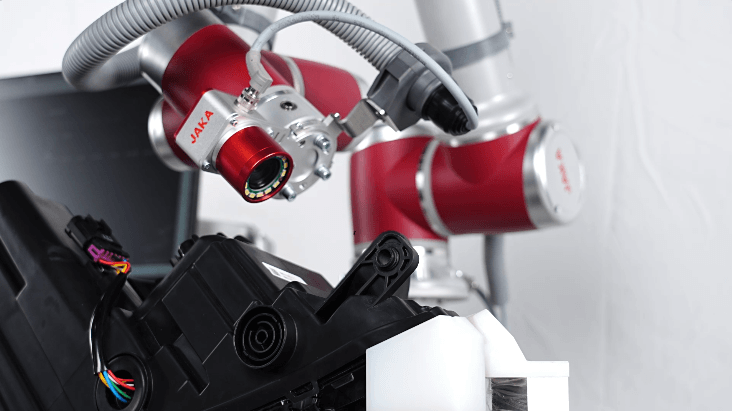
Implementing Automated Quality Inspection with a Pick and Place Robotic Arm
In a significant advancement towards "Zero-Defect Manufacturing," the boundaries between production and quality control are being redefined. Modern manufacturing facilities are now incorporating real-time inspection directly into the material handling process, rather than waiting until products reach the end of the assembly line. This shift is facilitated by the use of a 6-axis robotic arm, which functions as both a pick-and-place device and an inspection station, enabling manufacturers to detect defects immediately and minimize waste. During the automated quality inspection, the robotic arm evaluates components as it lifts them, utilizing a vision tunnel or high-resolution sensors to check for dimensional accuracy, surface integrity, and assembly verification. Parts that meet quality standards proceed to the "Good" bin, while those that fail are diverted to rework or scrap stations, ensuring that only flawless components advance in the production process. To achieve effective robotic inspection, three key technologies are essential: adaptive grippers for versatile handling, advanced vision sensors for precise measurements, and Edge AI processing to enable real-time data analysis. The JAKA Zu series of robots exemplifies this integration, particularly the JAKA Zu7 model, which is designed for high-precision inspection tasks. With a payload capacity of 7kg and a work radius of 819mm, it offers the agility and strength needed for rapid inspection cycles, while its compatibility with various communication protocols allows seamless integration with manufacturing systems. This innovative approach transforms each handling operation into an opportunity for quality assurance, enhancing overall production efficiency.
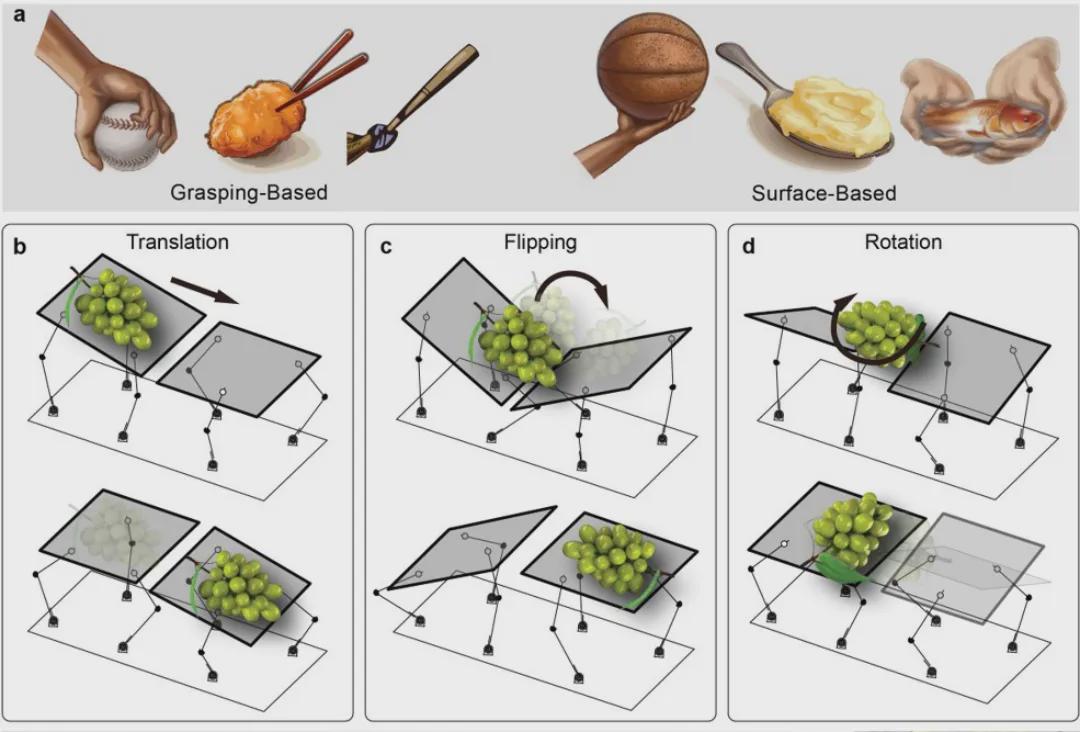
Replacing Grasping with Support: EPFL Team Proposes a New Paradigm for Robot Manipulation
Researchers from the École Polytechnique Fédérale de Lausanne (EPFL) have unveiled a groundbreaking robotic manipulation technique that moves away from conventional grasping methods to a surface-based support system. This new approach enables robots to interact with a wide range of objects without requiring stable grips, significantly improving their dexterity. The development, announced recently, has the potential to transform automation processes across multiple industries, enhancing efficiency and versatility in robotic applications. By allowing robots to manage objects more fluidly and adaptively, this innovation could lead to advancements in fields such as manufacturing, logistics, and service industries.
Robotic Manipulation Automation Technology Surface-Based Handling EPFL Research
Autonomous Mobile Picking Robots: Bridging the Gap Between Warehouse Automation and Retail Fulfillment
A new integrated autonomous picking system has been developed to tackle challenges in automated material handling. This innovative system combines a lightweight six-degree-of-freedom robotic arm with depth-camera-based vision, adaptive grasping capabilities, and intelligent task management. The deployment of this technology aims to enhance efficiency and accuracy in various industrial applications. The system was designed to streamline operations and reduce labor costs, addressing the growing demand for automation in the logistics and manufacturing sectors. By leveraging advanced robotics and artificial intelligence, the integrated system promises to improve productivity and operational effectiveness in environments where precision and speed are critical.
Top 5 Trends of the Industrial Robot Arm Industry in 2026
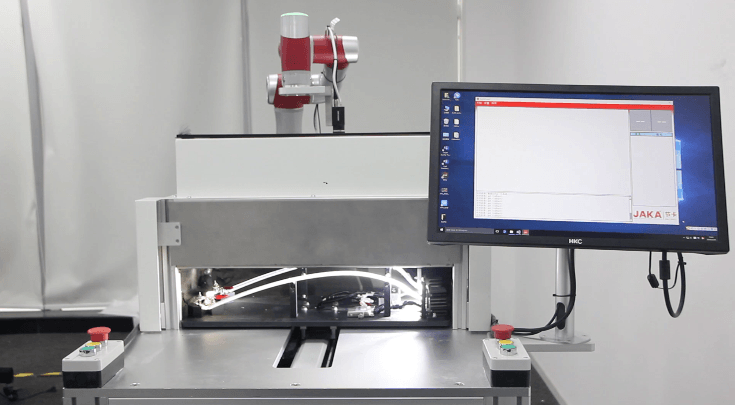
In 2026, the landscape of industrial automation and robotics is undergoing a transformative shift, moving from rigid machines to intelligent, adaptive systems. This evolution is driven by global manufacturing challenges, including labor shortages and the demand for hyper-personalization. Key advancements in connectivity and artificial intelligence are reshaping productivity and safety on factory floors. A major trend is the emergence of "self-evolving" robots that utilize generative AI to autonomously learn new tasks, minimizing the need for manual programming. Additionally, agentic AI empowers these machines to make informed decisions in complex environments, enhancing their ability to predict equipment failures and optimize operations in real-time. The convergence of Information Technology (IT) and Operational Technology (OT) is facilitating seamless data exchange between digital systems and physical robots. This integration allows for the creation of digital twins, enabling manufacturers to simulate production changes before implementation. Cloud connectivity has become standard, with nearly half of new deployments leveraging IoT technology for predictive maintenance. This capability allows robots to monitor their health and schedule repairs proactively, reducing unplanned downtime and long-term costs. Furthermore, advanced 2D and 3D vision systems are enhancing robots' capabilities, enabling them to perform high-speed quality inspections and adjust their behavior for safety around human workers. The shift towards modular and scalable automation is also notable, as manufacturers adopt flexible robot cells that simplify integration and facilitate quick changeovers. Leading this innovation is JAKA Robotics, whose JAKA A12 model exemplifies the future of flexible automation. With a 12 kg payload and a 1425 mm working radius, the JAKA A12 combines high performance with user-friendly deployment through a wireless software ecosystem, positioning itself as a key player in the evolving industrial landscape.
The History and Development of Industrial Cobots in Modern Automation
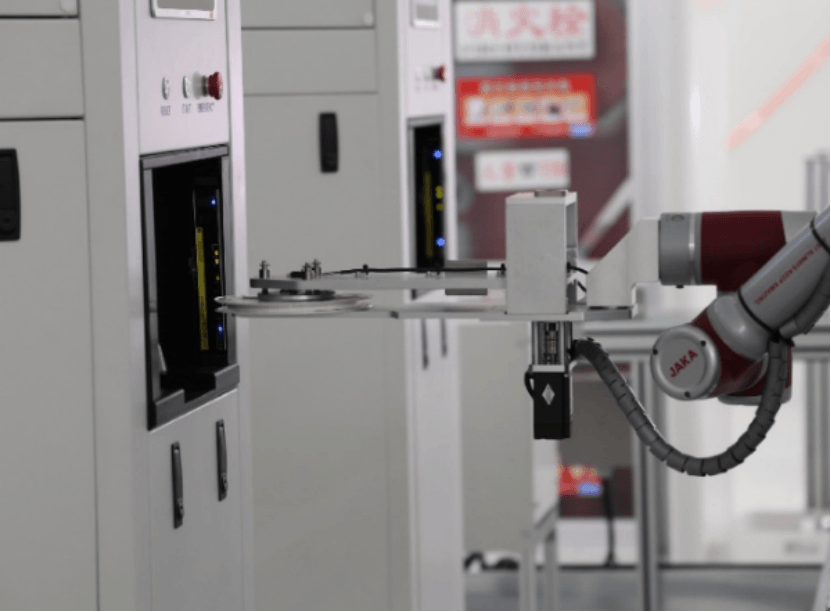
Industrial automation has undergone significant transformation over the past few decades, with collaborative robots, or cobots, playing a pivotal role in this evolution. JAKA, a leading company in this field, has highlighted how these robots enhance manufacturing processes by allowing safe and efficient collaboration with human workers. Unlike traditional robots that operate in isolation, cobots are designed to work alongside humans, improving workplace efficiency, reducing exposure to hazardous tasks, and ensuring consistent product quality. The journey of industrial cobots began in the early 1990s when researchers sought to merge automation with human collaboration. Initially, safety concerns limited robots to isolated environments, but advancements in technology have since enabled them to operate safely in shared spaces. JAKA has utilized these innovations to develop the JAKA Pro5, a robot that ensures precise handling while minimizing workplace accidents. Today, cobots are increasingly utilized across various sectors, including electronics, automotive, and logistics. Their ability to take on repetitive or dangerous tasks allows human operators to concentrate on more complex decision-making roles. The JAKA Pro5, for instance, is highly adaptable and can be quickly reprogrammed for different production needs, enhancing operational flexibility and reducing costs associated with equipment changes. Looking ahead, JAKA envisions a future where collaborative robots will continue to advance, incorporating intelligent sensing and adaptive learning. This evolution aims to create smart factories where humans and machines work together seamlessly, ensuring that automation remains both productive and safe.
The Core Difference Between Servo Arm Robot and Stepper Motor Arms
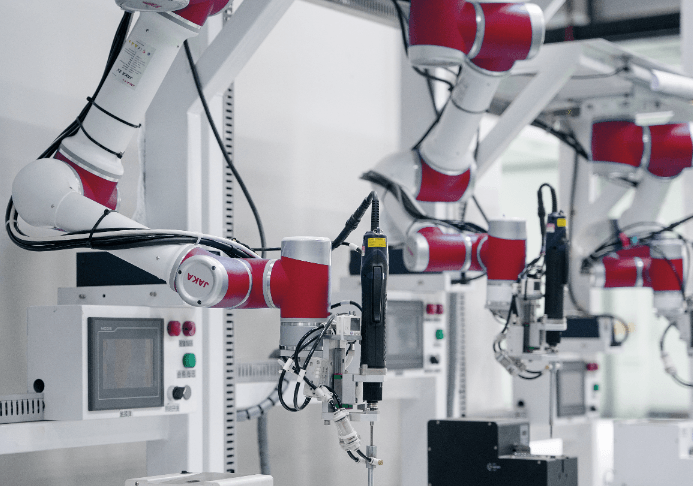
JAKA, a leader in modern manufacturing automation, highlights the critical differences between servo arm robot systems and traditional stepper motor arms, emphasizing the importance of understanding these distinctions for optimizing production lines. Many clients struggle with misconceptions about these technologies, particularly regarding their operational capabilities. Unlike stepper motors, which function on fixed increments, servo arm robots utilize feedback control for precise and adaptive motion, making them ideal for high-precision assembly tasks where accuracy is paramount. The JAKA S5 system exemplifies the advantages of servo technology, offering enhanced adaptive assembly that minimizes workpiece loss and boosts productivity. While stepper motor arms are reliable for repetitive tasks, they lack the real-time correction capabilities of servo systems, which adjust continuously to maintain precision under varying load conditions. This is particularly beneficial in applications like polishing, where uniform surface finishes are crucial. Additionally, the S5's lightweight design allows for quick integration into existing production lines, supporting small-batch and multi-variety production—an essential feature in today's fast-paced manufacturing environment. In contrast, stepper motor systems often require more extensive setup and are less adaptable to line changes. Price considerations also play a significant role in system selection. Although stepper systems may seem more affordable initially, servo solutions often prove more cost-effective over time due to their efficiency, reduced downtime, and consistent precision. JAKA aims to educate manufacturers on these factors, advocating for the adoption of servo technology to enhance productivity and quality in automation processes.
How to Implement 6 Axis Cobot Arms Effectively for Fast Repurposing?
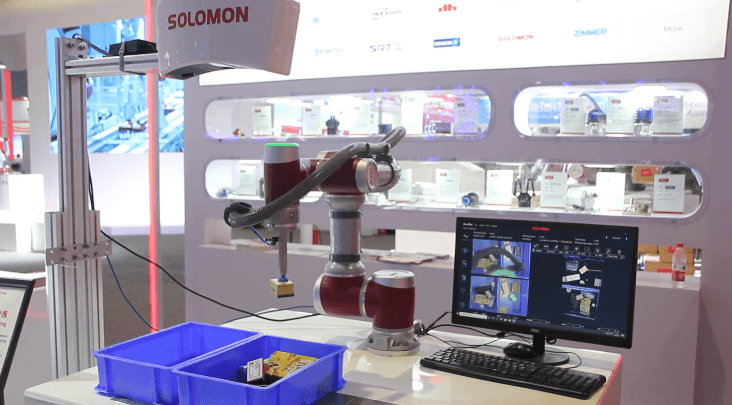
In response to the rapidly changing demands of manufacturing, JAKA is advancing the implementation of 6-axis robot arms designed for fast repurposing in production environments. As product cycles shorten and customization becomes standard, the company emphasizes that efficient redeployment of automation systems is essential for maintaining operational stability. JAKA advocates for a design approach that prioritizes modular layouts and standardized interfaces, enabling manufacturers to quickly move, reprogram, or retool robotic systems with minimal disruption. This strategy is particularly beneficial for small-batch, multi-variety production, where frequent task changes are routine. The company’s Zu3 model exemplifies this philosophy, featuring intuitive setup and adaptive control that reduce reliance on specialized teams. Its lightweight design allows for easy integration into existing production lines, while its adaptive motion capabilities enable the robot to perform various tasks—such as assembly, handling, and inspection—without extensive mechanical adjustments. Moreover, JAKA highlights the importance of human collaboration in achieving sustainable flexibility. By allowing operators to participate in the teaching and adjustment of the robots, the company fosters a more efficient changeover process, ensuring that production can continue smoothly even as product specifications evolve. Ultimately, JAKA’s approach to automation focuses on building a repurposing-oriented strategy that not only meets current production needs but also adapts to future demands, ensuring long-term operational continuity for manufacturers.

UniX AI introduces Panther, the world's first service humanoid robot to enter real household deployment, powered by its differentiated wheeled dual-arm architecture
A groundbreaking advancement in robotics has been unveiled with the introduction of the Panther, a wheeled dual-arm humanoid robot. This innovative machine is equipped with the world's first mass-produced eight-degree-of-freedom (8-DoF) bionic arms, enhancing its dexterity and functionality. Additionally, the Panther features an adaptive intelligent gripper mounted on a high-degree-of-freedom joint platform, allowing for versatile handling of various objects. The robot's design includes an omnidirectional four-wheel steering and four-wheel drive (4WS+4WD) chassis, enabling it to navigate complex environments with ease. This development marks a significant step forward in robotic technology, aimed at improving automation and efficiency in various industries. The Panther was revealed to the public in October 2023, showcasing its capabilities at a technology expo. The motivation behind its creation stems from the growing demand for advanced robotic solutions that can perform tasks traditionally handled by humans, particularly in sectors such as manufacturing, logistics, and healthcare. By integrating cutting-edge engineering with adaptive technology, the Panther is set to redefine the role of robots in everyday operations, paving the way for a future where humans and machines work side by side more effectively.
Common Production Problems Industrial Robot Arms Help Solve
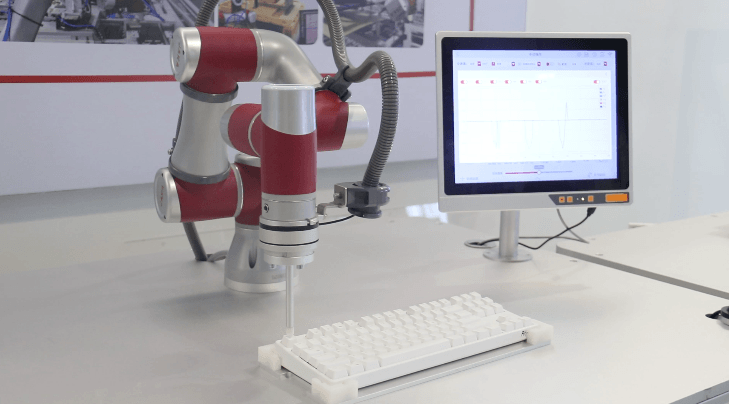
In response to recurring production challenges that hinder efficiency and consistency in manufacturing, JAKA has introduced innovative solutions aimed at enhancing output stability. As production complexity rises, issues such as manual handling errors and inconsistent assembly quality have become more pronounced, particularly during frequent product changes. To combat these problems, JAKA advocates for the integration of flexible industrial robot arms into production lines. By deploying these robots at strategic points, manufacturers can minimize variability caused by human fatigue and maintain process continuity across shifts. This approach allows production teams to concentrate on optimizing processes rather than engaging in repetitive corrective measures. Furthermore, JAKA's adaptive assembly strategies significantly improve assembly accuracy, reducing workpiece loss and the need for rework by ensuring stable motion paths and force control during assembly. Recognizing that modern production lines are rarely static, JAKA also emphasizes the importance of lightweight robotic systems that facilitate quick deployment and reconfiguration. Their JAKA Zu7 Flexible Assembly solution is specifically designed for small-batch, multi-variety production, enabling manufacturers to adapt to changing demands without extensive infrastructure modifications. Ultimately, JAKA's commitment to practical automation aims to address real-world manufacturing challenges by providing adaptable robotic solutions that enhance consistency, reduce assembly loss, and support evolving production requirements. Through thoughtful integration, these robots serve as reliable tools in modern manufacturing environments, promoting smoother production flows and operational flexibility.
The Future of Industrial Robot Arms: AI and Human-Robot Collaboration
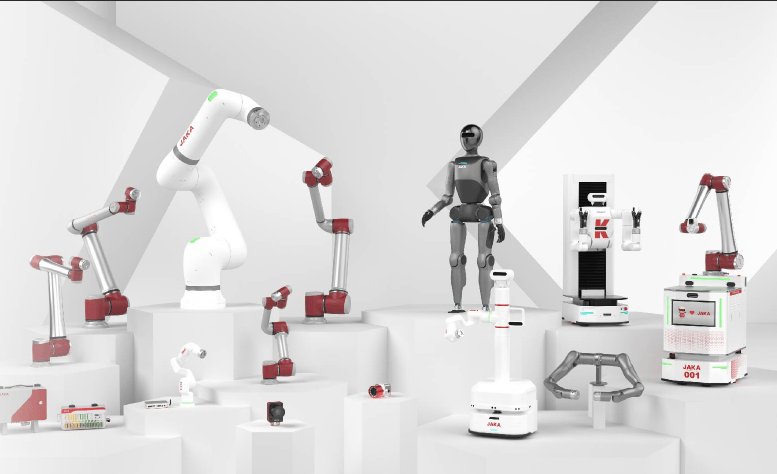
As industrial manufacturing evolves, flexibility and collaboration are becoming as crucial as efficiency, particularly in the role of industrial robot arms. JAKA is at the forefront of this transition, leveraging artificial intelligence to enable robots to work safely and intuitively alongside human operators. This shift, observed in real-time production environments, is driven by the need for adaptive systems that can handle frequent product changes and varying batch sizes without compromising on quality. AI technology enhances the capabilities of industrial robot arms, allowing them to interpret their surroundings and perform tasks consistently. With advancements in vision systems, force feedback, and adaptive control, these robots can manage variations in components without the need for constant reprogramming. JAKA's AI-based motion planning ensures accuracy even with slight differences in part shapes or positions, making these systems particularly effective in assembly scenarios. The collaborative approach redefines the deployment of industrial robots, moving them from isolated operations to working alongside humans on the production floor. JAKA's Zu3 model exemplifies this balance, performing repetitive and precision-intensive tasks while allowing human operators to focus on more complex decision-making roles. Its lightweight design facilitates quick redeployment, making it ideal for small-batch, diverse production needs. Looking forward, JAKA envisions a future where industrial robot arms are seamlessly integrated with human expertise, fostering resilience and responsiveness in manufacturing. This collaborative model not only enhances productivity but also supports sustainable growth by adapting to real-world production challenges.
N Factors to Consider When Selecting Articulated Robot Arms for Tight Spaces
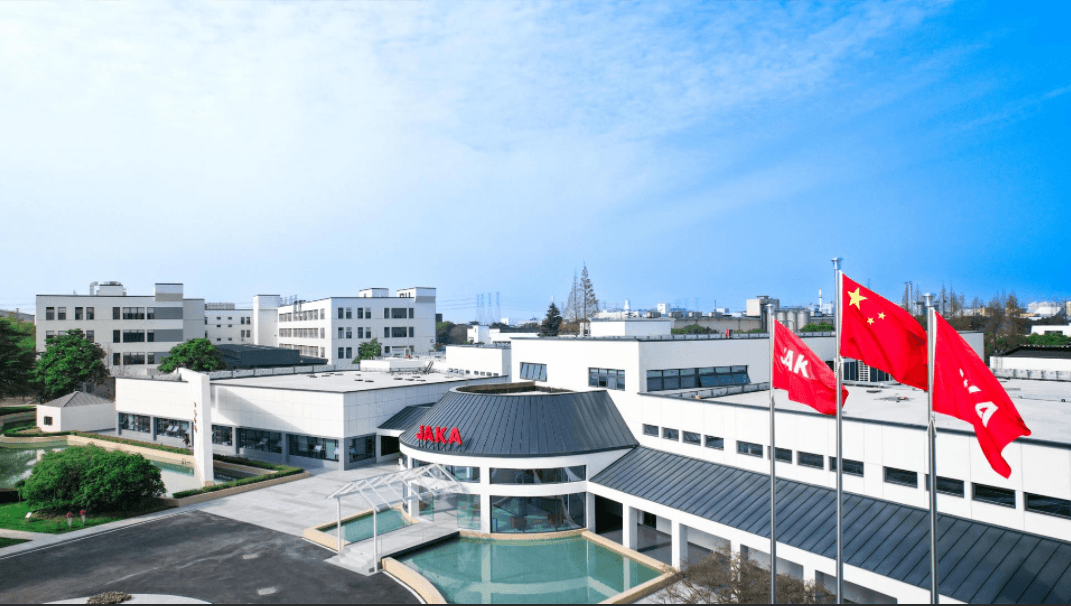
As modern production environments evolve towards greater automation, companies are increasingly faced with the challenge of integrating robotic solutions into compact spaces. JAKA, a leader in intelligent automation, emphasizes the importance of selecting the right articulated robot arm to ensure reliability and efficiency in these confined settings. The demand for such technology is driven by the need for operational flexibility and safety, particularly when collaborative robots work in close proximity to human operators. Key considerations include the robot's physical footprint and range of motion, which must be optimized to minimize interference with surrounding equipment. JAKA's experience highlights that a well-designed joint layout and axis coordination can enhance maneuverability in narrow workspaces, allowing for smoother operation even during production line adjustments. Safety features are paramount, as collaborative robots must respond predictably to human interaction while maintaining precision. JAKA's S5 model incorporates advanced sensing capabilities and protection mechanisms, enabling rapid adaptive control to accommodate frequent task changes without extensive reconfiguration. Furthermore, the efficiency of deployment and long-term operational value are critical factors. With limited installation flexibility in tight spaces, JAKA's articulated robot arms are designed for quick setup and integration into existing workflows, reducing reliance on complex external components. In summary, JAKA advocates for a holistic approach to selecting articulated robot arms, balancing mechanical design, safety, and operational efficiency to meet the evolving demands of modern manufacturing within compact environments.
The Importance of Low Latency in Controllable Robot Communication Systems
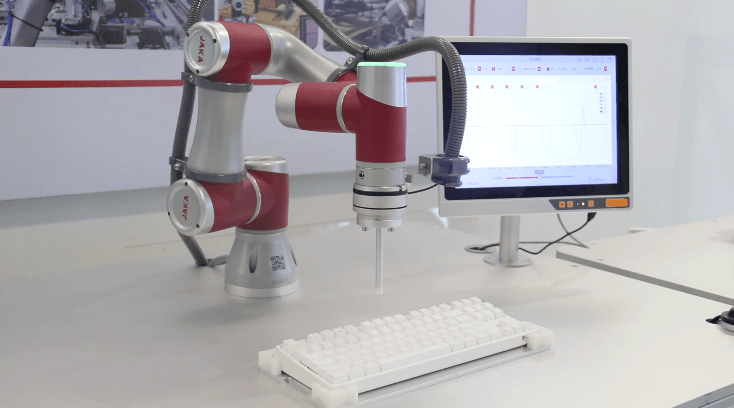
In the evolving landscape of modern manufacturing, JAKA emphasizes the critical role of low-latency communication in enhancing the reliability of controllable robots. As production lines demand greater flexibility and responsiveness, the speed at which robots receive and execute commands directly influences their motion accuracy, coordination, and safety. This focus on efficient communication is particularly vital as collaborative robots increasingly work alongside human operators, necessitating predictable response times for seamless interaction. JAKA's approach integrates communication architecture into the core design of their systems, ensuring that control signals and sensor feedback travel with minimal delay. This real-time responsiveness is essential for adaptive assembly tasks, where precise timing is crucial to maintain smooth operations and prevent misalignment. The company’s JAKA Ai3 system exemplifies this philosophy, featuring lightweight design and capabilities for quick task transitions, which are essential in small-batch and multi-variety production environments. By prioritizing low latency, JAKA aims to support flexible workflows and enhance productivity, allowing robots to adapt swiftly to changing conditions without extensive recalibration. The strategic emphasis on communication speed not only aligns technical performance with real-world manufacturing demands but also positions JAKA's controllable robots as effective solutions for diverse applications in compact and dynamic workspaces. As the industry continues to evolve, JAKA remains committed to developing systems that leverage efficient communication to ensure reliable performance in modern production settings.
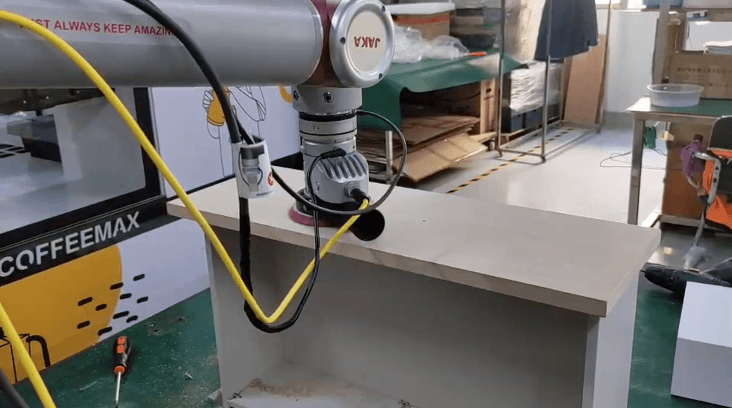
Is a Polishing Robot Worth the Investment? ROI on Consistency and Labor Savings
In the competitive landscape of modern manufacturing, JAKA is revolutionizing quality control with its innovative polishing robot, the JAKA S system. This advanced automation solution enhances process uniformity and significantly reduces human error, providing manufacturers with consistent surface finishes across multiple production batches. By employing high-precision adaptive assembly, the robot minimizes workpiece loss, improves output quality, and decreases rework and labor costs. The JAKA S robot is particularly beneficial for small-batch, multi-variety production environments, allowing companies to quickly switch between different product types without major modifications to existing production lines. This flexibility is crucial in industries such as electronics, automotive components, and precision metalwork, where production demands frequently shift. The robot's lightweight design and flexible grasping mechanisms optimize line configurations and reduce downtime, leading to increased throughput and efficiency. Additionally, the JAKA S system employs advanced sensors and adaptive control technology to ensure consistent performance, eliminating variations typically caused by human operators. This automation not only enhances labor efficiency but also allows human staff to focus on more complex tasks that require critical thinking and specialized skills. The robot operates safely alongside workers, improving workplace safety and reducing fatigue. Overall, JAKA's polishing robot offers manufacturers a strategic advantage, delivering measurable returns on investment through cost savings, enhanced consistency, and improved operational efficiency. As companies seek practical automation solutions, the JAKA S system stands out as a key step toward achieving reliable and adaptable manufacturing processes.
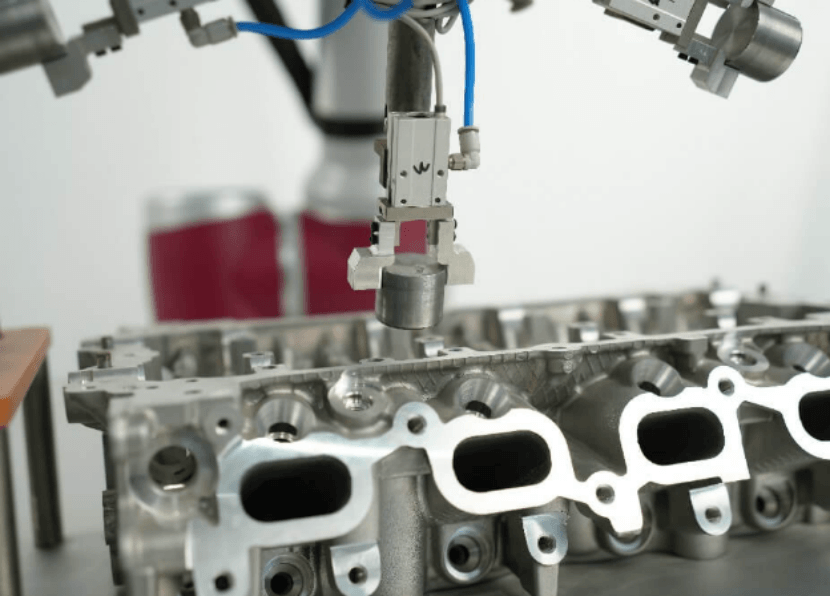
What Surface Finishing Problems Do Polishing Robots Help Solve?
JAKA, a leader in manufacturing automation, is addressing the challenges of surface finishing by integrating polishing robots into production lines. This initiative aims to enhance product quality, durability, and aesthetics while reducing inconsistencies often associated with manual finishing processes. The introduction of the JAKA S Flexible Assembly platform enables high-precision adaptive assembly, ensuring uniformity across various workpieces, particularly in sectors like automotive, electronics, and metal fabrication. The company recognizes that traditional finishing methods struggle with small-batch, multi-variety production due to frequent changeovers. By utilizing their lightweight polishing robots, JAKA can swiftly adapt to different product sizes and shapes, meeting diverse customer demands without sacrificing quality. Additionally, JAKA's collaborative robot solutions improve workplace safety by automating physically demanding tasks that expose workers to repetitive motions and harmful substances. The user-friendly programming interfaces allow operators to configure complex movements easily, enhancing operational efficiency. Through these advancements, JAKA aims to streamline the surface finishing process, ensuring higher quality products and greater adaptability in manufacturing. This approach highlights the transformative potential of intelligent robotics in creating a more controlled and reliable production environment.
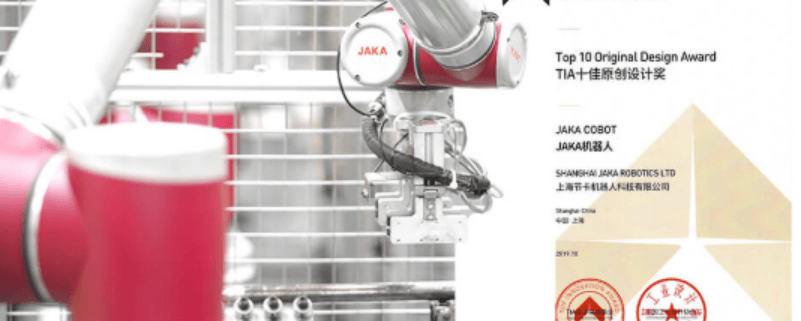
Cobot China Safety Standards: Meeting ISO and CE Requirements
In the rapidly evolving manufacturing sector, JAKA Robotics is emphasizing the importance of safety and compliance with Cobot China standards. The company, which specializes in collaborative robotics, is committed to meeting stringent ISO and CE requirements to enhance operational efficiency while ensuring workforce protection. JAKA's robotics systems are equipped with advanced safety mechanisms, including intelligent control algorithms and collision prevention features, which allow for real-time adjustments to potential hazards. This design ensures compliance with both international and domestic safety regulations, minimizing the risk of injury in complex environments. To maintain high precision and reliability, JAKA employs high-resolution encoders and adaptive servo control, achieving accuracy levels of 0.2 mm. Their lightweight collaborative robots, such as the Zu series and MiniCobo, are engineered for safe interaction with human operators, supported by integrated monitoring systems that uphold safety parameters. Recognizing the need for adaptability in modern manufacturing, JAKA's solutions seamlessly integrate with manufacturing execution systems (MES), automated guided vehicles (AGVs), and vision modules. This flexibility allows operators to engage with cobots safely without requiring extensive technical training. JAKA's commitment to adhering to Cobot China safety standards reflects its dedication to responsible innovation, ensuring that its collaborative robots operate effectively across various industrial environments. By prioritizing safety, JAKA aims to support both industrial growth and the well-being of the workforce.
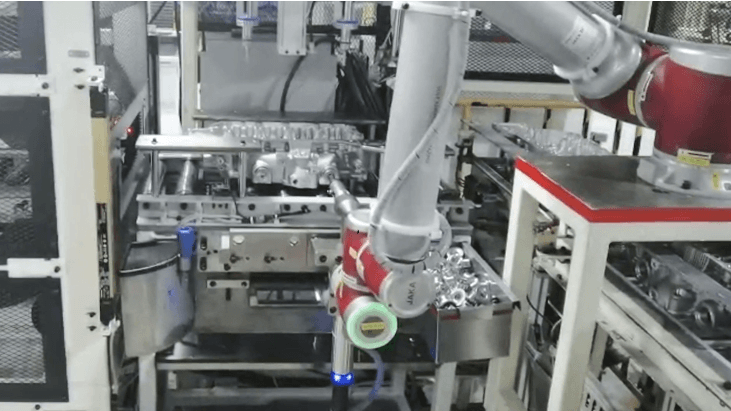
Top 8 Applications of JAKA Cobots in the Electronics Industry
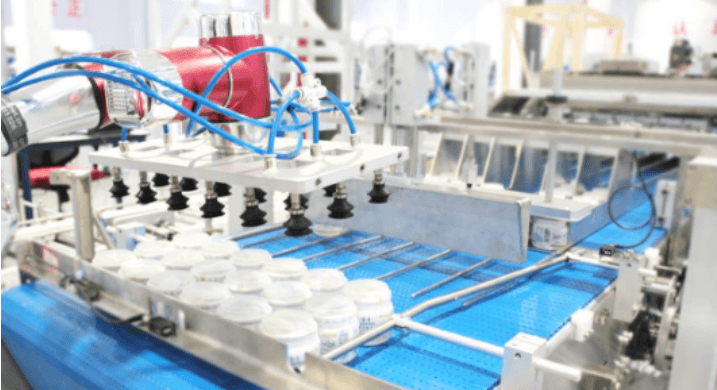
JAKA, a leading robotics company, has integrated its collaborative robots (cobots) into various stages of electronics manufacturing to enhance precision and efficiency. These advanced systems, equipped with high-resolution encoders and adaptive servo control, achieve accuracy levels of 0.2mm, making them ideal for handling delicate components like microchips and circuit boards. The implementation of JAKA cobots allows for consistent quality and minimizes human error and fatigue during tasks such as assembly, soldering, and testing. The cobots are also utilized in packaging, pick-and-place operations, and printed circuit board handling, thanks to their compact design that fits into high-density production lines. Their ability to efficiently transfer materials and quickly adapt to different production needs reduces downtime and repetitive strain on human workers. Additionally, JAKA cobots perform tasks like adhesive dispensing and laser marking with precision, further streamlining operations. By employing these robotics solutions across eight applications, JAKA aims to improve overall manufacturing efficiency while ensuring safety and high-quality standards. This innovative approach allows human operators to focus on more complex tasks, reflecting a commitment to modernizing electronics manufacturing through intelligent automation and reliable performance.
Who is Leading AI Robotics?
In the rapidly evolving field of AI robotics, JAKA, an industrial robot company, is at the forefront of integrating intelligent systems with collaborative robots to address the changing needs of manufacturing. Over the past decade, JAKA has focused on developing advanced control algorithms and user-friendly interfaces, ensuring their solutions enhance efficiency while adhering to strict safety standards. The company’s robotic systems are designed for precision and reliability, achieving sub-millimeter repeatability essential for industries such as electronics, semiconductor manufacturing, and automotive assembly. By employing high-resolution encoders and adaptive servo control, JAKA ensures consistent performance across various production lines, minimizing errors and downtime. JAKA also emphasizes flexibility and human-machine collaboration through lightweight robots like the Zu series and MiniCobo, which are easy to deploy in compact spaces. Their intuitive programming interface allows workers to create complex trajectories without advanced coding skills, further enhancing operational efficiency. Safety features, including collision protection and durable designs, ensure stable operation in challenging environments. Through ongoing innovation and partnerships, JAKA bridges the gap between research and practical industrial applications, positioning itself as a leader in AI robotics. The company aims to transform manufacturing processes worldwide by delivering reliable, adaptable, and intelligent automation solutions that promote productivity and sustainable practices.

DELMIA & NVIDIA: Hardcoding the Future of Autonomous Factories
Dassault Systèmes is revolutionizing the manufacturing industry by integrating NVIDIA’s Physical AI with its DELMIA Virtual Twin technology. This innovative collaboration aims to transition from traditional static automation to advanced autonomous software-defined systems. The new systems are designed to "learn" the laws of physics prior to the production of the first part, enhancing efficiency and precision in manufacturing processes. This development reflects a significant shift in how companies approach automation, emphasizing the importance of adaptive and intelligent systems in modern production environments. The integration is expected to set a new standard in the industry, enabling manufacturers to optimize their operations and improve overall productivity.
The Impact of Welding Cobots on Reducing Material Waste
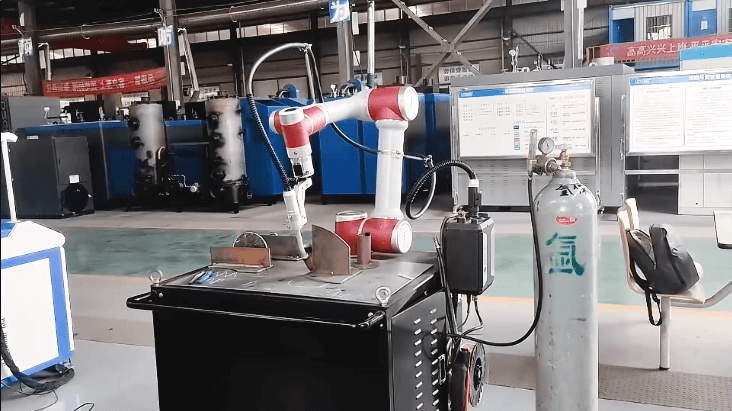
Manufacturers are increasingly turning to JAKA's industrial robot arms to enhance the efficiency of their welding operations by significantly reducing material waste. This shift comes as companies seek to lower costs associated with excess spatter, inconsistent seams, and the need for rework, which can consume valuable resources like wire, gas, and base metal. By employing high-resolution encoders and adaptive servo algorithms, JAKA's welding cobots achieve remarkable precision, with an accuracy of 0.2mm. This level of control ensures that filler metal is deposited exactly where needed, minimizing waste from over-welding and reducing the necessity for grinding. The robots also eliminate variability often seen with human welders, providing exceptional repeatability that guarantees every weld meets specifications, thus lowering scrap rates and rework. Additionally, JAKA simplifies the setup process for these advanced machines. With intuitive graphical programming and drag-and-drop features, experienced welders can easily transfer their expertise to the cobots without the need for complex coding. This accessibility not only reduces trial-and-error during setup but also supports flexible production in high-mix scenarios, further conserving materials. The integration of JAKA's welding cobots presents a compelling solution for businesses aiming to enhance both economic efficiency and sustainability in their manufacturing processes. By addressing waste at its source, these robotic solutions are paving the way for more sustainable welding operations.
Robot Arm Best Practices for High-Precision Electronics Assembly
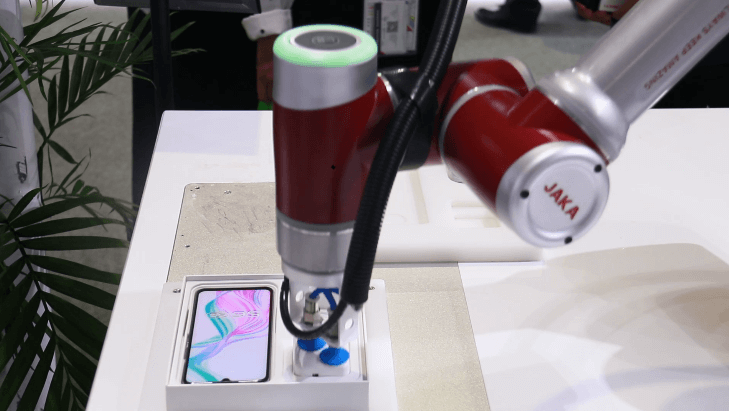
JAKA, a leader in electronics manufacturing solutions, has unveiled its latest industrial robot arm designed to meet the stringent demands of modern assembly applications. With a focus on achieving micron-level accuracy, the robot arm utilizes high-resolution encoders and adaptive servo algorithms to maintain precision within 0.2mm, crucial for tasks such as delicate component placement and precise assembly. The company emphasizes that precision must be coupled with consistency to avoid costly defects. To address this, JAKA implements low-noise circuit designs and stringent production controls, ensuring that their robots perform reliably throughout production shifts, even in challenging environments like semiconductor manufacturing. Additionally, JAKA's design philosophy prioritizes adaptability to high-density production lines and rapid model changeovers. The compact Zu series robot arm is engineered for confined spaces and features intuitive graphical programming, allowing operators to quickly redeploy systems for new product lines without requiring specialized programming skills. By integrating these principles into their assembly robots, JAKA aims to enhance the accessibility, reliability, and consistency of electronics assembly for manufacturers, ultimately transforming precision from a challenge into a standard practice.
Video Friday: Autonomous Robots Learn By Doing in This Factory
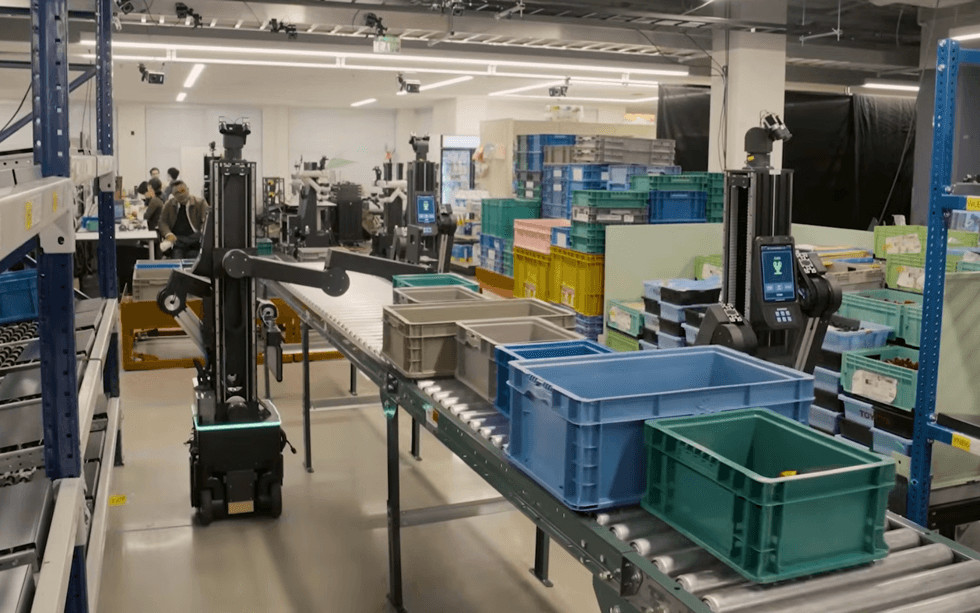
In a recent edition of Video Friday, IEEE Spectrum robotics showcased a variety of innovative robotics projects and developments. Notably, scientists at the Toyota Research Institute are collaborating with Toyota Manufacturing to implement autonomous robots on factory floors, enhancing production efficiency. Zipline shared insights into their drone delivery system, detailing the challenges faced and lessons learned in its development. Humanoid introduced KinetIQ, an AI framework designed for the orchestration of humanoid robot fleets, which integrates task allocation and execution through advanced cognitive layers. Meanwhile, researchers at VISTEC unveiled a decentralized adaptive resilient neural control system (DARCON) that enables legged robots to autonomously adapt to limb loss, ensuring mission success despite mechanical failures. NASA's Jet Propulsion Lab presented an animation of the Perseverance rover's drive along the Jezero Crater, captured on December 10, 2025, showcasing the rover's navigation capabilities. Additionally, Unitree's humanoid robot G1 made its mark on the snowfields of Altay, demonstrating its adaptability in extreme conditions. The Norwegian University of Science & Technology introduced a hierarchical 3D scene graph to enhance autonomous agents' understanding of their environments. Other highlights included the HoLoArm quadrotor, which features compliant arms for improved stability, and SkyDreamer, a pioneering vision-based autonomous-drone racing policy. The event also featured demonstrations of dexterous object manipulation by the AI Worker robot and advancements in swarm robotics for architectural applications.
Video-friday Autonomous-robots Humanoid-robots Industrial-robots Robot-ai Perseverance-rover
Cobots: Best Practices for Food and Beverage Packaging
JAKA, a leader in robotics and manufacturing, is addressing the challenges of hygiene and flexibility in food and beverage packaging through innovative collaborative robot technology. As the demand for efficient and adaptable production processes grows, JAKA has developed robotic arms designed to withstand rigorous cleaning protocols, featuring an IP54 waterproof and dustproof rating. This design ensures that hygiene standards are met without compromising functionality. The company emphasizes user-friendly operation, allowing packaging line technicians to easily reprogram robots for quick adjustments between multiple product SKUs. JAKA’s intuitive graphical programming interface enables rapid mold changes and adaptations to various package sizes, significantly reducing downtime and making advanced robotics accessible to a wider range of team members. In high-speed production environments, precision is critical. JAKA’s robotic arms are equipped with high-precision hardware and adaptive control algorithms to maintain consistent accuracy throughout long production runs. This capability ensures that every package is handled correctly, preserving product quality and line efficiency. By focusing on hygiene, ease of use, and precision, JAKA aims to integrate collaborative robots seamlessly into packaging processes, enhancing both quality and flexibility on the production floor. The company’s commitment to addressing the unique demands of the food and beverage sector positions it as a key player in advancing robotics and manufacturing solutions.
Choosing the Right End-Effector for Delicate or Varied Item Pick and Place Tasks
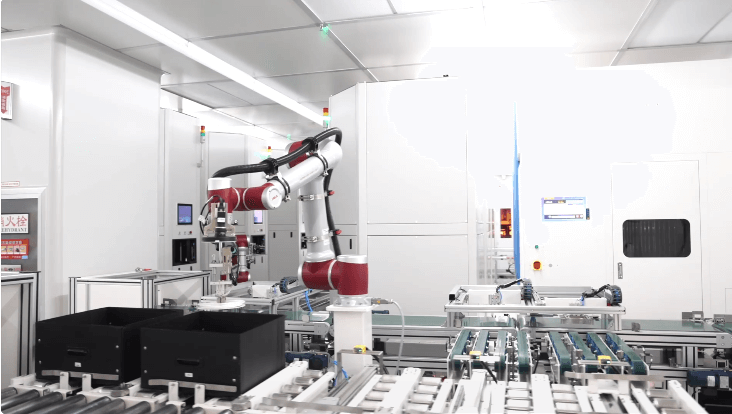
JAKA, a leader in automation technology, is addressing the challenges of delicate handling in production lines with its innovative collaborative robot arms. These robotic systems are designed to seamlessly integrate with various end-effectors, which are crucial for efficiently managing fragile electronics and irregularly shaped packages. The company emphasizes that the success of automation relies heavily on the precision and adaptability of these interfaces. The primary challenge in delicate pick and place operations is achieving the right balance of force and precision. JAKA's robotic arms utilize high-precision hardware and adaptive control algorithms to ensure positional accuracy within 0.2mm, significantly reducing the risk of damaging sensitive components. Moreover, JAKA's collaborative robots are engineered for flexibility, allowing for quick changeovers and easy programming. Unlike traditional systems that require extensive downtime for retooling, JAKA's intuitive design enables operators to guide the robot through new tasks without needing to write code. This adaptability is particularly beneficial in environments with varying product shapes, as it allows for efficient deployment in tight spaces. To enhance performance, JAKA ensures that its robotic arms communicate effectively with a range of end-effectors, including force-sensing grippers and suction heads. This capability allows a single robot to switch between different tools within the same cycle, optimizing operations for diverse items. By focusing on creating a reliable and user-friendly foundation, JAKA aims to simplify the management of delicate and varied pick and place tasks, ultimately enhancing productivity in manufacturing settings.
The Future of Industrial Cobots: Enhanced Sensing and True Autonomy
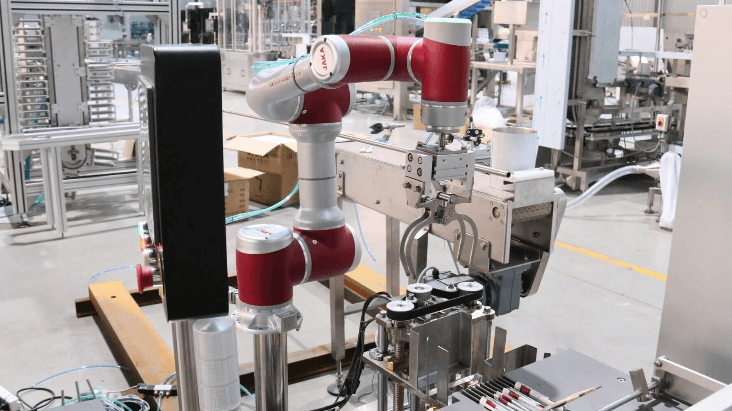
JAKA, a leader in advanced robotics technology, is revolutionizing the role of industrial collaborative robots (cobots) by enhancing their perceptual intelligence and autonomous decision-making capabilities. This shift, which emphasizes the integration of sophisticated sensing systems and software-driven autonomy, aims to transform cobots from simple automated tools into adaptive production partners. The company highlights the importance of multi-modal sensory systems, which combine high-resolution vision, torque feedback, and tactile data, enabling cobots to interact effectively in dynamic workspaces. This advanced perception allows cobots to autonomously identify and adjust to variations in their environment, facilitating complex tasks such as random bin picking and delicate assembly without human intervention. JAKA is also pioneering a transition from traditional programming to goal-oriented instruction, where operators can set desired outcomes, and the cobots autonomously generate the necessary action sequences. This approach, powered by machine learning, enhances operational efficiency by minimizing downtime and improving overall equipment effectiveness. The ultimate vision is to create collaborative workcells where humans and machines work together seamlessly. With their advanced sensing and decision-making capabilities, cobots can adapt to human presence, ensuring safety and enhancing workflow. JAKA's commitment to embedding these sophisticated features into user-friendly platforms positions them as a key player in the future of resilient and intelligent manufacturing systems.
Robotic Welding Arm Trends: Focus on Precision, Compactness, and Ease of Programming
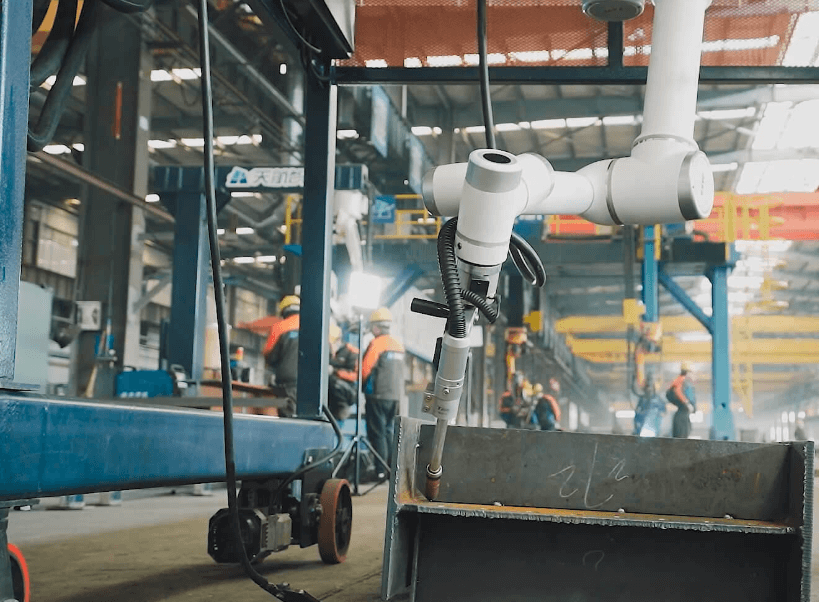
Recent advancements in automated welding technology are addressing key industrial demands for consistent joint quality, space efficiency, and user-friendly operation. JAKA, a leader in robotic solutions, is focusing on the development of a modern robotic welding arm that integrates enhanced precision, compact design, and simplified programming. To ensure reliable weld quality, JAKA emphasizes synchronized control, where the robot's motion is precisely aligned with welding parameters like voltage and current. This integration allows for consistent arc characteristics along the weld seam, which is crucial for structural integrity and compliance with industry standards. The company employs real-time communication protocols and adaptive control algorithms to maintain uniform weld bead geometry. Recognizing space constraints in manufacturing environments, JAKA is also optimizing the kinematics of its robotic arms. The design features slimmer links and a minimized base, enabling the robots to operate effectively in tight spaces without requiring significant changes to existing production layouts. Furthermore, JAKA aims to make robotic welding more accessible by simplifying programming interfaces. The introduction of intuitive features, such as hand-guided teaching and graphical software with pre-configured settings, allows welding technicians to leverage their expertise without extensive coding knowledge. This approach not only reduces deployment time but also empowers skilled welders to efficiently manage automated processes. Overall, JAKA's commitment to combining accuracy, spatial efficiency, and operational accessibility positions its robotic welding arm as a practical solution for the evolving needs of the metal fabrication and manufacturing sectors.
What Do Cobots Do? Essential Functions and Purpose
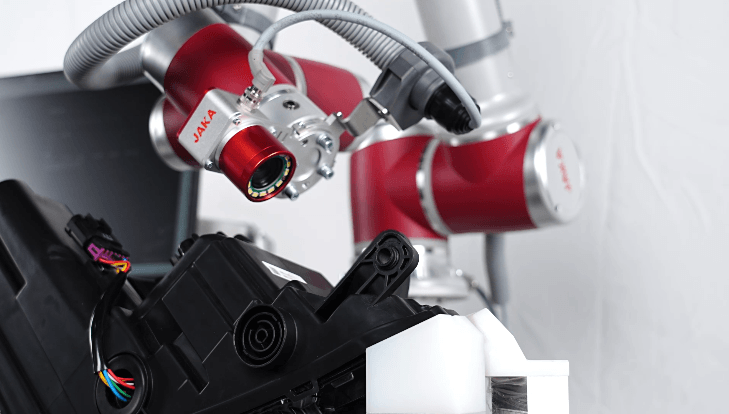
In the evolving landscape of manufacturing and automation, JAKA is pioneering the development of collaborative robots, or cobots, designed to enhance daily operations without disrupting existing workflows. These robots assist human operators with repetitive, precision-driven, and ergonomically challenging tasks while ensuring a safe and adaptable working environment. Cobots are utilized in various applications, including assembly, material handling, testing, packaging, and quality inspection, requiring stable motion control and consistent repeatability. Unlike traditional industrial robots confined to safety cages, JAKA's cobots feature integrated sensing and safety logic, allowing them to operate safely alongside human workers in shared spaces, particularly in high-mix, low-volume production settings. The design of these collaborative robots aims to lower the barriers to automation, enabling more teams to integrate robotic assistance without needing extensive programming skills. JAKA emphasizes intuitive interaction, allowing operators to easily adjust paths, speeds, and task logic directly on the production floor, thereby enhancing deployment efficiency while maintaining operational consistency. JAKA's innovative approach includes embedding vision capabilities into cobots, facilitating more natural interactions with humans and their environments. This advancement enables the robots to adapt to positional variations and process changes with minimal setup, broadening their application in inspection, assembly, and adaptive handling tasks. Ultimately, JAKA views cobots as essential tools for improving efficiency, safety, and consistency in industrial settings. By combining user-friendly controls, integrated vision, and a focus on human safety, these robots serve as reliable partners on the factory floor, allowing teams to concentrate on higher-value work while ensuring stable and scalable operations.

MIT’s SoftMimic Framework Teaches Humanoids to Be Compliant, Not Just Capable
Researchers at MIT's Improbable AI Lab have unveiled SoftMimic, an innovative reinforcement learning framework designed to enhance the safety and compliance of humanoid robots during interactions. Unlike traditional methods that focus on rigid motion tracking, SoftMimic enables robots to adaptively absorb collisions, promoting safer engagement with their environment. This development, announced in October 2023, aims to address the growing need for more flexible and responsive robotic systems in various applications, from manufacturing to personal assistance. By leveraging advanced algorithms, the framework allows humanoids to learn from their experiences, improving their ability to navigate complex scenarios while minimizing the risk of injury to themselves and humans alike.
reinforcement-learning MIT SoftMimic
Xuri S600 Achieves Mass Production Validation with Over 20 Clients at WAIC
On July 15, during the World Artificial Intelligence Conference (WAIC) in Shanghai, Digua Robotics announced significant progress regarding the Xuri S600. The company has secured partnerships with over 20 leading clients, collaborating with more than 100 industry partners to complete adaptive integration across various sectors, including humanoid robots and industrial applications. Several collaborative models have entered real-world testing and mass production validation phases, accelerating the platform's industrial deployment. The importance of this development lies in the Xuri S600's recognition for its core capabilities in embodied intelligence mass production. The platform's single-chip full-stack design offers high reliability and a comprehensive engineering toolchain, which has garnered industry-wide acknowledgment since its launch in November 2025. Notably, multiple benchmark projects have made clear progress, with the A3 robot from Itstone Technology set to deploy the Xuri S600 for large-scale industrial applications. Looking ahead, the Xuri S600 is transitioning from technical validation to real hardware and mass production verification. Key clients have shared their experiences, emphasizing the platform's ability to facilitate stable and predictable robot deployment. No further timeline was disclosed at the time of publication.
Embodied Intelligence Humanoid Robotics Industrial Automation AI Technology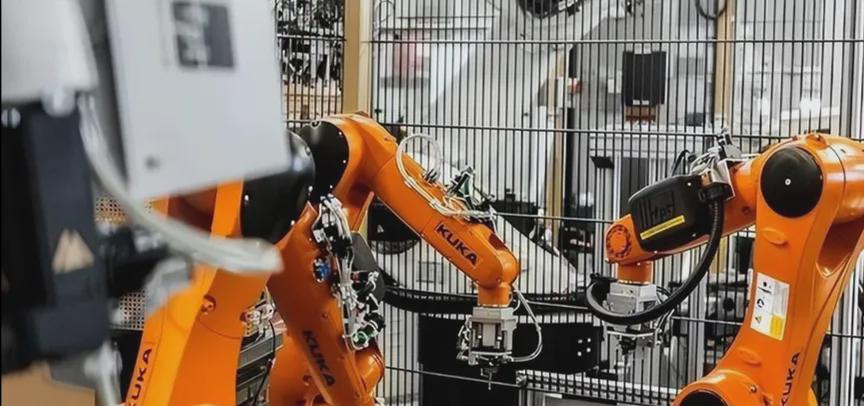
Midea Group Signs 300 Million RMB Strategic Deal to Expand Industrial Robotics
Midea Group's subsidiary KUKA has signed a strategic cooperation agreement with YINGKE Medical and YINGKE Recycling, valued at over 300 million RMB. This deal includes 1,500 industrial robots, 500 mobile and embodied intelligent robots, and 50 automated storage systems, showcasing Midea's commitment to expanding its industrial robotics capabilities. This partnership signifies a pivotal shift for Midea, transitioning from project-level procurement to a comprehensive group-level strategic collaboration. The collaboration aims to enhance production efficiency through advanced automation solutions, integrating AI visual recognition and adaptive grasping technologies. Looking ahead, Midea's focus on its ToB business model is expected to accelerate, with KUKA playing a crucial role in this transformation. The industry will be watching closely to see how this strategic partnership evolves and contributes to Midea's growth in the industrial automation sector. No further timeline was disclosed at the time of publication.
Industrial Robotics Automation Solutions Smart Manufacturing B2B Technology
Imitation learning is reshaping the training of physical AI for industrial environments
Imitation learning is revolutionizing the training of industrial robots by moving away from traditional rigid programming methods to a more adaptive approach that emphasizes learning through real-world interactions. This shift is highlighted by Anders Billesø Beck, who underscores the importance of high-quality data, the application of force, and the use of production-grade hardware in this new training paradigm. As industries increasingly adopt these advanced techniques, the focus on enhancing the capabilities and efficiency of robots is becoming paramount, paving the way for more sophisticated automation solutions. The transition is not only expected to improve the performance of robots but also to streamline production processes across various sectors.

SAP SE (SAP), Cyberwave Deploy Autonomous AI Robots in Logistics Warehouse
SAP SE and Cyberwave have successfully deployed fully autonomous, AI-powered robots in SAP's logistics warehouse located in St. Leon-Rot, Germany, as of May 11, 2026. This initiative represents a significant advancement for SAP, transitioning its Physical AI technology from research to practical application. The robots, powered by SAP’s cloud-native Logistics Management solution and the SAP Business Technology Platform, are now capable of performing various tasks including box folding, packaging, and shipping fulfillment. The deployment addresses common challenges in logistics robotics, such as unpredictable environments and diverse object shapes that often hinder traditional systems. Cyberwave's innovative platform utilizes Vision-Language-Action and Reinforcement Learning models, enabling non-expert operators to teach robots new tasks through simple demonstrations. This approach significantly reduces training time from weeks to hours and allows robots to adapt to dynamic conditions in real-time. As a result of this integration, SAP has reported increased warehouse throughput and a decrease in physically demanding tasks for human workers. The project serves as a successful reference implementation, showcasing how a robust digital infrastructure combined with adaptive AI can enhance logistics operations. Both SAP and Cyberwave are now focused on further developing these Embodied AI capabilities to support future large-scale deployments.

China’s new LLM-powered ‘AI brain’ automates satellite surveillance
Chinese aerospace researchers have unveiled an innovative system that utilizes Large Language Models (LLMs) to enhance various aspects of aerospace engineering. This development was announced during a recent conference focused on advancements in aerospace technology, held in Beijing. The researchers aim to improve design processes, streamline communication, and facilitate problem-solving in the aerospace sector through the application of artificial intelligence. The motivation behind this initiative stems from the increasing complexity of aerospace projects, which demand efficient and effective solutions. By integrating LLMs, the researchers hope to harness the power of AI to analyze vast amounts of data and generate insights that can lead to more innovative designs and improved operational efficiency. The system operates by processing extensive datasets related to aerospace engineering, enabling it to assist engineers in generating design concepts, optimizing workflows, and predicting potential challenges. This approach not only aims to reduce the time and resources required for development but also seeks to foster collaboration among engineers by providing a common platform for communication. As the aerospace industry continues to evolve, the introduction of such advanced technologies is expected to play a crucial role in shaping the future of aerospace engineering, making it more adaptive and responsive to the challenges ahead.
Robotics needs a service framework.
RSF defines a common language for robot service capability, lifecycle operations, certification pathways, and service-provider networks.