

Industry Briefing
A single destination for timely, editor-curated robotics news from around the world.

SoftBank Allocates $225M to Autonomous Solutions for Construction Robotics Venture
SoftBank Group has invested $225 million in Autonomous Solutions Inc. (ASI) to establish a joint venture aimed at developing autonomous construction equipment for large infrastructure projects. This collaboration will leverage ASI's Mobius fleet-management platform to enhance civil construction and material handling capabilities, supporting a variety of autonomous vehicles from different manufacturers. The significance of this investment lies in ASI's extensive experience in technology development over 25 years, which will facilitate the expansion of autonomous construction systems. ASI CEO Mel Torrie emphasized that the joint venture positions the company at the forefront of innovation in autonomous construction, enabling the deployment of mixed fleets of heavy equipment for complex tasks. Looking ahead, the joint venture is expected to focus on large-scale infrastructure projects, including roads, airports, and waste management. No further timeline was disclosed at the time of publication.
AI AI Funding & Investment Robotics autonomous construction Autonomous Solutions Inc. industrial automation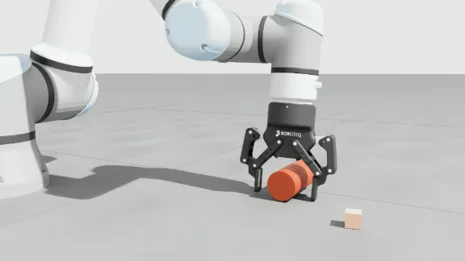
Robotiq Launches Open-Source Software Tools for Enhanced Adaptive Grippers
Robotiq has introduced three open-source software tools for its adaptive grippers, aimed at enhancing robotics development. These tools include a ROS 2 package, a standalone C++ SDK, and updated Isaac Sim assets, all available on Robotiq’s GitHub repository. This release marks the initial components of Robotiq’s Contact Core software layer for physical AI, with further advancements expected in the fourth quarter. The significance of this release lies in the growing demand for higher fidelity in simulation and tighter control loops for physical AI applications. According to Robotiq's CTO, Vincent Duchaine, conventional grippers do not meet the requirements of modern applications, which necessitate detailed reporting and continuous data collection across numerous cycles. The new tools are designed to support developers in creating more sophisticated robotics solutions. Looking ahead, Robotiq plans to introduce embedded intelligence at the point of contact, anticipated for release in the fourth quarter. The company will showcase this technology at the upcoming IEEE/RSJ International Conference on Intelligent Robots & Systems (IROS 2026) in Pittsburgh on September 28, 2026, at booth 427.
AI AI Funding & Investment AI Infrastructure & Compute Robotics C++ grippers
Robotiq Introduces Open-Source Software for Enhanced Robot Manipulation and Physical AI
Robotiq has unveiled three open-source software tools for its adaptive grippers, including a C++ SDK, an official ROS 2 package, and updated Nvidia Isaac Sim assets. These tools are now available on GitHub and are optimized by Robotiq to enhance the functionality of their grippers in physical AI applications. The significance of these releases lies in their response to the increasing demands of physical AI, which requires advanced capabilities from robotic grippers. According to Vincent Duchaine, CTO AI at Robotiq, the new tools support higher fidelity in simulation and tighter control loops, enabling better data collection and reporting from the grippers during operation. Looking ahead, Robotiq plans to introduce embedded intelligence at the point of contact, with an expected release in Q4. This innovation will be showcased at the IEEE/RSJ International Conference on Intelligent Robots & Systems (IROS) 2026 in Pittsburgh, highlighting Robotiq's commitment to advancing robot manipulation technologies.
Components News adaptive grippers end-of-arm tooling nvidia isaac sim open source robotics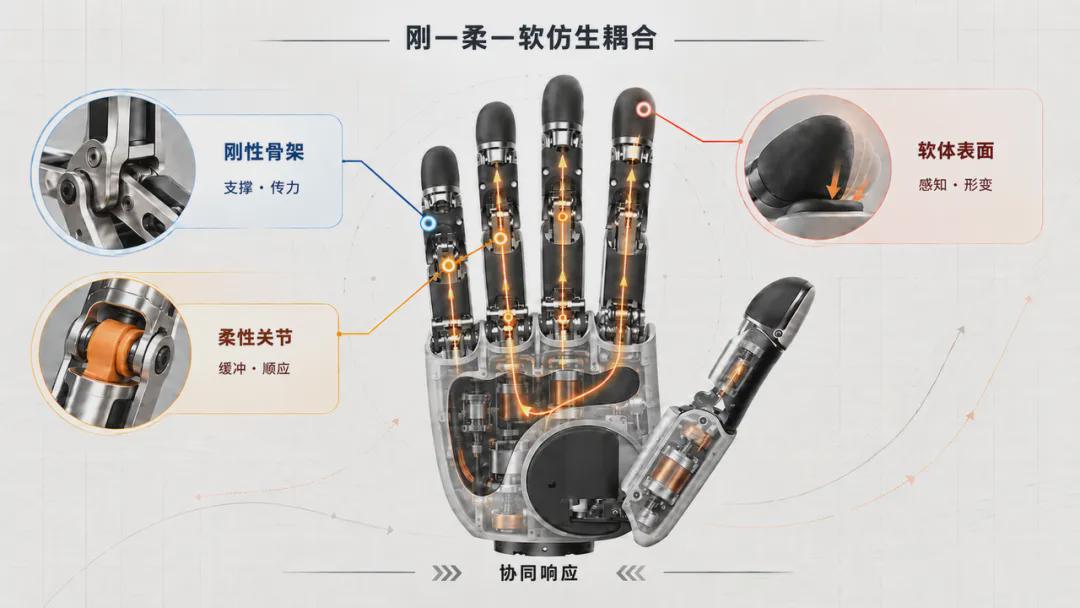
Guoli Intelligent Technology Emerges as a Leader in the Soft Robotics Market
Guoli Intelligent Technology, founded by Dr. Liu Yang, is gaining traction in the soft robotics market, with projections indicating significant growth in China's dexterous hand sales. By 2025, sales are expected to reach approximately 19,200 units, increasing to 70,200 units by 2026, and potentially exceeding 430,000 units by 2030. The company has established itself as a top choice for over 200 global clients, including major players in the electric vehicle sector. Guoli Intelligent's unique bionic coupling technology, which combines rigid, flexible, and soft materials, addresses the challenges posed by traditional single-technology approaches in the industry. This innovative design allows for high performance, longevity, and cost-effectiveness. As the soft robotics market continues to evolve, Guoli Intelligent Technology's advancements in material science and structural design position it well for future growth. The company's ability to balance high degrees of freedom, lightweight construction, and extended lifespan will be critical as it navigates the competitive landscape of the robotics industry. No further timeline was disclosed at the time of publication.
Soft Robotics Bionic Technology Robotic Hands Industrial Automation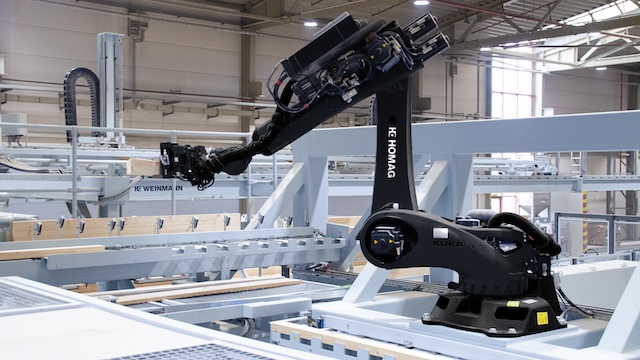
The Role of Quality Management Software in Enhancing Robot Production Line Efficiency
Fourteen months after a collaborative robot (cobot) cell began shipping, a mid-sized integrator found that its torque records were stored in a plant manager's email. With a customer audit approaching in nine days, the situation highlighted the critical importance of quality management in preventing revenue loss. Relying on spreadsheets for quality control across multiple shifts and robot cells is insufficient; a centralized system is essential for effective traceability. The National Institute of Standards and Technology has long noted that production data failures often occur during handoffs between systems and personnel. Quality management software does not enhance the precision of robots but ensures that the operational history of the robots is verifiable. This means that all records related to nonconformance, corrective actions, and supplier complaints can be referenced in one location, streamlining the process when addressing customer inquiries about defective batches. In automated production, quality failures tend to be subtle, often originating from minor deviations that accumulate over time. As robotic cells operate as interconnected systems, each maintaining its own data, implementing software that integrates quality management, document control, and training records can significantly improve operational efficiency. No further timeline was disclosed at the time of publication.
Engineering Manufacturing Software automated manufacturing compliance corrective action
Google's Intrinsic Launches Open-Source Robotics Software for Industrial AI Applications
Intrinsic, a subsidiary of Google, has released Intrinsic Core as open-source robotics software, enabling developers to create AI-enabled industrial robot applications from prototype to production. This software includes features such as real-time robot control, pose estimation, and motion planning, available on GitHub under an Apache 2.0 license. The significance of this release lies in its potential to streamline the development process for robotics applications, reducing the infrastructure developers need to build independently. Intrinsic Core is designed to work seamlessly with existing products like Intrinsic Flowstate and supports various hardware configurations, enhancing its adaptability in manufacturing environments. Looking ahead, Intrinsic plans to introduce additional open reference solutions for industrial automation, further expanding the capabilities of Intrinsic Core. The Open Machine Tending Solution, which runs on Intrinsic Core, serves as a reference design for CNC machine tending, showcasing practical applications of the software in real-world scenarios. No further timeline was disclosed at the time of publication.
AI AI Funding & Investment AI Infrastructure & Compute Robotics Google industrial roboticcs
Robotiq Unveils Open-Source Software for Physical AI Ecosystem Development
Robotiq has launched three open-source software packages aimed at enhancing its adaptive grippers. These releases include a C++ SDK, an official ROS 2 package, and updated NVIDIA Isaac Sim assets, all designed to facilitate the training of manipulation models on Robotiq components and their deployment on real robots. This initiative is significant as it represents the first components of Robotiq's physical AI software layer, which is intended to streamline the integration of AI in robotic manipulation tasks. By providing these tools, Robotiq aims to empower developers and engineers to create more effective and efficient robotic solutions. Looking ahead, Robotiq's commitment to maintaining and optimizing these software packages suggests ongoing support for the developer community. No further timeline was disclosed at the time of publication.

SoftBank Reportedly Set to Acquire Robotics and AI Institute from Hyundai Motor Group
SoftBank has reportedly agreed to acquire the Robotics and AI Institute (RAI) from Hyundai Motor Group, as reported by The Robot Report on September 18. This acquisition could bring Marc Raibert's research organization under SoftBank's ownership, although financial terms and the progress of the review by the Committee on Foreign Investment in the United States (CFIUS) remain undisclosed. The acquisition is significant as RAI focuses on addressing fundamental challenges in robotics and AI, aiming to enhance machine capabilities and usability. Raibert, the executive director, leads the organization, which operates from offices in Cambridge, Massachusetts, and Zurich. The potential acquisition aligns with SoftBank's strategy to leverage RAI's research base for developing diverse robotic applications. No further timeline was disclosed at the time of publication. The reported acquisition adds complexity to Hyundai's ongoing efforts to consolidate its ownership of Boston Dynamics, as SoftBank previously exercised its put option regarding its stake in the company. This move highlights the evolving landscape of robotics and AI, with SoftBank's interests extending to humanoid robotics as well.
Hyundai Motor Group Business Market Research softbank RAI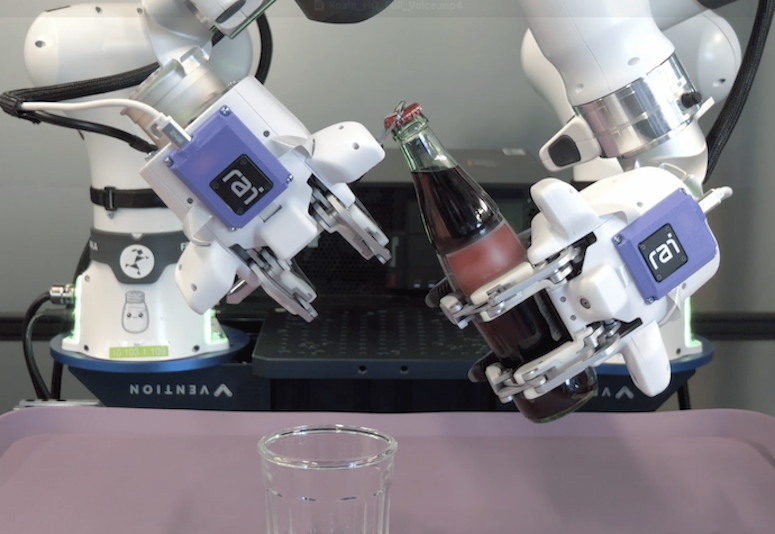
SoftBank to Acquire Robotics and AI Institute from Hyundai Motor Group
SoftBank Group Corp. has reached an agreement to acquire the Robotics and AI Institute (RAI) from Hyundai Motor Group, although financial details remain undisclosed. This acquisition is currently under review by the Committee on Foreign Investment in the United States (CFIUS), which assesses foreign investments for national security implications. The significance of this deal lies in the historical connection between SoftBank and the RAI, as Marc Raibert, the founder of both Boston Dynamics and the RAI, has played a pivotal role in advancing robotics. The RAI, established in 2022 with an initial investment exceeding $400 million, focuses on various aspects of robotics and AI, including robot control and manipulation, which are crucial for enhancing robotic capabilities. Looking ahead, the outcome of the CFIUS review will be crucial for the acquisition's progression. Additionally, SoftBank's ongoing plans to acquire ABB's robotics business for $5.3 billion could create synergies between ABB's industrial automation expertise and RAI's AI research, potentially reshaping the robotics landscape in the coming years. No further timeline was disclosed at the time of publication.
Academia / Research Artificial Intelligence Artificial Intelligence / Cognition Design / Development Humanoids Mergers & Acquisitions
Enhancing Stability and Precision in Antagonistic Soft Robots Through Muscle-Inspired Stiffness Regulation
Researchers from Nanyang Technological University have developed a stiffness-driven control strategy for antagonistic soft robots, inspired by muscle coactivation. This approach improves the robots' stability, precision, and disturbance resistance without relying on complex analytical models or real-time stiffness measurements. The innovation lies in integrating stiffness regulation into motion control, allowing soft robots to maintain similar joint postures while adjusting overall stiffness. The study demonstrated that the bending stiffness of the robot could be increased from approximately 0.02 N·m/rad to 1.79 N·m/rad, an 88-fold enhancement, showcasing the potential for improved performance in various applications. Future developments will focus on refining this control strategy and exploring its applications in real-world scenarios. No further timeline was disclosed at the time of publication.
Soft Robotics Robotic Control Systems Stiffness Regulation Biomechanics Automation Technology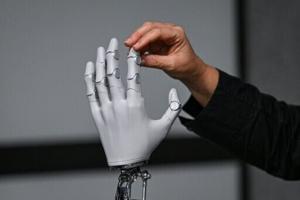
North Carolina State University Develops Soft Robot for Continuous Jumping Without Electronics
Researchers at North Carolina State University have developed a soft robot capable of continuous jumping without electronic control. This innovation utilizes geometric structures and light-responsive materials to enable the robot to autonomously jump under constant infrared light, overcoming previous limitations that required manual resets or external stimuli for each jump. This advancement is significant as it opens new pathways for the movement of micro soft robots, allowing them to navigate diverse environments without the need for complex electronic systems. The robot, named the annular jumper, can adapt to various terrains, achieving vertical jumps up to 80 times its size and horizontal jumps exceeding three times its length, showcasing its potential for real-world applications. Looking ahead, the research highlights the importance of physical intelligence in robotics, where movement logic is embedded in material properties and geometric configurations. While the current prototype is still in the concept validation stage and faces challenges such as reliance on infrared light and material fatigue, it lays the groundwork for future developments in low-cost micro soft robots that could be deployed in swarm formations for environmental exploration and disaster response.
Soft Robotics Autonomous Systems Light-Responsive Materials Geometric Structures
KAIST Develops AI-Driven Soft Robotic Hand Capable of Gripping Various Objects
Researchers at KAIST have developed a soft, 3D-printed robotic hand using machine learning to create a highly stretchable elastomer. This material can stretch over six times its original length and has been successfully demonstrated in gripping a 1-kilogram water bottle and fragile items like eggs. The significance of this research lies in its potential applications across various fields, including soft robotics, wearables, and custom medical devices. By combining experimental data with AI, the team has shown that optimal material combinations can be identified more efficiently, overcoming challenges in traditional 3D printing methods. Looking ahead, the machine-learning approach used in this study could pave the way for rapid development of new 3D-printing materials with desirable properties. No further timeline was disclosed at the time of publication.
AI AI Funding & Investment Robotics 3D Printing DLP KAIST
Leading Research Institutions Unite to Advance Soft Robotics and Physical AI
In recent years, advancements in large models have enhanced machines' language, visual, and reasoning capabilities. Concurrently, robotics is transitioning from traditional rigid systems to more flexible, perceptive forms. A significant intersection is emerging between Physical AI and Soft Robotics, prompting a shift in focus towards integrating materials, structures, mechanics, and perception systems into robotic intelligence. In 2026, the prestigious journal ACS Nano will publish a collaborative article by 37 scientists from 28 global research institutions, including Nanyang Technological University, Hebrew University of Jerusalem, MIT, ETH Zurich, Tsinghua University, Cornell University, and Northwestern University. The article, titled "Emerging Frontiers and Technological Challenges in Soft Robotics," will explore the paradigm shift in soft robotics and outline key scientific questions and technological challenges for the future. This article not only serves as a roadmap for soft robotics technology but also points towards a broader future of Embodied Physical Intelligence, where the body itself becomes part of the intelligence. The research framework connects fundamental scientific questions with cutting-edge studies in soft robotics, focusing on issues related to intelligence, perception, functionality, and adaptability, which are crucial for overcoming key technical challenges in deployment and integration.
Soft Robotics Physical AI Adaptive Systems Machine Learning Biomimicry
North Carolina State University Develops Infrared-Powered Soft Robots for Continuous Jumping
Researchers at North Carolina State University have created innovative soft robots capable of continuous jumping when exposed to infrared light. These teardrop-shaped robots autonomously leap upward or forward without needing external mechanisms to reset after each jump, thanks to a unique design that harnesses energy from infrared illumination. This advancement is significant as it allows soft robots to perform repetitive movements without motors or complex controls, making them suitable for various challenging terrains. The robots utilize a photothermally responsive liquid crystal elastomer ring and a rigid V-shaped tail, enabling them to store and release energy efficiently during jumps. Looking ahead, the researchers have demonstrated that these soft robots can navigate diverse surfaces, including slopes and obstacles, and even operate across water-land interfaces. Future developments may focus on optimizing the robots' design for enhanced performance and exploring their applications in environments where traditional robots struggle.
AI and Robotics
SoftBank Negotiates Acquisition of 1X to Enhance Robotics and AI Investments
SoftBank is in negotiations to acquire a majority stake in humanoid robot startup 1X, which is valued at approximately $6 billion. The deal is not finalized and may still undergo adjustments. 1X focuses on household humanoid robots, with its flagship product being NEO. If the acquisition proceeds, it will fill a crucial gap in SoftBank's robotics portfolio. This move is significant as it aligns with SoftBank's ongoing strategy in the robotics sector, which includes a $5.375 billion agreement to acquire ABB's robotics business in 2024. Earlier this year, SoftBank led a $1.4 billion funding round for Skild AI, a company specializing in general robotic brains, which has a post-investment valuation exceeding $14 billion. SoftBank's investments also extend to warehouse automation firms like AutoStore and Berkshire Grey, alongside its own SoftBank Robotics service. Looking ahead, SoftBank aims to integrate its robotics assets into the Robo HD platform, enhancing internal collaboration within its investment portfolio. By fiscal year 2025, SoftBank plans to invest in over 20 projects in the Physical AI sector, with related holdings expected to exceed $8 billion in fair value. The outcome of the 1X acquisition negotiations remains uncertain, but it reflects SoftBank's strategy to establish a comprehensive AI robotics group ahead of the large-scale commercialization of Physical AI.
Humanoid Robots AI Robotics Investment Automation
Korean Researchers Develop Soft 3D-Printed Robotic Hand for Delicate Gripping Tasks
A team of researchers from Korea has developed a soft 3D-printed robotic hand capable of gently gripping various objects, including fragile items like eggs and heavier ones like a 1 kg water bottle. This advancement utilizes a newly identified material that can stretch over six times its original length, enabling the creation of complex shapes. The significance of this development lies in its potential to broaden the applications of 3D printing technology. The soft material can be used not only in robotic hands but also in wearable devices that conform to the body and in custom medical devices, enhancing their functionality and user comfort. Looking ahead, the expansion of soft robotics and 3D printing technologies could lead to innovative solutions in various fields. No further timeline was disclosed at the time of publication.
Robotics
North Carolina State University Develops Infrared Light-Powered Soft Robots with Endless Jumping Ability
Researchers at North Carolina State University have developed innovative teardrop-shaped soft robots that can continuously leap upward or forward when exposed to infrared light. This breakthrough showcases a novel mechanism for self-resetting jumping behavior in soft robotics, allowing the robots to maintain their jumping motion as long as the light source is available. The significance of this advancement lies in its potential applications in various fields, including search and rescue operations, environmental monitoring, and soft robotics research. The ability to create robots that can autonomously jump indefinitely under specific conditions opens new avenues for exploration in robotics and automation, enhancing the versatility and functionality of soft robotic systems. Looking ahead, the ongoing research may lead to further enhancements in the design and capabilities of soft robots. No further timeline was disclosed at the time of publication, but the implications of this technology could pave the way for more sophisticated robotic applications in the near future.
Robotics
Kingsoft Cloud Advances Robotics Innovation with Embodied Intelligence Solutions
The 2026 World Robot Conference was successfully held in Beijing, focusing on embodied intelligence and humanoid robot technologies. Kingsoft Cloud participated, showcasing its advancements in embodied intelligence and cloud services. Song Ye, General Manager of Internet Solutions at Kingsoft Cloud, emphasized that cloud computing is essential for industrial intelligence, helping manufacturers innovate in core robotics applications. Kingsoft Cloud addresses challenges in the robotics sector, such as high R&D costs and slow deployment, by offering a comprehensive computing cluster platform and simulation services tailored for various robot enterprises. Their robust computing resources support model development and real-time inference, ensuring efficient and stable cloud-based services for robotics. The company is committed to enhancing its presence in the embodied intelligence sector, providing essential support for the high-quality development of the domestic industry. As the field of embodied intelligence and humanoid robots continues to grow, Kingsoft Cloud's contributions are crucial for accelerating innovation and efficiency in this evolving market.
Embodied Intelligence Robotics Innovation Cloud Computing AI Model Development
Gravis Robotics Secures $200 Million from SoftBank for Autonomous Construction Technology
Gravis Robotics has received a significant $200 million investment from SoftBank, aimed at enhancing its construction technology. The startup focuses on retrofitting existing excavators and heavy machinery to incorporate autonomous and semi-autonomous capabilities, which are essential for modern infrastructure projects. This investment underscores SoftBank's confidence in the potential of physical AI, particularly in the automation of earth-moving equipment. Such advancements are crucial for improving efficiency in infrastructure development, including roads, quarries, and mines, where heavy machinery plays a vital role. Looking ahead, the industry will be watching how Gravis Robotics leverages this funding to further innovate in the construction sector. No further timeline was disclosed at the time of publication.
VUB Leads RESSORT Project to Enhance Soft Robots with Sensing and Adaptation Capabilities
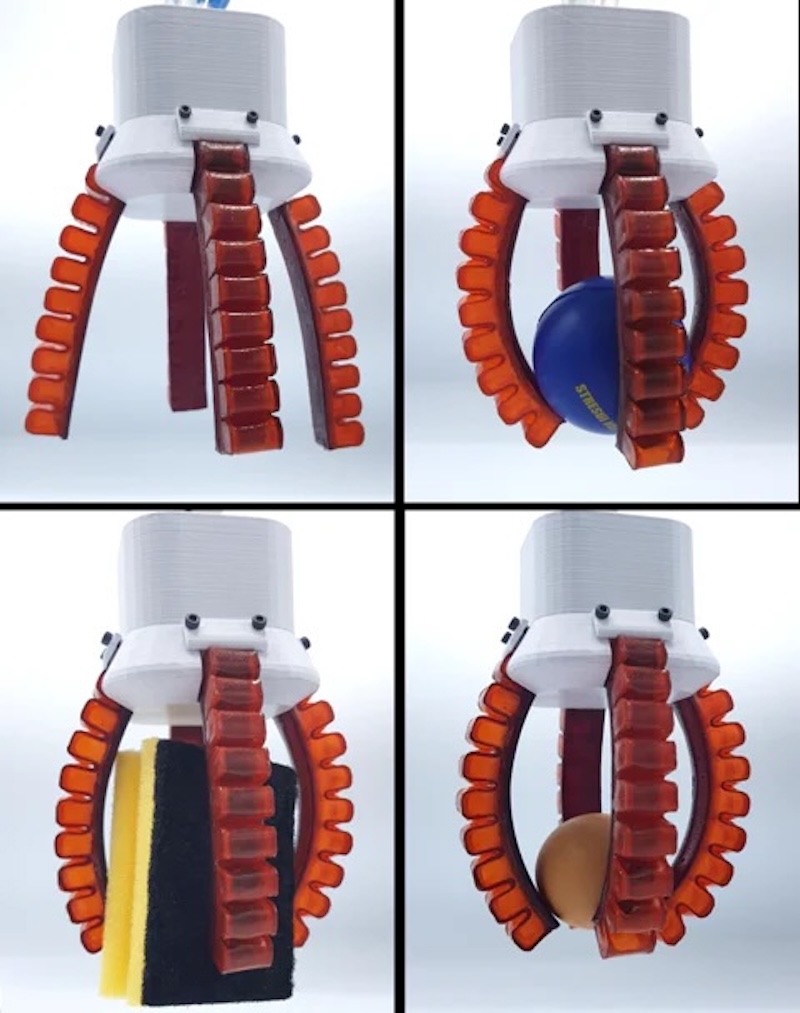
Vrije Universiteit Brussel (VUB) is spearheading the RESSORT project, a four-year initiative funded by the European Union's Horizon Europe program. This project aims to advance soft robotics by enabling these robots to sense, repair, and adapt to their environments, with applications in healthcare, food handling, and industrial inspection. The significance of RESSORT lies in its potential to transform soft robots into more sustainable and reliable solutions. By integrating innovative technologies such as self-healing materials and variable-stiffness structures, the project seeks to overcome existing limitations that have kept soft robots primarily in laboratory settings. This advancement could lead to safer interactions with humans and delicate objects. Looking ahead, RESSORT plans to develop three demonstrators to validate its technologies in real-world scenarios. One key application is a personalized soft exosuit for rehabilitation, designed to provide tailored support to patients. The project also aims to create an adaptive robotic system for the food industry, enhancing the ability to handle fragile products effectively.
Features Research Robotics Science adaptive robots brubotics
SoftBank Group Corp. Invests $200 Million in Swiss Startup Gravis Robotics
SoftBank Group Corp. has made a significant investment of $200 million in Gravis Robotics, a Swiss startup specializing in autonomous software for construction machinery. This investment highlights the growing interest in automation technologies within the construction sector, as companies seek to enhance efficiency and reduce labor costs through innovative solutions. Looking ahead, industry stakeholders will be keen to observe how Gravis Robotics leverages this funding to advance its technology and expand its market presence. No further timeline was disclosed at the time of publication.

UNSW Develops Soft Robotic Heart for Disease Study and Cardiac Device Testing
Researchers at the University of New South Wales (UNSW) have created a soft robotic model of the human heart that mimics disease conditions and facilitates testing of cardiac devices. This innovative model replicates the left side of the heart, including critical structures such as artificial valves and papillary muscles, which are essential for heart function. The significance of this development lies in its potential to enhance understanding of cardiovascular diseases, which remain the leading cause of death globally. The soft robotic heart can simulate conditions like mitral valve prolapse and regurgitation, allowing for more effective medical device development and reducing the need for animal testing. Looking ahead, the UNSW team aims to refine these artificial heart models to provide personalized treatment planning for patients. No further timeline was disclosed at the time of publication.

KAIST and Stanford Develop Self-Wearing Clothing Using Soft Robotics Technology
Researchers from KAIST and Stanford University have developed a self-wearing garment that can automatically dress a person in about 10 seconds without assistance. This innovative clothing utilizes soft robotics technology, specifically vine robots driven by air pressure, allowing the garment to adapt to the wearer's body shape as it 'grows' onto them. This advancement is significant as it addresses the limitations of traditional robotic dressing solutions, which often require external mechanical arms and complex control systems. The new approach allows for movement during the dressing process, making it more accessible for individuals with mobility challenges, such as the elderly or disabled. Future applications of this technology could extend beyond personal clothing to various fields, enhancing independence for those with physical limitations. No further timeline was disclosed at the time of publication.
Soft Robotics Wearable Technology Assistive Devices Emergency Response
SoftBank Group Corp. Considers Acquisition of Gravis Robotics AG for AI Technologies
SoftBank Group Corp. is reportedly evaluating a potential acquisition of Gravis Robotics AG. This move aligns with SoftBank's strategy to enhance its portfolio in artificial intelligence technologies that support robotics. The acquisition is significant as it highlights SoftBank's ongoing commitment to investing in advanced AI capabilities, which are crucial for the future of robotics. By targeting Gravis Robotics AG, SoftBank aims to strengthen its position in the competitive robotics market. No further timeline was disclosed at the time of publication. Industry observers will be watching closely to see how this potential acquisition unfolds and its implications for both SoftBank and the robotics sector.
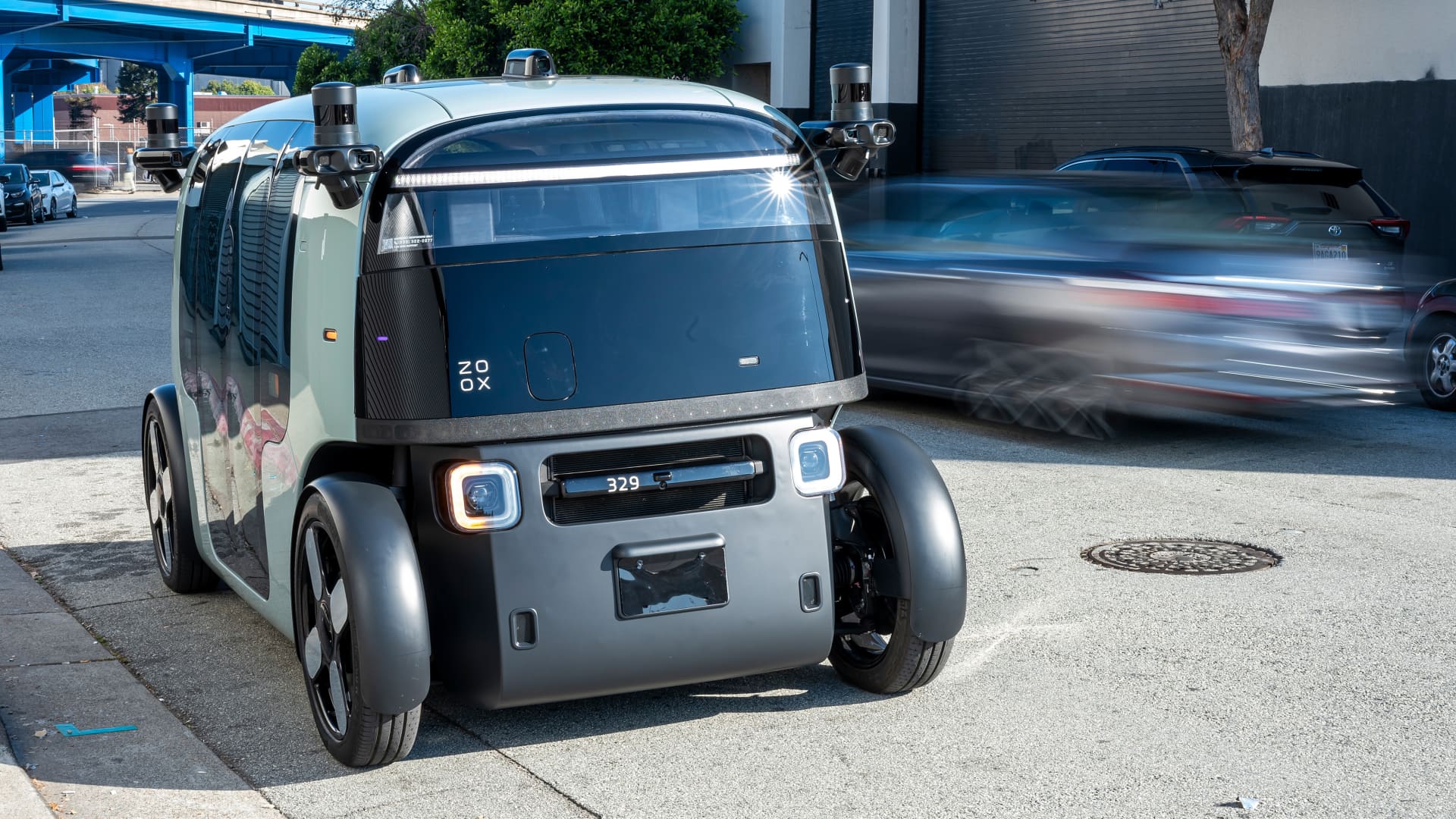
Zoox Recalls 105 Robotaxis Due to Software Issue with Smoke Detection
Amazon's Zoox has voluntarily recalled 105 of its robotaxis to rectify a software issue that caused the vehicles to fail in detecting heavy smoke. This recall follows an incident in Las Vegas where an unoccupied Zoox robotaxi drove into an active emergency fire scene obscured by smoke, prompting the company to notify the National Highway Traffic Safety Administration (NHTSA) on July 8. The significance of this recall lies in the growing scrutiny on autonomous vehicles, particularly regarding their interactions with first responders. NHTSA Administrator Jonathan Morrison has highlighted a pattern of driverless vehicles interfering with emergency operations, urging developers to prioritize solutions to these critical safety concerns. Zoox's incident marks a notable example of the challenges faced by autonomous vehicle technology in real-world scenarios. Looking ahead, Zoox is under pressure to enhance its software capabilities to prevent similar occurrences. The company has previously issued recalls for other software-related issues and is competing with industry leaders like Waymo. No further timeline was disclosed at the time of publication.
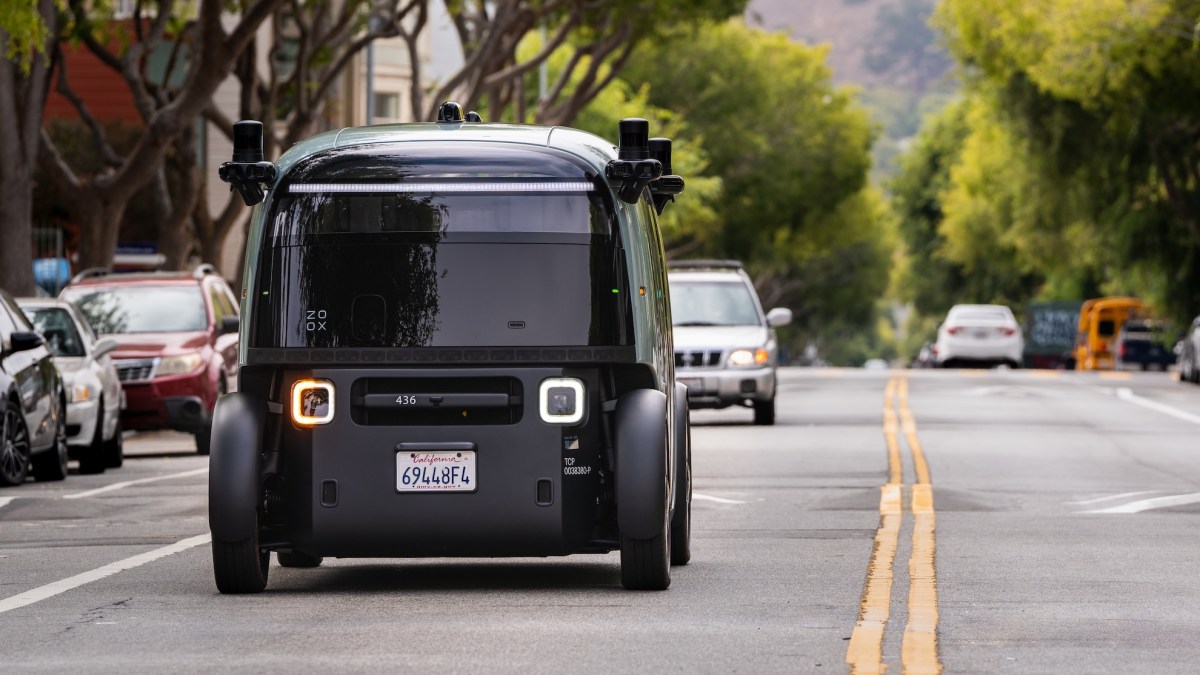
Zoox Issues Software Recall for Robotaxi After Smoke Navigation Incident
Zoox has announced a software recall following an incident in June where one of its robotaxis struggled to navigate a smoke-filled emergency scene. The Amazon-owned company has dispatched a software update to its fleet of 105 vehicles, enhancing the detection and response capabilities for heavy smoke in emergency situations. No injuries were reported during the incident, which involved a Zoox robotaxi encountering heavy smoke that obscured an active fire scene. This recall highlights significant concerns regarding the ability of autonomous vehicles to respond appropriately to emergency situations. The National Highway Traffic Safety Administration (NHTSA) has emphasized the need for self-driving car companies to address functional insufficiencies in their systems. The incident prompted Zoox to conduct an investigation and engage with NHTSA regarding the severity and root causes of the issue, leading to the software update. Looking ahead, Zoox is expanding its testing in cities like Las Vegas and San Francisco, with plans for a commercial launch pending NHTSA approval for exemptions from certain safety standards. The company has faced recalls in the past, indicating ongoing challenges in ensuring the safety and reliability of its autonomous vehicle technology. No further timeline was disclosed at the time of publication.
Transportation autonomous vehicles robotaxis self-driving cars zoox
New Soft Mechanical Force Sensor Enables Instant Touch Detection in Robotics
Researchers from the National University of Singapore have developed a soft mechanical force sensor, named ME-SOFS, which allows robots to detect touch and respond instantly without electronics. This innovation transforms applied force into fluid flow, activating soft robotic actuators and creating a fully mechanical sensing-to-action process. The ME-SOFS sensor, made entirely from flexible materials, eliminates the need for traditional electronic sensors, reducing complexity and potential failure points. Its design is particularly beneficial for soft robots operating in extreme environments, such as underwater or inside the human body, where electronic systems may fail. Future applications of the ME-SOFS sensor include integration into soft robotic systems, such as a glove that measures grasping forces and a haptic pad for touch feedback. This technology could significantly enhance prosthetics and human-machine interfaces. No further timeline was disclosed at the time of publication.
AI and Robotics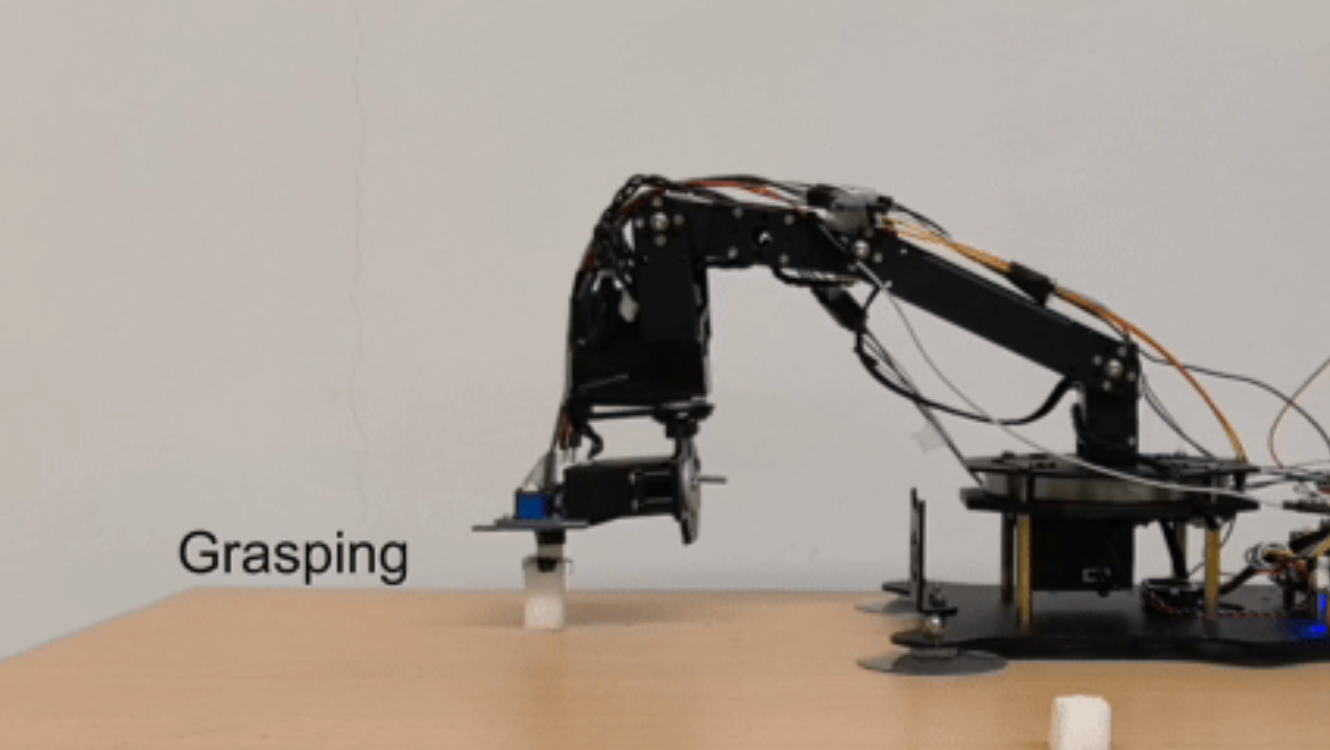
Soft Graphene Muscle Enables Robots to Maintain Stability for Over 13 Hours
Researchers from Sun Yat-sen University and Tsinghua University have developed a soft robot capable of maintaining stability against disturbances for over 13 hours. This innovation utilizes an ultrathin soft muscle, known as Soft Graphene Muscle (SGM), which integrates self-sensing, electrothermal actuation, and disturbance control without the need for external sensors. The significance of this development lies in its potential to enhance the operational capabilities of soft robots in real-world environments. Traditional soft robots often struggle with stability due to their flexible structures, which can amplify disturbances. The SGM's ability to adaptively balance objects heavier than itself marks a significant advancement in soft robotics, moving closer to practical applications. Future developments to watch include the potential for further integration of sensing and control within soft materials, as well as the implications for deploying soft robots in complex environments. The research was published in eScience, highlighting the collaborative efforts of experts in biomedical engineering and integrated circuits from both universities.
Soft Robotics Adaptive Control Robotics Engineering AI Material Science
Flexible Soft Sensor Enables Robotic Action Without Traditional Electronics
Researchers have developed a new soft sensor that allows soft robots to convert touch into action without relying on traditional electronic components. This innovation addresses a critical limitation in soft robotics, which often depend on bulky electronic sensors and actuators. The sensor is made from flexible materials, enhancing the robot's adaptability for various applications, including minimally invasive surgery and deep-sea exploration. The significance of this development lies in its potential to simplify the design and functionality of soft robots. By eliminating the need for electronic sensors and circuits, the new soft sensor reduces weight and complexity, making robots more efficient and reliable in challenging environments. This advancement could lead to broader applications in sectors where traditional electronics may fail, such as in wet or high-pressure conditions. Looking ahead, the next steps involve further testing and refinement of the soft sensor technology. Researchers aim to explore its integration into existing soft robotic systems and assess its performance in real-world scenarios. No further timeline was disclosed at the time of publication.
Robotics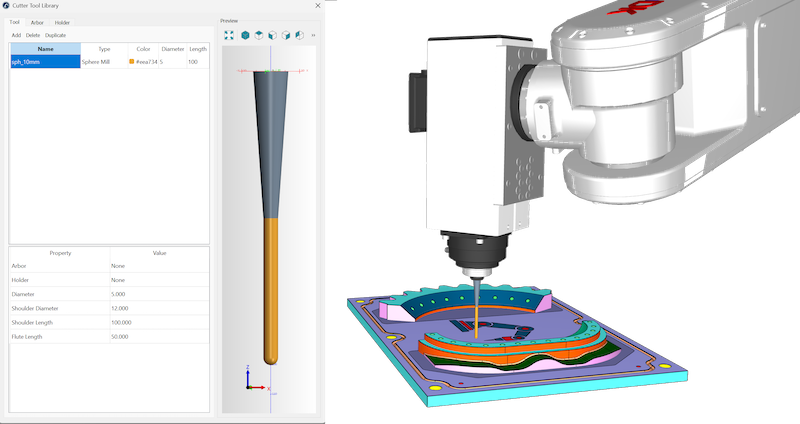
RoboDK Launches CAM Software to Reduce Robotic Machining Deployment Time by 40%
RoboDK has introduced its new CAM software, enabling robotic machining programs to be generated directly from CAD files. This innovation, showcased at the Automate Show, promises to reduce deployment time by up to 40%, allowing users to create toolpaths and collision-free motions without manual coding. The software aims to simplify the robotic machining process for manufacturers and integrators, even those lacking programming expertise. The significance of RoboDK CAM lies in its potential to overcome the traditional complexities associated with robot programming, which have hindered the adoption of robotic machining. By automating the generation of machining programs from CAD designs, RoboDK CAM facilitates rapid integration into production environments, thereby reducing costs and enhancing efficiency. CEO Albert Nubiola emphasized that this approach transforms CAD into the starting point for automation, making deployments faster and more consistent. Looking ahead, RoboDK's recent software update, Version 6.0, enhances performance and simulation capabilities, including support for over 1,400 robot models. The next milestone for RoboDK will be to further expand its software's capabilities and user accessibility. No further timeline was disclosed at the time of publication.
News Robot simulation Software Automate 2026 CAD-to-robot CAM software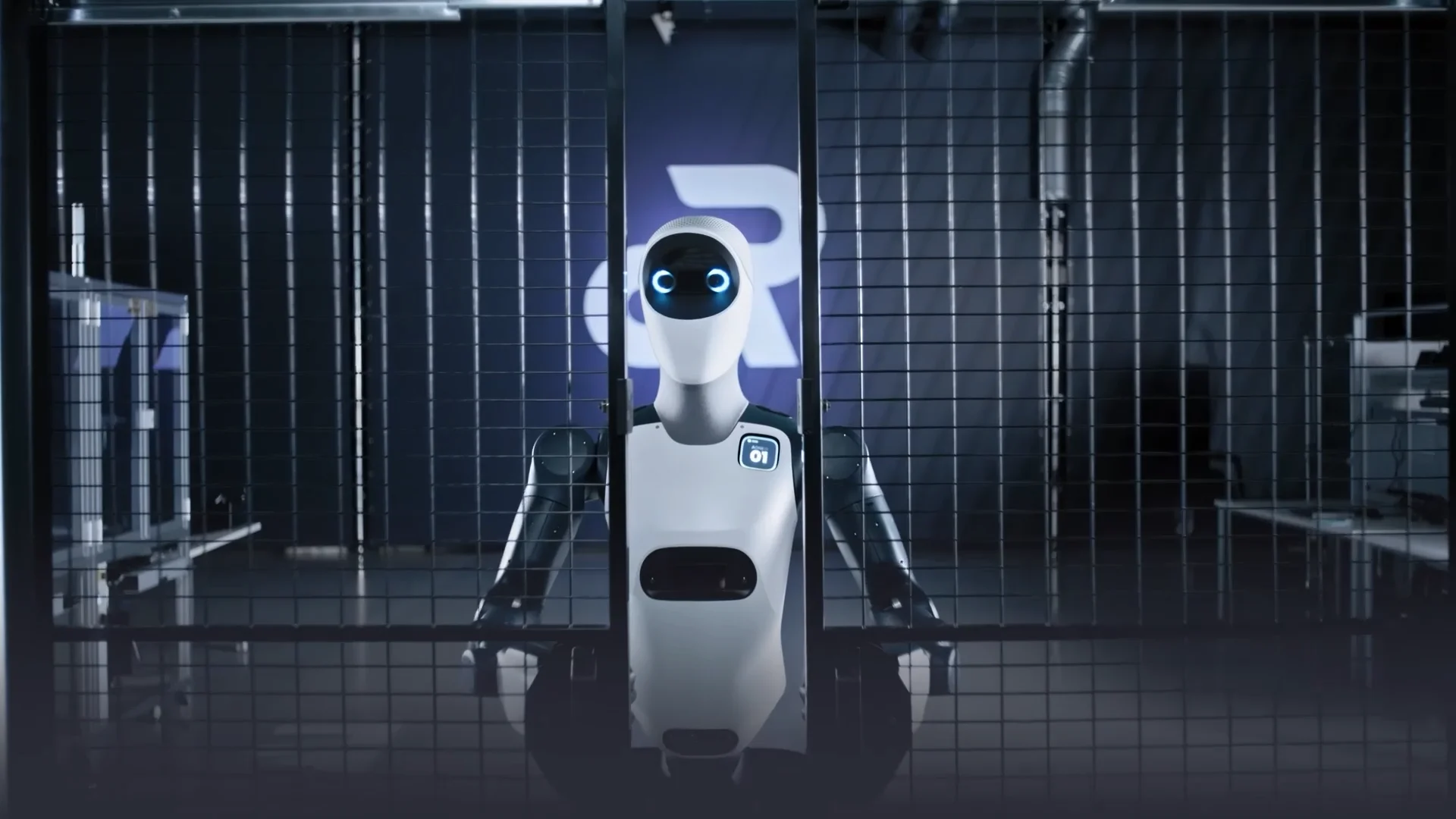
SoftBank Negotiates $800 Million Funding Round for Agile Robots
Agile Robots, a German industrial robotics startup, is in discussions to secure approximately $800 million in a new funding round, with SoftBank Group Corp. as a primary investor. Reports indicate that SoftBank is considering contributing over $300 million to this round, although both parties have declined to comment as negotiations are still in early stages. This potential funding is significant as it aligns with SoftBank's ongoing strategy to dominate the infrastructure layer of embodied artificial intelligence. Agile Robots, founded in 2018, has established a unique position by developing both intelligent software and physical hardware, including the Agile ONE humanoid platform designed for complex factory tasks. The company has also partnered with Google DeepMind to integrate advanced AI models into its operations. Looking ahead, the outcome of these funding discussions could further solidify Agile Robots' role in the robotics ecosystem, especially as it continues to expand its global presence with over 3,200 employees across Germany, China, and India. No further timeline was disclosed at the time of publication.
Europe Market softbank Agile Robots
BabaCAD Robotics Web Offers Free Browser-Based 3D Simulation and Offline Programming Software
BabaCAD Robotics Web has launched a free, browser-based software for 3D simulation and offline programming of industrial robots. This software can be used directly in browsers on various devices, including PC, Mac, Linux, tablets, and smartphones, without the need for installation. The introduction of this software is significant as it allows users to engage in 3D simulations and offline programming without the constraints of traditional software installations. This flexibility can enhance accessibility for engineers and developers working with industrial robots. Looking ahead, the ease of use and cross-platform compatibility of BabaCAD Robotics Web may influence the adoption of similar technologies in the robotics industry. No further timeline was disclosed at the time of publication.
Allgemein Robotersteuerung & Digital Twin Robotik
SoftBank Robotics Launches Next-Generation Serving Robot 'Servi Q' in Collaboration with Bear Robotics
SoftBank Robotics Corp. has commenced sales of the next-generation serving robot 'Servi Q,' developed in collaboration with Bear Robotics, Inc., starting September 28, 2026, in Japan. The 'Servi Q' will be exclusively sold by SoftBank Robotics globally, leveraging its network for gradual international rollout, while Bear Robotics continues sales in the U.S. and South Korea. The introduction of 'Servi Q' addresses several operational challenges faced by serving robots, such as navigating narrow aisles and carrying drinks stably. With a slim design of 35 cm in width and a minimum passage width of 45 cm, it can maneuver through crowded spaces and reverse in tight spots, enhancing its adaptability to various restaurant environments. Looking ahead, 'Servi Q' is designed to support natural collaboration between humans and robots in environments where traditional robot deployment has been challenging, such as restaurants, hotels, and care facilities. No further timeline was disclosed at the time of publication.
MAB Automates Vertical CNC Machining Process with Robots and Machine Vision Software
MAB Möbel, a Swiss furniture manufacturer, has automated its vertical CNC machining process using robots. This advancement is facilitated by machine vision software that connects the robots with the CNC machine. The development of this approach was essential to achieve the automation of the manufacturing process. The significance of this automation lies in its potential to enhance efficiency and precision in furniture production. By integrating machine vision technology, MAB Möbel can improve the accuracy of machining operations, which is crucial for maintaining high-quality standards in the competitive furniture industry. Looking ahead, it will be important to monitor how MAB Möbel continues to leverage this technology to optimize its manufacturing processes. No further timeline was disclosed at the time of publication.
Allgemein Anwendungen & Lösungen Holzbearbeitung Robot Vision & Inspection
The Growing Importance of Software in Robotics and Its Implications
Software is becoming increasingly vital in robotics, influencing motion control, safety functions, diagnostics, and updates. It is no longer just about a robot's capabilities; the origin, maintenance, and long-term support of its software are crucial factors. Unauthorized copying of protected robotic software or technical solutions can pose risks throughout the entire value chain, affecting companies that utilize such systems in their operations. This shift highlights the need for robust software management and compliance in the robotics industry. As reliance on software grows, companies must ensure that their robotic systems are not only effective but also legally compliant and secure. The implications of software origin and support extend beyond individual robots, impacting the broader ecosystem of manufacturers and users. Looking ahead, stakeholders should monitor developments in software regulation and compliance within the robotics sector. Ensuring that software is properly sourced and maintained will be critical for mitigating risks and maintaining operational integrity. No further timeline was disclosed at the time of publication.
Allgemein Menschen & Meinungen
Qualcomm Acquires PickNik to Enhance MoveIt Integration with Dragonwing Robotics
Qualcomm Technologies has announced its acquisition of PickNik, the company behind the MoveIt manipulation framework. This acquisition aims to integrate MoveIt's motion planning, manipulation, perception, and kinematics tools with Qualcomm's Dragonwing robotics platforms, enhancing their AI processing and real-time capabilities. The integration of MoveIt with Dragonwing is significant as it will streamline the development of advanced robotic applications, providing developers with a more direct path from AI models to real-time robot control. Qualcomm also plans to extend MoveIt’s capabilities to Arduino hardware, starting with the VENTUNO Q board, while maintaining its open-source model. Looking ahead, Qualcomm's commitment to keeping MoveIt open-source will support community-driven development and third-party hardware. The companies are showcasing MoveIt Pro on the VENTUNO Q and Dragonwing platforms at ROSCon Toronto, indicating a strong focus on collaboration and innovation in the robotics sector. No further timeline was disclosed at the time of publication.
AI AI Funding & Investment Robotics acquisition Open Source PickNick
Toborlife AI Introduces Full-Body Teleoperation Software for Unitree G1 Humanoid Robot
Toborlife AI has launched its full-body teleoperation software for the Unitree G1 Edu humanoid robot, marking a significant advancement for US research labs and universities. This software provides a domestic solution for data collection, training, and support, ensuring that training data remains on customer hardware within the United States. The introduction of this teleoperation system is crucial as it addresses the gap in software and support for humanoid robotics in the US, where teams have struggled to integrate various open-source libraries. With the ability to control the G1 Edu in real time using a PICO VR headset, operators can perform tasks with high precision, capturing data that is immediately usable for training and model validation. Looking ahead, Toborlife AI's commitment to providing US-based technical support and training will be essential for labs aiming to leverage humanoid robots effectively. No further timeline was disclosed at the time of publication.
Humanoids News Software artificial intelligence dexterous hands dexterous manipulation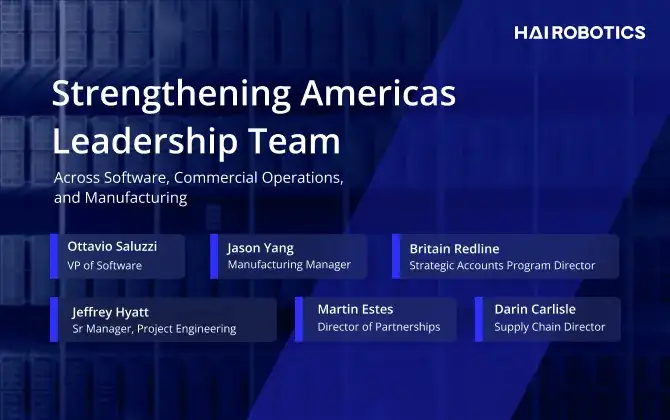
Hai Robotics Expands Leadership Team in Americas for Enhanced Operations and Manufacturing
Hai Robotics has enhanced its leadership team in the Americas with key appointments across various sectors including software, supply chain, and manufacturing. This strategic move aims to bolster the company's capabilities in supporting the entire customer journey, from solution development to U.S.-based manufacturing. The expansion is significant as it aligns with Hai Robotics' commitment to improving local service and operational responsiveness in the Americas, particularly in Alpharetta, Georgia. The new leadership will enable the company to better meet evolving customer needs and sustain regional growth, reinforcing its position in the competitive warehouse automation market. Looking ahead, Hai Robotics plans to continue investing in infrastructure and operational expertise to adapt to the changing demands of its customers. No further timeline was disclosed at the time of publication.
Warehouse Automation Supply Chain Management Logistics Manufacturing Customer Support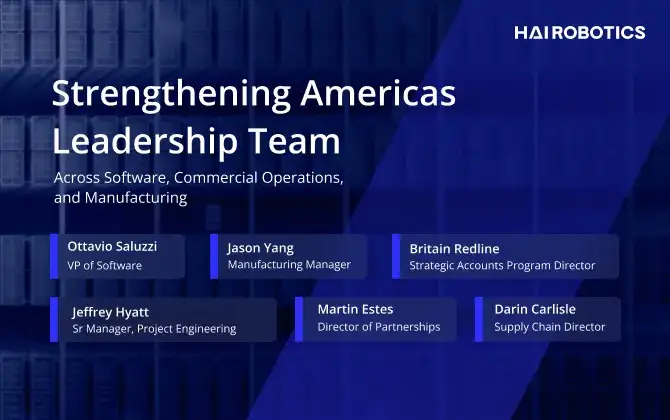
Hai Robotics Expands Leadership Team in Americas for Enhanced Operations and Manufacturing
Hai Robotics has bolstered its leadership team in the Americas with key appointments across various sectors, including software and manufacturing. This strategic move aims to enhance the customer journey by improving solution development, software integration, and supply chain execution. The expansion is significant as it aligns with Hai Robotics' commitment to providing responsive, locally supported services in the Americas, particularly with its growing presence in Alpharetta, Georgia. The new leadership will enable the company to better meet evolving customer needs and sustain regional growth. Looking ahead, Hai Robotics is focused on building an organization that anticipates future customer requirements. CEO Adrian Stoch emphasized the importance of having the right capabilities and infrastructure in place to adapt to the complexities of customer operations as they evolve. No further timeline was disclosed at the time of publication.
Warehouse Automation Supply Chain Management Logistics Manufacturing Customer Support
Integrating Cameras, Grippers, Controllers, and Software for Advanced Robotics Deployment
The integration of cameras, grippers, controllers, and application software is crucial for effective robotics deployment. When these components are tailored for a specific workcell, adapting them for different tasks or products often requires extensive rework. This challenge highlights the need for more flexible and adaptable robotic systems in manufacturing environments. Addressing the integration issue is essential for enhancing productivity and efficiency in industrial automation. As companies seek to implement advanced robotics solutions, the ability to quickly adapt systems to new tasks can significantly reduce downtime and costs. This adaptability is vital for staying competitive in a rapidly evolving market. Looking ahead, companies will need to focus on developing modular and interoperable robotic systems that can easily transition between various applications. The ongoing evolution in robotics and AI research will play a key role in shaping these advancements. No further timeline was disclosed at the time of publication.
D-Robotics Secures $400 Million in Series C Funding for Sunrise Chip and Software Platform
D-Robotics, a Chinese robotics technology firm, has successfully raised $400 million in a Series C funding round. This financing will bolster the company's Sunrise chip portfolio and its comprehensive software platform aimed at enhancing robot development. The significance of this funding lies in D-Robotics' impressive revenue growth, which has reportedly multiplied several times year over year in the first half of 2026. Additionally, the company has achieved cumulative shipments of over 8 million units of its Sunrise chips, indicating strong market demand and adoption. Looking ahead, D-Robotics has entered mass production with its embodied AI business, and its Sunrise S600 chip has already been adopted by more than 20 customers within just six months of its launch. The new software platform is set to facilitate various stages of robot development, including data collection and deployment. No further timeline was disclosed at the time of publication.
News Feed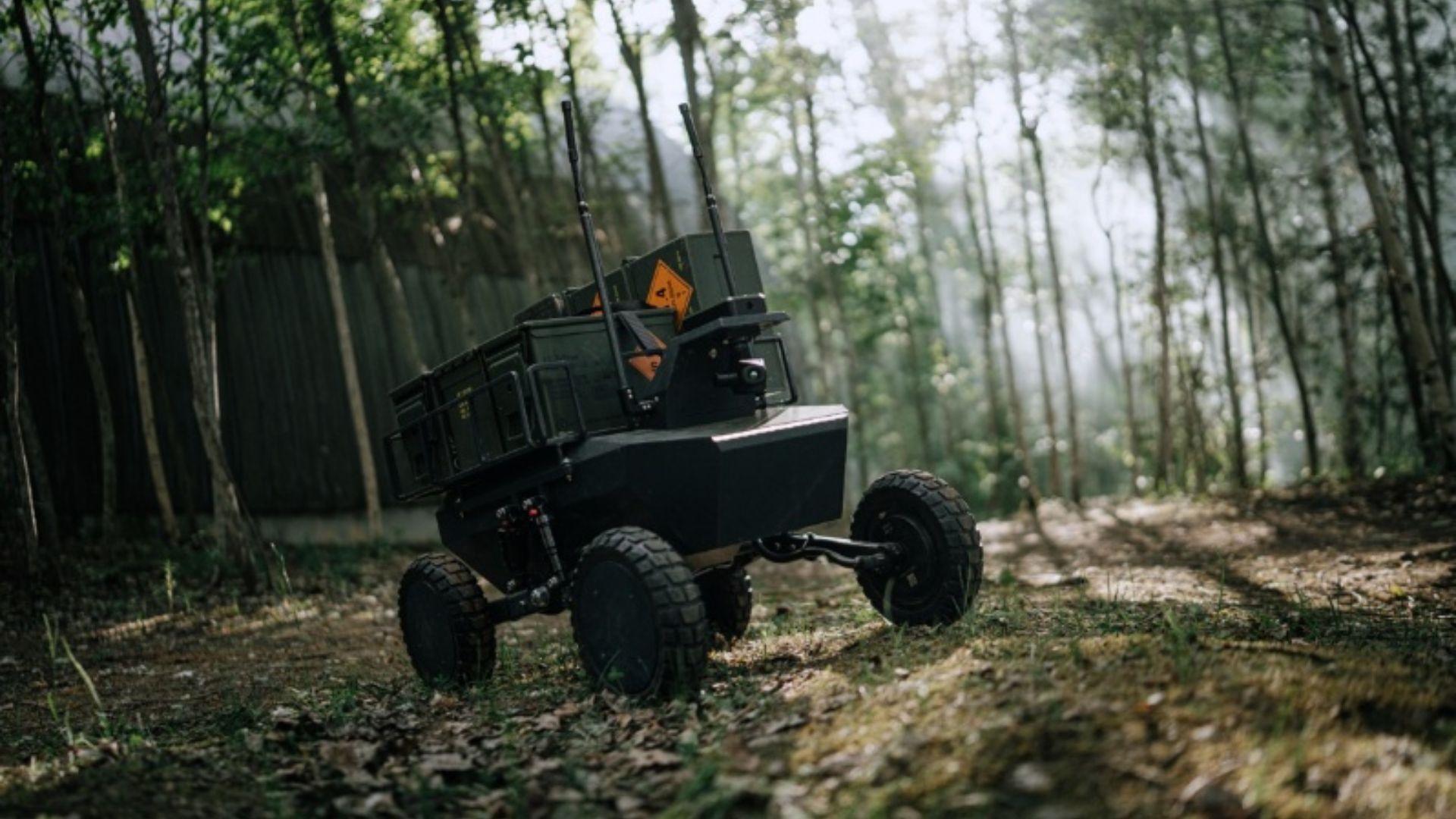
XTEND Expands Robotics Portfolio with AtlasROVER Ground Robot Deployment
Israeli physical AI firm XTEND has launched its AtlasROVER ground robot, marking its first delivery to a customer in the Asia-Pacific region. This deployment integrates XTEND’s XOS operating software, which is designed to unify control across various robotic platforms, including aerial and ground systems. The introduction of the AtlasROVER signifies XTEND's strategic shift to create a cohesive software ecosystem for robots operating in diverse environments. By utilizing XOS, XTEND aims to streamline operator workflows and enhance mission-specific capabilities across its robotic offerings, thereby improving operational efficiency. Looking ahead, XTEND's focus will be on further integrating XOS into its ground robotics portfolio, following the acquisition of Latvia-based Atlas. This move is expected to enhance XTEND's engineering and manufacturing capabilities in Europe, while also expanding the operational roles of its robotic systems. No further timeline was disclosed at the time of publication.
AI and Robotics
BlackBerry Transitions from Phones to Automotive Software and Robotics
BlackBerry, once a leading phone manufacturer, has shifted its focus to critical software for secure communications and automotive applications. CEO John Giamatteo highlighted the company's strategy during a recent interview, noting that BlackBerry's share price has doubled this year due to its emphasis on AI and safety-critical software. The company's QNX division, which provides operating systems for vehicles, is embedded in 275 million cars and is seen as pivotal for future developments in AI, particularly in robotics. Giamatteo indicated that robotics is one of the fastest-growing segments within the QNX portfolio, with a backlog of orders worth $950 million, including a portion from the robotics sector. As BlackBerry continues to evolve from its smartphone roots, it is positioning itself to capitalize on the growing demand for secure, innovative solutions in automotive and industrial robotics. No further timeline was disclosed at the time of publication.
Anthropic Introduces Software Standard for Claude to Enhance Collaboration with Robots and Lab Tools
Anthropic PBC has unveiled a new software standard designed to improve the interaction between AI assistants, such as Claude, and various robotic and scientific lab tools. This development aims to streamline operations in both manufacturing and scientific environments, enhancing the efficiency of AI in these sectors. The introduction of this software standard is significant as it represents a step forward in integrating AI technologies with physical systems. By enabling Claude to better collaborate with robots and lab equipment, Anthropic is addressing a critical need for improved automation and precision in scientific and manufacturing processes. Looking ahead, industry stakeholders will be keen to observe how this new standard impacts the deployment of AI in robotics and lab settings. No further timeline was disclosed at the time of publication.

BlackBerry's CEO Highlights Robotics as a Rapidly Growing Sector in QNX Software
BlackBerry CEO John Giamatteo announced that robotics is among the fastest-growing sectors within the company's QNX software portfolio during an interview with CNBC. QNX, which is embedded in 275 million vehicles, has a significant backlog of approximately $950 million, with a portion attributed to robotics. The importance of robotics in BlackBerry's strategy is underscored by Giamatteo's remarks on the potential for growth in physical AI applications. He emphasized that the company is focusing on industrial robots, such as robotic forklifts and medical instruments, rather than humanoid robots, indicating a strategic pivot towards sectors with substantial growth opportunities. Looking ahead, BlackBerry's partnership with Nvidia aims to enhance its software capabilities in robotics and industrial applications. Giamatteo expressed enthusiasm for the evolving landscape of robotics, suggesting that the company is well-positioned to capitalize on these advancements. No further timeline was disclosed at the time of publication.

Italian Institute of Technology Develops Soft Robotic Arm Inspired by Octopus Design
A team from the Italian Institute of Technology (IIT) has developed a soft robotic arm inspired by the octopus, utilizing a distributed perception design philosophy. Unlike traditional robots with centralized control, this arm mimics the octopus's ability to independently sense and respond through its tentacles, allowing for more agile and nuanced movements underwater. This innovation matters as it enhances the speed and simplicity of robotic control, eliminating the need for high-frequency data processing from a central system. The arm's design incorporates optoelectronic sensors and micro-LEDs in each suction cup, enabling real-time assessment of contact direction and force, thus allowing for immediate actions without centralized commands. The soft robotic arm has demonstrated its capabilities in complex environments, accurately grasping fragile objects without visual feedback. Its potential applications include assisting in medical procedures, handling delicate components in manufacturing, and performing underwater archaeology or deep-sea sampling, showcasing the advantages of biological problem-solving approaches in robotics.
Soft Robotics Robotic Arms Biomimicry Underwater Robotics
Gravis Robotics Secures $200 Million from SoftBank for Autonomous Construction Innovation
Gravis Robotics has announced a significant investment of $200 million from SoftBank in its Series A funding round, marking a historic milestone in construction robotics. This funding aims to enhance the company's autonomous construction capabilities, addressing the industry's slow automation pace amid rising demands for infrastructure repairs and AI data center developments. The investment is crucial as Gravis Robotics seeks to revolutionize the construction sector, which has traditionally relied on mechanical hardware. With its Gravis Rack autonomous control kit, the Zurich-based company retrofits existing construction equipment, enabling it to operate in unpredictable jobsite conditions, thereby overcoming the challenges of traditional automation. Looking ahead, Gravis Robotics plans to leverage this funding to expand its workforce and deploy its technology across major job sites. The company emphasizes the importance of bridging the sim-to-real gap in construction, aiming to bring factory-floor precision to civil engineering tasks. No further timeline was disclosed at the time of publication.
Artificial Intelligence / Cognition Autonomous Mobile Robots (AMRs) Construction Controllers Investments News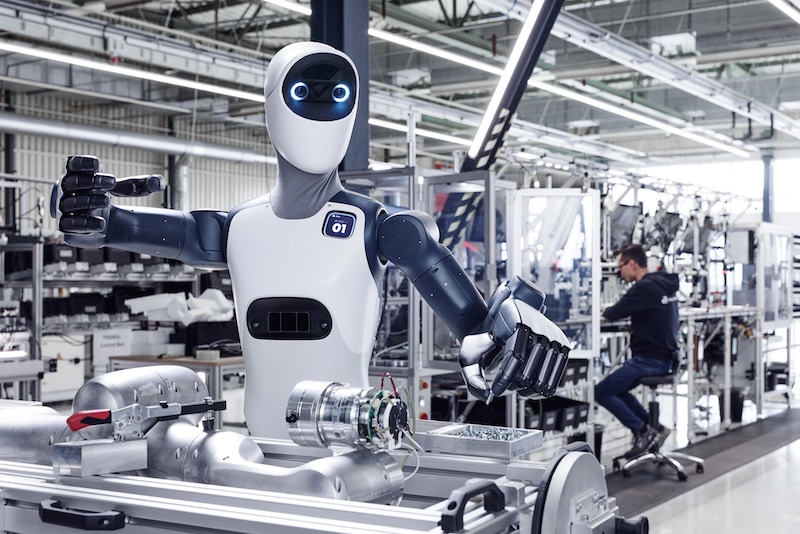
Agile Robots Anticipates Revenue Growth to €600 Million in 2026 Amid Rising Demand
Agile Robots, a German robotics company, is projecting its revenue to double this year, reaching approximately €600 million. This growth is attributed to the increasing demand for industrial automation, as reported by CEO Zhaopeng Chen in an interview with the Wall Street Journal. The company's revenue was €300 million in 2025, and it has already secured customer contracts that support its optimistic revenue forecast for 2026. Agile Robots aims to achieve profitability within the next two to three years, bolstered by its strategic acquisitions and partnerships, including a collaboration with Google DeepMind to enhance its robotic systems with advanced AI capabilities. Looking ahead, Agile Robots has rapidly expanded its operations through acquisitions, which are expected to contribute 10 to 15 percent of new business this year. The company’s focus on integrating manufacturing capabilities with AI-driven automation positions it well in a competitive market, as manufacturers increasingly seek solutions to improve productivity and address labor shortages. No further timeline was disclosed at the time of publication.
Financials & Investments Humanoids News agile robots ai artificial intelligence
Waymo Resumes Freeway Robotaxi Operations After Software Updates in Phoenix
Waymo is gradually reintroducing freeway routes to its robotaxi service, starting in Phoenix, after a two-month pause due to safety concerns near construction zones. The company announced this development on X, indicating that more cities, including Los Angeles and the San Francisco Bay Area, will follow soon. The resumption of freeway operations is significant as it comes amid heightened scrutiny of autonomous vehicle behavior in high-traffic situations. Waymo has implemented software updates to enhance scene recognition and routing, aiming to improve performance around construction zones, which is crucial for maintaining safety standards. Looking ahead, Waymo's expansion into freeway routes is a critical move to attract more riders by offering shorter commute times. However, the company faces ongoing regulatory challenges, including proposed legislation for national safety standards for autonomous vehicles. No further timeline was disclosed at the time of publication.
Transportation robotaxis Waymo
Agency Tool Company Launches ATC Deploy to Simplify Robot Software Updates
Agency Tool Company, co-founded by Jack Morrison and Davis Foster, has introduced ATC Deploy, a solution aimed at streamlining software updates for robots. The launch comes as the robotics industry faces challenges in deploying software effectively, a problem Morrison identified during his tenure at Scythe Robotics. The significance of ATC Deploy lies in its ability to integrate with existing software and architecture, allowing customers to use their preferred operating systems and file structures. Morrison emphasized that while software installation is a common task in other tech sectors, the robotics field lacks dedicated tools to facilitate this process, creating a bottleneck in operational efficiency. Looking ahead, the robotics landscape is evolving, with increased funding and interest in AI-driven solutions. Morrison's insights suggest that as more companies scale their operations, the demand for effective software deployment tools like ATC Deploy will grow. No further timeline was disclosed at the time of publication.
Agriculture Artificial Intelligence Artificial Intelligence / Cognition Design / Development Development Tools / SDKs / Libraries NewsRobotics needs a service framework.
RSF defines a common language for robot service capability, lifecycle operations, certification pathways, and service-provider networks.
Join the RobotToday community on LinkedIn
Daily robotics news, in-depth analysis, conference highlights, and discussions with professionals worldwide.







