

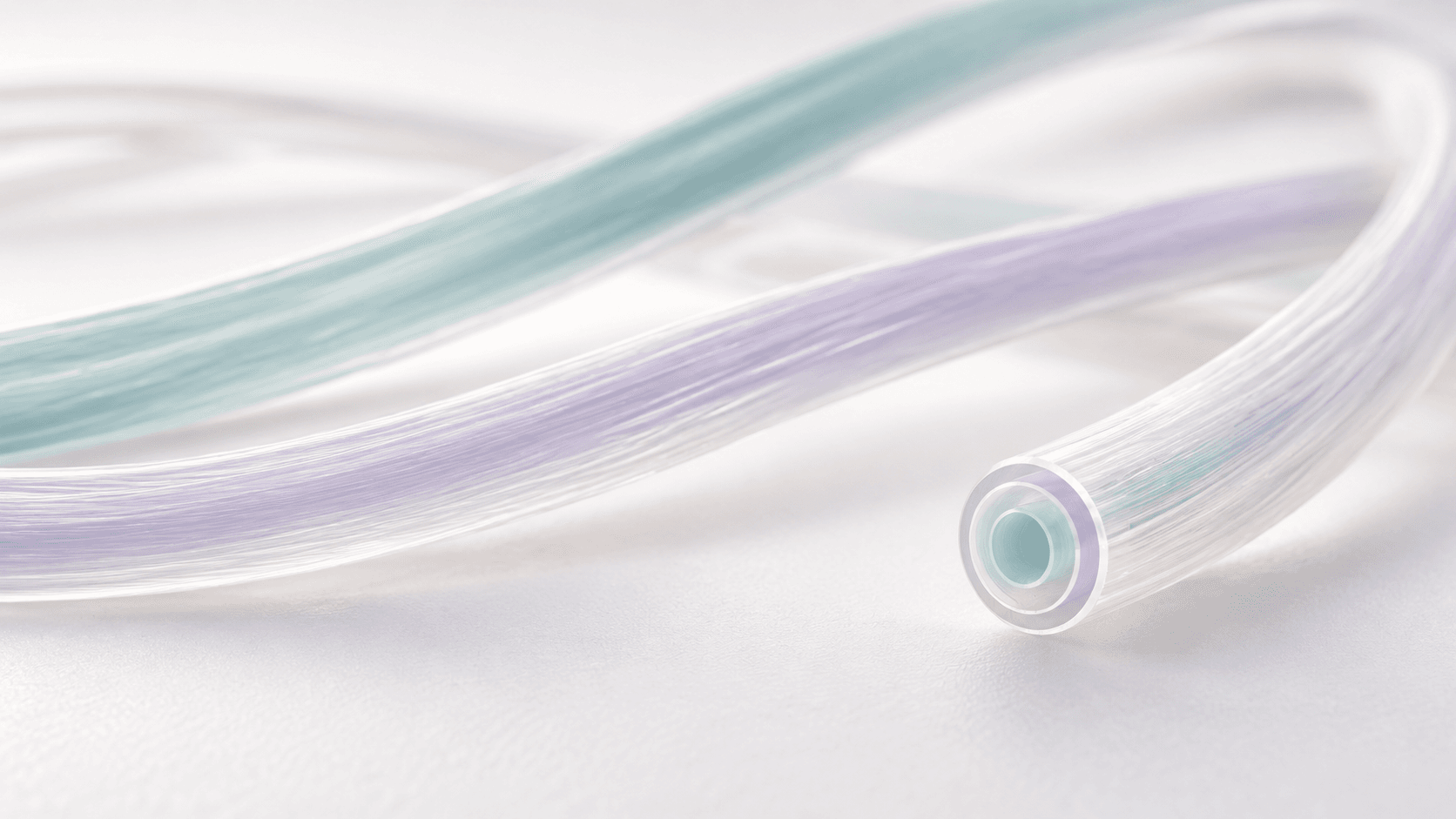
Researchers at Donghua University have reported advancements in microfluidic spinning techniques that enable the integration of filters, inverters, and spatial sensors into continuous soft fibers. This innovative approach allows for the creation of soft materials that can be utilized in robotics for sensing and touch-free control applications.
The significance of this development lies in its potential to enhance robotic systems by providing them with improved sensory capabilities and control mechanisms. By embedding electronic components directly into soft fibers, the researchers are paving the way for more adaptable and responsive robotic technologies that can operate in diverse environments.
Looking ahead, the implications of this research could lead to further innovations in soft robotics and wearable technologies. No further timeline was disclosed at the time of publication.
Editor's Note
The integration of electronics into soft materials represents a significant advancement in robotics and automation. This technology could facilitate the development of more flexible and responsive robotic systems, enhancing their functionality in various applications. Stakeholders in robotics and manufacturing should monitor these developments closely as they may influence future design and procurement strategies.
Copyright Notice
This briefing is an independently written summary based on publicly available reporting and is provided for industry information and news discovery. The original report and source publication are credited and linked where applicable. RobotToday does not claim ownership of third-party source material.
Rights concerns? If you believe any material in this briefing infringes your copyright or other rights, please contact [email protected] with the relevant URL and details. We will review the matter and take appropriate action where warranted.





























Leave a comment