


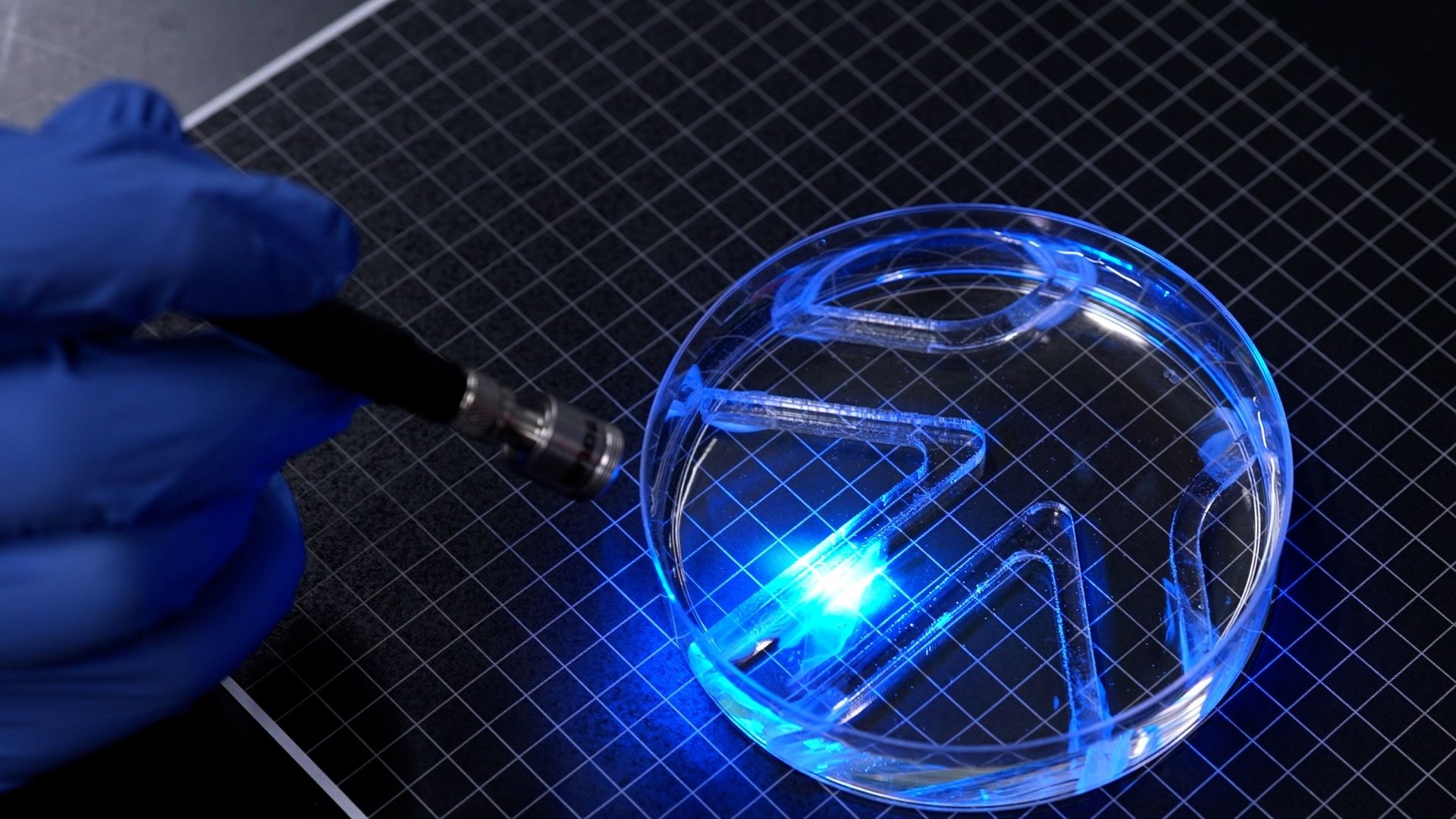
A new development in soft robotics has introduced a continuous artificial muscle that mimics the dexterous motion of an octopus. This innovation allows for local control of movement, enabling one part of a soft robot to navigate around obstacles while another part can reach into tight spaces to grasp objects.
The significance of this advancement lies in its potential to enhance the functionality of soft robots, which traditionally require multiple actuators for similar tasks. By simplifying the actuator design and improving movement control, this continuous artificial muscle could lead to more efficient and versatile soft robotic applications in various fields.
Looking ahead, the focus will be on how this technology can be integrated into existing soft robotic systems and the potential for commercialization. No further timeline was disclosed at the time of publication.
Editor's Note
The introduction of continuous artificial muscles represents a significant leap in soft robotics, potentially transforming applications in areas such as healthcare, manufacturing, and exploration. As industries seek more adaptable and efficient robotic solutions, the ability to replicate natural dexterity will be crucial for competitive advantage.
Copyright Notice
This briefing is an independently written summary based on publicly available reporting and is provided for industry information and news discovery. The original report and source publication are credited and linked where applicable. RobotToday does not claim ownership of third-party source material.
Rights concerns? If you believe any material in this briefing infringes your copyright or other rights, please contact [email protected] with the relevant URL and details. We will review the matter and take appropriate action where warranted.


























Leave a comment