Industry Briefing
A single destination for timely, editor-curated robotics news from around the world.

Lumos Nexcore System Advances Scalable Production of Robot Skills for Industry Applications
Lumos Robotics has introduced the Lumos Ego Vue dual-camera first-person skill experience interface and the Lumos data pipeline for automated skill production. These innovations address the challenge of enabling robots to continuously learn from real-world experiences and convert human operational knowledge into reusable skills, essential for scaling industry applications. The significance of these developments lies in their ability to enhance embodied intelligence by creating a comprehensive infrastructure that connects real-world experiences with skill understanding and model training. This integration is crucial for robots to operate effectively in complex industrial environments, where understanding task logic and physical interactions is vital. Looking ahead, the Lumos Ego Vue system aims to facilitate the transition from single-task training to sustainable learning and scalable applications in various sectors, including manufacturing and logistics. No further timeline was disclosed at the time of publication.
Robot Skill Production Embodied Intelligence Automation Technology Data Processing Industrial Robotics
Humanoid Robot Production Capacity Surpasses 10,000 Units: Can Anhui Compete Nationally?
The production capacity of humanoid robots has exceeded 10,000 units, raising questions about Anhui's position in the national market. This milestone indicates significant advancements in robotics manufacturing, showcasing the region's potential to compete with top-tier cities. As the industry evolves, stakeholders should monitor Anhui's strategies and innovations to maintain its competitive edge.
Robotics Automation AI
Foxconn and Altec Unveil Turn-Key Platform to Address Robotics Production Challenges
On September 21, Foxconn Technology Group and Altec officially launched a turn-key robotics platform in Beijing's Yizhuang area. This platform, operated by Beijing Futekang Intelligent Robotics Technology Co., aims to bridge the gap between prototype development and mass production in the robotics industry. The initiative is expected to streamline the transition from laboratory models to large-scale manufacturing, addressing critical supply chain integration and cost control issues. The robotics sector currently faces significant challenges in scaling production, with obstacles in engineering validation and supply chain coordination. Futekang, leveraging Foxconn's precision manufacturing and Altec's automotive-grade R&D capabilities, aims to create a closed-loop system that reduces costs associated with pilot testing and mass production. Industry experts at the launch event emphasized that the bottleneck in mass production lies not in technology demonstration but in engineering capabilities and industry collaboration. Futekang's establishment enhances the regional industrial ecosystem, which already hosts over 300 robotics-related entities and has surpassed a scale of 20 billion yuan. The turn-key platform is designed to package essential services, allowing innovation teams to bypass the complexities of building manufacturing capabilities from scratch. The signing of cooperation agreements with companies like Songyan Power and Yingzhi Technology indicates the platform's comprehensive coverage from concept to mass production.
Robotics Manufacturing Supply Chain Integration Engineering Validation
ZhiYuan Unveils 20,000th Robot, Achieving Rapid Production Growth in Six Months
On September 24, ZhiYuan launched its 20,000th general-purpose embodied intelligent robot, the Expedition A3 Ultra, at the Hengqin Chimelong Space Park, delivering it to the Chimelong Group. This milestone coincided with the opening of the world's first large-scale embodied intelligent theme park, featuring over 300 ZhiYuan robots engaged in various visitor interactions, guiding, performances, and educational activities. The delivery of the 20,000th robot signifies ZhiYuan's transition from research and single-point demonstrations to mass production and regular operations. The company produced only six prototype models in 2023, began large-scale production in August 2024, and reached significant milestones, including 1,000 units in January 2025 and 15,000 units by June 2026. The rapid increase from 10,000 to 20,000 units occurred in approximately six months, marking a significant achievement in the humanoid robot industry where most companies have delivered only a few thousand units. Looking ahead, the focus will be on how many of these 20,000 robots will operate continuously in real-world scenarios and generate value. Additionally, it will be important to monitor the timeline for reaching the next production milestone beyond 20,000 units, as ZhiYuan continues to expand its capabilities in dynamic public environments.
Humanoid Robots Robotics Theme Park Technology AI Automation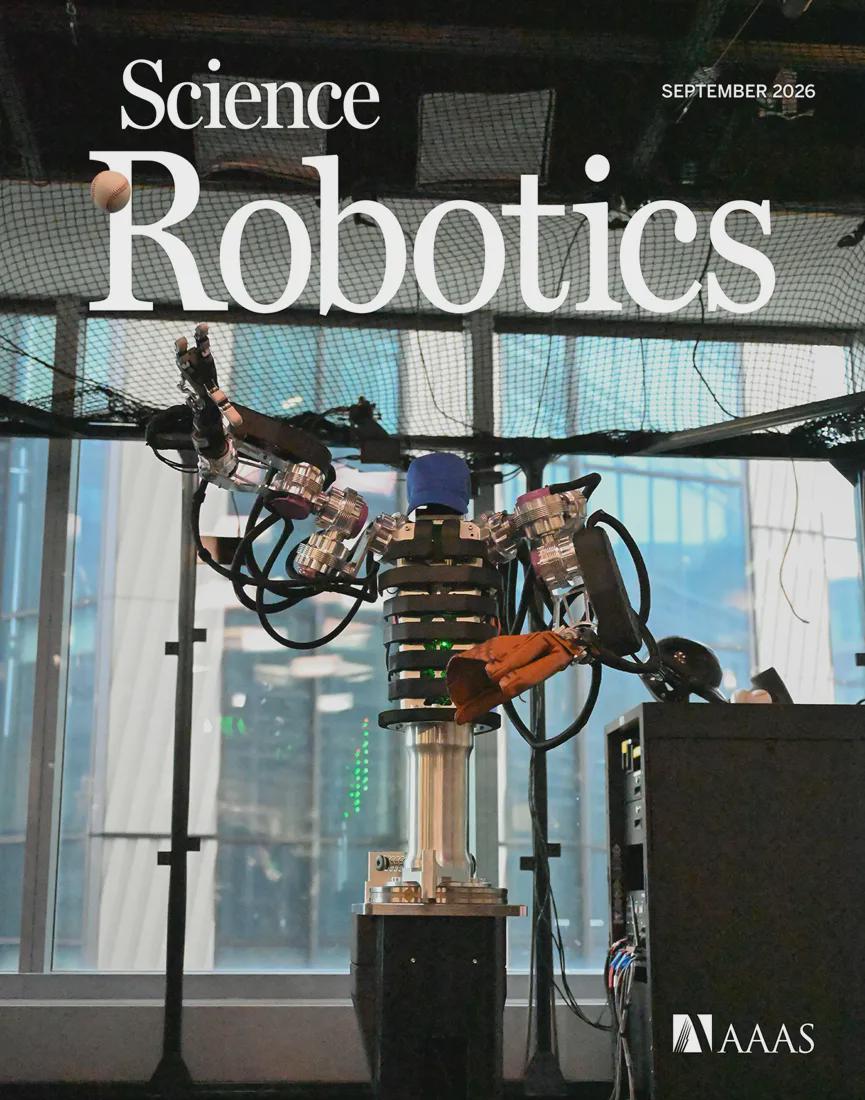
AthenaZero: A Robotic Arm Demonstrating Advanced Baseball Skills and Precision
AthenaZero, developed by the RAI Institute, has showcased its capabilities by successfully catching a baseball from 7.3 meters away, with the ball's flight time being less than 0.4 seconds. Additionally, it demonstrated its batting skills by adjusting its swing based on the pitch location, achieving a hit rate of 27 out of 33 attempts in testing. This innovation is significant as it addresses the challenge of balancing explosive power and precision in robotic arms. By reducing the arm's inertia, AthenaZero can accelerate and decelerate more effectively, allowing for a controlled response upon contact with the ball. This capability is crucial for tasks that require delicate handling, such as catching lightweight objects without deflecting them. Looking ahead, the focus will be on further refining the mechanical structure to minimize inertia, enhancing the arm's performance in dynamic environments. No further timeline was disclosed at the time of publication.
Robotic Arms AI Dynamic Manipulation Baseball Robotics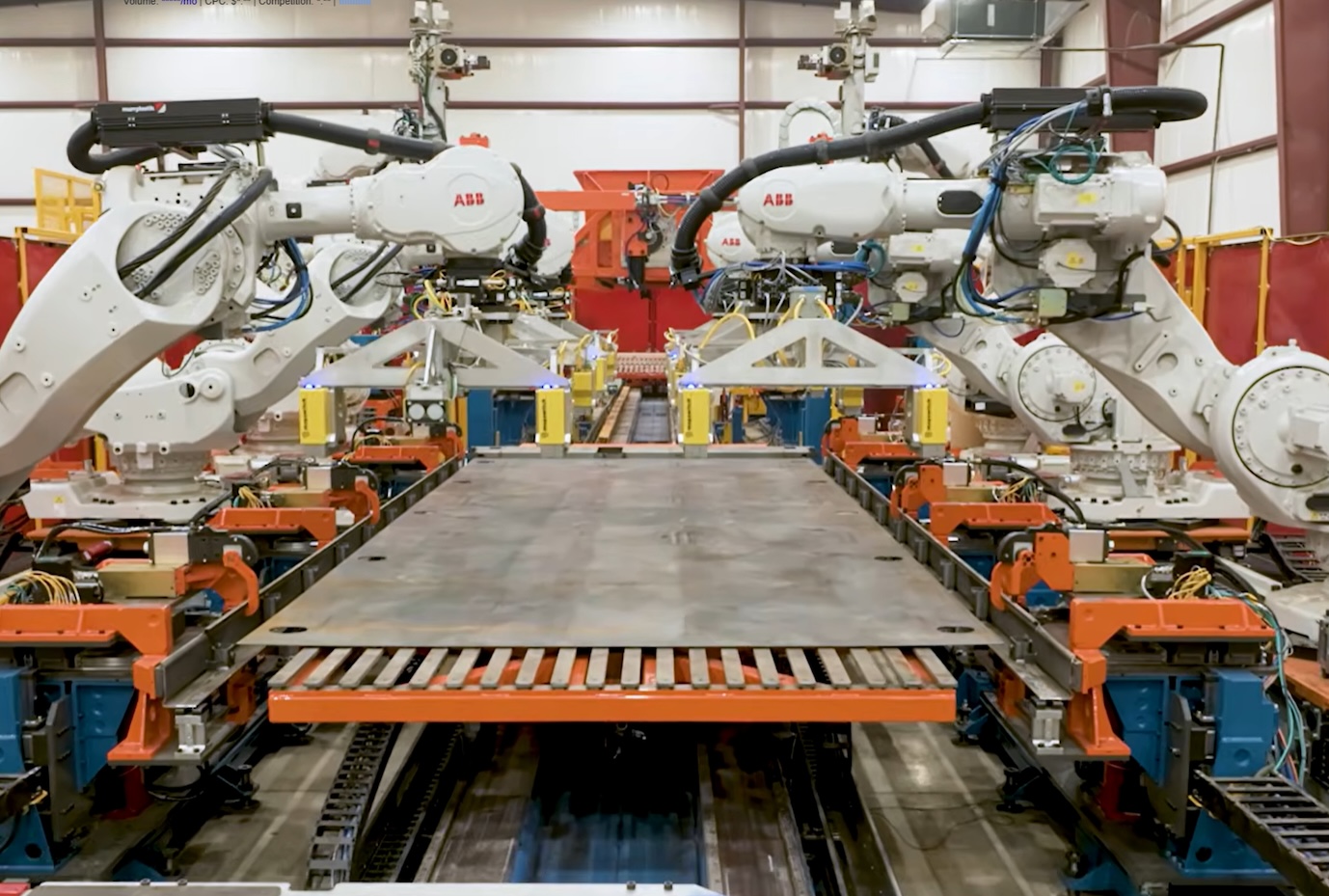
O-ID Secures $1.2 Million to Advance Modular Humanoid Robot Production in Japan
O-ID, a Tokyo-based startup, has successfully raised $1.2 million in pre-seed funding to advance its modular humanoid robots designed for industrial manufacturing and logistics. The funding round was led by TAWANI Ventures, with contributions from Hustle Fund, Techstars, and angel investors, including founders of Humanoid Guide. This funding is crucial as Japan faces a significant workforce shortage, projected to exceed 11 million workers by 2040 due to an aging population. The Japanese government has prioritized robotics, aiming for ¥10.5 trillion ($65.1 billion) in investments for 'physical AI' and plans to deploy 10 million AI-equipped robots by 2040, highlighting the urgent need for innovative solutions like O-ID's. Looking ahead, O-ID's modular robots promise to integrate seamlessly into existing factory layouts without requiring extensive retooling. Their design allows for quick on-site repairs, minimizing downtime, which is particularly critical in high-stakes environments like automotive manufacturing. No further timeline was disclosed at the time of publication.
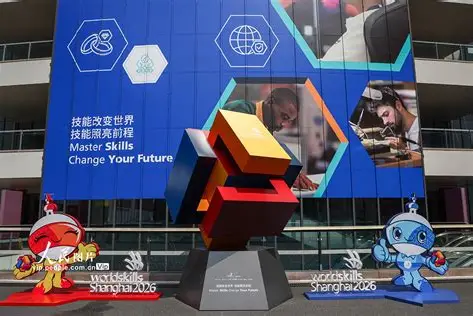
Humanoid Robots Showcase Innovative Performances at World Skills Competition Opening Ceremony
The 48th World Skills Competition is being held in Shanghai from September 22 to 27, featuring 64 competition categories and 1,385 participants with an average age of 21. During the opening ceremony, the artistic director, Hou Jie, highlighted the interactive segments involving humanoid robots, including a full-sized robot performing intricate finger dances and waltzing with dancers, marking a global premiere. These robot performances required extensive preparation, with a dedicated training area of over 300 square meters established in Lingang. To synchronize the robots with the stage rhythm, 18 imaging devices captured human dance movements, which were then programmed into the robots. Challenges included the robots' weight causing damage to the stage and overheating issues due to inadequate costume ventilation, which affected rehearsal schedules. As the rehearsals progressed, the distance between dancers and robots decreased from 50 meters to a close performance, showcasing their ability to dance together. The opening ceremony featured an aerial control system with over 200 suspension points and a giant mortise and tenon mechanical device, which was a highlight of the event. This device, weighing 200 tons, will remain as a permanent art installation at the Shanghai Global Celebrity Museum after the competition.
Humanoid Robots AI Robotics Performance Technology Event Technology
Foxconn and IAT Establish Joint Venture to Enhance Robot Production Capacity
Foxconn and IAT have announced the formation of a joint venture aimed at scaling robot production. This initiative is part of a broader strategy to enhance manufacturing capabilities and meet increasing demand for automation solutions. The collaboration is significant as it reflects the growing trend of automation in manufacturing, with both companies leveraging their expertise to innovate and improve production efficiency. This joint venture is expected to contribute to the robotics ecosystem, particularly within Beijing E-Town’s robotics cluster, which hosts over 300 companies and innovation units. Looking ahead, industry stakeholders will be keen to observe how this partnership evolves and its impact on the robotics market. No further timeline was disclosed at the time of publication.
News Robotics China Foxconn IAT robotics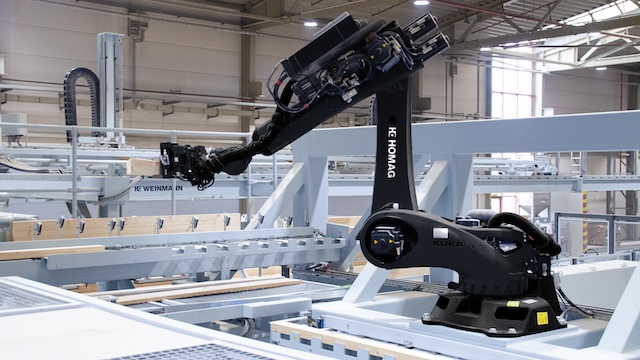
The Role of Quality Management Software in Enhancing Robot Production Line Efficiency
Fourteen months after a collaborative robot (cobot) cell began shipping, a mid-sized integrator found that its torque records were stored in a plant manager's email. With a customer audit approaching in nine days, the situation highlighted the critical importance of quality management in preventing revenue loss. Relying on spreadsheets for quality control across multiple shifts and robot cells is insufficient; a centralized system is essential for effective traceability. The National Institute of Standards and Technology has long noted that production data failures often occur during handoffs between systems and personnel. Quality management software does not enhance the precision of robots but ensures that the operational history of the robots is verifiable. This means that all records related to nonconformance, corrective actions, and supplier complaints can be referenced in one location, streamlining the process when addressing customer inquiries about defective batches. In automated production, quality failures tend to be subtle, often originating from minor deviations that accumulate over time. As robotic cells operate as interconnected systems, each maintaining its own data, implementing software that integrates quality management, document control, and training records can significantly improve operational efficiency. No further timeline was disclosed at the time of publication.
Engineering Manufacturing Software automated manufacturing compliance corrective action
Tesla, BMW, and Mercedes Deploy Humanoid Robots in Production Lines
Tesla, BMW, and Mercedes have integrated humanoid robots into their production lines, marking a significant shift from prototype to real-world application in heavy industry. Tesla's Optimus robots are deployed in Fremont and Texas factories, assisting in battery assembly and wiring tasks, while BMW has procured Figure 03 for metalworking and logistics testing. Mercedes utilizes Apollo for high-risk positions, showcasing the adaptability of humanoid robots to existing factory setups without extensive modifications. The economic advantages of these robots are becoming clear, with operational costs as low as $2 to $5 per hour compared to $35 to $45 for workers in the U.S. and Europe. This cost differential, which includes wages, social security, benefits, training, and management, is a key motivator for automakers to adopt humanoid robots. As the Labor-as-a-Service (LaaS) leasing model gains traction, the barriers to entry for automotive companies are lowering, prompting hardware manufacturers to shift towards high-margin software subscription services. Looking ahead, the humanoid robot market is projected to reach $15 trillion, but there are challenges to overcome. These include limited interaction data for robots in complex environments, insufficient hardware durability, and labor disputes regarding job displacement. The year 2026 is anticipated to be a pivotal point for humanoid robots in commercial applications, with the success of this transition hinging on data accumulation, hardware reliability, and societal responses to job replacement issues.
Humanoid Robots Manufacturing Automation Cost Efficiency Industrial Robotics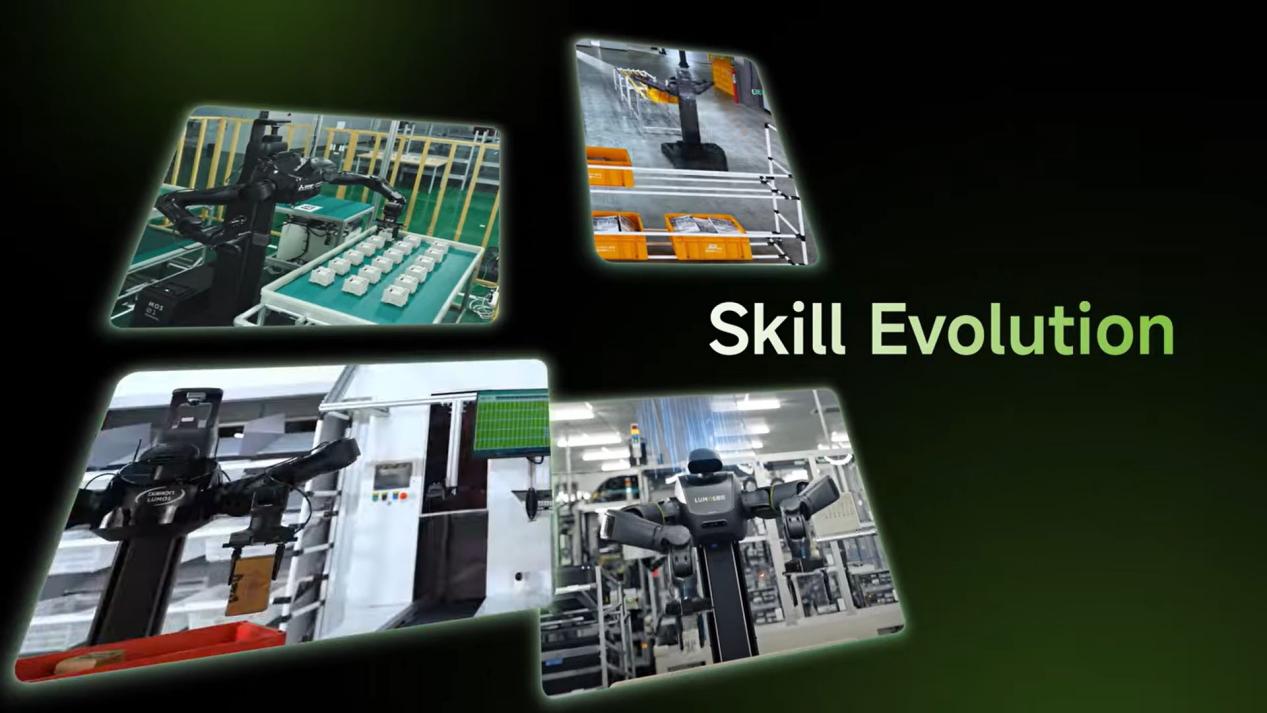
Lumos Robotics Introduces NexCore to Rapidly Teach Robots New Skills
Lumos Robotics has announced that its NexCore platform can significantly reduce the time required to develop new skills for robots, from weeks to just days. This innovation targets the engineering processes that contribute to high costs in deploying additional robots in factories. By integrating task definition, data collection, model training, evaluation, and deployment into a single workflow, NexCore aims to streamline the adaptation of robots to various production tasks. The importance of NexCore lies in its potential to democratize robotics for factory users who lack programming or AI development experience. Users can describe tasks in natural language and utilize a combination of real-world, simulation, and video data to train and evaluate skills. This capability allows for the management and reuse of skills across compatible robots, enhancing operational efficiency and reducing reliance on specialists. Looking ahead, Lumos Robotics emphasizes that the key to scaling embodied AI is minimizing the cost of acquiring new skills. The NexCore platform has been validated through collaboration with Mitsubishi Electric, achieving success rates of up to 99% in various tasks. No further timeline was disclosed at the time of publication.
Lumos Robotics Industrial Automation Artificial Intelligence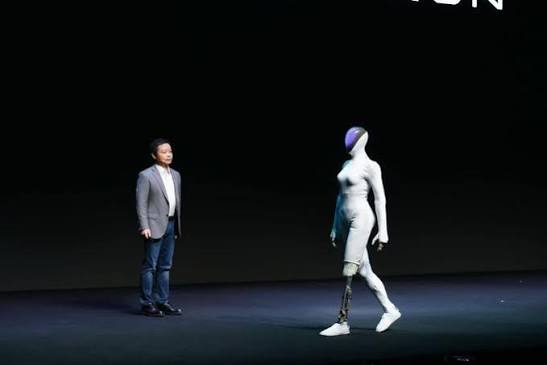
14 Automakers Announce Timelines for Humanoid Robot Production and Development
On September 12, Xpeng Motors and GAC Group announced their timelines for humanoid robot production. Xpeng's humanoid robot is set to enter mass production by the end of this year, targeting real-world applications in stores and parks. GAC's GoMate Mini has already secured nearly 10 million yuan in orders and plans to achieve large-scale production next year. The entry of 14 automakers, including Xpeng, GAC, and Chery, into the humanoid robot market highlights a significant trend in the automotive industry. Chery has already delivered over 3,000 units of its Moja humanoid robot, with plans to deliver 10,000 units next year. The shared technological foundations between smart vehicles and humanoid robots provide a competitive edge, as over 60% of the supply chain can be reused. Challenges remain, as the market for humanoid robots is still in its infancy, with most products in pilot stages. The distinct customer bases and business models between automotive and robotics sectors complicate the transition. While production timelines are set, the industry's maturity will depend on the ability to meet real customer needs and generate positive commercial returns.
Humanoid Robots Automotive Technology AI Robotics Manufacturing
Tesla Initiates Robot Production in Ningbo, Supply Chain Signals Stronger Commitment
Tesla has commenced its robot production in Ningbo, marking a significant step beyond mere presentations. The team is actively engaging with suppliers, not only placing orders but also assisting in equipment debugging and manufacturing capability transitions. The clear target is to produce approximately 50,000 Optimus robots by 2026, initially deploying them in Tesla's own Gigafactories. This move is crucial as it indicates that Tesla's preparations for mass production of the Optimus robot have progressed from the design phase to actual supply chain implementation. The ambitious goal of 50,000 units places high demands on the supply chain, with some suppliers potentially receiving order volumes greater than their total for the past few years. However, the journey from supplier audits to actual financial performance is fraught with challenges, including capacity ramp-up and profit margin scrutiny. Investors are keenly watching the developments, but the path from supply chain audits to stable orders is complex. Tesla's stringent cost control may lead to situations where revenue increases do not necessarily correlate with profit growth. The uncertainty surrounding the scale and sustainability of orders in the early stages of Optimus production will be critical, as any adjustments to Tesla's production pace could directly impact supplier output.
Robotics Supply Chain Management Manufacturing Automation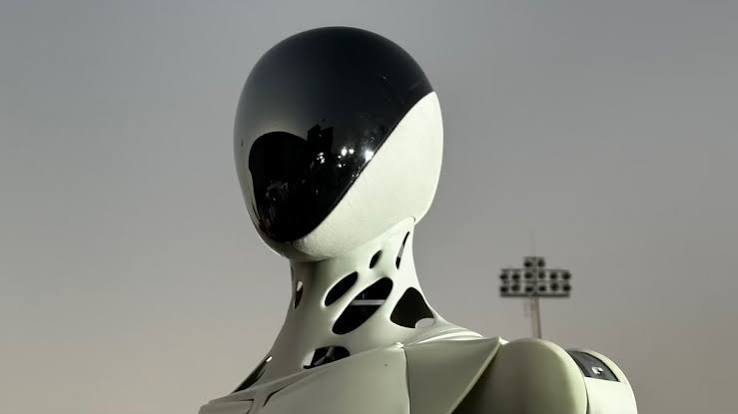
Xpeng Motors Launches Automated Production Line for Humanoid Robot IRON in Guangzhou
In September 2026, Xpeng Motors officially launched the automated production line for its humanoid robot IRON in Guangzhou, aiming for mass production by the end of the year. This initiative signifies the transfer of quality management systems from automotive manufacturing to the robotics sector, as stated by Xpeng CEO He Xiaopeng during the launch ceremony. This move is part of a broader trend, with over 140 humanoid robot manufacturers in China, which released more than 330 humanoid robot products in the past year. According to Omdia, Chinese companies accounted for nearly 80% of the global humanoid robot shipment volume in 2025, with ZhiYuan Robotics leading in deliveries. The rapid integration of advanced algorithms into hardware by Chinese manufacturers has given them a competitive edge in this emerging market. Despite the excitement, concerns remain about the sustainability of the industry, as many companies are startups focusing on basic functionalities. The launch of Xpeng's production line may serve as a model for integrating established automotive manufacturing practices into robotics, but significant challenges remain before achieving true commercial viability in the humanoid robot sector.
Humanoid Robots Robot Manufacturing Automation AI Industrial Robotics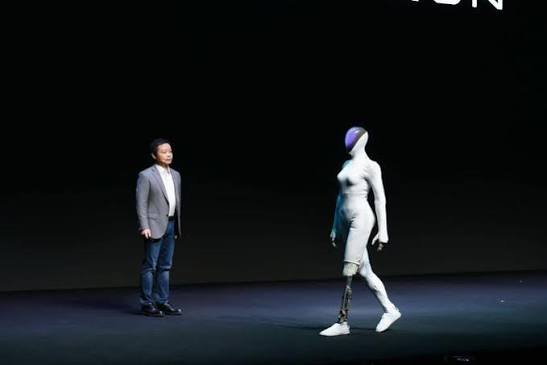
Xpeng Motors Unveils Robot Production Line, Signaling a New Era in Humanoid Robotics
On September 8, 2026, Xpeng Motors announced the official launch of its robot production line, with the first advanced humanoid robot, IRON, completing automated assembly and autonomously walking off the production line. This production line, designed and built by Xpeng, achieves over 80% automation in core manufacturing processes. The significance of this production line lies not in the robot's ability to walk but in marking a pivotal shift in humanoid robot competition from 'can it be made' to 'can it be mass-produced.' The core challenge in scaling production from dozens to thousands of units is ensuring consistency in manufacturing, particularly in the assembly of thousands of joint modules. Xpeng's approach integrates automotive manufacturing systems into robot production, leveraging established capabilities in supply chain management and quality control. While Xpeng's IRON features unique technology with three self-developed AI chips, the humanoid robot industry still lacks a unified technical route and business model. Xpeng's robot business has completed over $900 million in funding, with plans for initial deployment in its own stores, while commercial sales are set to begin in 2027.
Humanoid Robots Automation Manufacturing Technology AI
Neura Robotics and SECO Collaborate to Enhance Humanoid Robot Production in Europe
Neura Robotics has entered into a strategic partnership with SECO to develop and manufacture electronic compute modules for its cognitive robots, including the 4NE1 humanoid. This collaboration aims to facilitate scalable series production in Europe, addressing the growing demand for advanced robotics solutions. The partnership is significant as it not only focuses on humanoid robot production but also aims to expand into physical AI applications within the semiconductor and electronics manufacturing sectors. This move is expected to enhance the capabilities of Neura's robots and improve production efficiency. Looking ahead, the collaboration between Neura Robotics and SECO could lead to advancements in both humanoid robotics and AI applications in manufacturing. No further timeline was disclosed at the time of publication.
Humanoids News 4ne1 cognitive robots dragonwing edge ai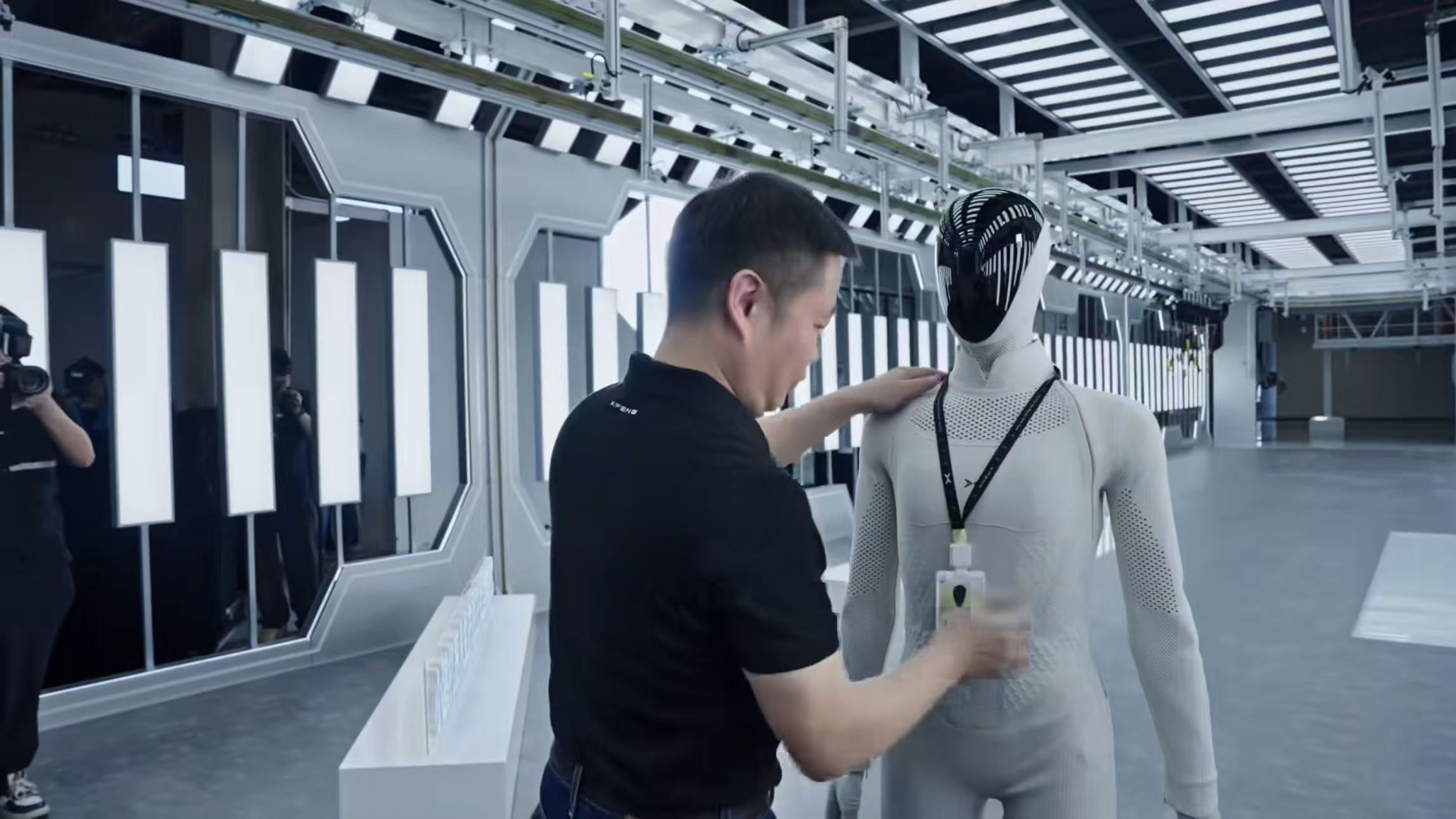
XPeng Launches Automated Production Line for Humanoid Robots with First IRON Model
XPeng has officially commenced operations of its automated production line for humanoid robots, with the first IRON robot successfully completing its final assembly and autonomously walking off the line. This milestone signifies XPeng's transition from research and development to mass production of humanoid robots, which are still in the early stages of commercialization. The significance of this development lies in XPeng's claim that IRON is the world's first high-level general-purpose humanoid robot produced on an automated line. The production line, designed by XPeng's team, integrates automotive manufacturing and quality-control systems tailored for humanoid robot assembly, with over 80% of its core processes automated. Looking ahead, XPeng plans to scale production of IRON by the end of 2026, with commercial deliveries expected in 2027. The company aims to position IRON for tasks that are dangerous or repetitive, while also expanding its applications. XPeng's recent funding round raised over $900 million to support its robotics business, indicating strong investor interest in the future of humanoid robots.
Heavy Hitters AI Highlight News Robotics
Zhejiang Transforms Humanoid Robots from Showpieces to Production Workers
The AI Show 2026 in Hangzhou showcased over 500 brands, highlighting the rise of humanoid robots. In the first half of the year, Zhejiang saw a 1.2-fold increase in service robot production and a 25.6% revenue growth in the core AI industry. Unlike many regions still in planning phases, Zhejiang is leveraging its manufacturing base to transition humanoid robots from exhibition roles to actual production line workers. In Ningbo, robots from Junpu Intelligent are undergoing final tests before being deployed in European automotive production lines, marking a shift from demonstration to order fulfillment. With rising labor costs in Europe, Chinese robots are becoming a viable option for cost-effective manufacturing. A notable example is at Geely's factory, where humanoid robots from Yushu Technology automate the entire process of handling wheel cover parts. Zhejiang's innovation center is delivering 2,000 customized robots for various applications, achieving a 99% success rate in specific testing scenarios. The province has invested 840 million yuan in a major project focused on core technologies for humanoid robots, while local policies support small and medium enterprises in adopting domestic intelligent equipment. As Zhejiang continues to refine its approach, the effectiveness of this model will determine the future of China's embodied intelligence industry.
Humanoid Robots Manufacturing Automation AI Technology Robotics Innovation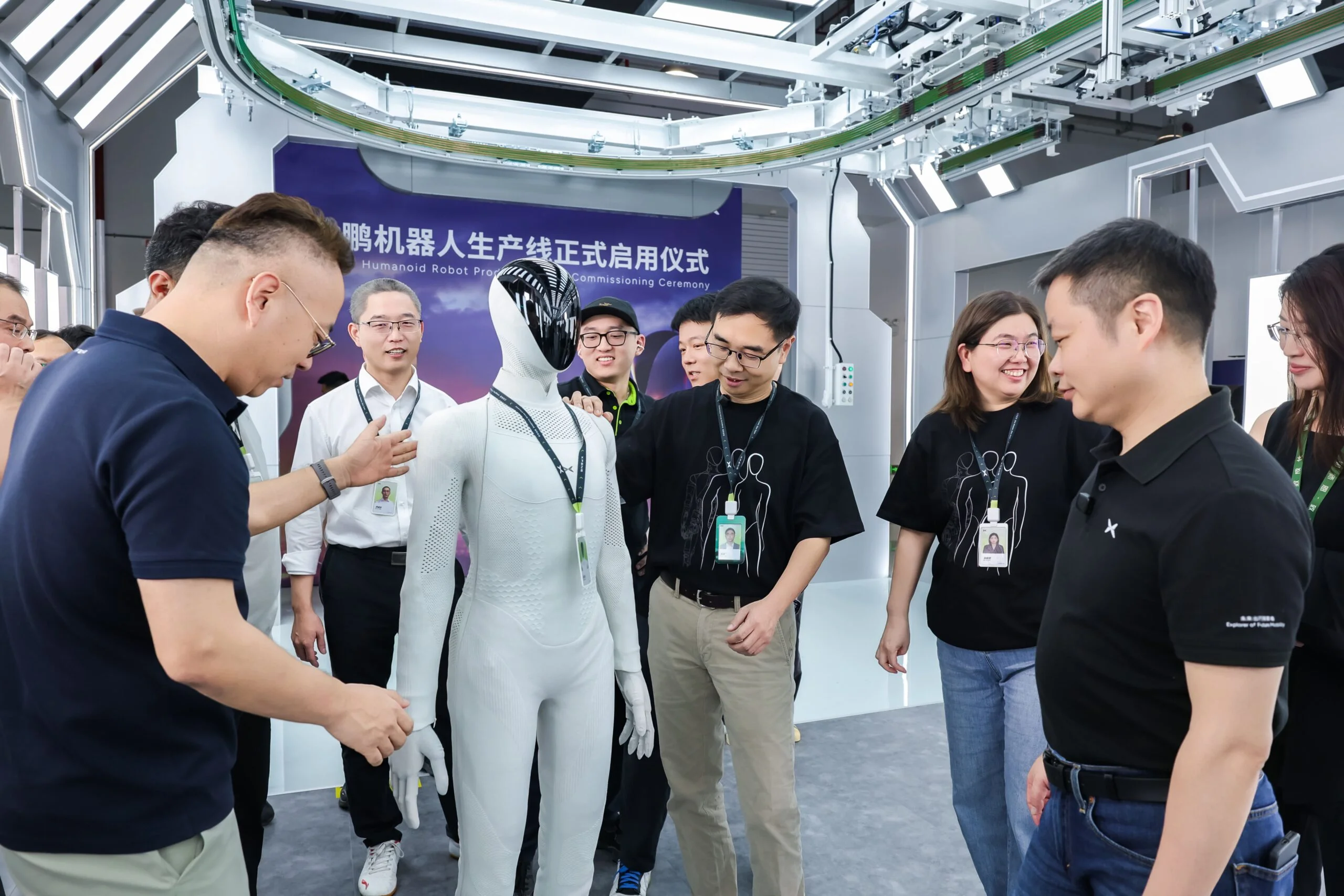
XPeng Launches Production for Humanoid Robot 'Iron' with Advanced Features
XPeng has commenced production of its humanoid robot, Iron, with initial units set to be deployed in the company's stores before a broader market launch in 2027. The production lines are highly automated, with over 80% of core processes automated, and Iron boasts 76 degrees of freedom and three Turing AI chips delivering up to 2,250 TOPS. This development is significant as XPeng aims to position robotics as a key growth sector alongside its automotive business, having raised over $900 million for this initiative. The company’s chairman, He Xiaopeng, emphasized the importance of building a new product category and the potential for higher profit margins in robotics compared to new-energy vehicles. Looking ahead, XPeng plans to enhance production efficiency and scale in robot manufacturing, aiming to create robots that integrate into daily life. No further timeline was disclosed at the time of publication.
AI AI Funding & Investment AI Use Cases Robotics China humanoid robotics
LG Electronics Advances Humanoid Robot Actuator Production Plans Amid Industry Shift
As artificial intelligence technology progresses, the humanoid robot industry is transitioning from proof-of-concept to commercialization. The focus of competition is shifting from showcasing complete robots to the core components that drive scalability. Actuators, which connect the robot's control system to its mechanical structure, are becoming a key area of investment. Recently, LG Electronics announced its commercialization plan for humanoid robot actuators at the IFA 2026 exhibition, revealing plans to establish an automated production line in Changwon, South Korea, to supply its AXIUM series integrated actuators globally. This move indicates LG's transition from a consumer electronics company to a core supplier in the robotics sector, aiming to secure a critical position in the future humanoid robot supply chain. The actuator's performance and cost significantly impact the robot's mobility, stability, and commercialization costs, as a standard humanoid robot typically requires around 30 actuators, which can account for 60% to 70% of the total cost. The competition in the humanoid robot industry will not only revolve around mechanical structures but also the integration of hardware and software capabilities, necessitating industry collaboration to address challenges in power, perception, computation, and algorithms.
Humanoid Robots Actuators AI Technology Robotics Supply Chain
XPENG Launches Production of World's First Advanced Humanoid Robot with Official Facility Commissioning
XPENG has officially launched its humanoid robot production lines, successfully completing the manufacturing of the world's first advanced humanoid robot. This milestone signifies a significant transition from research and development prototyping to actual production-line manufacturing. The achievement is crucial as it demonstrates XPENG's capabilities in humanoid robotics, potentially influencing the future of automation and robotics in various sectors. The autonomous walking of the humanoid robot off the production lines showcases advancements in technology and manufacturing processes. Looking ahead, industry observers will be keen to see how XPENG's humanoid robot performs in real-world applications and how it impacts the competitive landscape of robotics. No further timeline was disclosed at the time of publication.

Xpeng Launches Automated Production Line for Humanoid Robots with High-Level Capabilities
Xpeng has successfully activated an automated production line dedicated to humanoid robots, marking a significant milestone in robotics. The company claims that the first high-level general-purpose humanoid robot has completed its assembly and autonomously walked off the production line. This production line is engineered for mass production, boasting an automation rate exceeding 80% in its essential processes. The establishment of this production line is crucial as it positions Xpeng to meet the growing demand for humanoid robots in various sectors. With plans to initiate volume production by the end of 2026, Xpeng aims to deliver these advanced robots to both domestic and international markets starting in 2027. This move highlights the company's commitment to innovation and leadership in the robotics industry. Looking ahead, stakeholders should monitor Xpeng's progress toward its production and delivery timelines. The successful launch of this automated line could set a precedent for other companies in the robotics sector, potentially influencing market dynamics and technological advancements. No further timeline was disclosed at the time of publication.
News Feed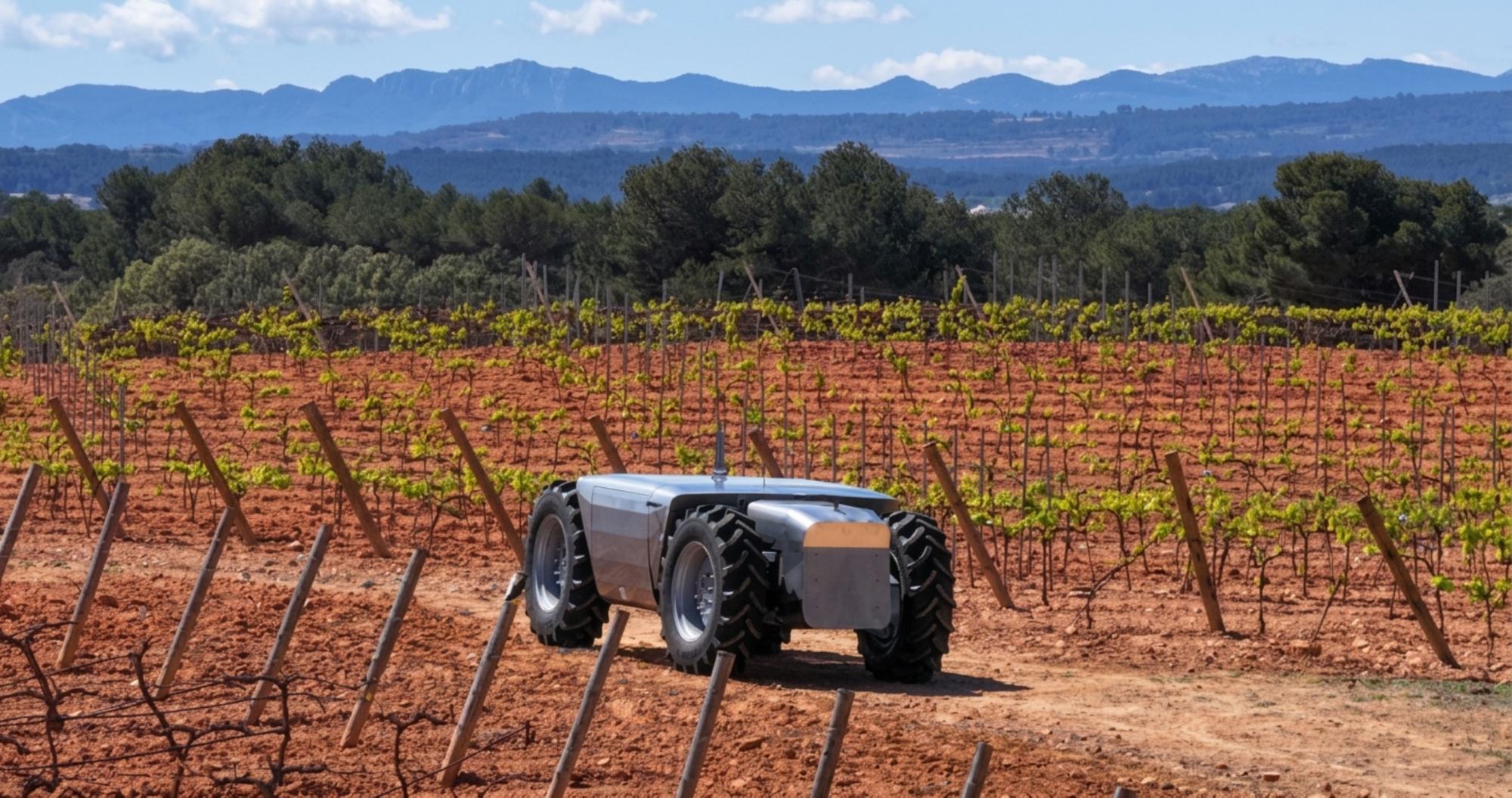
Voltrac Advances Thor Robot to Pre-Series Production Phase
Spanish agtech startup Voltrac has announced that its Thor autonomous electric robot is entering pre-series production. The current Thor 2 model, showcased at a recent robotics event in Berlin, is a pre-serial vehicle, with the Thor 3 expected to be the first production-ready version. This development is significant as Voltrac aims to manufacture 96 units annually at its Valencia factory, with plans to scale up to 1,000 vehicles per year. The Thor robot is designed from the ground up for autonomy, featuring a simplified structure with 70% fewer components than traditional tractors, enhancing reliability and reducing maintenance needs. Looking ahead, Voltrac's operational model allows one operator to supervise multiple Thor robots across various fields, leveraging GPS precision of about 5 centimeters. As the company transitions from demonstration to delivery, the focus will be on the upcoming Thor 3 and expanding its production capabilities. No further timeline was disclosed at the time of publication.
Field robots autonomy battery electric tractors robotic harvesting smart technology
Challenges Faced by Precision Gear Manufacturers Amid Rising Humanoid Robot Production
On August 25, 2026, Zhongda Lide (002896.SZ) reported its semi-annual results, revealing a revenue of 597 million yuan, a 15.61% increase. However, net profit dropped by 40.09% to 27.78 million yuan, with a significant decline in gross margin. Despite the rising production of humanoid robots, the company faces intense price competition in the precision gear sector, particularly affecting its profitability. The importance of this situation lies in the fact that while humanoid robot shipments are increasing, the demand for precision gears is not keeping pace with supply. The price of harmonic reducers has plummeted from over 3,000 yuan during the import monopoly to around 1,000 yuan, leading to significant pressure on profit margins. This price war is exacerbated by the growing production capacity of reducers, which is outstripping the demand from the humanoid robot market. Looking ahead, the year 2026 marks the beginning of mass production for humanoid robots, yet the domestic reducer capacity is already set at a million units. This mismatch in supply and demand dynamics suggests that price competition will continue to be a normalized phenomenon rather than a temporary promotional activity. Companies like Zhongda Lide, which focus on cost-effective solutions, are likely to experience the most significant pressure on profitability in this competitive landscape.
Precision Gears Humanoid Robots Robotics Supply Chain Automation Components
Europe's First Humanoid Robot Production Facility Launches Operations in Serbia
On August 29, the first humanoid robot mass production facility in Europe officially commenced operations in Šabac, Serbia. This factory, built by the global automotive parts supplier Minth Group from Jiaxing, Zhejiang, features core technology provided by Zhiyuan Robotics. The factory's first humanoid robot showcased its capabilities, including organizing clothes, playing chess, and dancing, during an interaction with Serbian President Aleksandar Vučić. This development is significant as it positions Serbia as a pioneer in the large-scale production of humanoid robots in Europe, creating nearly 5,000 jobs according to President Vučić. The initial investment for the factory is €20 million, covering approximately 3,000 square meters, focusing on the assembly and performance testing of humanoid robots and robotic dogs. The factory aims to produce over 5,000 robots annually, with plans for a robotics industrial park in Serbia that could reach an annual capacity of 20,000 units. Looking ahead, the factory is set to deliver 500 humanoid robots this year, with the first batch intended for use at the 2027 Belgrade Expo. The Serbian government plans to procure around 80 robots for various services at the Expo. As production ramps up, Minth Group aims to apply these robots in industrial settings, enhancing efficiency and safety by replacing hazardous manual labor.
Humanoid Robots Robotics Manufacturing Automation Technology AI Industrial Robotics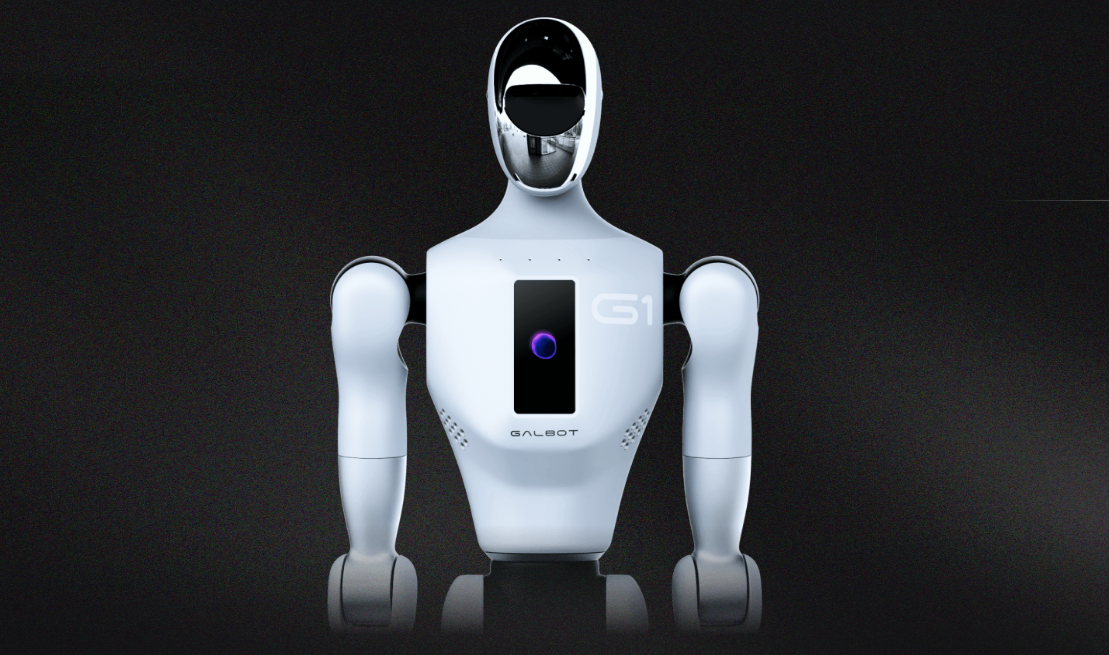
Galbot's Journey Towards Integrating Embodied AI Robots in Industrial Production Lines
Galbot, a Chinese embodied AI robotics company, is advancing the integration of robots into industrial production environments. Founded in May 2023, the company has raised over RMB 2.4 billion ($360 million) in funding, with a valuation exceeding RMB 22 billion ($3.27 billion). Galbot's G1 robot features a mobile platform and dual-arm manipulation system, enabling it to adapt to various tasks in flexible manufacturing scenarios. The demand for robots that can perform complex tasks in dynamic environments is growing as manufacturing shifts towards greater flexibility and intelligence. Traditional industrial robots, which are typically fixed and perform repetitive tasks, are being challenged by the need for more adaptable solutions. Galbot's innovations, including the G1 and S1 robots, aim to address these challenges by providing greater mobility and efficiency in manufacturing processes. As the embodied AI sector gains momentum, Galbot's focus on industrial applications positions it well for future growth. The company is set to play a significant role in transforming production methods, allowing robots to take on hazardous and repetitive tasks while collaborating with human workers to enhance productivity and safety. No further timeline was disclosed at the time of publication.
Up and Comers AI Highlight News Robotics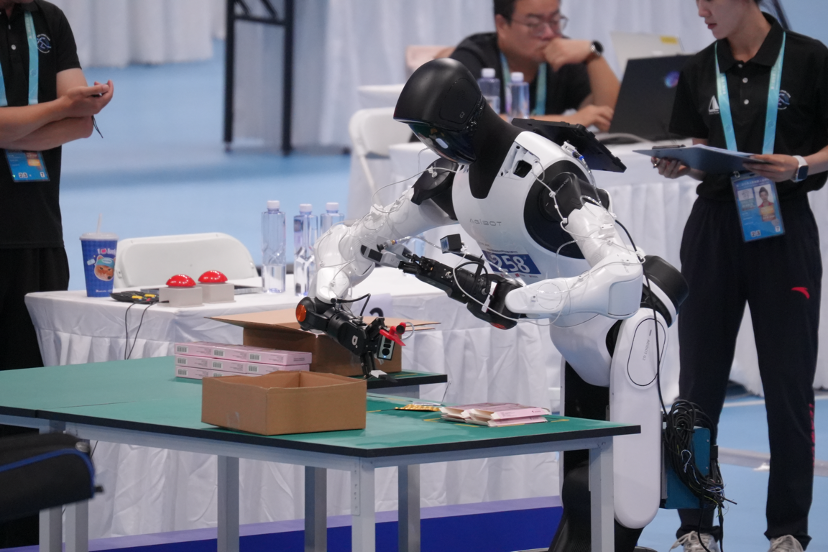
Leading Production Robot Secures Six Gold Medals at World Humanoid Robot Games
On August 26, the second World Humanoid Robot Games concluded at the National Speed Skating Oval. The event tested humanoid robots in real-world scenarios, including emergency response, firefighting, and hotel guest services. The ZhiYuan G2 robot excelled, winning six gold medals, seven silver medals, and five bronze medals, making it the top-performing mass-produced humanoid robot. The significance of this achievement lies in the G2's ability to perform complex tasks without specialized adjustments, demonstrating its full-body coordination, environmental understanding, and long-process task planning capabilities. The industrial scene presented the highest demands, requiring precision and adaptability, which the G2 successfully met, particularly in tasks like packaging and assembly. Looking ahead, the G2's performance in challenging environments, such as firefighting, has garnered significant attention. Its ability to operate under pressure and adapt to complex scenarios showcases the practical experience gained from real-world deployments. No further timeline was disclosed at the time of publication.
Humanoid Robots Industrial Automation AI Robotics Warehouse Operations
Tesla's Optimus Faces Neodymium-Boron Supply Challenges for Humanoid Robot Production
During the launch of the second generation of Tesla's Optimus, Elon Musk emphasized the importance of cost control, aiming to reduce the price per unit to below $20,000. A report by Bernstein highlighted the critical role of neodymium-boron in the production of humanoid robots, noting that each robot requires high-power density motors for its 40 to 50 servo joints. Neodymium-boron is essential for motor performance, but high temperatures pose a significant challenge as standard materials can demagnetize. To enhance performance, rare earth elements like dysprosium and terbium are added, but these are scarce and expensive. If humanoid robots reach mass production levels of one million units, the annual demand for neodymium-boron could surge to 35,000 to 40,000 tons, equivalent to the magnetic material needs of 12 to 15 million electric vehicles. China dominates the global rare earth supply chain, controlling 59% of mining and 94% of permanent magnet production. As export controls tighten, particularly on heavy rare earths, international manufacturers face compliance risks, even when establishing processing facilities outside China. No further timeline was disclosed at the time of publication.
Humanoid Robots Neodymium-Boron Magnets Supply Chain Management Robotics Manufacturing
T800 Humanoid Robot Showcases Combat Skills at World Robot Conference 2026
During the 2026 World Robot Conference, the T800 humanoid robot captivated audiences with its combat skills, showcasing punching, dodging, and flying kicks. The event featured a fighting competition between two robots named 'Doujiang' and 'Luzhu,' part of the world's first industrial-grade humanoid robot fighting league, which attracted over 200 teams and offered a total prize pool of 14 million yuan. Zhao Tongyang, founder and CEO of Zhongqing, emphasized that combat-related investments account for less than 10% of the company's focus, with the majority directed towards integrating robots into homes and factories. He explained that mastering physical capabilities through combat is essential for robots to serve humans effectively, as agility and strength are crucial for handling unexpected scenarios. The T800 has already begun operations in the Luxshare Precision factory in Suzhou, handling material loading and transportation tasks. Zhongqing also introduced the EngineAI Awaken, a brain-inspired intelligent engine, which allows for rapid deployment and high success rates in robotic actions. Zhao predicts a significant breakthrough in embodied intelligence within three years, aiming for mass production of humanoid robots to make them commonplace in households.
Humanoid Robots Robotics Competitions AI Technology Industrial Automation
Robots Acquire New Skills from One Video in Just 29 Seconds
Recent advancements in robotics have demonstrated that robots can learn new skills from a single video in just 29 seconds. This capability is crucial for enabling robots to operate effectively in dynamic environments, where adaptability is essential. Traditional robotic systems often struggle to perform tasks outside their initial training, highlighting the significance of this breakthrough. The ability for robots to quickly learn from minimal input not only enhances their functionality but also reduces the time and resources required for training. This development could lead to more efficient deployment of robots in various applications, making them more versatile and responsive to real-world challenges. As industries increasingly adopt robotic solutions, the demand for such adaptable systems is likely to grow. Looking ahead, it will be important to monitor how this technology evolves and its potential integration into existing robotic platforms. The implications for manufacturing, logistics, and service sectors could be substantial, as robots become more capable of learning and adapting on the fly. No further timeline was disclosed at the time of publication.
Robotics
Developing Vision-Driven Reactive Soccer Skills for Humanoid Robots
A recent study published in Science Robotics explores the development of vision-driven reactive soccer skills for humanoid robots. The research focuses on enhancing the robots' ability to perceive and respond to dynamic environments, which is crucial for effective participation in soccer games. This advancement is significant as it addresses the challenges faced by humanoid robots in real-time decision-making and adaptability during sports activities. By improving these skills, researchers aim to enhance the robots' performance in competitive scenarios, potentially paving the way for more sophisticated applications in robotics and AI. Looking ahead, the implications of this research could extend beyond soccer, influencing various fields where real-time interaction and adaptability are essential. No further timeline was disclosed at the time of publication.
Research Article
Addressing Humanoid Robot Production Challenges Amidst Surplus Computing Power
The computing capabilities of humanoid robots, such as Nvidia's Thor at 2070 TFLOPS and the S600 from Digua Robotics at 560 TOPS, appear abundant. However, in real production scenarios, merely comparing TOPS is insufficient. Effective computing power, which considers memory bandwidth and software stack efficiency, is crucial for optimal robot performance. The year 2026 is anticipated to be pivotal for commercial deployment, as robots transition from labs to production lines. To achieve mass production, computing platforms must overcome four key hurdles: model deployment, converting peak computing power to effective power, synchronizing decision-making and control, and ensuring a favorable ROI in production. The competition in computing power for humanoid robots will shift towards overcoming Nvidia's CUDA ecosystem barriers. For instance, Digua Robotics aims to integrate various processing units within a single SoC for enhanced efficiency. In the next few years, as advanced models are integrated into robots, competition will focus on memory bandwidth, heterogeneous computing, and real-time control, marking the beginning of a new phase in mass production.
Humanoid Robots AI Robotics Production Computing Power Ecosystem Development
ZEST Enables Zero-Shot Skill Transfer for Enhanced Athletic Robot Control
The research published in Science Robotics introduces ZEST, a novel approach for zero-shot embodied skill transfer in athletic robots. This method allows robots to learn and execute complex athletic skills without prior specific training on those tasks. ZEST is significant as it enhances the adaptability and performance of athletic robots, potentially transforming their application in sports and physical activities. By enabling robots to generalize skills across different contexts, this technology could lead to more versatile and efficient robotic athletes. Looking ahead, the implications of ZEST could extend beyond athletics, influencing various fields where robotic adaptability is crucial. No further timeline was disclosed at the time of publication.
Research Article
Florida Firm Haddy Utilizes Robotic Arms for 3D Printed TF-179 Drone Boat Production
Haddy, a Florida-based manufacturing company, has successfully produced the TF-179 Drone Boat using large-format robotic 3D printing. This innovative approach highlights the integration of additive manufacturing into maritime and defense sectors, allowing for faster production and more complex designs compared to traditional methods. The significance of this development lies in the evolving landscape of maritime manufacturing, where digital production technologies enable the rapid creation and modification of specialized vessels. Haddy's use of industrial robotic arms not only enhances production efficiency but also shortens development cycles, which is crucial for adapting to the dynamic requirements of unmanned maritime systems. Looking ahead, Haddy's advancements in robotic manufacturing indicate a growing demand for specialized maritime platforms within the US defense sector. As the company continues to refine its capabilities, the focus will likely remain on producing unmanned vessels that meet the changing operational needs of defense applications. No further timeline was disclosed at the time of publication.
Innovation
Former XPeng VP Chen Yonghai Joins Zhongqing Robotics as Company Pursues Mass Production
On August 6, it was reported that Chen Yonghai, former Vice President of Product at XPeng Motors, has officially joined Zhongqing Robotics as Chief Operating Officer, reporting to Chairman and CEO Zhao Tongyang. Chen, who has a 15-year relationship with XPeng founder He Xiaopeng, previously led product development and planning at XPeng, and his expertise is expected to bolster Zhongqing's transition from laboratory to mass production. Zhongqing Robotics is currently at a critical juncture, aiming for large-scale delivery following a $200 million Series B funding round in April, which valued the company at over 10 billion RMB. The first batch of T800 humanoid robots, produced in Henan, rolled off the assembly line in May, with the company targeting a delivery capacity of thousands of units. Industry experts believe that achieving an annual output of 10,000 units is pivotal for robotic companies to shift from custom production to industrial-scale operations. Chen's experience in the automotive sector, particularly in identifying target users and scenarios, is seen as crucial for the commercialization of robotics. As the industry evolves from research-focused applications to enterprise solutions, the ability to manage production, control costs, and define products will be key. Chen's addition to Zhongqing Robotics may provide the competitive edge needed to excel in this mass production race.
Humanoid Robots Robotics Industry Mass Production Automotive Technology
UK SMEs Lag in Robot Adoption Due to Skills Shortage, Not Funding Issues
The robotization process in the UK manufacturing sector is experiencing a significant stagnation, with three-quarters of SMEs not utilizing any robots, according to Make UK. The UK's robot density stands at 112 units per 10,000 manufacturing workers, which is about half the EU average and well below the global average of 151 units. Despite over a decade of government funding and skill programs, the situation remains largely unchanged. The primary issue is not financial but rather a lack of skilled professionals who can effectively implement and operate robotic systems. While manufacturers often assume that funding is the main barrier, the real challenge lies in programming robots, integrating them with existing systems, and ensuring they meet specific operational requirements. The shortage of robotics engineers proficient in ROS2 (Robot Operating System) exacerbates this problem, leaving many manufacturers with limited options. As a result, many medium-sized manufacturers either hire costly system integrators or abandon the idea of automation altogether. The infrastructure for robot development has not been designed for the existing workforce, which already possesses software capabilities. The emergence of ROS2-based platforms offering browser-based development environments and simulation tools could help bridge this gap, but the current tools available in the UK are still inadequate for empowering workers to utilize robotics effectively.
Robotics Manufacturing Automation Skills Development Industrial Technology
HII Establishes Long-term Production Agreements with Path Robotics and GrayMatter Robotics
HII has signed long-term performance-based production agreements with GrayMatter Robotics and Path Robotics to enhance advanced physical AI automation in U.S. Navy shipbuilding programs. These agreements aim to improve the efficiency and capacity of shipbuilding operations, including aircraft carriers and submarines. The collaboration is significant as it represents a strategic investment in the future of American shipbuilding, focusing on resilience and efficiency in the industrial base. HII plans to allocate up to $900 million in shipbuilding work to both companies over seven years, contingent on meeting specific performance milestones. Looking ahead, the partnerships are expected to drive substantial advancements in robotics and autonomous systems, enabling the delivery of Navy-grade production at scale. No further timeline was disclosed at the time of publication.
hii production agreement path robotics graymatter robotics
Molex Launches MiniMix Hybrid Connectors for Enhanced Humanoid Robotics Production
Molex has unveiled its MiniMix hybrid power and signal connectors, designed to support humanoid robotics mass production. These connectors deliver 15.0A power and facilitate high-speed data communication, making them the smallest hybrid connectors available for robotic joints and actuators. The introduction of MiniMix connectors is significant as they allow routing through openings as small as 5.65mm, which can reduce routing area by up to 50% compared to alternative solutions. This advancement provides greater design flexibility and minimizes potential failure points in robotic systems. Looking ahead, the vertical and right-angle orientations of the MiniMix connectors are expected to optimize internal space utilization and reduce cable strain, accommodating various layout requirements in humanoid robotics applications. No further timeline was disclosed at the time of publication.

China's Humanoid Robot Production Expected to Surpass 100,000 Units by 2026
The Ministry of Industry and Information Technology (MIIT) forecasts that humanoid robot production in China will exceed 100,000 units by 2026. AgiBot and Unitree are projected to dominate this market, with expected outputs of 15,000 and 11,000 units, respectively. This anticipated production boom highlights the growing interest and investment in humanoid robotics. However, challenges remain, as evidenced by UBTech's delays in shipments and Unitree's significant reliance on research and education, which accounts for 70 percent of its revenue. These factors indicate a potential disconnect between manufacturing capabilities and actual deployment in the market. Looking ahead, industry stakeholders should monitor the evolving landscape of humanoid robotics, particularly how AgiBot and Unitree navigate production and deployment challenges. No further timeline was disclosed at the time of publication.
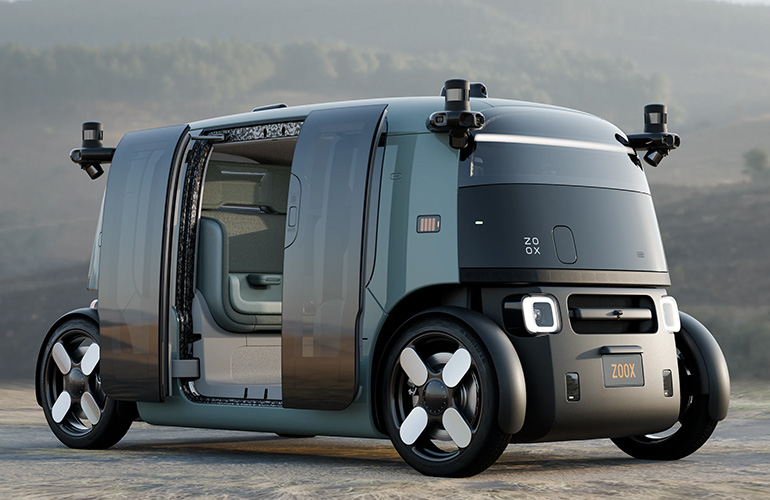
Zoox Introduces Production-Ready Robotaxi for Expansion Across U.S. Cities
Zoox has unveiled the final production design of its robotaxi, aiming to scale production to 100 vehicles per week. This move is part of the company's strategy to expand its service to new U.S. cities, building on feedback from over half a million riders. The robotaxi service, which began in Las Vegas, will continue to grow with new launches in Austin, Miami, Dallas, and Phoenix. The significance of this development lies in Zoox's unique design, which features a 'carriage-like' user cabin without a steering wheel or pedals, accommodating four adult passengers facing each other. The latest generation of vehicles includes aesthetic improvements and enhanced comfort features, designed to create a calming atmosphere for riders. The production version is set to be manufactured in Hayward, California, as Zoox seeks full approval from the NHTSA for its autonomous vehicle platform. Looking ahead, Zoox is focused on optimizing its software and transitioning to revenue-generating rides in Las Vegas. The company is also addressing recent challenges, including a software recall affecting over 100 vehicles due to a glitch. No further timeline was disclosed at the time of publication.
News Self-Driving Vehicles Transportation Waymo Zoox
Certified Systems Integrators Mitigate Commissioning Risks in Robotic Production Cells
Commissioning a robotic production cell involves complex testing across various components, including robot controls and safety functions. Despite successful shop demonstrations, issues can arise during actual plant operations due to discrepancies in parameters, wiring, and network conditions. A qualified systems integrator plays a crucial role in minimizing these risks by treating the entire system as a cohesive unit with clear acceptance criteria. The importance of certified systems integrators lies in their ability to establish a comprehensive commissioning plan that begins during the design phase. This plan includes an approved controls narrative, I/O list, and network map, ensuring that all interfaces are clearly defined. By transforming vague requirements into measurable outcomes, integrators can effectively address potential issues before production begins, thus enhancing operational reliability. Looking ahead, it is essential for teams to conduct thorough factory testing to identify and resolve logic and interface problems. The IEC 62381:2024 standard emphasizes the need for agreed-upon test procedures among owners, buyers, and vendors. As commissioning challenges often stem from the interaction between various components, a holistic approach to testing will be vital for successful robotic cell operations in real-world environments.
Automation Automation News Industry Robotics Robotics and Automation Robotics and Automation News
China's National Robot Vocational School: Merging Simulation with Practical Skills Training
The National Robot Vocational School in Hangzhou has officially opened, focusing on bridging the gap between simulated training and real-world applications. This facility, known as a national-level vocational skills training ground, aims to enhance the practical capabilities of robots by addressing the challenges faced when transitioning from laboratory success to real-world performance. The significance of this initiative lies in its innovative dual-driven testing model, combining real-world scenarios with virtual simulations. With over 140 robots and more than 40 application-oriented training scenarios, the school enables precise data collection and model training, facilitating the development of robots capable of performing tasks in various sectors, including power inspection and logistics. Looking ahead, the robots trained at this facility have already begun to be deployed in real-world settings, such as traffic management and hazardous environment inspections. The implementation of local regulations supporting the development of embodied intelligent robots further underscores the importance of this initiative in advancing practical robotics applications in China.
Robotics Training Embodied Intelligence AI Applications Automation Vocational Education
Jack Technology Orders 2,000 Humanoid Robots for Enhanced Textile Production Efficiency
Jack Technology, a China-based industrial sewing machine manufacturer, is collaborating with Siemens to integrate humanoid robots into textile production. The initiative aims to enhance manufacturing efficiency by at least 30% while addressing challenges such as shorter lead times and rising costs. This deployment of 2,000 humanoid robots represents a significant step towards automation in the textile industry. The introduction of humanoid robots is crucial as they can operate in environments designed for human workers, utilizing existing tools and workstations without major modifications. Their ability to replicate human-like movements allows them to adapt to changing surroundings, making them valuable in addressing labor shortages while working alongside human employees. A recent trial of the Alpha humanoid robot showcased its effectiveness in handling material tasks autonomously. Looking ahead, the textile industry may see further integration of humanoid robots and other mobile robotic systems, such as ANYbotics' ANYmal, which is designed for inspection and maintenance in hazardous environments. No further timeline was disclosed at the time of publication.
AI and Robotics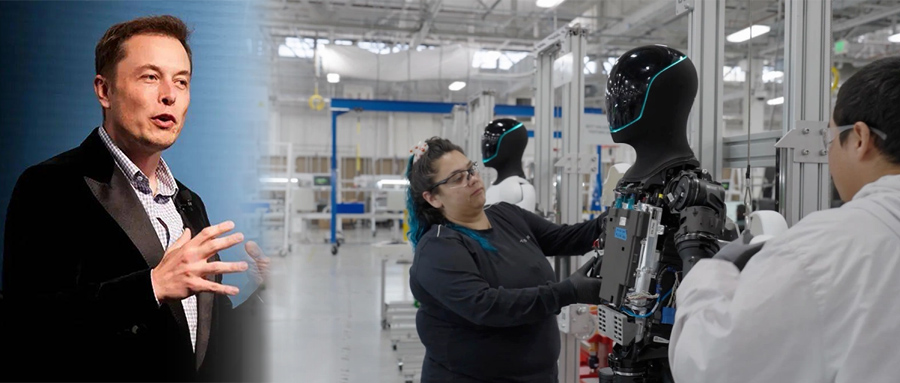
Tesla Transitions Fremont Factory from Model S/X Production to Optimus Robot Development
On July 22, 2026, Tesla announced in its Q2 shareholder update that the Model S/X production line at the Fremont factory has been decommissioned to make way for the installation of the first-generation Optimus production line, which is expected to begin operations soon. The first batch of robots will enter the Optimus Academy for data collection training, while construction at the Texas Gigafactory is progressing. This shift signifies Tesla's strategic pivot towards robotics, despite initial perceptions that it indicates a withdrawal from high-end vehicle production. The Model S/X line had a low output, with only 8,822 units produced in Q2, representing less than 3% of total deliveries. The transformation is seen as a cost-effective way to utilize existing facilities, as the Fremont site has the necessary infrastructure for rapid conversion. Looking ahead, the Fremont line's focus will be on validating assembly processes rather than achieving mass production. The Texas facility is still under construction, with production expected to ramp up by summer 2027. As Tesla invests heavily in its robotics initiative, the financial implications are significant, with a reported operating profit decline and increased capital expenditures aimed at expanding capabilities across various projects, including Optimus.
Robotics AI Manufacturing Electric Vehicles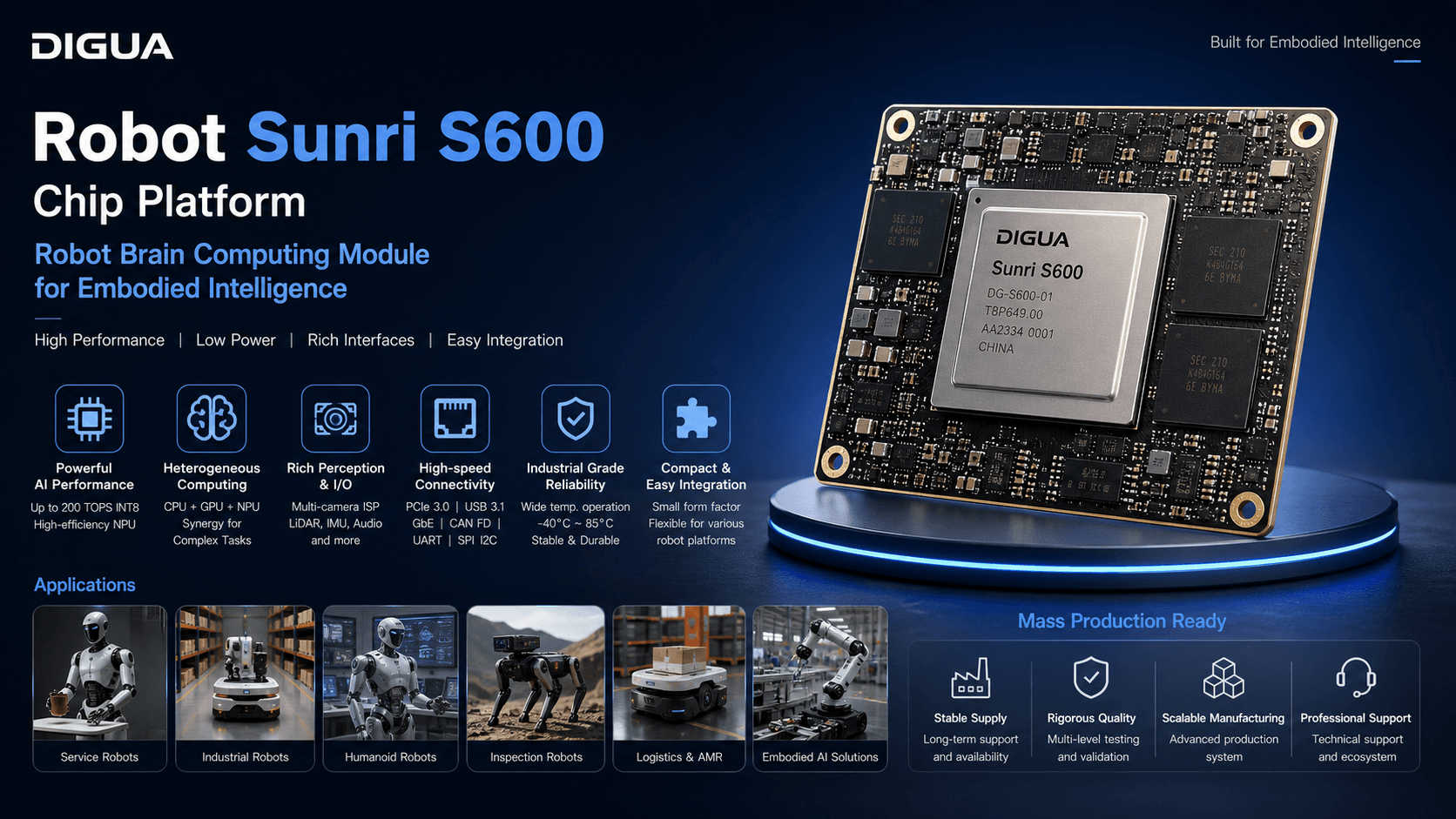
Digua Robot Expands Sunri S600 Production Ecosystem Ahead of 2026 Milestones
Digua Robot, an affiliate of Horizon Robotics, has announced significant milestones for its Sunri S600 platform. As 2026 approaches, the company is positioning itself for mass production in embodied intelligence, aiming to tackle the three critical challenges of deploying models on robots. This development is crucial as it signifies a shift towards the industrialization of embodied intelligence, which is expected to enhance operational efficiencies and broaden the application of robotics across various sectors. The focus on overcoming deployment challenges indicates a strategic move to ensure the successful integration of advanced robotic systems into real-world environments. Looking ahead, stakeholders should monitor the progress of the Sunri S600 platform and its impact on the robotics landscape as 2026 approaches. The emphasis on addressing deployment issues will be key to the platform's success and the broader acceptance of embodied intelligence in industrial applications. No further timeline was disclosed at the time of publication.
Technology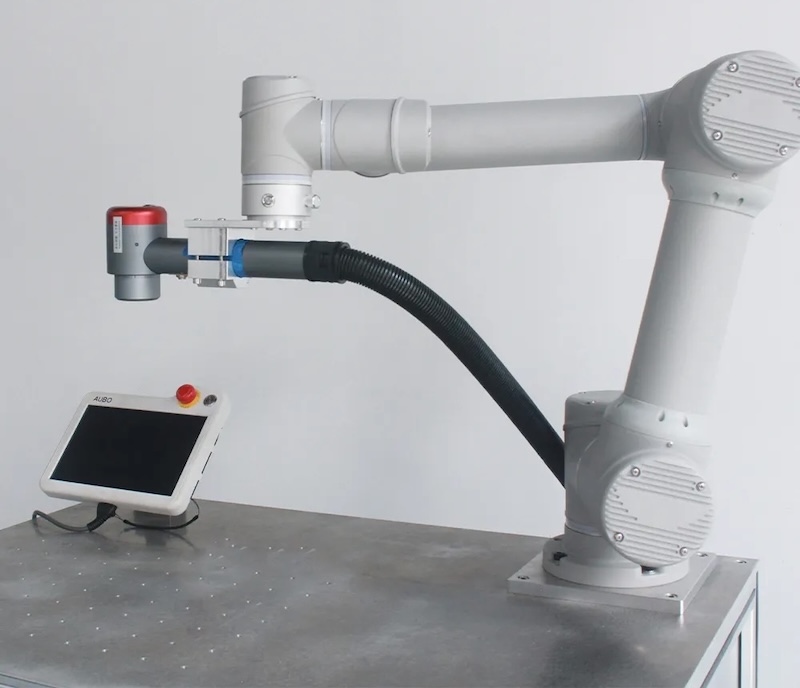
Integrating Industrial Robots with Laser Cleaning Systems Enhances Production Efficiency
Recent advancements in technology are transforming factory operations, with companies striving to reduce cycle times, cut costs, and ensure quality. The integration of industrial robots with laser cleaning systems is emerging as a solution to automate the removal of burrs from metal components, significantly enhancing productivity and efficiency in production lines. This combination of technologies is crucial as it addresses the need for cleaner surfaces before processes like painting, coating, or welding, which are essential for maintaining product quality. Laser cleaning, a modern technique that utilizes powerful laser beams to eliminate unwanted materials without damaging the underlying metal, offers a more environmentally friendly alternative to traditional cleaning methods that often rely on harsh chemicals. As more companies explore the benefits of industrial laser cleaning machines, the focus will be on how these systems can further optimize production lines. The automation of the cleaning process not only saves time but also improves overall manufacturing efficiency. No further timeline was disclosed at the time of publication.
Engineering Robotics Technology factory automation industrial automation industrial robots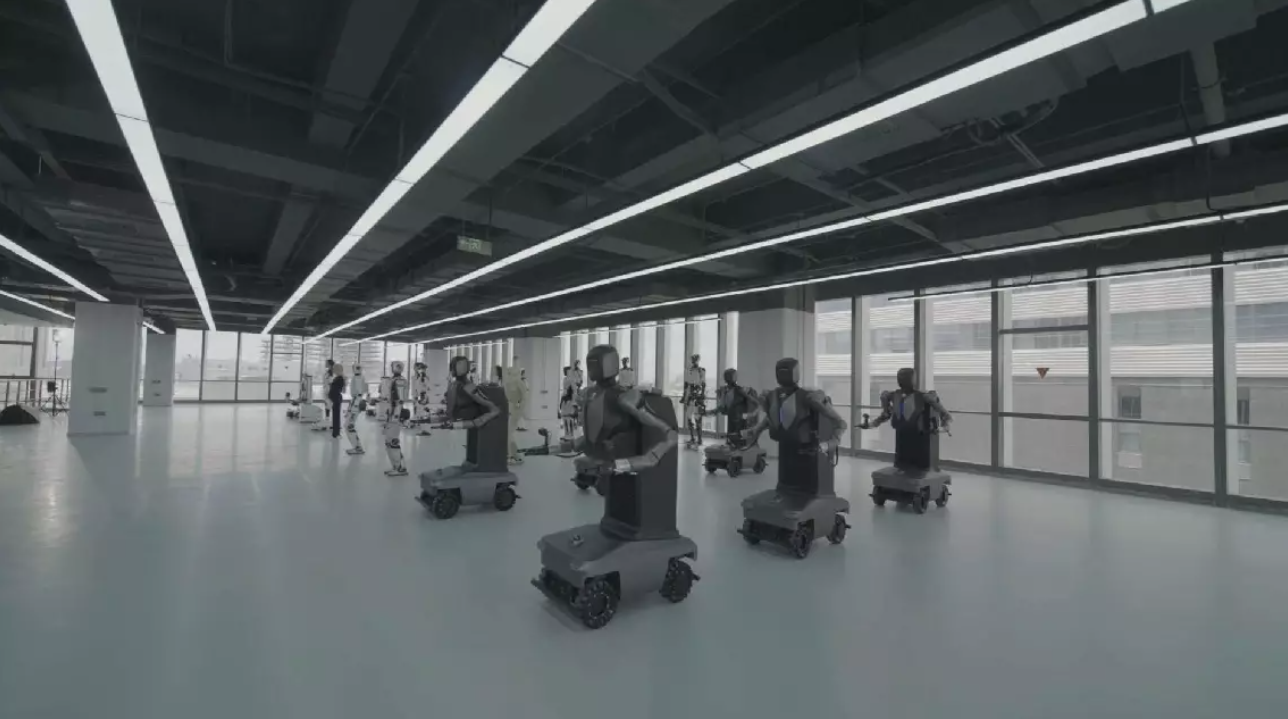
Shanghai Unveils Testing Platform for Humanoid Robot Mass Production
On July 18, during the 2026 World Artificial Intelligence Conference (WAIC), Shanghai launched a humanoid robot testing platform in the Zhangjiang Robot Valley of Pudong. This 6,800 square meter facility aims to bridge the gap between research and mass production, addressing the challenges faced by humanoid robots transitioning from lab to market. The platform features two modular flexible production lines capable of accommodating various robot configurations, with an annual production capacity of 2,000 units. Additionally, it includes a precision component assembly line and a dedicated testing area equipped with advanced testing equipment, enabling comprehensive performance validation of over 400 components and complete robots. Operated by a collaborative humanoid robot innovation center, the platform supports small and medium-sized enterprises with process transformation and production line optimization. It also offers financial incentives and collaborates with over 480 suppliers to develop industry standards, facilitating the rapid integration of humanoid robots into various sectors, including homes and supermarkets.
Humanoid Robots Mass Production Robotics Testing AI Development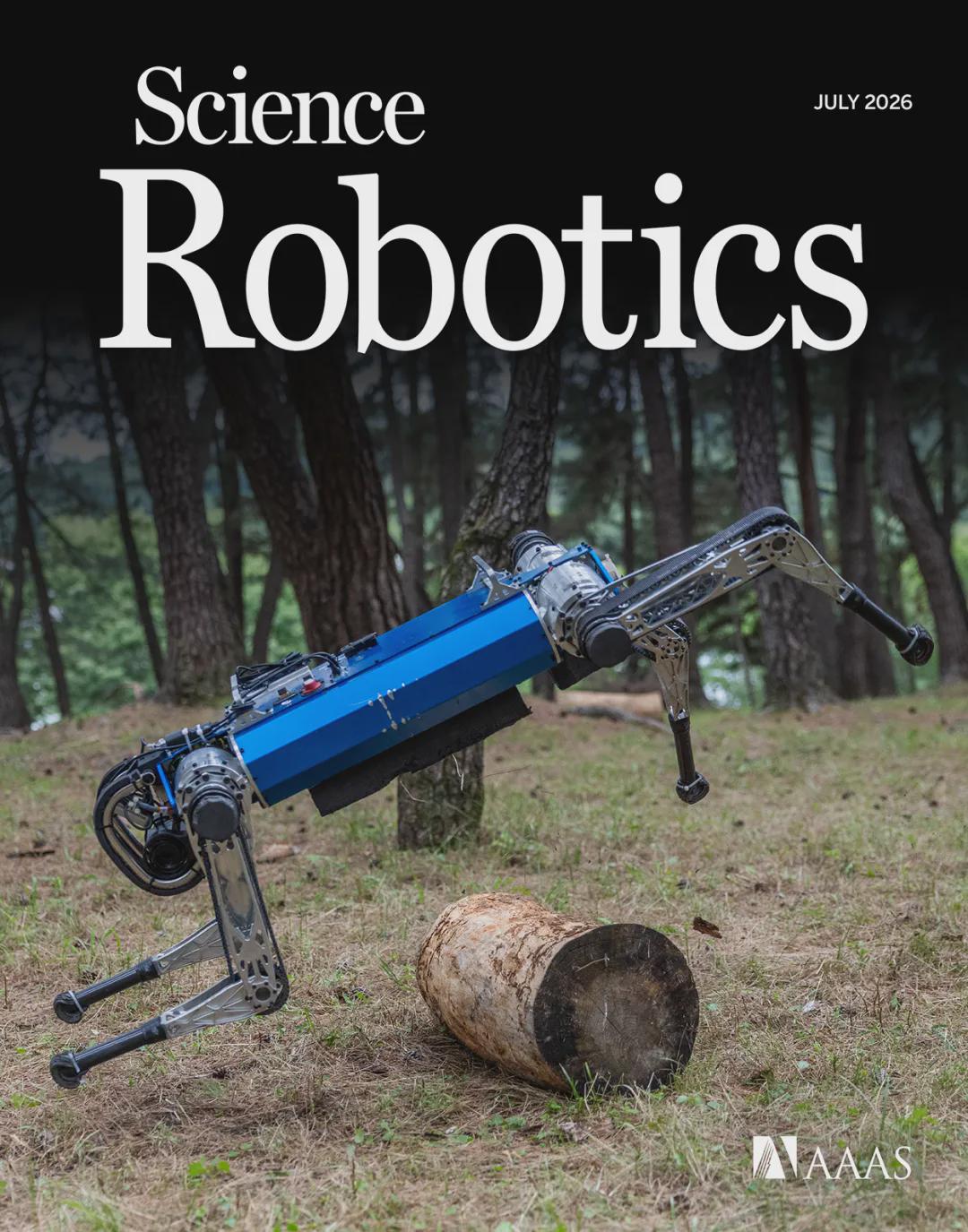
KAIST's HOUND Robot Reaches 6m/s Speed Using 2D Data for Advanced Parkour Skills
KAIST and Korea University researchers have developed the KAIST HOUND robot, achieving a peak speed of 6m/s while autonomously navigating complex terrains. This advancement showcases the robot's ability to seamlessly switch gaits, such as trotting and bounding, based on environmental conditions without external support. The significance of this achievement lies in the innovative APT-RL framework, which utilizes a simplified 2D dynamics model to generate extensive motion data. This approach allows the robot to learn and adapt its movements in real-world 3D environments, overcoming traditional limitations of motion capture and reinforcement learning strategies. Looking ahead, the research team has demonstrated the robot's capability to handle various scenarios, including jumping and maintaining balance under challenging conditions. Future developments may focus on enhancing the perception system to support high-speed operations, as the current sensing technology has limitations in effective range.
Quadrupedal Robots Robotics Research Reinforcement Learning AI Autonomous Systems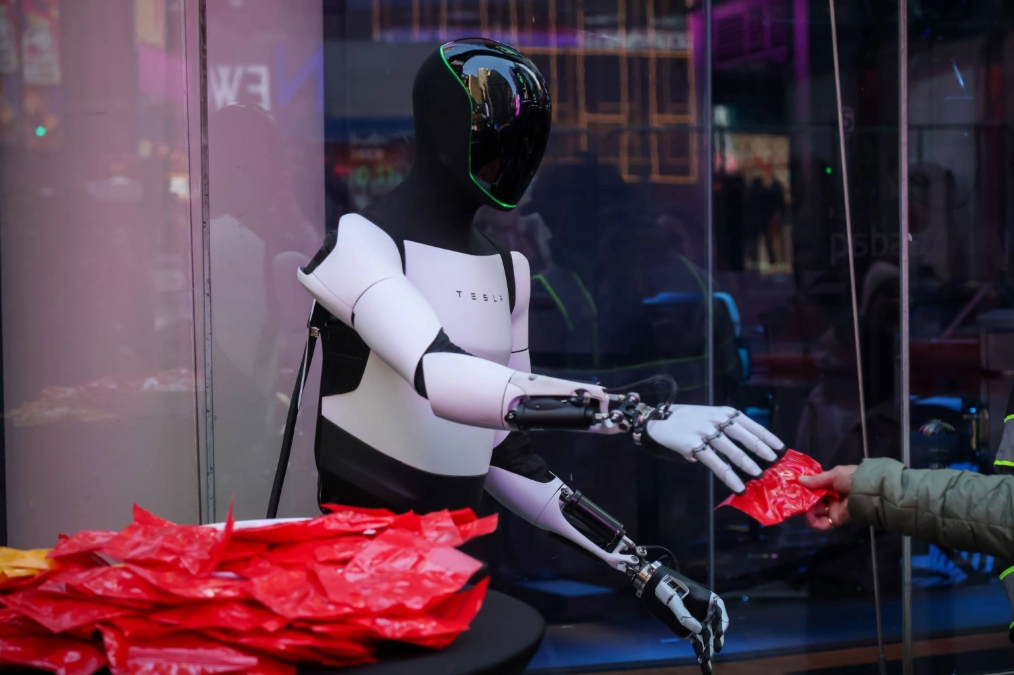
China's Robots Learning Human Skills Through Real-World Simulations
In a discreet industrial park in suburban Beijing, a humanoid robot is meticulously stacking bags of chips on a shelf. Nearby, workers are filming their actions of folding sheets and handling cushions, which will serve as 'textbooks' for the robots. China is undertaking a significant initiative to transition robots from laboratories to simulated environments like supermarkets, factories, and homes to learn human skills, and the scale of this 'internship' is rapidly expanding. This initiative is crucial as robots need to understand the physical world's rules, such as how to hold an egg without breaking it or catch a cup of water before it slips off a tray. Unlike the U.S., which relies on data purchasing and low-cost data collection in countries like India and Vietnam, China has established at least 64 data collection and training centers nationwide, with over 20 more under construction. At the Beijing Humanoid Robot Innovation Center, more than 120 robots are being trained across 30 scenarios in six major sectors, forming a comprehensive 'robot training network' across the country. As hardware advancements continue, Chinese robotics companies are focusing on enhancing their AI capabilities. Yushu Technology is preparing for an IPO, pledging nearly half of its $610 million fundraising to AI model development. By mid-2026, funding in China's embodied intelligence sector has already exceeded 90 billion yuan, five times that of the previous year. With plans to deploy over 1,000 humanoid robots in factories this year and more than 10,000 by 2027, China is leveraging its organizational capabilities to collect data at scale, positioning itself advantageously in the race towards general intelligence.
Humanoid Robots AI Robotics Training Data Collection Automation
Xiaopeng Motors Plans to Launch IRON Humanoid Robot with 1,000 Units Monthly Production by 2027
Xiaopeng Motors has announced plans to launch its IRON humanoid robot globally by 2027, aiming to ramp up production to over 1,000 units per month by the end of this year. The robot will initially serve as a sales assistant in domestic stores, with expansion to international locations later in the year. This initiative is significant as Xiaopeng's President, He Xiaopeng, believes that the robotics business could surpass the automotive sector in the next 10 to 20 years. The IRON robot, which made its debut in November 2025, features advanced capabilities including 62 to 82 degrees of freedom and is powered by three Turing AI chips, achieving a total computing power of 2250 TOPS. Looking ahead, Xiaopeng's strategy focuses on leveraging the humanoid robot in controlled retail environments to gather interaction data and create immediate commercial value. No further timeline was disclosed at the time of publication.
Humanoid Robots Robotics AI AutomationRobotics needs a service framework.
RSF defines a common language for robot service capability, lifecycle operations, certification pathways, and service-provider networks.
Join the RobotToday community on LinkedIn
Daily robotics news, in-depth analysis, conference highlights, and discussions with professionals worldwide.