

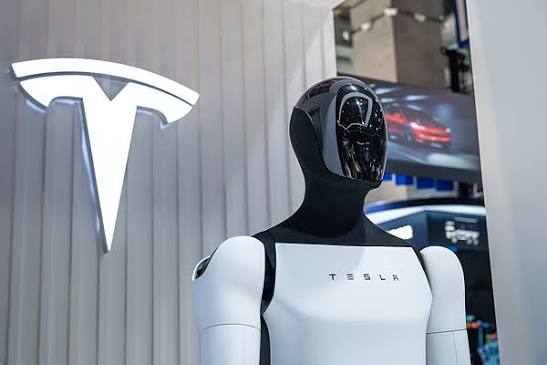
Tesla has commenced its robot production in Ningbo, marking a significant step beyond mere presentations. The team is actively engaging with suppliers, not only placing orders but also assisting in equipment debugging and manufacturing capability transitions. The clear target is to produce approximately 50,000 Optimus robots by 2026, initially deploying them in Tesla's own Gigafactories.
This move is crucial as it indicates that Tesla's preparations for mass production of the Optimus robot have progressed from the design phase to actual supply chain implementation. The ambitious goal of 50,000 units places high demands on the supply chain, with some suppliers potentially receiving order volumes greater than their total for the past few years. However, the journey from supplier audits to actual financial performance is fraught with challenges, including capacity ramp-up and profit margin scrutiny.
Investors are keenly watching the developments, but the path from supply chain audits to stable orders is complex. Tesla's stringent cost control may lead to situations where revenue increases do not necessarily correlate with profit growth. The uncertainty surrounding the scale and sustainability of orders in the early stages of Optimus production will be critical, as any adjustments to Tesla's production pace could directly impact supplier output.
Editor's Note
Tesla's entry into robot production highlights a pivotal moment in the robotics supply chain, emphasizing the importance of rigorous supplier standards and quality control. As the company moves towards mass production, the implications for suppliers and the broader market will be significant, particularly regarding capacity and profitability. Stakeholders must remain vigilant as the landscape evolves.




















Leave a comment