

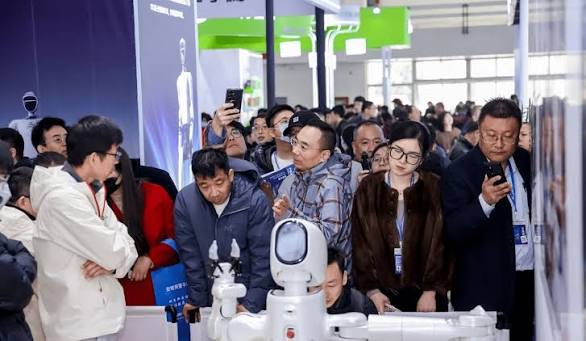
The AI Show 2026 in Hangzhou showcased over 500 brands, highlighting the rise of humanoid robots. In the first half of the year, Zhejiang saw a 1.2-fold increase in service robot production and a 25.6% revenue growth in the core AI industry. Unlike many regions still in planning phases, Zhejiang is leveraging its manufacturing base to transition humanoid robots from exhibition roles to actual production line workers.
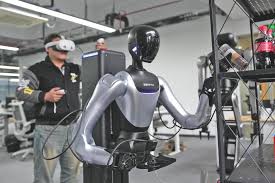
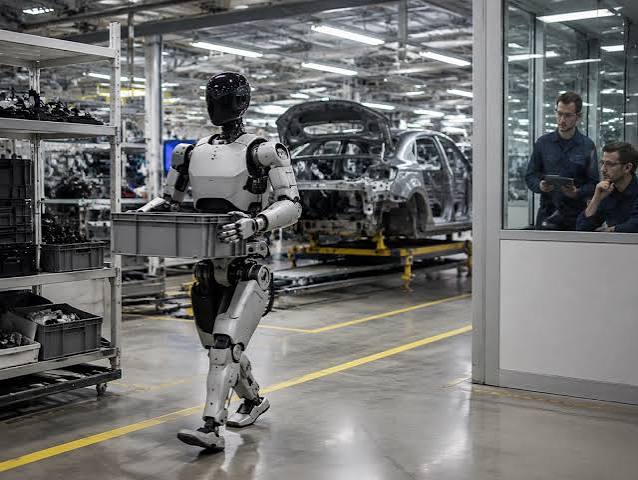
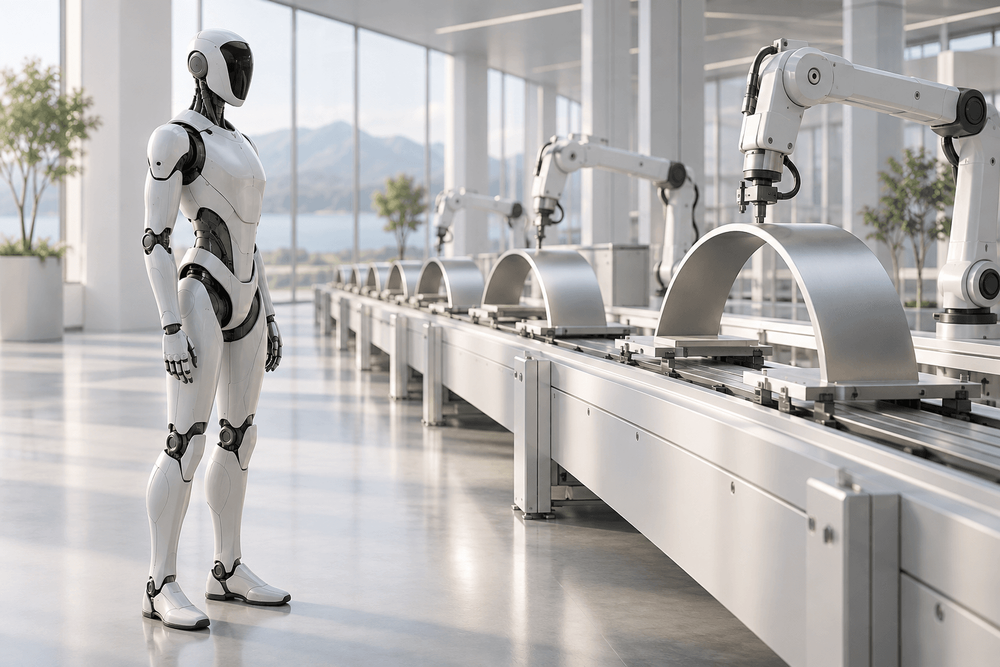
In Ningbo, robots from Junpu Intelligent are undergoing final tests before being deployed in European automotive production lines, marking a shift from demonstration to order fulfillment. With rising labor costs in Europe, Chinese robots are becoming a viable option for cost-effective manufacturing. A notable example is at Geely's factory, where humanoid robots from Yushu Technology automate the entire process of handling wheel cover parts.
Zhejiang's innovation center is delivering 2,000 customized robots for various applications, achieving a 99% success rate in specific testing scenarios. The province has invested 840 million yuan in a major project focused on core technologies for humanoid robots, while local policies support small and medium enterprises in adopting domestic intelligent equipment. As Zhejiang continues to refine its approach, the effectiveness of this model will determine the future of China's embodied intelligence industry.
Editor's Note
Zhejiang's strategic shift towards integrating humanoid robots into production lines reflects a broader trend in the robotics industry, where practical applications are prioritized over mere technological showcases. This approach could reshape supply chains and manufacturing processes, particularly in response to labor cost pressures in global markets. The emphasis on data-driven development and supportive policies may also enhance competitive advantages for local enterprises.






















Leave a comment