Industry Briefing
A single destination for timely, editor-curated robotics news from around the world.
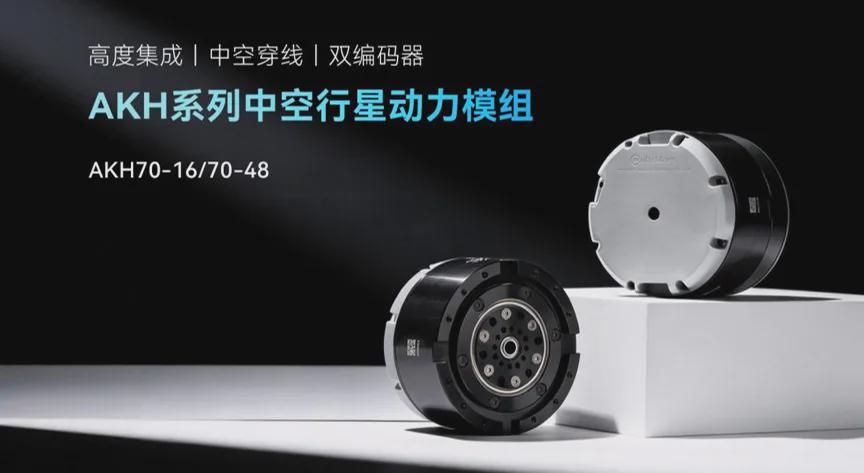
CubeMars Launches New Hollow Planetary Power Modules for Humanoid Robot Joints
In 2026, humanoid robots are approaching a critical point for industrial application. CubeMars has launched two specialized hollow planetary power modules, AKH70-16 and AKH70-48, which are crucial for enhancing flexibility and load capacity in robotic joints. These modules integrate brushless motors, planetary gear reducers, encoders, and driver boards, addressing common wiring issues with a 7mm hollow structure. The AKH70-16 focuses on lightweight applications, featuring a peak torque of 85Nm and a compact design, making it suitable for joints like the neck and elbow. In contrast, the AKH70-48 emphasizes high torque and stability, with a peak torque of 222Nm, ideal for heavy-load joints such as hips and knees. Both modules share advanced technologies, including dual encoder feedback and multi-mode control, which improve precision and operational efficiency. As the humanoid robot industry transitions from prototype development to commercial production, CubeMars's ability to control the entire manufacturing process positions it as a key player. The company’s self-developed capabilities ensure stable delivery and quality, addressing the challenges faced by robotic enterprises in scaling production and meeting market demands. No further timeline was disclosed at the time of publication.
Humanoid Robots Robotic Joints Power Modules Automation Technology
LinkerBot's Robotic Hand O30 Demonstrates Precision with 20 Independent Joints
Chinese robotics startup LinkerBot has showcased its LinkerHand O30, a robotic hand capable of performing magic tricks with remarkable dexterity. The hand features a direct-drive architecture with 20 active degrees of freedom, enabling independent control of its joints for human-like movements. During demonstrations, the O30 successfully executed tricks such as a card change and coin disappearance, highlighting its fine motor control and ability to handle delicate objects. The significance of the LinkerHand O30 lies in its advanced design, which combines brushless motors and a precision transmission system to achieve high power density while maintaining a lightweight structure of 1.6 pounds (730 grams). This robotic hand is not only intended for entertainment but also serves as a versatile platform for advanced robotics research and practical applications in industrial settings. Its ability to communicate with other systems and execute commands at high frequencies enhances its functionality. Looking ahead, LinkerBot's O30 is poised to impact various sectors requiring dexterous manipulation, thanks to its impressive specifications, including a maximum load capacity of 66 pounds (30 kilograms) and precise control capabilities. No further timeline was disclosed at the time of publication.
AI and Robotics
FMC³ Robotics, Vector Informatik, and PEM Motion Form Joint Venture for Embodied AI Development
At the Humanoid Robots Summit 2026 in Stuttgart, FMC³ Robotics, Vector Informatik, and PEM Motion signed a memorandum of understanding to develop a standardized data infrastructure for industrial embodied AI. This collaboration aims to enhance the collection, processing, training, validation, deployment, and continuous improvement of AI-powered robotic systems in manufacturing environments. The partnership is significant as it combines the strengths of the three companies in production engineering, standardized industrial data technologies, and embodied AI. As robots transition from pilot projects to real production, the need for high-quality data and a robust infrastructure becomes critical for reliable performance in manufacturing settings. Looking ahead, the focus will be on creating a unified data infrastructure based on standardized protocols to support multimodal data collection and processing. No further timeline was disclosed at the time of publication.
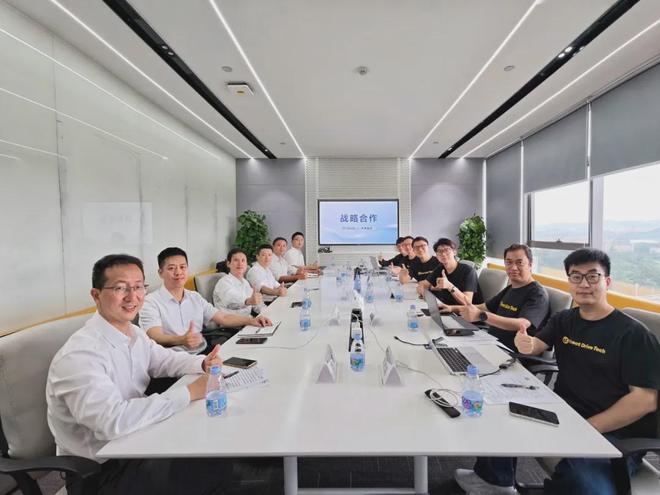
China Rare Earth Group Partners with Benmo Technology to Boost Direct Drive Power Modules in Robotics
China Rare Earth Group Innovation Technology Co., Ltd. has entered into a strategic cooperation with Benmo Technology. This partnership aims to enhance the industrialization of direct drive power modules specifically tailored for the robotics sector. The collaboration is significant as it seeks to leverage the strengths of both companies to advance technology in the robotics industry. Direct drive power modules are crucial for improving the efficiency and performance of robotic systems, making this partnership a vital step in meeting growing market demands. Looking ahead, stakeholders should monitor the developments from this partnership, as it could lead to innovations that enhance the capabilities of robotics applications. No further timeline was disclosed at the time of publication.
Robotics Automation AI
Foxconn and IAT Establish Joint Venture to Enhance Robot Production Capacity
Foxconn and IAT have announced the formation of a joint venture aimed at scaling robot production. This initiative is part of a broader strategy to enhance manufacturing capabilities and meet increasing demand for automation solutions. The collaboration is significant as it reflects the growing trend of automation in manufacturing, with both companies leveraging their expertise to innovate and improve production efficiency. This joint venture is expected to contribute to the robotics ecosystem, particularly within Beijing E-Town’s robotics cluster, which hosts over 300 companies and innovation units. Looking ahead, industry stakeholders will be keen to observe how this partnership evolves and its impact on the robotics market. No further timeline was disclosed at the time of publication.
News Robotics China Foxconn IAT robotics
PrimeBot Introduces Q1 and T1 Personal Robots Featuring 260g Egg Joint
PrimeBot has commenced sales of its foldable Q1 and transformable T1 personal robots, priced starting at approximately RMB 19,999. These robots are built around a 47mm, 260g mass-produced joint that boasts a peak torque density of 85 N·m/kg, enhancing their performance and versatility. The introduction of the Q1 and T1 models is significant as it showcases PrimeBot's commitment to innovation in personal robotics. The advanced joint technology not only contributes to the robots' lightweight design but also improves their operational capabilities, making them suitable for various applications. Looking ahead, PrimeBot plans to begin shipping the Q1 and T1 robots starting October 1. Industry observers will be keen to see how these new models perform in the market and whether they can capture consumer interest in the growing personal robotics sector.
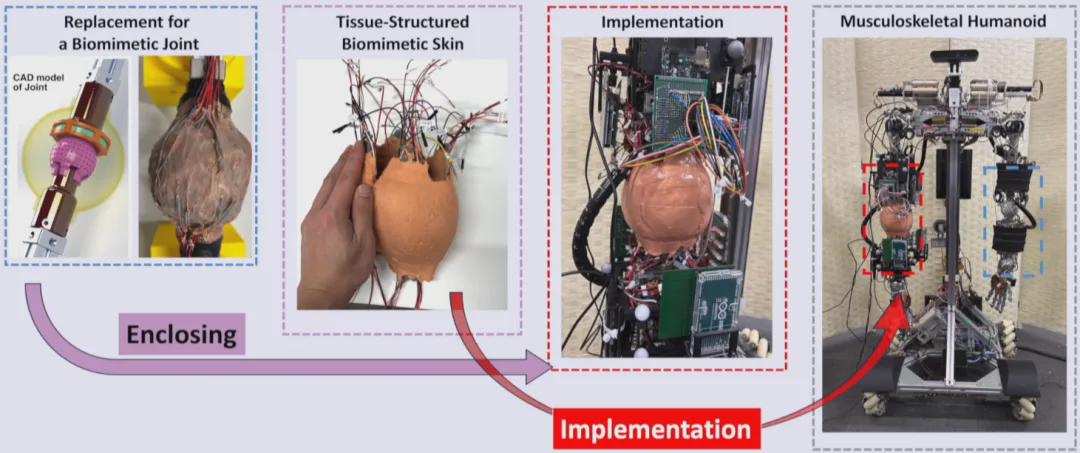
Tokyo University Innovates Artificial Skin for Enhanced Joint Angle Sensing in Robots
Tokyo University's research team has developed an artificial skin that enables robots to accurately sense joint angles through its deformation. This bionic skin, designed with a tissue-like layered structure, was tested on the Musashi-W humanoid robot. The results indicated that the average estimation error for joint angles could be maintained within approximately 3 degrees, and further accuracy was achievable by integrating skin and muscle information. This advancement is significant as traditional muscle-driven humanoid robots face challenges in measuring joint angles directly, unlike conventional robotic joints that utilize encoders. Current methods rely on limited sensors, such as muscle length and tension sensors, to infer joint angles. The research team's approach mimics biological structures by embedding numerous small sensors within soft tissues, enhancing the robot's ability to discern between external disturbances and internal state changes. Moving forward, the integration of these sensors into robotic systems could revolutionize how robots perceive their own movements and interactions with the environment. No further timeline was disclosed at the time of publication.
Humanoid Robots Proprioception Biomimetic Technology Robotic Sensors
RobStride Launches 10P Integrated Joint for Humanoid Robots with 42N·m Torque
RobStride has introduced the ROBSTRIDE 10P integrated joint, designed to address the supply gap in mid-torque joints for humanoid and quadruped robots. With a peak torque of 42N·m and a weight of just 460g, it is priced at 859 Yuan, making it a competitive option in the 30 to 50N·m range. This innovation is significant as it balances torque and weight, crucial for developers who often face trade-offs between high-torque joints that add excess weight and lower-cost options that compromise performance. The 10P aims to resolve these challenges, offering a torque density of approximately 91.3N·m/kg, which is competitive within its category. Looking ahead, the 10P's integrated design simplifies assembly and calibration, allowing developers to focus on higher-level programming without the burden of complex component integration. No further timeline was disclosed at the time of publication.
Humanoid Robots Robotics Components Joint Actuators Prototyping Solutions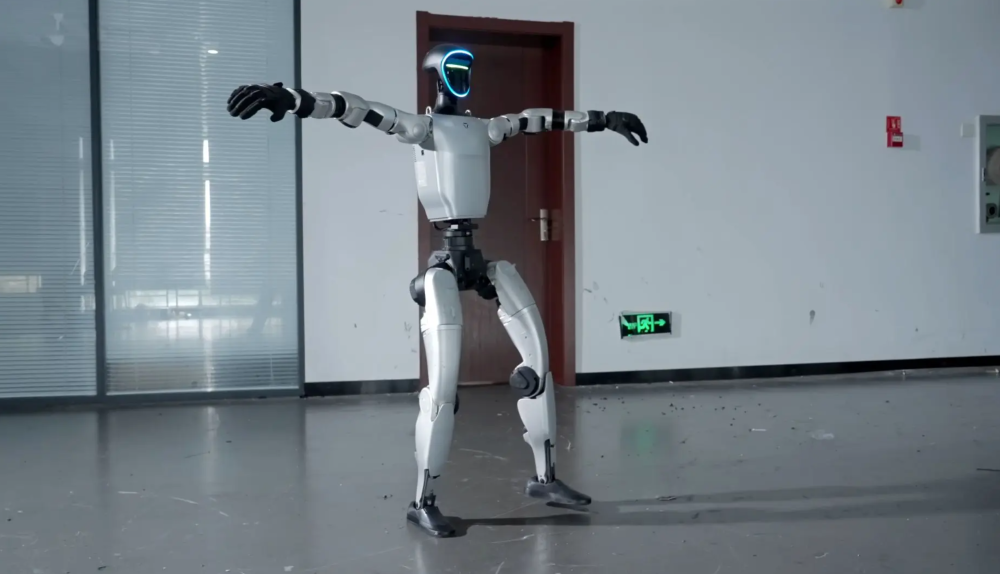
Celanese and VIGOR Collaborate to Reduce Robot Joint Weight by Over 30%
On August 14, Celanese, a U.S. specialty materials company, and VIGOR, a Hong Kong precision plastic gear manufacturer, signed a strategic cooperation agreement in Shanghai. Their goal is to address the challenge of heavy metal joints in humanoid robots by replacing them with high-performance engineering plastics, achieving a weight reduction of over 30%. This collaboration aims to enhance the endurance, speed, and load capacity of robots as they transition from laboratories to commercial applications. The partnership is crucial as heavy metal joints have been a bottleneck in robot performance, limiting endurance and response times. The materials used in joints must balance strength, rigidity, heat resistance, precision, and lightweight characteristics, especially under demanding operational conditions. Celanese will provide customized engineering plastics and technical support, while VIGOR will leverage its 40 years of experience in precision plastic gear and drive system manufacturing. This collaboration represents a significant step toward the large-scale deployment of humanoid robots, with plans to extend lightweight plastic joint solutions to industrial, commercial, and professional service robots. As humanoid robots achieve a 30% reduction in joint weight, they will be able to run faster, lift heavier loads, and operate longer, marking a pivotal advancement in the integration of AI in physical applications.
Humanoid Robots Engineering Plastics Robotics Technology Material Science
Explosion-Proof Inspection Robots Utilize Custom Joint Motors for Hazardous Environments
In petrochemical facilities, an explosion-proof inspection robot extends its mechanical arm to accurately position an infrared thermal imager on a high-temperature pipeline flange, demonstrating smooth movements and precise positioning. In coal mines, another robot's arm performs micron-level rotational operations on valves. The motors driving these joints differ fundamentally from standard industrial robots, providing high torque density in confined spaces. These explosion-proof joint modules can achieve a peak torque of 450 N·m and a rated torque of 110 N·m, supporting continuous operations with a payload exceeding 20 kg. With a dual 17-bit encoder, the modules offer a repeat positioning accuracy of ±40 arc seconds and a backlash of ≤15 arc minutes, with response times in the millisecond range. Designed for flammable and explosive environments, these robots meet IP68 protection and Ex d IIB T4 explosion-proof standards, suitable for various scenarios including chemical, coal mining, and hazardous material warehouses. Jiangsu Huistone has over 20 years of experience in specialized motors, providing customized servo motor solutions for intelligent inspection robot arms. Their products cover a base size range from 40 mm to 400 mm, power from 50 W to 200 kW, and voltage from 24 V to 3000 V, ensuring compatibility with different power supply platforms. The successful application of their 130 mm base explosion-proof AC servo motor in petrochemical inspection robots highlights the precision and safety of these advanced technologies.
Explosion-Proof Robots Joint Motors Industrial Automation Hazardous Environment Technology
Joint Robot Training in Guiyang Achieves Success with Over 2.04 Million Views
On August 7, 2026, a training program on the safety and effectiveness of domestic joint surgery robots was successfully held at Guizhou Provincial People's Hospital. This event was organized by the Sichuan International Medical Exchange Promotion Association and featured experts from various prestigious hospitals, including Sichuan University West China Hospital and the PLA General Hospital. The training included surgical demonstrations and academic discussions, showcasing the capabilities of Yuanhua Intelligent Technology's surgical robots. The significance of this training lies in its demonstration of advanced robotic technology in orthopedic surgeries, particularly in total knee arthroplasty (TKA) and total hip arthroplasty (THA). Yuanhua Intelligent's robots, equipped with precise navigation capabilities, received high praise from attending experts. The event highlighted the importance of integrating robotics into surgical practices, which can enhance surgical precision and improve patient outcomes. Looking ahead, the continued development and application of robotic-assisted surgeries will be crucial in the orthopedic field. Experts shared insights on the future of robotic surgery, emphasizing the need for ongoing training and knowledge sharing among medical professionals. No further timeline was disclosed at the time of publication.
Orthopedic Robotics Surgical Training Medical Technology Healthcare Innovation
DeKra Micro Introduces Wireless Millimeter-Wave Solutions for Enhanced Robot Joints
DeKra Microelectronics (Shenzhen) Co., Ltd. has unveiled innovative millimeter-wave wireless slip rings and non-contact interconnect solutions designed for robotic joints. These products address critical issues such as wire entanglement, contact wear, and maintenance frequency, which affect the long-term stability and efficiency of robotic systems. The introduction of these solutions is significant as robotic joints serve not only as motion execution units but also as vital nodes for data transmission, control coordination, and power connections. Traditional wired connections face challenges in dynamic operations, necessitating a shift towards more reliable and integrated wireless solutions that enhance operational stability and reduce maintenance needs. Looking ahead, DeKra Micro's millimeter-wave wireless slip rings and interconnect modules support various communication protocols and are designed for seamless integration into existing joint structures. The company aims to advance the reliability and integration of robotic connectivity technologies, catering to the growing demands of the robotics industry for enhanced performance and flexibility.
Millimeter-Wave Technology Robotic Joints Wireless Communication Automation Solutions
The Role of Integrated Actuators in Enhancing Humanoid Robot Joint Functionality
Humanoid robots are gaining traction in robotics research, attracting interest from universities and tech companies. Unlike traditional industrial robots, humanoid robots must navigate complex environments, requiring advanced joint coordination for human-like movements. This necessitates the use of robotic actuators, which convert electrical energy into mechanical motion, enabling actions like walking and balancing. The significance of integrated actuators lies in their ability to address the challenges faced in humanoid robot design. These actuators must provide high torque output while being compact to avoid adding excessive weight. Additionally, they require precise control for dynamic movements, as any delay can compromise stability. Integrated actuators streamline system integration by combining multiple components into a single module, reducing complexity and enhancing performance. The CubeMars AK45-10 robotic actuator exemplifies this innovation, offering a compact design with a diameter of 53mm and a weight of 260g, while delivering up to 7Nm of peak torque. As humanoid robots continue to evolve, the development of such integrated solutions will be crucial for optimizing performance and efficiency in robotic joint applications. No further timeline was disclosed at the time of publication.
Sponsored Content Cubemars
Innovative Dual-Core GaN Drive Solution Addresses Robotics Joint Challenges
In 2026, humanoid, quadruped, and logistics robots are expected to achieve mass production, yet manufacturers face significant challenges. Heavy joints compromise battery life, while high costs of joint actuators threaten profitability, with 70% of a robot's cost attributed to these components. The industry struggles with traditional silicon-based drive control boards that are bulky and limit torque output. A new solution, the CT-Unite dual-core GaN drive system from domestic semiconductor firm ZK Wireless, aims to resolve these issues by offering lightweight, cost-effective, and high-torque outputs. Leading robotics manufacturers have already validated this solution. The CT-Unite system utilizes only four core chips to manage all motion control and power drive functions, significantly reducing the size of the control board and the overall weight of the robot. This innovation promises to lower hardware costs by at least 40%, making mass production more feasible. No further timeline was disclosed at the time of publication.
Robotics GaN Technology Drive Solutions Cost Reduction Lightweight Design
Shanghai Startup Secures Angel Funding to Develop Magnesium Alloy Robot Joints
Shanghai Yimei Huaxin Materials Co., Ltd. has completed angel funding of tens of millions of yuan, backed by Xinghe Venture Capital and Huazhong Industrial Group. Founded in November 2024, the company has formed partnerships with over ten robot manufacturers and developed more than 15 magnesium alloy alternatives to aluminum, targeting the automotive sector. This funding will be allocated for capacity expansion, research and development, and team growth. The rapid progress made by Yimei Huaxin is notable in the materials industry, where new materials typically require two to three years for validation. However, the robotics sector's urgent need for solutions to overheating and weight reduction challenges has accelerated this timeline. Looking ahead, Yimei Huaxin aims to address the industry's demand for lightweight materials without needing to outperform aluminum in every aspect. The company's strategy focuses on magnesium alloys' unique properties, such as lower density and excellent damping characteristics, to meet the critical needs of the robotics market. No further timeline was disclosed at the time of publication.
Magnesium Alloys Robot Joints Material Science Lightweight Materials Startup Funding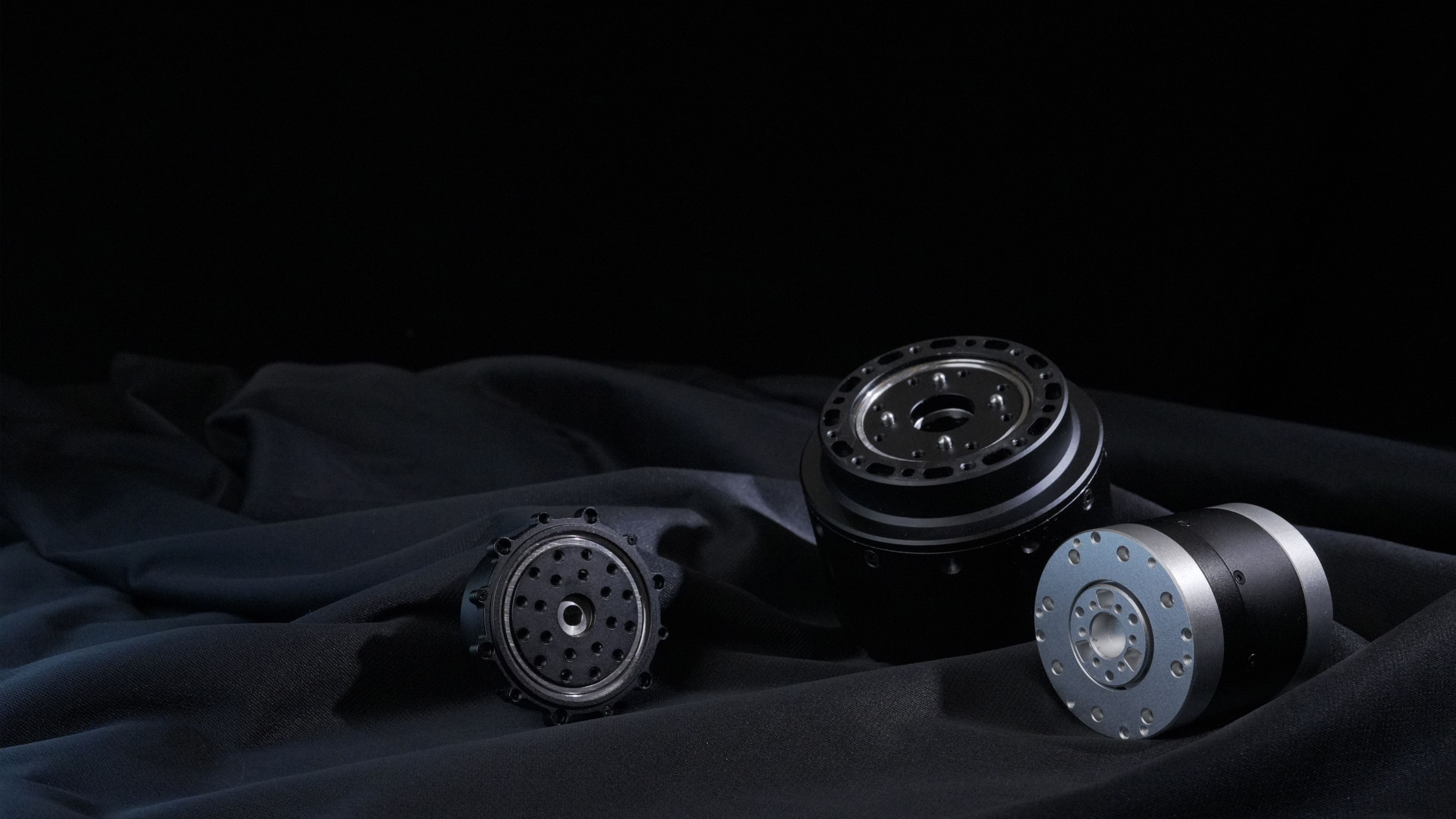
EF Robotics Launches First Joint Module Selection Platform for Robotics Industry
EF Robotics has introduced the first joint module selection platform in China, aiming to innovate in a market focused on mass production and cost reduction. The platform addresses the limitations of current mainstream planetary and harmonic joints, which affect the performance of embodied robots. EF Robotics emphasizes the need for technological breakthroughs to enhance the industry's future. The joint module selection platform is designed to streamline the process for industry participants, allowing them to find suitable suppliers and optimal joint integration solutions without the hassle of manual searches. EF Robotics leverages its extensive customization experience and a robust supply chain to provide clients with verified components and tailored solutions. Looking ahead, EF Robotics aims to collaborate with various suppliers in the robotics sector, including motor and reducer manufacturers. The company is committed to advancing technology and expanding its database to support the ongoing development of the joint selection platform, which represents a significant step in enhancing the capabilities of embodied intelligence in robotics.
Joint Modules Humanoid Robotics Supply Chain Innovation AI Technology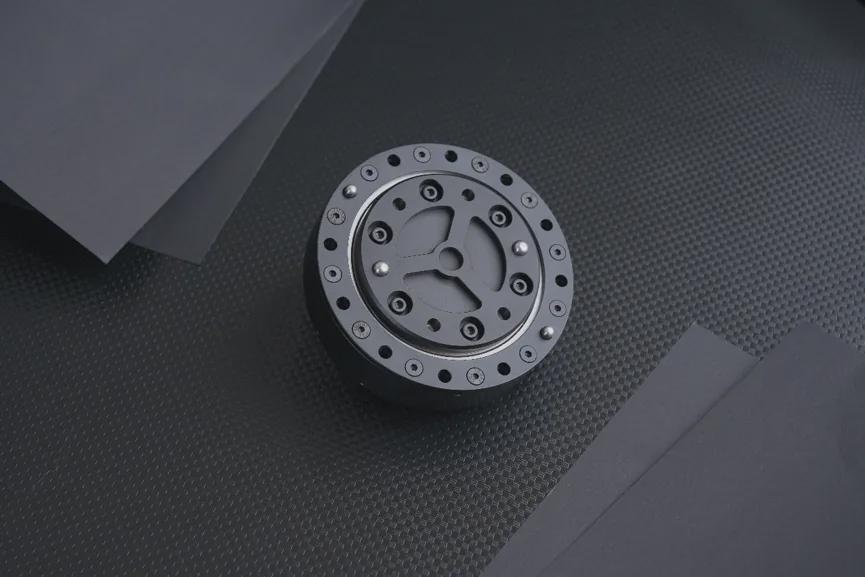
Introduction of the First Robot Joint Selection Platform by Engfu Robotics
Engfu Robotics has launched a comprehensive robot joint selection platform that allows users to customize parameters such as torque, speed, and weight. This platform aims to simplify the selection process for various stakeholders, including engineers and procurement professionals, by providing tailored recommendations based on extensive experience and an intelligent scoring system. The significance of this platform lies in its ability to connect customer needs with component solutions, leveraging Engfu's rich customization experience. The platform's supply chain database supports hundreds of components, enabling thousands of combinations, which enhances collaboration across the robotics industry. Looking ahead, Engfu Robotics continues to innovate in various areas, including gear reducers and motors. The company emphasizes that the development of embodied intelligence and robot joints requires collaboration among different companies, each contributing their strengths to meet customer demands effectively. No further timeline was disclosed at the time of publication.
Robot Joints Customization Supply Chain Robotics Technology
SoftBank Allocates $225M to Autonomous Solutions for Construction Robotics Venture
SoftBank Group has invested $225 million in Autonomous Solutions Inc. (ASI) to establish a joint venture aimed at developing autonomous construction equipment for large infrastructure projects. This collaboration will leverage ASI's Mobius fleet-management platform to enhance civil construction and material handling capabilities, supporting a variety of autonomous vehicles from different manufacturers. The significance of this investment lies in ASI's extensive experience in technology development over 25 years, which will facilitate the expansion of autonomous construction systems. ASI CEO Mel Torrie emphasized that the joint venture positions the company at the forefront of innovation in autonomous construction, enabling the deployment of mixed fleets of heavy equipment for complex tasks. Looking ahead, the joint venture is expected to focus on large-scale infrastructure projects, including roads, airports, and waste management. No further timeline was disclosed at the time of publication.
AI AI Funding & Investment Robotics autonomous construction Autonomous Solutions Inc. industrial automation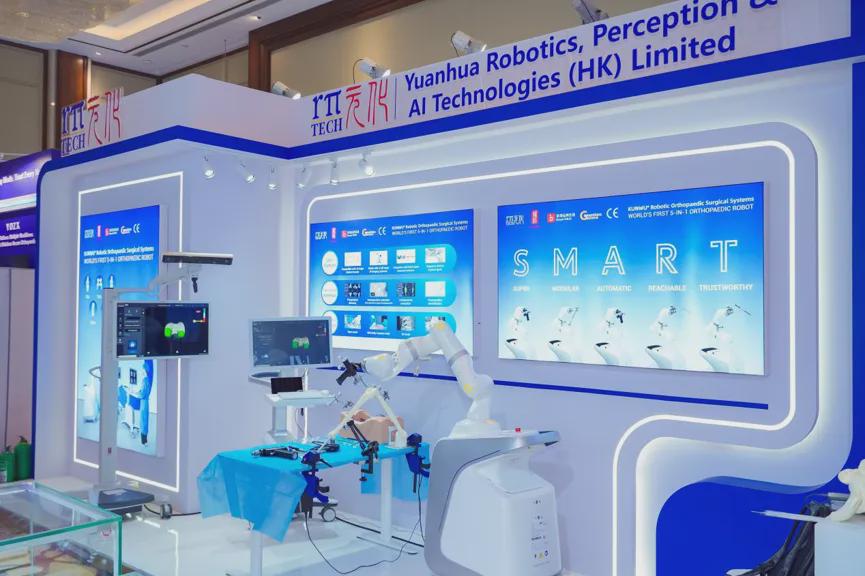
New Insights on Domestic Orthopedic Surgical Robots: Advancements in Complex Joint Replacement
The maturity of surgical robots is evaluated not just by their ability to perform standard joint replacements but also by their effectiveness in complex cases. At the 12th Asian Joint Society Annual Meeting held from September 10 to 12, 2023, in Boao, Hainan, experts discussed the challenges of robotic-assisted surgeries for patients with significant anatomical deviations. The event showcased the Kuntuo® orthopedic surgical robot in various scenarios, including live surgeries and workshops, emphasizing its role in addressing complex cases. A notable case involved a 66-year-old woman with developmental dysplasia of the hip, highlighting the need for personalized planning in joint replacement surgeries. The robot's capabilities extend beyond precision to include individualized preoperative planning based on patient-specific anatomical conditions. Future developments in robotic-assisted surgeries will likely focus on enhancing the robot's ability to adapt to unique anatomical challenges. The Kuntuo robot has previously been utilized in complex cases, indicating its growing relevance in orthopedic surgery. No further timeline was disclosed at the time of publication.
Orthopedic Robotics Surgical Automation Complex Case Management Medical Technology
Foxconn and Alt Establish Joint Venture in Robotics with Equal Ownership Stakes
Foxconn Technology Group and Alt Automotive Technology have jointly established a new company, Beijing Futekang Intelligent Robotics Technology Co., Ltd., with equal stakes of 45% each. This unusual ownership structure suggests a collaborative decision-making process, as both companies bring unique resources to the table. The company focuses on manufacturing and selling intelligent and industrial robots, indicating a strong emphasis on production capabilities rather than research and development. The partnership is significant as it reflects the automotive supply chain's shift towards robotics, particularly in humanoid robots, where both companies have overlapping expertise. Foxconn contributes its precision manufacturing and mass production experience, while Alt brings automotive engineering and system integration knowledge. This collaboration aims to leverage existing supply chain resources to create a competitive edge in the robotics market. Future product offerings and target applications remain undisclosed, but the company's operational scope suggests flexibility in both industrial and consumer robotics. The initial products are likely to be tested within the existing ecosystems of Foxconn and Alt, utilizing their established customer bases and operational needs for automation.
Robotics Manufacturing Automotive Engineering Humanoid Robots
JAKA Robotics Addresses Patent Claims, Highlights Self-Development in Robotics Technology
On September 2, JAKA Robotics issued an official statement regarding overseas patent litigation, asserting that it does not infringe on the opposing party's patents based on comprehensive technical tracing and patent comparison analysis. This confidence stems from over a decade of the company's full-stack self-developed technology system. The performance of a robot is rooted in hundreds of precision components, including reducers, servo systems, and controllers, which directly influence the machine's accuracy, load capacity, and reliability. As Chinese robotics companies accelerate their entry into the global market, the originality of technology and intellectual property rights are becoming critical competitive factors, making JAKA's self-development path significant in this context. Looking ahead, JAKA Robotics aims to enhance its general intelligent robot capabilities, evolving from collaborative robots to embodied intelligent robots. The company has successfully integrated core components and developed over 60 self-developed collaborative robots in its production base, achieving a closed-loop verification of its technological strength. No further timeline was disclosed at the time of publication.
Collaborative Robots Humanoid Robots AI Robotics Technology
Yiyou Technology Secures Over $28 Million in Series B Funding for Joint Technology
On August 13, Yiyou Technology, a leading integrated servo joint company in China, announced the completion of over 200 million yuan in Series B financing. This round saw participation from 12 institutions, including prominent investors such as Samsung Ventures and Guofang Venture Capital. This marks the third round of financing for Yiyou Technology this year, with total funding exceeding 500 million yuan. The significance of this funding lies in Yiyou Technology's innovative PHU-F joint module, which can detect torque changes as low as 0.01Nm at an 8kHz frequency. This technology enables robots to have a tactile sense, allowing them to perceive the force they exert. The company has established the world's first fully automated production line for robotic joints, with an annual capacity of 100,000 units, expandable to 300,000 units. Looking ahead, Yiyou Technology has secured over 1.5 million joint orders for 2026, a 15-fold increase compared to the total shipments in 2025. Their client list includes over 500 companies globally, extending their business reach to regions such as Japan, North America, and Southeast Asia. No further timeline was disclosed at the time of publication.
Robotic Joints Automation Technology Funding and Investment Industrial Robotics
Synapticon and Stabilus Partner to Create Integrated Actuators for Humanoid Robots
Synapticon GmbH and Stabilus SE have announced a strategic partnership aimed at developing a new product line of integrated actuators specifically designed for humanoid robots and various robotics applications. This collaboration leverages Synapticon's expertise in integrated drive technology and functional safety, alongside Stabilus's leadership in motion control solutions. The partnership is significant as it combines the strengths of both companies to address the growing demand for advanced robotics technologies. Integrated actuators are crucial for enhancing the performance and capabilities of humanoid robots, which are increasingly being utilized in diverse sectors, including manufacturing and service industries. Looking ahead, the collaboration between Synapticon and Stabilus is expected to yield innovative products that could set new standards in the robotics field. No further timeline was disclosed at the time of publication.

Synapticon and Stabilus Collaborate to Create Integrated Actuators for Humanoid Robots
Synapticon GmbH and Stabilus SE have announced a strategic partnership aimed at developing a new line of integrated actuators specifically designed for humanoid robots. This collaboration will leverage Synapticon's expertise in drive intelligence and functional safety alongside Stabilus' strengths in industrialization and manufacturing. The significance of this partnership lies in its potential to enhance the production of actuation joints that are crucial for the functionality of humanoid robots. By combining their respective technologies and manufacturing capabilities, Synapticon and Stabilus aim to deliver production-ready solutions that can be utilized across all limbs of humanoid robots and various robotics applications. Looking ahead, the industry will be keen to observe the progress of this partnership and the resulting product line. The integration of advanced drive technology with robust manufacturing processes could set new standards in the robotics sector. No further timeline was disclosed at the time of publication.
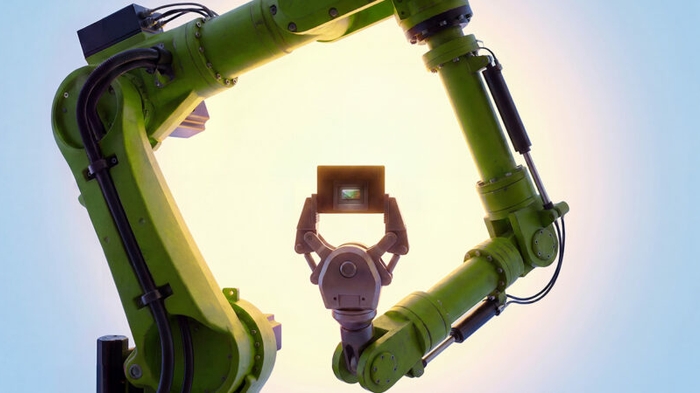
NVIDIA Launches Jetson Thor Modules to Enhance Robotics and Edge AI Applications
NVIDIA has unveiled the T3000 and T2000 modules based on the Thor architecture, designed to meet the growing demand for compact AI supercomputers in robotics and edge AI. These modules enable mass-market deployment of advanced humanoid and robotic systems, with notable adoption from leading companies such as Amazon Robotics and Boston Dynamics. The introduction of the Jetson T3000 and T2000 modules is significant as they provide high-performance AI compute capabilities in a smaller form factor, achieving up to 865 FP4 teraflops for the T3000. This advancement allows developers to optimize their systems while reducing costs, particularly in light of rising memory prices. The T2000 serves as an entry point for a wider range of edge AI applications, further expanding NVIDIA's scalable edge AI platform. Looking ahead, the new Jetson modules are expected to facilitate faster deployment and lower system costs across various industries. Companies like UBTech and Agile Robots have already reported substantial memory savings, indicating a trend towards more efficient development processes in robotics. No further timeline was disclosed at the time of publication.

TECO Debuts High-Payload Commercial UAV Powertrain Systems and Robotic Joint Modules in North America Expanding into North America's UAV and Robotics Markets
TECO is making significant strides in the burgeoning commercial UAV and intelligent robotics sectors. By utilizing the localized service capabilities of its Texas-based subsidiary, TECO-Westinghouse, the company is able to offer customers a complete range of solutions, from initial development to after-sales support. This strategic expansion reflects TECO's commitment to meeting the increasing demand for advanced technology in these rapidly evolving markets.

Disney's Olaf Robot: The Core Power Behind Its Agile Movements Comes from This Company's Joint Modules
At the NVIDIA GTC 2026 conference, Disney unveiled its innovative Olaf robot, which features advanced physical AI capabilities and a distinctive design powered by high-performance motors from Unitree. This collaboration emphasizes the synergy between cutting-edge hardware and sophisticated algorithms, showcasing the potential of robotics in practical applications. The demonstration marks a significant step forward in the field, illustrating how such technology can enhance interactive experiences and redefine the possibilities of robotic functionality in various sectors.
Physical AI Robotics Joint Modules High-Performance Motors Disney Technology
Ecovacs Secures Over 100 Million Yuan Financing Amid Rising Competition in Robotics
Ecovacs has successfully completed a financing round exceeding 100 million yuan, marking a significant milestone for the company. This funding is expected to bolster its efforts in the competitive robotics market, particularly as companies like Embodied Intelligence ramp up their initiatives. The influx of capital will likely enhance Ecovacs' research and development capabilities, allowing them to innovate further in the robotics sector. The importance of this financing round lies in its potential to strengthen Ecovacs' position in a rapidly evolving industry. As competition heats up, particularly with advancements from Embodied Intelligence, securing substantial funding is crucial for maintaining a competitive edge. This financial boost will enable Ecovacs to explore new technologies and expand its product offerings, which is vital in the face of increasing market demands. Looking ahead, stakeholders should monitor how Ecovacs utilizes this funding to advance its technology and product lines. The ongoing competition with Embodied Intelligence and other players will be a key factor in determining the future landscape of the robotics industry. No further timeline was disclosed at the time of publication.
Robotics Automation AI
LG Innotek Expands Partnership with Zoox to Supply High-Resolution Camera Modules
LG Innotek is enhancing its collaboration with Zoox, Amazon's autonomous driving subsidiary, by providing high-resolution automotive camera modules for its robotaxis. This partnership has been in place since the early development stages of the robotaxi, and the latest agreement will see LG Innotek supply these advanced cameras over the coming years. The high-resolution cameras are integral to Zoox's sensor suite, offering 360-degree coverage through overlapping fields of view. LG Innotek's modules leverage precision optical design technology honed from years of experience in mobile device camera production. Designed to endure harsh weather conditions, these waterproof modules ensure stable performance in various environments. As Zoox ramps up its manufacturing capabilities with the opening of its first robotaxi production facility in California, LG Innotek's camera modules are being integrated into the vehicles. This collaboration marks a significant milestone in their ongoing partnership, positioning LG Innotek as a crucial supplier in the rapidly evolving autonomous vehicle sector. No further timeline was disclosed at the time of publication.
All News
LG Innotek Partners with TDK to Develop Advanced Vision and Tactile Sensing Modules
LG Innotek is enhancing its robotics capabilities by collaborating with Japan's TDK to create next-generation vision and tactile sensing modules for physical AI applications. This strategic partnership combines LG Innotek's optical engineering expertise with TDK's extensive sensor technology portfolio, aiming to launch their first module featuring an inertial sensor by 2027. The significance of this collaboration lies in its potential to revolutionize how robots perceive their environment. By integrating TDK's inertial measurement units and other sensors into LG Innotek's vision modules, robots can achieve a more nuanced understanding of movement, direction, and sound, thereby improving their operational accuracy. Additionally, the tactile sensing module, designed to mimic human skin, will enable robots to detect physical contact and pressure, further enhancing their interaction capabilities. Looking ahead, LG Innotek and TDK plan to expand their partnership into real-time sensor data processing and other physical AI technologies. With the global physical AI market projected to grow significantly, this collaboration positions LG Innotek to strengthen its market presence and meet the increasing demand for sophisticated robotic components.
All News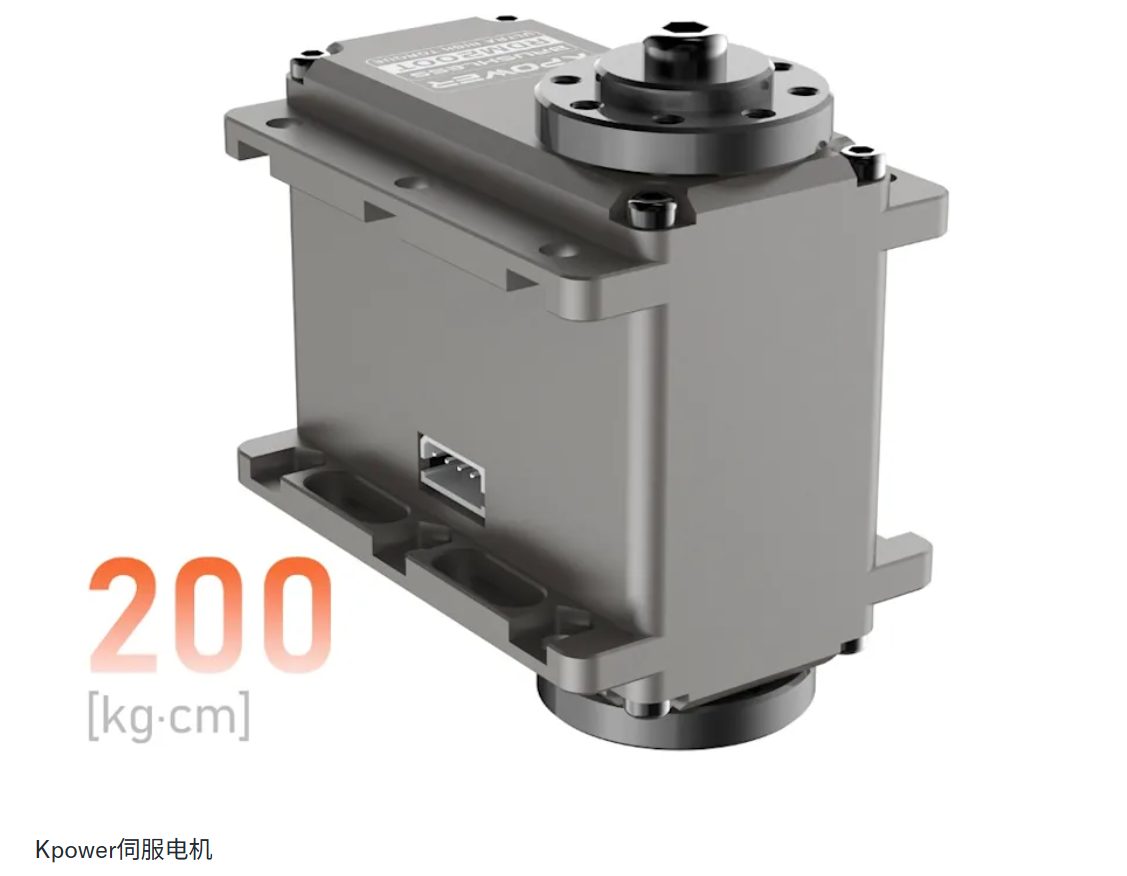
Kpower Secures Patent for Side-Output Robot Servo Motor, Revolutionizing Lightweight Robot Joints
Kpower has secured a patent for its cutting-edge side-output robot servo system, which effectively tackles significant challenges in the robotics industry, including cantilever force defects and intricate assembly processes. This innovative technology not only extends the lifespan of servo motors by more than 60% but also minimizes vertical height, making it particularly suitable for humanoid robot joints. The company aims to offer a reliable and compact solution for the lightweight robotics sector, thereby reinforcing its competitive edge in the precision drive technology market.
Servo Motors Robotics Automation Manufacturing Technology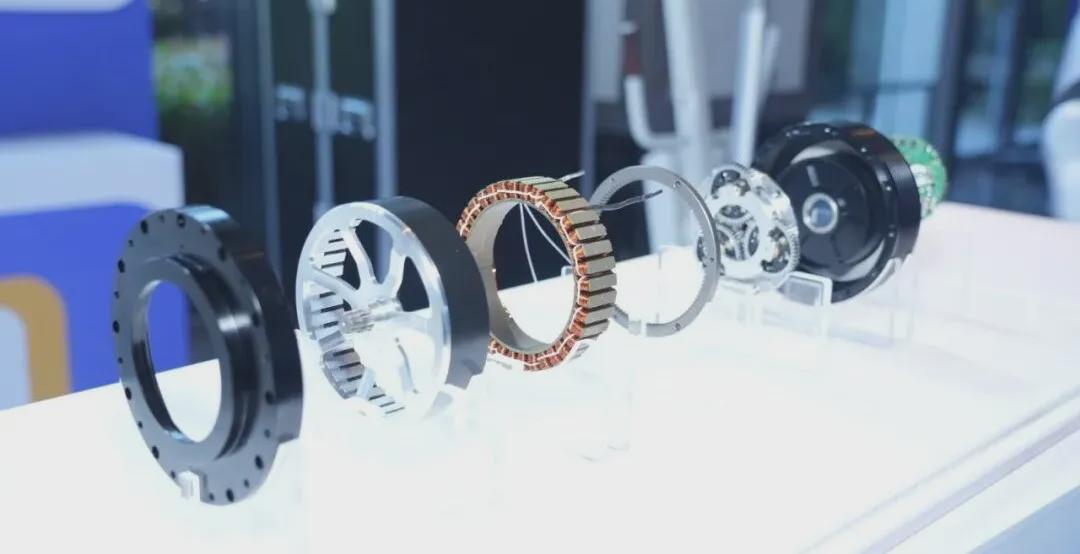
Leading Investors Back Multiple Robotics Firms to Define Joint Standards
On July 3, 2026, Wuxi Quan Zhibo Technology announced the successful completion of its A+++ funding round, which was led by GL Ventures and included strategic investments from Zhiyuan and Lingxin Qiaoshou. This significant financial boost aims to strengthen Quan Zhibo's capital structure by integrating leading investment firms, industry experts, and state capital. The company is positioning itself as a pivotal supplier in the robotics joint module sector, with a focus on standardizing joint technology across the industry. This funding is expected to enhance its competitive edge and drive innovation within the robotics field.
Robotics Investment Joint Modules Smart Manufacturing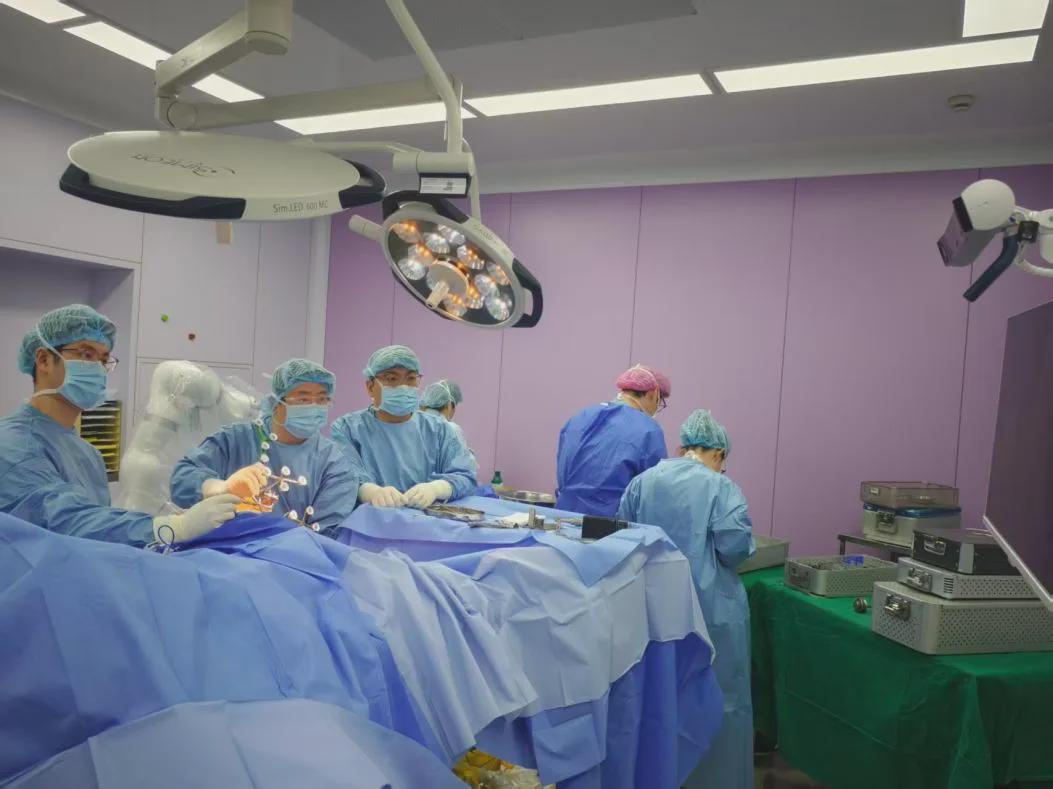
Ruijin Hospital's Surgical Robot Surpasses 500 Joint Replacement Surgeries
Ruijin Hospital in Shanghai has achieved a significant milestone by performing over 500 joint replacement surgeries with the domestic surgical robot, Kuanlu®. This accomplishment highlights the robot's advanced capabilities in handling complex surgical cases, leading to improved precision and faster recovery times for patients. The hospital plans to leverage this expertise to promote standardized surgical practices across the country, aiming to enhance the overall quality of joint replacement surgeries in China.
Surgical Robots Joint Replacement Orthopedic Surgery Healthcare Technology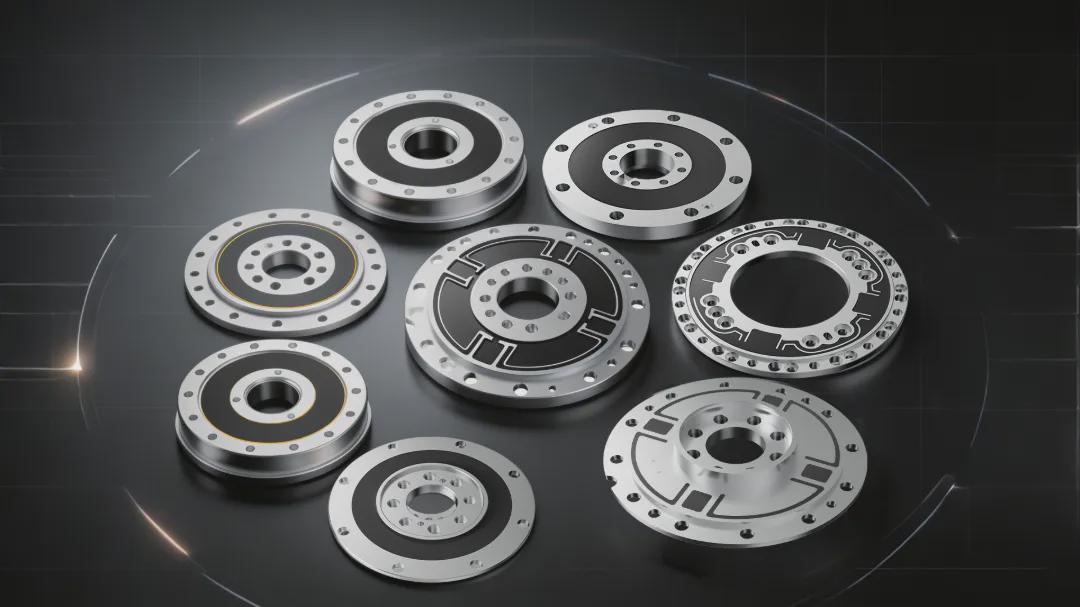
Why Joint Torque Sensors Are Essential for Collaborative Robots
Joint torque sensors are essential components in the operation of collaborative robots, allowing them to execute intricate tasks safely and efficiently. Recent discussions emphasize the compact design and high reliability of these sensors, which contribute significantly to the overall performance of robots across diverse industries. The growing demand for advanced robotic solutions has driven interest in the wide-ranging applications of joint torque sensors, underscoring their pivotal role in enhancing automation and safety in various sectors. As industries increasingly adopt collaborative robots, the integration of these sensors is expected to further improve operational capabilities and safety standards.
Collaborative Robots Torque Sensors Force Control Technology Industrial Automation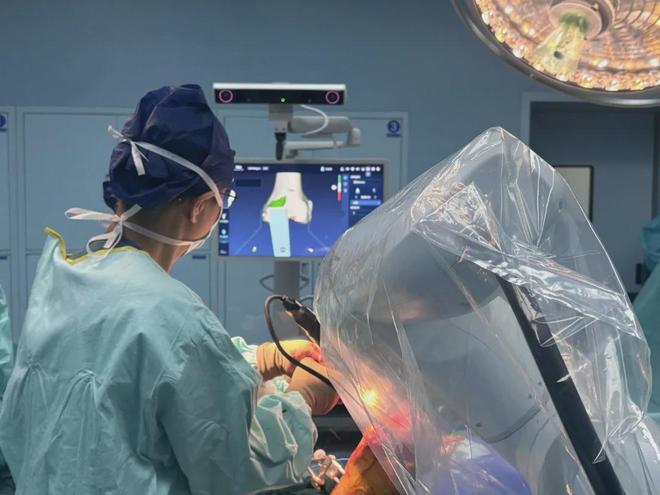
After landing applications in Western China, Hong Kong, and plateau regions, Shenzhen's self-developed HX orthopedic robot completed the first local precise knee joint replacement.
Shenzhen's self-developed HX orthopedic robot has successfully performed its first precise knee joint replacement in Western China, specifically targeting plateau regions and Hong Kong. This milestone event marks a significant advancement in orthopedic surgery technology, showcasing the robot's capabilities in delivering accurate and efficient surgical procedures. The operation was completed recently, highlighting the growing integration of robotics in healthcare and the potential for improved patient outcomes in regions that may have previously lacked access to such advanced medical technologies. The development of the HX robot is part of Shenzhen's broader initiative to enhance medical services and innovation in the region.
Robotics Automation AI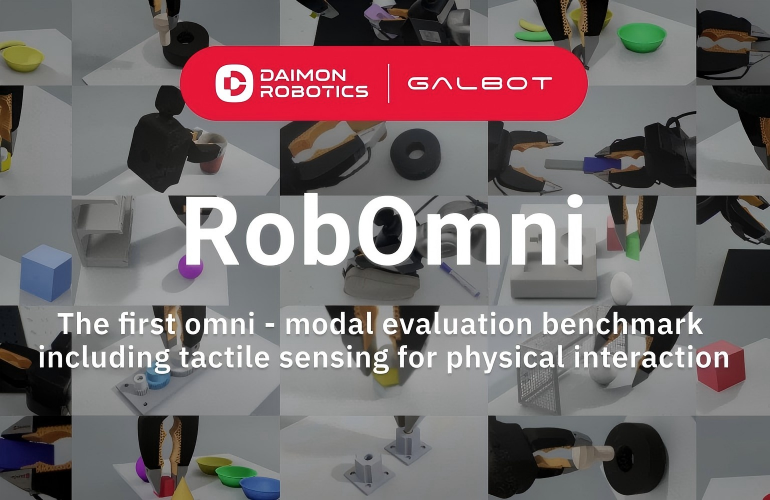
Daimon Robotics and Galbot jointly launches RobOmni for benchmarking tactile perception and dexterous manipulation
Daimon Robotics and Galbot have announced the launch of RobOmni, a new platform designed to benchmark tactile perception and dexterous manipulation in the field of embodied AI. This development marks a significant shift from traditional vision-centric approaches to a more comprehensive understanding of physical interactions. The collaboration aims to enhance the capabilities of robots in performing complex tasks that require fine motor skills and sensitivity to touch. The launch event took place recently, highlighting the growing importance of tactile feedback in robotics and its applications across various industries. By integrating advanced tactile sensing technologies, RobOmni is set to provide researchers and developers with the tools needed to push the boundaries of robotic dexterity and perception.
Sponsored Content
A Low‐Drift Legged Robot State‐Estimation System Through Combined Physics‐Informed Contact Estimation Network and Full Joint State
A recent study published in the Journal of Field Robotics highlights advancements in autonomous robotic systems designed for agricultural applications. Researchers from various institutions collaborated to develop innovative algorithms that enhance the efficiency and precision of farming robots. The findings, released in early October 2023, demonstrate how these technologies can significantly improve crop monitoring and management. The study was conducted across multiple farms in the Midwest, where the team tested the robots' capabilities in real-world conditions. By utilizing advanced sensors and machine learning techniques, the robots were able to identify crop health issues and optimize resource usage, such as water and fertilizers. This approach not only aims to increase agricultural productivity but also addresses sustainability concerns in farming practices. The motivation behind this research stems from the growing need for efficient food production methods to meet the demands of a rising global population. As traditional farming faces challenges such as labor shortages and environmental impacts, the integration of autonomous systems presents a viable solution. The researchers emphasized that the successful implementation of these technologies could lead to a transformative shift in how agriculture is practiced, ultimately benefiting both farmers and consumers alike.
RESEARCH ARTICLE
GigaDevice Explains Why EtherCAT is Essential for Robot Joint Control
GigaDevice recently conducted a web seminar titled "Secure Robotics in Motion," focusing on the advancements in robot control systems. The event highlighted the company's commitment to enhancing security measures within robotic technology, addressing the growing concerns surrounding safety and reliability in automated systems. Industry experts shared insights on the latest developments and future trends in robotics, emphasizing the importance of secure communication protocols and robust control mechanisms. The seminar aimed to educate participants on best practices for implementing secure robotics solutions, fostering a deeper understanding of the challenges and opportunities in this rapidly evolving field. The session attracted a diverse audience, including engineers, developers, and technology enthusiasts, eager to learn about the integration of security in robotic applications.
Robotics
The Benefits of High-Speed Joint Actuation in Modern Articulated Robots
In the rapidly evolving manufacturing sector, JAKA Robotics is at the forefront of intelligent automation, showcasing the transformative capabilities of articulated robots, particularly collaborative robots (cobots). These advanced machines, equipped with high-speed joint actuation, are designed to enhance production efficiency and precision. The JAKA Pro5 articulated robot exemplifies this innovation, enabling accelerated production cycles through quick and precise movements that streamline loading, unloading, and assembly processes. This is particularly beneficial in time-sensitive industries like consumer electronics and automotive assembly, where reduced cycle times can significantly boost throughput. Moreover, the high-speed joint actuation not only increases speed but also enhances precision, ensuring consistent quality control in tasks such as component placement and welding. JAKA's robots maintain high accuracy over time, minimizing errors and reducing scrap rates, which is crucial for industries with stringent quality standards. The Pro5 model's compact design and user-friendly programming interface facilitate easy integration into existing production lines, allowing manufacturers to adapt swiftly to changing demands without extensive downtime. This flexibility empowers companies to optimize resources effectively and respond to market fluctuations. As industries continue to evolve, the role of high-speed joint actuation in articulated robots is becoming increasingly vital. By adopting JAKA's technology, organizations can modernize their production processes, improve workplace safety, and enable skilled workers to focus on higher-value tasks, positioning themselves for success in a competitive landscape.
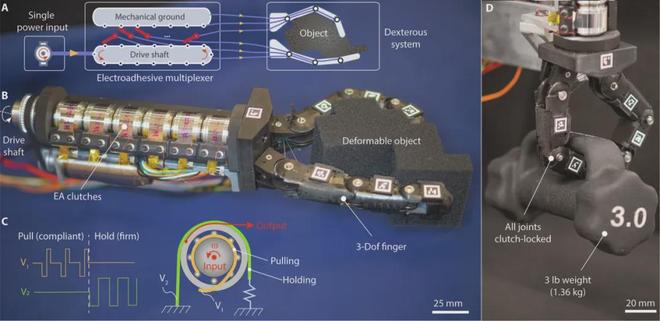
Breakthrough in Robotic Hands: One Motor Drives Six Joints, Capable of Gentle Foam Handling and Lifting 3 Pounds
A research team at Northwestern University has unveiled an innovative robotic hand that operates using a single motor to control six joints, thanks to a groundbreaking electric adhesive clutch system. This design enables the robotic hand to seamlessly transition between gentle and strong gripping, enhancing its versatility in robotic manipulation. The development aims to improve the functionality of robotic systems, making them more adaptable for various tasks.
Robotic Hands Electric Adhesive Clutch Soft Robotics Robotics Technology
Will 100,000 Units Be Delivered This Year? The 'Joint Lock' of Humanoid Robots Becomes a Capital Battleground
As competition in the smart terminal market escalates, attention is turning towards advancements in humanoid robotics. Jipai Electromagnetics has recently obtained substantial funding aimed at developing specialized permanent magnet brakes, which are crucial for the functionality of robot joints. This investment underscores the increasing demand for sophisticated components in the robotics sector, reflecting a broader trend of innovation and technological progress in the field. The funding will enable Jipai to enhance its production capabilities and contribute to the evolving landscape of robotics, positioning the company to play a significant role in this emerging frontier.
Humanoid Robots Robotics Components Permanent Magnet Brakes Automation Technology
Motor Sales Surge by 246%! Boke Co. Aims to Dominate Humanoid Robot Joints
Boke Co. has announced a significant surge in sales of its frameless torque motors, with a remarkable year-on-year growth of 247.84% in 2025. This increase positions Boke as a crucial supplier of essential components for humanoid robots. In response to the growing demands of the robotics industry, the company is actively expanding its production capabilities and focusing on the development of innovative solutions. This strategic move aims to enhance its market presence and cater to the evolving needs of its clients in the robotics sector.
Humanoid Robots Motor Technology Robotics Components Automation Solutions
Maitai Intelligence Secures Over 50 Million Yuan in Pre-A and A Round Financing, Accelerating Growth as a Robot Joint Module Manufacturer
Maitai Intelligence has secured over 50 million yuan in Pre-A and A round financing, attracting investments from prominent domestic and international firms. This funding will enable the company to strategically expand its production capacity and explore new avenues in artificial intelligence and consumer electronics, while continuing to focus on its core product offerings. The successful fundraising reflects growing confidence in Maitai's innovative approach and potential for growth in the rapidly evolving tech landscape.
Robot Joint Modules AI Technology Consumer Electronics Manufacturing Expansion
Founder Motor Achieves Small-Batch Production of Robot Joint Motors
Founder Motor (002196.SZ) has successfully initiated small-batch production of robot joint motors, a strategic move aimed at expanding its manufacturing capacity to address the increasing market demand for robotics components. This development comes as the company seeks to enhance its position in the rapidly evolving robotics industry, where demand for advanced motor technology is on the rise. By ramping up production capabilities, Founder Motor aims to meet the needs of clients and stay competitive in a sector characterized by innovation and growth. The decision to focus on robot joint motors reflects the company's commitment to leveraging its expertise in motor technology to capitalize on emerging opportunities within the market.
Robotics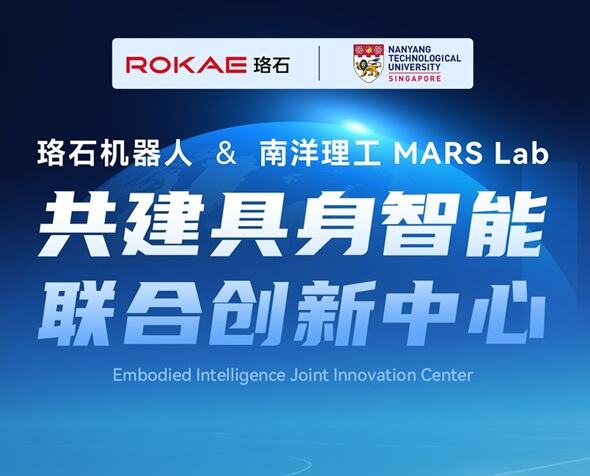
ROKAE Robotics and NTU MARS Lab Launch Joint Embodied Intelligence Innovation Center
ROKAE Robotics has partnered with the Multimodal Embodied AI and Robotic Systems (MARS) Lab at Nanyang Technological University (NTU) in Singapore to launch the Embodied Intelligence Innovation Center. This initiative aims to advance research and development in embodied intelligence, a field that combines robotics and artificial intelligence to create systems that can interact with the physical world in a more human-like manner. Dr. Jianfei Yang, an Assistant Professor at NTU and the Director of the MARS Lab, will lead the center as Principal Investigator. The collaboration reflects a growing interest in enhancing robotic capabilities and fostering innovation in AI technologies, with the center expected to play a pivotal role in this evolving landscape.
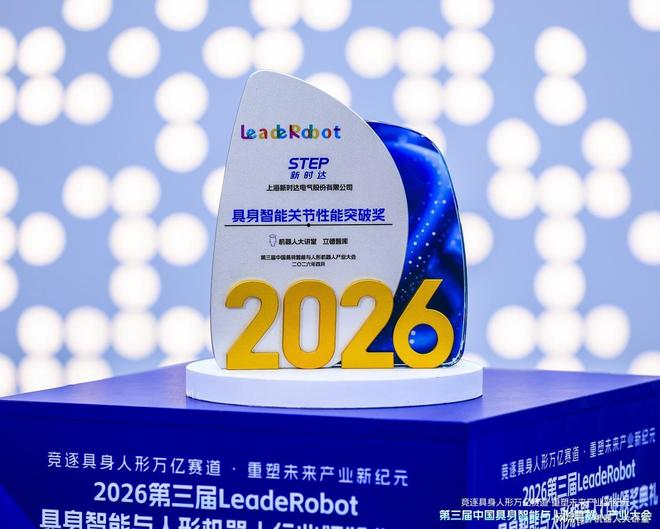
Technological Breakthrough! New Times Achieves Authority Recognition for Humanoid Joint Modules, Illuminating Key Link in Embodied Intelligence Mass Production
New Times has achieved a significant milestone by winning the 'Embodied Intelligence Joint Performance Breakthrough Award' for its cutting-edge humanoid robot joint modules. This recognition highlights a major advancement in China's humanoid robot industry, showcasing the company's innovative solutions to longstanding challenges related to weight, torque, and precision in robotic design. The development of these high-performance joint modules is expected to facilitate scalable applications across various industrial sectors, enhancing the functionality and efficiency of humanoid robots.
Humanoid Robots Joint Modules Embodied Intelligence Industrial Automation
How Thermal Imaging Modules Are Transforming Industrial Robots for Safer 24/7 Operations
The integration of a high-performance Thermal Imaging Module represents a significant engineering advancement aimed at addressing critical challenges in industrial automation. This strategic upgrade not only enhances sensor capabilities but also mitigates issues such as unexpected downtime, fire hazards, and environmental constraints. By implementing this technology, industries can improve operational efficiency and safety, ultimately leading to more reliable production processes. The move comes as companies seek innovative solutions to enhance their systems and reduce risks associated with traditional monitoring methods.
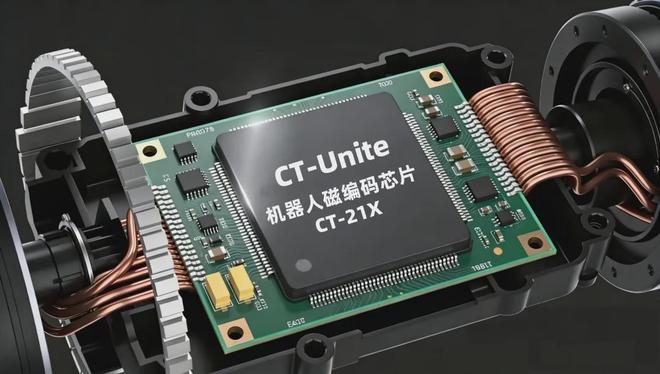
China's First GaN Magnetic Encoding Chip for Humanoid Robot Joints Released, Setting a New Benchmark for High-Precision Motion Control
China Semiconductor has unveiled its first domestically produced GaN magnetic encoding sensor designed specifically for humanoid robot joints. This groundbreaking chip, introduced recently, promises enhanced performance in extreme conditions, effectively tackling significant industry challenges such as overheating and precision issues. By providing a solution to these critical problems, the new sensor paves the way for the advancement of high-performance robotic joints, marking a significant step forward in robotics technology.
Humanoid Robots Motion Control GaN Technology Robotics Sensors
Formation Control and Experiment for Propeller‐Driven Car‐Like Robots With Amplitude and Rate Saturation Under Jointly Connected Topology
In a groundbreaking study published in the May 2026 issue of the Journal of Field Robotics, researchers have unveiled innovative advancements in robotic technology aimed at enhancing agricultural efficiency. Conducted by a team of engineers and agricultural scientists, the research focuses on the development of autonomous robots capable of performing complex tasks such as planting, monitoring crop health, and harvesting. The study was initiated in response to the growing need for sustainable farming practices and the increasing labor shortages in the agricultural sector. By integrating advanced sensors and machine learning algorithms, the robots can adapt to varying environmental conditions and optimize their operations, ultimately reducing waste and increasing yield. Field tests were conducted across multiple farms in the Midwest, demonstrating the robots' ability to navigate diverse terrains and perform tasks with precision. The results indicate a significant reduction in resource consumption, including water and fertilizers, while also enhancing productivity. This research not only highlights the potential of robotics in transforming agriculture but also addresses critical issues related to food security and environmental sustainability. The findings are expected to influence future agricultural policies and inspire further innovations in the field, paving the way for a more efficient and sustainable agricultural industry.
RESEARCH ARTICLE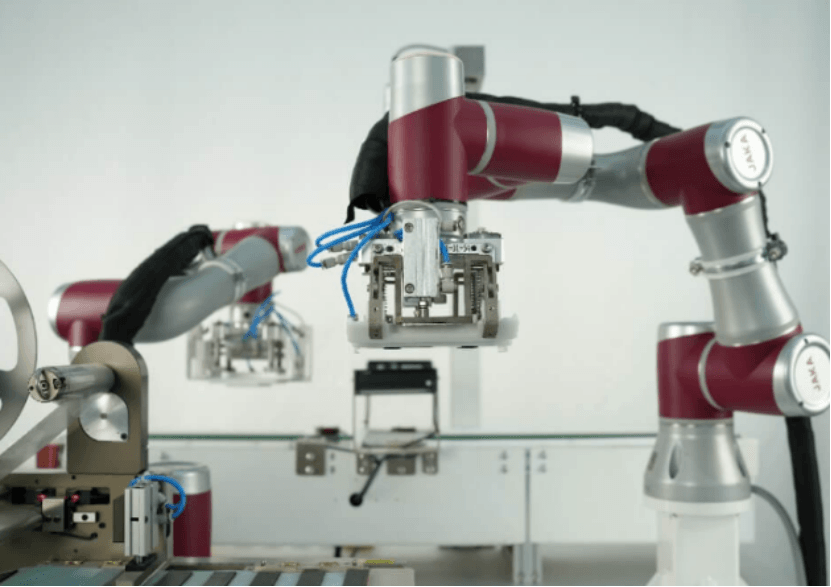
Jointed Arm Robot vs. Cartesian Robot: Selecting the Best Kinematics for Large Workspaces
In the realm of modern manufacturing, JAKA emphasizes the importance of selecting the appropriate robotic system to enhance efficiency and quality. The company evaluates the suitability of 6-axis robot arms versus Cartesian robots for large workspaces, with decisions hinging on factors such as flexibility, reach, and specific application needs. JAKA's expertise in various kinematic configurations enables them to guide clients toward solutions that optimize precision and adaptability while mitigating operational risks. Jointed arm robots are highlighted for their superior flexibility, allowing them to navigate complex geometries and obstacles in expansive environments. In contrast, Cartesian robots are limited to linear movements, which can hinder access in cluttered spaces. JAKA's 6-axis robot arm solutions, particularly the JAKA Zu Adhesive Application system, demonstrate the ability to maintain processing precision across diverse points, thereby reducing defect rates and minimizing manual intervention. Programming ease is another critical consideration. JAKA offers highly reprogrammable systems that enable users to efficiently adjust parameters for different workpieces, shortening product modification cycles and reducing equipment investment. This adaptability allows clients to swiftly switch production tasks, ensuring high throughput and minimal downtime. Safety is also a paramount concern in manufacturing. Jointed arm robots can replace human operators in hazardous settings, thus reducing direct exposure to dangerous equipment. The JAKA Zu system exemplifies this advantage by performing tasks with precision while safeguarding personnel. Overall, JAKA advocates for the use of jointed arm robots in large workspaces, citing their flexibility, adaptability, and safety benefits as key factors in optimizing manufacturing processes.
Robotics needs a service framework.
RSF defines a common language for robot service capability, lifecycle operations, certification pathways, and service-provider networks.
Join the RobotToday community on LinkedIn
Daily robotics news, in-depth analysis, conference highlights, and discussions with professionals worldwide.