

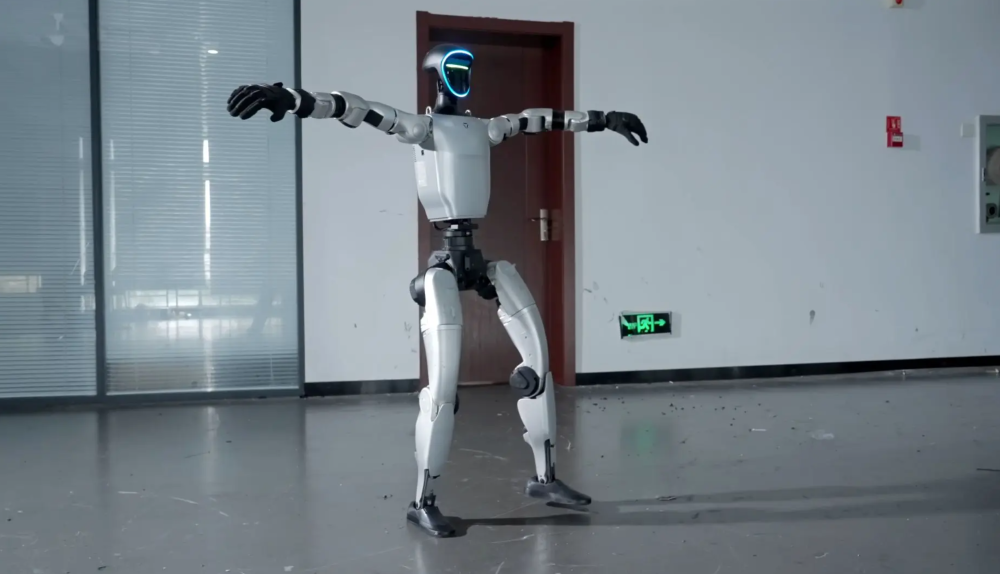
On August 14, Celanese, a U.S. specialty materials company, and VIGOR, a Hong Kong precision plastic gear manufacturer, signed a strategic cooperation agreement in Shanghai. Their goal is to address the challenge of heavy metal joints in humanoid robots by replacing them with high-performance engineering plastics, achieving a weight reduction of over 30%. This collaboration aims to enhance the endurance, speed, and load capacity of robots as they transition from laboratories to commercial applications.
The partnership is crucial as heavy metal joints have been a bottleneck in robot performance, limiting endurance and response times. The materials used in joints must balance strength, rigidity, heat resistance, precision, and lightweight characteristics, especially under demanding operational conditions. Celanese will provide customized engineering plastics and technical support, while VIGOR will leverage its 40 years of experience in precision plastic gear and drive system manufacturing.
This collaboration represents a significant step toward the large-scale deployment of humanoid robots, with plans to extend lightweight plastic joint solutions to industrial, commercial, and professional service robots. As humanoid robots achieve a 30% reduction in joint weight, they will be able to run faster, lift heavier loads, and operate longer, marking a pivotal advancement in the integration of AI in physical applications.
Editor's Note
The collaboration between Celanese and VIGOR highlights the growing importance of advanced materials in robotics. As humanoid robots become more prevalent in various sectors, the demand for lightweight, durable, and efficient components will drive innovation in material science and engineering. This partnership could set a precedent for future developments in robotic applications and manufacturing processes.
Copyright Notice
This briefing is an independently written summary based on publicly available reporting and is provided for industry information and news discovery. The original report and source publication are credited and linked where applicable. RobotToday does not claim ownership of third-party source material.
Rights concerns? If you believe any material in this briefing infringes your copyright or other rights, please contact [email protected] with the relevant URL and details. We will review the matter and take appropriate action where warranted.






























Leave a comment