


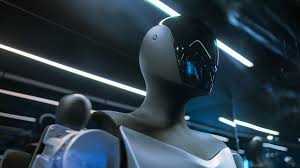
Humanoid robots are gaining traction in robotics research, attracting interest from universities and tech companies. Unlike traditional industrial robots, humanoid robots must navigate complex environments, requiring advanced joint coordination for human-like movements. This necessitates the use of robotic actuators, which convert electrical energy into mechanical motion, enabling actions like walking and balancing.
The significance of integrated actuators lies in their ability to address the challenges faced in humanoid robot design. These actuators must provide high torque output while being compact to avoid adding excessive weight. Additionally, they require precise control for dynamic movements, as any delay can compromise stability. Integrated actuators streamline system integration by combining multiple components into a single module, reducing complexity and enhancing performance.
The CubeMars AK45-10 robotic actuator exemplifies this innovation, offering a compact design with a diameter of 53mm and a weight of 260g, while delivering up to 7Nm of peak torque. As humanoid robots continue to evolve, the development of such integrated solutions will be crucial for optimizing performance and efficiency in robotic joint applications. No further timeline was disclosed at the time of publication.
Editor's Note
The integration of actuators in humanoid robots is pivotal for enhancing their functionality and efficiency. As the demand for robots capable of complex interactions grows, the focus on compact and lightweight actuator designs will likely shape future developments in robotics. This trend reflects a broader movement towards more sophisticated and adaptable robotic systems in various applications.


























Leave a comment