Industry Briefing
A single destination for timely, editor-curated robotics news from around the world.
Advancements in Smart Solar Technology Enhance Off-Grid Power Efficiency
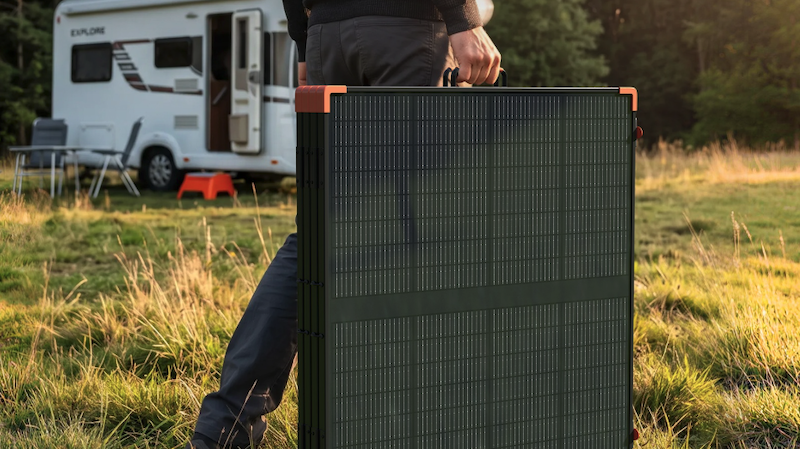
Recent developments in solar technology focus on optimizing the use of photovoltaic (PV) surfaces rather than merely increasing the number of solar panels. This is particularly vital for off-grid systems, where every watt is crucial for remote locations such as agricultural facilities and telecommunications sites. Innovations like bifacial photovoltaics (PVs) allow for greater energy capture by utilizing both the front and back surfaces of the panels, leading to increased electricity production. The significance of these advancements lies in their potential to improve energy management and efficiency in off-grid applications. Bifacial modules can enhance energy generation by 9% to 15% based on ground conditions, with optimal performance observed with reflective surfaces like white gravel. This shift in focus from traditional monofacial panels to bifacial technology represents a critical evolution in solar energy systems, particularly for users without grid access. Looking ahead, the integration of high-efficiency cell architectures, such as TOPCon and heterojunction technologies, alongside bifacial configurations, promises even greater energy capture. The International Energy Agency indicates that efficiencies exceeding 60% on the rear side of bifacial cells are achievable, highlighting the importance of design and installation in maximizing solar energy potential. No further timeline was disclosed at the time of publication.
Energy Infrastructure Technology battery storage bifacial solar panels energy storage
IEEE Launches Course on AI Integration for Modernizing Power Grids
The IEEE has introduced an online course titled 'Artificial Intelligence for Power and Energy Systems' to address the challenges faced by the U.S. electrical grid. With increasing electricity demand and the integration of renewable energy sources, the grid is under significant strain, necessitating smarter, automated solutions. The course aims to equip power engineers and data scientists with the skills needed to implement AI technologies effectively in grid management. As the U.S. electrical grid struggles with unprecedented demand and operational challenges, the integration of AI is becoming essential. The course, developed by experts including Fangxing “Fran” Li, focuses on practical applications of AI to enhance grid reliability and efficiency. By educating professionals on AI fundamentals, predictive analytics, and safe AI practices, the program seeks to bridge the gap between theoretical research and real-world applications in power systems. Looking ahead, the demand for skilled professionals who can navigate both AI and power systems is expected to grow. The IEEE course is a proactive step towards preparing the workforce for the future of energy management. No further timeline was disclosed at the time of publication.
Energy Type-ti Education Artificial-intelligence Ieee-educational-activities Ieee-products-and-services
Ohio AI Data Center to Operate on 350 MW Microgrid for All Power Needs
An AI data center campus in Ohio will utilize a dedicated 350 MW microgrid to generate all its electricity, eliminating reliance on the traditional power grid. This initiative, managed by Veolia, addresses the increasing demand for power from large-scale computing facilities while allowing developers to expedite the establishment of new data centers. The shift to private power infrastructure is significant as AI developers face lengthy waits for grid connections, often averaging nearly five years. By generating power on-site, the Ohio project aims to alleviate pressure on public electricity networks and enhance operational reliability for mission-critical AI workloads. Looking ahead, the facility is designed to achieve a 99.9% availability target and will require a dedicated workforce of 35 to 40 employees. As more AI data centers adopt similar private power solutions, the emphasis on reliability and operational efficiency will grow, highlighting the importance of partnerships with experienced operators like Veolia.
AI and Robotics Energy
Tesla's Energy Business May Gain from Trump's Emergency Order on Power Equipment
Tesla, led by Elon Musk, is investing heavily in various technologies, including robotaxis and humanoid robots, which has impacted its profits and cash flow. However, a recent emergency order signed by President Donald Trump could provide a boost to Tesla's energy business by restricting foreign-made power equipment, particularly from China, which dominates battery and solar inverter manufacturing. This policy shift may create opportunities for U.S. companies, including Tesla, as utilities seek alternatives to foreign products. The executive order aims to mitigate cybersecurity risks associated with foreign-made bulk-power system equipment, potentially leading to tighter restrictions on existing installations. Analysts suggest that domestic manufacturers in the energy sector could benefit from this shift, positioning Tesla favorably due to its expanding role in energy storage and the power market. Despite current challenges, including rising costs and negative cash flow, this development could serve as a catalyst for Tesla's stock performance. As Tesla continues to diversify beyond electric vehicles into energy storage and AI technologies, the company's market capitalization remains significant at approximately $1.40 trillion. However, TSLA has struggled in 2026, underperforming compared to the S&P 500 Index. Investors are closely watching how Tesla navigates these challenges and capitalizes on potential opportunities arising from the new regulations.

Star Catcher Industries and Aethero Partner to Enhance Space-Based Computing Power
Star Catcher Industries and Aethero have formed a partnership to enhance high-performance computing and AI capabilities in orbit by addressing power limitations. Aethero will utilize Star Catcher's upcoming orbital energy grid to access additional power on demand, enabling spacecraft to manage increased computing loads without extensive onboard energy systems. This collaboration is significant as it aims to support the growing demand for space-based data centers and content distribution networks, driven by the increasing volume of satellite-generated data. By processing data in orbit, the need for extensive ground communications is reduced, alleviating potential bottlenecks. Looking ahead, Aethero plans to deploy its NxA-ECM compute module during its Titan mission in October, which will facilitate advanced computing in low Earth orbit. Star Catcher's innovative power-beaming technology is expected to allow spacecraft to generate up to 10 times more power on demand, enhancing operational efficiency and expanding the capabilities of satellite missions. No further timeline was disclosed at the time of publication.
AI and Robotics Space
SpaceX Unveils AI1 Satellite Specs for Starmind Constellation with Key Thermal Challenges
SpaceX has introduced the AI1 satellite, the inaugural component of its Starmind constellation, which stands 20 meters tall and has a wingspan of 70 meters. This orbital compute node is designed to deliver computing power equivalent to one NVIDIA GB300 server rack, utilizing a unique cooling system with deployable liquid radiators. The satellite's specifications were revealed during a presentation on June 8, 2026, ahead of SpaceX's IPO. The significance of the AI1 satellite lies in its role as a compute platform rather than a traditional satellite, focusing on running AI inference workloads. The satellite's cooling system, which is critical for its operation in the vacuum of space, is designed to reject heat through infrared radiation. However, independent engineers have raised concerns about the feasibility of the thermal and mass claims made by SpaceX, suggesting that the cooling requirements may exceed practical limits. Looking ahead, SpaceX plans to launch two AI1 prototypes in early 2027, with full-scale production expected to commence later that year at its Gigasat facility in Bastrop, Texas. The ongoing debate regarding the satellite's thermal management capabilities will be crucial to monitor as the project progresses, with no further timeline disclosed at the time of publication.

SpaceX's Starmind Targets AI Labs with $6.3 Billion Compute Contracts
SpaceX's Starmind is designed to provide wholesale AI compute services to businesses, particularly AI labs and cloud customers, rather than individual consumers. The service operates similarly to AWS, where users benefit from applications running on Starmind without direct subscriptions. The compute capacity of a single AI1 satellite is comparable to one NVIDIA GB300 rack, emphasizing its enterprise-grade capabilities. The significance of Starmind lies in its positioning as a potential fourth hyperscaler, joining the ranks of AWS, Microsoft Azure, and Google Cloud. The Reflection AI contract, valued at $150 million per month, exemplifies the enterprise-focused model, with total payments potentially reaching $6.3 billion through 2029. This contract highlights the growing demand for AI compute resources, particularly from AI-native startups and labs. Looking ahead, the focus will remain on securing additional enterprise contracts as Starmind expands its offerings. No consumer-facing products or subscriptions have been announced, and the current strategy is to cater to businesses with substantial AI workloads. No further timeline was disclosed at the time of publication.

Starmind's Satellite Technology Achieves 880 Billion Liters in Annual Water Savings
Starmind has announced that its satellite technology can save approximately 880 billion liters of cooling water annually at full scale. This figure is equivalent to the annual household water use of around 6.5 million Americans. The technology operates by utilizing a closed-loop liquid cooling system that eliminates the need for water during its operational life, contrasting sharply with traditional ground data centers that consume vast amounts of water for cooling. The significance of this achievement lies in the growing water consumption crisis faced by data centers, particularly as AI expansion drives demand. In 2025, U.S. data centers consumed nearly one trillion liters of water, highlighting the urgent need for sustainable solutions. Starmind's approach not only addresses direct water usage but also avoids indirect water consumption associated with electricity generation, marking a substantial shift in how computing can be conducted in a resource-efficient manner. Looking ahead, Starmind's deployment strategy includes a projected buildout of 100 GW of orbital compute per year, which could displace an additional 735 billion liters of ground water demand annually. The first tranche of 10,000 satellites is already operational, offsetting approximately 8.8 billion liters of water per year. No further timeline was disclosed at the time of publication.
SpaceX Proposes 1 Million AI Satellites to Address Ground Data Center Constraints
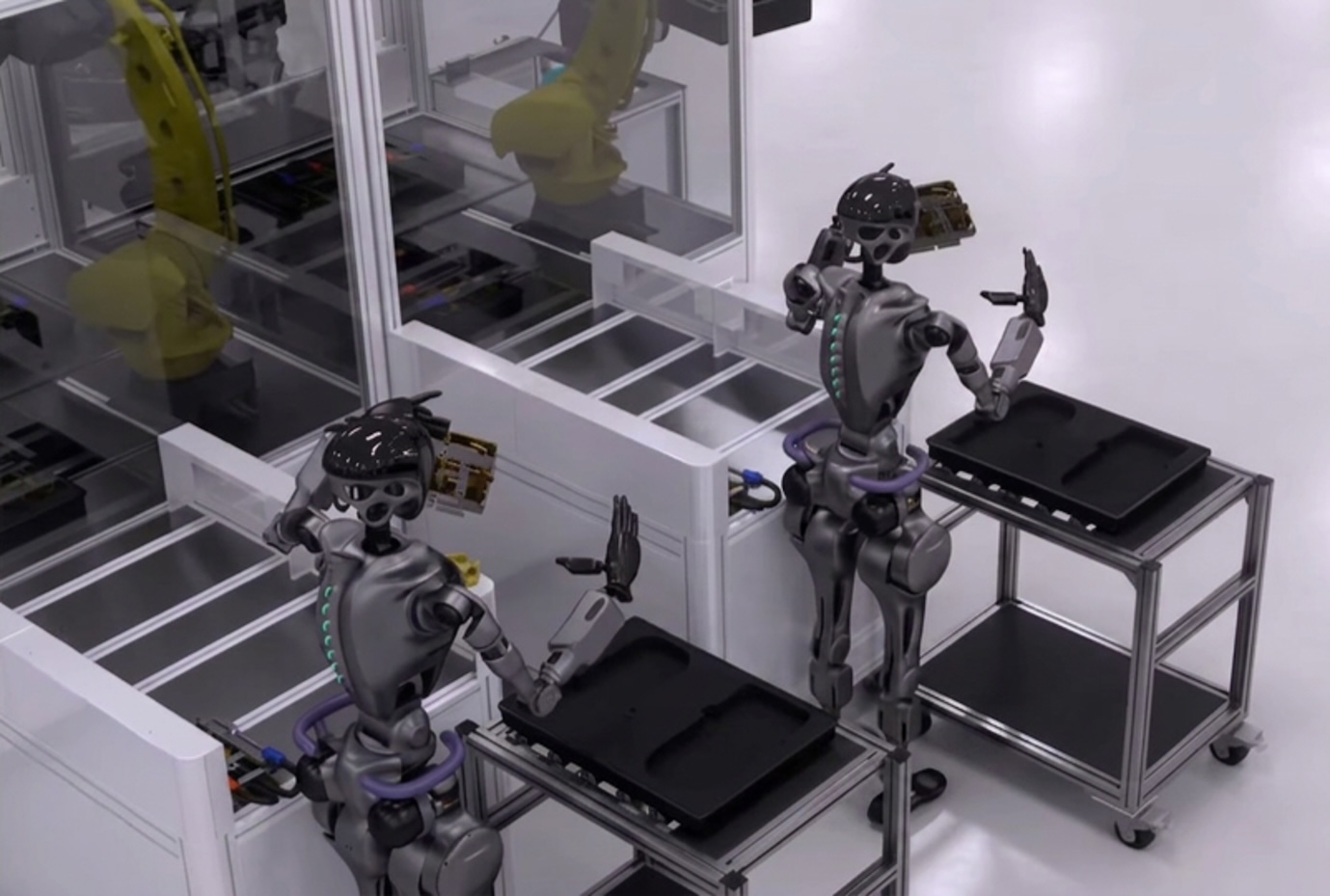
On January 30, 2026, SpaceX filed with the FCC to launch up to 1 million AI compute satellites, positioning orbital data centers as a solution to the increasing demand for AI computing power. Ground data centers are facing significant challenges, with energy consumption projected to reach approximately 1,050 TWh in 2026, making them the fifth-largest electricity consumer globally. The demand for new data center capacity is outpacing the growth of power generation infrastructure, leading to a critical bottleneck in the grid system. The significance of this initiative lies in the structural constraints faced by ground data centers, including power delivery limitations, high water consumption, and local opposition to new projects. The Uptime Institute's 2026 outlook identifies power as the primary constraint on data center growth, with capacity clearing prices in the PJM grid skyrocketing to $329.17/MW, driven by data center expansion. Additionally, cooling requirements are becoming increasingly unsustainable, with facilities consuming vast amounts of water, further complicating their operational viability. Looking ahead, SpaceX's orbital AI compute initiative aims to circumvent these challenges by leveraging the advantages of space, such as continuous solar power and minimal local opposition. The first AI prototypes are expected to launch in early 2027, with operational deployments planned for 2028. No further timeline was disclosed at the time of publication.

Starmind's Orbital Compute vs. Terrestrial Data Centers: Analyzing Resource Advantages
Starmind's orbital compute technology presents a significant advantage over traditional ground-based data centers by eliminating constraints related to land, water, and grid permitting. While terrestrial data centers are currently cheaper and faster to construct, with U.S. data center spending reaching $85.3 billion in 2026, Starmind's approach focuses on addressing the growing resource limitations faced by hyperscale facilities. The significance of Starmind's technology lies in its ability to sidestep the increasing challenges of land and water usage. For instance, a 100 MW data center can consume approximately 530,000 gallons of water daily for cooling, while Starmind's AI1 utilizes deployable liquid radiators that require no water. This structural advantage could resonate with investors as the demand for AI computing continues to escalate, potentially leading to annual water withdrawals of up to 1.7 trillion gallons by 2027. Looking ahead, Starmind's next milestones include the launch of AI1 prototypes scheduled for early 2027. However, the technology's claims regarding cooling efficiency and operational reliability remain unverified until real flight data is available. As the industry evolves, the competition between orbital and terrestrial solutions will become increasingly relevant, particularly in the context of resource management and sustainability.
SpaceX's Starmind Faces Feasibility Challenges for 1 Million Satellite Deployment
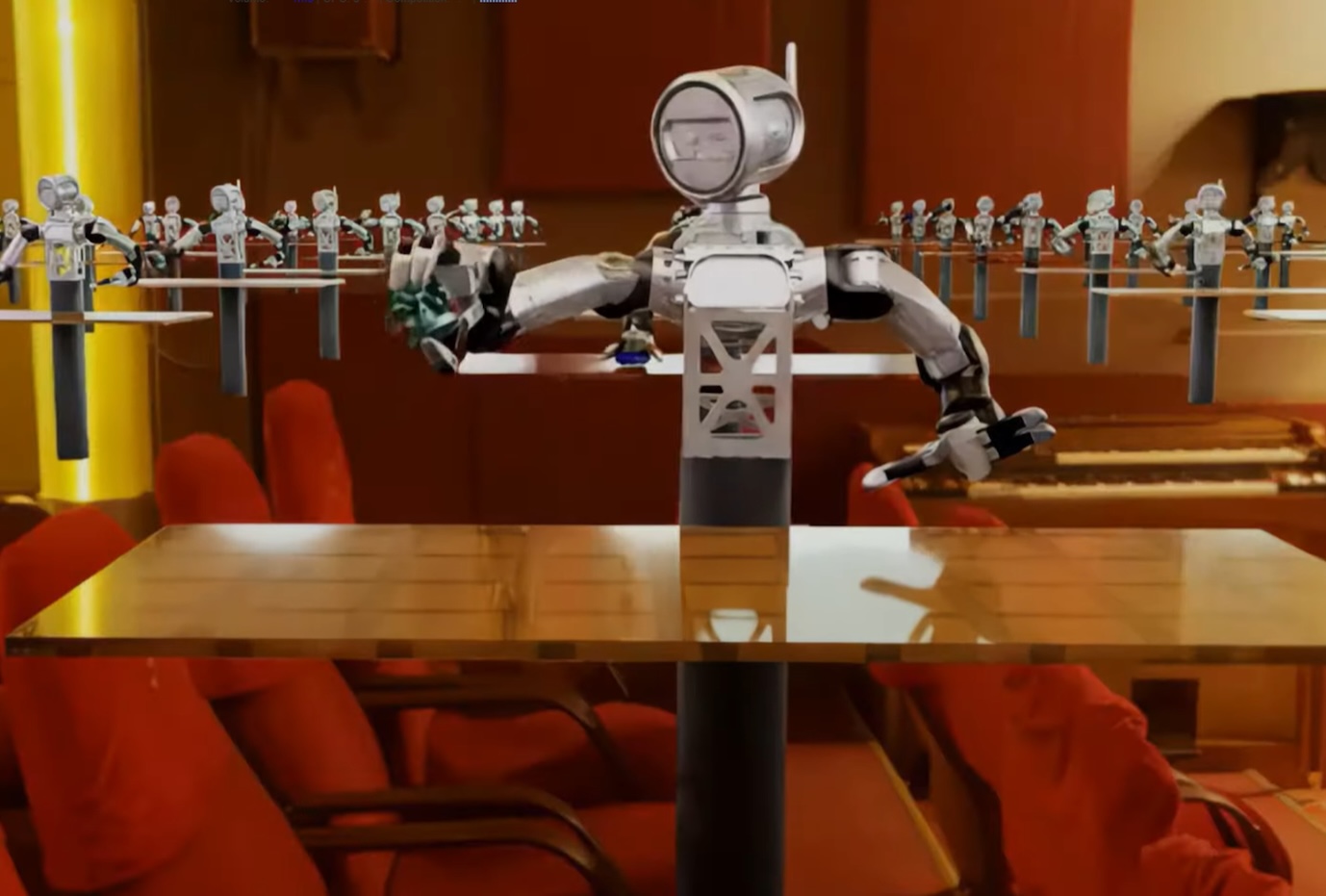
On January 30, 2026, SpaceX submitted a request to the FCC to launch up to 1 million satellites as part of its Starmind orbital compute constellation. This ambitious plan is unprecedented, as the total number of satellites ever launched globally is in the low tens of thousands. The proposal seeks a waiver from standard deployment milestones, citing reliance on the Starship's full reusability for success. The significance of this request lies in the technical and logistical challenges it presents. Experts warn that low Earth orbit may not support the proposed number of active satellites without risking a debris cascade. SpaceX's own IPO prospectus acknowledges unresolved dependencies related to Starship's launch cadence and reusability, which are critical for the orbital AI compute strategy. Looking ahead, the timeline for achieving the necessary launch cadence and manufacturing capacity remains uncertain. SpaceX's Gigasat facility in Texas aims for volume production by late 2027, but this would require unprecedented output levels. No further timeline was disclosed at the time of publication, leaving the feasibility of the Starmind project in question.
New tech keeps power grids stable as data centers put more strain on electricity
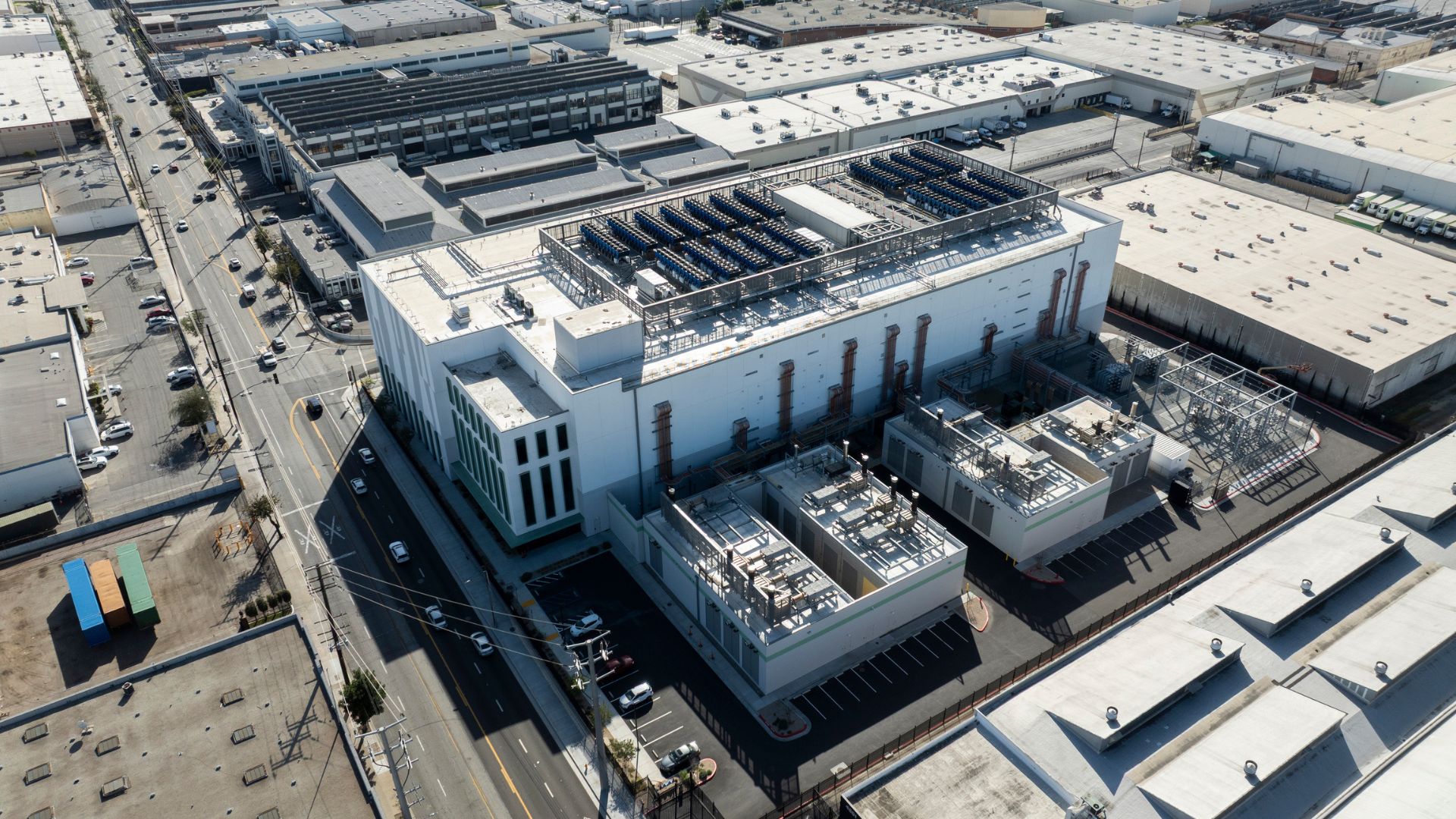
Researchers at Sandia National Laboratories have unveiled a groundbreaking software platform designed to enhance the management of distributed energy resources. This innovative tool aims to optimize the integration of renewable energy sources into existing power grids, addressing the growing demand for sustainable energy solutions. The announcement was made on October 10, 2023, during a technology showcase at the laboratory's facilities in Albuquerque, New Mexico. The motivation behind this development stems from the increasing need for efficient energy management systems that can accommodate the variable nature of renewable energy sources, such as solar and wind. By utilizing advanced algorithms and real-time data analytics, the platform enables utilities and energy providers to better predict energy supply and demand, ultimately leading to a more reliable and resilient power infrastructure. The software operates by aggregating data from various energy sources and employing machine learning techniques to enhance decision-making processes. This allows for improved coordination among energy producers, consumers, and grid operators, facilitating a smoother transition to a more sustainable energy landscape. As the world moves towards cleaner energy solutions, this platform represents a significant step forward in harnessing the potential of distributed energy resources.
AI and Robotics
AI’s Volatile Power Use Quietly Tests Grid Limits
The rapid growth of artificial intelligence infrastructure is reshaping electricity demand dynamics, posing new challenges for grid operators. As data centers are projected to consume 3 to 4 percent of global electricity by the end of the decade, their energy consumption patterns are becoming increasingly unpredictable. Unlike traditional industrial loads, AI workloads can fluctuate dramatically within milliseconds, driven by synchronized computational tasks and varying user demands. This unpredictability complicates grid management, as it creates abrupt demand spikes that can stress local infrastructure, particularly in regions like Northern Virginia, known as "Data Center Alley," where data centers are concentrated. Utilities, including Dominion Energy, are adjusting their forecasts to account for this rapid growth, but existing regulatory frameworks often fail to address the complexities introduced by high-density compute clusters. These facilities not only require significant power but also generate unique challenges related to thermal management and power quality. As a result, grid operators are exploring new demand response mechanisms and flexible scheduling to mitigate the impact of these fluctuating loads. The Electric Reliability Council of Texas (ERCOT) has acknowledged the implications of large flexible loads for grid stability and planning. As AI infrastructure continues to expand, it is crucial for regulatory and operational frameworks to adapt, focusing not just on total energy consumption but also on the volatility and geographic concentration of demand. Understanding these new consumption patterns will be essential for maintaining grid resilience in the face of evolving energy needs.
Data-centers Artificial-intelligence Electrical-grid Demand-response
Motion Control and Experimental Verification of a Continuum Aerial Manipulator for Power Grid Maintenance Operations
A recent study published in the Journal of Field Robotics highlights advancements in robotic technology aimed at improving agricultural efficiency. Researchers from various institutions collaborated to develop a new robotic system designed to automate the process of crop monitoring and management. This innovative system was tested in fields across California during the summer of 2023, demonstrating its potential to enhance productivity and reduce labor costs for farmers. The motivation behind this research stems from the increasing demand for sustainable agricultural practices and the need to address labor shortages in the farming sector. By integrating advanced sensors and artificial intelligence, the robotic system can analyze crop health, soil conditions, and environmental factors in real-time, providing farmers with actionable insights. The study outlines the methodology used in the field trials, including the deployment of multiple robotic units equipped with cutting-edge technology. These robots were programmed to navigate autonomously, collect data, and deliver precise recommendations for crop management. The findings indicate that the implementation of such robotic systems could lead to significant improvements in yield and resource efficiency. As the agricultural industry faces mounting challenges, this research underscores the importance of innovation in fostering sustainable practices and meeting the needs of a growing population. The successful trials pave the way for further development and potential commercialization of robotic solutions in agriculture, promising a transformative impact on the sector.
RESEARCH ARTICLE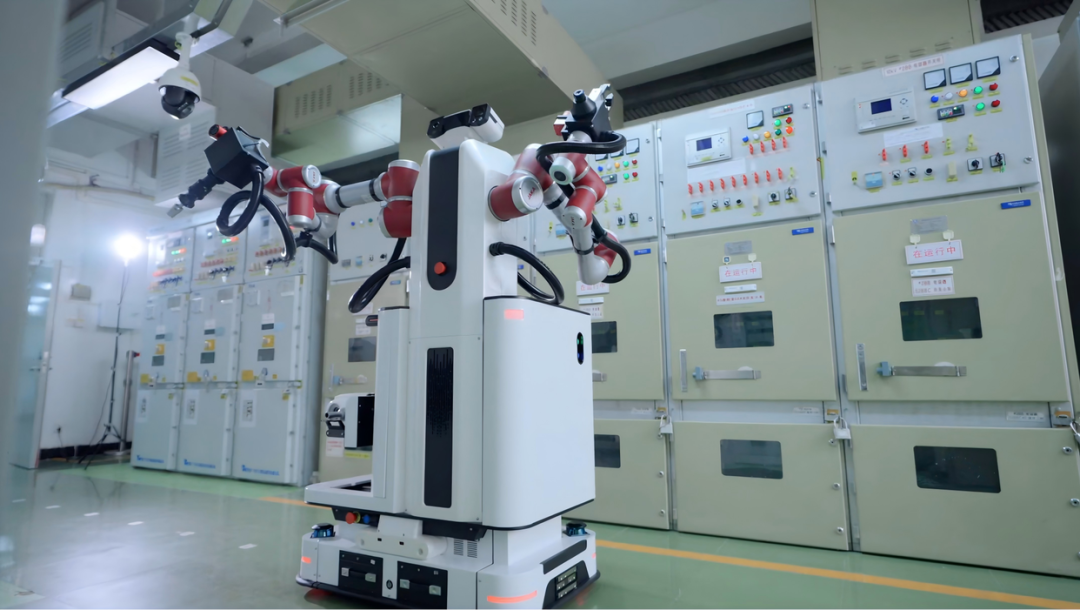
Behind the 6.8 Billion Power Grid Order: Are Humanoid Robots a Boon or a Bubble?
In April 2026, China's State Grid revealed an ambitious plan to acquire 8,500 intelligent devices, which will include 500 humanoid robots specifically designed for high-voltage operations. This initiative signifies a significant transition from previous pilot projects to a large-scale deployment of advanced technology in the energy sector. The move aims to enhance operational efficiency and safety in high-risk environments. However, it also raises critical questions regarding the technological specifications needed, the financial implications for the project, and the potential challenges suppliers may face in meeting these demands. As the State Grid embarks on this extensive procurement effort, the implications for the energy industry and the robotics market are expected to be profound.
Humanoid Robots Power Grid Automation Intelligent Devices Industrial Robotics
China plans 8,500 AI robots for power grid operations with massive $1 billion push
China is significantly increasing the integration of robotics within its power grid infrastructure. This initiative, announced recently, aims to enhance efficiency and reliability in energy distribution across the nation. The move comes as part of China's broader strategy to modernize its energy sector and address growing demands for sustainable and smart energy solutions. The implementation of robotic technology is expected to streamline operations, reduce human error, and improve safety for workers in the field. By deploying advanced robotics, China seeks to optimize maintenance and monitoring processes, ensuring a more resilient power supply. This development is particularly crucial as the country strives to meet its ambitious energy goals while transitioning towards greener alternatives. The initiative is set to unfold over the coming years, with pilot projects already underway in various regions. These projects will serve as a testing ground for the effectiveness of robotics in real-world applications, ultimately shaping the future of energy management in China. As the nation invests heavily in innovation, the integration of robotics into the power grid represents a significant step towards a more automated and efficient energy landscape.
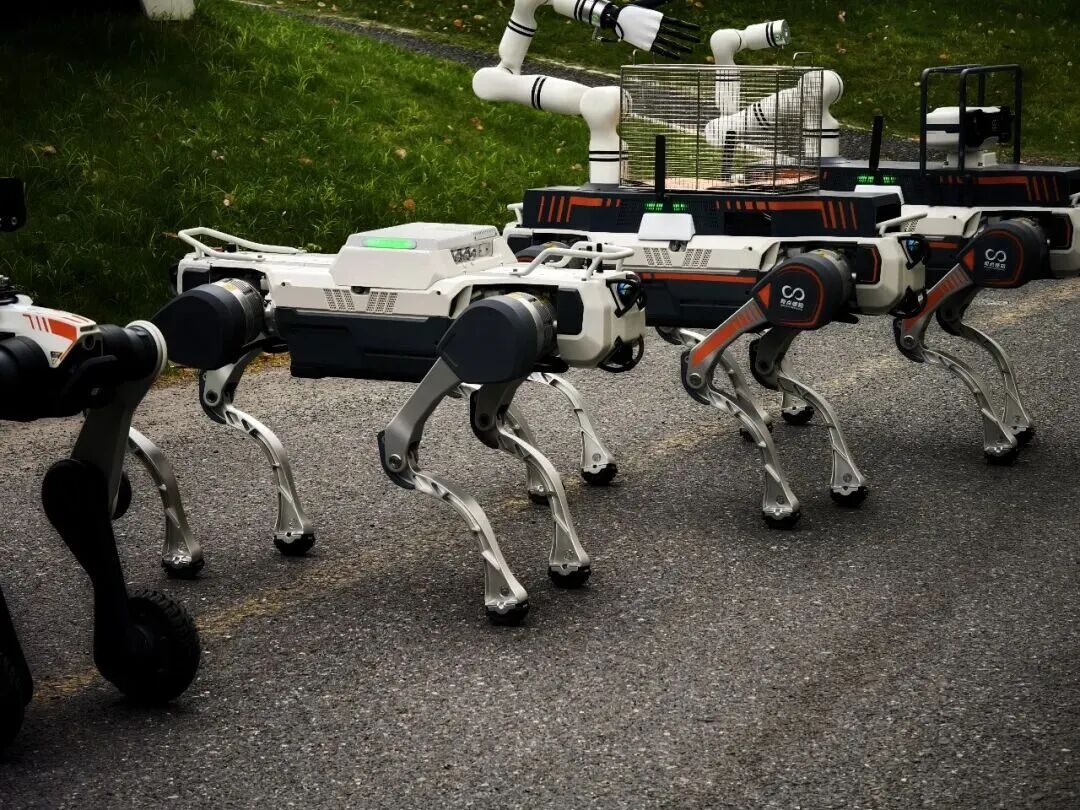
Nearly 10 Billion! The Largest Procurement of Embodied Robots in History! How is the 'National Team' Defining the Next Generation Power Grid?
The State Grid Corporation of China has announced a substantial investment of around 6.8 billion yuan aimed at acquiring 8,500 embodied intelligent devices by the year 2026. This initiative is centered on enhancing capabilities in power inspection, live working, emergency rescue, and logistics. The investment reflects a strategic shift towards embracing autonomous operations within the energy sector, signaling a commitment to modernizing infrastructure and improving operational efficiency. By integrating advanced technology, the State Grid Corporation aims to bolster its service delivery and response mechanisms in critical situations, ultimately enhancing the reliability of power supply across the nation.
Embodied Intelligence Power Grid Automation Robotics Procurement Energy Sector Innovation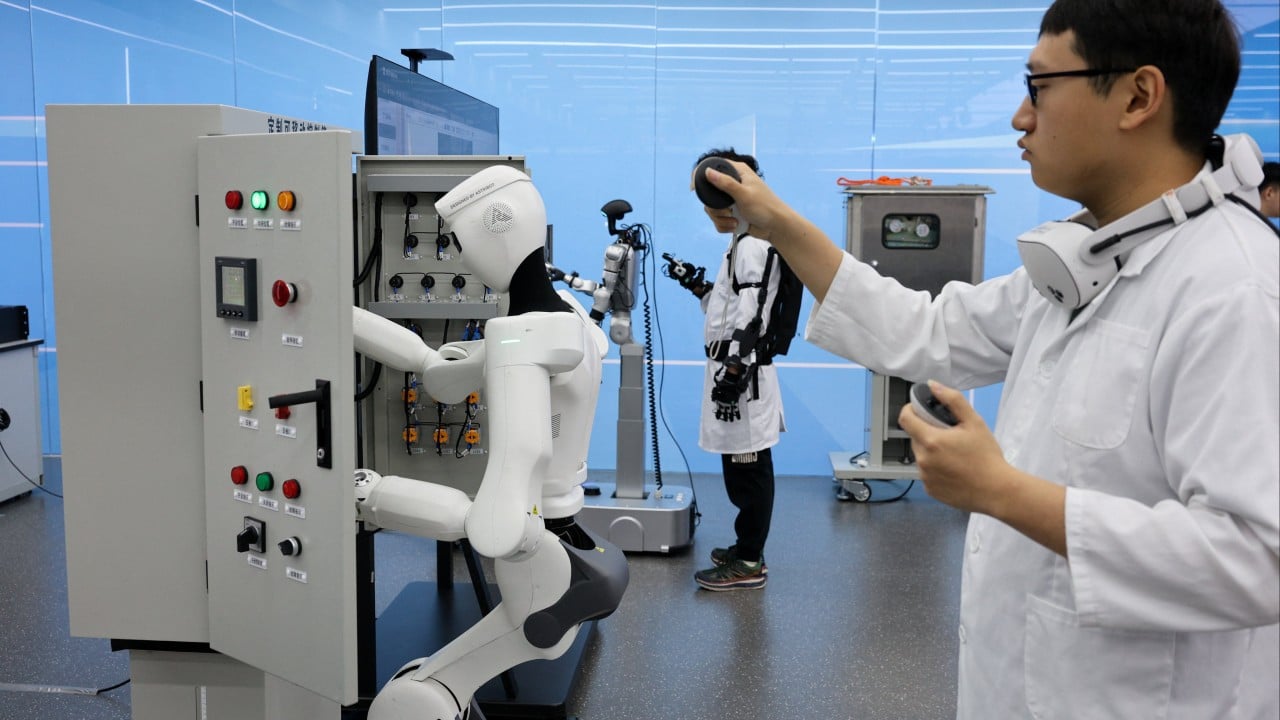
China plans to invest billions on a robot army to run its power grid
China's State Grid Corporation, the country's primary grid operator, is set to enhance its infrastructure operations through the deployment of thousands of AI-powered robots. This ambitious initiative, which involves an investment of 6.8 billion yuan (approximately US$1 billion), aims to utilize these robots for various tasks, including the inspection of remote substations and maintenance of ultra-high-voltage power lines. The move comes as part of a broader strategy to integrate advanced technology into critical infrastructure management, reflecting China's commitment to modernizing its energy sector and improving operational efficiency. The plan underscores the growing trend of leveraging artificial intelligence in industrial applications, positioning China at the forefront of technological innovation in energy management.
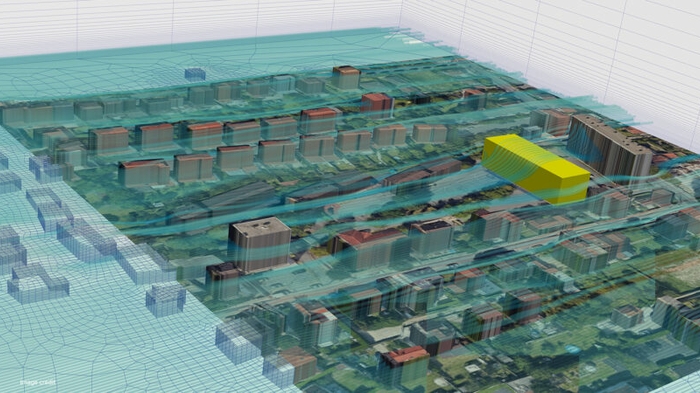
Efficiency at Scale: NVIDIA, Energy Leaders Accelerating Power‑Flexible AI Factories to Fortify the Grid
At CERAWeek, often referred to as the "Davos of energy," industry leaders, policymakers, and technology innovators convened last week to explore the future of global energy solutions. Among the notable presentations, NVIDIA and Emerald AI introduced a groundbreaking approach that leverages artificial intelligence to enhance energy efficiency and sustainability. This initiative aims to address the pressing challenges of energy production and consumption in a rapidly changing world. By integrating advanced AI technologies, the companies seek to optimize energy systems, reduce waste, and promote cleaner energy alternatives, aligning with global efforts to combat climate change and transition to more sustainable practices. The discussions at CERAWeek highlight the critical role of collaboration among various stakeholders in shaping a resilient energy future.
Blowing Off Steam: How Power-Flexible AI Factories Can Stabilize the Global Energy Grid
During the half-time break of the UEFA EURO 2020 round of 16 match between England and Germany, a significant number of viewers in the U.K. paused their viewing to prepare tea, resulting in a notable spike in electricity demand. National Grid reported that this collective action led to an increase of 2,000 megawatts in electricity usage as millions turned on their kettles simultaneously. This phenomenon highlights the cultural significance of tea in British society, particularly during major sporting events. The surge in demand was swiftly managed by the National Grid, showcasing their ability to adapt to sudden changes in energy consumption patterns.

Fugro Secures EirGrid Framework to Power Up Ireland’s Offshore Grid Development
Fugro has secured a seven-year framework agreement with EirGrid, the state-owned operator responsible for electricity transmission in Ireland, to conduct comprehensive Geo-data surveys for the “Powering Up Offshore - South Coast” project. This initiative aims to establish offshore electricity substations and export cable routes that will connect future wind farms to the Irish national grid along the south coast of Ireland. The insights provided by Fugro's Geo-data will play a crucial role in determining the most effective routes and engineering designs, thereby minimizing project risks and ensuring the development is conducted safely, efficiently, and in an environmentally sustainable manner.
fugro eirgrid framework agreement offshore grid development irelandRobotics needs a service framework.
RSF defines a common language for robot service capability, lifecycle operations, certification pathways, and service-provider networks.
Join the RobotToday community on LinkedIn
Daily robotics news, in-depth analysis, conference highlights, and discussions with professionals worldwide.