Industry Briefing
A single destination for timely, editor-curated robotics news from around the world.

Texas A&M's RoboBall: A Giant Inflatable Robot for Lunar Crater Exploration
Rishi Jangale and his team at Texas A&M University have developed RoboBall, a 1.8-meter-wide inflatable robot designed for lunar exploration. This innovative vehicle aims to navigate challenging terrains like the Shackleton Crater, which is 21 km wide and 4 km deep, to collect geological samples and investigate frozen water deposits. The significance of RoboBall lies in its potential to access areas of the moon that are too dangerous for astronauts. With its unique spherical design, RoboBall can roll over obstacles without tipping, making it ideal for exploring the moon's dark, cold craters. This exploration could provide valuable insights into lunar geology and the history of the Earth. Looking ahead, the team plans to collaborate with scientists to integrate lunar science instruments into RoboBall's design. While the robot may not be suitable for all missions, its ability to collect samples and return them to a rover could enhance our understanding of the moon. No further timeline was disclosed at the time of publication.
Robotics Soft-robotics Moon Space-exploration Lunar-exploration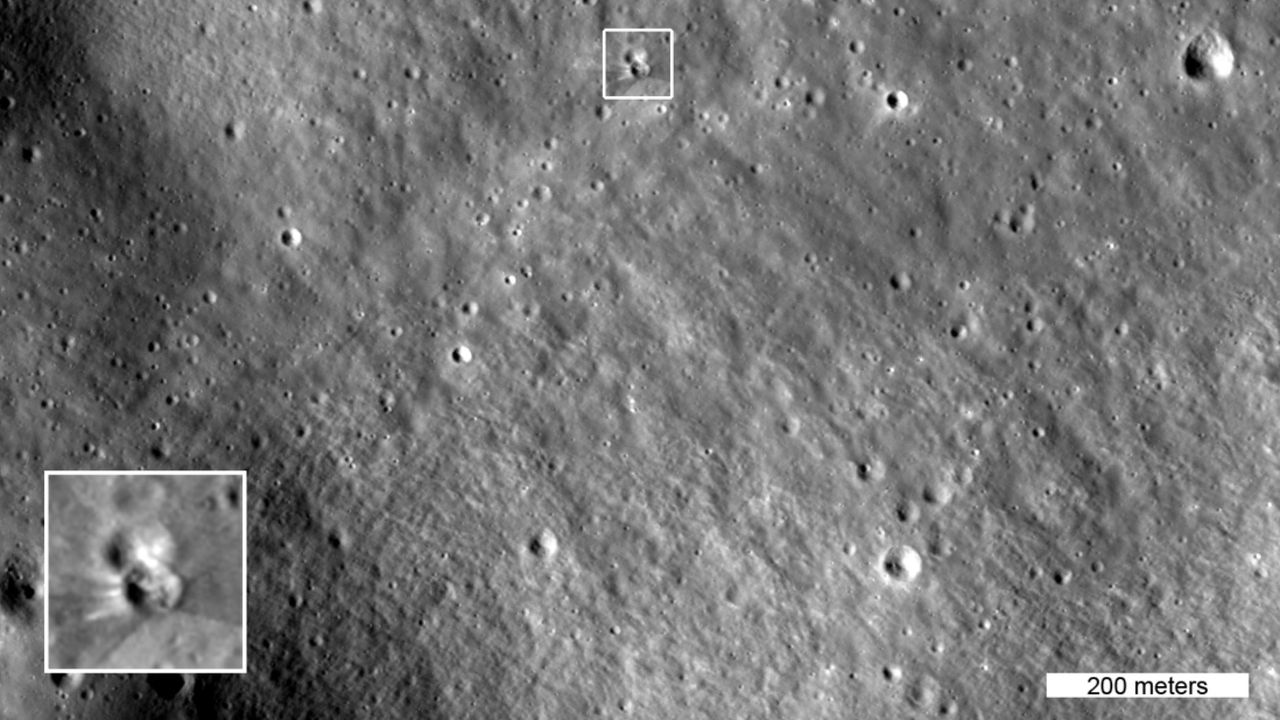
NASA's Lunar Reconnaissance Orbiter Captures Impact Site of SpaceX Falcon 9 on Moon
NASA's Lunar Reconnaissance Orbiter (LRO) has successfully imaged the impact site of the Falcon 9 upper stage that collided with the moon on August 5. The spacecraft captured detailed photos of the newly formed crater near Einstein Crater, measuring approximately 60 feet wide and less than 10 feet deep, shortly after the incident. This event is significant as it highlights the ongoing interactions between space debris and celestial bodies, as well as the capabilities of lunar observation technology. The LRO's high-resolution camera system, LROC, provided various angles of the impact site, revealing distinct ejecta patterns and surface alterations caused by the collision. Looking ahead, researchers will continue to analyze the crater and its features, with insights potentially informing future lunar missions. The LRO's imaging efforts were complemented by data from the Korea Pathfinder Lunar Orbiter, which previously identified the impact site, showcasing international collaboration in lunar exploration. No further timeline was disclosed at the time of publication.
The moon Astronomy Solar System
SpaceX Rocket Crash on Moon Raises Operational Risks for Future Lunar Settlements
On August 5, a 4.5-ton SpaceX rocket body impacted the moon near Einstein Crater, an event recorded by South Korea's Danuri spacecraft and NASA's Lunar Reconnaissance Orbiter. The Falcon 9 upper stage, which had been in space for over a year, previously launched Firefly Aerospace's Blue Ghost-1 lander and ispace's Hakuto-R Mission 2's Resilience lander. The uncontrolled collision underscores significant operational risks as lunar infrastructure develops. Dean Sladen from Accu Components highlighted that as more agencies and companies establish permanent bases on the moon, the presence of uncontrolled rocket stages could evolve from a minor issue to a serious threat, potentially damaging sensitive equipment. Looking ahead, the implications of this incident may prompt further discussions on space debris management and safety protocols for lunar missions. No further timeline was disclosed at the time of publication.
The moon Astronomy Solar System
China's Ambitious Plan for Lunar Research Station with Robotic Assistance by 2035
Researchers from the China Academy of Space Technology (CAST) have proposed a lunar exploration blueprint that integrates robotic dogs with astronauts. This plan aims to enhance efficiency in the harsh lunar environment, where relying solely on humans or robots is deemed ineffective. The envisioned team consists of three astronauts and two quadrupedal robots, working collaboratively to conduct reconnaissance and assess hazardous terrain. The significance of this proposal lies in its potential to address the challenges of lunar exploration. The astronauts will command the robotic dogs to scout the lunar surface and provide emotional support, helping to alleviate the psychological stress of isolation. According to the authors, this 'human-robot collaboration model' leverages the complementary strengths of both humans and robots, supporting the long-term efficient operation of a lunar base. However, implementing this ambitious vision poses significant challenges, including the lack of GPS and inadequate communication infrastructure on the Moon. Additionally, AI training data from Earth may not be fully applicable, necessitating higher levels of autonomous decision-making for the robotic dogs. While this remains a research proposal rather than a confirmed deployment plan, it clearly reflects China's strategic ambition to integrate robotics, autonomous decision-making, and lunar infrastructure development. By 2035, when Chinese astronauts land on the Moon, these tireless quadrupedal robots may be their first companions.
Lunar Exploration Robotics Space Technology AI Human-Robot Collaboration
Soviet Luna 24 Launches on August 9, 1976, for Final Moon Sample Return Mission
On August 9, 1976, the Soviet Union launched Luna 24, its last moon mission, from the Baikonur Cosmodrome. This robotic sample return mission successfully landed on the lunar surface nine days later, collecting 6 ounces (170.1 grams) of soil samples from Mare Crisium. The significance of Luna 24 lies in its contribution to lunar science, revealing traces of water in the samples collected. Although the Soviet Union did not achieve the first manned moon landing, its Luna program was notable for its robotic achievements, including the first spacecraft to land on the moon and the first soft landing. Looking ahead, while Luna 24 marked the end of the Soviet sample return missions, Russia's Roscosmos agency attempted to revive lunar exploration with the Luna 25 mission in August 2023. However, Luna 25 ultimately crashed during its mission, highlighting the ongoing challenges in space exploration.
Space Exploration
Korean Lunar Orbiter Danuri Captures SpaceX Falcon 9 Rocket's Moon Impact Crater
The Korea Pathfinder Lunar Orbiter, Danuri, has successfully identified the impact crater created by SpaceX's Falcon 9 upper stage on the moon. This event occurred early on August 5, 2026, when the Falcon 9, which had launched on January 15, 2025, collided with the lunar surface. Danuri conducted eight imaging sessions around the impact site, providing valuable pre- and post-collision data. This discovery is significant as it allows researchers to analyze the changes in the lunar terrain caused by the impact, which occurred at approximately 5,400 mph (8,690 kph) and created a crater up to 89 feet (27 meters) wide. The data collected by Danuri will be integrated with future observations from NASA's Lunar Reconnaissance Orbiter, enhancing international collaborative research on lunar impacts. Looking ahead, the observations made by Danuri may be complemented by additional data from ground-based telescopes, which reportedly captured the ejected material from the impact. No further timeline was disclosed at the time of publication.
The moon Astronomy Solar System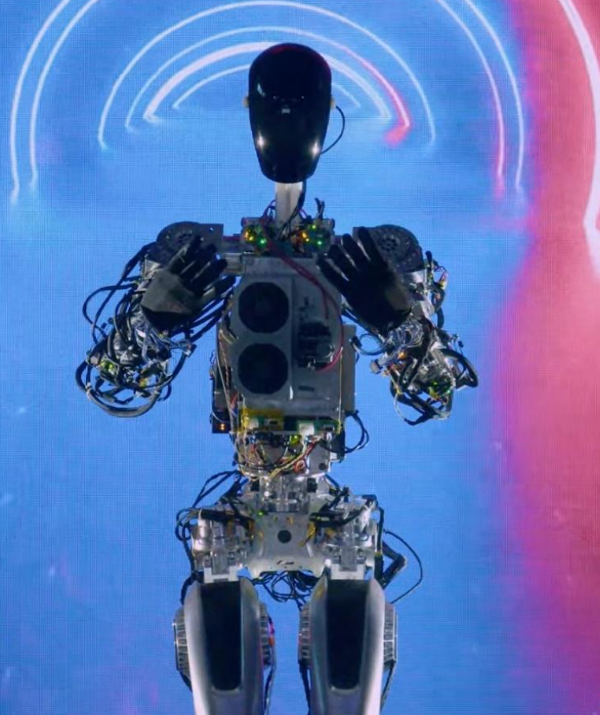
Optimus Robots to Construct Lunar Outpost by End of 2026 Under Musk's Plan
Elon Musk has announced that Tesla's Optimus humanoid robots will lead the construction of a lunar outpost by the end of 2026. SpaceX plans to launch essential construction materials, including modular living quarters and energy equipment, to the Moon using the Starship rocket. The deployment of robots aims to minimize human safety risks and efficiently handle repetitive heavy labor tasks. The rationale behind using robots instead of humans is to reduce complexity and enhance operational efficiency. According to Jim Cantrell, a member of the SpaceX founding team, robots only require sunlight and occasional maintenance, allowing them to work continuously. Upon arrival on the Moon, the Optimus robots will autonomously unload materials, prepare the lunar surface, and assemble prefabricated habitats while also extracting water ice for life support and fuel. Musk envisions the Moon as a testing ground for Mars colonization, with plans to send astronauts to the Moon within 2-3 years and establish a self-sustaining city by 2036. However, challenges remain, including the need for successful orbital refueling of the Starship and overcoming harsh lunar conditions. No further timeline was disclosed at the time of publication.
Humanoid Robots Space Exploration Lunar Colonization Construction Robotics
LimX Dynamics Unveils Luna: A Stage-Ready Fabric-Wrapped Humanoid Robot
Shenzhen-based LimX Dynamics has officially launched Luna, a humanoid robot designed for commercial use in public spaces. Following its debut at the Taobao Influencer Festival, Luna stands 160 cm tall and features 27 degrees of freedom, enhanced with fabric-wrapped surfaces for a more inviting appearance. Unlike its predecessor, Oli, which focused on industrial applications, Luna aims to engage audiences in shopping malls and theme parks. The significance of Luna lies in its advanced capabilities tailored for continuous public interaction. LimX has improved the robot's thermal management system, achieving a 30% reduction in critical thermal metrics, ensuring safety during extended performances. With a battery life increase of 150%, Luna can operate for up to 4 hours on a single charge, and it supports external power for continuous deployment. Looking ahead, Luna's multimodal capabilities, including voice and gesture recognition, allow for real-time audience interaction. The LimX Studio App enables commercial operators to customize experiences easily. Additionally, Luna's safety features include a four-layer safety system, crucial for deployment in crowded environments. No further timeline was disclosed at the time of publication.
LimX Dynamics China Luna
U.S. Military's Top Officer Highlights Cislunar Space as New Battlefield
General Dan Caine, the chairman of the Joint Chiefs of Staff, emphasized the need for the U.S. military to prepare for engagements extending into cislunar space during a keynote address at the Air & Space Forces Association's conference on September 16. He noted that the modern battlefield now spans from the seabed to the vicinity of the moon, highlighting the strategic importance of this region as both the U.S. and China plan to establish bases near the moon's south pole. Caine's remarks underscore the urgency for the U.S. military to adapt to potential conflicts in cislunar space, where future operations may not guarantee uncontested access or secure areas. He stressed that maintaining U.S. dominance in space is crucial for ensuring the ability to strike globally and sustain military operations. The Space Force's strategy includes operating weapons in Earth orbit to defend against space-enabled attacks, as confirmed by General Douglas Schiess. As the competition for lunar resources intensifies, particularly with China's advancements in lunar exploration, the U.S. military's focus on cislunar operations will be pivotal. Observers should watch for developments in military strategies and technologies that address the challenges posed by this new frontier. No further timeline was disclosed at the time of publication.
Aerospace Technology
Employing AI for Navigation in Lunar Crater Environments
Navigating unfamiliar terrains can be difficult, particularly in environments like the Moon's surface. The use of AI technology is being explored to enhance navigation capabilities in such challenging landscapes. This advancement is significant as it could lead to improved exploration and research opportunities on the Moon. By utilizing AI for navigation, missions can become more efficient and safer, allowing for better data collection and analysis. Looking ahead, the integration of AI in lunar navigation systems will be crucial for future missions. Continued developments in this area may pave the way for more sophisticated exploration techniques and technologies in extraterrestrial environments. No further timeline was disclosed at the time of publication.

NASA's CADRE Mission to Test Autonomous Rovers for Lunar Exploration
NASA is set to launch the Cooperative Autonomous Distributed Robotic Exploration (CADRE) mission, sending three small rovers to the Moon in late 2026. These rovers will autonomously explore a designated area, coordinating tasks and electing a leader without human intervention. This mission aims to assess the feasibility of operating multiple autonomous rovers on the lunar surface, which is crucial for future explorations, especially at the lunar South Pole where water ice could support a lunar economy. The significance of the CADRE mission lies in its potential to revolutionize lunar exploration. By testing the rovers' ability to operate independently, NASA hopes to establish a framework for sustained lunar operations that do not require constant oversight from Earth. This capability is essential for future missions that aim to utilize lunar resources, such as ice for propellant and life support, which could pave the way for a more extensive lunar economy. Looking ahead, the success of the CADRE mission could lead to further advancements in autonomous robotic systems for space exploration. As the rovers face challenges such as communication disruptions and harsh lunar conditions, their performance will provide valuable insights into the development of resilient robotic teams capable of operating in remote environments. No further timeline was disclosed at the time of publication.

Upcoming Partial Lunar Eclipse on Aug. 27-28 Highlights Earth's Spherical Shadow
A significant partial lunar eclipse will occur overnight on August 27-28, during which over 96% of the moon will enter Earth's umbra, creating a striking visual effect. This event serves as a direct visual proof of Earth's spherical shape as the moon passes through the shadow cast by our planet. The eclipse will be visible across North America and Europe, with maximum visibility occurring at different times depending on the location. For instance, in New York, the partial phase begins at 10:33 p.m. EDT on August 27, peaking at 12:12 a.m. EDT on August 28. Observers are encouraged to appreciate the curved edge of the umbra as it moves across the moon's surface, showcasing Earth's round shadow. As the moon transitions through the penumbral and partial phases, viewers may also notice a pinkish hue due to sunlight filtering through Earth's atmosphere. This eclipse presents an excellent opportunity for both amateur and seasoned astronomers to witness a captivating celestial event that reinforces the understanding of Earth's shape.
Stargazing
MIT Lincoln Laboratory Develops LightHOUSE for Navigation in Cislunar Space
MIT Lincoln Laboratory is developing the Light High-Orbit Utility Signal Emitter (LightHOUSE) to enhance navigation in cislunar space. This initiative aims to address the limitations of current navigation systems, which rely on NASA's Deep Space Network (DSN) and can take hours for orbit determination. The LightHOUSE concept proposes a constellation of high-altitude satellites that will serve as optical beacons, providing timely navigation data to spacecraft. This system could significantly reduce the need for corrective maneuvers and conserve propellant, making it crucial as lunar missions become a strategic priority for national security. As the project progresses, the team is focused on refining the system through analysis and experimentation. The successful implementation of LightHOUSE could revolutionize navigation in cislunar space, offering a reliable alternative to existing ground-based systems and enhancing mission capabilities beyond geosynchronous orbit.
Research Space exploration Satellites Communications Spaceflight Lincoln Laboratory
SpaceX Plans Lunar Factories with Robotic Assistance for Starmind Satellite Production
During SpaceX's quarterly earnings call on August 4, Elon Musk announced plans to establish factories on the moon, utilizing robots for heavy lifting. This initiative aims to support the production of Starmind AI satellites, with a goal of deploying a million-satellite constellation in Earth's orbit and beyond. Musk emphasized the significance of off-Earth manufacturing, stating that robots will play a crucial role in scaling up lunar production. The factories will focus on creating essential components like solar panels and radiators for the Starmind satellites, which are expected to revolutionize space intelligence capabilities. Looking ahead, Musk's vision includes launching locally manufactured Starmind satellites from the moon using electromagnetic mass drivers. While specific details about the robotic workforce remain undisclosed, the use of Tesla's Optimus robots is anticipated. No further timeline was disclosed at the time of publication.
The moon Astronomy Solar System
LimX Dynamics Transitions to POC Deployment with Luna Humanoid and COSA Brain System
LimX Dynamics has shifted its focus from showcasing motion control technologies to deploying proof of concepts (POCs) with its Luna humanoid robot, COSA brain system, and FluxVLA Engine. This transition highlights a significant industry trend where attention is moving from theoretical capabilities to practical applications in real-world scenarios. This shift is crucial as it indicates a growing demand for humanoid robots that can effectively operate in various environments. The emphasis on deployment suggests that companies are prioritizing the development of robots that can perform specific tasks reliably, which is essential for gaining traction in the market. Looking ahead, it will be important to monitor how LimX Dynamics and other players in the industry adapt their technologies to meet the practical needs of users. No further timeline was disclosed at the time of publication.
Industry
Insta360 Introduces AI Cameraman Concept with Luna Ultra Gimbal on 11th Anniversary
Insta360 celebrated its 11th anniversary by presenting a vision for an AI-powered Cameraman robot. This concept is not limited to a single hardware product but represents an AI agent capable of autonomous filming, with panoramic drones as one of its initial prototypes. The company has developed essential technologies for various components of the robot, including its brain and sensory systems. The significance of this development lies in Insta360's ambition to innovate beyond traditional photography solutions. The Luna Ultra dual-camera gimbal is highlighted as a crucial step towards realizing the Cameraman's full potential. Founder Liu Jingkang emphasized the company's commitment to addressing challenges that others may avoid, focusing on creativity and aesthetics in their technological pursuits. Looking ahead, Insta360 aims to further refine its AI Cameraman concept and explore additional prototypes. No further timeline was disclosed at the time of publication, but the company's focus on commercialization and efficiency suggests a strategic roadmap for future developments in autonomous filming technology.
News Feed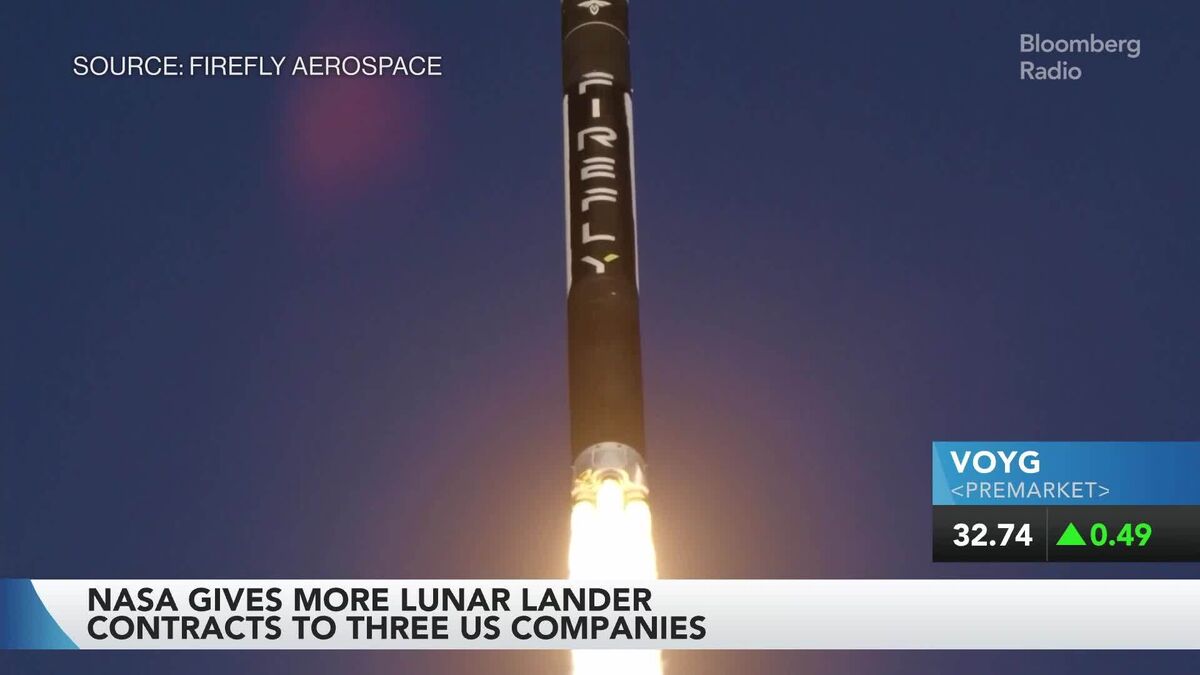
Meta Cloud Business; NASA Lunar Lander Contracts | Stock Movers
Shares of several space companies, including FireFly Aerospace, Intuitive Machines, and Voyager Technologies, experienced significant movement following NASA's announcement that it has selected these firms to send robotic landers to the moon. This initiative is part of NASA's broader goal to establish a lunar base by the end of the decade. The agency awarded contracts to Astrobotic Technology Inc., Firefly Aerospace Inc., and Intuitive Machines Inc. for this lunar mission. In the consumer goods sector, General Mills saw its stock rise after reporting fourth-quarter profits that surpassed Wall Street expectations, driven by increased pricing strategies. Meanwhile, Meta Platforms Inc. gained traction on the stock market amid reports that the company is planning to launch a cloud infrastructure business aimed at providing access to AI computing power and models. Additionally, Meta is exploring the possibility of offering access to its "raw" computing capacity, as indicated by sources familiar with the company's plans.
NYS:GIS NMS:SPCX NAS:LUNR NMS:META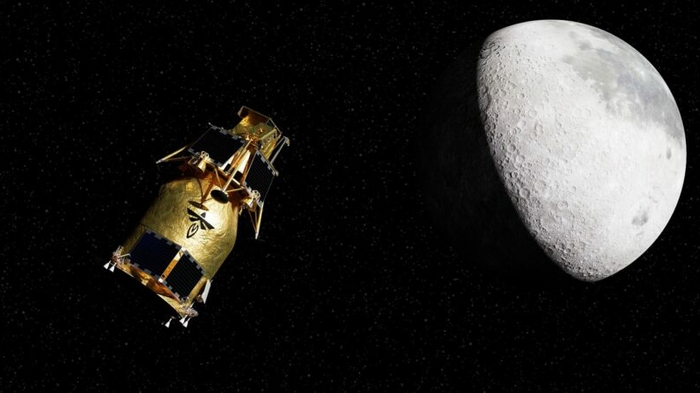
Firefly Aerospace Operates NVIDIA Jetson in Lunar Orbit for the First Time
Palantir Technologies has unveiled a new intelligent engine designed to enhance secure artificial intelligence capabilities for U.S. government agencies. This announcement was made today, highlighting the significance of open-source innovation in the American AI landscape. The new engine leverages NVIDIA's Nemotron open models, aiming to meet the specific needs of federal entities. By integrating these advanced technologies, Palantir seeks to bolster the security and effectiveness of AI applications within closed environments, ensuring that sensitive data remains protected while still benefiting from the flexibility and adaptability of open-source frameworks. This initiative underscores Palantir's commitment to providing robust AI solutions tailored for government use, addressing the growing demand for secure and efficient technological tools in public service.
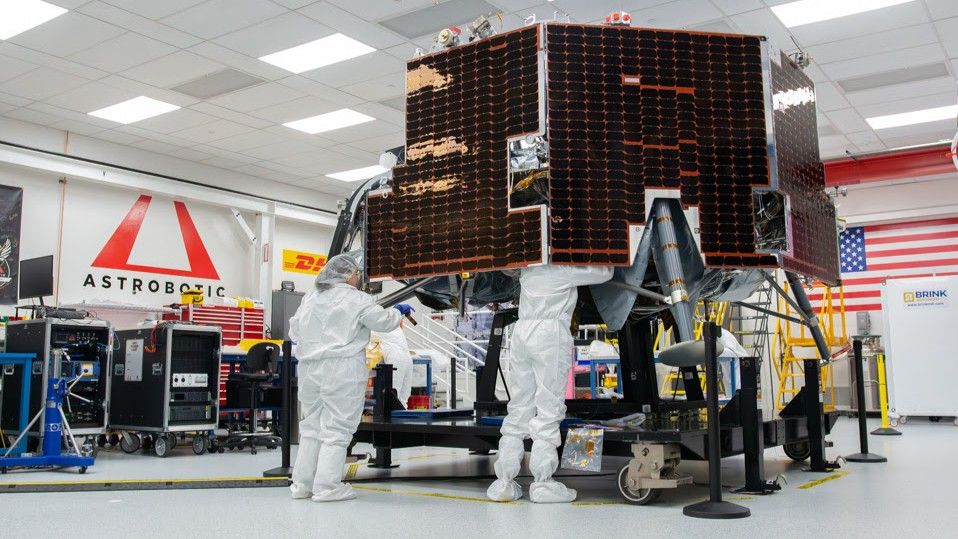
Astrobotic unveils Griffin-1 lunar lander for NASA Moon Base mission
Astrobotic has announced the launch of its latest lunar lander, Griffin-1, which is set to deliver one of the heaviest payloads to the moon's surface. This significant development was revealed recently, highlighting Astrobotic's ongoing commitment to advancing lunar exploration. The mission aims to support various scientific and commercial endeavors on the moon, showcasing the potential for future lunar activities. The Griffin-1 lander is expected to play a crucial role in expanding our understanding of the lunar environment and facilitating further exploration initiatives.
Space Exploration
SORA-Q: Transformable Lunar Rover Operates on Moon for 108 Minutes
The SORA-Q, a lightweight lunar rover weighing 228 grams, successfully operated autonomously on the Moon for 108 minutes following its release from the SLIM lander. During its mission, the rover transformed from a compact sphere into a two-wheeled vehicle, demonstrating advanced robotics and autonomous exploration capabilities. It captured high-resolution images and transmitted valuable data back to Earth without any human intervention. Developed by the Japan Aerospace Exploration Agency (JAXA) in collaboration with partners, this innovative rover represents a significant advancement in lunar exploration technology.
Lunar Exploration Transformable Robots Autonomous Systems Robotics Technology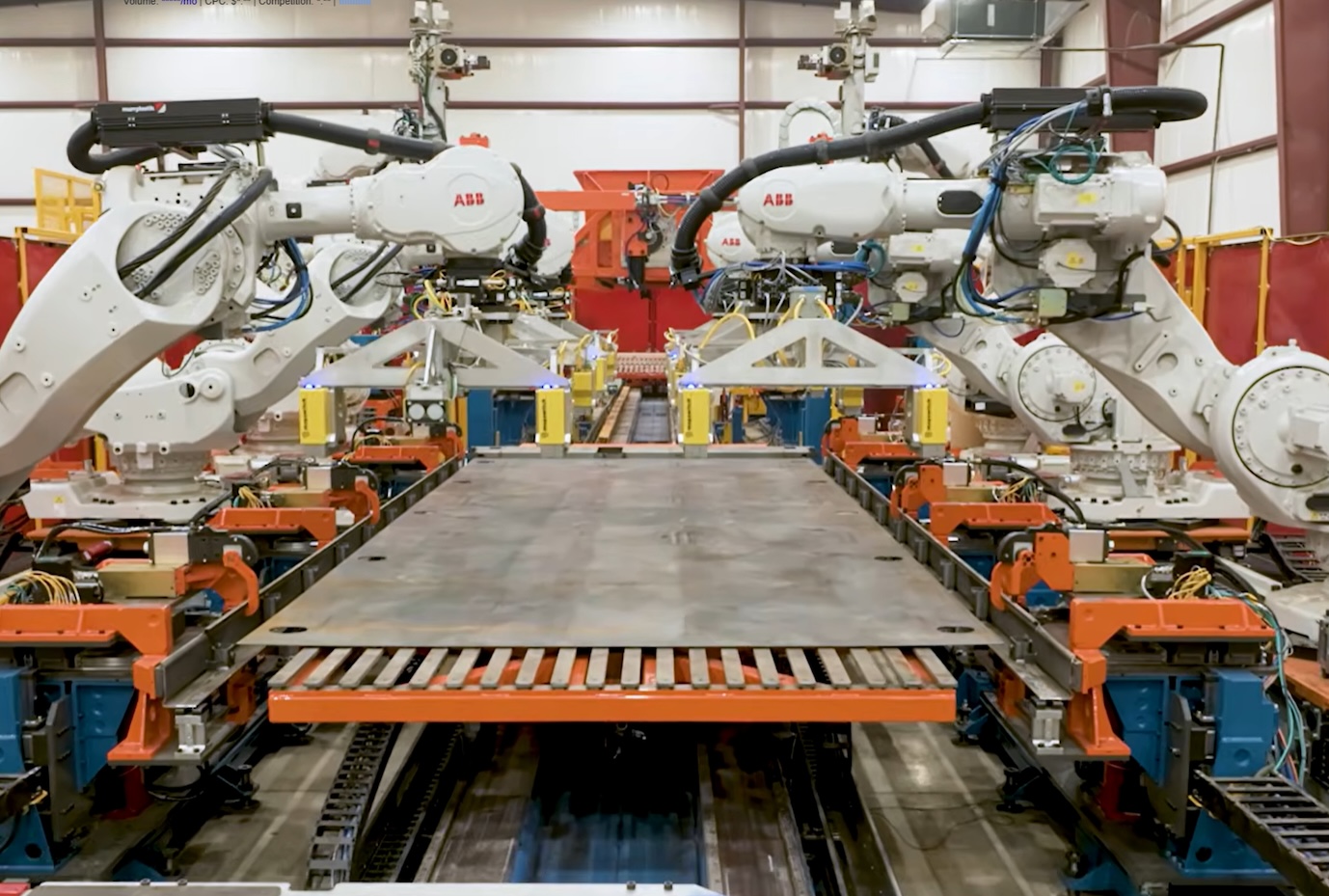
From ball to rover: Transformable palm-sized rover SORA-Q for autonomous lunar exploration
In June 2026, a groundbreaking study published in Science Robotics highlights advancements in robotic technology, showcasing innovative designs and applications that could revolutionize various industries. Researchers from leading institutions collaborated to develop these robots, which are engineered to enhance efficiency and safety in sectors such as manufacturing, healthcare, and logistics. The study emphasizes the integration of artificial intelligence and machine learning, enabling robots to adapt to complex environments and perform tasks with greater precision. This research is particularly timely as industries seek to recover and innovate following disruptions caused by global events in previous years. The findings were presented at an international robotics conference held in Tokyo, where experts gathered to discuss the future of automation and its implications for the workforce. The motivation behind this research stems from the increasing demand for automation solutions that can address labor shortages and improve productivity. By employing advanced algorithms and sensor technologies, the robots demonstrated their ability to collaborate with human workers, paving the way for safer and more efficient workplace environments. This study not only marks a significant milestone in robotic development but also sets the stage for further exploration into the ethical and economic impacts of widespread robotic integration in society.
Research Article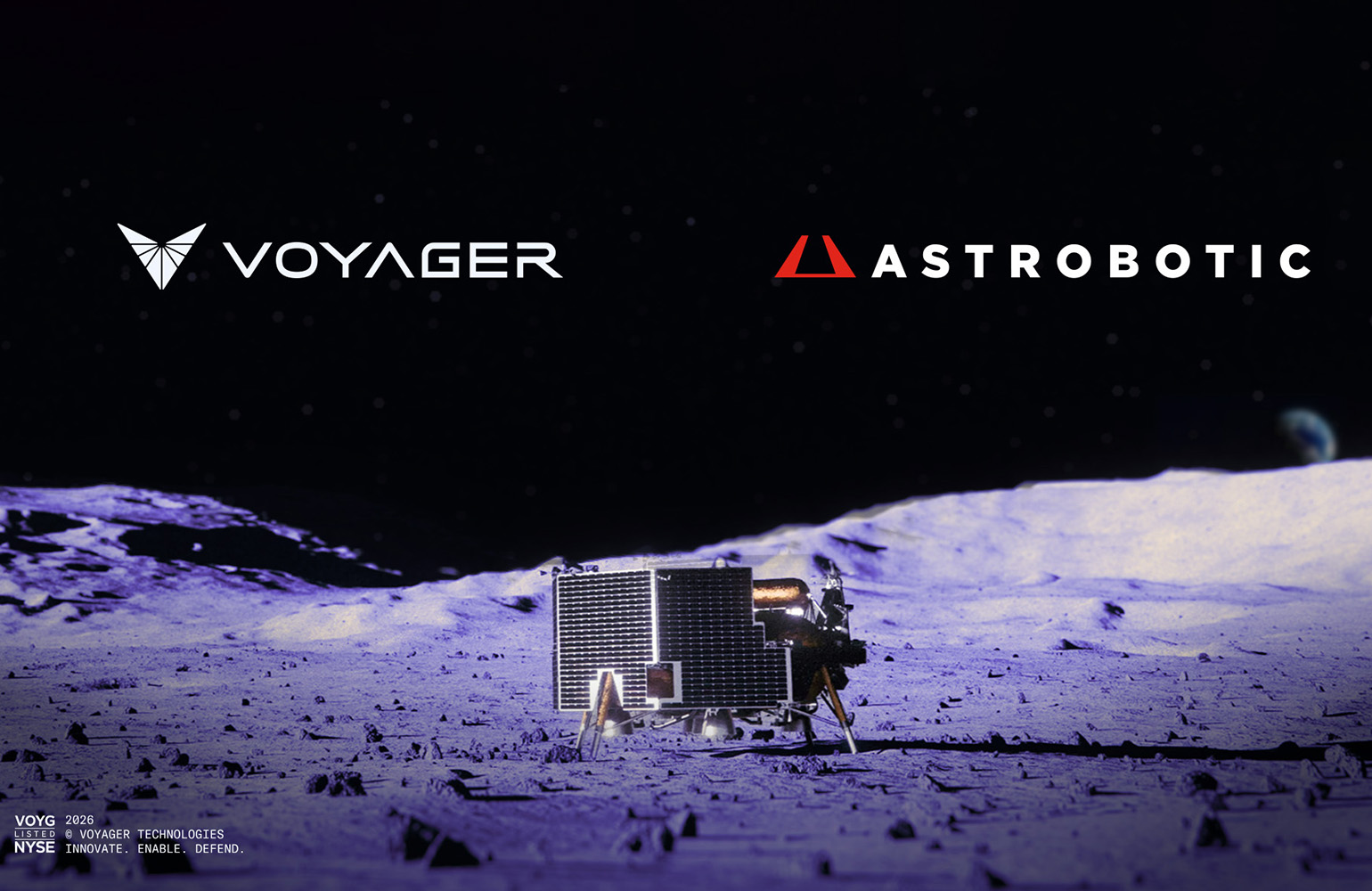
Voyager Technologies acquires Astrobotic to advance lunar initiatives
Voyager Technologies has announced its acquisition of Astrobotic, a move aimed at enhancing the development of lunar initiatives and reusable rocket programs. This strategic investment is set to accelerate Astrobotic's existing projects, positioning the company to play a significant role in the growing space exploration sector. The acquisition reflects Voyager's commitment to advancing technologies that support lunar exploration and sustainable space travel. The deal underscores the increasing interest and investment in space-related ventures, particularly those focused on the Moon and beyond.
Aerospace Financial Markets / Industries Mergers & Acquisitions News Astrobotic
US team combines digital twins, VR to boost lunar robot performance for future missions
Researchers at the University of Colorado Boulder are pioneering the use of digital twin technology to enhance environmental monitoring and management. This innovative approach involves creating virtual replicas of physical systems, allowing scientists to simulate and analyze real-world conditions in real time. The project, which commenced in late 2023, aims to address pressing environmental challenges by providing more accurate data and predictive insights. Located in Boulder, Colorado, the initiative seeks to improve understanding of climate change impacts and resource management by integrating advanced modeling techniques with real-time data collection. The motivation behind this research stems from the urgent need to develop effective strategies for sustainability and resilience in the face of environmental degradation. By employing sensors and data analytics, the researchers are able to create dynamic models that reflect current environmental conditions, enabling stakeholders to make informed decisions. This method not only enhances the accuracy of environmental assessments but also facilitates proactive responses to potential ecological threats. The team at CU Boulder is collaborating with various stakeholders, including government agencies and conservation organizations, to ensure that the findings are applicable and beneficial for real-world applications.
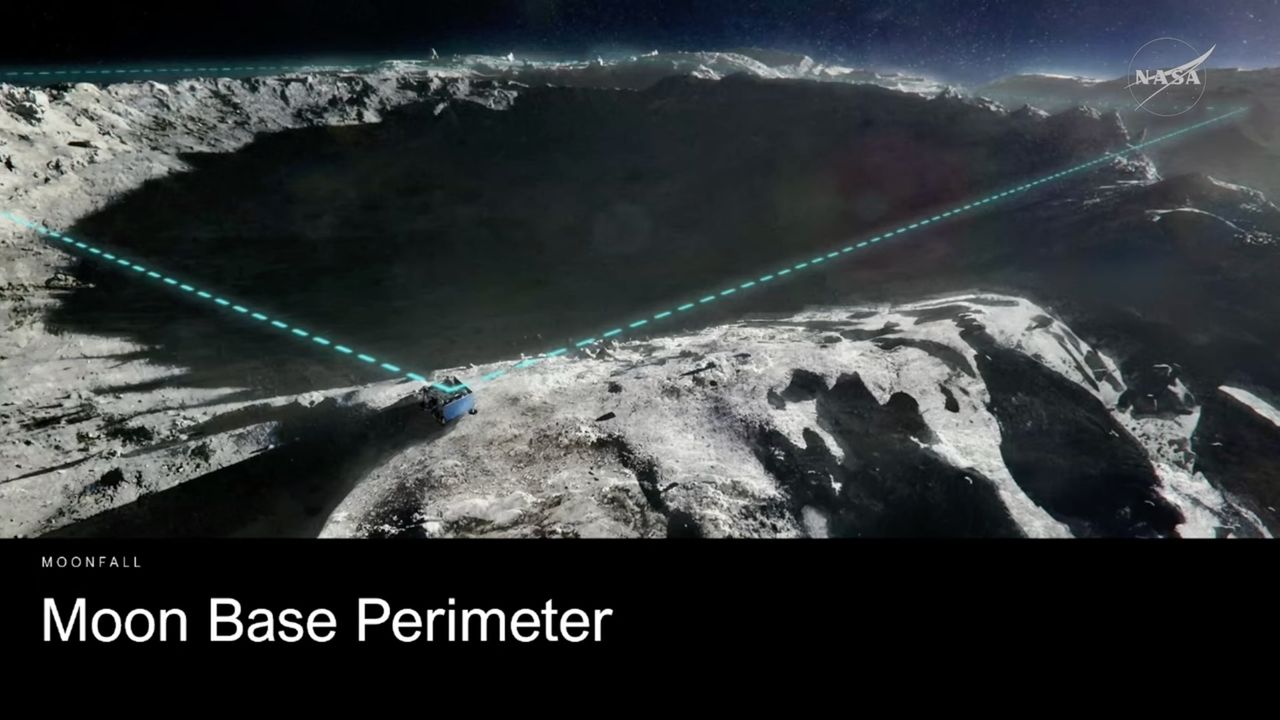
Artemis moon base will cover 'hundreds of square miles' with hopping drones and new lunar rovers, NASA says
NASA has announced ambitious plans for a moon base that will span hundreds of square miles, with the potential use of scout drones to monitor its perimeter. To kickstart this initiative, the agency has awarded contracts totaling $1 billion. This funding aims to facilitate the development and construction of the lunar facility, which is part of NASA's broader strategy to establish a sustainable human presence on the Moon. The contracts were awarded recently, marking a significant step forward in lunar exploration efforts. The project is expected to enhance scientific research and pave the way for future missions to Mars and beyond.
The moon Astronomy Solar System
LimX Dynamics unveils Luna humanoid robot with AI dance learning
On Monday, LimX Dynamics introduced the LimX Luna humanoid robot, which is priced at RMB 298,000 (approximately $41,000). The robot, measuring 160 centimeters in height, boasts 27 degrees of freedom, allowing for a wide range of movements. It is equipped with the company’s second-generation SYS 0 motion control engine, enhancing its performance. Additionally, the LimX Luna features improved cooling systems and extended battery life, enabling it to support multimodal interactions. This launch marks a significant advancement in humanoid robotics, reflecting LimX Dynamics' commitment to innovation in the field.
News Feed
LimX Intelligence Launches LimX Luna: A Full-Size Humanoid Robot for 298,000 RMB
LimX Intelligence, a prominent embodied AI company based in Shenzhen, has unveiled its latest innovation, LimX Luna, an interactive humanoid robot. Standing at 160 centimeters tall and featuring 27 degrees of freedom, LimX Luna is designed to engage users in various interactive experiences. The robot is priced at 298,000 RMB and is targeted at the domestic retail market. This launch reflects LimX Intelligence's commitment to advancing robotics technology and expanding its presence in the growing AI sector.
HumanoidRobotics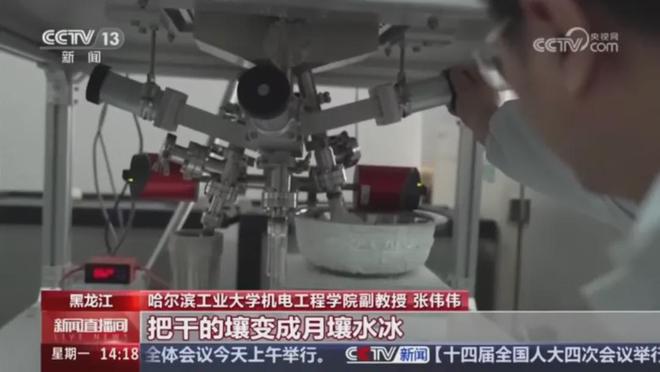
Harbin Institute of Technology Aids Lunar Water Search, China Aims for Global Leadership!
China's Chang'e 7 mission is set to explore the Moon's South Pole-Aitken Basin, with the goal of discovering water ice, a significant milestone that could position China as the first nation to identify water on the lunar surface. Scheduled for launch in the near future, this ambitious mission is supported by the Harbin Institute of Technology, which is contributing advanced technology and research to ensure its success. The exploration of this region is critical, as the presence of water ice could have profound implications for future lunar missions and the potential for human habitation on the Moon.
Lunar Exploration Space Technology Water Ice Detection Deep Space Missions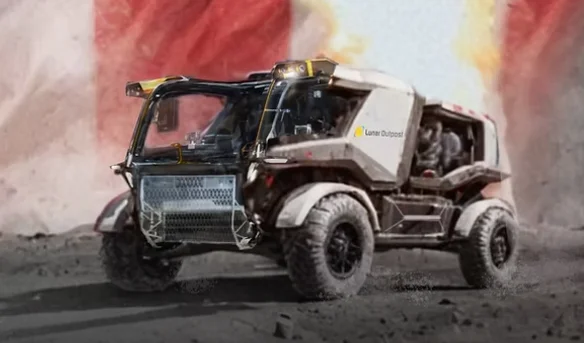
Lunar Outpost Raises $30M in Series B Funding for Moon Robotics Development
Lunar Outpost, a Colorado-based company specializing in lunar robotics and mobility systems, has successfully raised $30 million in a Series B funding round. The investment was spearheaded by Industrious Ventures, with additional contributions from Type One Ventures, Eniac Ventures, Promus Ventures, and Reliable Equity. This funding will be utilized to enhance the production capabilities of the company's robotic vehicles and infrastructure technologies, positioning Lunar Outpost to play a pivotal role in the future of lunar exploration.
AI AI Funding & Investment Robotics Artemis Moon Base Colorado Lunar Outpost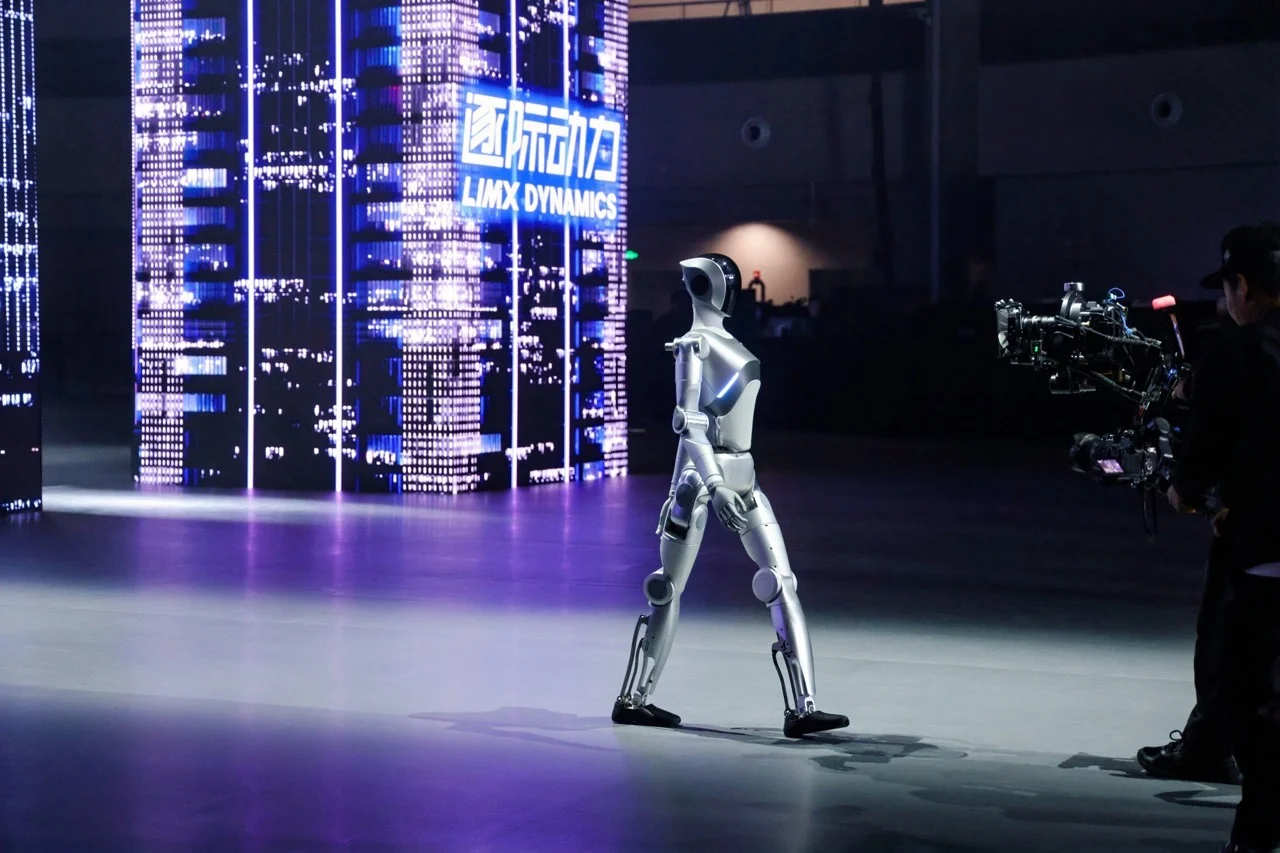
LimX Dynamics Unveils "Luna": A High-Performance Humanoid Built for the Spotlight
LimX Dynamics has introduced its latest innovation, Luna, a humanoid robot that marks a departure from the industrial designs of previous models. Unveiled recently, Luna features a sleek, matte-black exterior and is engineered to perform complex gymnastics routines with remarkable lifelike movement. This development highlights the company's commitment to advancing robotics technology, aiming to enhance both functionality and aesthetic appeal in humanoid designs. The launch reflects a growing trend in the robotics industry to create machines that not only serve practical purposes but also engage users through their design and capabilities.
LimX Dynamics China Luna
China's Humanoid Robotics Sector Sees $1.4 Billion Funding Surge Post-2026 Lunar New Year
In the first two months of 2026, China's humanoid robotics startups received over 10 billion yuan (approximately $1.4 billion) in funding. This influx marks a shift from the celebratory atmosphere of the Spring Festival Gala to a more competitive landscape, termed the 'delivery battle' by industry insiders. With over 320 domestic humanoid firms, analysts predict an imminent shakeout, where only financially robust companies with proprietary technologies will thrive. The recent funding rounds have led to the emergence of new 'billion-dollar unicorns,' consolidating capital among a select few leaders. Companies like Spirit AI have launched the world's first humanoid production line at a CATL battery base, showcasing robots that operate at human-like speeds. Meanwhile, FIVEAGES has positioned itself as a key model provider for Unitree Robotics, which leads in global hardware shipments, while PNDbotics is advancing towards mass production capabilities in Tianjin. Despite the record funding, a 'head effect' is forming, with the top 10 companies capturing about 40% of total financing. As competition intensifies, projections indicate that 80% to 90% of existing robotics firms may face elimination or restructuring by year-end. Investors are increasingly cautious of companies lacking proprietary technologies, prompting firms like Noematrix to focus on developing specialized hardware for data collection to enhance AI capabilities.
Unitree Robotics pndbotics Galbot Market China Spirit AI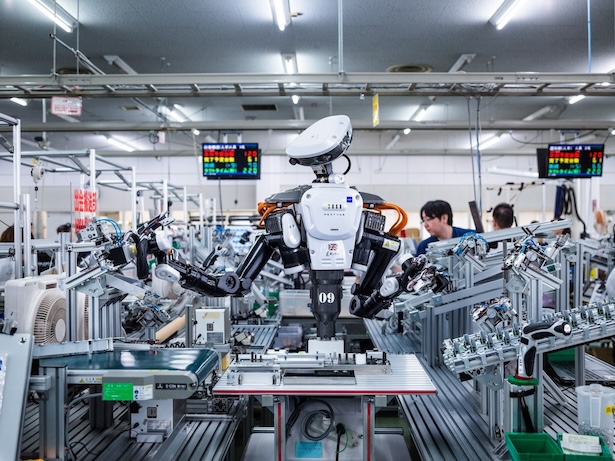
DeepSeek releases new models Janus-Pro and JanusFlow on Lunar New Year’s Eve
In the early hours of January 28, coinciding with Lunar New Year’s Eve, DeepSeek introduced two innovative multimodal frameworks, Janus-Pro and JanusFlow. Janus-Pro serves as an enhanced iteration of the original Janus framework, aiming to provide a cohesive solution for both multimodal understanding and generation. This new model features decoupled visual encoding, which significantly boosts its adaptability and performance across a range of tasks. The launch reflects DeepSeek's commitment to advancing technology in the field of artificial intelligence, particularly in enhancing the capabilities of multimodal systems.
News Feed
Didi launches overseas ride-hailing service for Chinese users ahead of Lunar New Year
Didi Chuxing has introduced its new “Overseas Travel” feature, aimed at enhancing travel experiences for Chinese tourists, just in time for the upcoming Lunar New Year holiday. The announcement was made on January 20, as reported by Chinese media outlet Jiemian News. This trial service will be accessible in over 80 cities across several countries, including South Korea, Singapore, Malaysia, Indonesia, and Vietnam. The initiative is designed to cater to the growing demand for convenient transportation options among Chinese travelers venturing abroad during the festive season.
News Feed
Talking Tom AI robot to launch before lunar new year
Zhejiang Jinke Tom Culture Industry Co., Ltd., the creator of the popular Talking Tom franchise, is set to unveil its first-generation AI robot ahead of the Lunar New Year. This launch is part of the company's broader initiative to develop a range of AI products, which will include Talking Tom AI voice robots, storytelling applications, and interactive games. The expansion of the Talking Tom brand also encompasses augmented reality experiences, reflecting the company's commitment to innovation in the entertainment and technology sectors. The introduction of these AI-driven products aims to enhance user engagement and provide new interactive experiences for fans of the franchise.
News FeedRobotics needs a service framework.
RSF defines a common language for robot service capability, lifecycle operations, certification pathways, and service-provider networks.
Join the RobotToday community on LinkedIn
Daily robotics news, in-depth analysis, conference highlights, and discussions with professionals worldwide.