Industry Briefing
A single destination for timely, editor-curated robotics news from around the world.
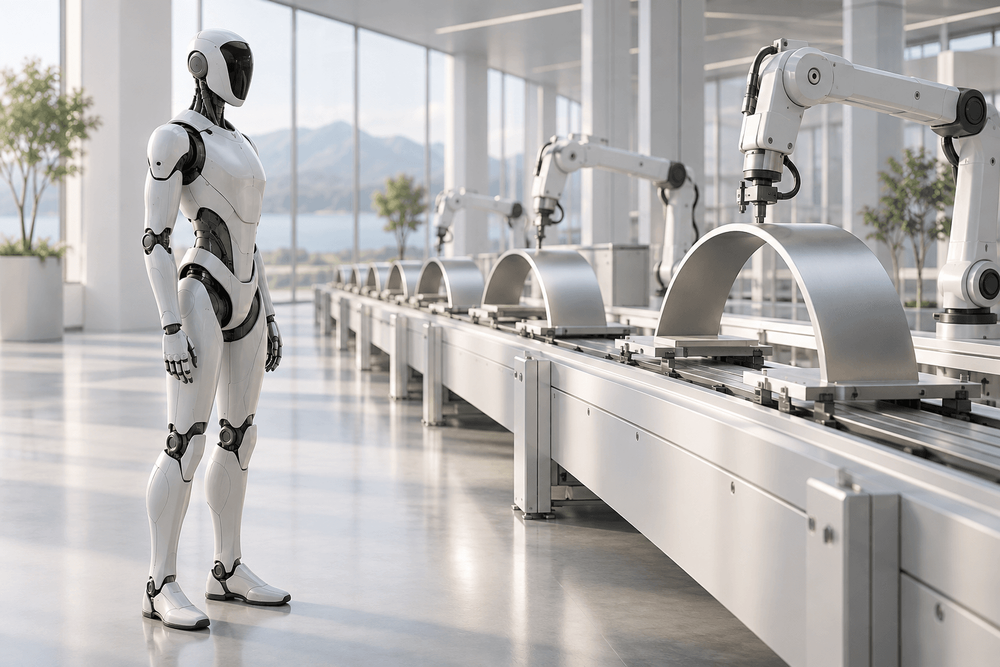
XPeng Launches Automated IRON Humanoid Production Line for 2026 Mass Production
XPeng has activated an automated production line for its IRON humanoid robot, achieving over 80% core automation. A notable milestone was reached as a finished robot successfully walked off the line under its own power. This development is significant as it marks XPeng's commitment to advancing humanoid robotics, with mass production slated for completion by the end of 2026. The company plans to initiate commercial deliveries in 2027, indicating a strategic move into the humanoid robot market. Looking ahead, industry observers should monitor XPeng's progress towards its production goals and the potential impact of its humanoid robots on various sectors. No further timeline was disclosed at the time of publication.
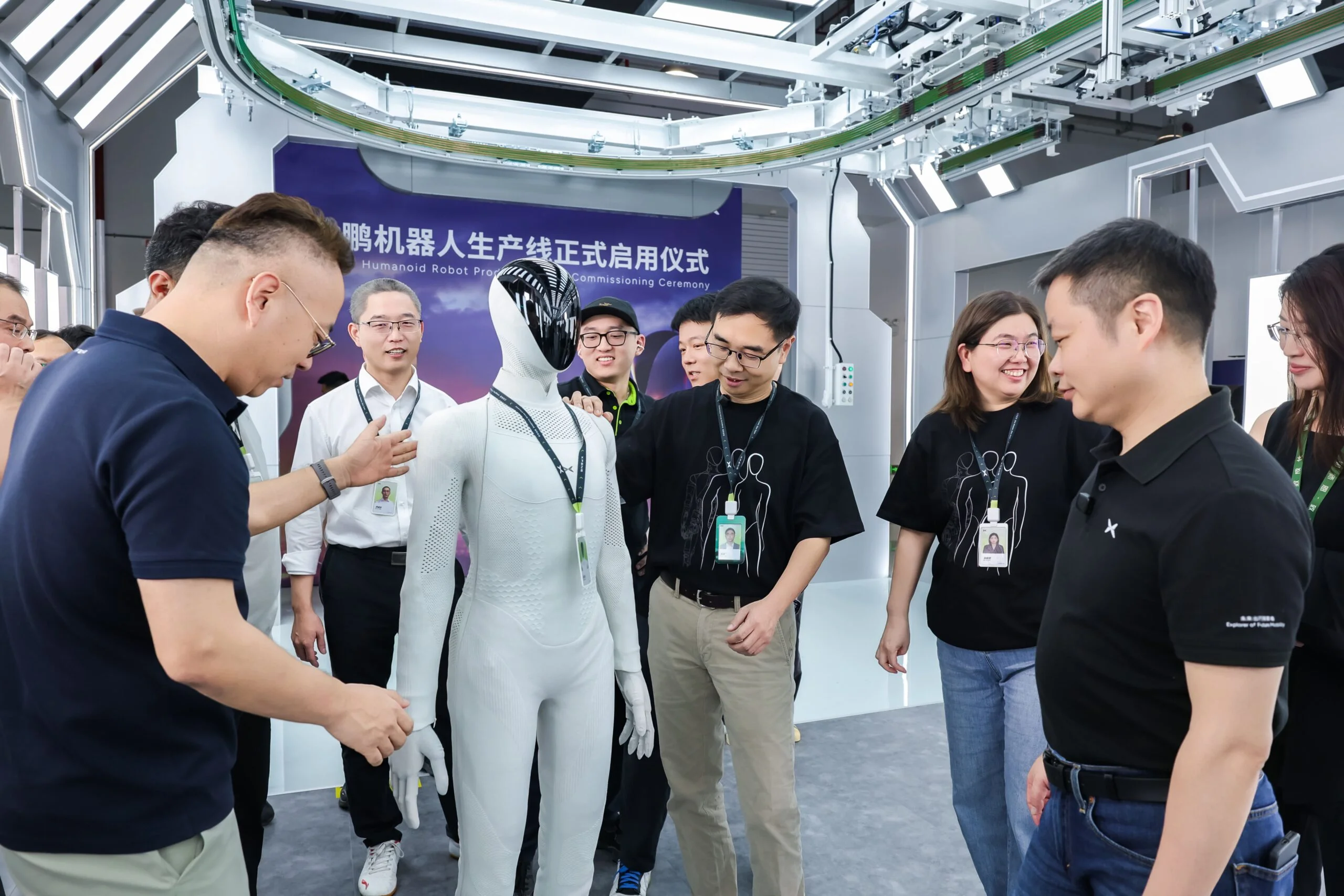
XPeng Launches Production for Humanoid Robot 'Iron' with Advanced Features
XPeng has commenced production of its humanoid robot, Iron, with initial units set to be deployed in the company's stores before a broader market launch in 2027. The production lines are highly automated, with over 80% of core processes automated, and Iron boasts 76 degrees of freedom and three Turing AI chips delivering up to 2,250 TOPS. This development is significant as XPeng aims to position robotics as a key growth sector alongside its automotive business, having raised over $900 million for this initiative. The company’s chairman, He Xiaopeng, emphasized the importance of building a new product category and the potential for higher profit margins in robotics compared to new-energy vehicles. Looking ahead, XPeng plans to enhance production efficiency and scale in robot manufacturing, aiming to create robots that integrate into daily life. No further timeline was disclosed at the time of publication.
AI AI Funding & Investment AI Use Cases Robotics China humanoid robotics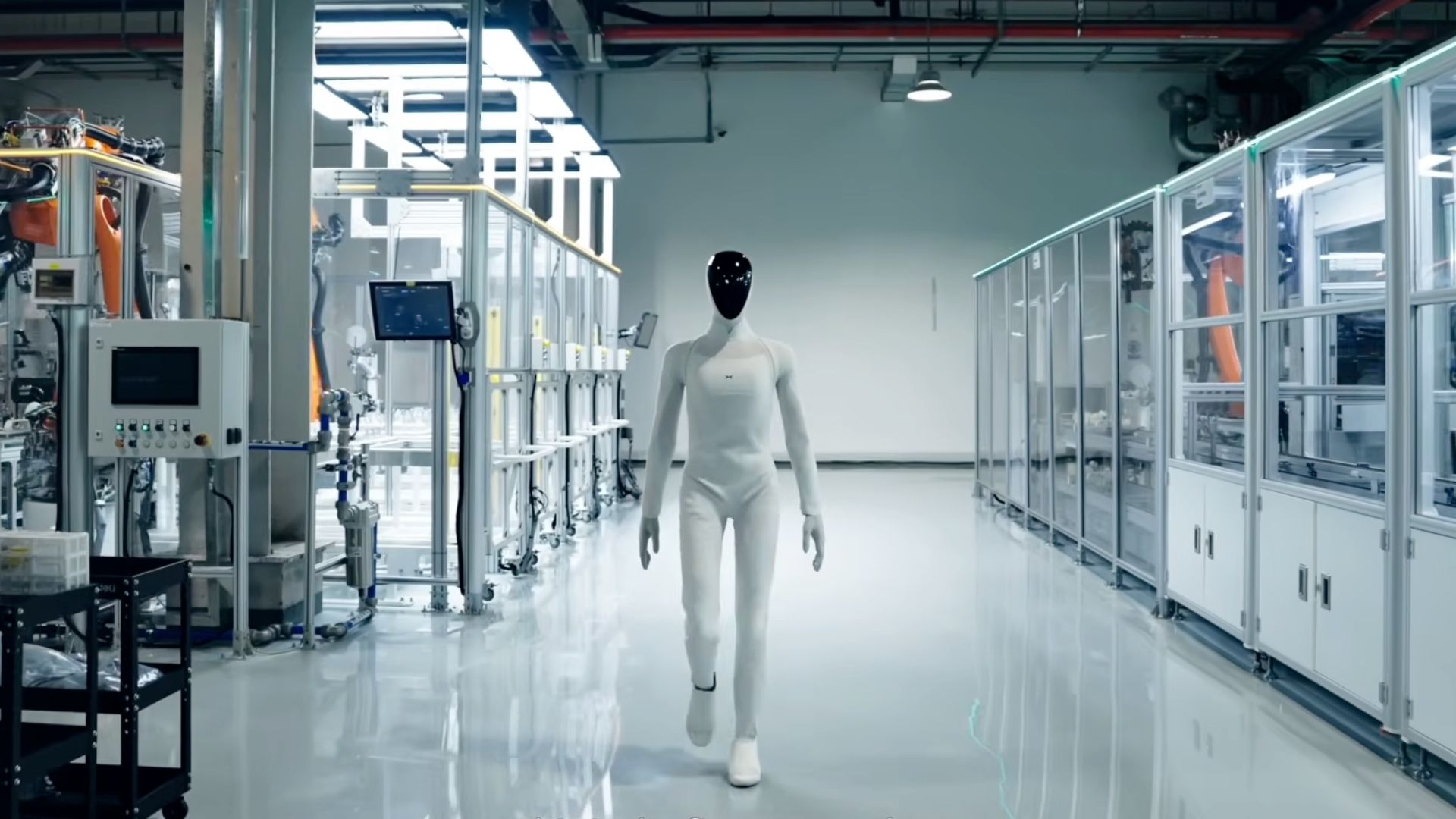
XPeng Begins Production of IRON Humanoid Robots Amid Tesla Optimus Delays
Chinese automaker XPeng has initiated the production of its IRON humanoid robot at a new facility in Guangzhou, marking a significant step towards commercial-scale manufacturing. An IRON robot successfully walked off the production line autonomously, showcasing XPeng's integration of robotics and AI in its manufacturing processes. This development is crucial as it highlights the competitive landscape in humanoid robotics, especially with Tesla's Optimus robot facing production delays. XPeng's approach combines its automotive manufacturing expertise with robotics, aiming to create a versatile humanoid platform capable of performing various tasks and adapting to different environments. Looking ahead, XPeng's focus on the IRON humanoid robot as part of its Physical AI strategy indicates a commitment to advancing humanoid technology. No further timeline was disclosed at the time of publication regarding the next steps for IRON or updates on Tesla's Optimus production schedule.
AI and Robotics
A Multilevel Path Planning Framework for Unmanned Surface Vehicles in Environmental Monitoring
A new multilevel path planning framework has been developed for unmanned surface vehicles (USVs) aimed at enhancing environmental monitoring of uninhabited islands and reefs. This framework utilizes information-driven techniques to optimize navigation and data collection processes in challenging marine environments. The significance of this development lies in its potential to improve the efficiency and effectiveness of environmental monitoring efforts. By employing advanced path planning strategies, USVs can navigate complex terrains and gather critical data, which is essential for conservation and research initiatives in remote areas. Looking ahead, the implementation of this framework could lead to more widespread use of USVs in environmental studies. As researchers and organizations seek innovative solutions for monitoring ecosystems, the advancements in path planning technology will be crucial in facilitating these efforts. No further timeline was disclosed at the time of publication.
RESEARCH ARTICLE
Explosion-Proof Inspection Robots Utilize Custom Joint Motors for Hazardous Environments
In petrochemical facilities, an explosion-proof inspection robot extends its mechanical arm to accurately position an infrared thermal imager on a high-temperature pipeline flange, demonstrating smooth movements and precise positioning. In coal mines, another robot's arm performs micron-level rotational operations on valves. The motors driving these joints differ fundamentally from standard industrial robots, providing high torque density in confined spaces. These explosion-proof joint modules can achieve a peak torque of 450 N·m and a rated torque of 110 N·m, supporting continuous operations with a payload exceeding 20 kg. With a dual 17-bit encoder, the modules offer a repeat positioning accuracy of ±40 arc seconds and a backlash of ≤15 arc minutes, with response times in the millisecond range. Designed for flammable and explosive environments, these robots meet IP68 protection and Ex d IIB T4 explosion-proof standards, suitable for various scenarios including chemical, coal mining, and hazardous material warehouses. Jiangsu Huistone has over 20 years of experience in specialized motors, providing customized servo motor solutions for intelligent inspection robot arms. Their products cover a base size range from 40 mm to 400 mm, power from 50 W to 200 kW, and voltage from 24 V to 3000 V, ensuring compatibility with different power supply platforms. The successful application of their 130 mm base explosion-proof AC servo motor in petrochemical inspection robots highlights the precision and safety of these advanced technologies.
Explosion-Proof Robots Joint Motors Industrial Automation Hazardous Environment Technology
Xiaopeng to Launch Humanoid Robot Iron Globally by 2027 with Non-Stop Sales
Xiaopeng Motors has announced that its humanoid robot, Iron, will be launched globally in 2027. The robot, standing 1.73 meters tall and equipped with AI similar to that used in autonomous driving, will first be deployed in approximately 1,000 locations across China, including stores, offices, and factories, before expanding to commercial and retail environments. The Iron robot is designed to interact naturally with humans, performing tasks such as greeting customers, providing product information, and assisting with test drives. Xiaopeng's Vice Chairman and President, He Xiaopeng, emphasized that Iron aims to handle repetitive and mundane tasks, allowing human employees to focus on roles requiring more interpersonal interaction and intuition. Concerns have been raised by the Transport Workers Union regarding the introduction of this technology in Australia, urging policymakers to carefully consider the pace and regulatory conditions for deploying robots. As Xiaopeng prepares for Iron's global launch, it represents a significant step in the commercialization of humanoid robots, challenging traditional notions of work and employment.
Humanoid Robots AI Retail Technology Automation
Xpeng's IRON Robot Set to Transform Retail and Labor in Australia
Xpeng Motors, a leading Chinese electric vehicle manufacturer, is set to introduce its humanoid robot, IRON, in Australia as part of its global strategy. Standing at 1.73 meters, IRON is designed to assist in car showrooms by greeting customers, answering queries, and guiding test drives, marking a significant shift in the retail profession. The introduction of IRON is significant due to the ongoing labor shortages in Australia’s retail, customer service, and factory sectors. Xpeng aims to redefine the workforce by integrating robots into roles traditionally held by humans, offering a solution that does not require breaks or rest. Looking ahead, Xpeng plans to launch IRON globally by 2027, with a production target of over 1,000 units per month by the end of 2026. The robot's advanced technology, derived from Xpeng's autonomous driving systems, positions it as a competitive option in various operational environments, including factories and logistics.
Humanoid Robots Retail Automation AI Technology Workforce Solutions
Tesla Earnings Report Anticipates 5.9% Market Move with Iron Condor Strategy
Tesla (TSLA) is set to announce its earnings after market close today, with the market anticipating a 5.9% price movement in either direction. The implied volatility for TSLA stands at 48.74%, reflecting an IV Percentile of 73% and an IV Rank of 37.53%. This high volatility indicates significant market expectations surrounding the earnings report. The implications of this earnings report are substantial for investors, particularly those considering options trading strategies like the iron condor. This strategy is designed to capitalize on a decrease in implied volatility while the stock remains within a specified price range. Given the current market conditions, traders are advised to understand the risks associated with such strategies before implementation. Looking ahead, traders will be monitoring Tesla's stock performance closely following the earnings announcement. The outcome could influence market sentiment and trading strategies in the short term. No further timeline was disclosed at the time of publication.
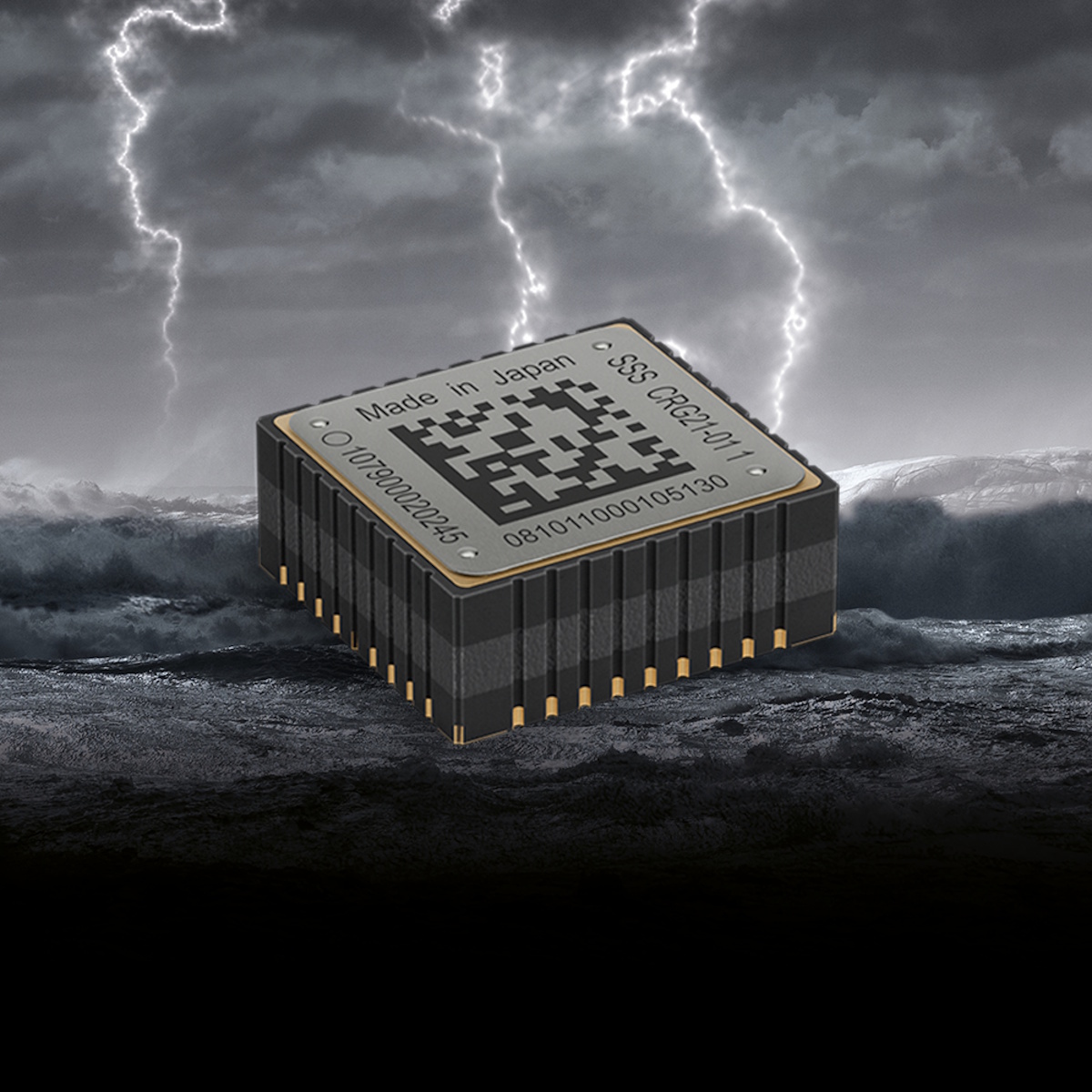
Silicon Sensing Launches CRG21 Gyro for Extreme Shock Environments
Silicon Sensing has introduced the CRG21, a compact MEMS gyroscope designed for extreme-shock environments. This new single-axis rate sensor serves as a direct replacement for the successful CRG20 gyro, enhancing performance in aerospace, defense, industrial, and automotive applications. The CRG21 gyro is engineered to withstand harsh conditions, featuring a fully integrated digital solution that minimizes space and weight, thereby reducing overall inertial system costs. It operates effectively in temperatures ranging from -40°C to +105°C and offers exceptional shock resistance, low noise performance, and improved angular random walk and bias over temperature. With its identical footprint to the CRG20, the CRG21 allows for easy retrofitting in existing systems. It is available in various rate ranges and bandwidths, making it adaptable to a wide range of applications. No further timeline was disclosed at the time of publication.
silicon sensing gyro extreme-shock environments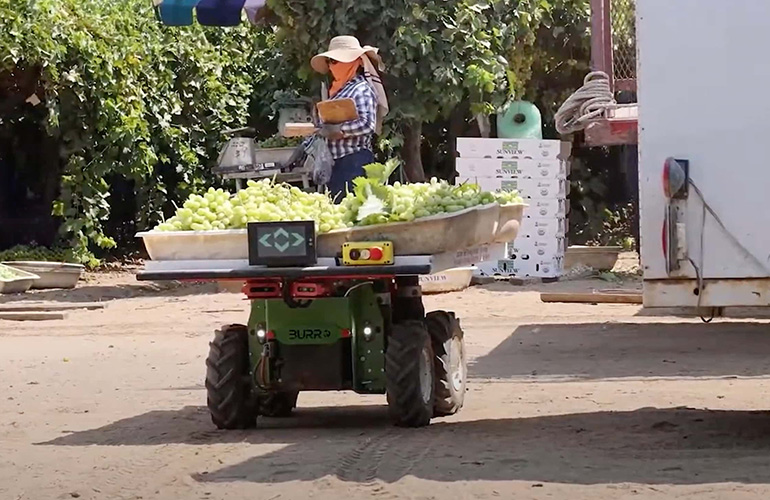
Burro AI Develops Robots for Unpredictable Outdoor Agricultural Environments
Burro AI has focused on creating robots capable of operating in unpredictable outdoor agricultural settings without fixed infrastructure. Unlike many robotics companies that optimize for controlled environments, Burro faced the challenge of real-world deployment from the outset, learning to adapt to environmental variability and user dependency on their systems. The significance of this approach lies in the understanding that agricultural workers have zero tolerance for unreliability. As customers begin to depend on autonomous systems, their expectations shift rapidly from novelty to necessity, demanding high reliability that lab environments often cannot replicate. Looking ahead, Burro AI's commitment to addressing real-world challenges in outdoor conditions will be crucial. The company recognizes that successful robots must be engineered to handle diverse environmental factors, which requires continuous learning and adaptation rather than reliance on simulation models. No further timeline was disclosed at the time of publication.
Agriculture Autonomous Mobile Robots (AMRs) Construction Industrial Robots Logistics Mobility / Navigation
Xpeng Aims for 1,000 Monthly Iron Humanoid Robots Production by End of 2026
Chinese electric vehicle maker Xpeng is ramping up production of its Iron humanoid robot, targeting over 1,000 units monthly by the end of 2026. This increase is in preparation for a global rollout planned for 2027, with initial deployment as sales assistants in China showrooms. The significance of this move lies in Xpeng's strategy to expand beyond electric vehicles into embodied artificial intelligence. The Iron robot, unveiled in November 2025, showcases advanced mobility and AI capabilities, positioning Xpeng to establish a presence in the humanoid robotics market. Looking ahead, Xpeng's focus will be on integrating AI and robotics with its existing smart mobility technologies. The company aims to leverage its expertise in autonomous driving while continuing to grow its core EV business. No further timeline was disclosed at the time of publication.
AI and Robotics
Xiaopeng Motors Plans to Launch IRON Humanoid Robot with 1,000 Units Monthly Production by 2027
Xiaopeng Motors has announced plans to launch its IRON humanoid robot globally by 2027, aiming to ramp up production to over 1,000 units per month by the end of this year. The robot will initially serve as a sales assistant in domestic stores, with expansion to international locations later in the year. This initiative is significant as Xiaopeng's President, He Xiaopeng, believes that the robotics business could surpass the automotive sector in the next 10 to 20 years. The IRON robot, which made its debut in November 2025, features advanced capabilities including 62 to 82 degrees of freedom and is powered by three Turing AI chips, achieving a total computing power of 2250 TOPS. Looking ahead, Xiaopeng's strategy focuses on leveraging the humanoid robot in controlled retail environments to gather interaction data and create immediate commercial value. No further timeline was disclosed at the time of publication.
Humanoid Robots Robotics AI Automation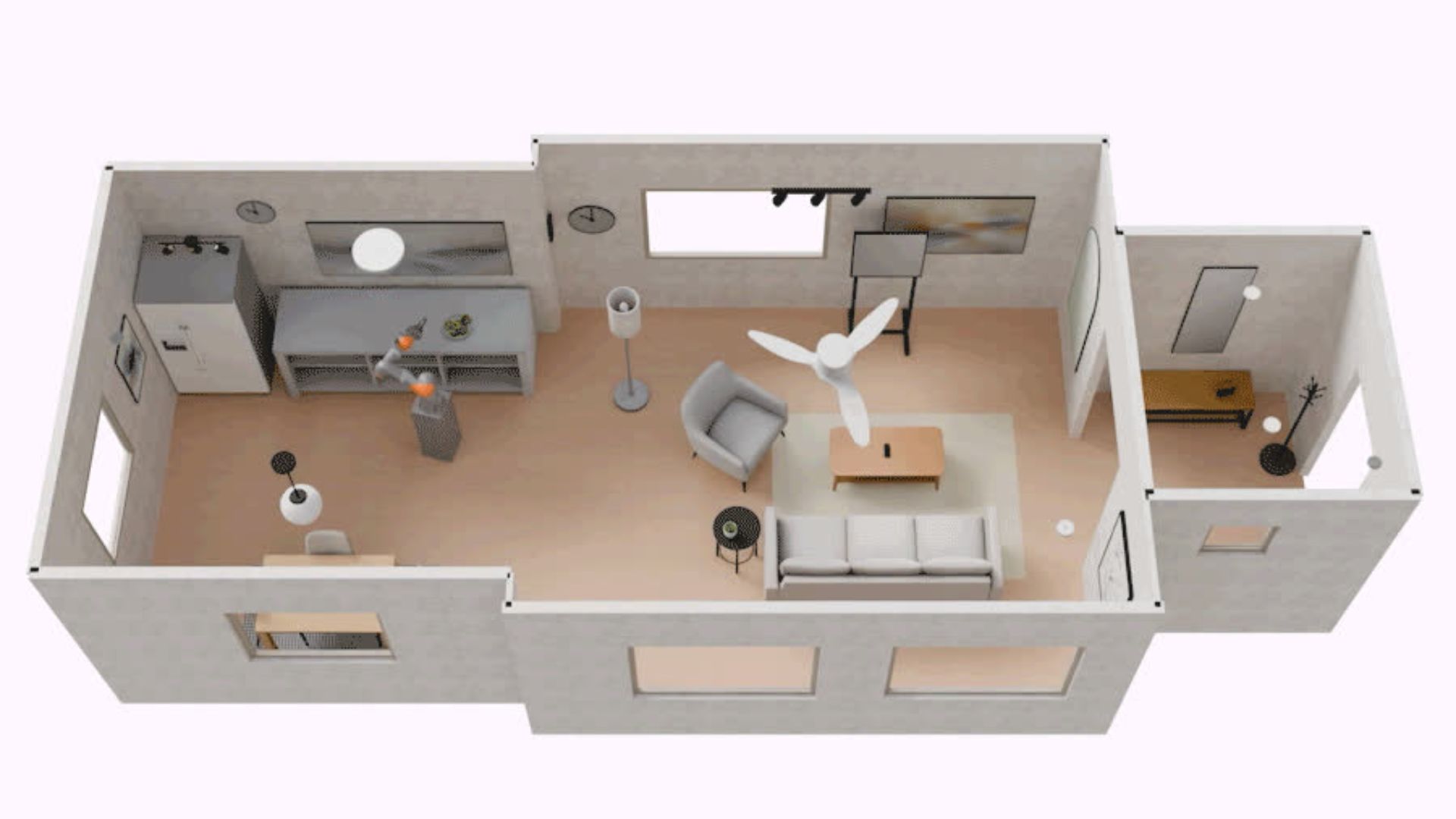
MIT Develops SceneSmith: AI System for Creating Realistic 3D Training Environments for Robots
Researchers at MIT have developed SceneSmith, an AI-powered platform that generates realistic 3D indoor environments for robot training. This innovative system utilizes three collaborative AI agents to create detailed virtual spaces, enabling robots to practice everyday tasks safely and efficiently before real-world deployment. The significance of SceneSmith lies in its ability to reduce the costs and time associated with traditional robot training methods. By providing a virtual setting that mimics real-life environments such as kitchens and offices, robots can learn to interact with various objects without the need for extensive human supervision or physical trials. Looking ahead, SceneSmith has already generated over 1,300 virtual environments, allowing robots to practice tasks like placing fruit on plates and opening cabinets. Researchers have tested robot control programs in 100 different environments, achieving over 99 percent agreement between AI evaluations and human reviewers. No further timeline was disclosed at the time of publication.
AI and Robotics
DEEP Robotics' Lynx Robot Operates in Extreme 55°C Desert Conditions
DEEP Robotics has released a video showcasing its Lynx wheeled-legged robot navigating extreme desert terrains, including soft sand and steep slopes. The robot's design combines wheeled movement for efficiency on flat surfaces with adjustable jointed legs for overcoming obstacles, making it suitable for narrow spaces like vineyards. The Lynx series operates in temperatures ranging from -30°C to 55°C and features an IP66 rating for dust and water resistance. For instance, the Lynx M20 weighs 33 kg, has a payload capacity of 15 kg, and can operate for 2.5 hours under load. It is equipped with dual 96-line LiDAR and dual-frequency cameras for real-time obstacle detection, significantly reducing manual labor in high-temperature environments. The robot has already been deployed in commercial vineyards in Xinjiang, reducing manual transport workload by over 70%. Additionally, it has been utilized for industrial inspections and public safety tasks, demonstrating its versatility in various applications. No further timeline was disclosed at the time of publication.
Robotics Industrial Automation Extreme Environment Technology Agricultural Robotics
XPENG Launches Production of World's First Advanced Humanoid Robot with Official Facility Commissioning
XPENG has officially launched its humanoid robot production lines, successfully completing the manufacturing of the world's first advanced humanoid robot. This milestone signifies a significant transition from research and development prototyping to actual production-line manufacturing. The achievement is crucial as it demonstrates XPENG's capabilities in humanoid robotics, potentially influencing the future of automation and robotics in various sectors. The autonomous walking of the humanoid robot off the production lines showcases advancements in technology and manufacturing processes. Looking ahead, industry observers will be keen to see how XPENG's humanoid robot performs in real-world applications and how it impacts the competitive landscape of robotics. No further timeline was disclosed at the time of publication.

World Labs Launches Atlas World Model for 3D Environment Simulation
World Labs has unveiled Atlas, a new world model aimed at generating, reconstructing, and simulating 3D environments. This model supports Real-to-Sim workflows, allowing robots to navigate and manipulate spaces reconstructed from images or videos. Atlas can create RGB and depth data that robots would encounter, enhancing their operational capabilities. The introduction of Atlas is significant as it enables developers to recreate interactions with various objects and simulate different training scenarios. By using a limited number of real-world recordings, Atlas can generate complex environments, which is crucial for advancing robotic applications. This multimodal model combines text, images, video, and 3D information, providing a comprehensive tool for robotics and beyond. Looking ahead, Atlas is entering early access with select partners and will also enhance future versions of World Labs' Marble world-generation product. The capabilities of Atlas in producing explicit 3D outputs and supporting diverse applications will be key areas to monitor as the technology evolves.
AI AI Use Cases Robotics Atlas real-to-sim World Labs
Strategies for Securing Identities During Corporate Restructuring in Cloud Environments
During corporate restructuring, such as mergers or splits, IT teams prioritize the functionality of emails, files, and business applications in the new environment. This focus, while understandable, can lead to significant oversights in identity security, which is crucial for protecting sensitive information. The importance of securing identities cannot be overstated, especially during transitions that involve complex changes to IT infrastructure. Neglecting identity management can expose organizations to security vulnerabilities, making them susceptible to data breaches and unauthorized access. Moving forward, organizations should implement comprehensive identity security strategies that include regular audits and updates to access controls. No further timeline was disclosed at the time of publication.
Business Internet Technology Active Directory automation cloud identity management
Army Grants $465M Contract to AeroVironment for First High-Energy Laser Production
The Army has awarded AeroVironment (AV) a $464.8 million contract for the Enduring-High Energy Laser (E-HEL) program, marking the first production contract for a high-energy laser weapon. This program aims to enhance the Army's capabilities to counter unmanned systems effectively, as stated by Gen. Christopher LaNeve, the acting chief of staff. The contract will enable the delivery of AV's LOCUST X3 laser counter-drone systems, which are designed to operate in various combat environments. This contract is significant as it introduces production-directed energy systems for the first time in U.S. history, according to AV's vice president of directed-energy systems, John Garrity. The E-HEL system, powered by electric energy, is capable of defeating drones at a lower cost compared to traditional kinetic weapons. AV is expected to deliver initial capabilities within the year and scale production significantly in the coming months. Looking ahead, the Army plans to deploy dozens of LOCUST X3 systems across combatant commands globally. The system is designed to counter drone threats, including those from Group 3 drones weighing up to 1,320 pounds. No further timeline was disclosed at the time of publication.
Land Warfare Aerovironment Army Counter UAS cUAS directed energy Drones
Galileo Unveils Galileo X: A Unified Ground Mobility Platform for Diverse Environments
Chinese robotics company Galileo has introduced Galileo X, a groundbreaking ground mobility platform that integrates wheeled, off-road, and legged robot capabilities. Unveiled at the 2026 World Robot Conference in Beijing, this innovative system aims to provide a versatile solution for various operational environments by bridging the gaps between different robotic architectures. The significance of Galileo X lies in its ability to combine the precise transport capabilities of wheeled automated guided vehicles (AGVs) with the long-range mobility of off-road vehicles and the adaptability of legged robots. This unified approach allows for a single platform to handle diverse tasks, reducing the complexity and need for multiple specialized machines in challenging terrains. Looking ahead, the potential applications of Galileo X are vast, ranging from heavy-duty off-road handling to warehouse logistics and mobile inspection tasks. No further timeline was disclosed at the time of publication, but the platform's development reflects Galileo's commitment to embodied intelligence and in-house technological advancements in robotics.
AI and Robotics
Unitree Employees Report Centralized Management and High Pressure Work Environment
Current and former employees of Unitree have reported a centralized management approach under CEO Wang Xingxing, highlighting a demanding work atmosphere. Allegations include that any expenses exceeding RMB100 require direct approval from the CEO, indicating his close involvement in product management. Additionally, strict confidentiality and rigorous work schedules were mentioned by employees. These reports are significant as they shed light on the internal culture of Unitree, a notable player in the robotics sector. The claims suggest a high-pressure environment that may impact employee satisfaction and retention, which are critical for innovation and productivity in the competitive robotics industry. Unitree's response to these allegations, which included a denial of many claims without specifics, raises questions about transparency and employee relations. Looking ahead, it will be important to monitor how Unitree addresses these internal challenges and whether any changes in management practices or corporate culture will emerge. No further timeline was disclosed at the time of publication.
News Feed
Qianxing Intelligence Launches Iron Armor Battle Arena for Real-World Robot Combat
Qianxing Intelligence is redefining embodied intelligence by introducing its Iron Armor Battle Arena, where players engage in real-world mech combat using humanoid boxing robots. Unlike traditional arcade games, this system utilizes motion-sensing controllers to translate player movements into robot actions, achieving millisecond-level synchronization for a seamless experience. This innovative approach not only enhances player engagement but also meets the operational needs of venue operators. With quick match durations of one to two minutes, the design promotes faster turnover in arcades and entertainment venues, boasting a replay rate of 40% to 50%. The modular design allows for customizable exteriors and AI-powered voice interactions, enabling the robots to become integral parts of the venue's branding and IP. Qianxing Intelligence is pursuing a dual business model, collaborating with arcade chains and theme parks through revenue-sharing or rental agreements while also selling complete systems internationally. This strategy has facilitated its expansion beyond China, with overseas clients now representing nearly half of its customer base, including markets in Malaysia, the US, and the UK.
Up and Comers AI Highlight News Robotics
XPeng Motors' Dogotix Secures $900 Million for IRON Humanoid Robot Development
XPeng Motors announced that its Dogotix robotics unit has successfully raised over $900 million in its initial funding round, achieving a post-transaction valuation exceeding $6.3 billion. This funding will be utilized to enhance the development of hardware and software for the IRON humanoid robot, as well as to establish mass-production facilities and expand globally. The significance of this funding lies in XPeng's ambition to become a leader in AI mobility, with plans to produce 1,000 IRON humanoids monthly by the end of 2026. The humanoid robot is designed for applications in retail and industrial environments, with commercial deliveries expected to commence in 2027. This move aligns with a broader trend among automakers venturing into humanoid robotics, highlighting the growing market potential. Looking ahead, XPeng's Dogotix aims to leverage this investment to advance its robotics capabilities, while also facing competition from other automakers like Hyundai and Tesla, who are also developing humanoid robots. No further timeline was disclosed at the time of publication.
Automotive China Humanoids Investments Manufacturing News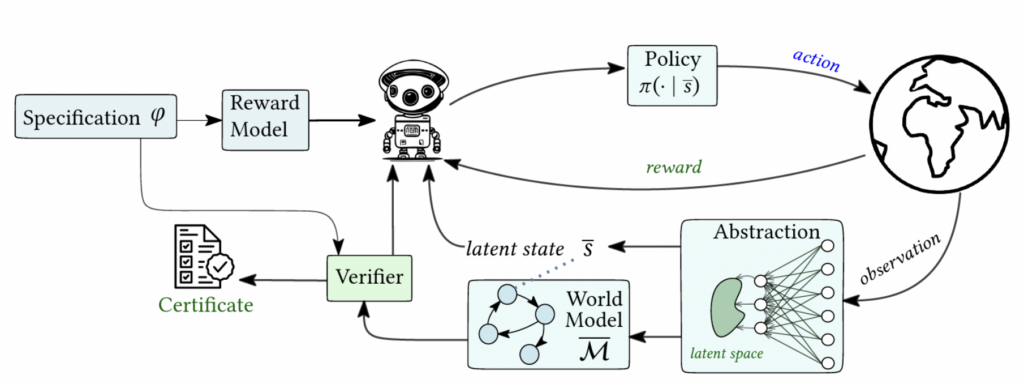
Florent Delgrange Wins AAMAS 2026 Blue Sky Award for Foundation World Models Research
Florent Delgrange received the Best Blue Sky Paper Award at AAMAS 2026 for his research on Foundation World Models for agents that adapt in dynamic environments. His work addresses the challenge of ensuring that autonomous agents continue to learn effectively while maintaining reliable behavior in changing conditions. This research is significant as it proposes a structured approach to agent learning that integrates reinforcement learning and formal methods. Delgrange emphasizes the need for agents to adapt to evolving environments while ensuring that their decision-making remains trustworthy, highlighting the importance of continuous reliability in real-world applications. Looking ahead, Delgrange envisions a foundation world model that is reusable across various tasks and adaptable to changing conditions. This model aims to enhance decision-making by providing agents with a comprehensive understanding of their environment, which is crucial for maintaining safety and performance in multi-agent systems. No further timeline was disclosed at the time of publication.

Robots Start Adapting Their Forms to Environments at WRC 2023
At this year's WRC, an intriguing trend emerged: robots are beginning to adapt their physical forms to better suit their environments. While discussions in the past focused on advanced models and capabilities, the practical need for adaptability became evident when robots faced real-world challenges, such as navigating through doorways or adjusting to varying heights of workspaces. This shift in focus is significant as it highlights the importance of deploying robots in environments where they can operate effectively. Companies are now reconsidering robot designs to enhance their adaptability, with many opting for the Marvin humanoid arm from Tianji to improve flexibility. This arm allows robots to adjust their physical configurations, enabling them to perform tasks in diverse settings. Looking ahead, the industry must continue to explore how robots can integrate into existing human environments. The ability of robots to navigate and operate in spaces designed for humans is crucial for their long-term functionality. No further timeline was disclosed at the time of publication.
Robotics Adaptive Technology Industrial Automation AI Mobility Solutions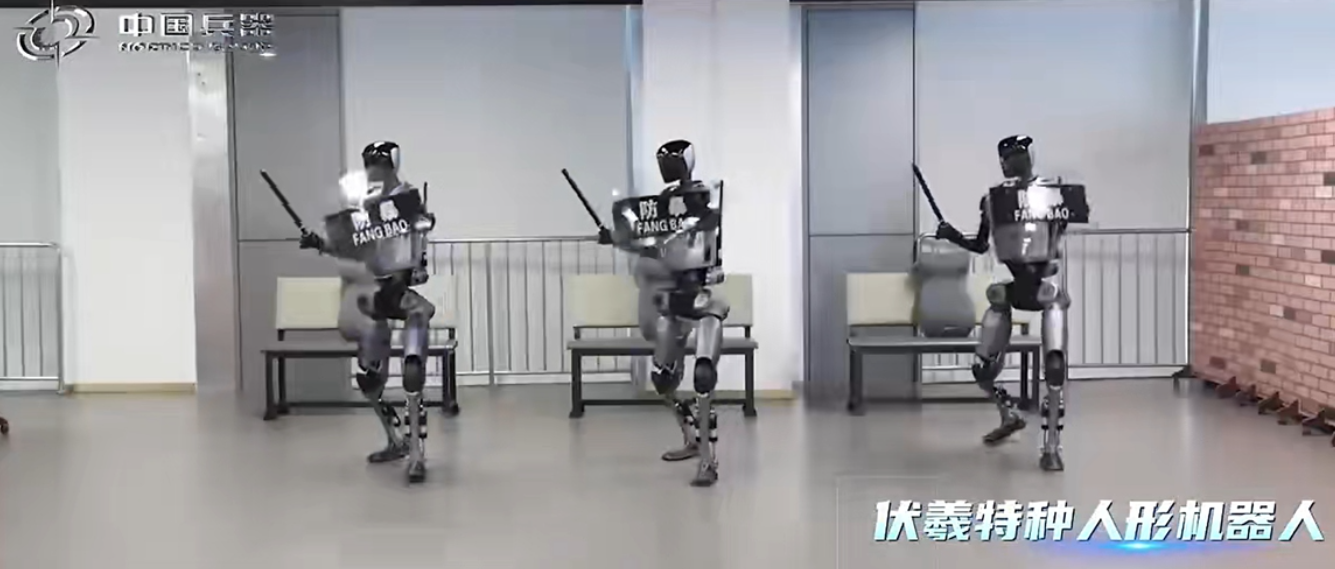
NORINCO Launches Fuxi Humanoid Robot for Remote Operations in Dangerous Environments
On August 19, NORINCO unveiled its full-size humanoid robot, Fuxi, at the 2026 World Robot Conference in Beijing. This robot is designed for remote human control in hazardous areas, utilizing a system that allows operators to replicate their movements in real-time. Fuxi aims to operate in environments where humans cannot or should not go, such as nuclear disaster sites or areas under enemy fire. The significance of Fuxi lies in its advanced capabilities for reconnaissance, intelligent patrolling, and operations in dangerous zones. It can identify personnel and issue alerts, and multiple Fuxi robots can work collaboratively. During the conference, Fuxi demonstrated its ability to perform urban patrols at night, showcasing its practical capabilities in multi-robot management and response. Fuxi is built using entirely domestically developed technology, focusing on human-robot perception and coordination. This development marks a significant step for China in military and special operations robotics, distinguishing itself from consumer and industrial robots. No further timeline was disclosed at the time of publication.
Humanoid Robots Remote Operation Technology Military Robotics Hazardous Environment Robotics
Light-Powered Nanorobots Developed to Collect and Transport Bacteria in Microbial Environments
Researchers at Julius-Maximilians-Universität Würzburg have developed tiny light-powered nanorobots capable of hunting down and collecting bacteria. These microdrones, measuring less than one micrometer, utilize photon recoil for propulsion and can maneuver effectively in microscopic environments. This advancement represents a significant step towards direct manipulation of biological materials in water, addressing longstanding challenges in the field. The ability to control and transport bacteria with these nanorobots could revolutionize microbiology and biomedical research. By simplifying their design and steering system, the researchers have created devices that can efficiently scan and clean microscopic environments. This innovation not only enhances our understanding of the microbial world but also opens up new possibilities for applications in various scientific fields. Looking ahead, the continued development of these nanorobots may lead to their use in precise material manipulation and environmental cleaning at the microscopic level. As researchers refine their capabilities, the potential for these tiny machines to impact scientific research and practical applications will become increasingly significant. No further timeline was disclosed at the time of publication.

MIT Develops SceneSmith: AI Agents Create Virtual Environments for Robot Training
MIT has introduced SceneSmith, a system utilizing AI agents to generate realistic 3D environments for robot training. This innovation addresses the challenge of providing diverse and rich simulation content, which is crucial for robots to learn effectively. By employing a vision-language model, SceneSmith creates detailed indoor scenes that allow robots to practice various tasks before real-world deployment. The significance of SceneSmith lies in its ability to enhance the training process for robots, reducing the time engineers spend on real-world testing. The system constructs scenes with up to six times more objects than previous methods, enabling robots to learn complex skills in a controlled virtual setting. This advancement could lead to more efficient and effective robot training, ultimately accelerating their integration into everyday tasks. Looking ahead, the researchers aim to further refine SceneSmith and explore its applications in diverse robotic tasks. The ability to simulate realistic environments will be critical as robots become more prevalent in various sectors. No further timeline was disclosed at the time of publication.

AI Makeup Assistant Iron Bestie Wins Top Honors at Hong Kong Hackathon
Iron Bestie, a personalized makeup assistant, won first place at Hong Kong's inaugural physical AI hackathon, outperforming over 160 global competitors. The robotic arm demonstrated its capabilities by applying lipstick while integrating with a user's daily schedule, showcasing advanced vision-language models and voice recognition technology. This achievement highlights the growing intersection of AI and personal care, emphasizing how technology can enhance daily routines. The use of local redaction middleware also underscores the importance of data privacy in AI applications, ensuring that sensitive user information remains secure during operation. Looking ahead, the success of Iron Bestie may inspire further innovations in the beauty tech sector. The unique collaboration between Luo Yuqing, a novice coder, and Zeng Yitao, an experienced algorithm developer, illustrates the potential for diverse skill sets to drive advancements in robotics and AI. No further timeline was disclosed at the time of publication.

RL-100 Framework Enhances Robot Task Learning in Dynamic Environments
Robots are increasingly being integrated into diverse environments such as homes, offices, factories, and healthcare facilities. However, many of these robots struggle to maintain performance in unpredictable real-world situations compared to their effectiveness in controlled lab settings. The RL-100 framework addresses this challenge by enabling robots to refine their learned tasks amidst real-world disruptions. This advancement is crucial as it enhances the adaptability and reliability of robots in various applications, ensuring they can operate effectively in dynamic conditions. Looking ahead, the implementation of the RL-100 framework could significantly improve the performance of robots across multiple sectors. Continued developments in this area will be essential for maximizing the utility of robotic systems in everyday environments. No further timeline was disclosed at the time of publication.
Robotics
US FCC Implements Ban on Foreign-Made Robots to Protect Domestic Industry
The US Federal Communications Commission (FCC) has enacted a comprehensive ban on the import of foreign-made advanced robots, including humanoid, quadrupedal, and wheeled robots. This decision is driven by concerns over national security and the need to protect the domestic robotics industry from Chinese competition. This move marks a significant shift in the perception of robotics, which is now seen as a critical frontier in the AI industry rather than merely a source of inexpensive goods. The ban could hinder the growth of the US robotics sector, which is still developing, as it relies heavily on affordable Chinese robots for research and development. As the FCC's ban includes various exceptions, the actual impact remains uncertain. However, the symbolic significance is clear: the US government views humanoid robots as a key aspect of its AI strategy. The challenge lies in whether this protectionist approach will slow down advancements in robotics research due to the loss of accessible resources for researchers.
Robotics AI Trade Policy Research and Development
AeroVironment Enhances Mayhem 10 Drone with Autonomous Swarm Capabilities for Military Use
AeroVironment is enhancing its Mayhem 10 launched effects system by integrating autonomous swarm capabilities through a partnership with Applied Intuition. This new software allows multiple Mayhem 10 drones to coordinate missions under a single operator's supervision, addressing future U.S. Army requirements for autonomous systems that extend battlefield reach and reduce soldier workload. The integration of Applied Intuition’s Acuity ISR/Strike software enables collaborative behaviors among Mayhem 10 aircraft, allowing them to share targeting information and adapt to threats in real-time. A recent demonstration showcased the drones' ability to synchronize actions during various test scenarios, highlighting the importance of autonomous systems in modern military operations. Looking ahead, the flexibility of the Mayhem 10 platform, which can carry payloads of up to 10 pounds and operate in GPS-denied environments, positions it as a versatile tool for intelligence, surveillance, and precision strikes. No further timeline was disclosed at the time of publication.
Military
Building Trust with Robots in Sensitive Environments: A Call for Verification
In modern warehouses, hospitals, and hotels, non-human colleagues such as cleaning robots, delivery vehicles, and drones are increasingly present. However, the protocols for vetting these autonomous systems remain undeveloped. Unlike human visitors, who undergo background checks and credentialing, robots enter facilities with minimal scrutiny, raising security concerns. The integration of connected machines poses risks, as they can be exploited by attackers or malfunction due to untested behaviors. Autonomous systems may fail in unpredictable ways, leading to potential harm without malicious intent. The industry must prioritize independent verification, continuous monitoring, and thorough testing of these systems to ensure safety and reliability. As the telecommunications and connectivity sectors evolve, they must focus on establishing trust boundaries for every robot or autonomous system entering a facility. This includes authentication, access restrictions, hardware and software validation, and ongoing oversight. The same skepticism applied to unverified human visitors should extend to machines and intelligent agents.
Robotics Safety Standards Autonomous Systems AI Verification
An In-Depth Analysis of Wall-Climbing Robots: Adaptation, Adhesion, and Motion Control
The Journal of Field Robotics has published a comprehensive review focusing on wall-climbing robots, detailing their environmental adaptation, adhesion mechanisms, and motion control strategies. This review highlights the various technologies employed in these robots to navigate vertical surfaces effectively. Understanding the capabilities of wall-climbing robots is crucial as they have significant applications in inspection, maintenance, and exploration tasks across various industries. The review emphasizes the importance of adhesion mechanisms, which are vital for the robots' ability to operate in diverse environments without falling. Looking ahead, advancements in motion control and adhesion technologies will be essential for enhancing the performance of wall-climbing robots. No further timeline was disclosed at the time of publication.
SURVEY ARTICLE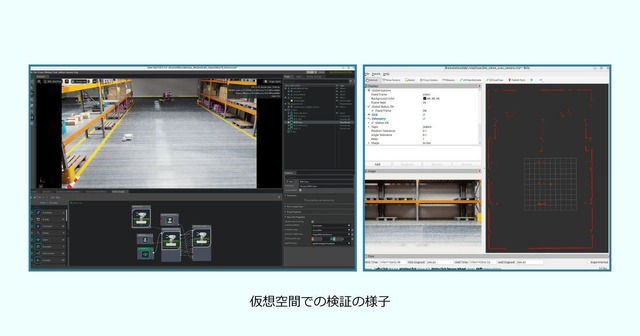
Attract Lab Develops Digital Twin Environment Using NVIDIA Isaac Sim for Field Robot Validation
Attract Lab has established a digital twin development environment utilizing NVIDIA Isaac Sim. This integration allows for high-precision validation of their AI autonomous control system, AT-SYNAPSE, and ROS 2-based control stack for field robots before physical deployment. The field robot, AT-CART8, can be tested in a virtual space without modifying its control stack, leading to reduced prototype iterations, shorter development times, and improved quality. The significance of this development lies in addressing the challenges of testing field robots in real environments, particularly in logistics warehouses and medical facilities where safety and operational constraints limit validation time. Attract Lab aims to replicate real-world environments as digital twins, enabling thorough testing of the AT-CART8's autonomous movement, obstacle avoidance, and safety protocols in a controlled setting. Looking ahead, Attract Lab plans to fully integrate this environment into the development processes for UAVs, UGVs, and USVs, enhancing collaboration with companies and research institutions for joint development. The goal is to create a new development and deployment process that allows for virtual testing before actual implementation in customer facilities, thereby improving lead times and development quality.

Advancements in Robots Learning to Operate in Real-World Environments
The article discusses the latest developments in robotics, focusing on robots that are capable of learning to function effectively in real-world settings. These advancements mark a significant shift from traditional imitation-based learning to more adaptive and intelligent systems. This evolution in robotic technology is crucial as it enhances the ability of robots to perform complex tasks in dynamic environments, which is essential for various applications in industries such as manufacturing and logistics. The ability to learn and adapt in real-time can lead to increased efficiency and productivity. Looking ahead, the ongoing research and development in this area will be pivotal. Stakeholders should monitor the progress of these learning robots, as their deployment could revolutionize operational processes across multiple sectors. No further timeline was disclosed at the time of publication.
Focus
AI Agents Develop Virtual Environments for Robot Training Using SceneSmith System
AI agents have developed the SceneSmith system, which creates realistic 3D environments such as kitchens and hotels for robot training. This innovative approach allows robots to simulate everyday tasks, enhancing their operational capabilities. The significance of this development lies in its potential to address the skills gap in the manufacturing sector. With over 2 million jobs projected to remain unfilled due to a shortage of skilled workers, effective training solutions like SceneSmith are crucial for preparing the workforce of the future. Looking ahead, the integration of AI in training environments will likely continue to evolve, providing robots with the necessary data to perform complex tasks. No further timeline was disclosed at the time of publication.
University of Toronto Engineers Develop Six New Metal Alloys for Extreme Environments
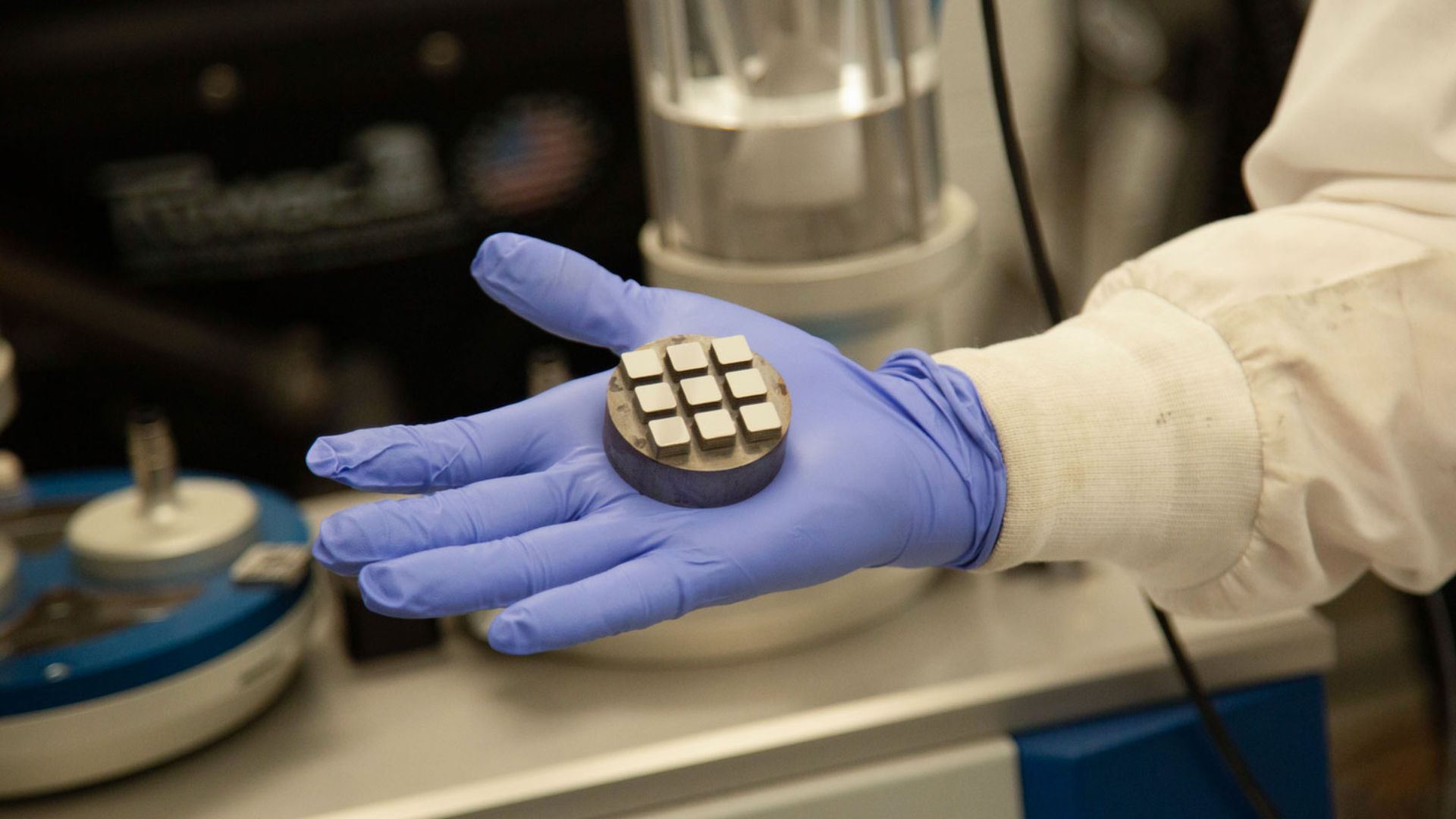
Researchers at the University of Toronto Engineering have created six innovative metal alloys using an AI-driven discovery platform. These alloys are designed to enhance the durability of components in jet engines and nuclear reactors, capable of withstanding temperatures exceeding 1,832°F. The AI-assisted approach significantly accelerates the identification of high-performance materials, demonstrating the potential for rapid advancements in material science. The significance of this development lies in the growing demand for materials that can endure extreme temperature and pressure fluctuations, which are common in applications like jet engines and nuclear power plants. Yu Zou, the project leader, emphasized the need for materials that can be produced through 3D metal printing, allowing for the creation of complex components that traditional manufacturing methods cannot achieve. Looking ahead, the researchers aim to further refine their AI-driven system to explore additional material compositions. No further timeline was disclosed at the time of publication, but the initial success in identifying six new alloy formulations suggests a promising future for advanced materials in extreme environments.
AI and Robotics Energy Innovation
China's Robots Learning Human Skills Through Real-World Simulations
In a discreet industrial park in suburban Beijing, a humanoid robot is meticulously stacking bags of chips on a shelf. Nearby, workers are filming their actions of folding sheets and handling cushions, which will serve as 'textbooks' for the robots. China is undertaking a significant initiative to transition robots from laboratories to simulated environments like supermarkets, factories, and homes to learn human skills, and the scale of this 'internship' is rapidly expanding. This initiative is crucial as robots need to understand the physical world's rules, such as how to hold an egg without breaking it or catch a cup of water before it slips off a tray. Unlike the U.S., which relies on data purchasing and low-cost data collection in countries like India and Vietnam, China has established at least 64 data collection and training centers nationwide, with over 20 more under construction. At the Beijing Humanoid Robot Innovation Center, more than 120 robots are being trained across 30 scenarios in six major sectors, forming a comprehensive 'robot training network' across the country. As hardware advancements continue, Chinese robotics companies are focusing on enhancing their AI capabilities. Yushu Technology is preparing for an IPO, pledging nearly half of its $610 million fundraising to AI model development. By mid-2026, funding in China's embodied intelligence sector has already exceeded 90 billion yuan, five times that of the previous year. With plans to deploy over 1,000 humanoid robots in factories this year and more than 10,000 by 2027, China is leveraging its organizational capabilities to collect data at scale, positioning itself advantageously in the race towards general intelligence.
Humanoid Robots AI Robotics Training Data Collection Automation
Engineers Create Autonomous Four-Legged Robot That Adapts Gait to Environment
Engineers have developed a groundbreaking four-legged robot capable of autonomously determining its walking strategy based on its environment. This innovative robot can adjust its gait when navigating stairs, leap over gaps, and maintain balance on uneven forest trails. The significance of this development lies in its potential applications across various fields, including search and rescue operations, outdoor exploration, and even entertainment. By mimicking the adaptive movement of animals and humans, this robot represents a significant advancement in robotics, enhancing mobility and versatility in challenging terrains. Looking ahead, the focus will be on further refining the robot's capabilities and exploring its deployment in real-world scenarios. No further timeline was disclosed at the time of publication.
Robotics
BF-GNet: A Network for RGB-D Fusion in Grasp Pose Estimation
The article discusses BF-GNet, a novel RGB-D fusion network designed for grasp pose estimation in complex background environments. This technology aims to enhance robotic manipulation capabilities by accurately determining grasp poses despite challenging visual conditions. The significance of BF-GNet lies in its potential to improve the efficiency and reliability of robotic systems in real-world applications. By effectively integrating RGB and depth data, the network addresses common challenges faced in environments with clutter and varying textures, making it a valuable tool for advancing robotic perception. Looking ahead, the adoption of BF-GNet could lead to more sophisticated robotic applications in various sectors, including logistics and manufacturing. As the technology matures, further developments and potential collaborations may emerge to enhance its capabilities and deployment in practical scenarios. No further timeline was disclosed at the time of publication.
RESEARCH ARTICLE
Agile Multiskill Locomotion Techniques for Quadrupedal Robots in Natural Environments
A recent study published in Science Robotics explores advanced locomotion techniques for quadrupedal robots designed for outdoor environments. The research focuses on developing agile and perceptive multiskill locomotion capabilities that enable these robots to navigate complex terrains effectively. This advancement is significant as it enhances the operational versatility of quadrupedal robots, making them more suitable for various applications in challenging environments. By improving their ability to adapt to different terrains, these robots can be utilized in fields such as search and rescue, environmental monitoring, and exploration. Looking ahead, the implications of this research could lead to further innovations in robotic mobility and autonomy. No further timeline was disclosed at the time of publication.
Research Article
AI Agents Develop Virtual Environments for Essential Robot Training Data
Robots are becoming more visible in public spaces, captivating onlookers. However, they still lack the versatility needed for tasks in kitchens or factories, primarily due to a significant data bottleneck. Similar to human learning, robots acquire skills through experience, but the process of physically training them in various environments is labor-intensive and time-consuming. This challenge highlights the need for innovative solutions to streamline robot training. By utilizing AI agents to create virtual playgrounds, developers can simulate diverse scenarios, allowing robots to learn efficiently without the constraints of physical environments. This approach could significantly reduce the time and resources required for training, ultimately accelerating the deployment of robots in practical applications. Looking ahead, the development of these virtual training environments may pave the way for more capable robots in various industries. As AI technology continues to evolve, it will be essential to monitor advancements in virtual training methodologies and their impact on robot performance and adaptability. No further timeline was disclosed at the time of publication.
Robotics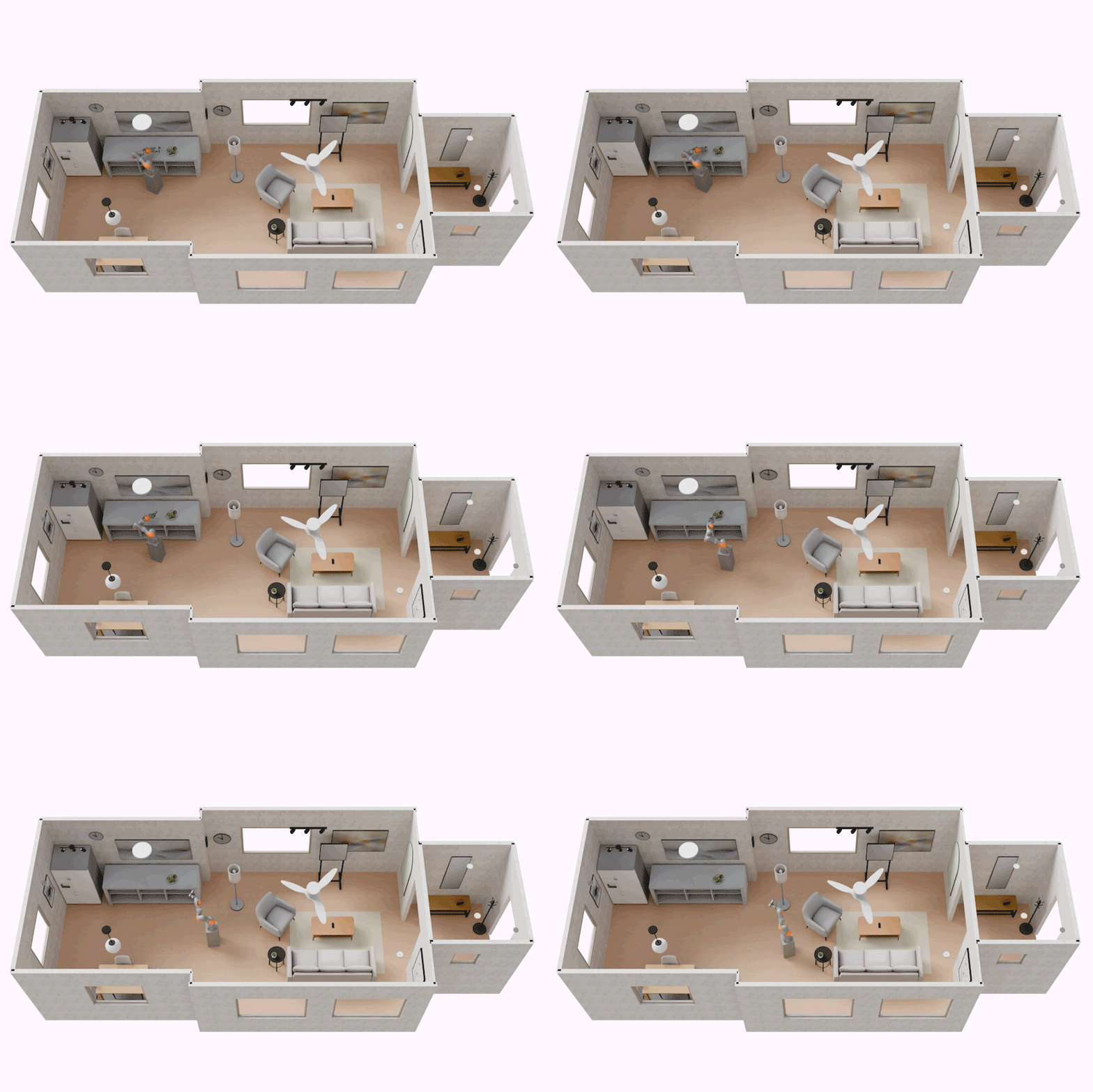
MIT and Toyota Develop SceneSmith to Enhance Robot Training with AI-Generated Environments
MIT and the Toyota Research Institute have introduced SceneSmith, a system that utilizes AI agents to create realistic 3D environments for robot training. This innovation addresses the significant challenge of generating diverse simulation content, which is crucial for teaching robots various tasks in a cost-effective manner. The SceneSmith system employs three AI agents, leveraging the advanced vision-language model GPT-5.2, to design intricate indoor scenes. These environments, featuring up to six times more objects than previous methods, allow robots to practice skills in a rich virtual playground, ultimately reducing the need for extensive real-world testing. As the research progresses, the effectiveness of these AI-generated environments will be closely monitored. The team has already demonstrated that robots can successfully navigate and perform tasks in these virtual settings, indicating a promising future for robotic training methodologies. No further timeline was disclosed at the time of publication.
Research Robotics Artificial intelligence Simulation Computer science and technology Machine learning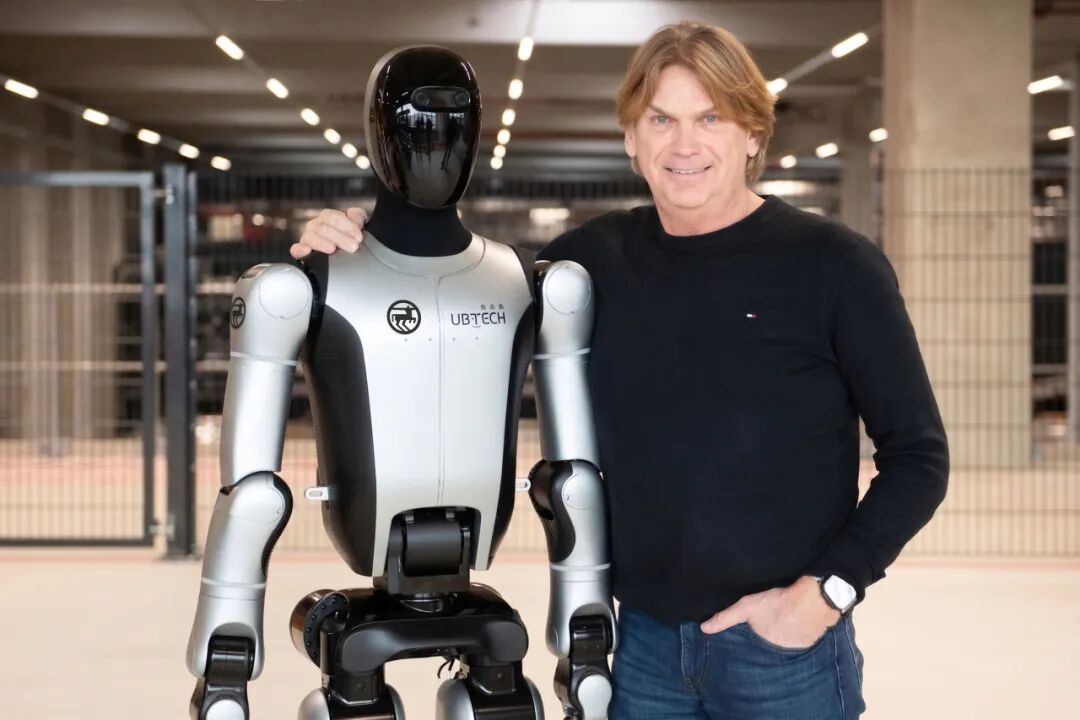
UBTECH Collaborates to Enhance Global Reach of Humanoid Robots in European Retail Logistics
UBTECH has announced partnerships aimed at accelerating the deployment of humanoid robots in European retail logistics environments. This initiative is part of UBTECH's broader strategy to expand its global footprint and enhance operational efficiencies in logistics through advanced robotics technology. The significance of this collaboration lies in its potential to transform retail logistics by integrating humanoid robots, which can streamline operations, reduce labor costs, and improve service delivery. As the demand for automation in logistics grows, UBTECH's efforts may set a precedent for the adoption of robotics in various sectors across Europe. Looking ahead, industry stakeholders should monitor UBTECH's progress in deploying these humanoid robots and the impact on logistics operations. The effectiveness of these robots in real-world applications will be crucial in determining the future of robotics in retail logistics. No further timeline was disclosed at the time of publication.

MIT and EPFL Develop Aerial-Aquatic Robot for Enhanced Environmental Studies
In a groundbreaking demonstration, two full teams of humanoid robots engaged in an 11-vs-11 soccer match at RoboCup 2026 in Incheon, South Korea, marking a significant milestone in robotic sports. This event showcased the advancements in humanoid robotics, with Tech United competing against IRIS, bringing the vision of robot soccer closer to reality. The significance of this event lies in its potential to drive interest and investment in humanoid robotics and AI technologies. As robots like Boston Dynamics' Atlas perform in front of large audiences, the market for humanoid robots in entertainment and practical applications is expected to grow. Additionally, the introduction of advanced robotic hands by 1X, featuring 25 degrees of freedom, highlights the ongoing evolution in dexterity and manipulation capabilities. Looking ahead, the next major robotics events include the Summer School on Multi-Robot Systems in Prague from July 29 to August 4, 2026, and IROS 2026 in Pittsburgh from September 27 to October 1, 2026. These gatherings will likely showcase further advancements in robotics and provide a platform for collaboration and innovation in the field. No further timeline was disclosed at the time of publication.
Video-friday Humanoids Robotics World-cup
Chinese Companies Explore World Models for AI Simulation of Environments
Artificial intelligence is evolving with a focus on 'world models,' which simulate environmental responses to actions. This shift is gaining traction among Chinese companies, expanding the application of these models beyond traditional physics and robotics. The technology is still developing, with no clear consensus on its final form, indicating a significant area of exploration for AI advancements. The significance of world models lies in their potential to enhance AI's predictive capabilities, allowing systems to anticipate changes in both physical and digital environments. This could lead to improved decision-making processes across various sectors, as companies leverage these models to better understand and interact with their surroundings. The growing interest from major tech firms highlights the competitive landscape surrounding this emerging technology. Looking ahead, the development of world models is expected to progress, although specific timelines for advancements or implementations remain undisclosed. As the industry continues to explore this frontier, stakeholders should monitor the evolution of standards and applications that will shape the future of AI simulation technologies.

Cyborg Cockroaches Equipped with Diving Suits Achieve Three-Hour Submersion
Researchers have developed a miniature diving suit for cyborg cockroaches, allowing them to navigate both land and water environments. This innovation enables the cockroaches to survive underwater for up to three hours, showcasing their amphibious locomotion capabilities. The study highlights the potential applications of biohybrid systems in hazardous environments, where traditional robots may struggle to operate effectively. The significance of this development lies in its implications for search and rescue operations, environmental monitoring, and exploration of submerged terrains. By integrating biological organisms with robotic technology, researchers aim to enhance the adaptability and functionality of robotic systems in challenging conditions. This approach could lead to advancements in the field of biohybrid robotics, where living organisms and machines work in tandem. Looking ahead, the research team is expected to explore further enhancements to the diving suit's design and functionality. No further timeline was disclosed at the time of publication, but ongoing studies may reveal additional capabilities or applications for these cyborg cockroaches in various operational scenarios.

Advances in Robots to See & Interpret within Warehouse Environments
Computation is the largest hurdle. 360-degree sensor data that is granular enough to detect small obstacles in the environment is very large. For Stretch to have a real time reaction, that data has to be processed at a very high rate.

Open Models, Closed Environments: Palantir Brings Secure AI to US Agencies With NVIDIA Nemotron
Palantir Technologies unveiled its latest intelligent engine today, emphasizing the significance of open source innovation in the development of artificial intelligence for U.S. government agencies. This new engine leverages NVIDIA's Nemotron open models, highlighting a commitment to utilizing open source software, which has been a foundational element in the evolution of technology. The introduction of this engine aims to enhance the capabilities of government operations by providing advanced AI solutions tailored to meet their specific needs. By integrating open source resources, Palantir seeks to foster collaboration and drive innovation within the AI sector, ultimately benefiting public sector initiatives.

Robots that can identify materials and map unknown environments could aid nuclear and defense sectors
Researchers at the University of Surrey are developing advanced robots capable of surpassing human vision, creating live 3D maps of unfamiliar environments, and determining the composition of various objects. This innovative technology, which is currently in development, has the potential to revolutionize several fields, including nuclear inspection, rail and building safety, and search and rescue operations in combat zones. By enhancing robotic capabilities, the team aims to improve safety and efficiency in critical situations where human intervention may be risky or impractical. The project highlights the university's commitment to pioneering research that addresses real-world challenges through cutting-edge technology.
RoboticsRobotics needs a service framework.
RSF defines a common language for robot service capability, lifecycle operations, certification pathways, and service-provider networks.
Join the RobotToday community on LinkedIn
Daily robotics news, in-depth analysis, conference highlights, and discussions with professionals worldwide.