

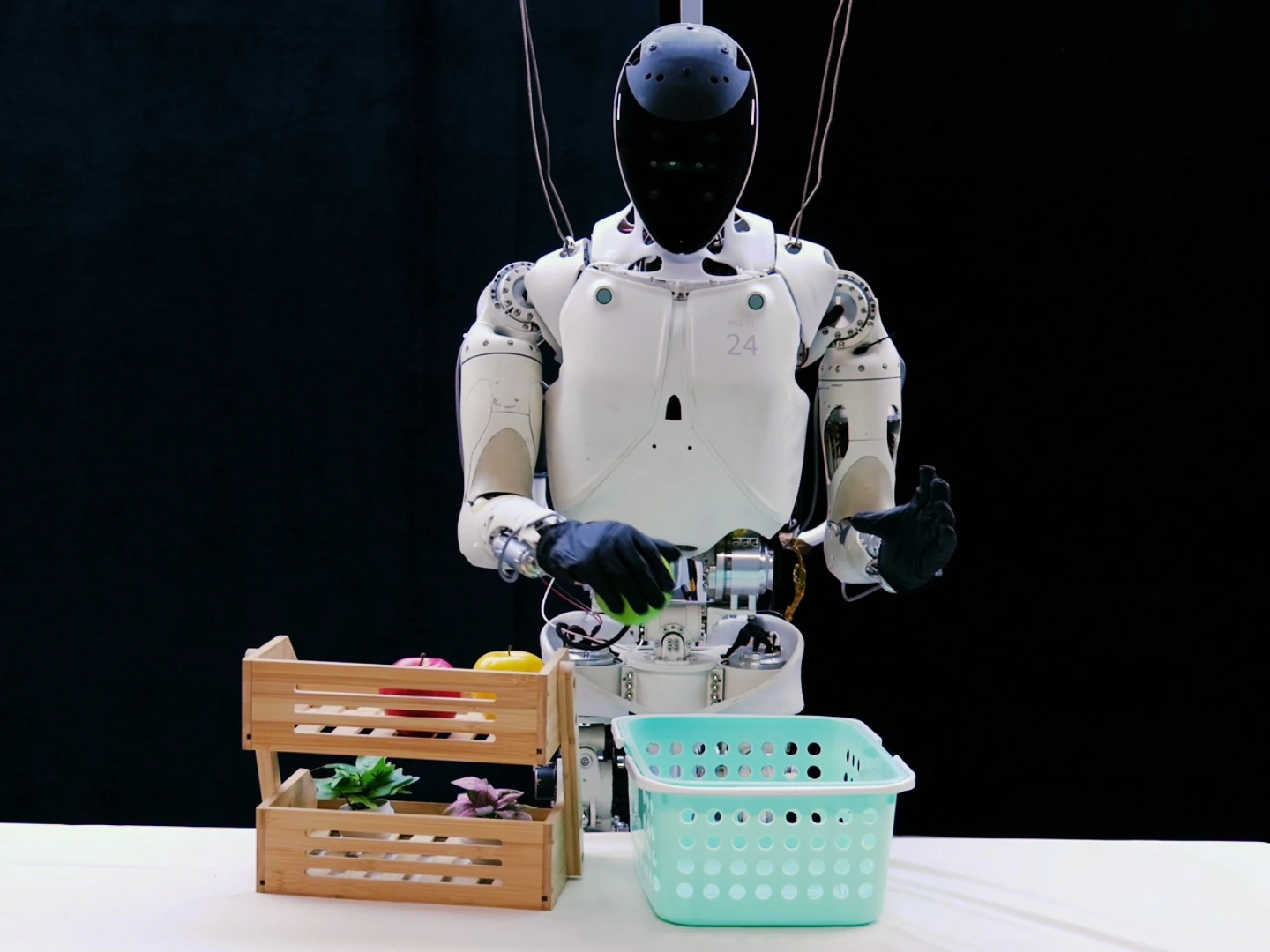
XPENG Robotics has unveiled XPACE, a novel system designed to enhance the learning capabilities of its IRON humanoid robot. By utilizing 5,000 hours of human activity videos and simulated mistakes, XPACE aims to improve robot performance without the need for direct human demonstrations in every scenario. The system's innovative approach addresses a critical challenge in robotics training.
The significance of this development lies in its potential to advance humanoid robotics by enabling robots to learn from a broader range of experiences. XPENG's XPACE achieved an average success rate of 68.3% in tasks such as banana placement and water pouring, outperforming competitors like DreamZero and GR00T. This progress indicates a promising direction for the future of autonomous learning in robotics.
Looking ahead, XPENG's research highlights the importance of continuous improvement in robotic training methodologies. While the results are encouraging, the authors note that further optimization and testing are necessary to fully understand the benefits of the XPACE system. No further timeline was disclosed at the time of publication.
Editor's Note
The introduction of XPENG's XPACE system marks a significant step forward in the field of humanoid robotics. By leveraging extensive video data and simulated learning scenarios, XPENG is addressing the critical need for more efficient training methods. This innovation could reshape how robots are developed and deployed in various applications, enhancing their adaptability and performance in real-world situations.


























Leave a comment