

Industry Briefing
A single destination for timely, editor-curated robotics news from around the world.

Surge in Humanoid Robot Sales Driven by High-Performance Models, Reports Frost & Sullivan
Sales of humanoid robots are experiencing a significant surge, primarily driven by high-performance models, according to a recent report by Frost & Sullivan. The report, released on September 28, indicates a shift in the industry from technology validation and small-scale deliveries to large-scale production and commercialization. Notably, revenue is increasingly concentrated among a few high-intelligence, high-priced models. The report forecasts that global humanoid robot sales will reach 35,000 units in 2025, generating $500 million in revenue, with sales in the first half of 2026 expected to surpass 36,000 units and $540 million in revenue. The data reveals that embodied intelligent humanoid robots will account for 8,800 units sold in 2025, representing about 25% of total sales but generating 75% of revenue, highlighting the growing demand for advanced models. Looking ahead, the report emphasizes the importance of production operations transitioning from pilot validation to paid deployment, which could significantly impact revenue generation. As the market expands, the speed of delivery from leading manufacturers like UBTECH is being outpaced by market growth, indicating a potential shift in competitive dynamics. No further timeline was disclosed at the time of publication.
Humanoid Robots Market Trends AI Robotics Industry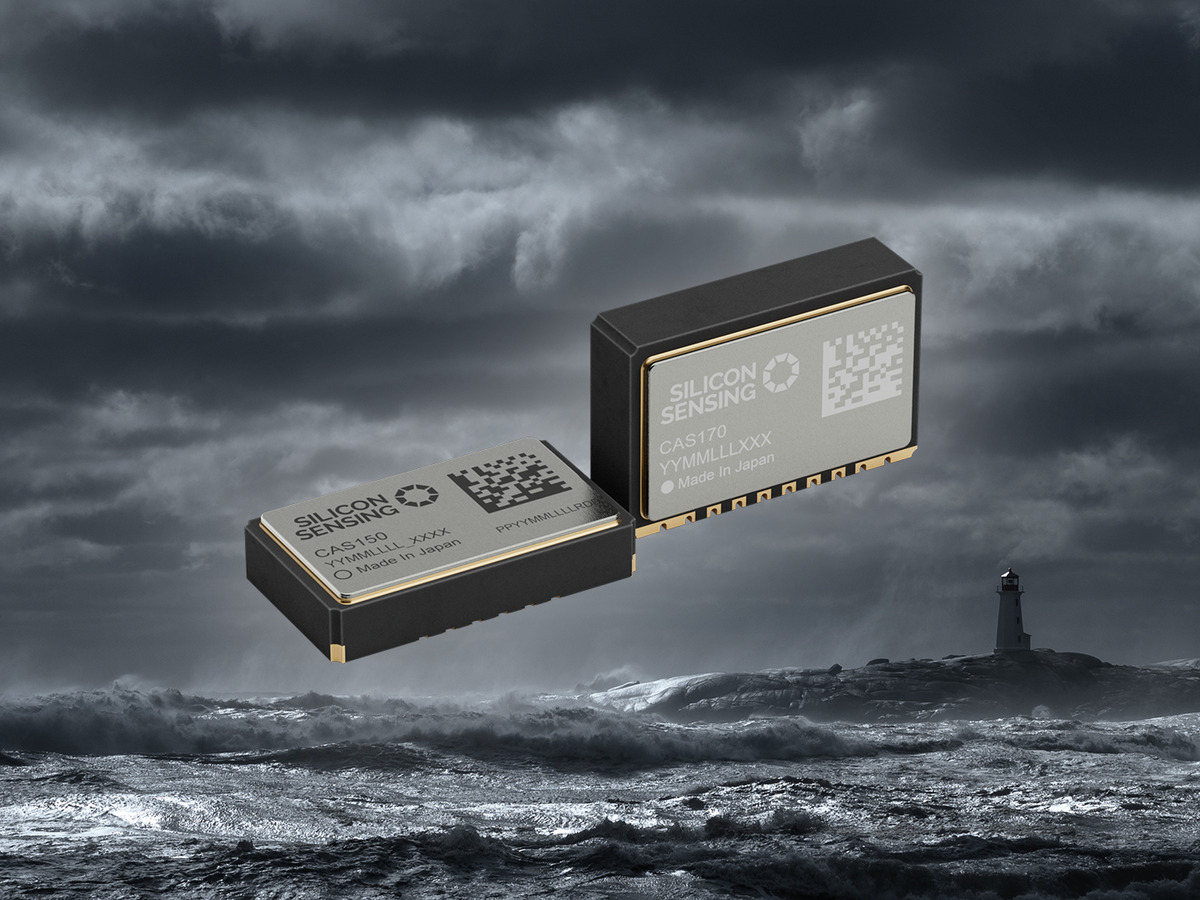
Silicon Sensing Launches Zenith®: A High-Performance Closed-loop Accelerometer for Marine Applications
Silicon Sensing has introduced the Zenith®, a closed-loop, single-axis MEMS accelerometer tailored for marine environments. This innovative device features low-noise performance and a compact design, making it suitable for critical applications in both autonomous and manned marine platforms. The significance of the Zenith® accelerometer lies in its ability to deliver precise linear-acceleration measurements, even in challenging conditions. With a robust ±14g dynamic range and exceptional signal clarity, it is designed for long-endurance operations and fast-changing scenarios, enhancing operational efficiency in marine applications. Looking ahead, the potential for the Zenith® in precise heave measurement is noteworthy. As the demand for reliable sensors in marine technology continues to grow, the integration capabilities of the Zenith® could play a crucial role in advancing marine operations. No further timeline was disclosed at the time of publication.
silicon sensing accelerometer zenith®
Teradyne Unveils Magnum E2 to Meet Demands of Next-Gen Memory Testing for AI and HPC
Teradyne, Inc. has announced the launch of Magnum E2, a high-speed memory test system designed for advanced DRAM and NAND flash interfaces, including LPDDR6, DDR6, GDDR7, and NAND flash. Built on the Near-DUT Test architecture, Magnum E2 supports both production and engineering configurations, facilitating qualification through high-volume manufacturing on a unified platform. The introduction of Magnum E2 is significant as it addresses the increasing demands for high-speed memory testing driven by AI and high-performance computing. With the transition to faster DRAM and flash devices, the system is engineered to maintain signal integrity while accommodating higher pin counts and parallelism, essential for meeting the rigorous performance standards required in AI data centers. Looking ahead, Teradyne's Magnum E2 positions memory manufacturers to adapt to the evolving landscape of memory technology. As AI continues to influence advancements in memory devices, the ability to test at higher speeds and across a broader protocol range will be crucial for manufacturers aiming to stay competitive in the market. No further timeline was disclosed at the time of publication.

WAIC 2026 Highlights: Computing Chips and Supernode Architecture Transform Embodied Intelligence
At the 2026 World Artificial Intelligence Conference (WAIC), the concept of embodied intelligence emerged as a focal point. As attendees engaged with advancements in multimodal large models, a roadmap concerning computing chips, supernode architecture, and AI application deployment began to reshape industry perceptions. A clear consensus is forming that the next phase of competition in embodied intelligence will center on systematic challenges involving computational foundations, infrastructure, and application scenarios rather than merely algorithmic metrics. According to a recent report by CITIC Securities, dedicated computing chips for embodied intelligence are becoming a critical battleground. Unlike general-purpose GPUs, these chips must provide extreme optimization for specific tasks such as low-latency inference, high parallel computing, and multi-sensor fusion. The introduction of supernode architecture indicates a pathway for the large-scale deployment of embodied intelligence, seamlessly connecting cloud, edge, and terminal computing resources to support a comprehensive agent framework that spans perception, decision-making, and execution. The pace of AI application deployment is exceeding expectations, with embodied intelligence technologies rapidly transitioning from laboratories to real-world scenarios, including logistics sorting and home companionship services. Companies like Jieyue Xingchen have achieved initial commercial validation across various verticals, lowering development barriers and accelerating product iteration cycles. As the integration of large language model inference capabilities with robotic motion control deepens, a new 'agent economy' is gradually taking shape. No further timeline was disclosed at the time of publication.
Embodied Intelligence Computing Chips Supernode Architecture AI Applications Industry Innovation
Digua Robot CEO Highlights Lack of Industry Standards for Chip Computing Power
During a media briefing on July 15, Digua Robot's CEO, Wang Cong, stated that there are currently no industry standards for the computing power required for embodied intelligence chips. He emphasized the uncertainty surrounding chip performance, data standards, algorithms, and practical applications in the sector. Wang noted that Digua Robot is among the few companies already delivering products, having partnered with over 20 leading clients, including companies like Shizhi Navigation and UBTECH. Their Sun S600 chip is set to be deployed in various scenarios, including humanoid robots and industrial applications, with significant progress reported in the past six months. Looking ahead, Wang believes that the industry is not yet in a phase of intense competition, as many players have yet to produce viable products. He highlighted the importance of refining product quality and responding to customer needs, while also addressing the challenges of cost-effectiveness and system integration in deployment processes. No further timeline was disclosed at the time of publication.
Embodied Intelligence Chip Technology Robot Partnerships Industrial Automation
Shenzhen Company Stella-Robot Introduces Affordable Robotic Hands with High Performance
At the 2026 World Artificial Intelligence Conference, Shenzhen-based Stella-Robot unveiled its innovative robotic hands, the Pantheon Hand 20 and Gaia Hand 20. The Pantheon Hand 20, weighing only 290 grams, can grip up to 50 kilograms, thanks to its unique 'drive separation' technology that relocates the drive unit away from the hand itself. This breakthrough in design allows for a lightweight yet powerful robotic hand, making advanced robotics more accessible. The Gaia Hand 20 features a modular design with a quick-change joint system, enabling easy repairs without returning the entire unit. Priced at 16,999 yuan, the affordability of these products marks a significant shift in the robotics market, previously dominated by high-cost alternatives. Stella-Robot's products are already being utilized in top universities and research institutions, indicating their potential impact on the field of embodied intelligence. As the cost of robotic hands drops from the millions to tens of thousands, the company is poised to democratize advanced robotic capabilities for developers everywhere. No further timeline was disclosed at the time of publication.
Robotic Hands Modular Robotics AI Technology Automation Precision Engineering
MIT's Julia Language Transforms Scientific Programming with High Performance and Ease of Use
In 2009, a group of MIT researchers initiated a project to develop Julia, a high-performance programming language aimed at simplifying complex mathematical operations for scientists and engineers. This initiative arose from frustrations with existing programming languages that were slow and inflexible, requiring extensive rewrites for efficiency. Julia has since gained over 1 million users globally, being utilized in diverse fields from aerospace to astronomy. The significance of Julia lies in its ability to facilitate scientific applications without requiring users to be expert programmers. Its unique just-in-time compilation method enhances performance, making it a preferred choice among multidisciplinary teams. JuliaHub co-founder Viral Shah emphasizes the goal of empowering scientists and engineers to express their ideas effectively while achieving optimal software performance. Recently, JuliaHub launched Dyad 3.0, an AI platform designed to expedite the development of complex physical systems. This tool allows engineers to automate the design process, exemplified by its capability to design aircraft based on uploaded data and documents. The ongoing evolution of Julia and its applications continues to address the needs of researchers and engineers in various industries.
Programming Software Startups Artificial intelligence Innovation and Entrepreneurship (I&E) Computer Science and Artificial Intelligence Laboratory (CSAIL)
Waymo Unveils Nvidia-Powered Computing System for Enhanced Robotaxi Performance
Waymo has disclosed new technical specifications of its onboard computing system that powers its autonomous driving technology. This system features a custom-built 5 nm ASIC that delivers over 1,000 TOPS of machine learning performance, designed to operate under challenging conditions encountered by its autonomous vehicles. The significance of this development lies in its ability to provide millisecond-level response times, which are crucial for the Waymo Driver's complete driving task. Unlike traditional driver-assistance systems, the Waymo Driver operates independently, necessitating a robust computing architecture that ensures low latency, reliability, and redundancy based on insights from over 200 million miles of autonomous driving. Looking ahead, Waymo has scaled its computing power by 20 times in the last eight years, focusing on ultra-low latency to enhance responsiveness in complex environments. The company emphasizes the importance of reducing “pixels-to-actuation” latency to achieve fast decision-making capabilities, which will be critical as it expands its commercial robotaxi operations.
Autonomous Vehicles Computing Features accelerated computing amd artificial intelligence
Syensqo Expands Havre de Grace Facility to Boost Aerospace Material Production by 30%
Syensqo, a global aerospace company, is expanding its Havre de Grace facility to enhance its manufacturing capabilities by over 30%. This multi-million-dollar investment aims to strengthen the company's U.S. manufacturing footprint and support the growing demand for advanced material solutions in aerospace, defense, and automotive sectors. The expansion focuses on producing high-performance structural adhesives and surfacing products, crucial for commercial aerospace and space exploration applications. The significance of this expansion lies in Syensqo's commitment to supplying high-performance materials that contribute to safer and more sustainable products across various industries. By reinforcing its global manufacturing network, the company aims to improve supply reliability and efficiency, addressing the increasing customer demand for adhesive and bonding materials. This move is part of Syensqo's broader strategy to lead in advanced materials and sustainable specialty chemicals, particularly in the aerospace sector, which is its largest market. Looking ahead, Syensqo's expansion at the Havre de Grace site marks a pivotal milestone in its growth trajectory. The company is expected to accelerate its efforts in supporting customers as they scale production, particularly in high-performance materials. No further timeline was disclosed at the time of publication, but the investment aligns with Syensqo's ongoing initiatives in electric vehicle batteries and clean energy technologies.
Science
Uplift360 Secures Multi-Year Contract with Luxembourg for High-Performance Materials Supply
Uplift360 has signed a multi-year framework agreement with the Directorate of Defence (DOD) in Luxembourg. This contract aims to enhance the supply of high-performance materials specifically for defence and aerospace applications across Europe. The agreement marks a significant step in bolstering the region's capabilities in advanced materials procurement. The importance of this contract lies in its potential to strengthen Europe's supply chain for critical materials used in defence and aerospace sectors. By partnering with Uplift360, Luxembourg aims to ensure a reliable source of high-performance materials, which are essential for the development and manufacturing of advanced technologies in these industries. This move reflects a growing emphasis on securing local supply chains amid global uncertainties. Looking ahead, stakeholders will be monitoring the implementation of this agreement and its impact on the supply chain dynamics within Europe. No further timeline was disclosed at the time of publication, but the contract is expected to play a pivotal role in enhancing material availability for defence and aerospace projects in the region.
News
SpaceX Proposes 1 Million AI Satellites to Address Ground Data Center Constraints
On January 30, 2026, SpaceX filed with the FCC to launch up to 1 million AI compute satellites, positioning orbital data centers as a solution to the increasing demand for AI computing power. Ground data centers are facing significant challenges, with energy consumption projected to reach approximately 1,050 TWh in 2026, making them the fifth-largest electricity consumer globally. The demand for new data center capacity is outpacing the growth of power generation infrastructure, leading to a critical bottleneck in the grid system. The significance of this initiative lies in the structural constraints faced by ground data centers, including power delivery limitations, high water consumption, and local opposition to new projects. The Uptime Institute's 2026 outlook identifies power as the primary constraint on data center growth, with capacity clearing prices in the PJM grid skyrocketing to $329.17/MW, driven by data center expansion. Additionally, cooling requirements are becoming increasingly unsustainable, with facilities consuming vast amounts of water, further complicating their operational viability. Looking ahead, SpaceX's orbital AI compute initiative aims to circumvent these challenges by leveraging the advantages of space, such as continuous solar power and minimal local opposition. The first AI prototypes are expected to launch in early 2027, with operational deployments planned for 2028. No further timeline was disclosed at the time of publication.
Linear System Identification and Control of a Low‐Cost High‐Performance Omnidirectional Marine Surface Vehicle for Swarming Applications
The Journal of Field Robotics has published an early view article highlighting advancements in robotic technology aimed at enhancing agricultural efficiency. Researchers from various institutions collaborated on this study, which was released in October 2023. The article focuses on the development of autonomous robots designed to optimize crop management and reduce labor costs in farming practices. This initiative is driven by the increasing demand for sustainable agricultural solutions amid a growing global population. The team employed cutting-edge artificial intelligence and machine learning techniques to enable robots to perform tasks such as planting, monitoring crop health, and harvesting with minimal human intervention. Field tests conducted in diverse agricultural settings demonstrated the robots' effectiveness in improving yield while minimizing resource usage. The findings suggest that integrating robotics into farming could significantly address labor shortages and enhance food production efficiency. As the agricultural sector faces mounting pressures from climate change and economic constraints, this research underscores the potential of technology to transform traditional farming methods and promote sustainability.
RESEARCH ARTICLE
DENSO Exhibits High-Performance Robots at Automate 2026
DENSO, a leading global automotive supplier, is set to showcase its advanced robotics technology at an upcoming industry trade show. The demonstration will feature precision 4-axis and 6-axis robots, as well as collaborative robots designed to enhance manufacturing efficiency. Scheduled for next month in Tokyo, Japan, the event aims to highlight DENSO's commitment to innovation in automation and smart manufacturing solutions. The company seeks to address the growing demand for automation in the automotive sector, driven by the need for increased productivity and reduced labor costs. By integrating cutting-edge robotics into production lines, DENSO aims to streamline operations and improve overall performance in the industry.

Epson Robots to Showcase SafeSense Technology, High-Performance, Compact SCARA and 6-Axis Solutions and First Look at Epson Collaborative Robot at Automate 2026
Epson recently showcased its diverse range of flexible and cost-effective automation solutions through interactive demonstrations. The event, held in October 2023, aimed to highlight how these innovations can enhance operational efficiency across various industries. Attendees had the opportunity to engage with the technology firsthand, witnessing the practical applications of Epson's automation tools in real-time scenarios. The demonstrations emphasized Epson's commitment to providing businesses with accessible solutions that streamline processes and reduce costs, ultimately driving productivity. By illustrating the versatility of their offerings, Epson seeks to position itself as a leader in the automation sector, catering to the evolving needs of modern enterprises.

Epson Robots to Showcase SafeSense Technology, High-Performance, Compact SCARA and 6-Axis Solutions and First Look at Epson Collaborative Robot at Automate 2026
Epson Robots, recognized as the leading manufacturer of SCARA robots globally, is set to unveil its latest automation innovations on June 18, 2026, in Los Alamitos, California. The showcase will feature the company's advanced automation portfolio, highlighting its SafeSense™ technology alongside high-performance SCARA and 6-Axis robotic solutions. This event aims to demonstrate Epson's commitment to enhancing automation capabilities in various industries, providing attendees with a preview of the upcoming advancements in robotic technology.
SCARA Industrial Robots Robotics Automation Collaborative Robots
Improving the performance of high-power electronics
Researchers have discovered that applying a thin layer of diamond can significantly enhance the speed and energy efficiency of next-generation wireless devices. This innovative approach addresses the challenge of excessive heat generated during device operation, which has been a limiting factor in the performance of modern technology. The findings, which emerged from ongoing studies in advanced materials science, highlight the potential for diamond to serve as an effective thermal management solution. This breakthrough could pave the way for faster and more efficient wireless communication, ultimately benefiting consumers and industries reliant on high-performance devices.
Research Computer chips Electronics Carbon materials Nanoscience and nanotechnology Mobile devices
Chamsen Debuts at CIBF 2026 with All-Pole Tech for High-Performance Battery Track
Chamsen, a lithium battery startup established in 2024 in Changzhou, is making its debut at the China International Battery Fair (CIBF) 2026. The company aims to address the structural supply-demand mismatch in all-pole lithium batteries, which are essential for applications in drones, humanoid robots, and data center battery backup units (BBUs). By showcasing its innovative solutions at this prominent industry event, Chamsen seeks to position itself as a key player in the rapidly evolving battery technology market.
Technology
Performance Evaluation and Improvement for RGB‐D Cameras on High‐Throughput Phenotyping Robots
In a recent study published in the Journal of Field Robotics, researchers have explored advancements in robotic technology aimed at enhancing agricultural efficiency. The study, which appears in the May 2026 issue, highlights innovative methods for deploying autonomous robots in crop management. Conducted by a team of experts in robotics and agriculture, the research took place over several months at various test sites across the Midwest. The motivation behind this research stems from the growing need for sustainable farming practices that can meet the demands of an increasing global population. By integrating advanced robotics into agricultural processes, the team aims to reduce labor costs and improve crop yields while minimizing environmental impact. The researchers utilized a combination of machine learning algorithms and sensor technology to develop robots capable of performing tasks such as planting, monitoring crop health, and harvesting. Through rigorous field tests, they demonstrated that these robots could operate efficiently in diverse conditions, adapting to changes in weather and soil quality. This groundbreaking work not only showcases the potential of robotics in transforming agriculture but also addresses critical challenges faced by farmers today. As the agricultural sector continues to evolve, the findings from this study could pave the way for more widespread adoption of robotic solutions, ultimately contributing to a more sustainable and productive future for farming.
RESEARCH ARTICLE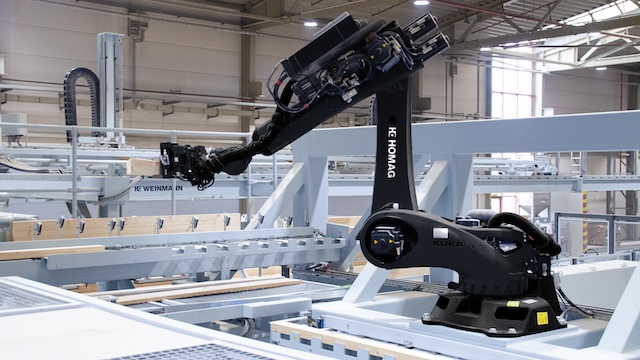
Design and Performance Analysis of a Delta Robot for High‐Speed Seed Cutting
In a recent study published in the Journal of Field Robotics, researchers explored advancements in robotic technology aimed at enhancing agricultural efficiency. The findings, released in May 2026, highlight innovative methods for integrating autonomous systems into farming practices. Conducted by a team of experts in robotics and agriculture, the research took place in various agricultural settings to assess the practical applications of these technologies. The motivation behind this study stems from the growing need for sustainable farming solutions that can address labor shortages and increase productivity in the face of climate change. By employing advanced robotics, the team demonstrated how these systems can optimize crop management and reduce resource waste. The research involved extensive field trials, where robotic systems were tested for their ability to perform tasks such as planting, monitoring crop health, and harvesting. The results indicated significant improvements in efficiency and yield, suggesting that the integration of robotics could revolutionize traditional farming methods. This study not only contributes to the body of knowledge in agricultural robotics but also underscores the potential for these technologies to transform the agricultural landscape, making it more resilient and sustainable for future generations.
RESEARCH NOTE
LimX Dynamics Unveils "Luna": A High-Performance Humanoid Built for the Spotlight
LimX Dynamics has introduced its latest innovation, Luna, a humanoid robot that marks a departure from the industrial designs of previous models. Unveiled recently, Luna features a sleek, matte-black exterior and is engineered to perform complex gymnastics routines with remarkable lifelike movement. This development highlights the company's commitment to advancing robotics technology, aiming to enhance both functionality and aesthetic appeal in humanoid designs. The launch reflects a growing trend in the robotics industry to create machines that not only serve practical purposes but also engage users through their design and capabilities.
LimX Dynamics China Luna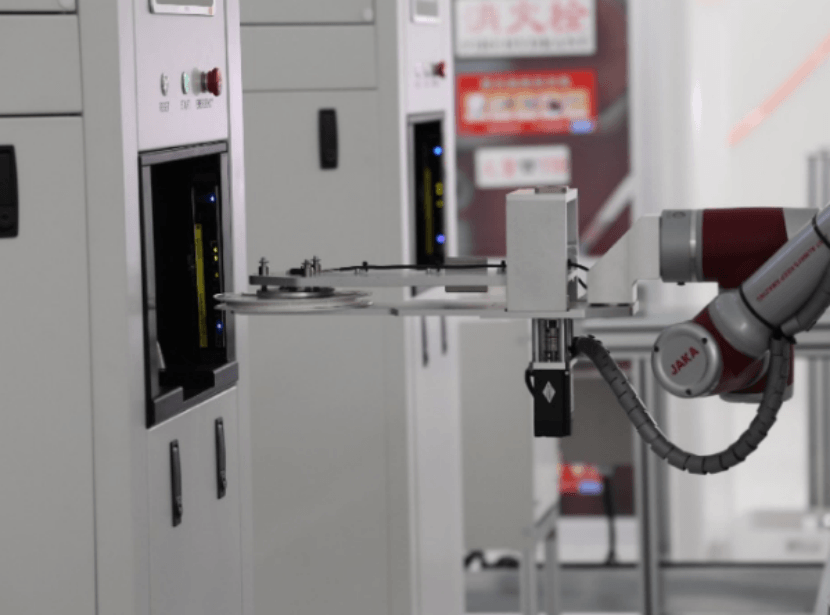
Three Essential Features of a High-Performance Robotic Arm Component
In the evolving landscape of modern manufacturing, JAKA is redefining the criteria for selecting industrial robot arms, emphasizing the importance of precision, flexibility, and safety over mere automation speed. The company focuses on developing robotic systems that ensure engineering reliability and practical usability, which are crucial for meeting the dynamic demands of production environments. Key features of high-performance robotic arms include the ability to maintain stable processing precision, which directly impacts product quality and defect control. JAKA’s design prioritizes controlled motion, allowing manufacturers to achieve consistent results and reduce defect rates, thereby enhancing overall process reliability with minimal manual intervention. Additionally, the adaptability of robotic arms is vital for responding to changing production needs. JAKA’s Pro5 model offers reprogrammable functions that enable quick adjustments to workflows, facilitating efficient product modifications without the need for extensive equipment investment. This flexibility is particularly beneficial in mixed-production settings where rapid changes are commonplace. Safety is another critical aspect of JAKA’s robotic arm components. By automating hazardous or repetitive tasks, these systems minimize direct operator contact with potentially dangerous equipment, thereby reducing the risk of accidents on the production floor. By integrating these essential features—precision, reprogrammability, and safety—JAKA aims to support manufacturers in achieving reliable production outcomes and fostering safer, more adaptable manufacturing processes. This approach not only enhances quality control but also enables companies to respond effectively to market changes over time.
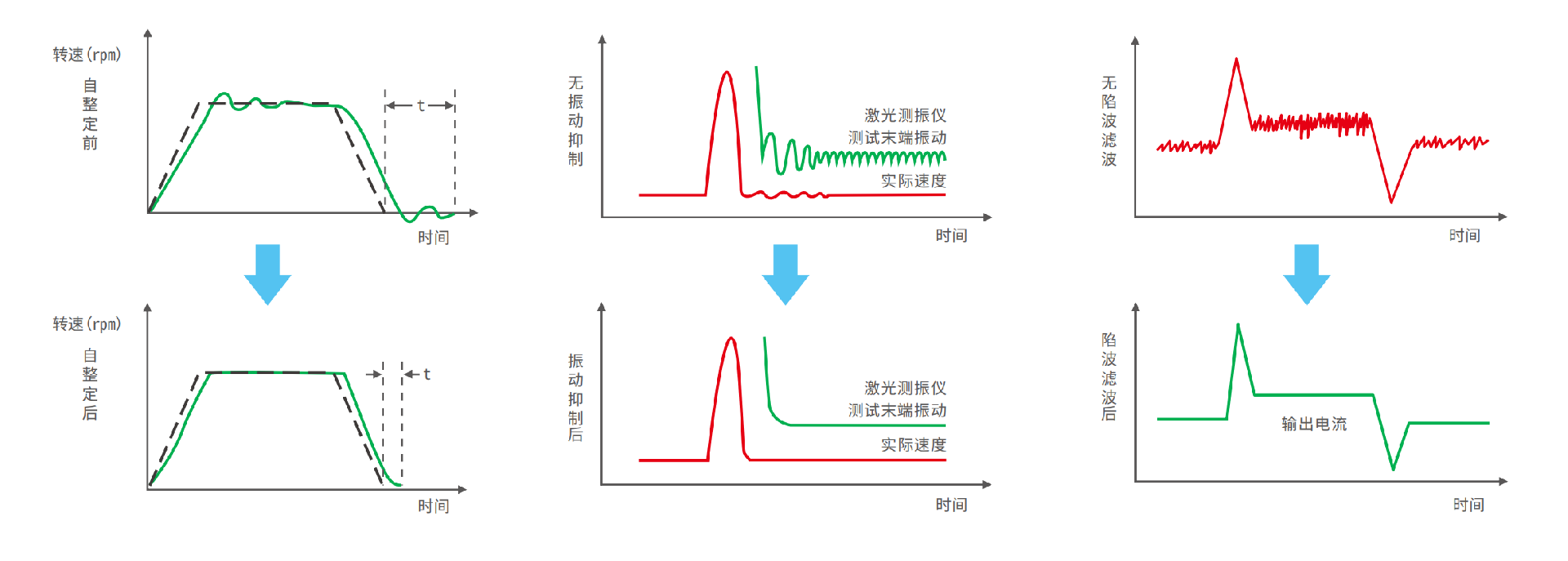
Premium Express | ESTUN 5-Series Bus Servo: Dual Breakthrough in High Performance and Ease of Use
In the context of rapid advancements in intelligent manufacturing and increasing global competition, ESTUN has unveiled its 5-Series Bus Servo System, which marks a significant technological breakthrough in motion control technology. This innovation is poised to enhance the competitiveness of the equipment manufacturing industry. The system's dual technological advancements are expected to streamline operations and improve efficiency, addressing the growing demand for sophisticated manufacturing solutions. As industries strive to stay ahead in a competitive landscape, ESTUN's latest offering represents a critical step forward in the evolution of motion control technology, underscoring its importance in modern manufacturing processes.
ESTUN AUTOMATION ROBOTICS SERVO SYSTEMS
Epson Robots to Showcase High-Performance and Cost-Effective Automation Solutions at The Assembly Show 2025
Epson Robots, recognized as the leading SCARA robot manufacturer globally, is set to showcase its advanced SCARA, 6-Axis, and automation solutions at The ASSEMBLY Show 2025. This prominent event, which focuses on assembly and manufacturing technologies, will take place in Los Alamitos, California, on October 14, 2025. The demonstration aims to highlight Epson's commitment to innovation and efficiency in robotics, catering to the growing demand for automation in various industries. Attendees will have the opportunity to witness firsthand the capabilities of Epson's cutting-edge technology, which is designed to enhance productivity and streamline assembly processes.
SCARA Industrial Robots Automation Robotics Manufacturing
Subsea Europe Services Enters USV Market with Sustainable, High-performance C-RECON 13-ES
Subsea Europe Services (SES) GmbH, a prominent player in marine technology solutions for the offshore energy and ocean science industries, has launched its inaugural Uncrewed Surface Vessel (USV), named the C-RECON 13-ES. This significant development marks SES's entry into the USV market, showcasing the company's commitment to innovation and advancement in marine technology. The C-RECON 13-ES is designed to enhance operational efficiency and data collection capabilities in various marine applications. The launch reflects SES's strategic initiative to diversify its offerings and meet the growing demand for uncrewed maritime solutions.
subsea europe services usv c-recon 13-es
Epson Robots to Showcase New High-Performance Automation Solutions and SafeSense Technology at Automate 2025
Epson Robots, recognized as the leading SCARA robot manufacturer globally, is set to showcase its advanced range of SCARA, 6-Axis, and automation solutions at Automate 2025. This prominent event, taking place in Los Alamitos, California, on April 29, 2025, is North America’s largest robotics and automation exhibition. The demonstration aims to highlight Epson's commitment to innovation and excellence in robotics technology, providing attendees with insights into the latest advancements in automation. By participating in this significant industry gathering, Epson seeks to reinforce its position in the market and connect with potential clients and partners.
SCARA 6-Axis Industrial Robots Automation Solutions Retail Automation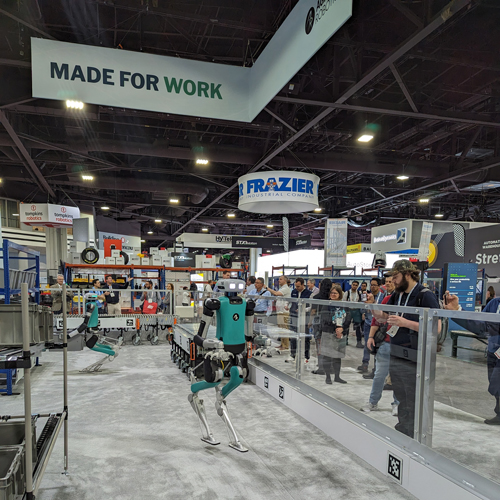
Agility Robotics' Digit Demonstrates High Performance at ProMat 2025
At ProMat 2025, Agility Robotics showcased its humanoid robot, Digit, which demonstrated a remarkable 98.96% success rate during 28 hours of continuous operation. This achievement underscores Digit's potential to revolutionize automation in the logistics and manufacturing industries. The event, held in Chicago, served as a platform for innovations in supply chain technology, drawing attention to advancements that could enhance efficiency and productivity in these sectors. Agility Robotics aims to address the growing demand for automation solutions, positioning Digit as a key player in transforming traditional workflows through its advanced capabilities.
Digit Agility Robotics ProMatRobotics needs a service framework.
RSF defines a common language for robot service capability, lifecycle operations, certification pathways, and service-provider networks.
Join the RobotToday community on LinkedIn
Daily robotics news, in-depth analysis, conference highlights, and discussions with professionals worldwide.







