Industry Briefing
A single destination for timely, editor-curated robotics news from around the world.

Medieval skeleton analysis suggests mercury was used as leprosy treatment
Researchers have made significant strides in understanding late-medieval mercury treatments through the analysis of mercury concentrations found in dental calculus. This groundbreaking study, conducted by a team of scientists, sheds light on the historical medical practices of the period, revealing how mercury was utilized in dental care and possibly other health treatments. The research was published recently, highlighting the importance of dental calculus as a valuable source of information about past medical practices. By examining samples from various archaeological sites, the team was able to determine the levels of mercury exposure individuals experienced, providing insights into the potential health risks associated with these treatments. This investigation not only enhances our knowledge of medieval medicine but also raises questions about the long-term effects of such treatments on patients. The findings underscore the need for further exploration into historical medical practices and their implications for contemporary health discussions.

Perceptron Mk1 shocks with highly performant video analysis AI model 80-90% cheaper than Anthropic, OpenAI & Google
Perceptron Inc., a Bellevue-based startup founded by former Meta researchers Armen Aghajanyan and Akshat Shrivastava, has launched its flagship video analysis model, Mk1, aimed at revolutionizing how enterprises utilize AI in real-time video processing. Announced today, this innovative model is priced significantly lower than competitors, at $0.15 per million input tokens and $1.50 per million output tokens, making it accessible for large-scale industrial applications. The Mk1 model, developed over 16 months, excels in understanding complex physical interactions and temporal reasoning, outperforming established models like OpenAI's GPT-5 and Google's Gemini 3.1 Pro in various benchmarks. Its unique architecture allows it to process video streams continuously, maintaining object identity and providing precise analysis of dynamic scenes, which is particularly beneficial for sectors such as security, robotics, and marketing. Perceptron aims to position Mk1 as a leader in the "Efficiency Frontier," balancing high performance with cost-effectiveness. The model's capabilities extend to auto-clipping highlights from live sports and enhancing quality control in manufacturing. A public demo site is available for potential users to explore its functionalities. This launch signifies a significant step towards integrating advanced AI into real-world applications, as the company seeks to make "physical AI" as prevalent as its digital counterpart.
Technology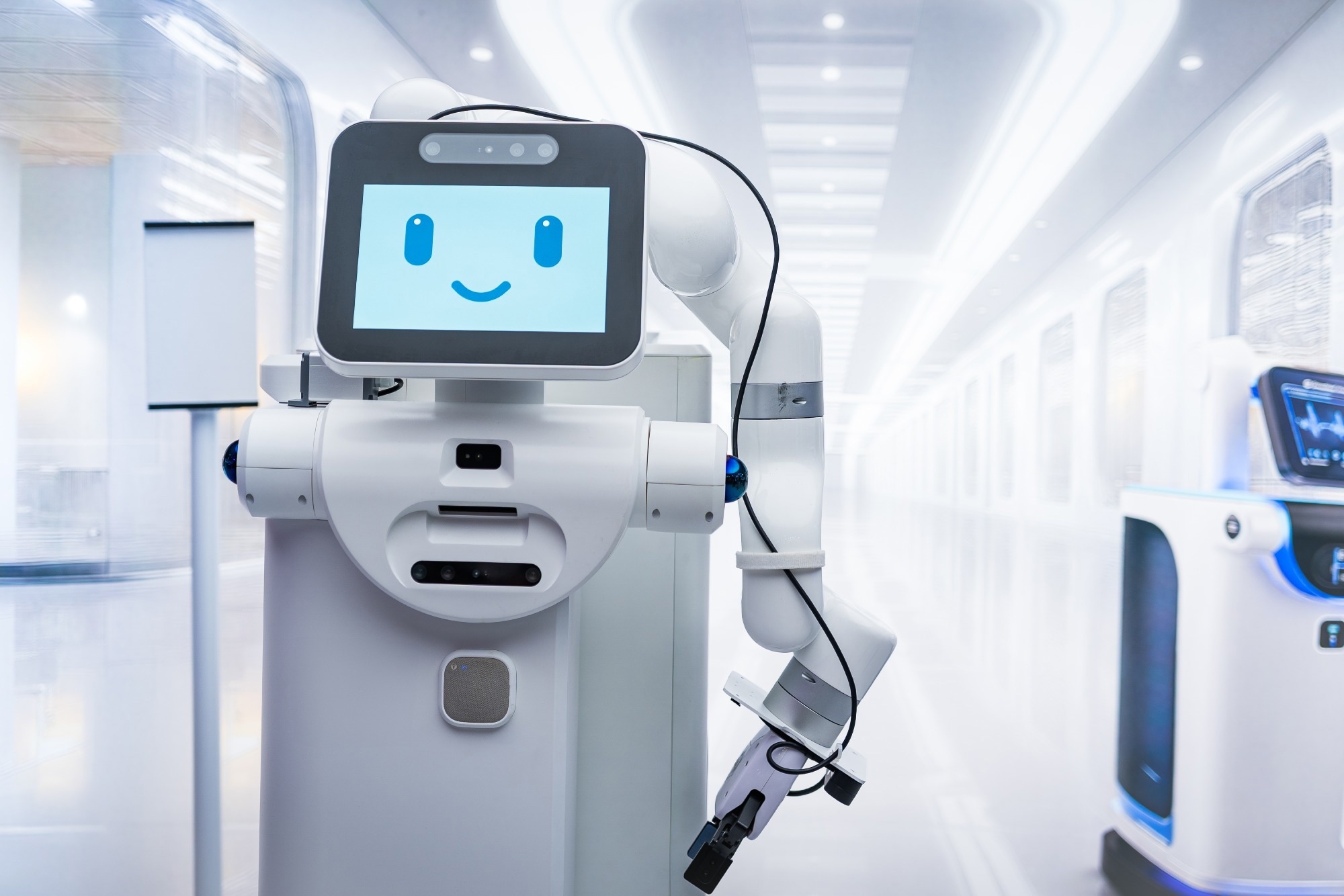
Care Robot Analysis Reveals Social Value in Healthcare Systems
Recent text mining research has unveiled the significant impact of care robots on various sectors, including health, labor, economics, and innovation. This study emphasizes that care robots are not merely supportive tools but are actively transforming the healthcare landscape. By enhancing efficiency and effectiveness in patient care, these robots are reshaping traditional roles within the healthcare system. The findings, which emerged from an extensive analysis of data up to October 2023, suggest that the integration of care robots can lead to improved health outcomes and economic benefits. As healthcare systems worldwide continue to evolve, the adoption of robotic technology appears to be a crucial step toward addressing the growing demands of patient care and the challenges faced by healthcare professionals.
Analysis of Unilateral Track Movement for Tracked Unmanned Combat Vehicles
A recent study published in the Journal of Field Robotics highlights advancements in autonomous robotic systems designed for agricultural applications. Researchers from a leading university conducted experiments to assess the effectiveness of these robots in optimizing crop management. The study took place over the summer of 2023 on various farms across the Midwest, where the robots were deployed to monitor crop health and automate tasks such as planting and harvesting. The motivation behind this research stems from the increasing need for sustainable farming practices and the challenges posed by labor shortages in the agricultural sector. By integrating advanced sensors and artificial intelligence, the robots demonstrated significant improvements in efficiency and accuracy compared to traditional farming methods. The researchers utilized a combination of field tests and data analysis to evaluate the robots' performance, focusing on their ability to adapt to different environmental conditions and crop types. The findings suggest that these autonomous systems could play a crucial role in enhancing productivity while reducing the environmental impact of farming. As the agricultural industry continues to evolve, this study underscores the potential of robotics to transform farming practices, addressing both economic and ecological challenges. The ongoing research aims to further refine these technologies, paving the way for broader adoption in the field.
RESEARCH ARTICLE
Analysis: Tesla Optimus ''PR'' Video Suggests Robot Has Reached Competitive Running Speeds
Tesla has recently released a video showcasing its humanoid robot, Optimus, demonstrating impressive agility by sprinting in the lab. Although the official specifications have not yet been disclosed, analysis from the community indicates that Optimus may have achieved speeds of up to 8.5 mph. This performance positions the robot among the fastest humanoid robots currently under development. The unveiling of this footage highlights Tesla's ongoing advancements in robotics and artificial intelligence, reflecting the company's commitment to innovation in the tech industry.
Optimus Tesla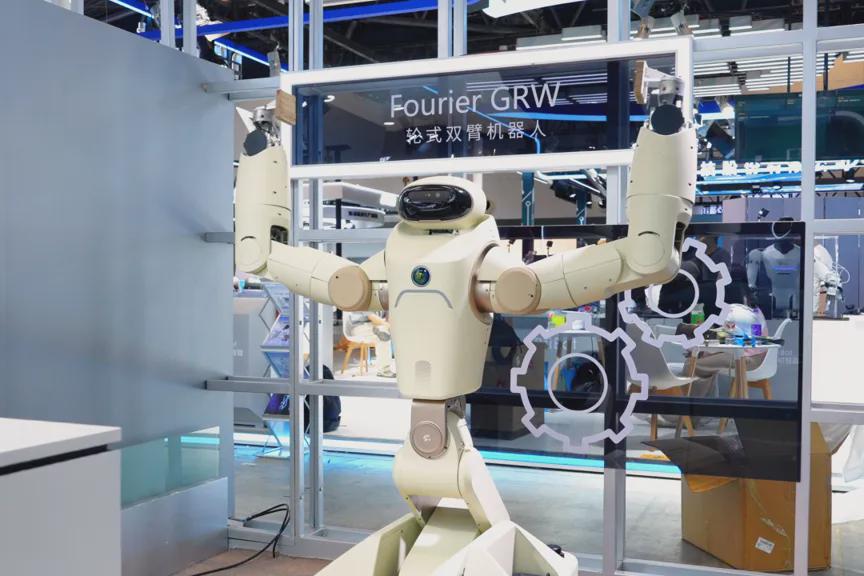
Fourier Launches GRW Wheel-Based Dual-Arm Robot for Industrial Applications
At the 2026 World Artificial Intelligence Conference, Fourier unveiled its first wheel-based dual-arm robot, the GRW. This robot is designed for high-frequency, general auxiliary tasks in automotive manufacturing, warehousing logistics, and 3C electronics, marking a shift from mere demonstrations to practical applications in robotics. The introduction of the GRW is significant as it addresses the fundamental question of how embodied intelligence can be effectively integrated into various industries. The Chinese market for wheel-based dual-arm robots is projected to exceed 1.8 billion yuan in 2026, with a year-on-year growth of approximately 350%, indicating a strong demand for such solutions. Looking ahead, the GRW is positioned as an auxiliary interactive service robot, focusing on alleviating human fatigue in repetitive tasks. With a stable load capacity of 16 kilograms, it meets the weight requirements of typical industrial applications, covering about 80% of the demands in automotive parts handling and logistics. No further timeline was disclosed at the time of publication.
Industrial Robots Warehouse Automation Dual-Arm Robots AI Robotics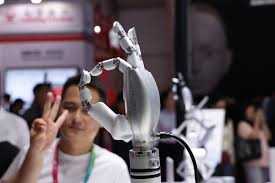
In-Depth Analysis of Adsorption and Locomotion Codesign for Wall-Climbing Robots
The Journal of Field Robotics has published a comprehensive review focusing on the adsorption-locomotion codesign of wall-climbing robots. This review highlights the intricate relationship between the robots' ability to adhere to surfaces and their locomotion capabilities, which are crucial for performing complex operations on various surfaces. Understanding the codesign of these robots is essential as it directly impacts their efficiency and effectiveness in real-world applications. The review emphasizes the importance of optimizing both adsorption and locomotion to enhance the performance of wall-climbing robots, which are increasingly being utilized in fields such as inspection, maintenance, and exploration. Looking ahead, researchers and developers in the robotics field should pay close attention to advancements in adsorption technologies and locomotion strategies. Continued innovation in these areas could lead to significant improvements in the functionality and versatility of wall-climbing robots. No further timeline was disclosed at the time of publication.
SURVEY ARTICLE
NVIDIA and DeepMind Lead Robotics Simulation Debate with New Industrial Applications
The field of embodied intelligence is witnessing a fierce debate over the best approach to training robots for industrial applications. One faction advocates for simulation-based training, leveraging structured environments to generate synthetic data, while the opposing view emphasizes the necessity of real-world data to handle complex physical interactions and unpredictable scenarios. Key players include NVIDIA, DeepMind, and Intrinsic, each with unique strategies and technologies. NVIDIA's Omniverse platform and Isaac Sim engine exemplify the simulation approach, enabling comprehensive digital twins of factories for training and optimization. Their collaboration with BMW on a digital twin project in Hungary showcases the potential of synthetic data in logistics and robotic movements. However, challenges remain in achieving the necessary fidelity for force control and physical interactions, prompting NVIDIA to seek partnerships with companies like Hexagon Robotics. Conversely, DeepMind's use of the MuJoCo physics engine has demonstrated that pure simulation can achieve industrial-grade precision in specific tasks, such as sorting with known rigid models. Yet, this method's effectiveness is limited to scenarios with minimal contact and force control. Intrinsic aims to transform simulation into a comprehensive development tool for industrial robots, focusing on lowering barriers for small manufacturers. The ongoing challenge of the SIM2REAL gap remains a critical factor in the success of these approaches.
Robotics Industrial Automation Simulation Technology AI
Can Google Cloud break free from its "perennial third place" status? An analysis of the favorable winds.
Google Cloud is experiencing a positive shift in the enterprise market as major domestic system integrators (SIs) in Japan are moving towards collaboration with the company. This development comes in the wake of Google Cloud's previous struggles to compete with industry giants like AWS and Microsoft. The partnerships are being forged to leverage Google Cloud's capabilities, particularly in artificial intelligence, which is seen as a strategic advantage in enhancing service offerings. The collaboration aims to integrate AI agents into various business solutions, reflecting a growing recognition of Google Cloud's potential in the market. As these SIs align with Google Cloud, the company is poised to strengthen its position and expand its influence in the enterprise sector.
Nikkei Analysis Reveals Fake Storage in 50% of Inexpensive USB Drives from China
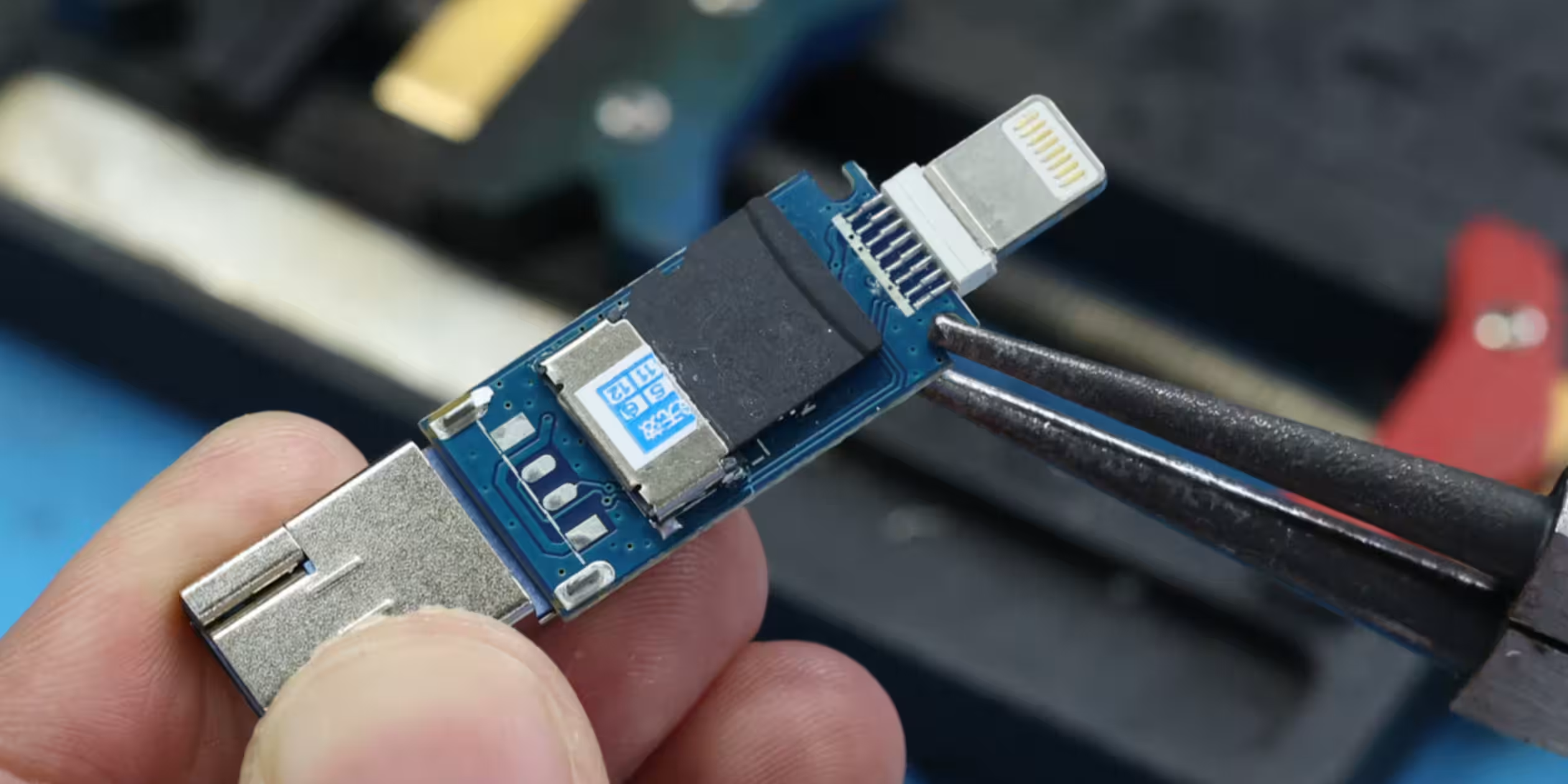
A recent investigation by Nikkei uncovered that 50% of low-cost USB flash drives purchased from e-commerce platforms contained less storage capacity than advertised. These devices, primarily manufactured in China, were found to utilize microSD cards instead of dedicated memory chips, raising concerns about data integrity and consumer trust in budget electronics. The examination took place in Tokyo and was published on July 10, 2026. This finding is significant as it highlights a growing issue in the electronics market, where consumers are increasingly vulnerable to misleading product claims. The prevalence of counterfeit storage capacities can lead to data loss and security risks, particularly in sensitive applications. With a reported 20% complaint rate regarding fake storage on platforms like Amazon, this trend poses a challenge for both consumers and regulatory bodies aiming to ensure product reliability. Looking ahead, stakeholders in the electronics industry should monitor the response from regulatory authorities and e-commerce platforms regarding these findings. No further timeline was disclosed at the time of publication, but potential measures could include stricter quality controls and enhanced consumer awareness campaigns to combat fraudulent products in the market.

Tesla's Optimus Robots to Support Starmind Satellite Production, Not Maintenance
Tesla's Optimus robots will not be used to repair Starmind satellites in orbit, as confirmed by recent statements from Elon Musk. Instead, these robots are intended to assist in the construction and operation of the Terafab chip manufacturing facility in Texas. The AI1 satellites, designed to disintegrate upon reentry, highlight the company's swap-and-replace strategy rather than traditional maintenance practices. This approach is significant as it reflects a broader trend in satellite management, where mass-produced satellites are replaced rather than repaired. The economics of servicing missions are prohibitive, with the cost of launching a replacement satellite being significantly lower than conducting a repair mission. This model aligns with SpaceX's operational history, where rapid replacement of satellites is more efficient than attempting to maintain them in orbit. Looking ahead, the focus will remain on the production capabilities of the Gigasat factory, which is expected to support the continuous replacement of satellites. No further timeline was disclosed at the time of publication, but the demand for rapid satellite turnover suggests a robust future for Optimus robots in terrestrial manufacturing rather than in-space servicing.

SpaceX's Starmind Plans 1 Million AI Satellites Amid Collision Risks
SpaceX has announced its ambitious Starmind project, which aims to deploy 1 million AI satellites in orbits between 500 and 2,000 km. This initiative, confirmed by Elon Musk on June 23, 2026, follows a merger with xAI, valuing the combined entity at $1.25 trillion. The satellites will function as orbital data centers, processing AI workloads powered by solar arrays and linked by optical lasers. The significance of Starmind lies in its potential to add 100 gigawatts of AI compute capacity annually, contingent on the successful operation of the Starship launch system. However, the project raises concerns regarding space debris, as the current orbital environment is already congested, with a 20% increase in collision risk reported since 2024. The European Space Agency has highlighted that the density of debris in low Earth orbit is now comparable to that of active satellites, complicating the operational landscape for new entrants like Starmind. Looking ahead, the first operational orbital AI deployments are targeted for 2028, with test launches expected in early 2027. However, the project faces scrutiny regarding its impact on space debris, as even a 1% failure rate could significantly increase the number of uncontrollable objects in orbit, exacerbating existing risks. No further timeline was disclosed at the time of publication.

Starmind's Satellite Technology Achieves 880 Billion Liters in Annual Water Savings
Starmind has announced that its satellite technology can save approximately 880 billion liters of cooling water annually at full scale. This figure is equivalent to the annual household water use of around 6.5 million Americans. The technology operates by utilizing a closed-loop liquid cooling system that eliminates the need for water during its operational life, contrasting sharply with traditional ground data centers that consume vast amounts of water for cooling. The significance of this achievement lies in the growing water consumption crisis faced by data centers, particularly as AI expansion drives demand. In 2025, U.S. data centers consumed nearly one trillion liters of water, highlighting the urgent need for sustainable solutions. Starmind's approach not only addresses direct water usage but also avoids indirect water consumption associated with electricity generation, marking a substantial shift in how computing can be conducted in a resource-efficient manner. Looking ahead, Starmind's deployment strategy includes a projected buildout of 100 GW of orbital compute per year, which could displace an additional 735 billion liters of ground water demand annually. The first tranche of 10,000 satellites is already operational, offsetting approximately 8.8 billion liters of water per year. No further timeline was disclosed at the time of publication.
SpaceX Proposes 1 Million AI Satellites to Address Ground Data Center Constraints
On January 30, 2026, SpaceX filed with the FCC to launch up to 1 million AI compute satellites, positioning orbital data centers as a solution to the increasing demand for AI computing power. Ground data centers are facing significant challenges, with energy consumption projected to reach approximately 1,050 TWh in 2026, making them the fifth-largest electricity consumer globally. The demand for new data center capacity is outpacing the growth of power generation infrastructure, leading to a critical bottleneck in the grid system. The significance of this initiative lies in the structural constraints faced by ground data centers, including power delivery limitations, high water consumption, and local opposition to new projects. The Uptime Institute's 2026 outlook identifies power as the primary constraint on data center growth, with capacity clearing prices in the PJM grid skyrocketing to $329.17/MW, driven by data center expansion. Additionally, cooling requirements are becoming increasingly unsustainable, with facilities consuming vast amounts of water, further complicating their operational viability. Looking ahead, SpaceX's orbital AI compute initiative aims to circumvent these challenges by leveraging the advantages of space, such as continuous solar power and minimal local opposition. The first AI prototypes are expected to launch in early 2027, with operational deployments planned for 2028. No further timeline was disclosed at the time of publication.
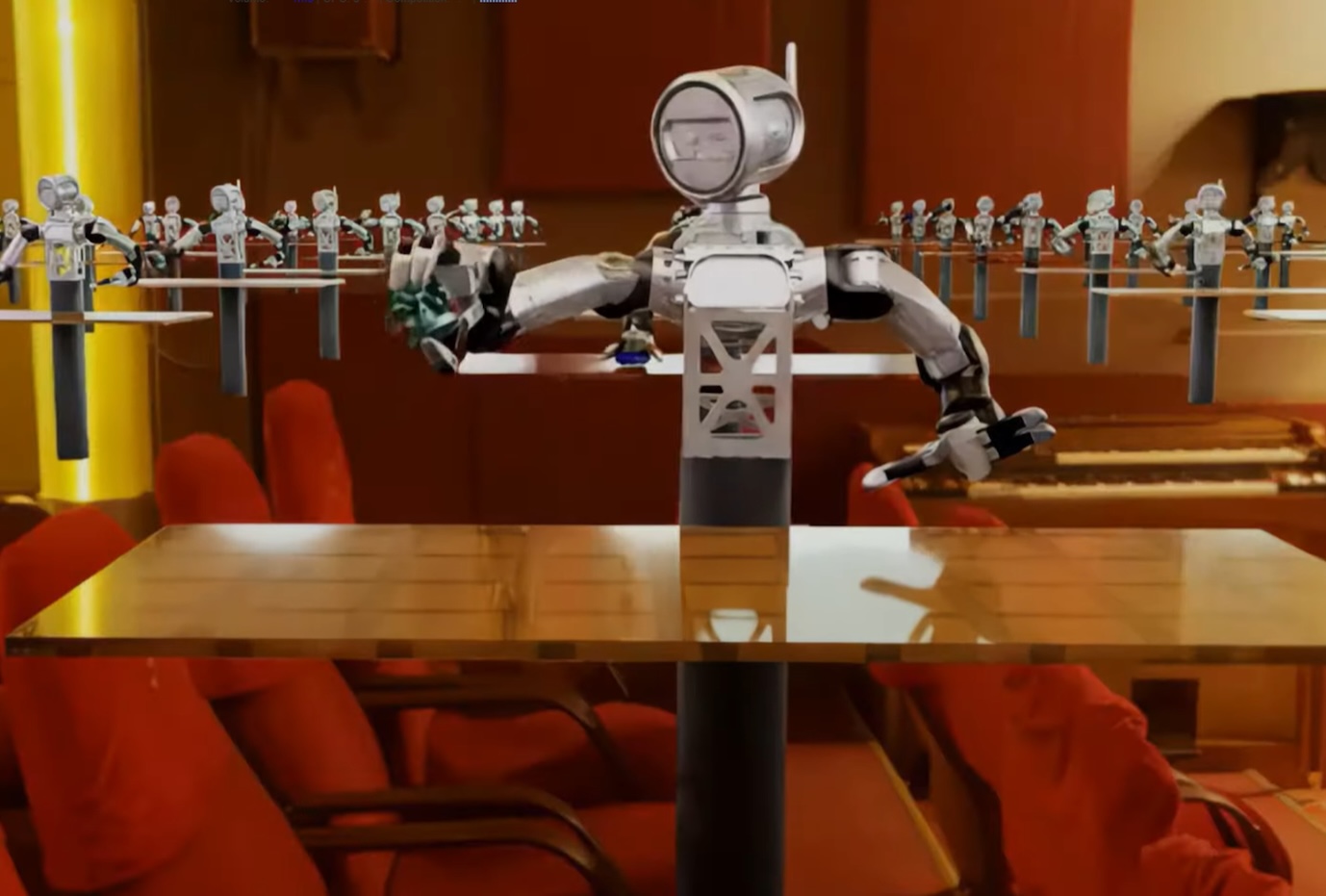
SpaceX's Starmind Faces Feasibility Challenges for 1 Million Satellite Deployment
On January 30, 2026, SpaceX submitted a request to the FCC to launch up to 1 million satellites as part of its Starmind orbital compute constellation. This ambitious plan is unprecedented, as the total number of satellites ever launched globally is in the low tens of thousands. The proposal seeks a waiver from standard deployment milestones, citing reliance on the Starship's full reusability for success. The significance of this request lies in the technical and logistical challenges it presents. Experts warn that low Earth orbit may not support the proposed number of active satellites without risking a debris cascade. SpaceX's own IPO prospectus acknowledges unresolved dependencies related to Starship's launch cadence and reusability, which are critical for the orbital AI compute strategy. Looking ahead, the timeline for achieving the necessary launch cadence and manufacturing capacity remains uncertain. SpaceX's Gigasat facility in Texas aims for volume production by late 2027, but this would require unprecedented output levels. No further timeline was disclosed at the time of publication, leaving the feasibility of the Starmind project in question.

From R&D to Data Analysis, AI Is Rewriting How Game Companies Operate
YOOZOO Interactive deploys AI agents across 75% of its workforce, using Tencent Cloud WorkBuddy to transform game development from coding to global marketing analytics.
Industry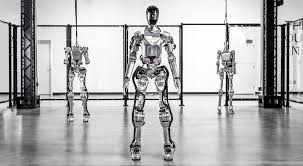
Design, Development, and Field Test Analysis of a Multiarm Tomato Harvesting Robot
In June 2026, researchers published a significant study in the Journal of Field Robotics, focusing on advancements in autonomous robotic systems. The study, featured in Volume 43, Issue 4, highlights innovative methodologies for enhancing the navigation and operational efficiency of field robots. Conducted by a team of experts in robotics and artificial intelligence, the research aims to address the growing demand for autonomous technologies in various sectors, including agriculture, construction, and disaster response. The findings reveal novel algorithms that improve the robots' ability to adapt to dynamic environments, thereby increasing their effectiveness in real-world applications. By employing advanced sensor integration and machine learning techniques, the researchers demonstrated how these robots can better interpret their surroundings and make informed decisions in unpredictable situations. This research is particularly timely, as industries increasingly rely on automation to boost productivity and safety. The implications of these advancements could lead to significant improvements in operational capabilities, ultimately transforming how tasks are performed in challenging environments. The study not only contributes to the academic field but also provides practical insights for engineers and developers working on the next generation of autonomous systems.
RESEARCH ARTICLE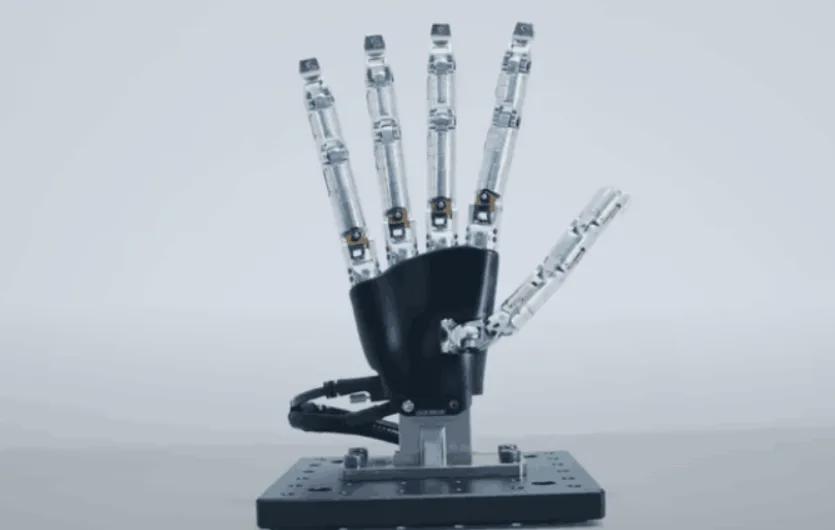
In-Depth Analysis: What Makes Genesis AI Stand Out?
Genesis AI has garnered attention for its cutting-edge robotic brain, GENE-26.5, and a remarkably human-like robotic hand, which together demonstrate the capability to execute intricate tasks with precision. This breakthrough was unveiled recently, highlighting the company's commitment to innovation in the robotics sector. By focusing on advanced data collection techniques and seamless hardware integration, Genesis AI is setting itself apart from competitors and tackling significant challenges within the industry. The advancements not only showcase the potential of robotics but also signal a shift towards more sophisticated and versatile applications in various fields.
Robotics AI Data Collection Automation
Design and Kinematic Analysis of a Six‐Wheeled Robot With a Passive Suspension for Integrated Terrain Adaptability and Vibration Mitigation
A recent study published in the Journal of Field Robotics highlights advancements in autonomous robotic systems designed for agricultural applications. Researchers from a leading university conducted experiments to assess the effectiveness of these robots in improving crop management and yield. The study, released in early October 2023, took place in various agricultural settings across the Midwest, where the robots were deployed to monitor crop health and optimize resource usage. The motivation behind this research stems from the increasing demand for sustainable farming practices and the need to enhance productivity in the face of climate change challenges. By integrating advanced sensors and machine learning algorithms, the robots are capable of analyzing soil conditions and plant health in real-time, allowing farmers to make informed decisions. The study's findings indicate that the implementation of these autonomous systems can significantly reduce labor costs and increase efficiency in farming operations. As the agricultural sector continues to evolve, this research underscores the potential of robotics to transform traditional farming methods, paving the way for a more sustainable and productive future in agriculture.
RESEARCH ARTICLE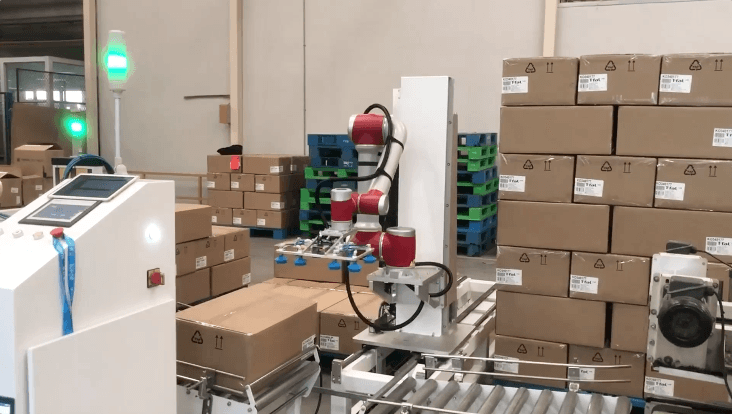
Cobot Palletizing vs. Traditional Palletizers: Speed, Footprint, and Cost Analysis
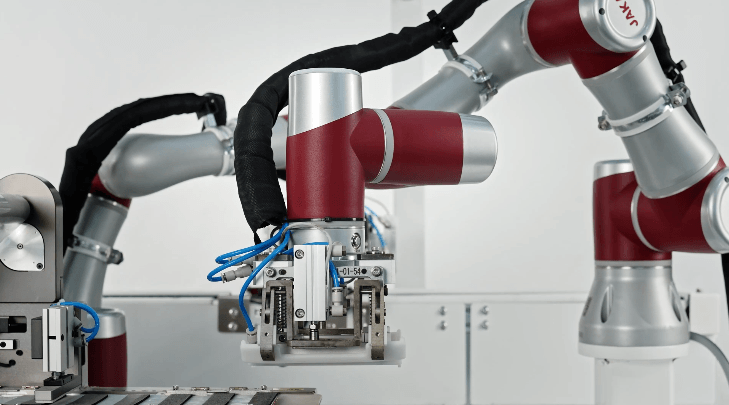
The palletizing process at the end of production lines is undergoing a significant transformation as manufacturers evaluate the shift from traditional palletizers to collaborative robot (cobot) systems. This change is driven by the need for greater flexibility and efficiency in supply chain operations. Traditional palletizers, known for their high-speed capabilities and suitability for single-SKU production, dominate high-output environments like food and beverage processing. However, cobots, equipped with 6-axis robotic arms, offer a more adaptable solution, particularly for facilities handling diverse product mixes. The transition is taking place as manufacturers seek to optimize space and reduce costs. Traditional systems require extensive floor space and safety barriers, often leading to operational bottlenecks. In contrast, cobots can operate safely alongside human workers, fitting into tighter spaces and allowing for more efficient warehouse layouts. Cost considerations also play a crucial role in this shift. While traditional palletizers may have similar initial costs, their total cost of ownership is significantly higher due to installation and maintenance expenses. Cobots, like those developed by JAKA, provide a more economical option, with easier installation and lower energy consumption. JAKA's Zu series exemplifies this innovation, offering advanced palletizing solutions that enhance productivity while minimizing product damage. As the industry adapts to these technological advancements, the choice between traditional and cobot palletizing systems will ultimately hinge on manufacturers' specific needs for speed, space, and cost efficiency.
Pick and Place Robots vs. Manual Operations: A Detailed Throughput Analysis
In response to the increasing volatility of global supply chains and labor shortages, companies are increasingly turning to collaborative robots for the essential "pick and place" cycle in logistics and manufacturing. This shift, driven by the need for enhanced operational efficiency, allows businesses to automate sorting and assembly tasks in shared workspaces without extensive safety measures, thereby maintaining consistent throughput. While manual labor offers flexibility, it is hampered by the "fatigue curve," leading to a 15-20% decline in picking rates over an eight-hour shift due to exhaustion. Human error can also create bottlenecks and waste. In contrast, collaborative robots deliver consistent performance with sub-millimeter accuracy, ensuring precise placement of items throughout their operational hours. JAKA, a leader in automation solutions, focuses on "Freeing Your Hands" by replacing repetitive manual tasks with intelligent automation. Their JAKA A series robots excel in high-speed sorting, combining industrial-grade durability with essential safety features for collaborative environments. For heavier payloads, the JAKA Zu series, including the Zu 20 model, can automate heavy-duty tasks while minimizing injury risks to human workers. Equipped with wireless teaching technology, these robots can quickly adapt to different product lines, ensuring high throughput in diverse production settings. Safety is paramount, as JAKA robots are designed to respond instantly to human presence, maintaining a secure workspace. By integrating JAKA collaborative robots, businesses can enhance accuracy and reliability, achieving their production goals around the clock.

Real‐Time Terrain Traversability Analysis and Mapping for Autonomous Robotics in Dynamic Environments: Fusing Appearance‐ and Geometry‐Based Approaches
In a recent study published in the Journal of Field Robotics, researchers explored advancements in robotic technologies aimed at enhancing agricultural efficiency. The study, which appears in the May 2026 issue, highlights innovative approaches to integrating robotics into farming practices to address labor shortages and improve crop yields. Conducted by a team of experts in robotics and agriculture, the research was carried out in various agricultural settings to assess the effectiveness of these technologies in real-world applications. The findings suggest that the implementation of autonomous robots can significantly streamline farming operations, reduce costs, and increase productivity. This research is particularly timely as the agricultural sector faces increasing challenges due to a declining workforce and the need for sustainable practices. The study emphasizes the potential of robotics to transform the industry, paving the way for smarter, more efficient farming solutions.
RESEARCH ARTICLE
Design and Analysis of Automatic Whole Row Tomato Seedling Transplanter Technology With Integrated Controlling System
In May 2026, the Journal of Field Robotics published a significant study that explores advancements in robotic technology aimed at enhancing agricultural practices. Researchers from various institutions collaborated to investigate the integration of autonomous robots in crop management, focusing on their efficiency and effectiveness in monitoring plant health and optimizing resource use. The study highlights the growing need for innovative solutions in agriculture, driven by increasing global food demands and the challenges posed by climate change. By employing advanced sensors and machine learning algorithms, the robots demonstrated improved accuracy in detecting crop diseases and pests, ultimately leading to better yield outcomes. This research underscores the potential of robotics to transform traditional farming methods, offering a sustainable approach to food production in an era of rapid technological advancement.
RESEARCH ARTICLE
Cable‐Driven Hyper‐Redundant Manipulator With Pitch‐Twist Joints: Mechatronic Design, Kinematics Analysis, and Prototype
In a recent study published in the Journal of Field Robotics, researchers have unveiled significant advancements in robotic navigation systems. This groundbreaking research, conducted by a team of engineers and computer scientists, focuses on enhancing the autonomy and efficiency of robots in complex environments. The findings, which were released in May 2026, highlight innovative algorithms that enable robots to better interpret and navigate their surroundings, thereby improving their performance in tasks ranging from search and rescue operations to industrial automation. The research team, based at a leading technology institute, aimed to address the challenges faced by robots in dynamic and unpredictable settings. By integrating machine learning techniques with traditional navigation methods, the researchers developed a system that allows robots to learn from their experiences and adapt to new situations in real-time. This approach not only increases the reliability of robotic systems but also broadens their applicability across various fields. The implications of this research are far-reaching, as it paves the way for more sophisticated robotic applications that can operate autonomously in environments that were previously deemed too complex for machines. As industries increasingly turn to automation, these advancements could lead to significant improvements in efficiency and safety. The study serves as a crucial step toward realizing the full potential of robotics in everyday tasks and critical operations alike.
RESEARCH ARTICLE
Design, Model Analysis and Experimental Investigation of Modular Soft Pneumatic Gripper Equipped With Multi‐Configurable Functionality and Adjustable Effective Length
A recent study published in the Journal of Field Robotics highlights advancements in robotic technology aimed at enhancing agricultural efficiency. Conducted by a team of researchers from various universities, the study was released in May 2026 and focuses on the integration of autonomous robots in farming practices. The research aims to address the growing need for sustainable agricultural solutions amid increasing global food demand and labor shortages. By utilizing advanced sensors and machine learning algorithms, the robots are designed to perform tasks such as planting, monitoring crop health, and harvesting with minimal human intervention. Field tests conducted in diverse agricultural settings demonstrated the robots' ability to significantly increase productivity while reducing resource consumption. The findings suggest that these innovations could play a crucial role in transforming traditional farming methods and promoting environmentally friendly practices. As the agricultural sector faces mounting challenges, the implementation of such robotic technologies could provide a viable path toward more efficient and sustainable food production systems.
RESEARCH ARTICLE
Design and Performance Analysis of a Delta Robot for High‐Speed Seed Cutting
In a recent study published in the Journal of Field Robotics, researchers explored advancements in robotic technology aimed at enhancing agricultural efficiency. The findings, released in May 2026, highlight innovative methods for integrating autonomous systems into farming practices. Conducted by a team of experts in robotics and agriculture, the research took place in various agricultural settings to assess the practical applications of these technologies. The motivation behind this study stems from the growing need for sustainable farming solutions that can address labor shortages and increase productivity in the face of climate change. By employing advanced robotics, the team demonstrated how these systems can optimize crop management and reduce resource waste. The research involved extensive field trials, where robotic systems were tested for their ability to perform tasks such as planting, monitoring crop health, and harvesting. The results indicated significant improvements in efficiency and yield, suggesting that the integration of robotics could revolutionize traditional farming methods. This study not only contributes to the body of knowledge in agricultural robotics but also underscores the potential for these technologies to transform the agricultural landscape, making it more resilient and sustainable for future generations.
RESEARCH NOTE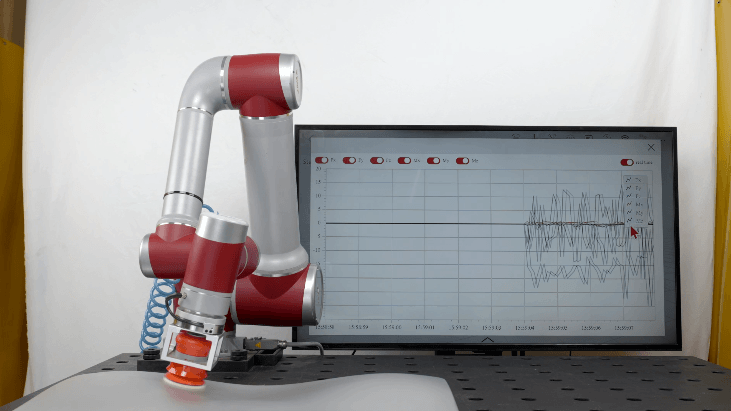
Industrial Cobot Price Analysis: Total Cost of Ownership (TCO) vs. Traditional Robotics
JAKA, a leader in automation solutions, emphasizes the importance of evaluating the total cost of ownership (TCO) when considering investments in industrial collaborative robots (cobots). Unlike traditional robotic systems that require extensive installation and specialized programming, JAKA's cobots offer flexibility and efficiency, significantly reducing labor costs and workspace requirements. This approach allows for rapid redeployment across production lines, enhancing long-term financial and operational benefits for businesses seeking cost-effective automation. The JAKA Pro16 Polishing and Grinding solution exemplifies the adaptability of industrial cobots, ensuring consistent processing precision and reducing defect rates. Its reprogrammable system enables quick adjustments for different workpieces, thereby shortening product modification cycles and minimizing the need for additional equipment. Furthermore, by taking over hazardous tasks, these robots enhance workplace safety by reducing direct human interaction with dangerous machinery. JAKA highlights that the TCO of cobots is influenced by their low maintenance requirements and operational efficiency. Unlike traditional robotics, which often involve complex setups and ongoing technical support, JAKA’s systems are designed for intuitive operation and seamless integration. Their modular design allows for future upgrades, extending service life and providing continuous value while minimizing downtime and maintaining consistent production quality. In conclusion, JAKA advocates for a comprehensive evaluation of automation solutions that goes beyond initial costs. By focusing on TCO, businesses can better appreciate how industrial cobots enhance operational efficiency, safety, and adaptability, ultimately leading to a scalable and efficient production environment.
Greensea IQ Introduces Post-Mission Analysis Toolset
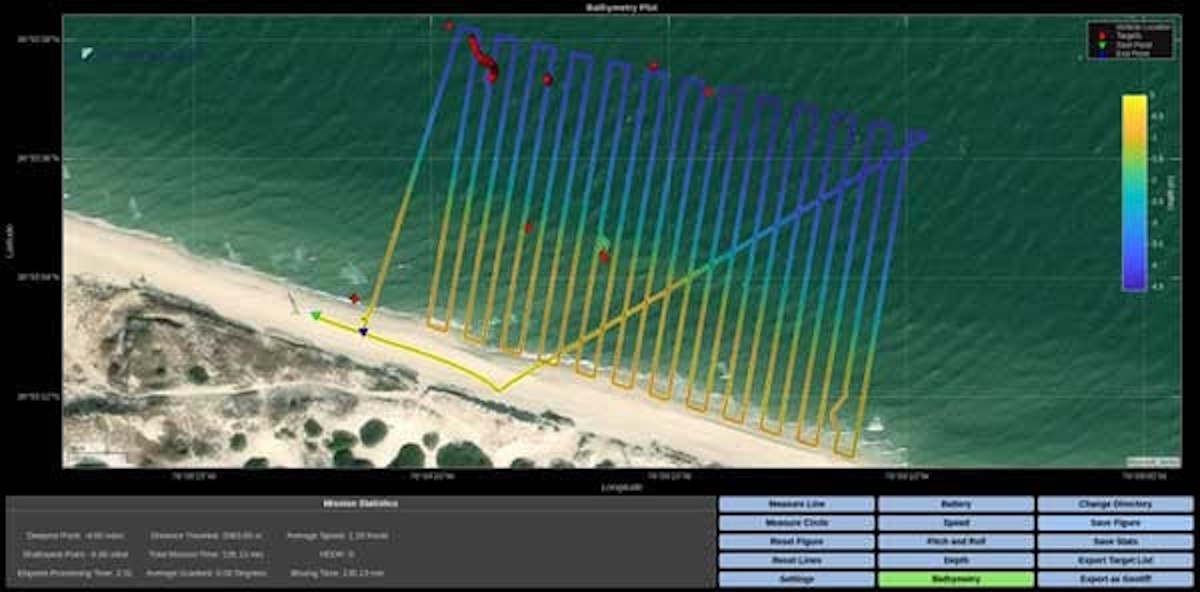
Greensea IQ has unveiled Bayonet Insight, a new post-processing software toolset designed for its maritime robotics software products utilized by defense forces. Announced today, this innovative tool enhances the functionality of various systems, including Bayonet Autonomous Underwater Ground Vehicles (AUGVs), EOD Edge, and EOD Workspace on Mission Specialist Defender ROVs from VideoRay, as well as RNAV diver navigation systems from STIDD Systems and Bayonet Underwater Control (BUC) systems. Additionally, it supports Greensea's EverClean robots used for ship maintenance and inspection. The development of Bayonet Insight was driven by the urgent demand from operators for quicker access to mission insights, ensuring that critical information is available while it remains relevant.
greensea iq
Supernumerary Robotic Limbs: A Quantitative Analysis and Review of Design, Embodiment, and Future Challenges
A recent study published in the Journal of Field Robotics highlights advancements in autonomous robotic systems designed for agricultural applications. Researchers from a leading university conducted experiments to evaluate the effectiveness of these robots in improving crop management and yield. The study, which took place over the summer months of 2023, focused on various farming techniques and the integration of robotics in precision agriculture. The motivation behind this research stems from the growing need for sustainable farming practices amid increasing global food demand and labor shortages in the agricultural sector. By employing advanced sensors and machine learning algorithms, the robots demonstrated significant improvements in efficiency and accuracy in tasks such as planting, monitoring, and harvesting crops. The findings indicate that the implementation of these robotic systems can lead to enhanced productivity and reduced environmental impact, paving the way for the future of farming. The research team plans to continue refining these technologies and exploring their potential applications in different agricultural settings.
SURVEY ARTICLE
Biomimetic Design and Performance Analysis of a Magnetic H‐Shaped Microrobot
A recent study published in the Journal of Field Robotics highlights advancements in autonomous robotic systems designed for agricultural applications. Researchers from various institutions collaborated to develop innovative technologies aimed at improving efficiency in crop management. The findings, released in early October 2023, emphasize the growing need for sustainable farming practices amid increasing global food demands. The study showcases how these robotic systems can enhance precision in tasks such as planting, monitoring, and harvesting crops. By integrating artificial intelligence and machine learning, the robots are capable of analyzing environmental conditions and making real-time adjustments to optimize yield. This technological evolution is driven by the urgent need to address labor shortages in agriculture and the rising costs associated with traditional farming methods. Field tests conducted in diverse agricultural settings demonstrated the robots' effectiveness in reducing resource consumption while increasing productivity. The research team believes that widespread adoption of these autonomous systems could significantly transform the agricultural landscape, promoting sustainability and resilience in food production. As the agricultural sector faces unprecedented challenges, this study underscores the potential of robotics to revolutionize farming practices, ensuring food security for future generations.
RESEARCH ARTICLE
Real‐Time Detection of Undesired Human Interventions in Robotic Work Cells Using a Convolutional Neural Network‐Based Novel Architecture and Reliability Analysis With Explainable Artificial Intelligence
A recent study published in the Journal of Field Robotics highlights advancements in autonomous robotic systems designed for agricultural applications. Researchers from various institutions conducted the study to explore how these technologies can enhance efficiency and productivity in farming practices. The findings, released in early October 2023, indicate that the integration of robotics in agriculture not only streamlines operations but also addresses labor shortages faced by the industry. The research was carried out in diverse agricultural settings, showcasing the adaptability of robotic systems to different crops and farming techniques. By employing sensors and artificial intelligence, these robots can perform tasks such as planting, monitoring crop health, and harvesting with precision. The motivation behind this innovation stems from the need to increase food production while minimizing environmental impact and labor costs. As farmers face growing challenges from climate change and a declining workforce, the study emphasizes the potential of robotics to transform traditional farming methods. The researchers advocate for further investment in robotic technologies to ensure sustainable agricultural practices and improve overall food security. This study marks a significant step towards the future of farming, where automation plays a crucial role in meeting the demands of a growing global population.
RESEARCH ARTICLE
Robotics will not have a clean Llama moment
In the evolving field of robotics, experts suggest that a significant breakthrough will not simply be the availability of downloadable policies for robotic systems. Instead, the true milestone will occur when teams can effectively adapt these policies to their specific robots, integrate them into customer processes, and subsequently analyze failures that arise weeks later when production halts. This insight highlights the ongoing challenges in robotics, emphasizing the need for robust adaptability and failure analysis in automated systems. The discussion reflects broader concerns within the industry about achieving seamless integration and operational reliability in robotic applications.
Analysis Artificial Intelligence News Opinion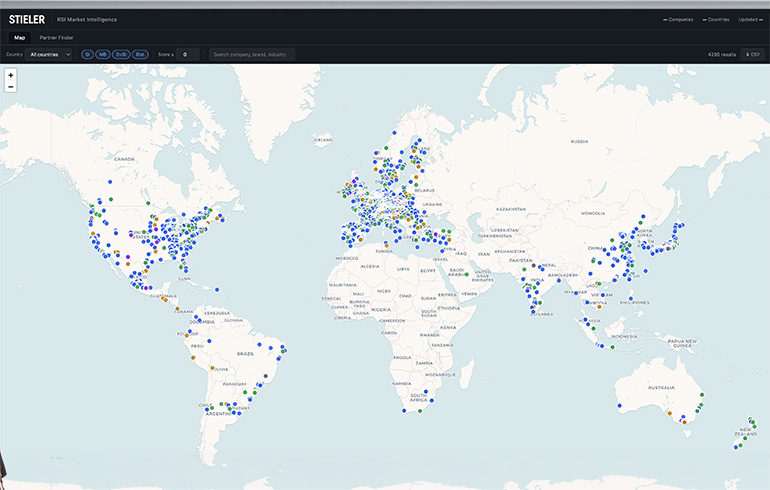
Report finds that while 500k+ robots were installed last year, partner layer is still hard to map
A recent report highlights the challenges in identifying integrator partners within the robotics industry, despite the clear identification of leading vendors and regions. Georg Stieler, a key figure in the analysis, noted that while over 500,000 robots were installed globally last year, the complexity of mapping the partner layer remains a significant hurdle. This underscores the evolving landscape of robotics, where collaboration between manufacturers and integrators is crucial for advancing technology and market penetration. The findings emphasize the need for improved strategies to navigate the intricate network of partnerships that support the robotics sector's growth.
Analysis Assembly Automotive China Collaborative Robots Industrial Robots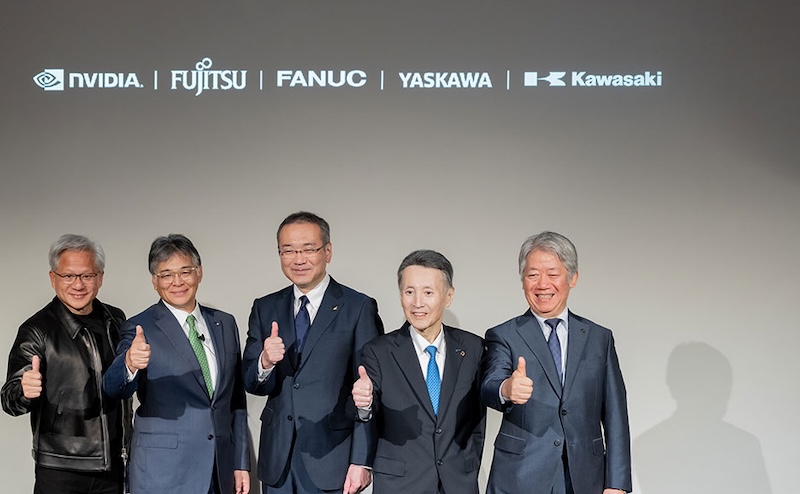
Fujitsu Collaborates with Fanuc, Yaskawa, and Kawasaki to Enhance Physical AI with Nvidia
Fujitsu has initiated a partnership with Japanese robotics firms Fanuc, Yaskawa Electric, and Kawasaki Heavy Industries to advance the development and deployment of physical AI in sectors such as manufacturing, logistics, and healthcare. This collaboration will leverage Nvidia's physical AI technologies to create a collaborative control platform that connects digital systems with robots and physical equipment. The initiative aims to accelerate the adoption of physical AI, addressing challenges like labor shortages and an aging workforce while enhancing global competitiveness. The platform will optimize production planning in manufacturing, automate material handling in logistics, and improve healthcare operations by automating the transport of medical supplies and assisting with patient interactions. Fujitsu plans to develop an open collaborative control platform that integrates AI, robotics, and data analysis technologies, ensuring interoperability and addressing cybersecurity concerns. No further timeline was disclosed at the time of publication.
Artificial Intelligence Industry News ai factory automation fanuc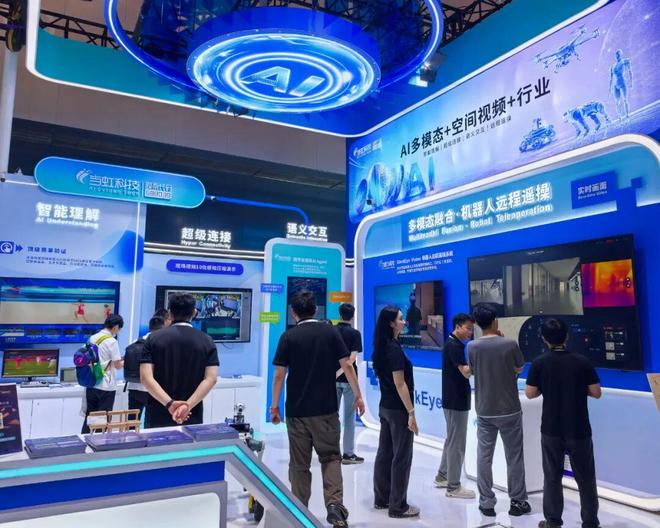
Dahuang Technology Showcases Advanced AI Multimodal Capabilities at WAIC 2026
On July 17, 2026, the World Artificial Intelligence Conference (WAIC) commenced in Shanghai, focusing on the theme 'Intelligent Partners, Co-Creating the Future.' Dahuang Technology presented its AI multimodal capabilities, showcasing a comprehensive system that includes understanding, connecting, interacting, and controlling complex data. The demonstration highlighted the company's transition from video-centric solutions to a broader AI multimodal framework. Dahuang Technology's Sports AI system, based on the BlackEye multimodal spatial model, was a key feature, providing real-time analysis of sports events. This system can automatically label players, track movements, and generate slow-motion replays, demonstrating the AI's ability to comprehend complex video scenarios. The technology has already been validated in high-profile events like the 2026 World Cup and the Paris Olympics. The company also introduced its AI multimodal perception compression technology, achieving over tenfold compression efficiency while maintaining video quality. This capability is crucial for applications in drone inspections, remote communications, and robotic operations, addressing the growing demands for bandwidth and data transmission efficiency in various sectors. No further timeline was disclosed at the time of publication.
AI Multimodal Technology Video AI Data Compression Sports AI Human-AI Interaction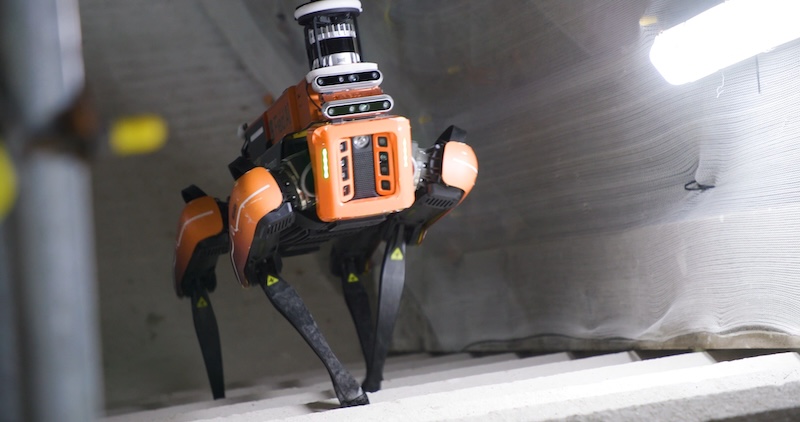
McLaren Construction Partners with FieldAI to Deploy Autonomous Robots Across UK Sites
McLaren Construction has formed a partnership with FieldAI to implement autonomous quadruped robots at its construction sites in the UK. These robots will initially be used for capturing 360° site imagery, generating point cloud data, and assisting with progress verification, safety compliance, and quality assurance. The capabilities of these robots will expand over time, enhancing their utility on-site. This partnership is significant as it marks FieldAI's entry into the UK market and builds upon its existing deployments across Europe, Asia, and North America. The use of AI-enabled deviation analysis will facilitate quicker identification of quality issues, ensuring better installation practices and reducing rework. McLaren aims to enhance project monitoring and compliance through this innovative technology. Looking ahead, McLaren Construction anticipates that the collaboration will yield valuable insights for broader robotic applications within the company. The deployment of FieldAI's Field Foundation Models will enable robots to adapt to complex environments without relying on pre-existing maps, thus enhancing operational efficiency. No further timeline was disclosed at the time of publication.
Construction News artificial intelligence Autonomous robots autonomous systems construction automation
Citi Analysts Predict Strong Growth for Microsoft's Copilot Amid Market Skepticism
Citi analysts have expressed optimism regarding Microsoft's Copilot AI assistant, projecting a robust fiscal 2026 fourth quarter and momentum into fiscal 2027. Their analysis indicates a notable increase in Copilot adoption and positive customer feedback, prompting them to raise their estimates for the product. This perspective contrasts sharply with the prevailing negative sentiment surrounding Copilot, as highlighted by Jim Cramer, who found Citi's stance surprising. The significance of Citi's endorsement lies in its potential to shift market perceptions of Microsoft's Copilot, which has faced criticism for its performance. The analysts believe that the improvements in Copilot, along with the strength of Azure, could lead to accelerated revenue and earnings growth through fiscal 2030. Despite the recent rise in Microsoft's stock, it remains down 18% year-to-date, indicating ongoing concerns about AI disruption in the software sector. Looking ahead, investors will be keen to see if Microsoft can demonstrate sustained traction with Copilot, especially as competition in AI infrastructure intensifies. The upcoming fiscal Q4 earnings report on July 29 will be crucial in assessing the impact of these developments on Microsoft's overall performance and market position. No further timeline was disclosed at the time of publication.
Review of Underwater Grippers for Dexterous Manipulation and Enabling Technologies
A recent review published in the Journal of Field Robotics examines the design and technologies behind underwater grippers for dexterous manipulation. These grippers are essential for various underwater applications, including marine research and exploration, where precise handling of objects is crucial. The significance of this review lies in its comprehensive analysis of the current state of underwater gripper technology, highlighting advancements that enhance their functionality and adaptability. As underwater tasks become more complex, the need for sophisticated grippers that can perform delicate operations is increasingly important. Looking ahead, the review suggests that ongoing research and development in this field will focus on improving the dexterity and efficiency of underwater grippers. No further timeline was disclosed at the time of publication.
SURVEY ARTICLE
RevOps for Robotics OEMs Integrates AI Agents as New GTM Operating System
RevOps for robotics OEMs is evolving to unify sales, marketing, and customer success teams under a strategic framework. This integration aims to enhance customer attraction and retention, increase average order value (AOV), and maximize customer lifetime value (CLV), all while optimizing costs. Efficiency is paramount, making tech stack management a critical function of RevOps. The introduction of Go-to-Market (GTM) AI agents is transforming the tech stack, enabling improved predictive forecasting, market data analysis, and buyer intent tracking. These AI agents streamline lead routing, scheduling, and personalized outreach, allowing RevOps teams to focus on innovative strategies to drive revenue growth. The use of GTM AI APIs facilitates the development of core tech stack layers, enhancing the ability to analyze prospect interactions and identify effective sales tactics. As AI agents are integrated into intent layers, they monitor high buying intent signals and enrich prospect profiles by gathering data from various sources. This data is visualized as contact graphs, enabling targeted outreach. A practical example in the robotics OEM sector illustrates how these AI agents enhance operational efficiency and strategic decision-making, ultimately contributing to revenue preservation and growth.
AI agents Technology agentic ai ai agents artificial intelligence automation
Study Analyzes Changes in Biomedical Papers from Preprint to Publication
Researchers from Western University and the University of Southern California conducted a study analyzing 72,644 biomedical papers to assess the reliability of preprints. The findings revealed that major claims in papers rarely change significantly after peer review, with 39.9% remaining unchanged and 50.0% undergoing minor revisions. This study is significant as it addresses concerns regarding the credibility of preprints, which allow for rapid dissemination of research findings. The analysis showed that papers published without preprints had a higher retraction rate, suggesting that preprints may serve as a quality control mechanism in scientific publishing. Future research may focus on the implications of these findings for the peer review process and the role of preprints in scientific communication. No further timeline was disclosed at the time of publication.

Hummingbird F100 Revolutionizes Wind Turbine Blade Inspection with Wireless Technology
The Hummingbird F100, launched by Schrodinger Industrial Group, marks a significant advancement in wind turbine blade inspection. This device operates wirelessly, enabling stable connections over distances of up to 150 meters, and is designed to navigate complex internal structures of turbine blades, which are typically challenging to inspect due to their confined spaces. The global market for wind turbine blade inspection services is projected to grow from $7.74 billion in 2025 to $8.48 billion in 2026, with a compound annual growth rate of 9.6%. The Hummingbird F100 addresses the industry's need for more efficient inspection methods by automating data collection and analysis, shifting from reactive maintenance to proactive asset management. Looking ahead, the integration of AI with inspection robotics will enhance defect detection and reporting capabilities. The transition from wired to wireless operations will not only streamline deployment but also expand operational ranges and reduce on-site risks. The Hummingbird F100's modular design allows for rapid adaptation to various inspection scenarios, positioning it as a key player in the evolving wind energy sector.
Wind Turbine Inspection Robotics AI Technology Data Management Wireless Solutions
J.P. Morgan Sees Strategic Merger Potential Between SpaceX and Tesla
J.P. Morgan analysts have described a potential merger between Space Exploration Technologies (SpaceX) and Tesla as 'strategically coherent on paper.' This statement has reignited investor interest in the possibility of uniting Elon Musk's companies, which share engineering talent and AI ambitions under his leadership. The significance of this analysis lies in the potential for Musk to integrate his vision across multiple sectors, including automotive, robotics, energy, and space. Additionally, SpaceX's recent public debut provides Musk with valuable stock for potential deals, while his increasing control at Tesla positions him favorably for negotiations. However, J.P. Morgan also highlighted significant challenges, including regulatory hurdles, the disparity in Musk's control over both companies, and the perception that any merger would favor SpaceX over Tesla. No further timeline was disclosed at the time of publication.
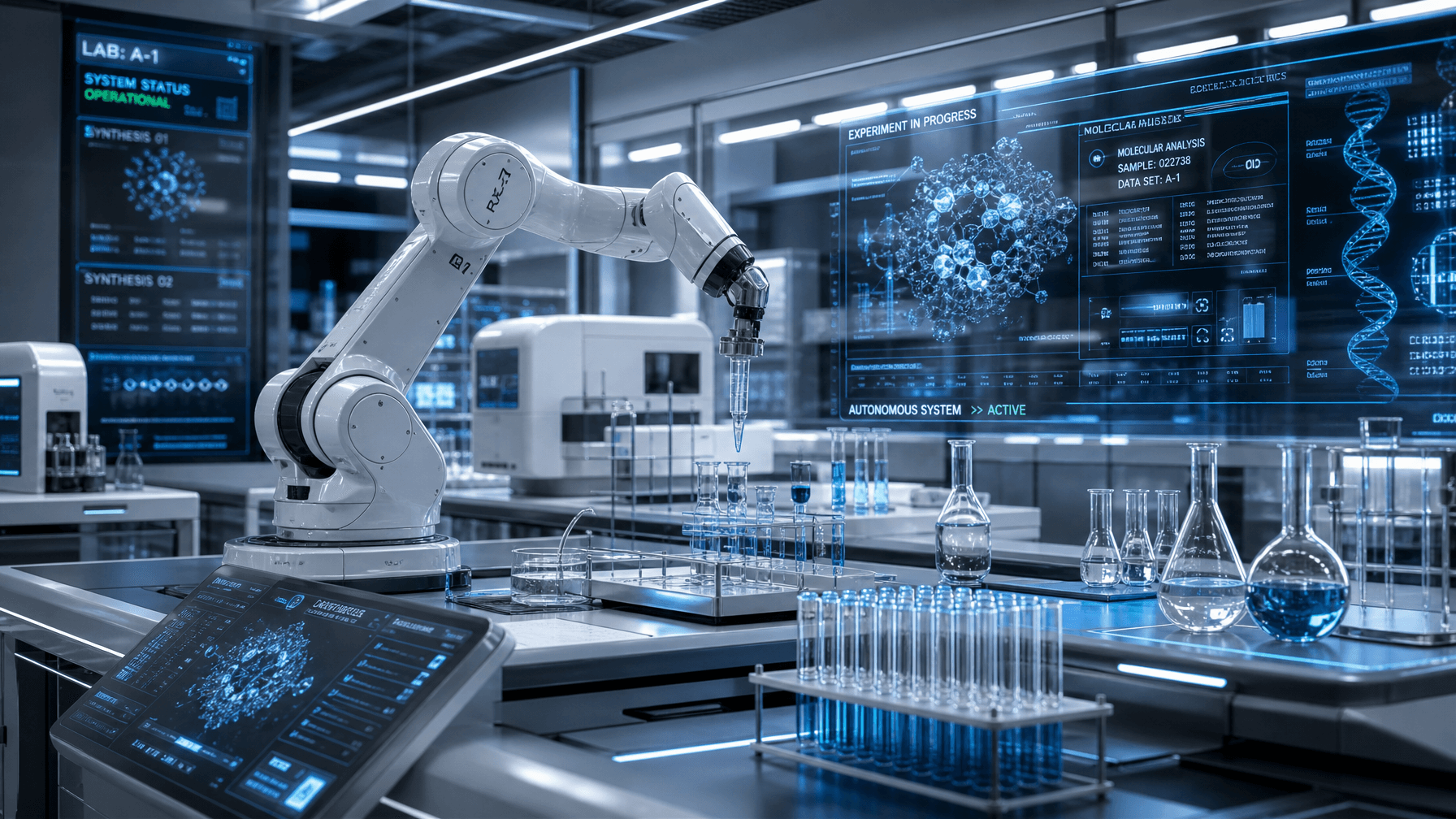
Beijing AI for Science Labs Launch Autonomous Robotic Scientists for Material Discovery
Beijing AI for Science labs have introduced autonomous robotic scientists that can design experiments, collect data, and discover new materials within a rapid timeframe of 20 seconds. This deployment represents a significant advancement in the capabilities of AI in scientific research, particularly in material science. The introduction of these robotic scientists is crucial as it signifies a paradigm shift in research methodologies, allowing for faster and more efficient experimentation. By automating the design and data collection processes, researchers can focus on higher-level analysis and innovation, potentially accelerating the pace of scientific discovery. Looking ahead, the impact of these robotic scientists on the research landscape will be closely monitored. The labs have not disclosed further timelines for additional capabilities or expansions, but the initial deployment marks a pivotal moment in the integration of AI and robotics in scientific exploration.
Technology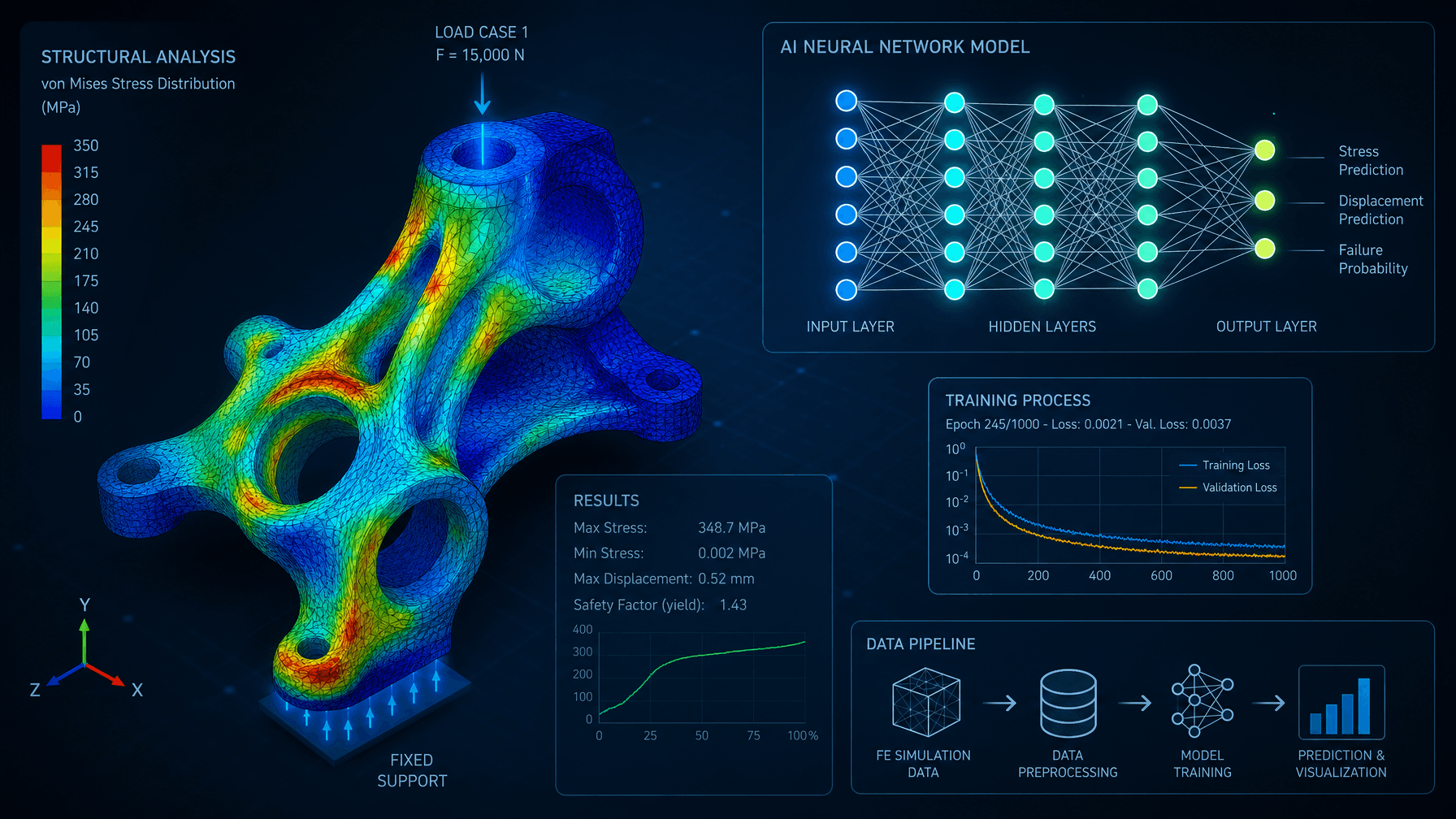
Jiying Technology Launches First Zero-Shot Generalizable Physics Model for Engineering Simulations
Jiying Technology has unveiled its Jiying 2.0 physics foundation model, which is capable of zero-shot generalization across various geometries, materials, and boundary conditions. This model represents a significant advancement in physics AI, particularly for engineering simulations, and was announced in October 2023. The introduction of the Jiying 2.0 model is crucial as it allows engineers to simulate complex physical scenarios without the need for extensive retraining on specific datasets. This capability can enhance efficiency and reduce the time required for simulations, making it a valuable tool in engineering design and analysis. Looking ahead, industry professionals will be keen to observe how the adoption of the Jiying 2.0 model influences engineering practices and simulation accuracy. No further timeline was disclosed at the time of publication regarding additional features or updates to the model.
Technology
Large Tabular Models Excel Where LLMs Fail
A new generative AI model, known as NEXUS, has emerged from the startup Fundamental, which recently secured $275 million in funding. Launched on February 5, 2026, NEXUS is designed to analyze structured data, a task that traditional large language models (LLMs) like ChatGPT and Claude struggle with. While LLMs excel in generating human-like text and images, they falter when faced with complex tabular data, which is crucial for businesses across various sectors, including finance and healthcare. Fundamental's CEO, Jeremy Fraenkel, explained that LLMs are not suited for structured data due to their reliance on sequential input, making them less effective for tasks requiring deterministic predictions, such as fraud detection. In contrast, NEXUS utilizes a large tabular model (LTM) that directly models the structure of tabular data, allowing for more accurate reasoning and predictions. The development of NEXUS involved training on billions of tables, using a mix of proprietary and public datasets while ensuring customer data confidentiality. This innovative model has already been integrated into Amazon Web Services' SageMaker platform, enhancing its accessibility for businesses handling sensitive data. As the demand for effective data analysis solutions grows, other companies, including Feedzai and Google, are also developing similar technologies. Experts predict that the future of data processing will increasingly rely on automated systems, combining the strengths of LLMs and LTMs to improve efficiency and accuracy in data analysis.
Data-analytics Llms Foundation-models Databases
FLSea: Underwater Visual–Inertial and Stereovision Forward‐Looking Data Sets
A recent study published in the Journal of Field Robotics highlights advancements in autonomous robotic systems designed for agricultural applications. Researchers from various institutions collaborated to develop innovative algorithms that enhance the efficiency and effectiveness of robots in crop monitoring and management. The findings, released in early October 2023, demonstrate how these technologies can significantly reduce labor costs and improve yield predictions, addressing the growing demand for sustainable farming practices. The research was conducted in various agricultural settings, showcasing the robots' adaptability to different environments and crops. By integrating machine learning and real-time data analysis, the team aims to provide farmers with tools that not only optimize their operations but also contribute to environmental sustainability. This study marks a significant step forward in the integration of robotics into agriculture, promising to transform traditional farming methods and support food security in the face of global challenges.
RESEARCH ARTICLE
ByteDance Seedance: How China's Video-Gen Model Turned the Tide
ByteDance has unveiled Seedance 2.0, marking a significant advancement in the realm of video generation technology in China. This innovative model has quickly established itself as the leading force in the market, boasting impressive gross margins ranging from 70% to 90%. The launch, which took place in October 2023, is poised to redefine the artificial intelligence business landscape by setting new standards for profitability and efficiency in video content creation. By leveraging cutting-edge technology and extensive data analysis, ByteDance aims to capitalize on the growing demand for high-quality video content, positioning itself at the forefront of the industry.
News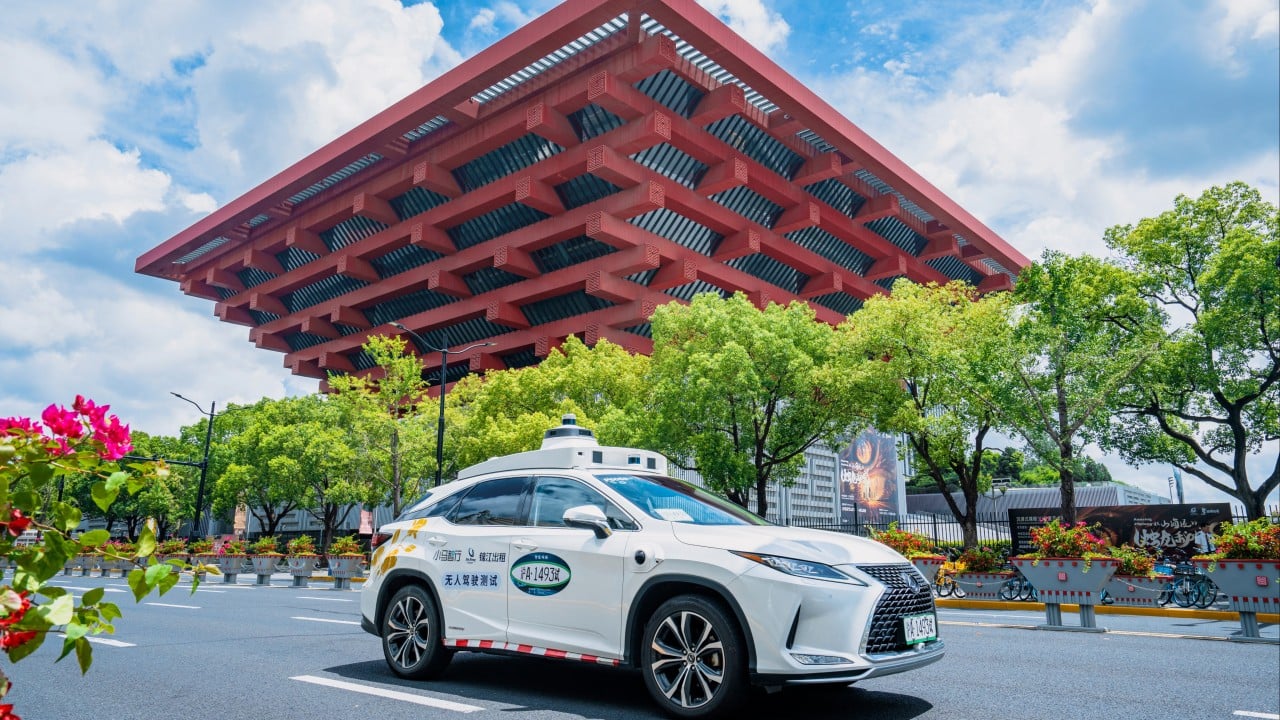
Global robotaxi market set to hit US$1t by 2040 as China tech costs plummet: Morgan Stanley
The global robotaxi market is projected to reach a value of $1 trillion by 2040, as highlighted in a recent report by Morgan Stanley. The investment bank's analysis, released on Friday, indicates that Chinese companies such as Baidu, Xpeng, and WeRide are poised to emerge as regional leaders in this burgeoning sector, competing alongside established global players like Tesla and Waymo. The forecast emphasizes that declining manufacturing costs in China will serve as a significant yet often overlooked catalyst for the industry's growth. With advancements in supply chain efficiency, the cost of components for Chinese-manufactured robotaxis is expected to decrease, further enhancing their competitive edge. This combination of innovation and cost reduction positions these companies to capitalize on the expanding demand for autonomous transportation solutions in the coming years.
Russia “Highly Likely” Behind Drone Incursions Over U.S. Bases In England Report Concludes
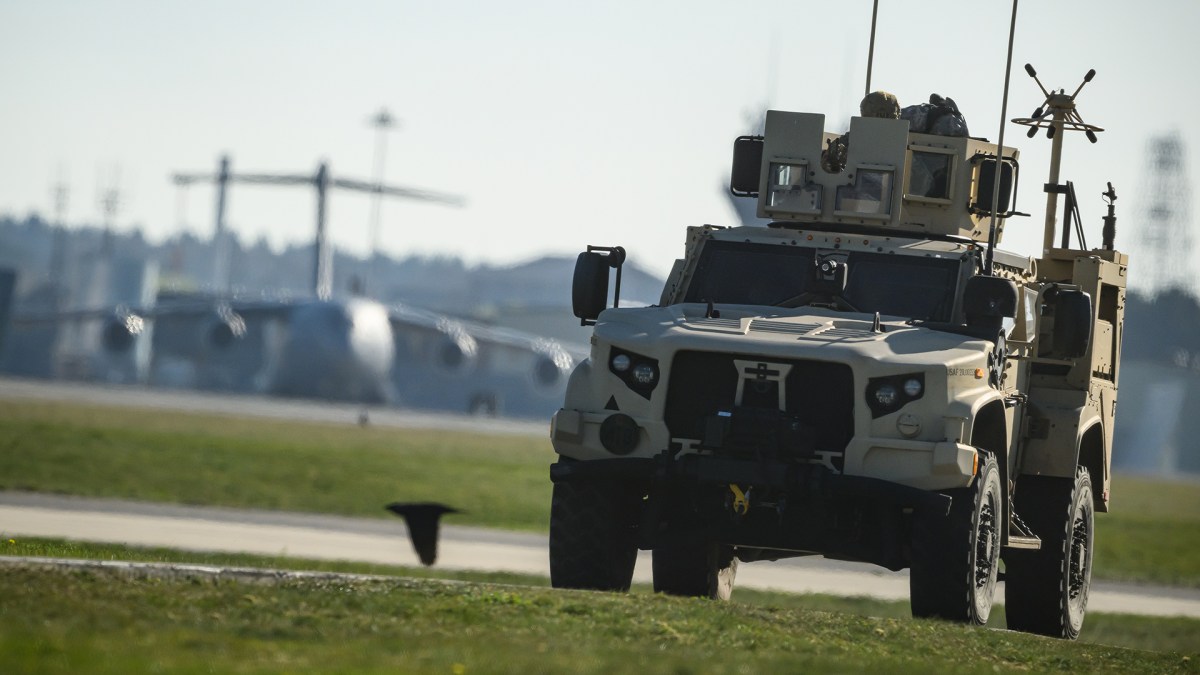
A recent report by the International Institute for Strategic Studies (IISS) has concluded that Russia is "highly likely" to be behind a series of drone incursions targeting U.S. military bases in England. This analysis is part of a broader investigation into Russia's involvement in drone activities across Europe, which have escalated since 2024. The findings highlight concerns about the implications of these incursions for European security and the potential for increased tensions between Russia and Western nations. The report underscores the need for vigilance and strategic responses to counteract the threats posed by such drone operations.
Air Air Forces Around The Globe Drones Europe News & Features
Automate 2026 show recap
Editors Steve Crowe, Mike Oitzman, and Sarah Wynn provided an insightful analysis of Automate 2026, focusing on significant trends in physical artificial intelligence, humanoid robotics, and software orchestration. Their review highlights the advancements and innovations showcased at the event, reflecting the evolving landscape of automation technology. The analysis aims to inform industry stakeholders about the implications of these trends for future developments in robotics and automation. The recap serves as a valuable resource for understanding how these technologies are shaping various sectors and the potential impact on the workforce.
Artificial Intelligence Business Resources Controllers Educational Events HumanoidsRobotics needs a service framework.
RSF defines a common language for robot service capability, lifecycle operations, certification pathways, and service-provider networks.