Industry Briefing
A single destination for timely, editor-curated robotics news from around the world.
Teledyne FLIR Introduces AI-Driven Air-to-Ground Tracking Software for UAS
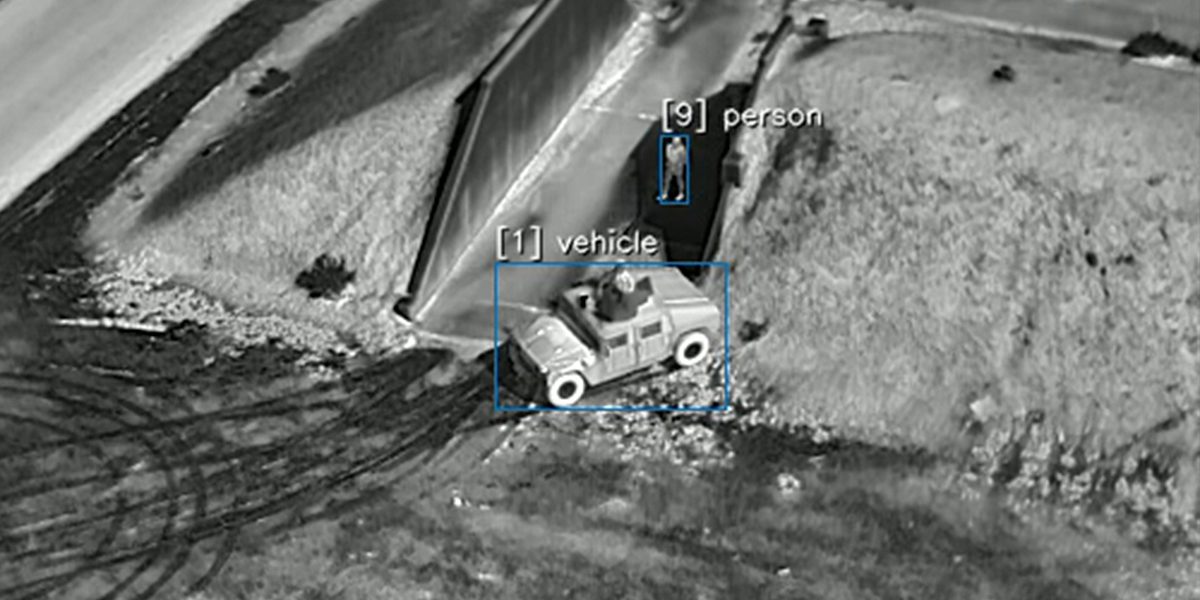
Teledyne FLIR OEM has unveiled Prism A-ISR, a cutting-edge software module aimed at enhancing air-to-ground detection and tracking for uncrewed aircraft systems (UAS) and airborne intelligence, surveillance, and reconnaissance (ISR) platforms. Announced on October 6, this software leverages artificial intelligence to detect, classify, and track multiple ground objects in real time, utilizing data from various sensor types including midwave infrared (MWIR) and visible electro-optical (EO) sensors. The significance of Prism A-ISR lies in its ability to perform edge processing, enabling airborne systems to analyze sensor data independently of remote computing resources. This capability is crucial for applications requiring persistent surveillance and defense missions, as it enhances long-range situational awareness while minimizing false alarms. Teledyne FLIR's advanced image processing tools, including patented denoise and super-resolution technology, further improve detection capabilities in challenging conditions. Looking ahead, Teledyne FLIR's AIMMGen synthetic model-training service allows developers to quickly adapt the software for new target classes, streamlining the creation of mission models. The software is compatible with NVIDIA and Qualcomm embedded AI platforms and several Teledyne FLIR camera modules, including the NDAA-compliant Boson+ and Neutrino thermal camera families. No further timeline was disclosed at the time of publication.
AI Applications C-UAS Defense defense Drone News
Robotiq Introduces Open-Source Software for Enhanced Robot Manipulation and Physical AI
Robotiq has unveiled three open-source software tools for its adaptive grippers, including a C++ SDK, an official ROS 2 package, and updated Nvidia Isaac Sim assets. These tools are now available on GitHub and are optimized by Robotiq to enhance the functionality of their grippers in physical AI applications. The significance of these releases lies in their response to the increasing demands of physical AI, which requires advanced capabilities from robotic grippers. According to Vincent Duchaine, CTO AI at Robotiq, the new tools support higher fidelity in simulation and tighter control loops, enabling better data collection and reporting from the grippers during operation. Looking ahead, Robotiq plans to introduce embedded intelligence at the point of contact, with an expected release in Q4. This innovation will be showcased at the IEEE/RSJ International Conference on Intelligent Robots & Systems (IROS) 2026 in Pittsburgh, highlighting Robotiq's commitment to advancing robot manipulation technologies.
Components News adaptive grippers end-of-arm tooling nvidia isaac sim open source robotics
Google's Intrinsic Launches Open-Source Robotics Software for Industrial AI Applications
Intrinsic, a subsidiary of Google, has released Intrinsic Core as open-source robotics software, enabling developers to create AI-enabled industrial robot applications from prototype to production. This software includes features such as real-time robot control, pose estimation, and motion planning, available on GitHub under an Apache 2.0 license. The significance of this release lies in its potential to streamline the development process for robotics applications, reducing the infrastructure developers need to build independently. Intrinsic Core is designed to work seamlessly with existing products like Intrinsic Flowstate and supports various hardware configurations, enhancing its adaptability in manufacturing environments. Looking ahead, Intrinsic plans to introduce additional open reference solutions for industrial automation, further expanding the capabilities of Intrinsic Core. The Open Machine Tending Solution, which runs on Intrinsic Core, serves as a reference design for CNC machine tending, showcasing practical applications of the software in real-world scenarios. No further timeline was disclosed at the time of publication.
AI AI Funding & Investment AI Infrastructure & Compute Robotics Google industrial roboticcs
Robotiq Unveils Open-Source Software for Physical AI Ecosystem Development
Robotiq has launched three open-source software packages aimed at enhancing its adaptive grippers. These releases include a C++ SDK, an official ROS 2 package, and updated NVIDIA Isaac Sim assets, all designed to facilitate the training of manipulation models on Robotiq components and their deployment on real robots. This initiative is significant as it represents the first components of Robotiq's physical AI software layer, which is intended to streamline the integration of AI in robotic manipulation tasks. By providing these tools, Robotiq aims to empower developers and engineers to create more effective and efficient robotic solutions. Looking ahead, Robotiq's commitment to maintaining and optimizing these software packages suggests ongoing support for the developer community. No further timeline was disclosed at the time of publication.

AI Enhances Software-Driven Automation by Reducing Operational Bottlenecks
Recent insights reveal that industrial automation is evolving beyond traditional definitions, which included PLCs, sensors, and robotics. Today, a significant challenge in manufacturing and engineering is not just physical bottlenecks but also delays caused by inefficient information workflows. Teams often wait for data to be manually rebuilt or reformatted, leading to operational inefficiencies. This shift in focus towards software-driven workflows highlights a critical opportunity for industrial organizations. While investments in physical automation have made machines faster and smarter, the surrounding workflows remain largely manual. The disconnect between various systems—such as engineering platforms and asset-management systems—creates unnecessary delays, as data handoffs often rely on human intervention. Going forward, organizations should prioritize connecting existing systems rather than seeking new software platforms. By addressing these software-driven bottlenecks, companies can unlock significant improvements in operational efficiency and streamline their processes. No further timeline was disclosed at the time of publication.
Factory / Sensors
Accelerating Software and Agentic AI to Enhance Mission Success in Classified Networks
The article discusses the critical role of software and agentic AI in achieving mission success, particularly in classified environments. It emphasizes that while commercial prototypes may function well in controlled settings, the real challenge lies in effectively deploying these technologies across secure networks. This distinction is crucial for military and defense operations, where reliability and security are paramount. Understanding the difference between sandbox testing and real-world application is essential for organizations aiming to leverage AI in sensitive operations. The deployment of advanced AI solutions can significantly enhance operational efficiency and decision-making capabilities, making it imperative for stakeholders to prioritize these technologies. The article highlights the need for a strategic approach to integrate AI into existing frameworks, ensuring that mission objectives are met without compromising security. Looking ahead, organizations must focus on overcoming the challenges associated with deploying AI in classified networks. Continuous innovation and adaptation will be key to ensuring that software and agentic AI remain at the forefront of mission-critical operations. No further timeline was disclosed at the time of publication.
Networks & Digital Warfare Sponsored Post accenture Accenture Federal Services AI cyber security
AI Requires Not Only Smart Software but Also the Right Hardware for Success
Artificial intelligence (AI) is increasingly being adopted across various sectors, from robotics to industrial automation. Edge AI, which processes data directly on devices rather than in data centers, is seen as a significant development by over half of Dutch companies. However, many industrial SMEs face challenges transitioning from experimentation to large-scale implementation due to inadequate IT infrastructure and outdated machinery. The focus on AI is shifting from software and algorithms to the underlying hardware, as AI applications demand powerful processors and systems capable of processing large amounts of data locally and in real-time. Interest in specialized AI boards is growing, as these compact computing platforms are designed for edge AI applications, combining high computing power with low energy consumption. As new generations of AI boards deliver higher performance at lower costs, more organizations can implement AI in production environments. Starter kits and pre-configured platforms facilitate faster experimentation and integration of AI into existing systems, reducing the gap between pilot projects and practical applications. The importance of energy efficiency in modern AI hardware is also rising, underscoring the need for organizations to consider their hardware strategy early on to ensure successful AI projects.
Nieuws algemeen
OpenAI Launches Office Suite Features to Compete with Microsoft’s Software Offerings
OpenAI has unveiled new features at its Dev Day developer conference aimed at enhancing workplace productivity, directly competing with Microsoft’s office software. The standout feature, Space, allows users to collaborate with the ChatGPT chatbot and OpenAI’s AI agent personas, Dots, on various work tasks, creating a dynamic shared workspace. This move is significant as it marks OpenAI's expansion into the office software domain, traditionally dominated by Microsoft. CEO Sam Altman emphasized that users can interact with their pages and files in a more integrated manner, enhancing collaboration and productivity. Additionally, OpenAI introduced Pages, a word processor designed for human and AI collaboration, and collaborative slides, which can be created through conversation within ChatGPT. As OpenAI ventures further into Microsoft’s territory, it will be interesting to observe how Microsoft and other software companies respond. The competition is heating up as both sides release new AI products to adapt to the evolving software landscape. No further timeline was disclosed at the time of publication.
AI ChatGPT Microsoft OpenAI Salesforce
Toborlife AI Introduces Full-Body Teleoperation Software for Unitree G1 Humanoid Robot
Toborlife AI has launched its full-body teleoperation software for the Unitree G1 Edu humanoid robot, marking a significant advancement for US research labs and universities. This software provides a domestic solution for data collection, training, and support, ensuring that training data remains on customer hardware within the United States. The introduction of this teleoperation system is crucial as it addresses the gap in software and support for humanoid robotics in the US, where teams have struggled to integrate various open-source libraries. With the ability to control the G1 Edu in real time using a PICO VR headset, operators can perform tasks with high precision, capturing data that is immediately usable for training and model validation. Looking ahead, Toborlife AI's commitment to providing US-based technical support and training will be essential for labs aiming to leverage humanoid robots effectively. No further timeline was disclosed at the time of publication.
Humanoids News Software artificial intelligence dexterous hands dexterous manipulation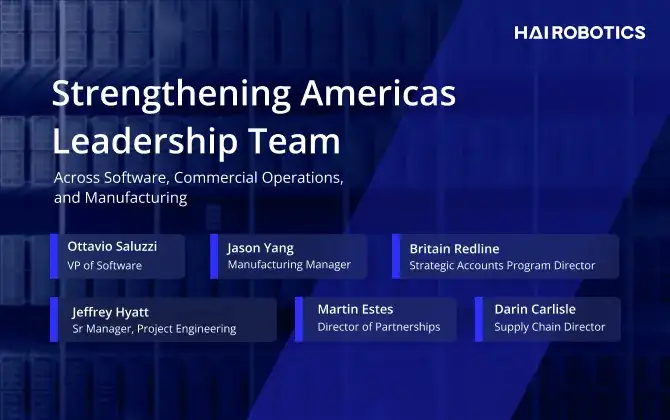
Hai Robotics Expands Leadership Team in Americas for Enhanced Operations and Manufacturing
Hai Robotics has enhanced its leadership team in the Americas with key appointments across various sectors including software, supply chain, and manufacturing. This strategic move aims to bolster the company's capabilities in supporting the entire customer journey, from solution development to U.S.-based manufacturing. The expansion is significant as it aligns with Hai Robotics' commitment to improving local service and operational responsiveness in the Americas, particularly in Alpharetta, Georgia. The new leadership will enable the company to better meet evolving customer needs and sustain regional growth, reinforcing its position in the competitive warehouse automation market. Looking ahead, Hai Robotics plans to continue investing in infrastructure and operational expertise to adapt to the changing demands of its customers. No further timeline was disclosed at the time of publication.
Warehouse Automation Supply Chain Management Logistics Manufacturing Customer Support
Ema Secures $77 Million Funding to Automate Corporate Processes with AI Technology
Ema, a startup specializing in AI-driven automation for HR, IT, and finance, has successfully raised $77 million in a Series B funding round. This investment, led by Creaegis, along with contributions from existing investors like Accel and Prosus, elevates Ema's total funding to $140 million and significantly increases its valuation since its last round in 2024. The significance of this funding lies in Ema's ambition to disrupt traditional enterprise software and IT services by deploying its innovative 'AI employees' technology. This approach allows businesses to automate multi-step processes across existing applications, potentially reducing reliance on conventional software products, including SaaS offerings. Looking ahead, Ema is positioned to expand its market presence, having already secured over 50 enterprise deals and more than 1 million active users. With a remarkable 50-fold revenue growth over the past two years and a net dollar retention rate of around 180%, the startup is set to continue its trajectory in the competitive landscape of enterprise automation.
Enterprise Startups AI Accel section 32 AI agents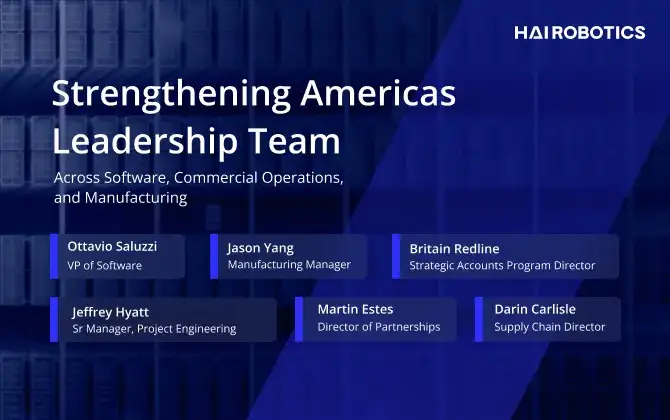
Hai Robotics Expands Leadership Team in Americas for Enhanced Operations and Manufacturing
Hai Robotics has bolstered its leadership team in the Americas with key appointments across various sectors, including software and manufacturing. This strategic move aims to enhance the customer journey by improving solution development, software integration, and supply chain execution. The expansion is significant as it aligns with Hai Robotics' commitment to providing responsive, locally supported services in the Americas, particularly with its growing presence in Alpharetta, Georgia. The new leadership will enable the company to better meet evolving customer needs and sustain regional growth. Looking ahead, Hai Robotics is focused on building an organization that anticipates future customer requirements. CEO Adrian Stoch emphasized the importance of having the right capabilities and infrastructure in place to adapt to the complexities of customer operations as they evolve. No further timeline was disclosed at the time of publication.
Warehouse Automation Supply Chain Management Logistics Manufacturing Customer Support
China Launches Components for Orbital Datacenter: AI Compute, Cloud Software, and Laser Links
On September 23, it was reported that China has successfully launched key components for an orbital datacenter. These components include on-board AI computing capabilities, cloud-native satellite software, and advanced 100 Gbps-class laser communication links, developed through multiple concurrent programs. This development is significant as it represents a major step forward in China's capabilities in space technology and satellite communications. The integration of AI and cloud-native software into satellite systems could enhance data processing and transmission efficiency, positioning China as a competitive player in the global space industry. Looking ahead, industry observers will be keen to monitor the progress of these programs and their potential applications in various sectors. No further timeline was disclosed at the time of publication.

AI Tools Transform Code Review Processes for Engineers Amidst Growing AI-Generated Code
AI coding tools are rapidly generating extensive code, prompting companies to rethink their review processes. While AI can enhance productivity, it also introduces risks such as security vulnerabilities and errors that may not surface until after deployment. A survey by Sonar revealed that 42% of code added to shared codebases comes from AI, yet 96% of developers remain skeptical about its reliability. Investors are recognizing the potential in addressing these challenges, as evidenced by CodeRabbit's recent $143 million funding round. The startup claims to conduct over 2 million code reviews weekly for major clients like Nvidia and BMW Group. This shift in code review dynamics raises questions about the future of software engineering, particularly for entry-level engineers who may have less hands-on coding experience. As AI-generated code volume increases, companies like Synthesia and Amazon are employing specialized AI agents to streamline the review process. These agents help identify issues before human review, but the reliance on AI also raises concerns about the quality and trustworthiness of the generated code. No further timeline was disclosed at the time of publication.
Coding Artificial-intelligence Vibe-coding Software-engineers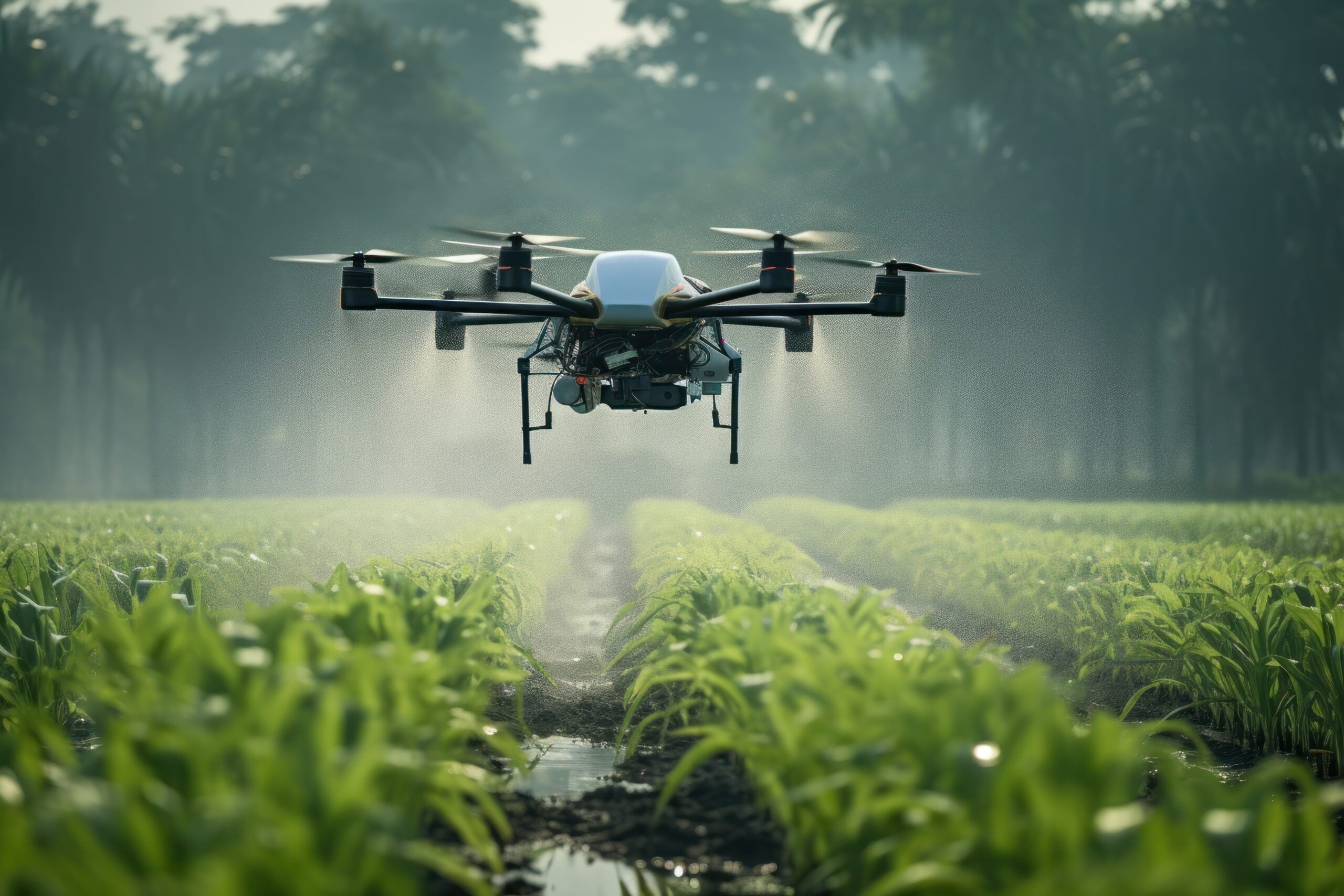
FCC Proposes New Rules for Drone Manufacturers on Software and Hardware Disclosure
The Federal Communications Commission (FCC) has initiated a rulemaking process that may require drone manufacturers to disclose comprehensive details about their hardware and software. This proposal, published on August 7, is part of the FCC's Third Further Notice of Proposed Rulemaking and aims to enhance transparency in the commercial drone industry. This rulemaking is significant as it could reshape the regulatory landscape for drone manufacturers, particularly through the proposed Hardware Bill of Materials (HBOM) and Software Bill of Materials (SBOM). Will Dawson from the Agricultural Drone Initiative emphasized that these requirements could be pivotal, as they would mandate certification applicants to provide detailed information about each component's producer and production location, potentially impacting supply chains and security protocols. As the FCC seeks public comment on these proposals, the industry should monitor the developments closely. The implications of the HBOM and SBOM requirements could lead to stricter certification processes and influence how drone manufacturers manage their supply chains. No further timeline was disclosed at the time of publication.
Agriculture Applications Drone News Drone News Feeds Feature 1 News
AMD Achieves 30% Productivity Boost with AI in Software Development
AMD has reported a significant 30% productivity boost in software development through AI integration, surpassing its initial target of 25%. This achievement is attributed to advancements in Large Language Models (LLMs) that enhance code generation, debugging, and testing processes. The company is now rethinking the software development lifecycle (SDLC) to incorporate collaborative AI agent swarms that can independently identify solutions, moving beyond traditional human-defined workflows. The implications of this development are profound, as AMD's AI systems are not only automating tasks but also reshaping the entire SDLC structure. By enabling AI to generate over 20% of source code, with some components reaching 80%, AMD is setting a new standard for productivity in software engineering. This shift towards agentic AI allows engineers to scale their expertise and focus on defining problems rather than solutions, paving the way for a future where AI can autonomously generate and evaluate multiple solutions. Looking ahead, AMD aims to further enhance its AI capabilities by fostering collaborative learning among agents, which will enable them to improve continuously across projects. The company has already seen success in its Radeon Software eXperience (RSX), where AI agents have increased their issue resolution rate from 6% to 75% in less than a year. No further timeline was disclosed at the time of publication.
Agentic-ai Software-engineering Amd Large-language-models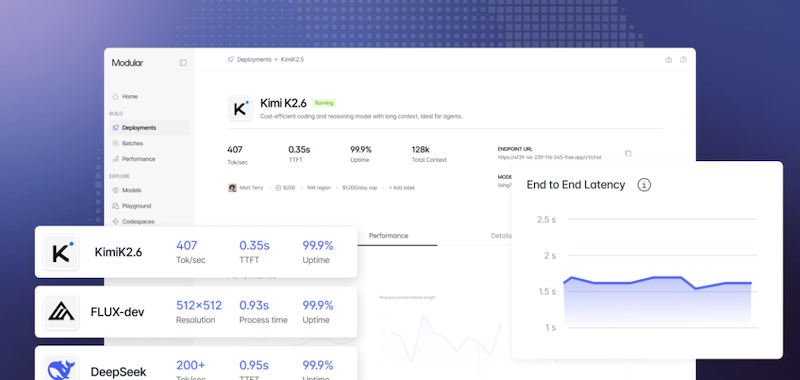
Qualcomm Finalizes Acquisition of AI Software Platform Provider Modular Inc
Qualcomm has successfully completed its acquisition of Modular Inc, a leader in AI-native software infrastructure. This acquisition enhances Qualcomm's capabilities to provide comprehensive AI solutions by enabling developers to optimize and deploy generative and agentic AI workloads across diverse computing systems. Modular's software platform will integrate with Qualcomm Technologies' high-performance, energy-efficient computing technologies, expanding the reach of AI platforms across various devices and infrastructures. The significance of this acquisition lies in its potential to accelerate the deployment of AI solutions across multiple sectors, including personal and industrial applications. By combining Modular's innovative software with Qualcomm's established ecosystem, the partnership aims to address key challenges in AI development, such as performance optimization across different hardware architectures. This move is expected to enhance competition and innovation within the AI industry. Looking ahead, Qualcomm plans to continue supporting Modular's existing products, including Mojo, MAX, and Modular Cloud, while investing in their development. Chris Lattner, co-founder of Modular, will transition to an executive role at Qualcomm, further solidifying the integration of Modular's technology into Qualcomm's offerings. No further timeline was disclosed at the time of publication.
Computing Infrastructure Software agentic ai AI infrastructure AI software
Harvard Art Museums Team Evaluates AI-Generated Avatars for Visitor Engagement
The Harvard Art Museums team explored the potential benefits and drawbacks of utilizing AI-generated avatars to attract new visitors. This initiative aims to enhance visitor engagement by providing a more interactive experience with art. The significance of this approach lies in its ability to bridge the gap between technology and art, potentially transforming how museums connect with audiences. By leveraging AI, the team hopes to create a more personalized and immersive experience that resonates with a diverse range of visitors. Looking ahead, it will be important to monitor the effectiveness of AI-generated avatars in increasing visitor numbers and engagement levels. No further timeline was disclosed at the time of publication.
391808 391807 391606 391480 391616 391772
The Escalating AI Arms Race in Software Engineering Technical Interviews
The landscape of software engineering job interviews is rapidly evolving due to the increasing use of AI by both candidates and employers. Applicants are employing AI assistants to enhance their performance during remote technical interviews, while companies are countering with AI tools designed to detect such assistance. This dynamic creates a competitive environment where the human element of hiring remains crucial despite the technological advancements. The rise of AI in hiring processes is largely driven by the current job market, which is characterized by a surplus of applicants and ongoing tech layoffs. Experts like AI hiring strategist Tatiana Teppoeva highlight that candidates often resort to AI tools as a response to automated hiring practices that may not favor them. This situation leads to a cycle where both parties leverage AI, potentially shifting the focus from genuine capability to algorithm optimization. As AI tools become more prevalent, concerns regarding their effectiveness and fairness have emerged. While some companies are embracing AI in interviews, others warn of the risks associated with bias and privacy. The need for human oversight in the hiring process is emphasized, as relying solely on AI could result in the exclusion of qualified candidates. No further timeline was disclosed at the time of publication.
Hiring-trends Interviews Ai-bias Software-engineering
MIT and Toyota Develop SceneSmith to Enhance Robot Training with AI-Generated Environments
MIT and the Toyota Research Institute have introduced SceneSmith, a system that utilizes AI agents to create realistic 3D environments for robot training. This innovation addresses the significant challenge of generating diverse simulation content, which is crucial for teaching robots various tasks in a cost-effective manner. The SceneSmith system employs three AI agents, leveraging the advanced vision-language model GPT-5.2, to design intricate indoor scenes. These environments, featuring up to six times more objects than previous methods, allow robots to practice skills in a rich virtual playground, ultimately reducing the need for extensive real-world testing. As the research progresses, the effectiveness of these AI-generated environments will be closely monitored. The team has already demonstrated that robots can successfully navigate and perform tasks in these virtual settings, indicating a promising future for robotic training methodologies. No further timeline was disclosed at the time of publication.
Research Robotics Artificial intelligence Simulation Computer science and technology Machine learning
AI-Generated Phishing Emails: A New Trend in Cyber Attacks
Microsoft has reported a rise in phishing attacks, fraudulent advertisements, and exploitation of search results that misuse the popularity of AI services. These attacks are being carried out under the guise of well-known platforms such as ChatGPT, Claude, and DeepSeek. Cybercriminals are employing these tactics to steal authentication and payment information, as well as to distribute malware. The increase in such malicious activities highlights the vulnerabilities associated with the growing reliance on AI technologies.

Enhancing Military Logistics Networks with Software and Edge AI for Contested Environments
The article discusses the role of software, edge AI, and resilient connectivity in bolstering military logistics in contested environments. These technologies are essential for ensuring that logistics networks can operate effectively even under challenging conditions. Strengthening military logistics is crucial for maintaining operational readiness and effectiveness in modern warfare. The integration of advanced technologies like edge AI can provide real-time data processing and decision-making capabilities, which are vital in dynamic and unpredictable environments. Looking ahead, the event hosted by Breaking Defense on October 21 will delve deeper into these topics, offering insights into the future of military logistics. Participants will also have the opportunity to earn 1 CPE credit for their involvement.
Networks & Digital Warfare artificial intelligence AI contested logistics cyber security cybersecurity logistics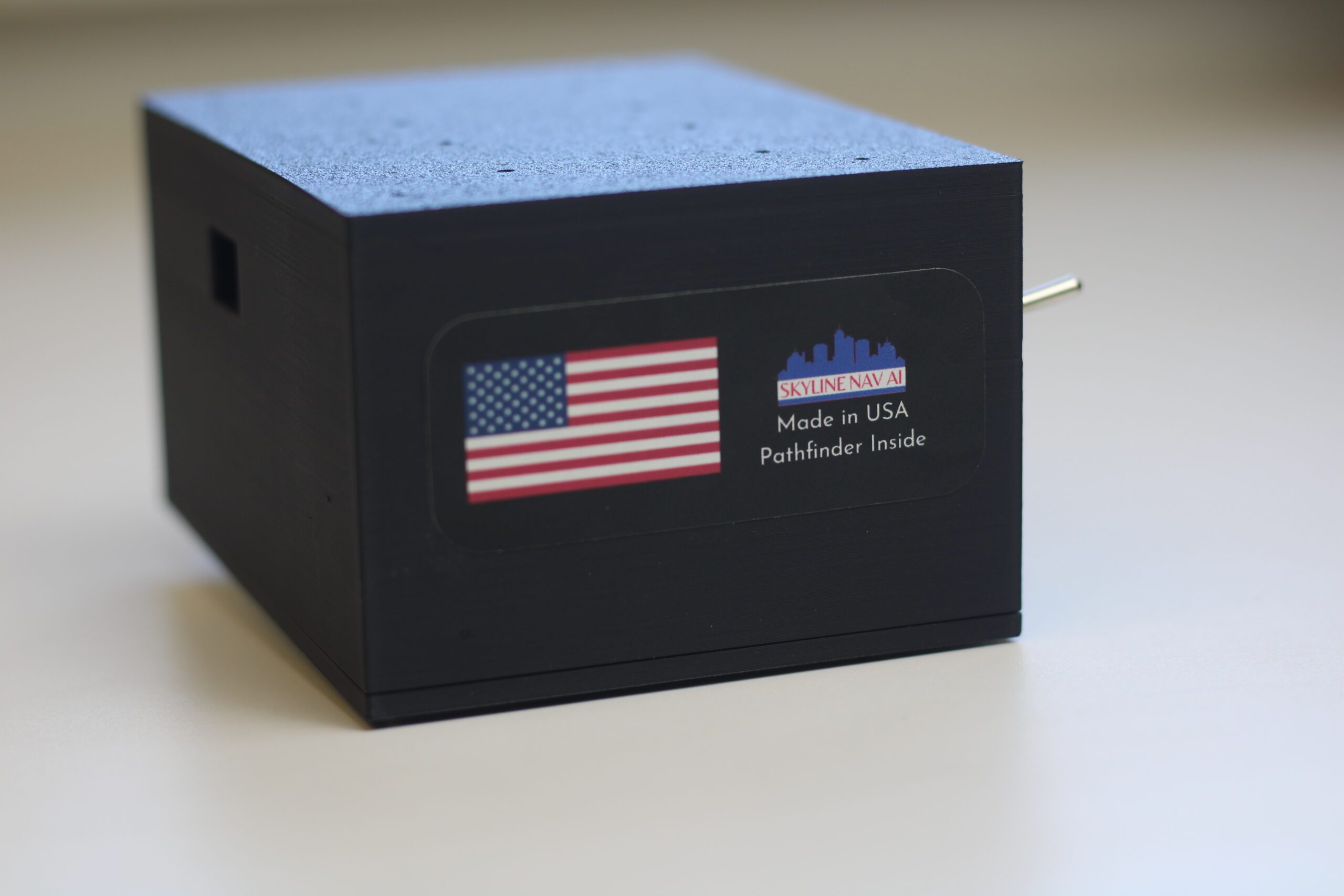
Skyline Nav AI Develops GPS-Independent Navigation Software for Drones
Skyline Nav AI, founded in 2020, specializes in low-cost GPS-independent visual positioning and navigation software aimed at defense and public safety sectors. The company was established in response to the increasing disruption of GPS signals, which can be easily jammed or spoofed, as highlighted by CEO Kanwar Singh's experiences in the Army National Guard. The significance of Skyline's technology is underscored by the growing reliance on drones in modern warfare, particularly in conflicts like those in Ukraine and the Middle East. As adversaries increasingly employ GPS jamming tactics, the need for reliable navigation solutions has become critical. Skyline's products, including the Pathfinder series, are designed to operate effectively in GPS-denied environments, attracting clients such as the U.S. Air Force and NASA. Looking ahead, Skyline Nav AI's innovative approach to drone navigation could reshape operational capabilities in military and public safety applications. The company’s focus on integrating advanced computer vision and machine learning into its products positions it well for future developments in autonomous systems. No further timeline was disclosed at the time of publication.
communications connectivity Drone News Drone News Feeds Feature 1 News
Integrating Cameras, Grippers, Controllers, and Software for Advanced Robotics Deployment
The integration of cameras, grippers, controllers, and application software is crucial for effective robotics deployment. When these components are tailored for a specific workcell, adapting them for different tasks or products often requires extensive rework. This challenge highlights the need for more flexible and adaptable robotic systems in manufacturing environments. Addressing the integration issue is essential for enhancing productivity and efficiency in industrial automation. As companies seek to implement advanced robotics solutions, the ability to quickly adapt systems to new tasks can significantly reduce downtime and costs. This adaptability is vital for staying competitive in a rapidly evolving market. Looking ahead, companies will need to focus on developing modular and interoperable robotic systems that can easily transition between various applications. The ongoing evolution in robotics and AI research will play a key role in shaping these advancements. No further timeline was disclosed at the time of publication.
D-Robotics Secures $400 Million in Series C Funding for Sunrise Chip and Software Platform
D-Robotics, a Chinese robotics technology firm, has successfully raised $400 million in a Series C funding round. This financing will bolster the company's Sunrise chip portfolio and its comprehensive software platform aimed at enhancing robot development. The significance of this funding lies in D-Robotics' impressive revenue growth, which has reportedly multiplied several times year over year in the first half of 2026. Additionally, the company has achieved cumulative shipments of over 8 million units of its Sunrise chips, indicating strong market demand and adoption. Looking ahead, D-Robotics has entered mass production with its embodied AI business, and its Sunrise S600 chip has already been adopted by more than 20 customers within just six months of its launch. The new software platform is set to facilitate various stages of robot development, including data collection and deployment. No further timeline was disclosed at the time of publication.
News Feed
Ron Baron Advocates for Tesla Stock Investment, Citing Self-Driving Software Growth
Ron Baron, founder of Baron Capital, expressed strong confidence in Tesla stock during a CNBC interview, emphasizing the potential of the company's self-driving software as a key factor for future growth. His firm holds approximately $5 billion in Tesla shares, highlighting its significant investment in the electric vehicle market. Baron noted that Tesla's Full Self-Driving (FSD) system is rapidly gaining traction, with a reported annual growth rate of 55%. Despite Tesla's own figures showing a 56% increase in active FSD subscriptions, Baron believes that the company's market share is expanding due to traditional automakers slowing their electric vehicle initiatives. Looking ahead, Tesla's upcoming delivery report will be crucial in determining if the demand for FSD and record deliveries can sustain momentum amid a contracting US EV market. No further timeline was disclosed at the time of publication.

DataSelf Corp. Launches Enhanced DataSelf ETL+ for Advanced Analytics Solutions
DataSelf Corp. has unveiled the latest version of DataSelf ETL+, an advanced reporting and analytics solution designed for mid-market businesses. This next-generation software integrates powerful AI capabilities to enhance data analytics and reporting processes. The introduction of DataSelf ETL+ is significant as it positions DataSelf Corp. as a leader in the mid-market data warehousing and analytics sector. By leveraging AI, the software aims to provide users with deeper insights and more efficient data management, addressing the growing demand for sophisticated analytics tools in the market. Looking ahead, it will be important to monitor the adoption of DataSelf ETL+ among mid-market companies and its impact on their data-driven decision-making processes. No further timeline was disclosed at the time of publication.

Sweden Acquires Reconnaissance and Combat UAVs for Integrated Recce-Strike System
Sweden has made a significant procurement of reconnaissance and combat UAVs designed to function together as a recce-strike system. This system will be coordinated through a common software platform, enhancing operational efficiency and effectiveness in military operations. The integration of these UAVs is crucial as it allows for improved reconnaissance capabilities alongside combat operations, thereby streamlining military strategies. The use of common software signifies a move towards more unified and coordinated military systems, which can lead to better resource management and tactical advantages. Looking ahead, the effectiveness of this recce-strike system will depend on the successful implementation of the software and the operational readiness of the UAVs. No further timeline was disclosed at the time of publication.
News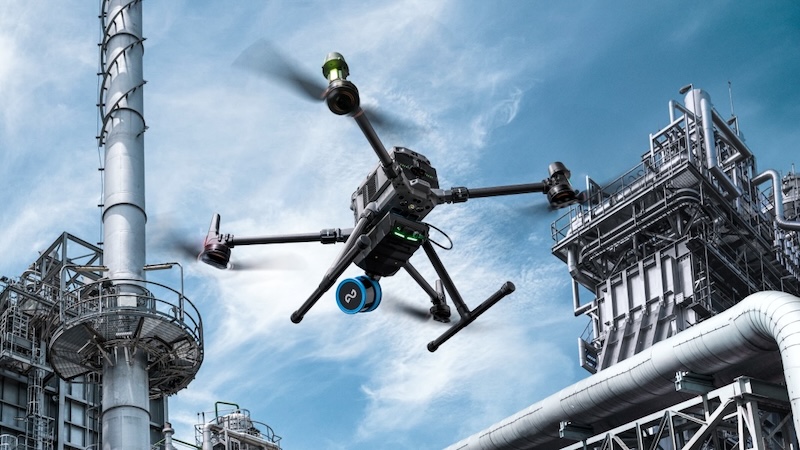
Emesent Raises $17 Million to Enhance Cortex AI and Aura Cloud Software Development
Emesent, an autonomous mapping and robotics company, has secured $17 million in funding to advance its Cortex AI autonomy platform and expand its Aura cloud software. This funding includes a $7 million venture debt facility from the National Reconstruction Fund Corporation and a $10 million equity round supported by various investors. The investment is significant as it will enable Emesent to scale its manufacturing operations in Wacol, Queensland, Australia, and enhance its capabilities in sectors such as mining, defense, and architecture, engineering, and construction. CEO Charles Miller emphasized the importance of this funding in meeting the demands of clients operating in challenging environments. Looking ahead, Emesent plans to leverage this capital to deepen its presence in critical sectors and further develop its AI and autonomy technologies. No further timeline was disclosed at the time of publication.
Financials & Investments News AEC artificial intelligence aura Australian robotics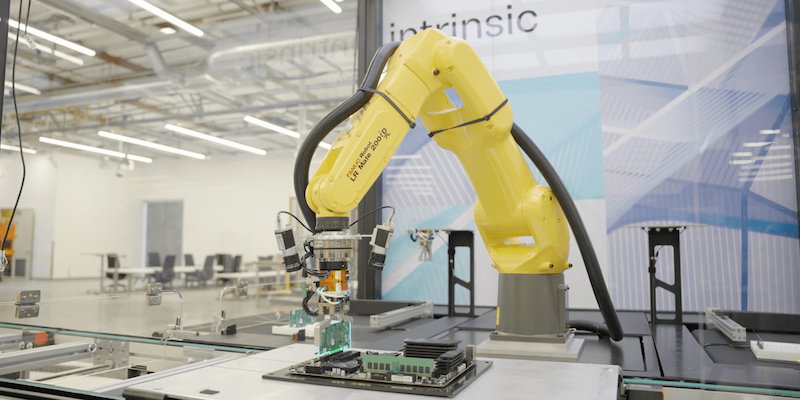
Intrinsic’s vision for physical AI: Building the software-defined factory
For decades, the industrial automation sector has adhered to a consistent model, where production lines have accelerated, robots have gained enhanced capabilities, and software has evolved, yet the fundamental approach has remained unchanged. Automation systems have traditionally been designed for specific tasks, resulting in high costs and lengthy processes for achieving flexibility. However, this conventional model is now facing significant challenges as manufacturers strive to adapt to rapidly changing market demands and consumer preferences. The push for more versatile and efficient automation solutions is prompting a reevaluation of existing practices, signaling a potential shift in the industry towards more adaptable and cost-effective systems. As companies seek to enhance their competitiveness, the evolution of automation technology is becoming increasingly critical in meeting the dynamic needs of the manufacturing landscape.
Artificial Intelligence Factories News ai robotics Automate 2026 electronics assembly
SpaceX's $1.75 Trillion Valuation Driven by Starmind's Future Potential
Starmind is a pivotal element in SpaceX's estimated $1.75 trillion IPO valuation, despite currently generating no confirmed revenue. The stock price reflects optimistic projections regarding AI infrastructure growth, which Starmind has yet to substantiate. As of early July 2026, SpaceX's stock has decreased from its 52-week high of $225.64 to around $150, indicating market skepticism about future execution. The significance of Starmind lies in its potential to transform SpaceX's revenue model beyond traditional launch services. Goldman Sachs has shifted its focus from Starlink subscriber growth to the prospects of AI revenue, including orbital computing, as a cornerstone of SpaceX's long-term valuation. This marks a substantial change in how analysts view the company's growth trajectory, necessitating rates exceeding its historical 33% growth. Looking ahead, the credibility of Starmind as a growth narrative will be crucial for maintaining investor confidence. Analysts have noted a considerable divergence in price targets, reflecting uncertainty about the value of the Starmind and xAI initiatives. No further timeline was disclosed at the time of publication regarding specific milestones for these projects.
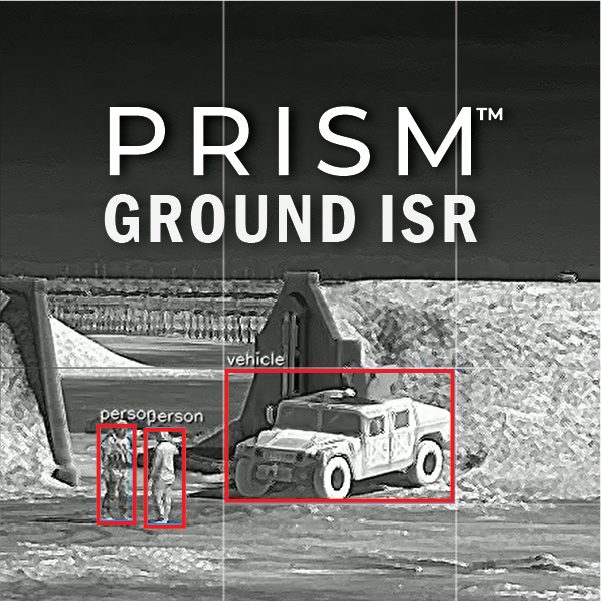
Teledyne FLIR OEM Expands Prism AI Platform with Ground ISR Software for Military Target Classification
Teledyne FLIR OEM has launched Prism™ Ground ISR, an advanced AI-powered software stack aimed at enhancing ground-based intelligence, surveillance, and reconnaissance (ISR) missions. This new software expands the capabilities of the existing Prism software family, which previously focused on counter-drone applications. The introduction of this technology marks a significant development in military target classification, leveraging AI, thermal imaging, and computational imaging to improve operational effectiveness. The announcement was made recently, highlighting the company's commitment to advancing ISR capabilities for military applications.
Applications Data analytics Defense defense Drone News Drone News Feeds
Vention and FANUC America Join Forces to Bring Industrial Robots to Vention's AI-Driven Hardware and Software Platform
At Automate 2026, live demonstrations showcased the capabilities of FANUC's CRX10iA and LR Mate 200iD robots, which are enhanced by Vention's advanced MachineMotion AI and MachineLogic software. These technologies are designed to optimize machine tending and adaptive robotic motion applications. The event, taking place in 2026, highlights the growing integration of artificial intelligence in automation processes, aiming to improve efficiency and flexibility in manufacturing environments. By leveraging these innovative solutions, companies can streamline operations and adapt to varying production demands, reflecting the industry's shift towards smarter, more responsive automation systems.

From Materials Simulation to Experimental Astronomy, New NVIDIA AI Software Unlocks Scientific Discoveries
During the ISC conference taking place this week in Hamburg, NVIDIA unveiled innovative software aimed at accelerating artificial intelligence applications in scientific research. The newly introduced DAQIRI library and ALCHEMI NIM software are designed to enhance processes in various fields, including chemistry, materials discovery, and even the exploration of dark matter. By leveraging advanced AI capabilities, NVIDIA seeks to empower researchers and scientists to achieve breakthroughs more efficiently, addressing the growing demand for faster and more effective scientific solutions.

Amazon Brings AI-Generated Merchandise to Its Shopping App via Alexa
Amazon has introduced a new AI-powered merchandise design feature within its Shopping app, aimed at enhancing user experience for customers in the United States. This innovative tool allows users to create custom products simply by providing prompts to Alexa, eliminating the need for any design skills. Leveraging the existing Merch on Demand print-on-demand service, customers can articulate their ideas to Alexa, which then generates a corresponding design for various products. This launch reflects Amazon's commitment to integrating advanced technology into its services, making personalized product creation accessible and straightforward for all users.
Uncategorized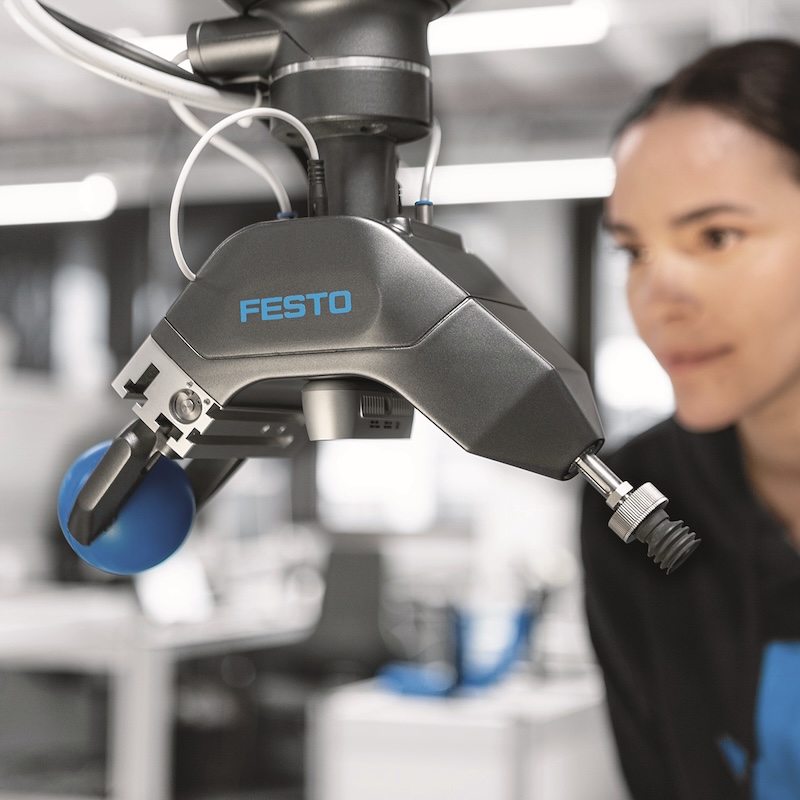
Festo launches GripperAI software to simplify flexible robot handling
Festo has launched GripperAI, an innovative AI-driven software designed to enhance robotic handling capabilities. This solution allows robots to manage a variety of mixed, unfamiliar, and randomly positioned products without requiring extensive programming or specialized vision systems. The introduction of GripperAI aims to provide manufacturers with increased flexibility in their automated handling processes. By automatically determining the best gripping point for each item, the software streamlines operations and improves efficiency in manufacturing environments. This advancement reflects Festo's commitment to integrating cutting-edge technology into automation solutions, catering to the evolving needs of the industry.
Components Industrial robots News AI software automation news cobots
Robotics Developers Focus on AI Software to Address Performance, Study Finds
A recent study has revealed a significant transformation in the field of robotics, highlighting a growing dependence on software and artificial intelligence (AI) technologies. This shift is reshaping how robotic systems are designed and function, indicating a move towards more intelligent and adaptable machines. The findings, based on data collected until October 2023, suggest that the integration of advanced software capabilities is crucial for enhancing the performance and efficiency of robotic systems. As industries increasingly adopt these innovations, the implications for automation and operational processes are profound, potentially leading to greater productivity and new applications across various sectors.
Business Intelligence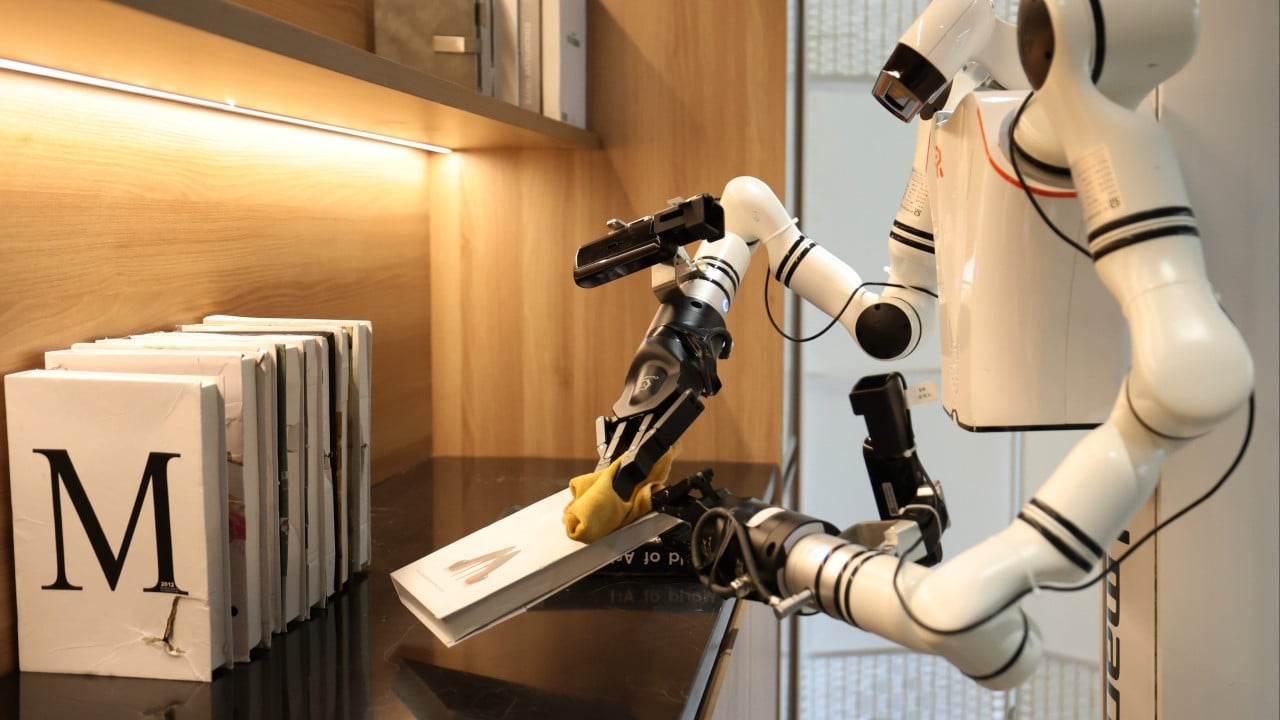
Chinese researchers claim breakthrough in training household robots with AI-generated homes
A team of researchers from Ace Robotics, a start-up supported by a Hong Kong-listed artificial intelligence firm, has announced a significant advancement in the training of robots for real-world home environments. This development addresses a persistent data bottleneck in robotics, potentially speeding up the integration of robots into everyday household settings. The researchers introduced Kairos-HomeWorld, the first unified framework designed to create coherent, accurate, and simulation-ready home environments using simple text prompts. This innovation marks a pivotal step forward in making robotic assistance more accessible and practical for consumers.
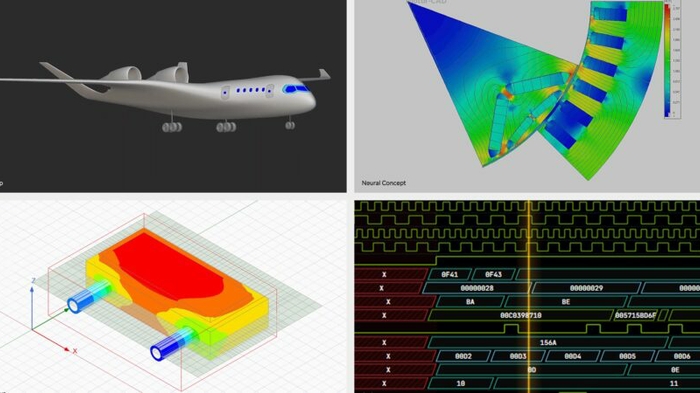
Industrial Software Leaders Build Secure, Autonomous AI Engineers With NVIDIA NemoClaw
Accelerated computing has transformed the field of industrial engineering by significantly reducing simulation times from weeks to mere hours. Despite these advancements, experts indicate that challenges persist in the end-to-end workflow associated with simulations, which includes critical processes such as computer-aided design, meshing, and the simulations themselves. As industries continue to adopt these technologies, addressing these workflow issues is essential for maximizing efficiency and effectiveness in engineering practices. The ongoing developments in accelerated computing are expected to further streamline these processes, enhancing productivity and innovation in the sector.

Enterprise Software Leaders Build AI Agents With NVIDIA
NVIDIA has unveiled a series of new software solutions, open-source models, and strategic partnerships with prominent software platform providers aimed at developing autonomous AI agents tailored for various industries, including engineering, healthcare, and software development. This announcement, made today, underscores NVIDIA's commitment to advancing AI technology and its applications across diverse sectors. By collaborating with leading companies, NVIDIA seeks to enhance the capabilities of AI agents, enabling them to perform complex tasks and improve operational efficiency. The initiative reflects a growing trend in the tech industry to leverage AI for transformative solutions that address specific challenges faced by enterprises.
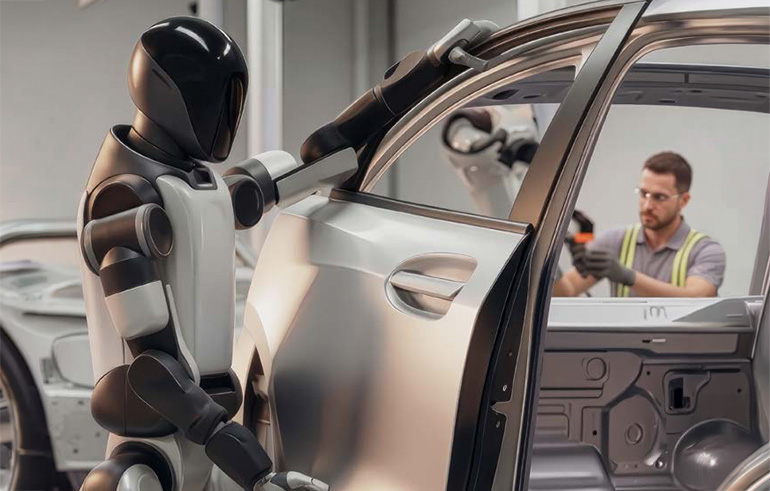
Software becoming the biggest bottleneck to physical AI innovation, finds QNX research
A recent survey conducted by QNX highlights the growing importance of software and security as robots increasingly operate in less controlled environments. The research indicates that these factors are becoming significant bottlenecks to the advancement of physical artificial intelligence (AI). As the robotics industry evolves, the need for robust software solutions and enhanced security measures is critical to facilitate innovation and ensure safe deployment in diverse settings. This shift underscores the challenges faced by developers and manufacturers as they strive to integrate advanced AI capabilities into their robotic systems.
Controllers Development Tools / SDKs / Libraries Healthcare Robotics Manufacturing Networking / Connectivity News
Taiwanese software startup Return Helper bags $4m
A prominent company has expanded its operations across multiple Asian markets, including Taiwan, Japan, Singapore, Hong Kong, and China. This strategic move, aimed at enhancing its market presence and tapping into the growing consumer base in the region, reflects the company's commitment to leveraging opportunities in these diverse economies. By establishing a foothold in these key markets, the company seeks to drive growth and innovation, responding to the increasing demand for its products and services. The expansion is part of a broader initiative to strengthen its competitive edge in Asia, where economic dynamics are rapidly evolving.
Investments News Startups ai cathay venture cross-border e-commerce
Hyundai creates dedicated units for software-defined factory, robot components
Hyundai Motor Group is taking significant steps to enhance its manufacturing capabilities by establishing dedicated units focused on its software-defined factory (SDF) strategy and sourcing robotic components. This initiative aims to integrate Atlas humanoid robots into its auto manufacturing processes. The announcement was made on Monday, with industry sources revealing that the group has appointed Alpesh Patel, currently the chief innovation officer at Hyundai Motor Group Innovation Center Singapore, to oversee the SDF initiative. This move reflects Hyundai's commitment to modernizing its production facilities and improving efficiency through advanced robotics and software integration.
All News
Shield AI tapped to integrate autonomous software on LUCAS drone
A technology company has announced plans to enhance its drone capabilities by integrating its Hivemind software, which will enable advanced swarming functionality. The demonstration of this innovative feature is scheduled for later this year, showcasing the potential for coordinated drone operations. This development aims to improve efficiency and effectiveness in various applications, reflecting the company's commitment to advancing drone technology.
Air Warfare Pentagon Air Force Drone Dominance Program Drones Emil Michael
Chinese firm Xpeng builds driverless cabs, likely to challenge Tesla’s FSD software in AI race
Chinese electric vehicle manufacturer Xpeng has initiated mass production of autonomous cabs equipped with its proprietary chips, marking a significant advancement in the competitive landscape of self-driving technology. This development comes as both Xpeng and Tesla intensify their efforts to dominate the burgeoning market for robotaxis, following their previous competition in smart electric vehicles and humanoid robotics. Based in Guangzhou, Xpeng announced that its robotaxis will operate at level 4 (L4) autonomy, indicating a high degree of self-sufficiency in driving capabilities. The push into this sector is fueled by the rapid evolution of physical artificial intelligence technologies, which are reshaping the future of transportation. As both companies strive for leadership in autonomous driving, Xpeng's entry into the robotaxi market poses a formidable challenge to Tesla, further escalating the race for innovation in the electric vehicle industry.

MVTec showcases cutting-edge AI technologies and highly flexible machine vision software at Automate 2026
MVTec Software GmbH will showcase its advanced AI technologies and flexible machine vision software at the Automate trade show, taking place from June 22 to 25, 2026, in Munich. With a strong presence in the North American market, the company aims to demonstrate how its hardware-independent software can enhance efficiency across various industries, including semiconductor manufacturing and food and beverage. Dr. Olaf Munkelt, Managing Director and co-founder, emphasized the significance of the event, stating that their products facilitate sustainable digital transformation through cutting-edge AI. Attendees can experience live demonstrations of MVTec's software, including HALCON and MERLIC, which feature innovations like Deep 3D Matching for robust object detection and Global Context Anomaly Detection for comprehensive inspection tasks. MVTec's commitment to hardware independence allows users to select any compatible camera or sensor, ensuring optimal performance in demanding applications. Heiko Eisele, President of MVTec LLC, highlighted the flexibility this offers to companies seeking to optimize production lines. Additionally, MVTec experts will participate in the conference program, with Agnes Weiershaeuser presenting on practical deep learning for industrial vision on June 22. This event underscores MVTec's ongoing dedication to advancing industrial automation through innovative machine vision solutions.
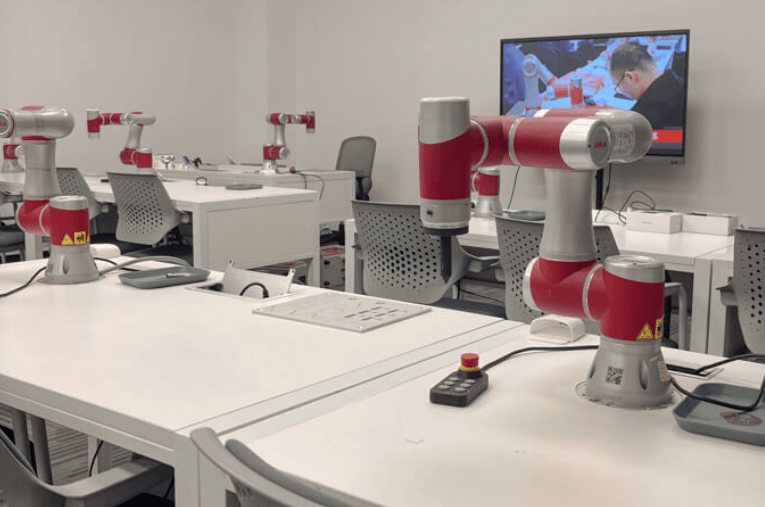
Choosing a Cobot China Partner: Focus on Software Ecosystem and Training
The manufacturing sector is increasingly embracing flexible automation, with collaborative robots, or "cobots," becoming vital assets in modern factories. In China, decision-makers prioritize not only the durability of cobots but also their software ecosystems and the quality of technical training provided. A robust software platform is crucial for seamless integration into existing digital workflows, while comprehensive training helps minimize the learning curve for employees. As part of the Industry 4.0 revolution, cobots are now integral components of larger data networks. When assessing cobots in China, software compatibility is essential for transforming a basic mechanical arm into a smart factory asset. Advanced software ecosystems facilitate multi-platform interaction, enabling operators to manage robots through various devices and supporting standard industrial protocols. The rise of the "low-code" and "no-code" movements has simplified programming, allowing non-specialists to quickly deploy tasks using user-friendly interfaces. This accessibility reduces dependence on costly external programmers and enables swift re-deployment across different production lines. Training is critical for maximizing the return on investment in automation. Manufacturers like JAKA Robotics emphasize professional training programs, offering tiered courses that range from basic operation to advanced programming. With the establishment of the JAKA Academy, the company provides standardized training to ensure that teams are equipped to handle both routine maintenance and complex tasks. JAKA Robotics combines cutting-edge hardware with an industry-leading software ecosystem, enabling remote interaction through the JAKA App. By integrating with "JAKA+" ecosystem partners, the company delivers comprehensive solutions that enhance operational efficiency and support the development of smart factories.

How remote software updates are keeping Ukraine’s combat robots on the edge
DevDroid, a Ukrainian combat robotics company, is revolutionizing military technology by implementing a software-style update cycle for its ground-based robotic systems. This innovative approach allows for rapid enhancements and adaptations to the robots' capabilities, ensuring they remain effective in dynamic combat environments. The initiative, which began in late 2023, aims to address the evolving challenges faced by Ukrainian forces amid ongoing conflict. By continuously upgrading the software, DevDroid enhances the operational efficiency and responsiveness of its robotic units, ultimately supporting the Ukrainian military's strategic objectives. The company’s commitment to integrating advanced technology into its combat systems reflects a broader trend in modern warfare, where adaptability and speed are crucial for success on the battlefield.

AI Vibe Coding Transforms Modern Software Development
Vibe Coding, a new platform, is revolutionizing software development by enabling users to transform their ideas into functional prototypes using artificial intelligence. This innovative approach emphasizes the importance of communication and critical thinking in the coding process. By simplifying the creation of software, Vibe Coding aims to make technology more accessible to a broader audience, allowing individuals without extensive programming knowledge to participate in the development process. Launched in late 2023, the platform is set to empower users to bring their concepts to life more efficiently and creatively.

Tesla Optimus Software Updates Explained (2026)
Optimus has unveiled its latest advancements in over-the-air (OTA) updates, which leverage cutting-edge technologies to enhance performance and functionality. The updates utilize neural network weights and the Grok large language model (LLM) to optimize the system's learning capabilities. These improvements are part of a broader initiative to refine the Cortex training process, which is crucial for the ongoing development of the AI5 chip. Scheduled for rollout in late 2023, the updates will be implemented across the fleet, allowing devices to learn from one another and improve collectively. This fleet learning approach not only ensures that each unit benefits from the latest enhancements but also streamlines the update process, making it more efficient and user-friendly. The motivation behind these updates is to maintain a competitive edge in the rapidly evolving AI landscape, ensuring that Optimus devices remain at the forefront of technology. By continuously integrating new data and refining algorithms, Optimus aims to provide users with an increasingly intelligent and responsive experience. These OTA updates represent a significant step forward in the integration of artificial intelligence in everyday technology, showcasing how advanced machine learning techniques can enhance device capabilities and user satisfaction.
Robotics needs a service framework.
RSF defines a common language for robot service capability, lifecycle operations, certification pathways, and service-provider networks.
Join the RobotToday community on LinkedIn
Daily robotics news, in-depth analysis, conference highlights, and discussions with professionals worldwide.