


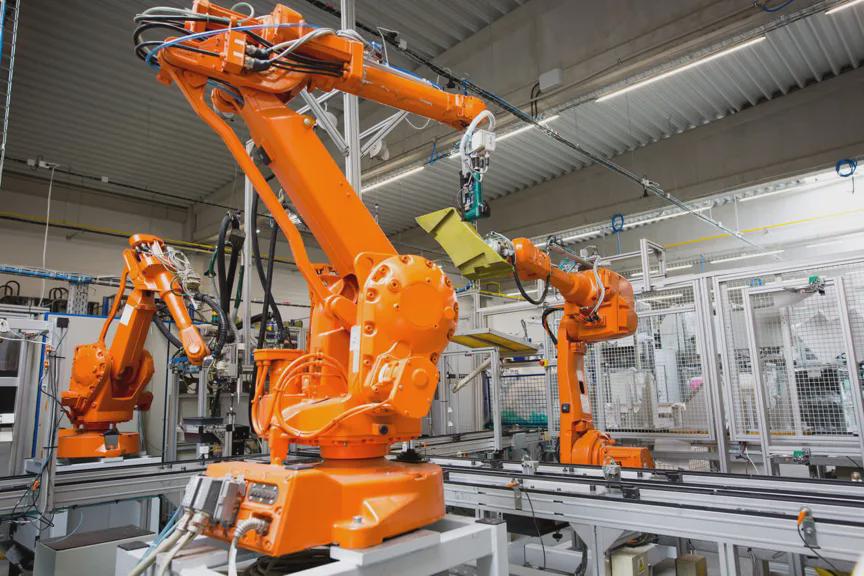
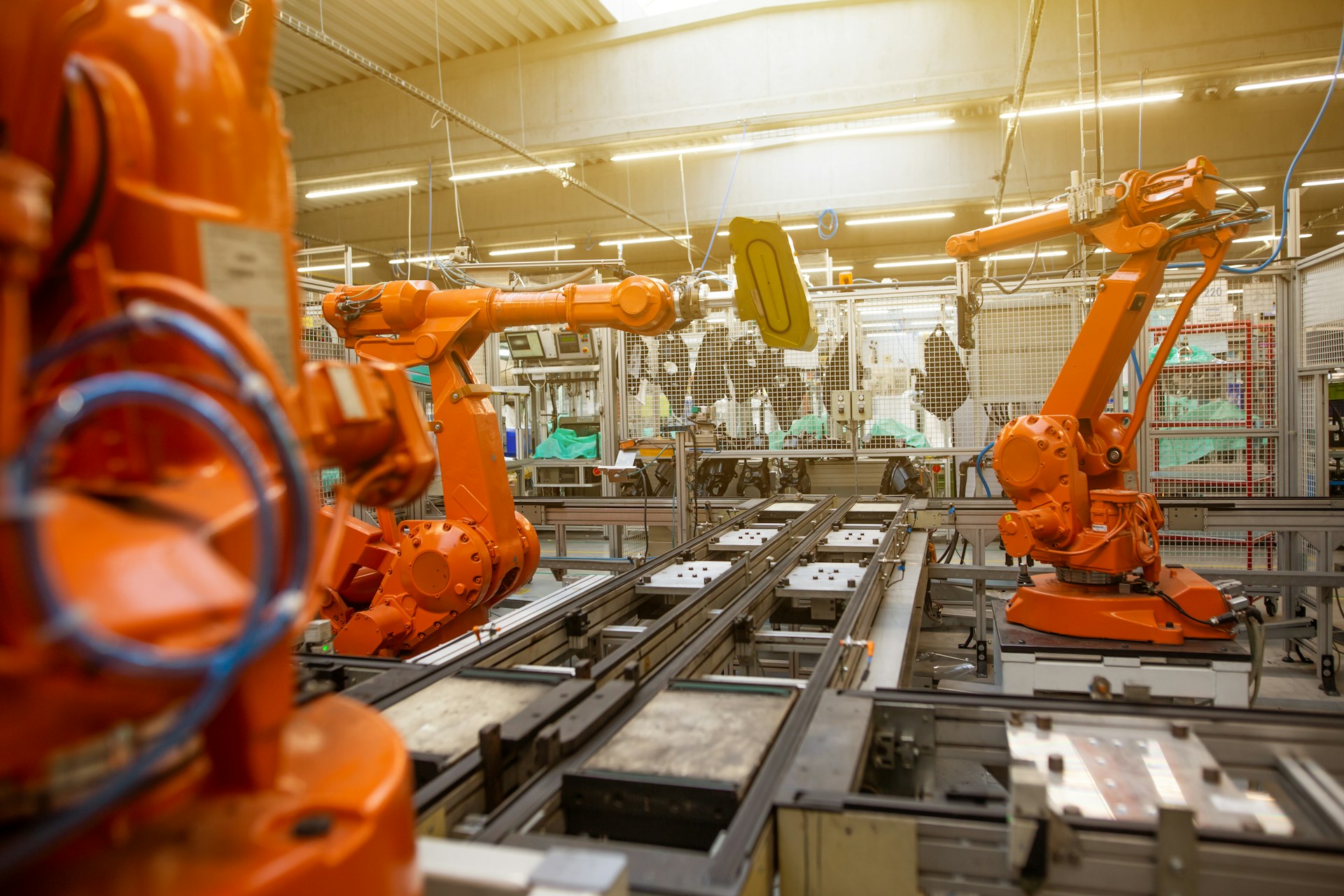
The integration of cameras, grippers, controllers, and application software is crucial for effective robotics deployment. When these components are tailored for a specific workcell, adapting them for different tasks or products often requires extensive rework. This challenge highlights the need for more flexible and adaptable robotic systems in manufacturing environments.
Addressing the integration issue is essential for enhancing productivity and efficiency in industrial automation. As companies seek to implement advanced robotics solutions, the ability to quickly adapt systems to new tasks can significantly reduce downtime and costs. This adaptability is vital for staying competitive in a rapidly evolving market.
Looking ahead, companies will need to focus on developing modular and interoperable robotic systems that can easily transition between various applications. The ongoing evolution in robotics and AI research will play a key role in shaping these advancements. No further timeline was disclosed at the time of publication.
Editor's Note
The integration of diverse robotic components is a critical factor in the efficiency of manufacturing processes. As industries increasingly adopt advanced robotics, the ability to seamlessly adapt systems to new tasks will be a significant competitive advantage. Companies must prioritize flexibility in their robotic solutions to meet the demands of a dynamic market.





























Leave a comment